The best road cycling routes around Postbauer-Heng
4.4
(73)
1,076
riders
62
rides
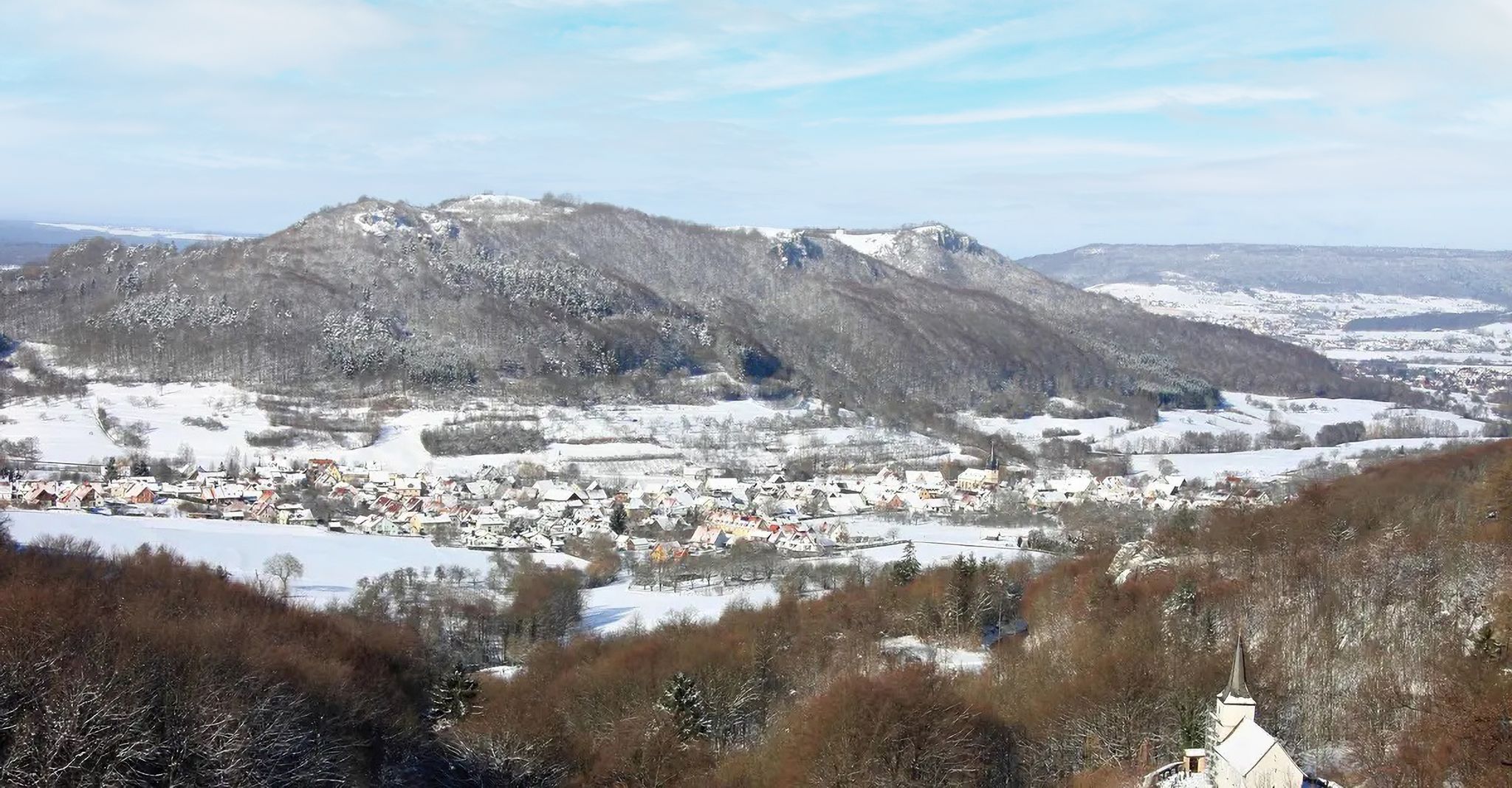
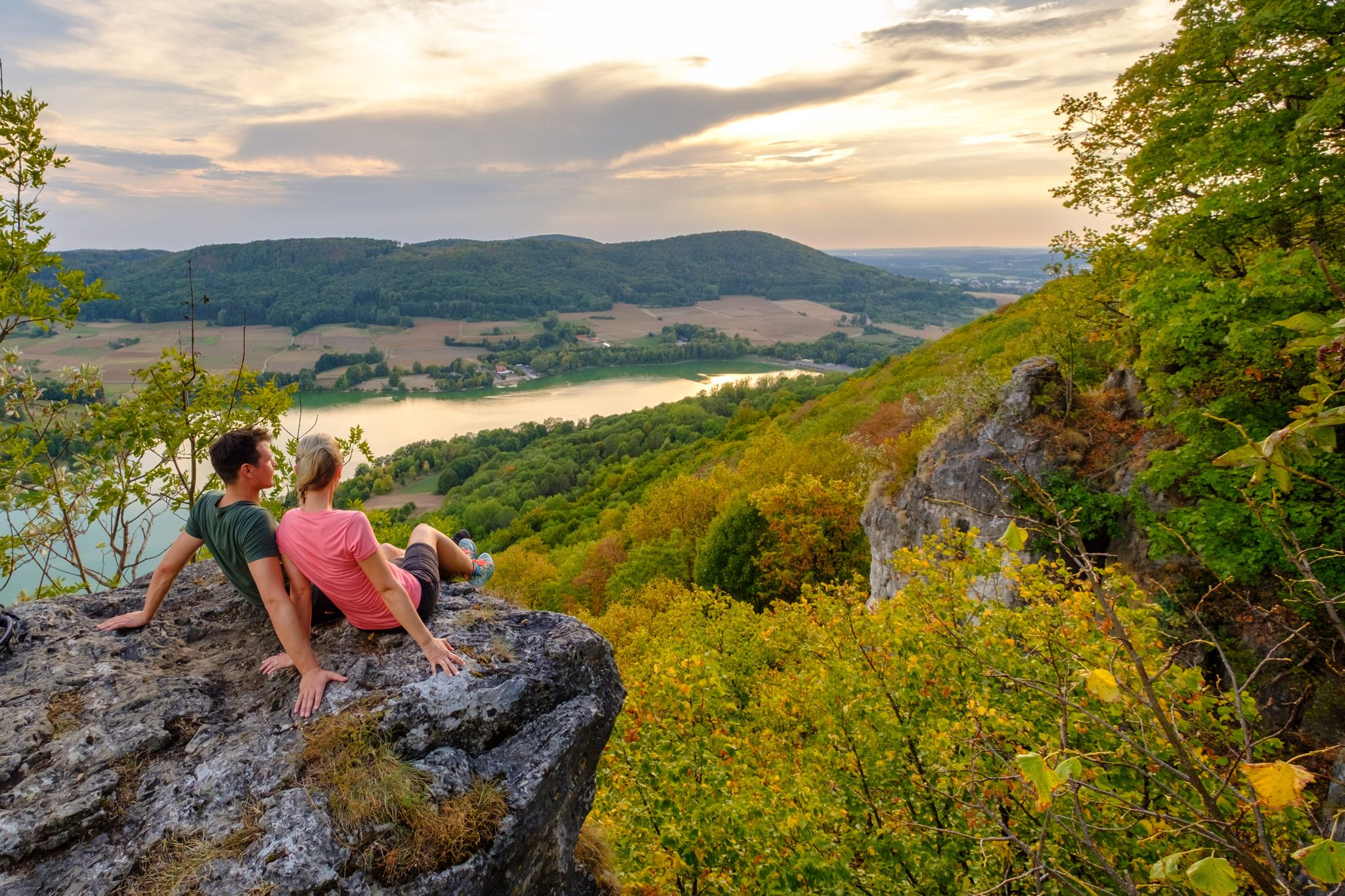
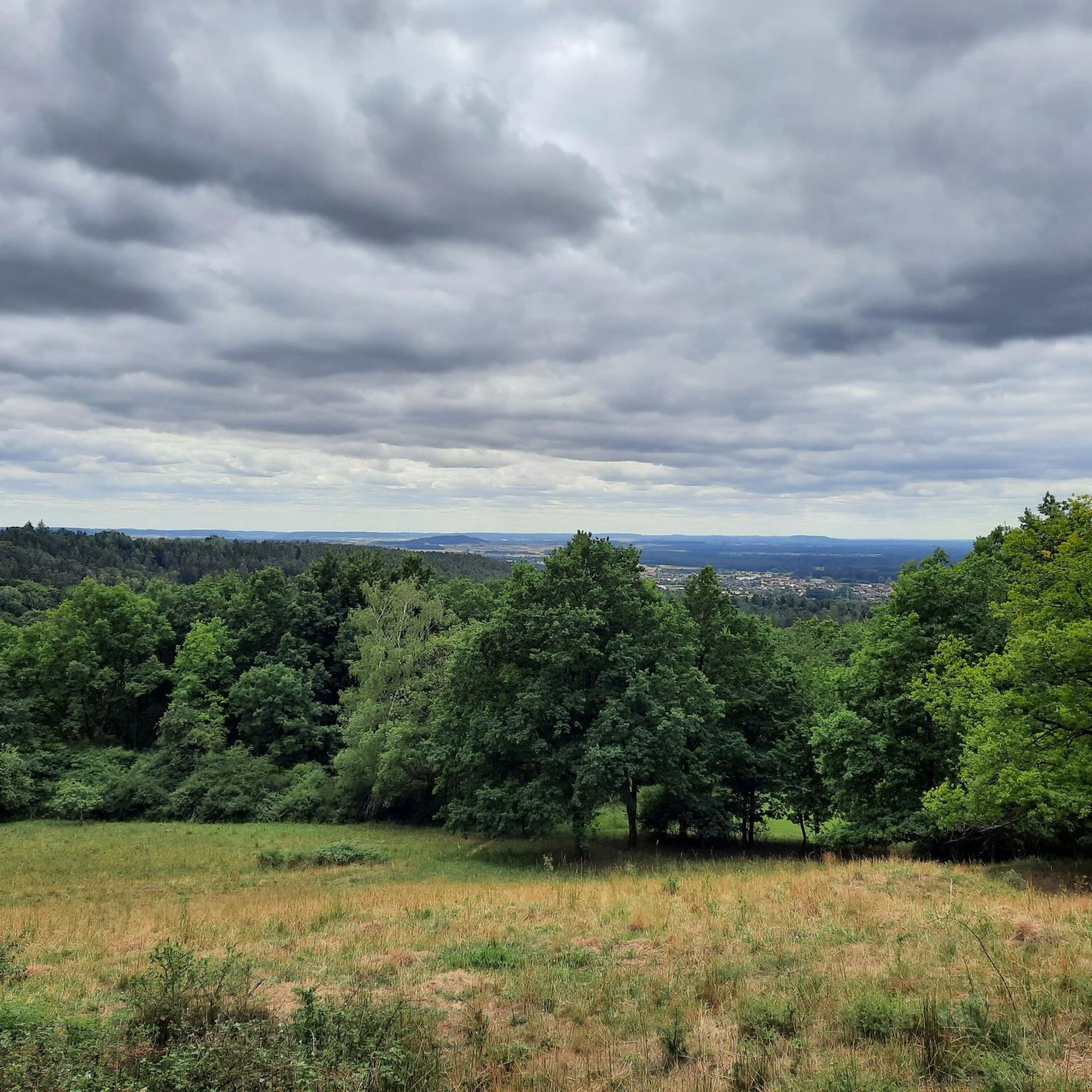
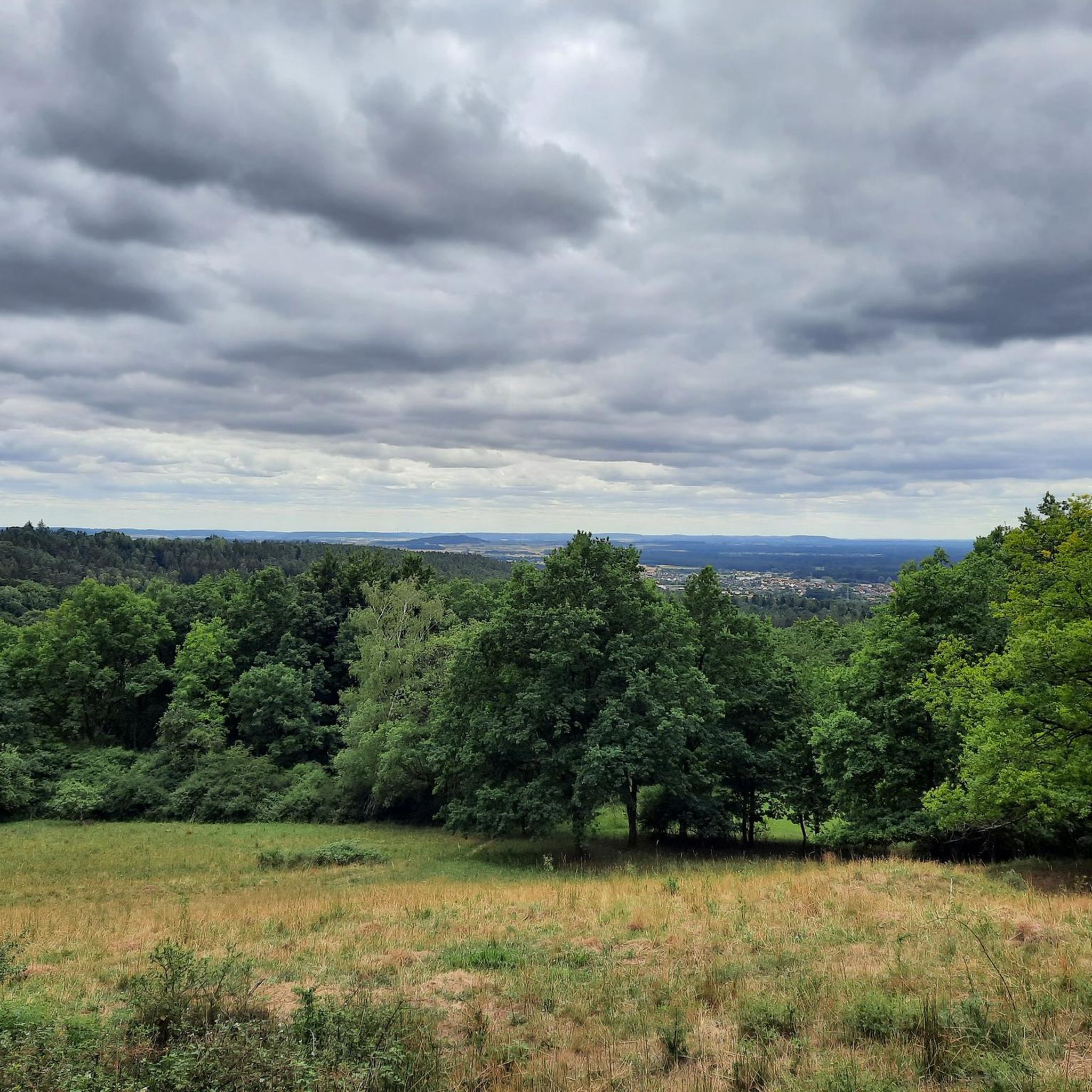
Road cycling around Postbauer-Heng, a municipality in Bavaria, Germany, offers diverse landscapes and well-developed cycling infrastructure. The region features mostly well-paved surfaces with varying elevation gains, including notable climbs like Brentenberg/Dillberg and Tyrolsberg. Cyclists can explore quiet side roads, historic canals, and picturesque areas such as the Altmühl Valley and the Bavarian Jura. The terrain provides a mix of relaxed rides along waterways and more challenging routes through natural beauty.
Best road cycling routes around Postbauer-Heng
- The most popular road cycling route is Cycle path between Pyrbaum and Pruppach – Pyrbaum <-> Kemnath cycle path loop from Postbauer-Heng, a 34.7 miles (55.8 km) trail that takes 2 hours 17 minutes to complete. This moderate route features well-paved surfaces and varying elevation.
- Another top favourite among local road cyclists is Stone Cross of Oberhembach – Pyrbaum <-> Kemnath cycle path loop from Postbauer-Heng, a moderate 43.3 miles (69.6 km) path. This route passes through quiet countryside, offering serene natural environments.
- Local road cyclists also love the Pyrbaum <-> Kemnath cycle path – Old Town Hall, Wendelstein loop from Postbauer-Heng, a 24.6 miles (39.7 km) trail leading through varied terrain, often completed in about 1 hour 51 minutes.
- Road cycling around Postbauer-Heng is defined by historic canals, the scenic Altmühl Valley, and the Bavarian Jura. The network offers options for different ability levels, from easy rides to more challenging routes with significant elevation.
- The routes in Postbauer-Heng are highly rated by the komoot community with an average score of 4.5 stars from more than 100 reviews. More than 1,400 road cyclists have used komoot to explore Postbauer-Heng's varied terrain.
Last updated: May 15, 2026
4.7
(40)
455
riders
Moderate road ride. Good fitness required. Mostly well-paved surfaces and easy to ride.
5.0
(5)
65
riders
Moderate road ride. Great for any fitness level. Some segments of this route may be unpaved and difficult to ride.

Sign up for free
5.0
(1)
43
riders
36.9km
01:34
190m
190m
Easy road ride. Great for any fitness level. Mostly well-paved surfaces and easy to ride.
3.0
(7)
21
riders
101km
04:32
760m
760m
Moderate road ride. Good fitness required. Mostly well-paved surfaces and easy to ride.
11
riders
83.2km
03:51
920m
920m
Hard road ride. Very good fitness required. Mostly well-paved surfaces and easy to ride.
Get access to more routes and recommendations from other explorers.
Sign up for free
Already have an account?
Our route recommendations are based on thousands of hikes, rides, and runs completed by other people on komoot.
Start today with a free account
Your next adventure awaits.
Login or Signup



Tips from the Community

Church of the Assumption of Mary The church was originally dedicated to the Visitation of Mary and is now dedicated to the Assumption of Mary. The nave is stylistically dated to the late 13th century. The chancel likely dates from the first half of the 14th century. The elongated, plastered hall church, with a slightly recessed chancel, measures 54 meters in length and features stepped buttresses at the chancel. A gabled tower with a pointed spire on the west side is open at the bottom. The church is a single-nave structure with a large nuns' gallery and, below it, the burial vault (known as a crypt) for the founding families of Sulzbürg and Wolfstein. The design is simple, with high, bare walls and no paintings or sculptures to minimize distractions from prayer. By the mid-14th century, the church's clear tripartite division was complete: the nuns' church in the west, the lay church in the center, and the priests' church in the east. The nuns' primary duties consisted of choral prayer and work. It can therefore be assumed that the church and the monastic living quarters were the first buildings completed. Until the Reformation, almost all deceased members of the founding family were buried here, and the nuns prayed daily for their souls. Several gravestones from this period still exist. The nuns' choir stalls on the gallery have been preserved and are therefore unique in all of Europe. The Baroque altars that adorn the church were acquired around 1720 after all the paintings and altars were burned during the Reformation. The high altar was crafted by a carpenter named Ulrich Schäfer from Neumarkt; the sculptor of the figures is unknown. The altarpiece, "The Visitation of Mary," is by the Landshut painter Wolf Simon Groß. In the right side altarpiece, dating from the late 17th century, the Three Wise Men pay homage to the Christ Child, above which is a statue of the Archangel Michael with a flaming sword and scales. In the left side altar stands a statue of the Virgin Mary with the Christ Child at the center, flanked by the apostles Peter and Paul. Above, a guardian angel holds his hand over a child. On the north wall of the nave is a dynamic, life-size group of figures dating from 1762, depicting the crucifix with John Nepomuk, accompanied by a putto and an angel. Source: Excerpts from www.wikipedia.de / https://www.pfarrei-seligenporten.de
3
0
Seligenporten Monastery The monastery, dedicated to the Blessed Virgin Mary, was founded in 1242 by Gottfried the Elder of Sulzbürg and his wife Adelheid of Hohenfels as a nunnery. In 1247, the monastery, then called "Felix Porta" ("fortunate/blessed gate"), was incorporated into the Cistercian Order through the mediation of the Archbishop of Mainz, and this was confirmed in 1249 by Bishop Heinrich of Eichstätt. In 1299, King Albrecht granted the monastery lower jurisdiction. The monastery was endowed by donations from the citizens of Sulzbürg and later from Wolfstein, as well as from the local nobility, and also served as the burial place for the Wolfstein family. Over the course of its more than 300 years, the Cistercian nunnery had further founders and patrons. Around 1500, the monastery's holdings comprised 350 properties with 650 subjects in over 20 villages, who were liable for taxes. It held the patronage rights for seven parishes and two chaplaincies. In the second half of the 15th century, the Electors of the Palatinate began to bring the Upper Palatinate monasteries under their rule. These monasteries, all heavily indebted and in dire financial straits, were powerless to resist. In 1550, Anna von Kuedorf, the last abbess of the Cistercian convent of Seligenporten, was forced to accept the Protestant church order of the Palatine Elector Ottheinrich. With her death in 1576, Seligenporten, the last abbey in the Palatinate, finally passed into the possession of the sovereign. After the annexation of the Upper Palatinate by Elector Maximilian of Bavaria, it was recatholicized, and the monastery was re-established in 1625. In 1671, the monastery was transferred to the Salesian convent in Amberg. In the course of secularization in 1803, the buildings and properties passed into private hands. Today, the former monastery church is the parish church of Seligenporten. Most of the buildings were demolished. The remaining monastery buildings were taken over in 1930/31 by the expelled Cistercians of Sittich Abbey, belonging to the Mehrerau Congregation. The community of monks, now established in Seligenporten, numbered 16 members in 1963, but was dissolved again in 1967. The former abbey church was restored between 1976 and 1979. In 2003, the former brewhouse of the old monastery brewery was renovated, and a new microbrewery was established. Source: Excerpts from www.wikipedia.de
3
0

Good cycle path that runs alongside the country road
0
0


Beautiful sandstone building. Today, the Old Town Hall houses the registry office
9
0
The old town hall now serves as a registry office.
9
0
The old town hall now houses the registry office.
9
0
Very nice old town with some restaurants and bakeries with cafés.
1
0
Frequently Asked Questions
What kind of terrain can I expect on road cycling routes around Postbauer-Heng?
The region around Postbauer-Heng offers diverse landscapes with mostly well-paved surfaces. You'll encounter varying elevation gains, including notable climbs like Brentenberg/Dillberg and Tyrolsberg. Many routes feature quiet side roads with minimal traffic, providing a calm cycling experience through picturesque areas like the Altmühl Valley and the Bavarian Jura.
How many road cycling routes are available in the Postbauer-Heng area?
There are over 60 road cycling routes around Postbauer-Heng, catering to various fitness levels. These routes are highly rated by the komoot community, with an average score of 4.5 stars.
Are there road cycling routes suitable for beginners or those seeking an easier ride?
Yes, Postbauer-Heng offers routes for all abilities. There are 22 easy routes available, perfect for beginners or those looking for a relaxed ride. An example of an easy route is the Seligenporten Monastery – Allersberg Market Square loop from Pavelsbach, which covers about 37 km with moderate elevation.
What are some notable natural features or landscapes I can explore by road bike?
You can enjoy cool and easy rides along the historic Ludwig-Danube-Main Canal, which offers many scenic impressions. The routes also take you through the picturesque Altmühl Valley and the Bavarian Jura, known for their natural beauty. You might also find serene stretches alongside railway tracks and small biotopes.
What landmarks or points of interest can I see along the road cycling routes?
The routes often pass by interesting historical and natural sites. You could encounter the Heinzburg Ruins on Schlossberg, the Pilgrimage Church of the Fourteen Holy Helpers on Möninger Berg, or enjoy views of the Dillberg Transmission Towers. Some routes also lead past the Rothsee and its nature reserve.
Are there any long-distance or challenging road cycling routes in the area?
For those seeking longer and more challenging rides, the Eastern Circular Route covers 175 kilometers and includes notable climbs like Brentenberg/Dillberg and Tyrolsberg. There are 4 difficult routes available for experienced cyclists.
When is the best time of year for road cycling in Postbauer-Heng?
The region is generally suitable for cycling during most of the year, with spring through autumn offering the most pleasant conditions. The diverse landscapes and well-developed infrastructure make it enjoyable across seasons, though specific weather conditions should always be checked.
Are there family-friendly road cycling options around Postbauer-Heng?
While specific 'family-friendly' routes are not explicitly detailed, the presence of many easy and moderate routes, often on quiet side roads or along canals, suggests there are suitable options for families. Routes with less elevation gain and minimal traffic would be ideal.
Where can I find parking for road cycling routes in Postbauer-Heng?
Parking availability can vary by specific route starting points. Many routes originate from Postbauer-Heng itself, where public parking options are generally available. For routes starting in smaller towns or villages, look for designated parking areas near trailheads or local amenities.
Can I access road cycling routes in Postbauer-Heng using public transport?
Postbauer-Heng is a municipality in Bavaria, Germany, and typically has public transport connections. Depending on your starting point, regional trains or buses might provide access to the area, allowing you to reach various route starting points. It's advisable to check local public transport schedules for specific connections.
What do other road cyclists enjoy most about cycling in Postbauer-Heng?
The area is highly rated by the komoot community, with an average score of 4.5 stars from over 100 reviews. Cyclists often praise the diverse landscapes, the mix of challenging climbs and relaxed canal-side rides, and the well-developed cycling infrastructure that includes many quiet side roads.
Are there any circular road cycling routes available?
Yes, many routes in the area are designed as loops, allowing you to start and end in the same location. For example, the Stone Cross of Oberhembach – Pyrbaum <-> Kemnath cycle path loop from Postbauer-Heng is a moderate 69.6 km circular path that takes you through quiet countryside.
What is the typical distance for road cycling routes in this region?
The distances for road cycling routes around Postbauer-Heng vary significantly. You can find shorter routes, such as the Pyrbaum <-> Kemnath cycle path – Old Town Hall, Wendelstein loop from Postbauer-Heng at about 39.7 km, up to longer excursions like the Seligenporten Monastery – Freystadt Old Town loop from Postbauer-Heng, which is over 100 km long.
Most popular routes around Postbauer-Heng
Most popular attractions around Postbauer-Heng

Get inspired with the komoot mobile app


Explore more
Browse the best Road cycling routes in other regions.
