Attractions and Places To See around Domanico - Top 20
Best attractions and places to see around Domanico, a village nestled in the Serre Cosentine in the Valle del Busento, offers a glimpse into Calabrian history and culture. Situated on the inner side of the Catena Paolana mountain range, at the foot of Mount Cocuzzo, the area is characterized by its diverse natural landscapes. The municipality spreads across altitudes ranging from 499 to 1294 meters, providing varied terrain and scenic views. Domanico Italy local attractions nature include historic sites and…
Last updated: October 5, 2026
Historic Center of Cosenza
Highlight • Historical Site
Translated by Google •
Tip by

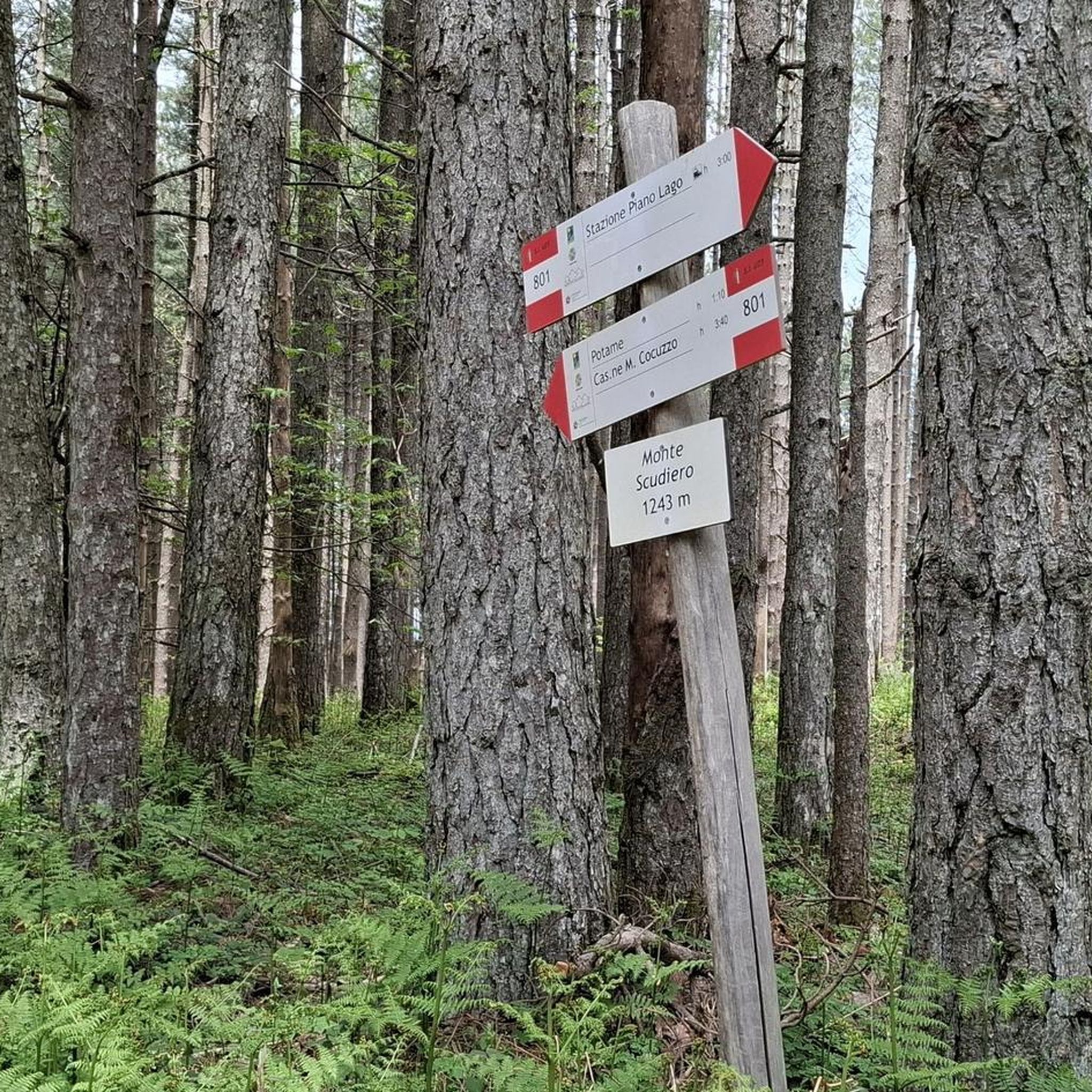
Monte Cocuzzo
Highlight • Summit
Translated by Google •
Tip by

Sign up now to discover places like this
Get recommendations on the best single tracks, peaks, & plenty of other exciting outdoor places.
View of the Summit of Monte Cocuzzo
Highlight • Summit
Translated by Google •
Tip by

Diocesan Museum of Cosenza
Highlight • Historical Site
The stauroteca is one of the most precious works to be admired in the Diocesan museum, …
Translated by Google •
Tip by

Cosenza Old Town
Highlight • Historical Site
City rich in monuments and history. Not …
Translated by Google •
Tip by

Sign up for free to discover even more attractions around Domanico.
Already have an account?
Start today with a free account
Your next adventure awaits.


Tips from the Community

The highest of the Coast Range Mountains. Save some legs for the last snatch!
1
0
Very ancient city, dating back to the 8th century BC. which rises on the Pancrazio hill, in the valley of the Crati river. City rich in monuments and history. Not far away, in Rende, is the campus of the University of Calabria, which makes the area a lively urban agglomeration.
2
0

The historic center of the city of Cosenza is located on seven hills, like Rome, and preserves evidence of different eras and cultures. In ancient times it was the capital of the Bruzi, an Italic population that opposed the Romans, and it was also the favorite seat of Frederick II of Swabia, who built a castle with polygonal towers there.
2
0

Simple path but that needs breath. Beware of the dogs that guard the goats, I do not recommend the walk accompanied by an animal.
0
0

Monte Cocuzzo, with its 1541 meters, is the highest peak of the Coastal Chain. The shape reminds a volcano, however today scholars think that it is a mountain of dolomitic formation.
4
0

The Diocesan museum collects artifacts from the Duomo and other churches in the area. The stauroteca is one of the most precious works to be admired in the Diocesan museum, it is an artifact produced at the end of the twelfth century by the Norman factory of Palermo, which, according to tradition, Frederick II in 1222 donated to the Chapter of the city. Arrive for the visit before 12pm.
0
0
Frequently Asked Questions
What historical and cultural sites can I explore in Domanico?
Domanico is rich in history. You can visit the Church of San Giovanni Battista, the Mother Church from the 18th century, or the Church of San Francesco da Paola, both featuring neoclassical architecture. Don't miss exploring the narrow alleys of the historic center, where you can find the Palazzo Stancati and an 18th-century iron balcony on Via San Marco. The Monument of the Sanctions also offers a glimpse into the town's past.
Are there any natural landmarks or viewpoints near Domanico?
Absolutely. Domanico is nestled in the Valle del Busento, offering picturesque natural landscapes. A prominent natural landmark is Monte Cocuzzo, the highest peak of the Coastal Chain at 1541 meters, which provides extensive panoramic views. You can also find a View of the Summit of Monte Cocuzzo, offering a different perspective of this impressive mountain.
What outdoor activities are available around Domanico?
The diverse terrain around Domanico is ideal for various outdoor activities. You can find numerous routes for cycling, mountain biking, and running. For cycling enthusiasts, explore challenging routes like the 'Historic Center of Cosenza – View of Cosenza loop' from Cerisano. Mountain bikers can tackle routes such as the 'Cosenza Historic Center loop' from Mendicino. If you prefer running, there are options like the 'Cosenza – ring tour'. You can find more details on these activities and routes on the dedicated guides for cycling, MTB, and running trails around Domanico.
What is there to see in the nearby city of Cosenza?
Just a short distance from Domanico, Cosenza offers significant historical and cultural attractions. The Historic Center of Cosenza, built on seven hills, showcases evidence of various eras and cultures, including its past as the capital of the Bruzi and a favored location of Frederick II of Swabia. You can also visit the Diocesan Museum of Cosenza, which houses precious artifacts like a 12th-century stauroteca from the Duomo and other local churches.
Are there any family-friendly attractions in the Domanico area?
While Domanico itself is a quieter village, the nearby Diocesan Museum of Cosenza is considered family-friendly and offers an educational experience with its collection of historical artifacts. Exploring the charming historic alleys of Domanico and its surrounding countryside views can also be an enjoyable activity for families.
What are the most notable churches in Domanico?
Domanico is home to two significant churches. The Church of San Giovanni Battista, the Mother Church, is an 18th-century edifice with a neoclassical façade and 19th-century stuccoes inside. The Church of San Francesco da Paola, located on the main street of the historic center, also features a neoclassical façade with Tuscan-style pilasters and a bell tower.
Can I explore other villages within the Domanico municipality?
Yes, the municipality of Domanico includes four smaller villages: Capirossi, Motta, Potame, and Storticati. Motta, a small medieval village perched on a rock to the east of Domanico, is particularly notable. Here you can find the 17th-century Church of Our Lady of Grace, the Church of Our Lady of Mount Carmel, and a castle.
What is the best time to visit Domanico for outdoor activities?
Domanico's location on the slopes of the Sila plateau, with altitudes ranging from 499 to 1294 meters, means it offers diverse natural landscapes. Generally, spring and autumn provide pleasant temperatures for exploring the countryside views and engaging in outdoor activities like cycling, mountain biking, and running. Summers can be warm but are also suitable for higher altitude trails, while winters might bring colder weather and potentially snow at higher elevations.
What do visitors particularly enjoy about the attractions around Domanico?
Visitors appreciate the blend of historical depth and natural beauty. For instance, the Historic Center of Cosenza is valued for its ancient history and cultural significance, having been the capital of the Bruzi. Monte Cocuzzo is loved for its breathtaking panoramic views from the highest peak of the Coastal Chain. The Diocesan Museum of Cosenza is praised for its precious works, including the stauroteca.
Are there any specific tips for visiting Monte Cocuzzo?
When visiting Monte Cocuzzo, be prepared for a climb to the summit, which offers spectacular panoramic views. If you are taking the path to the View of the Summit of Monte Cocuzzo, be aware that while the path is simple, it requires some stamina. Also, visitors have noted the presence of dogs guarding goats, so exercise caution, especially if you are accompanied by a pet.
What is the significance of the Historic Center of Cosenza?
The Historic Center of Cosenza is a profoundly significant site. It is an ancient city, dating back to the 8th century BC, and is uniquely situated on seven hills, much like Rome. It served as the capital of the Bruzi, an Italic population, and was a favored residence of Frederick II of Swabia, who built a castle there. The area is rich in monuments and history, preserving evidence of diverse eras and cultures.
Most popular attractions around Domanico

Get inspired with the komoot mobile app


Explore more
Still not found the Highlight you’re looking for? See guides of the top attractions in other regions:
