Attractions and Places To See around Mangone - Top 17
Best attractions and places to see around Mangone. Mangone is a town located on the slopes of the Sila plateau in the province of Cosenza, Calabria. It offers a blend of historical architecture, cultural richness, and natural beauty. Surrounded by chestnut and oak forests, the area provides a setting for exploring both man-made and natural landmarks.
Best attractions and places to see around Mangone
- The most popular attractions is Historic Center of Cosenza, a historical site that preserves evidence…
Last updated: October 4, 2026
Historic Center of Cosenza
Highlight • Historical Site
Translated by Google •
Tip by

Diocesan Museum of Cosenza
Highlight • Historical Site
The stauroteca is one of the most precious works to be admired in the Diocesan museum, …
Translated by Google •
Tip by

Sign up now to discover places like this
Get recommendations on the best single tracks, peaks, & plenty of other exciting outdoor places.
Cosenza Old Town
Highlight • Historical Site
City rich in monuments and history. Not …
Translated by Google •
Tip by

Teatro Rendano
Highlight • Monument
Translated by Google •
Tip by
Tavolaria Bridge
Highlight • Bridge
Translated by Google •
Tip by

Sign up for free to discover even more attractions around Mangone.
Already have an account?
Start today with a free account
Your next adventure awaits.
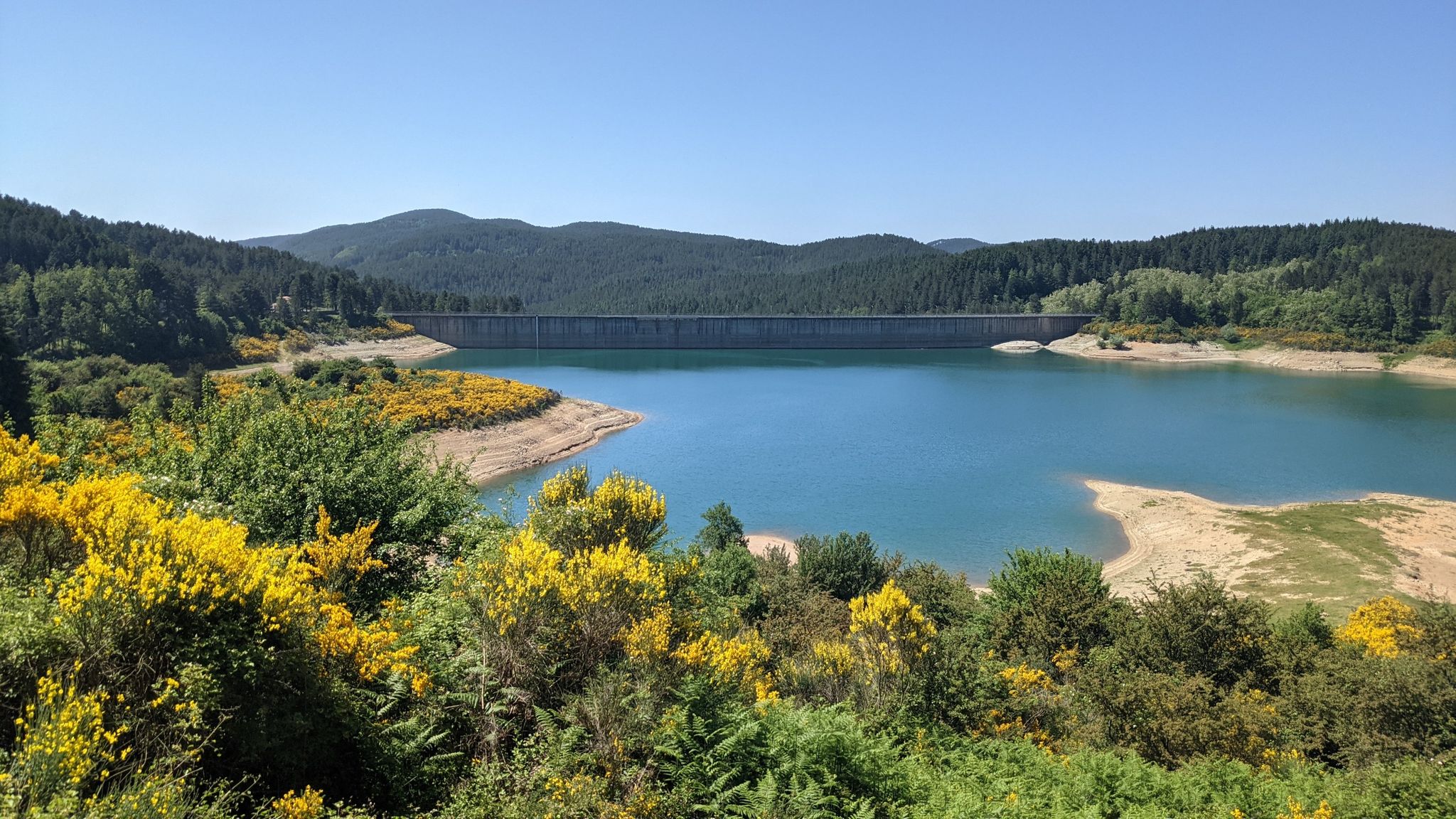
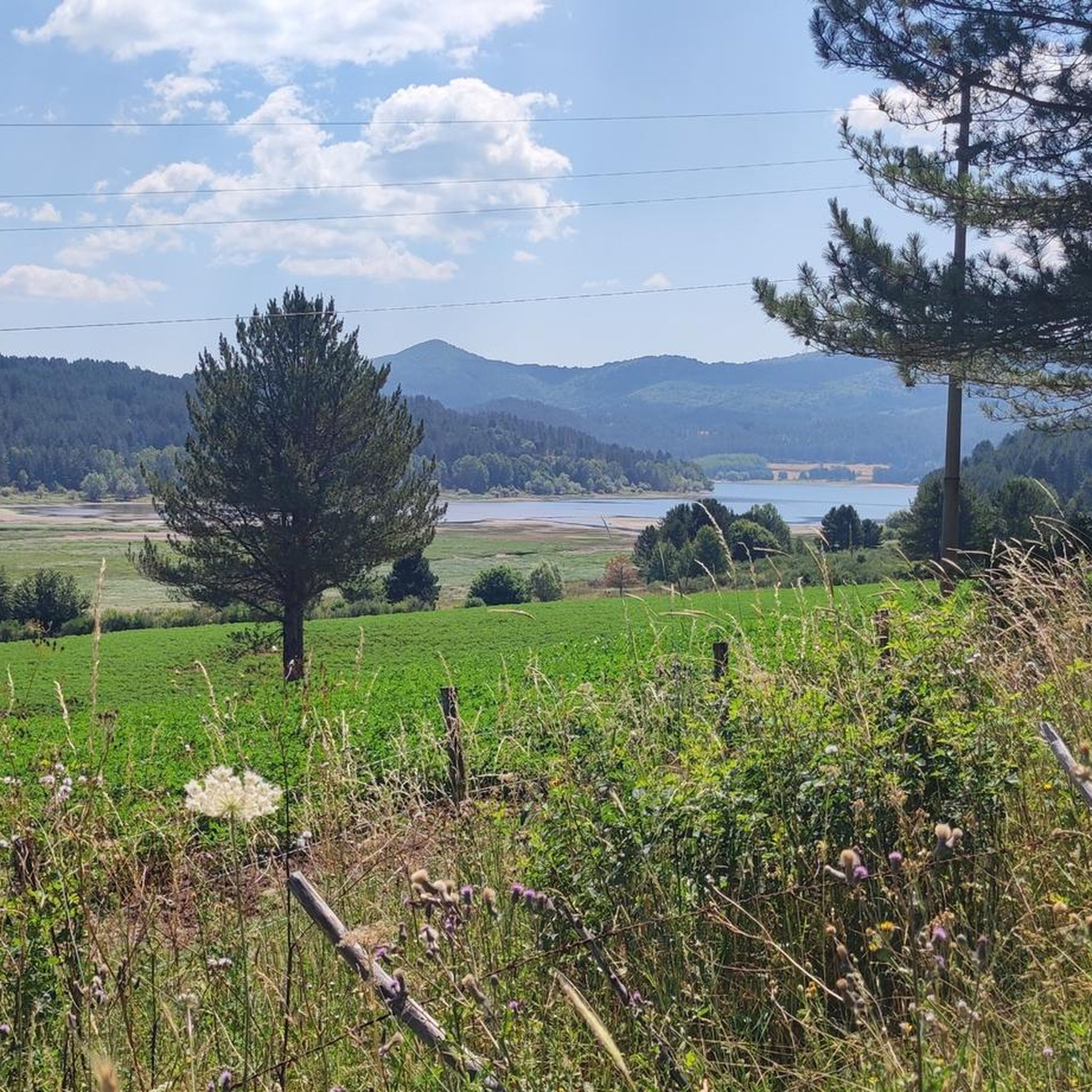

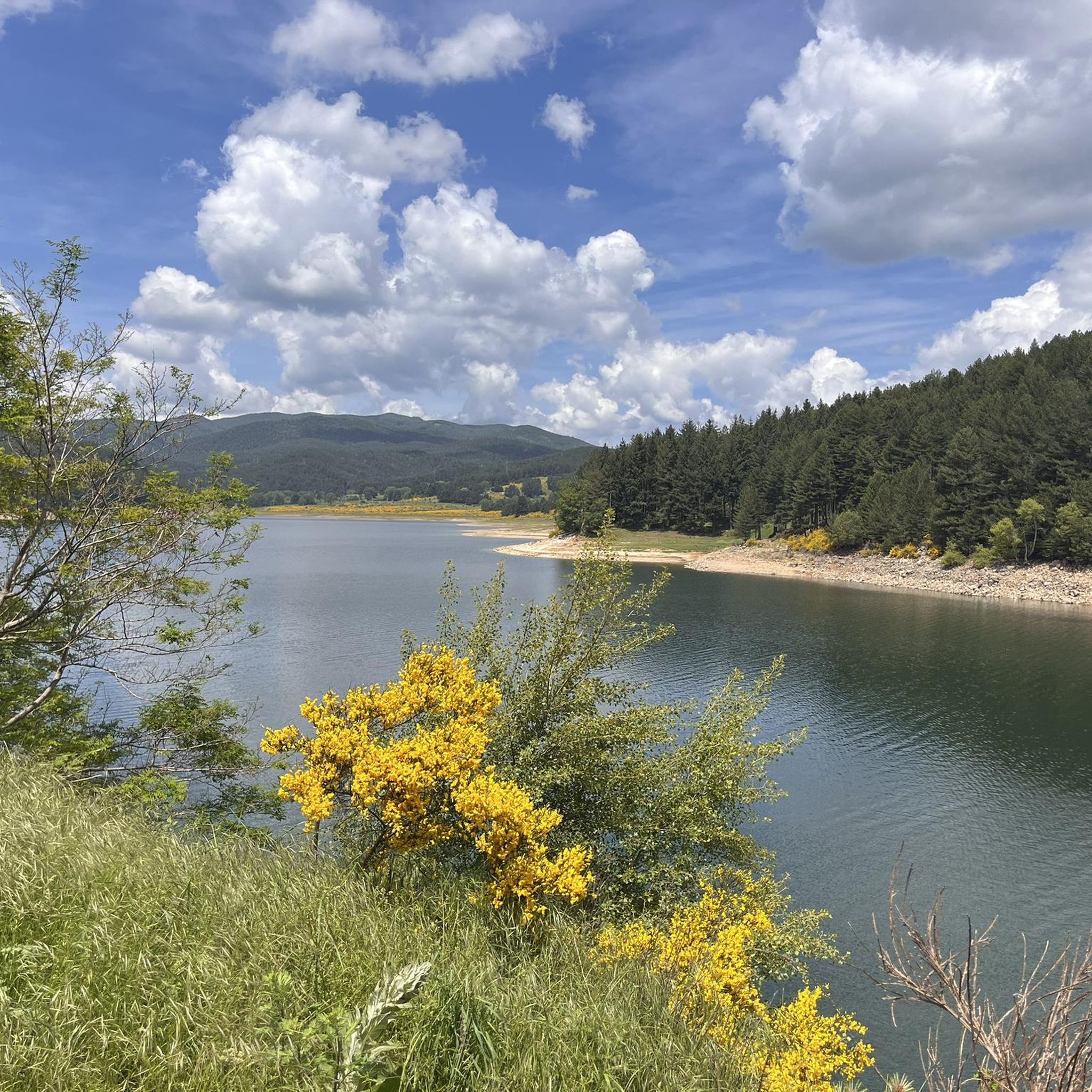

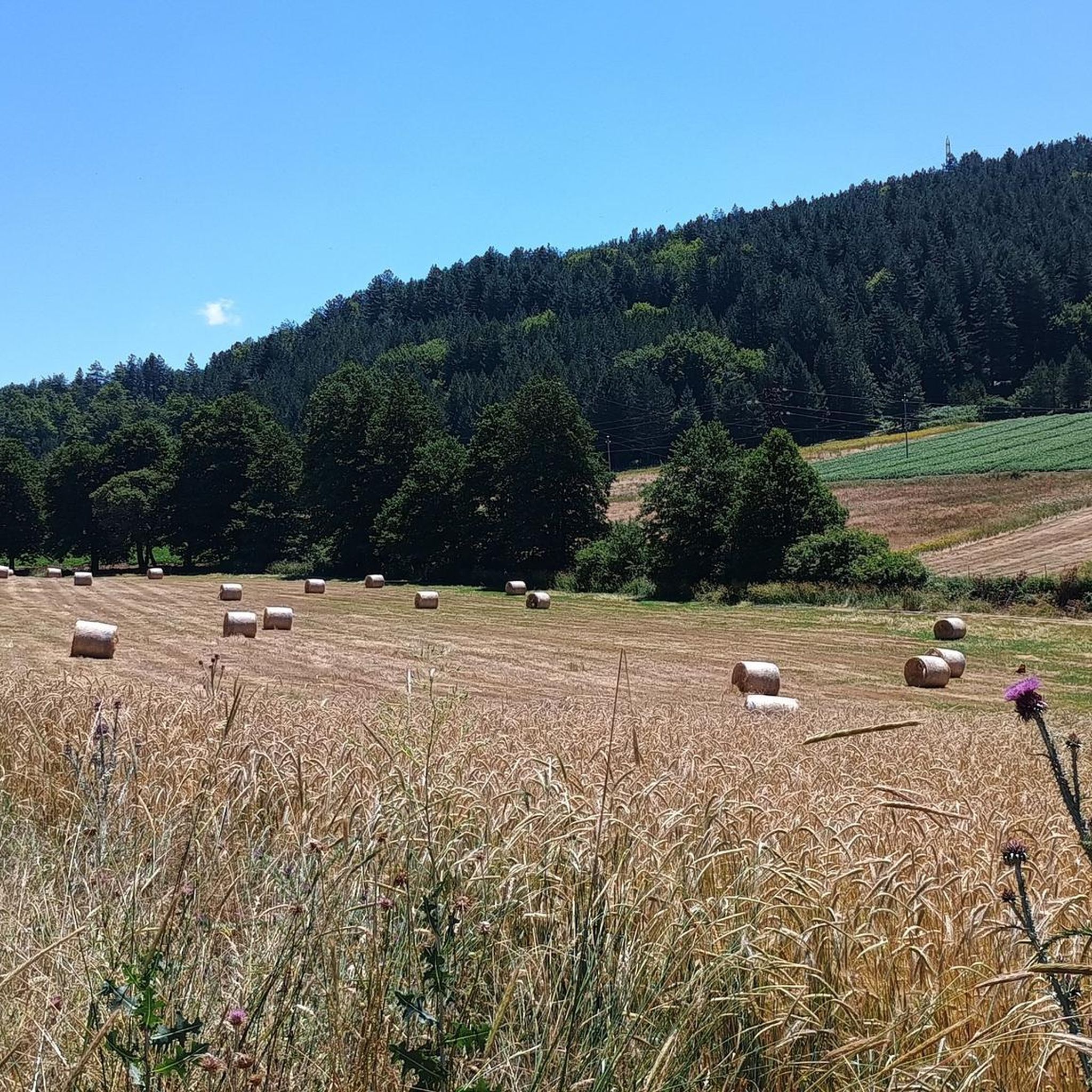
Other adventures around Mangone

Tips from the Community

The "Tavolaria" bridge about 1500 meters from Cannavina was built in the Spanish period in 1592 with a single arch in sun-baked bricks while the shoulders were built entirely with local stone and lime; the left shoulder rests on a very characteristic rock spur. It connected, via mule tracks, the lands to the left of the river with those exposed to the east, and was important for the trade of agricultural and sheep-farming products which were brought to the markets of Rogliano. But, in addition to its rough and primitive architectural beauty, it fascinates us with its history and the legend linked to this area from which it takes its name: Tavolaria. King Oenotrio, finding himself traveling up the Savuto valley, encountered much resistance from his enemies in the area. To defeat them, he worked with cunning by asking for a truce and inviting them to a lavish dinner and, after getting them drunk, he killed them all. The Cannavina locality takes its name from the Cannavino stream, a tributary of the Savuto river, and is one of the refreshment places of the Rogliano people characterized by a waterfall which at the base forms a basin of water, the so-called "vullu" in the local dialect. Cannavino/a could mean "guzzling wine" precisely because of the coolness and beauty of the place which invites the typical conviviality of the people of the valley.
0
0

Very ancient city, dating back to the 8th century BC. which rises on the Pancrazio hill, in the valley of the Crati river. City rich in monuments and history. Not far away, in Rende, is the campus of the University of Calabria, which makes the area a lively urban agglomeration.
2
0

The Rendano theater of Cosenza is the municipal theater of the city, dedicated to the musician Alfonso Rendano. It is located in the historic center and was inaugurated in 1909 with Verdi's Aida. It has a horseshoe-shaped hall with more than 800 seats and hosts performances of various genres.
1
0
The historic center of the city of Cosenza is located on seven hills, like Rome, and preserves evidence of different eras and cultures. In ancient times it was the capital of the Bruzi, an Italic population that opposed the Romans, and it was also the favorite seat of Frederick II of Swabia, who built a castle with polygonal towers there.
2
0

The Diocesan museum collects artifacts from the Duomo and other churches in the area. The stauroteca is one of the most precious works to be admired in the Diocesan museum, it is an artifact produced at the end of the twelfth century by the Norman factory of Palermo, which, according to tradition, Frederick II in 1222 donated to the Chapter of the city. Arrive for the visit before 12pm.
0
0
Frequently Asked Questions
What historical sites can I explore within Mangone?
Within Mangone itself, you can visit the Cathedral of San Giovanni Evangelista, a 17th-century structure with rich 18th-century carvings. The Mauro Palace is another notable historic building in the town's center. Don't miss the Sanctuary of Madonna dell'Arco, a Baroque-style church dating back to 1700, and the Museo di Arte Sacra S. Giuseppe, which houses sacred art from the 16th to 18th centuries.
Are there any museums in or near Mangone?
Yes, in Mangone, you can visit the Museo di Arte Sacra S. Giuseppe, located in the former Santa Maria Maggiore church, which displays religious artifacts. Nearby, in Cosenza, the Diocesan Museum of Cosenza collects precious artifacts from the Cosenza Cathedral and other local churches, including a 12th-century stauroteca.
What natural features can I enjoy around Mangone?
Mangone is nestled on the slopes of the Sila plateau, offering a natural setting with fresh air. The town is surrounded by lush chestnut and oak forests. The broader Sila region is home to the Sila National Park, which features ancient forests like the 'Giants of Sila' nature reserve and picturesque areas such as Lake Ariamancina.
What cultural attractions are there in the Mangone area?
Beyond its historical buildings, Mangone hosts the Sanctuary of Madonna dell'Arco, a significant Baroque site where the town's patronal feast is celebrated. In Cosenza, the Teatro Rendano is a municipal theater that hosts various performances, adding to the cultural offerings of the wider region.
Are there opportunities for hiking near Mangone?
Yes, the area around Mangone, particularly towards the Sila plateau, offers hiking opportunities. You can find various routes, including easy options like the 'Bridge over the Campagnano loop from Cosenza Campanella' (6.5 km) or more challenging ones like 'Monte Botte Donato – Water! loop from Lago Arvo' (16.1 km). For more details, explore the Hiking around Mangone guide.
What cycling routes are available around Mangone?
Cyclists can enjoy a variety of routes near Mangone. For road cycling, options range from moderate loops around Lake Arvo to more difficult routes like 'Montescuro Pass – Road to Monte Scuro loop from Pedace'. Touring cyclists can find routes such as the 'Historic Center of Cosenza – View of Cosenza loop from Aprigliano'. You can discover more in the Road Cycling Routes around Mangone and Cycling around Mangone guides.
What is the best time to visit Mangone for outdoor activities?
Given its location on the slopes of the Sila plateau and surrounded by forests, spring, summer, and early autumn are generally the best times for outdoor activities in Mangone. The weather is pleasant for hiking, cycling, and exploring the natural beauty of the region.
Are there any family-friendly attractions near Mangone?
Many of the historical sites can be enjoyed by families, such as exploring the Historic Center of Cosenza or visiting the Diocesan Museum of Cosenza. The nearby village of Mendicino, with its medieval origins, also offers an interesting family outing.
What are some notable landmarks in the wider Cosenza province near Mangone?
Beyond Mangone, the wider Cosenza province offers several significant landmarks. The Historic Center of Cosenza is a major highlight, known for its diverse history. The Swabian Castle (Castello Svevo) in Cosenza, perched on Pancrazio hill, provides splendid views. The medieval village of Fiumefreddo Bruzio is also renowned for its panoramic position and architecture.
What do visitors enjoy most about the attractions around Mangone?
Visitors appreciate the blend of historical architecture, cultural richness, and natural beauty. The historic centers, like the Historic Center of Cosenza, are valued for preserving evidence of different eras. The area's natural landscapes, including the Sila plateau and its forests, are also highly regarded for providing a peaceful escape and opportunities for outdoor activities.
Can I find accommodation in Mangone or nearby?
While specific accommodations are not detailed here, Mangone is a charming town, and the surrounding region, including Cosenza, offers various options for lodging. It's advisable to check local listings for hotels, guesthouses, or agriturismos in Mangone or the nearby larger towns.
Are there any specific churches to visit in Mangone?
Yes, Mangone has several historic churches. Besides the main Cathedral of San Giovanni Evangelista and the Sanctuary of Madonna dell'Arco, you can also visit the Chiesa di Santa Maria di Monte Oliveto, built in 1563, and the Chiesa di Santa Maria degli Angeli, constructed in the 15th century.

Get inspired with the komoot mobile app


Explore more
Still not found the Highlight you’re looking for? See guides of the top attractions in other regions:
