The best cycling routes around Settingiano
4.5
(83)
473
riders
35
rides
Touring cycling routes around Settingiano traverse a region characterized by varied terrain, including significant elevation changes and mountain passes. The landscape features areas near the Sila National Park, offering routes that climb through hills and descend into valleys. This area provides a mix of challenging ascents and scenic stretches, suitable for experienced touring cyclists. The routes often connect towns and offer views of the surrounding natural environment.
Best touring cycling routes around Settingiano
- The most popular touring cycling route is…
Last updated: October 5, 2026
4.6
(36)
188
riders
Embark on a challenging touring bicycle adventure from Marcellinara to Taverna, traversing the Pentone pass at the foot of the Sila National Park. This difficult 55.8-mile (89.8 km) route demands…
4.6
(8)
35
riders
123km
09:04
2,740m
2,740m
Hard bike ride. Very good fitness required. Mostly paved surfaces. Suitable for all skill levels.

4.3
(3)
15
riders
104km
07:45
2,370m
2,370m
Hard bike ride. Very good fitness required. Mostly paved surfaces. Suitable for all skill levels.
5.0
(1)
11
riders
Hard bike ride. Very good fitness required. Mostly paved surfaces. Suitable for all skill levels.
4.8
(4)
12
riders
42.4km
02:50
630m
630m
Hard bike ride. Very good fitness required. Mostly paved surfaces. Suitable for all skill levels.
Get access to more routes and recommendations from other explorers.
Already have an account?
Our route recommendations are based on thousands of hikes, rides, and runs completed by other people on komoot.
Start today with a free account
Your next adventure awaits.
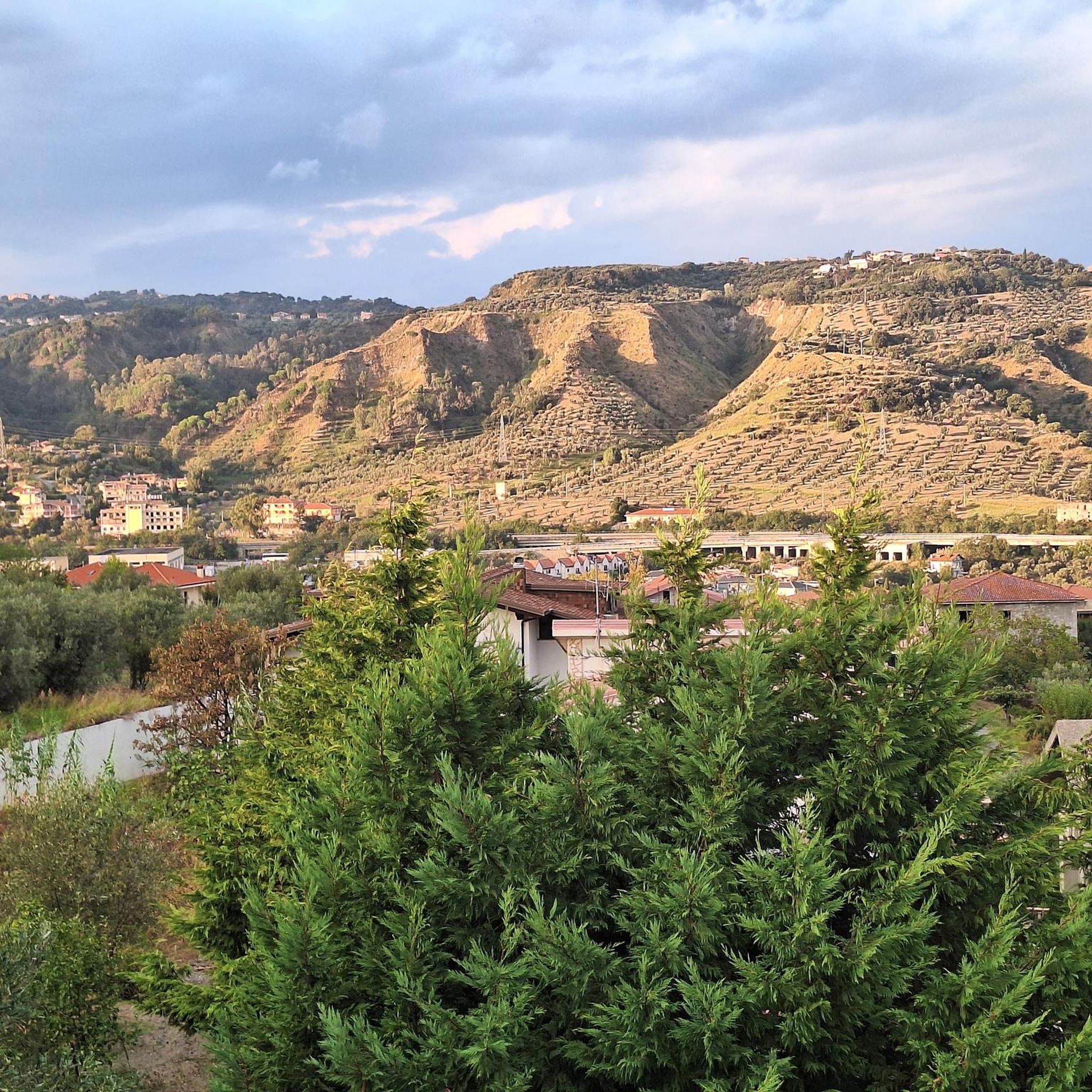
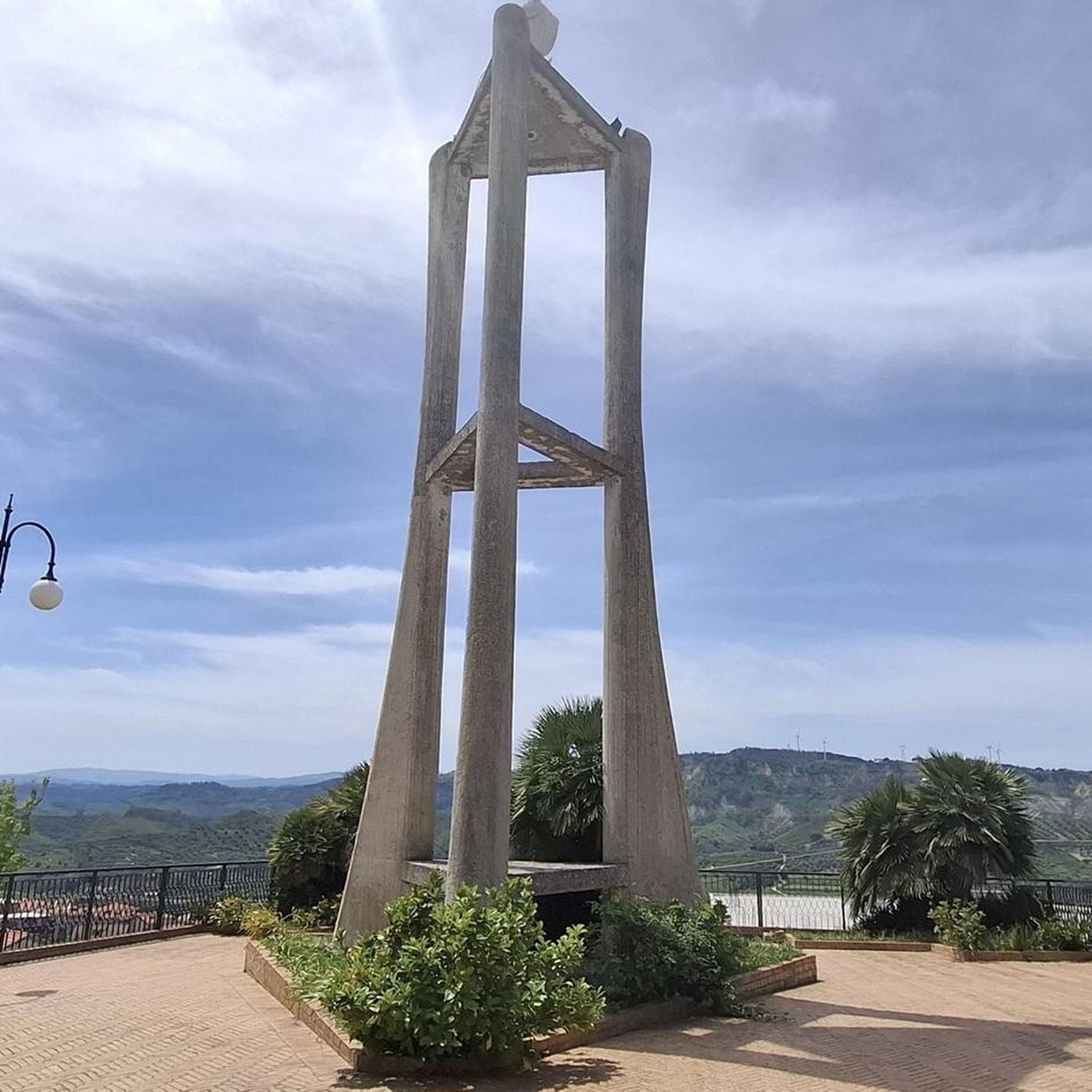

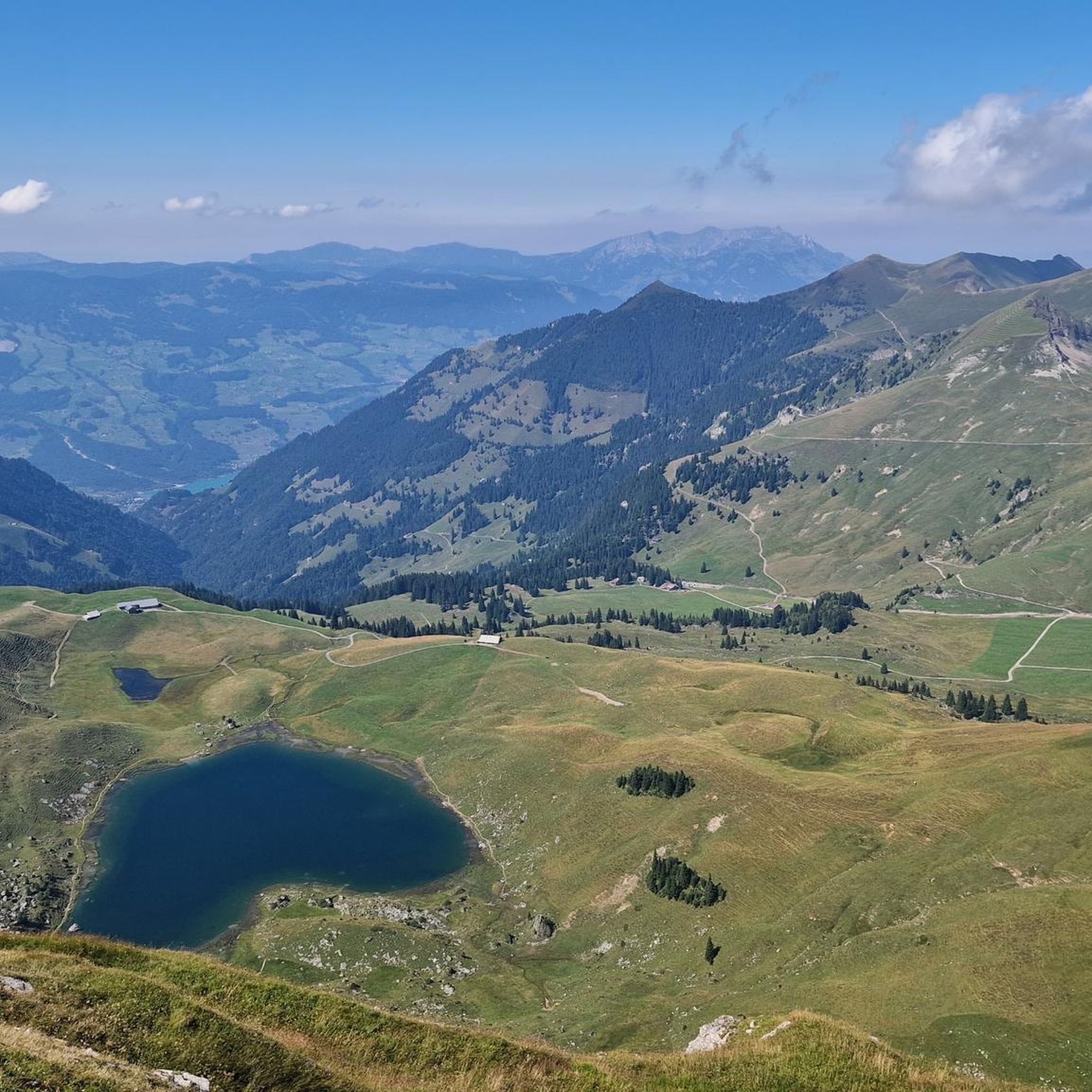
Tips from the Community

great stop hotel 2 mari , perfect from A to Z, all the staff and Antonio were invaluable and very friendly excellent value for money, wonderful rooms and dinner, everything needed for bike maintenance ..... rooms and service included 👍👍👍
0
0

A rarity, a protected bike path.
1
0

Chiesa Santa Maria delle Nevi, Girifalco Mother Church of Santa Maria delle Nevi The Mother Church of Santa Maria delle Nevi in Girifalco, in the province of Catanzaro, is the town's most important parish church. Its origins date back to the 16th century, when it was originally dedicated to the Madonna delle Nevi, a title inherited from the previous mother church in the Pioppi Vecchi district. After the devastating earthquake of 1783, the building was rebuilt on the site of the Church of Santa Maria delle Grazie, part of the old Dominican monastery founded by Bishop Lauro in 1548. The reconstruction was entrusted to the architect Ermenegildo Sintes, a pupil of Luigi Vanvitelli. However, the original design was modified and reduced in size during the construction phase. The facade of the church, originally built in the Baroque style, underwent several renovations, especially after the 1905 earthquake, giving it a more modern appearance. It has a large stone portal flanked by two niches and a double access staircase. The secondary entrance, framed by an ashlar portal, is located at the foot of the bell tower, which houses three bells and a clock. The interior of the church is characterized by the color white, a symbol of both the Marian title and the Dominican Order. The nave is decorated with arches with friezes and gilded capitals. On the left side is the Altar of Paradise, with an ancient sculptural group depicting the Ascension of Christ from the Convent of San Antonio of the Reformed. The presbytery is dominated by a large painting of the Madonna delle Nevi, protecting the snow-covered village of Girifalco from above, a work by Domenico Cefaly (1932-2003), a descendant of the painter Andrea Cefaly. Other works of art housed in the church include a 17th-century polychrome statue of Saint Rocco from Montpellier, a painting of the Madonna della Neve by Luciano Ricchetti, and the 17th-century Madonna del Garofano. The Mother Church of Santa Maria delle Nevi represents an important spiritual and cultural center for the community of Girifalco, testifying to centuries of history, art, and religious devotion. Text / Source: visitgirifalco.com / Municipality of Girifalco https://visitgirifalco.com/trip/chiesa-matrice-santa-maria-delle-nevi/
14
0
Girifalco lies in the center of the Isthmus of Catanzaro. Girifalco lies in the center of the Isthmus of Catanzaro, the narrowest point of the Italian peninsula, at the foot of Monte Covello (848 m above sea level), a subrange of Monte Serralta in the northern Serre region, at an altitude of 456 m above sea level. As some finds in the Caria district show, there were settlements in the upper reaches of the Alessi stream before Magna Graecia. In the early 17th century, Girifalco was a fief of the Caracciolo family and then belonged to the Ravaschieri family. After a few years, the fief returned to the Caracciolo family thanks to the marriage between Duchess Ravaschieri of Girifalco and a certain Annibale Caracciolo. From them was born Fabrizio Caracciolo, second Duke of Girifalco, the creator of a very prosperous period for the feud during his duchy, which lasted from 1634 to 1683 and consolidated the socioeconomic development of the city with the presence of the university and the feudal institution. Duke Caracciolo had the Reformed Convent built in 1635 and donated it to the Friars Minor, who erected a statue in his gratitude and placed it near the convent itself. Mayor Carlo Pacino commissioned important works such as the first municipal hall around the mid-1600s, the extension of the Church of San Rocco, and a few decades later, in 1663, the monumental Baroque fountain. In the 17th century, the inhabited center expanded more and more, and there were several churches (the ones of San Rocco and the matrix of the Pioppi district being the most important), two important monasteries, the Municipal House, the Ducal Palace (the Duke's residence), and even the city's coat of arms was built. At the end of the 18th century, another earthquake struck Calabria and the town of Girifalco, the one of March 28, 1783. The center was destroyed or severely damaged, as was the Pioppi district, including the mother church (already severely damaged in the 1638 earthquake and subsequently renovated), which would never be rebuilt. Its functions were transferred to the church of the Dominican convent, which thus became the new mother church. Text / Source: Comunicazione Girifalco https://unsic.it/comunicazione/girifalco/
15
0
The Village of Girifalco The village of Girifalco lies at the foot of Monte Covello, between the Gulf of Squillace and the Gulf of Sant'Eufemia, and in the heart of the Isthmus of Catanzaro, the narrowest point of the Italian peninsula. Girifalco owes its origins to the destruction of the two older villages of Toco and Caria by the Saracens in 836. The villagers sought refuge on the rock known as the "Pietra dei Monaci" ("Monk's Stone"). Text / Source: turiscalabria.it http://www.turiscalabria.it/website/?lang=de&categoria=/wo/paesi/&view_type=s&id=639&title=.html
15
0

View from above of Pizzo Calabro and its castle
1
0

View from above on the marina the chair
0
0

Maradona murals often combine religious style (such as icons and images of saints) with pop culture.
1
0
Frequently Asked Questions
How many touring cycling routes are available in Settingiano, and what is their general difficulty?
Settingiano offers a selection of 39 touring cycling routes. The terrain is generally challenging, with 32 routes classified as difficult and 7 as moderate. There are no easy routes listed, indicating the area is best suited for cyclists comfortable with significant climbs and descents.
Are there challenging touring cycling routes in Settingiano?
Yes, the region is known for its challenging terrain. For instance, the Historic center of Pizzo – View of the sea in Pizzo loop from Marcellinara is a difficult 97.9 km route with over 900 meters of elevation gain, offering a substantial workout and coastal views.
Can I find circular touring cycling routes around Settingiano?
Many routes in Settingiano are designed as loops. An example is the Catanzaro seafront – View of Catanzaro loop from Gagliano, a 42.4 km difficult route that allows you to start and finish in the same location while exploring the area.
Are there any touring cycling routes suitable for beginners or families in Settingiano?
The touring cycling routes around Settingiano are predominantly challenging, with no routes currently classified as easy. The terrain features significant elevation changes and mountain passes, making it more suitable for experienced touring cyclists rather than beginners or families with young children.
What are some scenic viewpoints or attractions I can see along touring cycling routes in Settingiano?
While cycling, you can explore several points of interest. Consider visiting Tiriolo, a charming settlement, or the historical Scolacium National Museum and Archaeological Park. Catanzaro also offers landmarks like the Il Cavatore Statue and various religious buildings such as the Church of Monte dei Morti e della Misericordia and the Basilica-Sanctuary of Mary Most Holy Immaculate.
What is the best season for touring cycling in Settingiano?
The best seasons for touring cycling in Settingiano are typically spring (April to June) and autumn (September to October). During these months, the weather is generally milder and more pleasant for cycling, avoiding the intense heat of summer and the cooler, potentially wetter conditions of winter. This is especially important given the region's hilly terrain.
What do other touring cyclists enjoy the most about touring cycling in Settingiano?
The area is highly rated by the komoot community, with an average score of 4.6 stars from over 60 reviews. Reviewers often praise the challenging nature of the routes, the varied landscapes, and the sense of accomplishment from tackling the significant elevation changes and mountain passes.
Are there options for parking near the touring cycling routes in Settingiano?
Given that many routes start from towns like Catanzaro or Marcellinara, you can typically find public parking facilities within these urban centers. It's advisable to check local parking regulations and availability in your chosen starting point before your ride.
What kind of gear is recommended for touring cycling in Settingiano?
Due to the significant elevation changes and challenging nature of the routes, it's highly recommended to use a touring bicycle equipped with appropriate gearing for climbing. Essential gear includes a helmet, sufficient water, nutrition, a repair kit, and layers of clothing to adapt to changing weather conditions, especially when crossing mountain passes.
Are there cafes or places to stop for refreshments along the touring cycling routes?
Many routes connect various towns and villages, offering opportunities to stop for refreshments. While specific cafes aren't listed for each route, you can expect to find options in the larger settlements you pass through. It's always a good idea to carry some snacks and water, especially on longer stretches between towns.
How long do touring cycling routes in Settingiano typically take to complete?
The duration varies significantly based on the route's distance and elevation. For example, the From Marcellinara to Taverna through the Pentone pass at the foot of the Sila National Park, a 89.8 km route, typically takes around 6 hours and 53 minutes. Longer routes, like the 123.2 km Tiriolo – Girifalco loop from Catanzaro, can take over 9 hours.
Most popular routes around Settingiano
Most popular attractions around Settingiano

Get inspired with the komoot mobile app


Explore more
Browse the best Cycling routes in other regions.
