Attractions and Places To See around Maida - Top 20
Best attractions and places to see around Maida include a blend of historical, cultural, and natural sites. Situated in the heart of Calabria, Italy, the region lies between the Tyrrhenian and Ionian Seas, offering diverse landscapes. Maida features ancient landmarks and serene natural environments, characterized by olive groves and significant historical settlements. This area provides opportunities to explore a rich past and varied terrain.
Best attractions and places to see around Maida
- The most popular attractions is Monte Covello,…
Last updated: October 5, 2026
Monte Covello
Highlight • Summit
Translated by Google •
Tip by

Tiriolo
Highlight • Settlement
Translated by Google •
Tip by

Sign up now to discover places like this
Get recommendations on the best single tracks, peaks, & plenty of other exciting outdoor places.
Girifalco
Highlight • Settlement
Translated by Google •
Tip by

Church of the Rosary, Girifalco / Kirche des Rosenkranzes
Highlight • Religious Site
It is adjacent to the Matrice Church and dates back to the 18th or 19th century. However, it is not mentioned in the inventory of …
Translated by Google •
Tip by

Dedoni – Fine Cheeses of Calabria, Squillace
Highlight • Rest Area
Dedoni Shop - Calabrian Cheese and Products
Tradition - on your table
Fresh Pecorino cheese, Primo Sale, Caciotta, Ricotta, Pecorino with truffles, …
Translated by Google •
Tip by
Sign up for free to discover even more attractions around Maida.
Already have an account?
Start today with a free account
Your next adventure awaits.

Tips from the Community

great stop hotel 2 mari , perfect from A to Z, all the staff and Antonio were invaluable and very friendly excellent value for money, wonderful rooms and dinner, everything needed for bike maintenance ..... rooms and service included 👍👍👍
0
0

Chiesa Santa Maria delle Nevi, Girifalco Mother Church of Santa Maria delle Nevi The Mother Church of Santa Maria delle Nevi in Girifalco, in the province of Catanzaro, is the town's most important parish church. Its origins date back to the 16th century, when it was originally dedicated to the Madonna delle Nevi, a title inherited from the previous mother church in the Pioppi Vecchi district. After the devastating earthquake of 1783, the building was rebuilt on the site of the Church of Santa Maria delle Grazie, part of the old Dominican monastery founded by Bishop Lauro in 1548. The reconstruction was entrusted to the architect Ermenegildo Sintes, a pupil of Luigi Vanvitelli. However, the original design was modified and reduced in size during the construction phase. The facade of the church, originally built in the Baroque style, underwent several renovations, especially after the 1905 earthquake, giving it a more modern appearance. It has a large stone portal flanked by two niches and a double access staircase. The secondary entrance, framed by an ashlar portal, is located at the foot of the bell tower, which houses three bells and a clock. The interior of the church is characterized by the color white, a symbol of both the Marian title and the Dominican Order. The nave is decorated with arches with friezes and gilded capitals. On the left side is the Altar of Paradise, with an ancient sculptural group depicting the Ascension of Christ from the Convent of San Antonio of the Reformed. The presbytery is dominated by a large painting of the Madonna delle Nevi, protecting the snow-covered village of Girifalco from above, a work by Domenico Cefaly (1932-2003), a descendant of the painter Andrea Cefaly. Other works of art housed in the church include a 17th-century polychrome statue of Saint Rocco from Montpellier, a painting of the Madonna della Neve by Luciano Ricchetti, and the 17th-century Madonna del Garofano. The Mother Church of Santa Maria delle Nevi represents an important spiritual and cultural center for the community of Girifalco, testifying to centuries of history, art, and religious devotion. Text / Source: visitgirifalco.com / Municipality of Girifalco https://visitgirifalco.com/trip/chiesa-matrice-santa-maria-delle-nevi/
14
0
Girifalco lies in the center of the Isthmus of Catanzaro. Girifalco lies in the center of the Isthmus of Catanzaro, the narrowest point of the Italian peninsula, at the foot of Monte Covello (848 m above sea level), a subrange of Monte Serralta in the northern Serre region, at an altitude of 456 m above sea level. As some finds in the Caria district show, there were settlements in the upper reaches of the Alessi stream before Magna Graecia. In the early 17th century, Girifalco was a fief of the Caracciolo family and then belonged to the Ravaschieri family. After a few years, the fief returned to the Caracciolo family thanks to the marriage between Duchess Ravaschieri of Girifalco and a certain Annibale Caracciolo. From them was born Fabrizio Caracciolo, second Duke of Girifalco, the creator of a very prosperous period for the feud during his duchy, which lasted from 1634 to 1683 and consolidated the socioeconomic development of the city with the presence of the university and the feudal institution. Duke Caracciolo had the Reformed Convent built in 1635 and donated it to the Friars Minor, who erected a statue in his gratitude and placed it near the convent itself. Mayor Carlo Pacino commissioned important works such as the first municipal hall around the mid-1600s, the extension of the Church of San Rocco, and a few decades later, in 1663, the monumental Baroque fountain. In the 17th century, the inhabited center expanded more and more, and there were several churches (the ones of San Rocco and the matrix of the Pioppi district being the most important), two important monasteries, the Municipal House, the Ducal Palace (the Duke's residence), and even the city's coat of arms was built. At the end of the 18th century, another earthquake struck Calabria and the town of Girifalco, the one of March 28, 1783. The center was destroyed or severely damaged, as was the Pioppi district, including the mother church (already severely damaged in the 1638 earthquake and subsequently renovated), which would never be rebuilt. Its functions were transferred to the church of the Dominican convent, which thus became the new mother church. Text / Source: Comunicazione Girifalco https://unsic.it/comunicazione/girifalco/
15
0
The Village of Girifalco The village of Girifalco lies at the foot of Monte Covello, between the Gulf of Squillace and the Gulf of Sant'Eufemia, and in the heart of the Isthmus of Catanzaro, the narrowest point of the Italian peninsula. Girifalco owes its origins to the destruction of the two older villages of Toco and Caria by the Saracens in 836. The villagers sought refuge on the rock known as the "Pietra dei Monaci" ("Monk's Stone"). Text / Source: turiscalabria.it http://www.turiscalabria.it/website/?lang=de&categoria=/wo/paesi/&view_type=s&id=639&title=.html
15
0
Dedoni - I Buoni Formaggi di Calabria, Squillace Dedoni Shop - Calabrian Cheese and Products Tradition - on your table Fresh Pecorino cheese, Primo Sale, Caciotta, Ricotta, Pecorino with truffles, with mold, cave-aged... How many typical Calabrian cheeses do you know? With Dedoni, you can embark on a journey to discover the endless typical Calabrian products, which you can buy directly online. Calabria is a region rich in strong flavors and contrasts, and its typical products fully express the diversity and richness of its origins. Over 800 kilometers of coastline contrasting with a rugged and mountainous interior where ancient artisanal skills are handed down means that the quantity and quality of flavors that Calabria has to offer is truly immense. Text / Source: DEDONI SRL – C.DA PRATORA – 88069 SQUILLACE (CZ) https://www.dedonishop.it/
14
0

Tiriolo is a charming village in Calabria, southern Italy, known as the "place between two seas." It is picturesquely situated on a hill overlooking the Ionian and Tyrrhenian Seas. Tiriolo boasts ancient roots, a rich history, traditional craftsmanship, and a welcoming, authentic atmosphere.
4
0

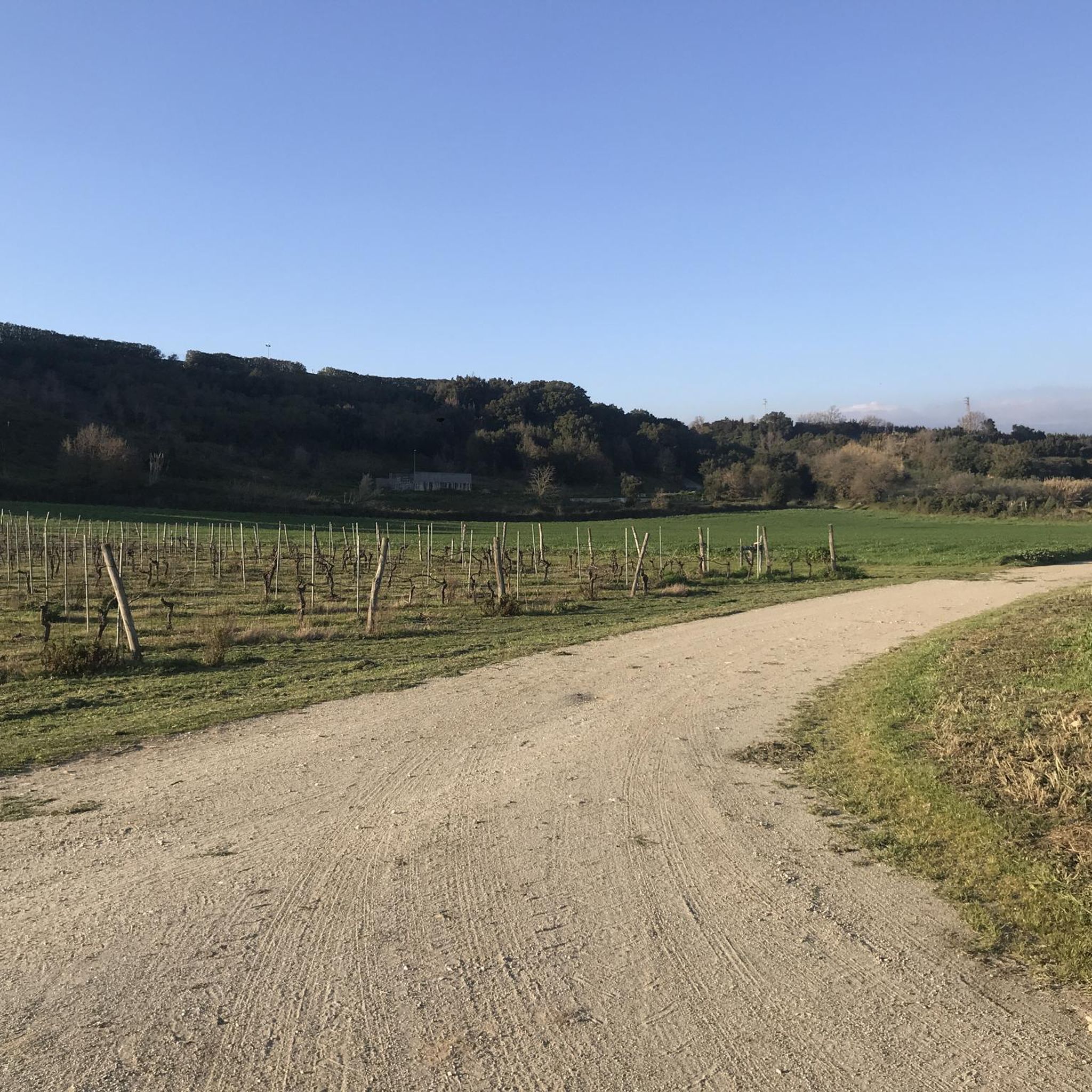
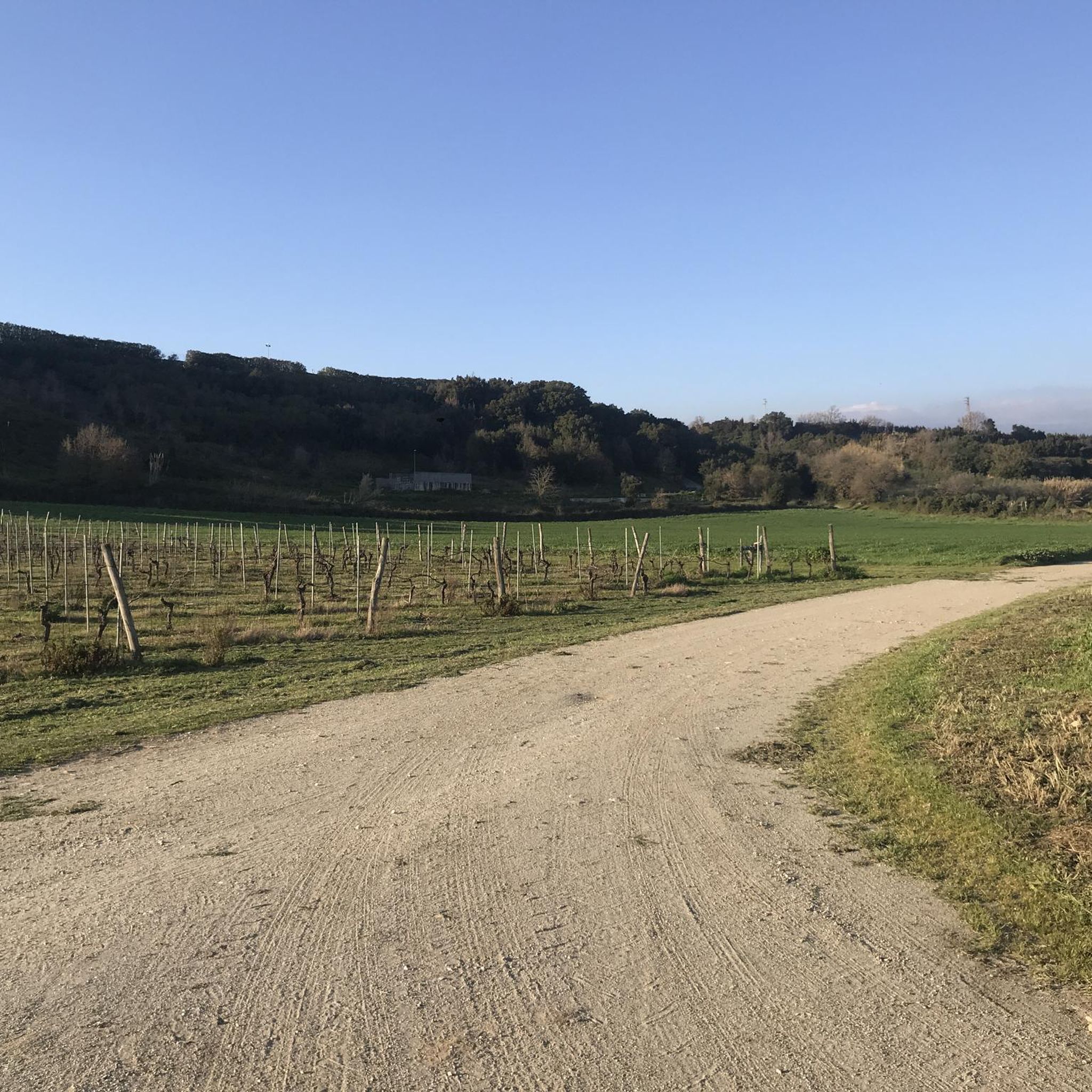
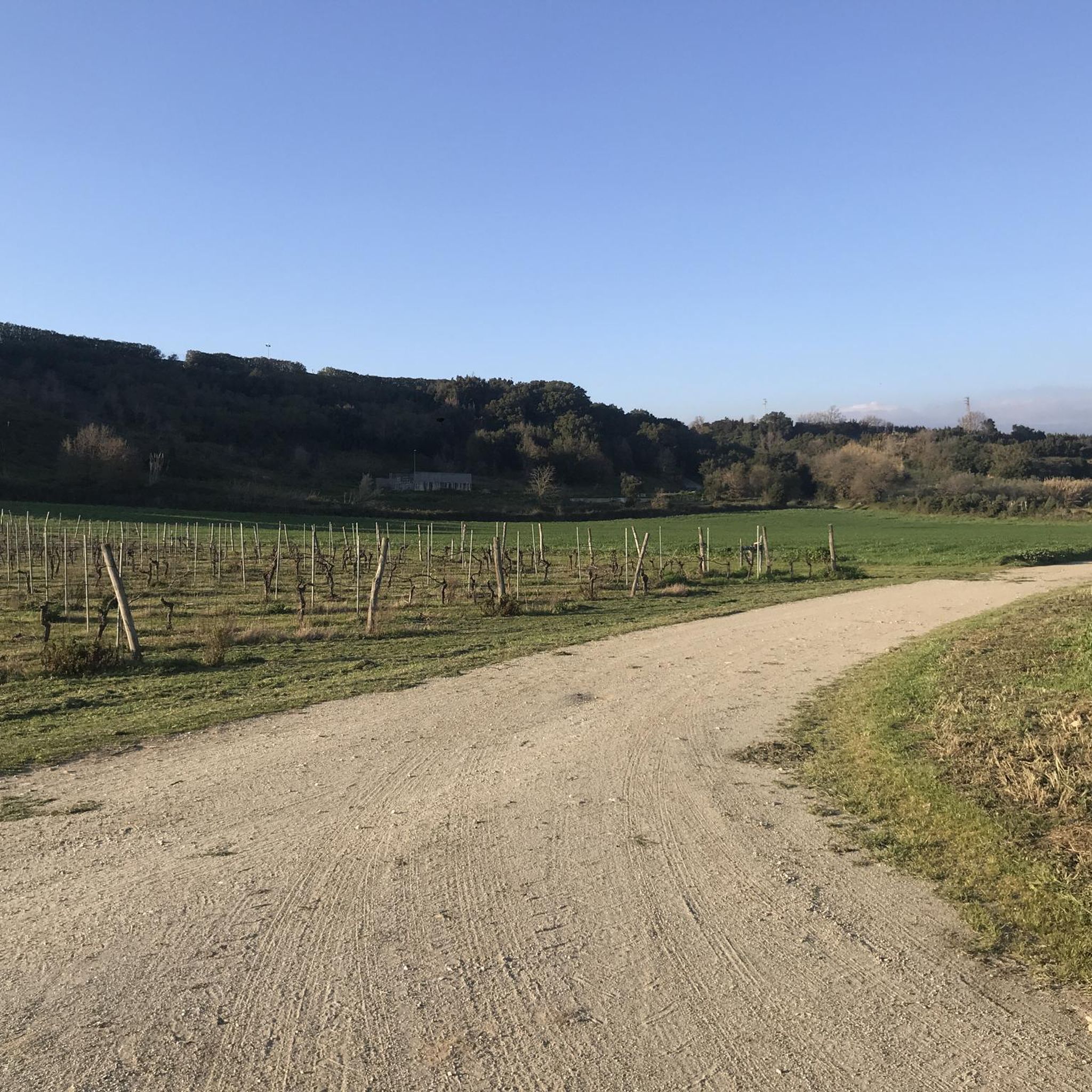
Mandatory stop at the kiosk for a brasilena (Calabrian coffee drink produced here in Monte Covello)! If you are lucky you will find several locals ready to give you advice on the mountain routes.
0
0

From Girifalco, in less than 4 km but with a great ascent, you reach the Monte Covello Park, a wonderful place where silence reigns interspersed with the song of the many birds that inhabit it. In autumn, the mushrooms perfume the air and the colors of the forest become intense. It is the ideal place to regenerate.
0
0
Frequently Asked Questions
What historical sites can I explore in Maida?
Maida boasts a rich history. You can visit the ruins of the 11th-century Norman Castle of Maida, which offers a glimpse into the village's medieval past. Another significant landmark is the Arch of St. Anthony (Arco di Sant'Antonio), once the castle gate and part of an ancient aqueduct. The ancient medieval village itself is adorned with beautiful historic noble palaces reflecting its diverse cultural influences over centuries.
Are there any notable churches or religious sites to visit in Maida?
Yes, Maida and its vicinity feature several significant churches. Among them are the Chiesa di San Nicola de Latinis and the Chiesa di Santa Maria Cattolica. In nearby Girifalco, you can find the Church of the Rosary, known for its Baroque architecture. The Convent of San Francesco di Paola in Maida also hosts traditional feasts.
What natural attractions are there around Maida?
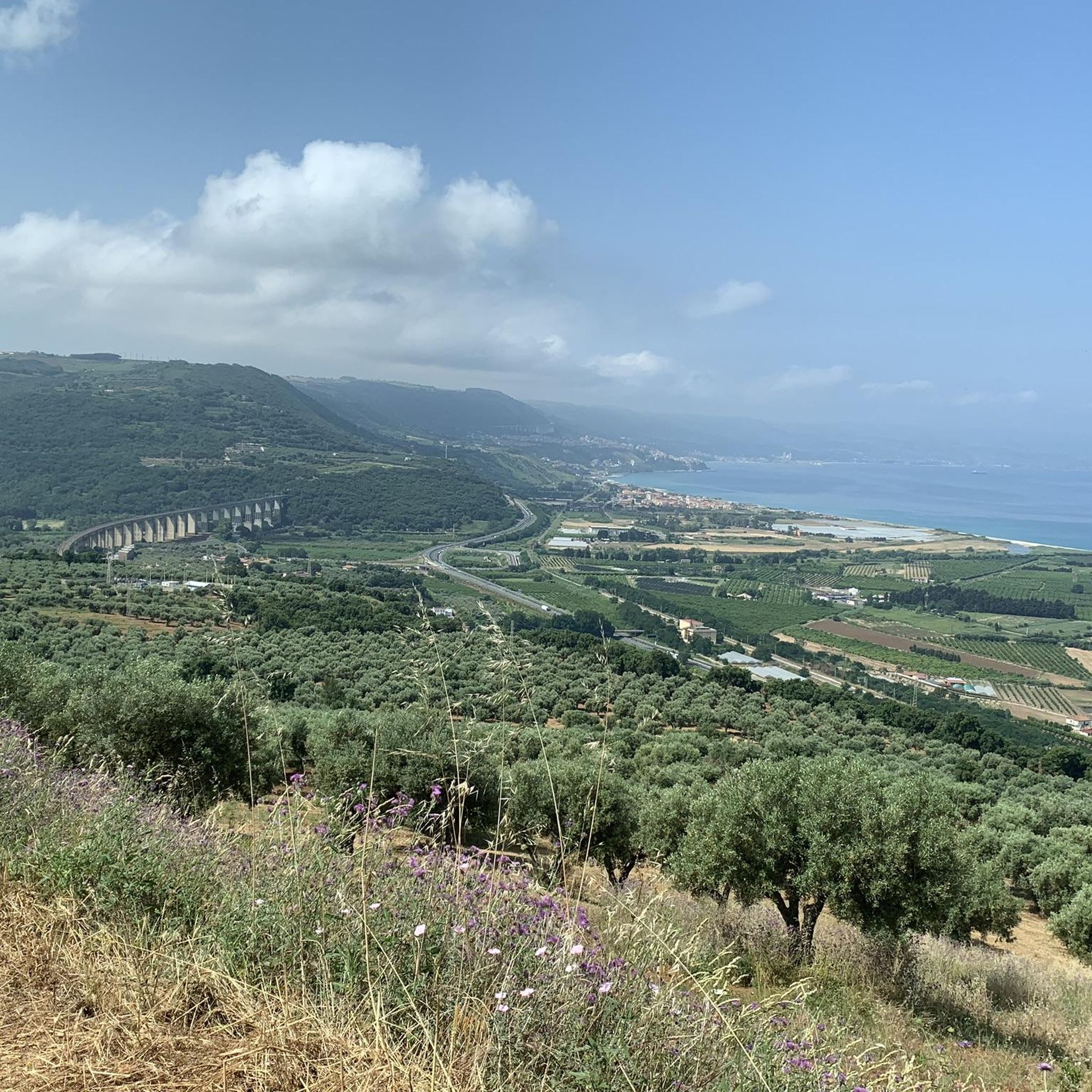
Maida's location offers unique natural beauty. You can enjoy panoramic views of both the Tyrrhenian and Ionian Seas from its highest points. The area is characterized by vast olive groves. For outdoor enthusiasts, Monte Covello is a popular summit with lush greenery, especially for cyclists. In nearby San Pietro a Maida, you can explore the 'Route of the Mills' along the Pilla River, featuring ancient mill ruins amidst cork oaks and strawberry trees.
Are there family-friendly attractions around Maida?
Yes, several attractions are suitable for families. The charming settlement of Tiriolo, known as the 'place between two seas,' offers historical sites and a welcoming atmosphere that can be enjoyed by all ages. Exploring the historic noble palaces and main square of Maida, Piazza Garibaldi, can also be an engaging activity for families. Additionally, the Church of the Rosary in Girifalco is listed as family-friendly.
What outdoor activities can I do near these attractions?
The region around Maida is excellent for outdoor activities. You can find various routes for hiking, road cycling, and running. For hiking, consider trails like the 'Monte Covello - Sentiero Italia Loop' or 'Sentiero Italia: Trail to Tiriolo'. Cyclists often tackle routes like 'Pizzo – Monte Covello loop from Catanzaro'. You can find more details and specific routes in the Hiking around Maida, Road Cycling Routes around Maida, and Running Trails around Maida guides.
Are there hiking trails near Maida's attractions?
Absolutely. The area offers several hiking opportunities. For example, you can explore trails around Monte Covello, which is part of the 'Alta Via Parchi Calabria' track. There are also moderate hiking routes like the 'Monte Covello - Sentiero Italia Loop' and 'Sentiero Italia: Trail to Tiriolo' that connect to nearby settlements. For more options, refer to the Hiking around Maida guide.
Where can I experience local culture and traditions in Maida?
Maida offers unique opportunities for experiential tourism. You can immerse yourself in local life by participating in olive harvests, learning to make homemade pasta, or enjoying typical cuisine lessons using local products. The Association "Tra Chjiazza, Rughi e Carriari" in the historic village actively works to preserve Calabrian heritage and promote local history, culture, and gastronomy through various initiatives.
What are some unique local products or crafts to look for?
The region is known for its rich culinary traditions and craftsmanship. In nearby Tiriolo, you can find traditional craftsmanship, including potters, weavers, and luthiers. For food, the area is famous for its olive cultivation. You can also discover a wide array of typical Calabrian cheeses and products at places like Dedoni – Fine Cheeses of Calabria, Squillace.
What do visitors enjoy most about the attractions around Maida?
Visitors appreciate the blend of historical, cultural, and natural sites. The lush greenery of Monte Covello is highly valued by nature enthusiasts and cyclists. The charming village of Tiriolo, with its historical sites and views of two seas, is also a favorite. The overall appeal lies in the authentic atmosphere and the opportunity to explore a rich past amidst diverse landscapes.
Are there any settlements near Maida worth visiting for their historical significance?
Yes, besides Maida itself, the settlement of Tiriolo is highly recommended. It's known as the 'place between two seas' and features noble palaces, churches, and castle remains, along with a rich history. Another notable settlement is Girifalco, located at the foot of Monte Covello, which boasts historical sites like the 'Devil's Fountain' and a deep historical background.
Can I find viewpoints to see the surrounding landscape?
Yes, Maida's strategic location allows for excellent viewpoints. From its highest points, you can admire both the Tyrrhenian and Ionian Seas. The settlement of Tiriolo is particularly renowned for its panoramic views, offering clear sights of the boundary between the two seas from its castle park. Girifalco also offers scenic views of the surrounding Isthmus of Catanzaro.
Most popular attractions around Maida

Get inspired with the komoot mobile app


Explore more
Still not found the Highlight you’re looking for? See guides of the top attractions in other regions:
