The best road cycling routes around San Floro
4.5
(258)
867
riders
77
rides
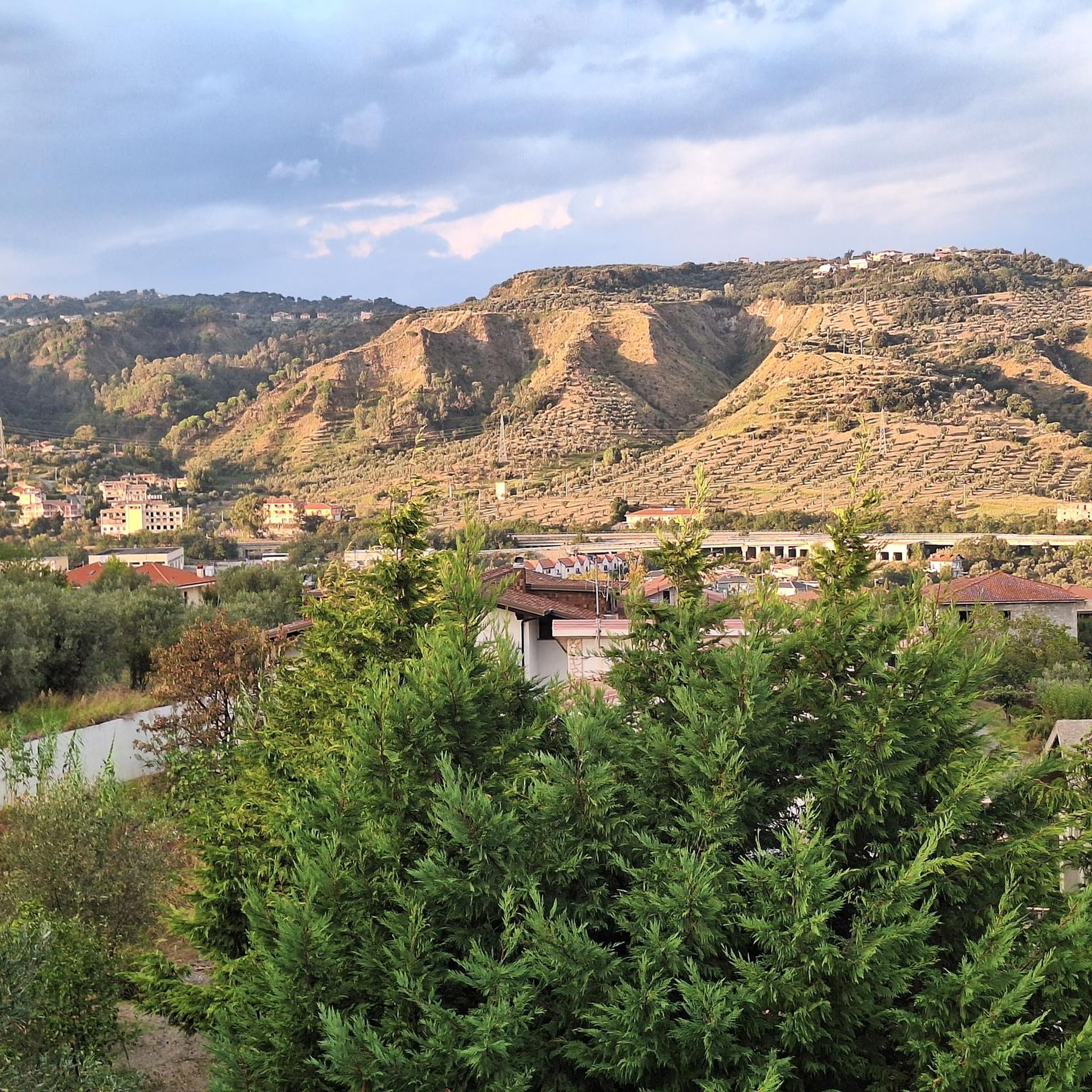
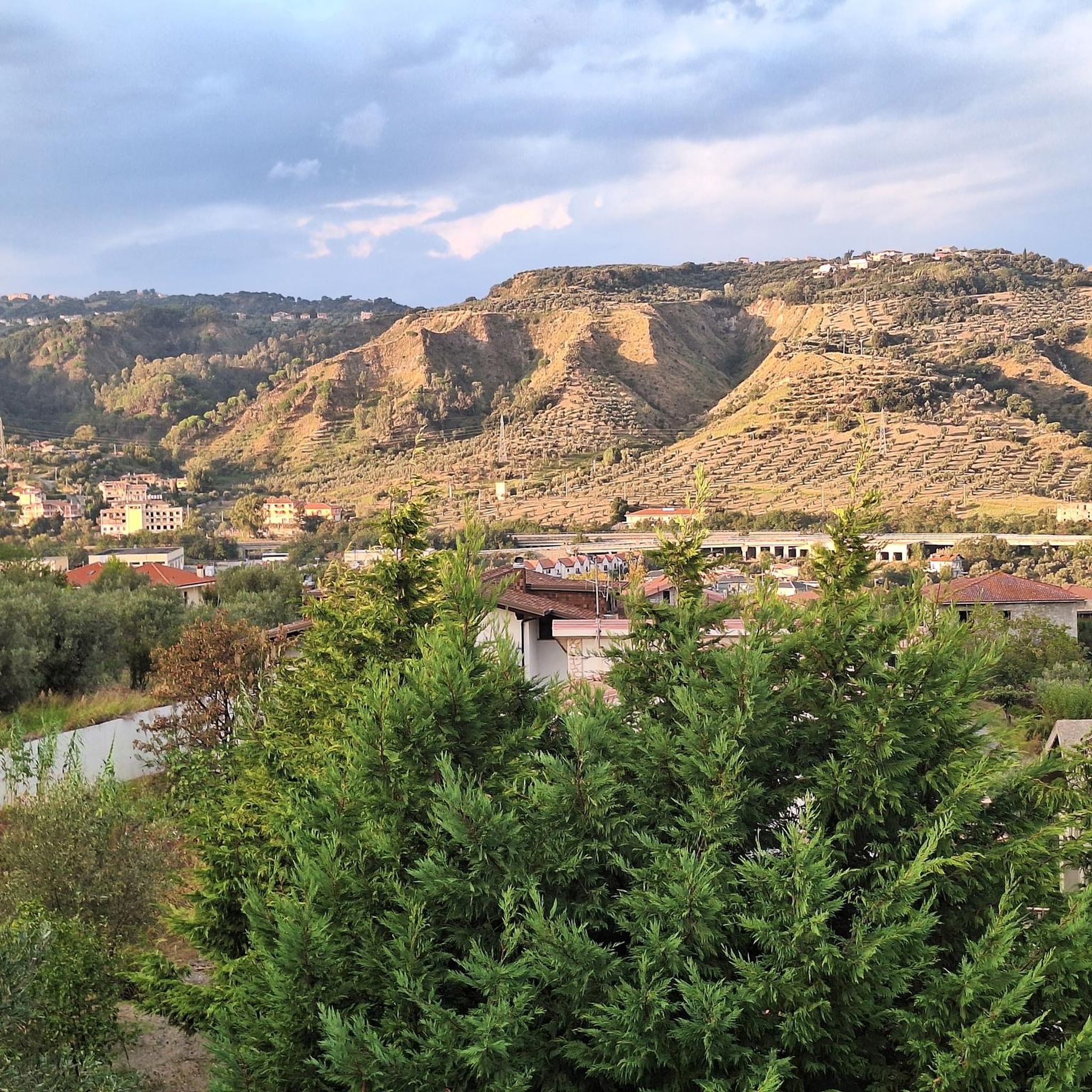
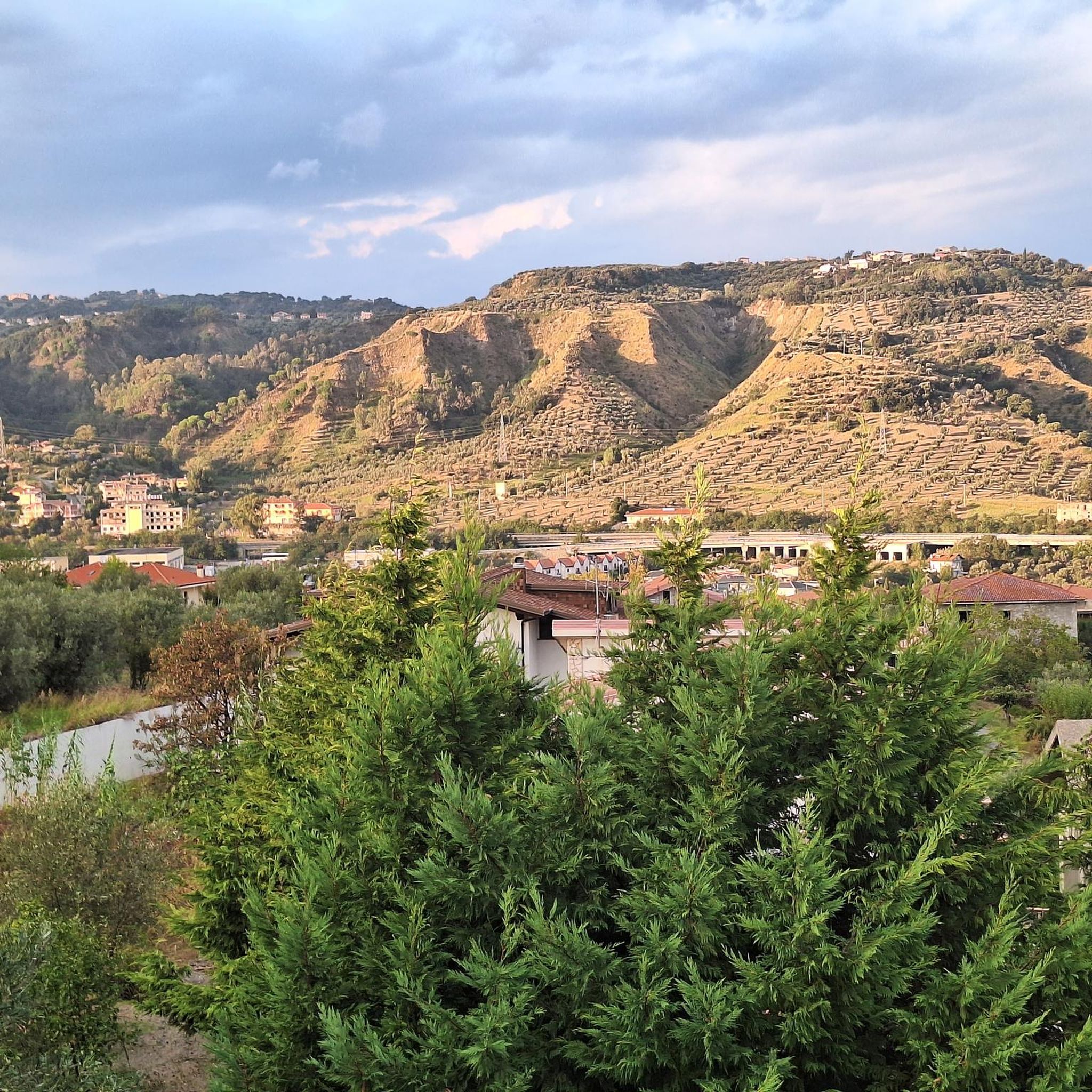
Road cycling routes around San Floro traverse the diverse topography of the Corace Valley in Calabria, Italy. The region features varied terrain, from verdant valleys to challenging ascents through hilly inland areas. Cyclists encounter provincial roads winding through gorges, meadows, and forests, often leading to elevated towns and villages. Many routes also offer views of the Ionian Sea and the "Costa degli Aranci."
Best road cycling routes around San Floro
- The most popular road cycling route is Taverna loop from…
Last updated: October 11, 2026
4.8
(4)
24
riders
61.0km
02:52
750m
750m
Moderate road ride. Good fitness required. Mostly well-paved surfaces and easy to ride.
21
riders
68.5km
03:52
1,520m
1,520m
Hard road ride. Very good fitness required. Mostly well-paved surfaces and easy to ride.

5.0
(1)
21
riders
105km
04:56
1,100m
1,100m
Hard road ride. Very good fitness required. Some segments of this route may be unpaved and difficult to ride.
16
riders
58.8km
02:45
620m
620m
Moderate road ride. Good fitness required. Mostly well-paved surfaces and easy to ride.
11
riders
80.2km
03:51
1,090m
1,090m
Hard road ride. Very good fitness required. Mostly well-paved surfaces and easy to ride.
Get access to more routes and recommendations from other explorers.
Already have an account?
Our route recommendations are based on thousands of hikes, rides, and runs completed by other people on komoot.
Start today with a free account
Your next adventure awaits.

Tips from the Community

Wonderful beach with few people.
0
0

Girifalco lies in the center of the Isthmus of Catanzaro. Girifalco lies in the center of the Isthmus of Catanzaro, the narrowest point of the Italian peninsula, at the foot of Monte Covello (848 m above sea level), a subrange of Monte Serralta in the northern Serre region, at an altitude of 456 m above sea level. As some finds in the Caria district show, there were settlements in the upper reaches of the Alessi stream before Magna Graecia. In the early 17th century, Girifalco was a fief of the Caracciolo family and then belonged to the Ravaschieri family. After a few years, the fief returned to the Caracciolo family thanks to the marriage between Duchess Ravaschieri of Girifalco and a certain Annibale Caracciolo. From them was born Fabrizio Caracciolo, second Duke of Girifalco, the creator of a very prosperous period for the feud during his duchy, which lasted from 1634 to 1683 and consolidated the socioeconomic development of the city with the presence of the university and the feudal institution. Duke Caracciolo had the Reformed Convent built in 1635 and donated it to the Friars Minor, who erected a statue in his gratitude and placed it near the convent itself. Mayor Carlo Pacino commissioned important works such as the first municipal hall around the mid-1600s, the extension of the Church of San Rocco, and a few decades later, in 1663, the monumental Baroque fountain. In the 17th century, the inhabited center expanded more and more, and there were several churches (the ones of San Rocco and the matrix of the Pioppi district being the most important), two important monasteries, the Municipal House, the Ducal Palace (the Duke's residence), and even the city's coat of arms was built. At the end of the 18th century, another earthquake struck Calabria and the town of Girifalco, the one of March 28, 1783. The center was destroyed or severely damaged, as was the Pioppi district, including the mother church (already severely damaged in the 1638 earthquake and subsequently renovated), which would never be rebuilt. Its functions were transferred to the church of the Dominican convent, which thus became the new mother church. Text / Source: Comunicazione Girifalco https://unsic.it/comunicazione/girifalco/
15
0
The Village of Girifalco The village of Girifalco lies at the foot of Monte Covello, between the Gulf of Squillace and the Gulf of Sant'Eufemia, and in the heart of the Isthmus of Catanzaro, the narrowest point of the Italian peninsula. Girifalco owes its origins to the destruction of the two older villages of Toco and Caria by the Saracens in 836. The villagers sought refuge on the rock known as the "Pietra dei Monaci" ("Monk's Stone"). Text / Source: turiscalabria.it http://www.turiscalabria.it/website/?lang=de&categoria=/wo/paesi/&view_type=s&id=639&title=.html
15
0


They are by no means mere relics of a bygone era, the "Monumento dei' Caduti" found almost everywhere in villages and towns, commemorating the many victims of war and tyranny. Their design varies, but what they all have in common is that they constantly remind us of the need to preserve peace.
0
0

To avoid going through the dangerous tunnel, you can lift your bike over the guard rail on the coast side and follow the old stretch of road that has fallen into disuse. Heading south, the old road rejoins the new one near the speed cameras, so crossing is safer, and then continue on the old stretch that is closed to cars. Heading north, you can follow a short stretch of the new state road and then exit at the first turnoff and continue on the old state road, which is much less busy.
0
0

Soverato is a coastal village, also known as the pearl of the Ionian Sea, thanks to its white beaches and crystal clear sea. Soverato Vecchia is also worth a visit to see the archaeological site and the Mother Church of Maria Santissima Addolorata where you can admire "La Pietà", by the Renaissance artist Antonio Gagini, a sculpture sculpted in white Carrara marble.
2
0

A very pleasant route leads to the gates of the Calabrian Serre crossing the historic Marcellinara gorge and goes up to Caraffa di Catanzaro, a small center of Arbëreshe tradition and, finally, crossing magnificent olive groves, arrives in Girifalco. Here you can admire the so-called "Devil's Fountain", created by Carlo Pacino in the 17th century (it is told in just one night). In Girifalco, a visit to the fabric laboratory of the young Rocco Vitaliano, who also works with broom fibre, is recommended.
4
0
Frequently Asked Questions
How many road cycling routes are available around San Floro?
There are over 80 road cycling routes around San Floro, offering a wide range of options for different skill levels and preferences. The komoot community has explored these routes over 800 times.
What kind of terrain and difficulty can I expect on road cycling routes in San Floro?
Road cycling routes in San Floro traverse the diverse topography of the Corace Valley. You can expect varied terrain, from verdant valleys to challenging ascents through hilly inland areas. Many routes feature significant elevation gains, with some difficult trails climbing over 1500 feet (450 meters) and even up to 3000 feet (900 meters).
Are there any easy road cycling routes suitable for beginners in San Floro?
Yes, San Floro offers a few easy road cycling routes perfect for beginners or those looking for a more relaxed ride. These routes typically have less elevation gain and cover shorter distances, allowing you to enjoy the scenery without excessive challenge.
Where can I find challenging road cycling routes with significant climbs near San Floro?
For challenging rides, look towards routes that venture into the mountainous areas. Trails like the Taverna – Monte Covello loop from Catanzaro offer substantial climbs, traversing areas like Monte Covello, known for its lush greenery and panoramic views. Many of the 49 difficult routes in the region feature significant elevation changes.
What scenic views or landmarks can I expect to see while cycling around San Floro?
While cycling around San Floro, you can enjoy picturesque views of the Corace Valley, olive groves, and glimpses of the Ionian Sea, particularly along routes like the View of the Beach Near Crotone – Olive Grove View loop from Catanzaro. The famous sunflower field on the outskirts of San Floro also offers a unique natural spectacle, especially during bloom season. You might also pass by Monte Covello, a significant peak with panoramic vistas.
Are there any cultural or historic sites accessible by road bike in San Floro?
Yes, San Floro has a rich history. Routes like the San Floro Historic Center – Mulinum San Floro loop from Catanzaro can take you through the historic center, where you can find the Caracciolo Castle housing the Silk Museum. You might also encounter Mulinum, an ancient restored mill connected to the sunflower field, offering a glimpse into local traditions and organic farming.
What do other road cyclists enjoy the most about road cycling in San Floro?
The road cycling routes in San Floro are highly rated by the komoot community, with an average score of 4.6 stars from over 100 reviews. Cyclists often praise the varied terrain, the scenic beauty of the Corace Valley, the challenging climbs, and the rewarding views of the Ionian Sea and the 'Costa degli Aranci'.
Are there road cycling routes that offer coastal views near San Floro?
Absolutely. Many routes wind through the Corace Valley and eventually open up to views of the 'Costa degli Aranci' and the azure Ionian Sea. The View of the Beach Near Crotone – Olive Grove View loop from Catanzaro is one example that incorporates coastal scenery, allowing you to enjoy the sea breeze and expansive ocean vistas.
Can I find circular road cycling routes around San Floro?
Yes, many of the road cycling routes around San Floro are designed as loops, allowing you to start and end at the same point. This includes routes that explore the Corace Valley, climb to Monte Covello, or pass through the historic center, offering convenient circular journeys.
What is the best time of year for road cycling in San Floro?
San Floro's Mediterranean climate generally makes spring and autumn ideal for road cycling, offering pleasant temperatures and less extreme weather. Summer can be warm, especially in the valleys, but coastal routes or early morning rides can still be enjoyable. Winter offers milder conditions compared to many other regions, though some higher elevation routes might be cooler.
Are there any specific towns or villages worth visiting by bike in the San Floro area?
Yes, the provincial roads in the inland areas often lead to various small, elevated towns and villages, offering a mix of natural beauty and cultural discovery. You might pass through settlements like Tiriolo or Girifalco, which provide opportunities to experience local life and architecture.
Are there any road cycling routes that pass by historical castles or religious buildings?
Yes, the region around San Floro is rich in history. While cycling, you might encounter historical sites such as the Norman Castle of Squillace or the Church of Santa Maria della Pietà, Squillace. These landmarks offer interesting stops and add a cultural dimension to your ride.
Most popular attractions around San Floro

Get inspired with the komoot mobile app


Explore more
Browse the best Road cycling routes in other regions.
