The best cycling routes around Gasperina
4.6
(44)
378
riders
48
rides
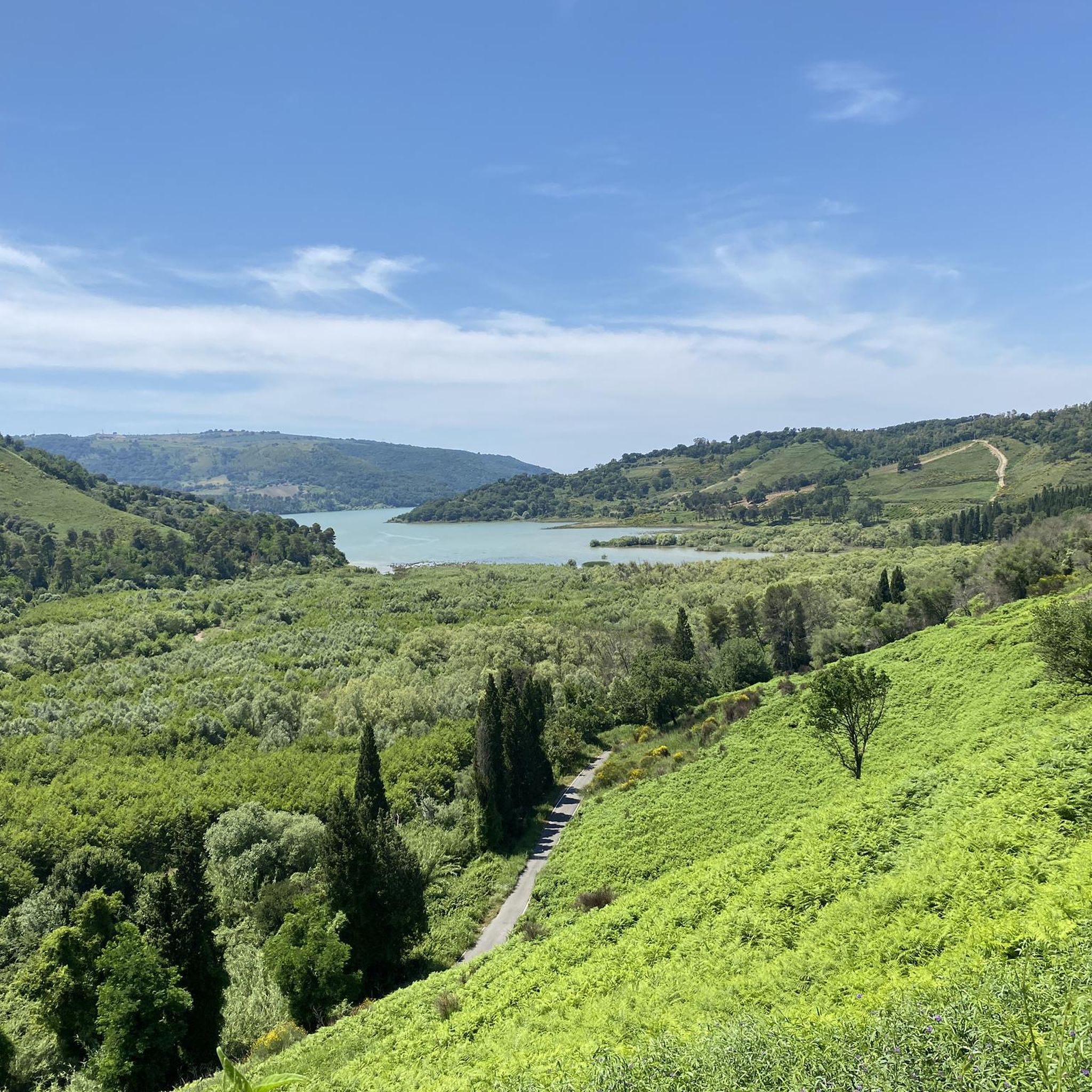
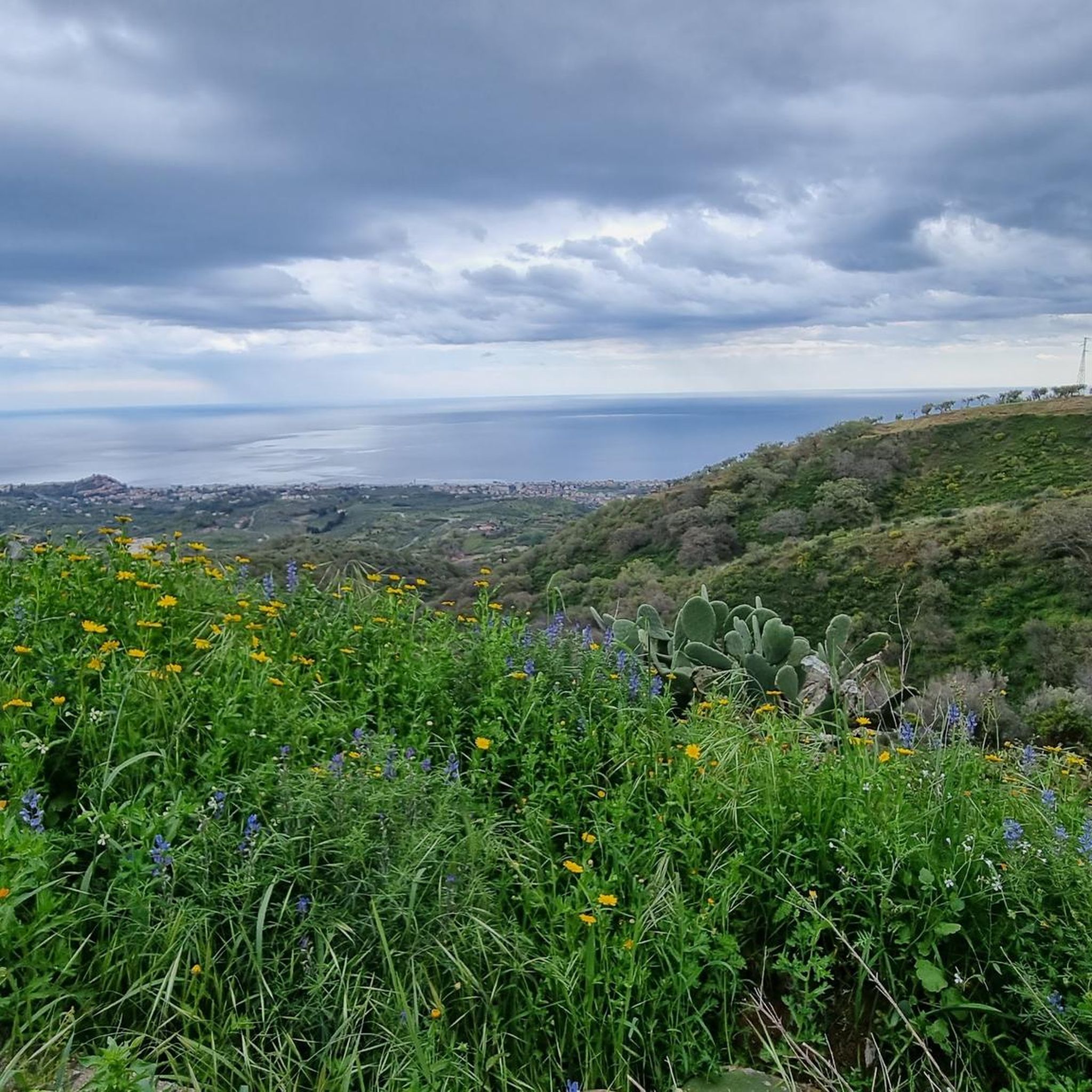
Touring cycling routes around Gasperina offer a diverse landscape in the Calabria region of southern Italy. Situated on a hill approximately 500 meters above sea level, the area provides expansive views of the Ionian Sea. The terrain varies from challenging mountain ascents, such as Monte Covello, to scenic coastal rides along diverse coastlines featuring sandy shores and rocky areas. Natural springs are also present, adding to the varied natural features for cyclists to explore.
Best touring cycling routes around Gasperina
…Last updated: May 11, 2026
4.5
(6)
58
riders
136km
10:00
3,000m
3,000m
Hard bike ride. Very good fitness required. Mostly paved surfaces. Suitable for all skill levels.
9
riders
Hard bike ride. Very good fitness required. Mostly paved surfaces. Suitable for all skill levels.

Sign up for free
5.0
(2)
9
riders
Easy bike ride. Great for any fitness level. Mostly paved surfaces. Suitable for all skill levels.
5.0
(3)
23
riders
21.6km
01:24
260m
260m
Moderate bike ride. Good fitness required. Mostly paved surfaces. Suitable for all skill levels.
7
riders
82.1km
05:42
1,470m
1,470m
Hard bike ride. Very good fitness required. Mostly paved surfaces. Suitable for all skill levels.
Get access to more routes and recommendations from other explorers.
Sign up for free
Already have an account?
Our route recommendations are based on thousands of hikes, rides, and runs completed by other people on komoot.
Start today with a free account
Your next adventure awaits.
Login or Signup


Tips from the Community

The Norman Castle of Squillace The Castle of Squillace dominates the village from the highest point of the hill. It was built by the Normans in the second half of the 11th century, at the end of their campaign to conquer Calabria against the Byzantines, who had occupied the region and southern Italy in general for over five centuries. During the Norman period, Squillace was the most important administrative, political, and religious stronghold on the Ionian coast. It was here that Ruggero d'Altavilla donated the lands where the Charterhouse of Serra San Bruno was built to San Bruno di Colonia. The Norman period was certainly the most important for Squillace, which experienced a period of great political-administrative, economic, and religious fervor. The early 13th century is fundamental to the history of Squillace: during this period, the settlement was first enfeoffed under a count and under the rule of a castellan. Under Frederick II, to whom we probably owe the construction of the polygonal tower on the eastern side of the enclosure, the Castrum Squillacii was held by a castellanus non habens terram and ten servients. The situation appears to have been the same in the Angevin era. From 1256 onwards, the castle was occupied by various families: the Lancia, the Monfort, the Del Balzo, and the Marzano, until 1485, when the castle returned to the direct control of Frederick of Aragon, the future King of Naples. In 1494, the castle passed through marriage to the Borgia family, whose marble coat of arms dominates the entrance portal. The Borgias, a very important noble family of Castilian origin, moved to Italy in the 12th century, where they settled in Florence, Perugia, Siena, Rome, and Naples. The marriage established the alliance between Pope Alexander VI and Pope John Paul II. Borgia and Alfonso II of Aragon: Goffredo Borgia, brother of the much more famous Lucrezia, just 13 years old, and Sancha of Aragon, the king's natural daughter, are married. The Borgia family ruled the castle until 1729, when, due to a lack of heirs, it again became part of the royal domain. Squillace was downgraded to Marchesato in 1755 and passed into the hands of the De Gregorio family, who held the castle until 1783, when a violent earthquake shook and destroyed the entire village. Text / Source: il Uoghi di Cassiodoro http://www.iluoghidicassiodoro.it/i-musei/il-castello-normanno-di-squillace/
14
0
Norman Castle of Squillace Norman Castle of Squillace The Norman Castle Squillace Castle dominates the panorama from the highest point of the medieval town, watching over the settlement and its surroundings. It was built by the Normans in the second half of the 11th century, at the end of their successful campaign of conquest in Calabria against the Byzantines, who had occupied southern Italy for over five centuries. The Norman period is certainly the most important for Squillace, which experienced a period of great political-administrative, economic, and religious fervor. The walls define the outline of the town, clearly visible from the serpentine roads leading from the beach to the upper part. From inside, there is a spectacular view of the town and the entire gulf. Despite the earthquake that struck Calabria and Squillace in 1783, the castle's structure, its stonework, and the embossed portal bearing the Borgia coat of arms are still clearly visible. The rooms of the small castle museum are very interesting: In the so-called "Warrior's Hall," among various other historical finds, the skeletons of two warriors from the 13th/14th century, discovered during an excavation campaign by the Ecole Française, are on display. Text / Source: turiscalabria.it http://www.turiscalabria.it/website/?lang=de&categoria=/wo/kusten/grune-flagge/&view_type=s&id=189&title=squillace.html
14
0
Santicelli Botanical Garden, Soverato The Santicelli Botanical Garden, Soverato With its magnificent view of the Ionian Sea, the garden is home to typical species of the native Mediterranean scrub and exotic species, totaling more than 1,000 specimens. Anti-aircraft emplacements from World War II can also be seen inside; the area was actually used as a sentry post. Text / Source: Terre Ioniche Ionian Calabria https://www.terreioniche.it/place/soverato/visit/it#0
14
0
Giardino Botanico Santicelli, Soverato Santicelli Botanical Garden in Soverato: A Green Oasis to Explore The Santicelli Botanical Garden is an enchanting natural setting in the town of Soverato, on the hills above the Gulf of Squillace in Calabria. With breathtaking sea views, this botanical garden is a must-visit for plant lovers, nature enthusiasts, and travelers seeking peace and beauty. Its privileged location, approximately 50 meters above sea level, provides an ideal climate for a wide variety of Mediterranean flora as well as carefully selected exotic species. The Santicelli Botanical Garden is not only a place of exceptional biodiversity but also a center for scientific education and dissemination. Educational trails guide visitors through the over 56,000 square meter garden, where they can admire over a thousand plant specimens. The garden is designed to be accessible and inclusive, allowing everyone, including visitors with disabilities, to explore and enjoy the wonders of nature without barriers. In addition to its botanical richness and unparalleled scenic beauty, the Santicelli Botanical Garden represents an important green space for the Soverato region. It is an oasis of tranquility that promotes awareness of plant species typical of the Mediterranean climate, contributes to the preservation of local biodiversity, and offers an exceptional stopover in the heart of Calabria. Text / Source: Calabria Tourism Editorial Team https://www.turismocalabria.net/blog/giardino-botanico-santicelli-a-soverato-unoasi-verde-da-esplorare/
14
0
Statue of Our Lady of Sorrows, Soverato From the City Hall – September 15, 2017 Salita Beato Michele Rua, 88068 Soverato
14
0
Soverato Dolci, Corso Umberto I, Soverato Italian cuisine can be ordered at this cafe. You might enjoy the tasty monkfish, well-prepared broth, and perfectly prepared arancini. The excellent biscotti, cannoli, and delicious croissants are especially must-order options. Soverato Dolci is very easy to find thanks to its great location. Many visitors order particularly good sherry, good wine, or tasty herbal liqueur. This place will offer you particularly good macchiato, good cappuccino, or tasty lemonade. Many people find the staff at this restaurant patient. You'll be pleased with the relaxed service. The atmosphere in this restaurant is pleasant. This cafe has received 4.5 stars on Google based on visitor reviews. Text / Source: Soverato Dolci, Corso Umberto I, Soverato https://de.restaurantguru.com/Soverato-dolci-Soverato-Marina
14
0
Chiesa del Rosario, Soverato The Church of the Rosary The church, commemorated by the plaque at the main entrance, was rebuilt at the beginning of the 20th century at the behest of the Marquis Scoppa. The Neo-Gothic church, also known as the Church of the Assumption of Mary, was built in the Neo-Gothic style. Text / Source: Terreioniche.it https://www.terreioniche.it/place/soverato/visit/it#0
14
0
Statue of the Madonna, Piazza Maria Ausiliatrice, Soverato Consecration of the City of Soverato To Mary Help of Christians, May 24, 2000 Marian Year 1954
14
0
Frequently Asked Questions
What types of terrain can I expect on touring cycling routes around Gasperina?
Gasperina offers a diverse range of terrain for touring cyclists. You can expect everything from challenging mountain ascents, such as those leading to Monte Covello, to scenic coastal rides along varied coastlines with sandy shores and rocky areas. The region's elevated position also provides stunning views of the Ionian Sea throughout many routes.
Are there many challenging touring cycling routes in Gasperina?
Yes, Gasperina is well-suited for cyclists looking for a challenge. Out of the 47 touring cycling routes available, 32 are classified as difficult. These routes often feature significant elevation gain and cover longer distances, providing a rewarding experience for experienced riders.
Can I find touring cycling routes that offer panoramic sea views?
Absolutely. Gasperina is situated on a hill approximately 500 meters above sea level, offering expansive views of the Ionian Sea. Many routes leverage this unique geography, providing breathtaking panoramas extending from Punta Stilo to Capo Rizzuto. A notable route that offers coastal vistas is the Soverato sign – View of Caminia Beach loop from Montepaone-Montauro.
What natural features can I discover along the cycling routes?
Beyond the stunning sea views, the area around Gasperina is rich in natural features. You can encounter diverse coastlines, from wide sandy beaches like Montepaone Lido to rugged, rocky areas. The region also boasts several natural springs, such as Fountain Conella, Source Pruppo, Source Vrisi, and Source Melitì, some nestled within lush forests.
Are there any historical landmarks or attractions to see while cycling?
Yes, Gasperina and its surroundings offer several historical and cultural attractions. You can cycle past the impressive Norman Castle of Squillace, an 11th-century fortress with commanding views. Other points of interest include the Church of Santa Maria della Pietà, Squillace, and the Co-Cathedral of Saint Mary of the Assumption, Squillace, both significant religious buildings.
What do other touring cyclists say about the routes in Gasperina?
The touring cycling routes in Gasperina are highly rated by the komoot community, with an average score of 4.5 stars from over 50 reviews. More than 400 touring cyclists have used komoot to explore the varied terrain, often praising the stunning mountain-to-sea views and the diverse landscapes.
Are there any routes that pass through Monte Covello?
Yes, Monte Covello is a significant draw for cyclists in the region. The Monte Covello – View of Caminia Beach loop from Montepaone-Montauro is a popular and challenging route that takes you through this area, known for its lush greenery and rewarding cycling experience. The 'Alta Via Parchi Calabria' track also passes directly through Monte Covello.
Are there any circular touring cycling routes around Gasperina?
Many of the touring cycling routes around Gasperina are designed as loops, allowing you to start and end in the same location. For example, the Soverato sign – Fontana Colella loop from Montepaone-Montauro is a popular circular path that explores varied terrain, including the area around Fontana Colella.
What is the best time of year for touring cycling in Gasperina?
While specific seasonal data isn't provided, the Calabria region generally enjoys a Mediterranean climate. Spring and autumn are typically ideal for cycling, offering pleasant temperatures and less extreme weather than the heat of summer or the cooler, potentially wetter winter months. This allows for comfortable exploration of both coastal and mountain areas.
Are there any routes that include natural springs?
Yes, you can find routes that incorporate the natural springs in the area. The Fontana Colella loop from Montepaone-Montauro is one such route that takes you near Fontana Colella, offering a chance to experience one of the region's natural water sources.
How many touring cycling routes are available in Gasperina?
There are 47 touring cycling routes available around Gasperina, offering a wide range of options for different skill levels and preferences. These include 4 easy, 11 moderate, and 32 difficult routes.
Is there a route that visits the Church of the Rosary in Soverato?
Yes, for those interested in cultural landmarks, the Soverato sign – Church of the Rosary, Soverato loop from Montepaone-Montauro is a touring cycling route that includes the Church of the Rosary in Soverato as a point of interest.
Most popular attractions around Gasperina

Get inspired with the komoot mobile app


Explore more
Browse the best Cycling routes in other regions.
