Top 9 Lakes in Doñana
Best lakes in Doñana are located within Doñana National Park, a UNESCO World Heritage Site in southern Spain. This region is characterized by its diverse ecosystems, including a complex network of wetlands and lagoons that are crucial for migratory birds and a wide array of wildlife. Despite challenges from drought, the park remains one of Europe's most important wetland reserves. Visitors can experience unique natural beauty and observe diverse aquatic biodiversity.
Best lakes in Doñana
- The most popular lakes is…
Last updated: June 24, 2026
Charco Del Acebrón
Highlight • Lake
Translated by Google •
Tip by

Charco de la Boca
Highlight • Lake
Translated by Google •
Tip by

Sign up now to discover places like this
Get recommendations on the best single tracks, peaks, & plenty of other exciting outdoor places.
Sign up for free
Hut with views of the lagoon
Highlight • Viewpoint
Translated by Google •
Tip by

Birdwatching in Doñana National Park
Highlight • Natural Monument
Translated by Google •
Tip by

Beautiful boardwalk walk
Highlight • Trail
Translated by Google •
Tip by

Sign up for free to discover even more lakes in Doñana.
Sign up for free
Already have an account?
Start today with a free account
Your next adventure awaits.
Login or Signup
Popular around Doñana



Tips from the Community


This enclave is now one of the privileged places for bird watching, and during sunset you can observe flocks of blackbirds, egrets and other species concentrated in large numbers in the nearby trees
6
0

The short walk runs around the lake and offers a huge variety of vegetation
9
0

There are two small houses overlooking the Dehesa de Abajo Lagoon and from where you can see the lagoon from various points of view. To get there, you must take the path that leaves from the visitor center that bears the same name as the lagoon
1
0

Located within the Doñana Natural Park and next to the picturesque town of El Rocío, this wonderful natural ecosystem is the ideal place for those who enjoy bird watching and this type of biosphere. It can be traveled along the Paseo Marismeño path, an entertaining walk for the whole family.
1
0

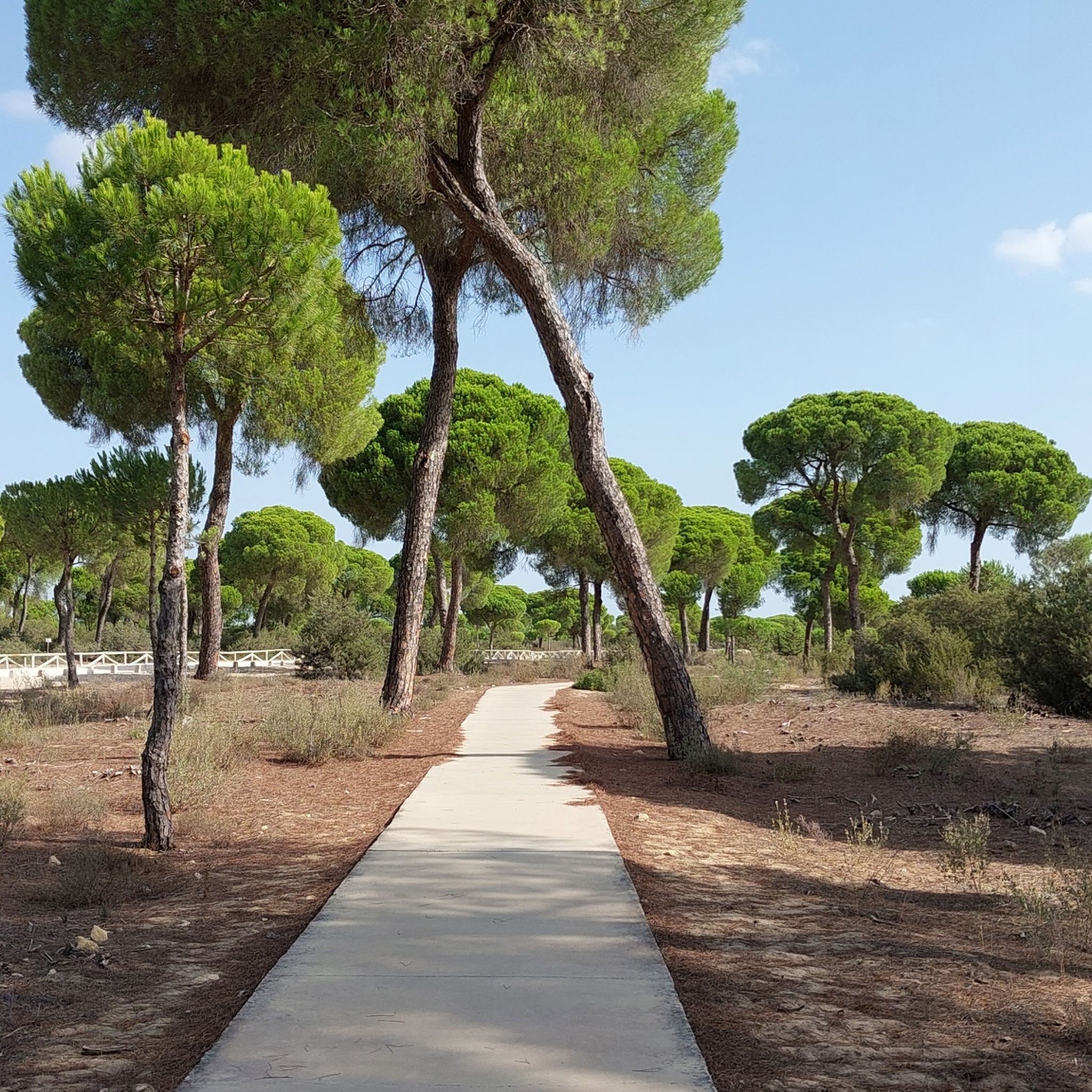
It's a pleasure to go there. The entire route is a boardwalk through a forest of sidewalks.
3
0

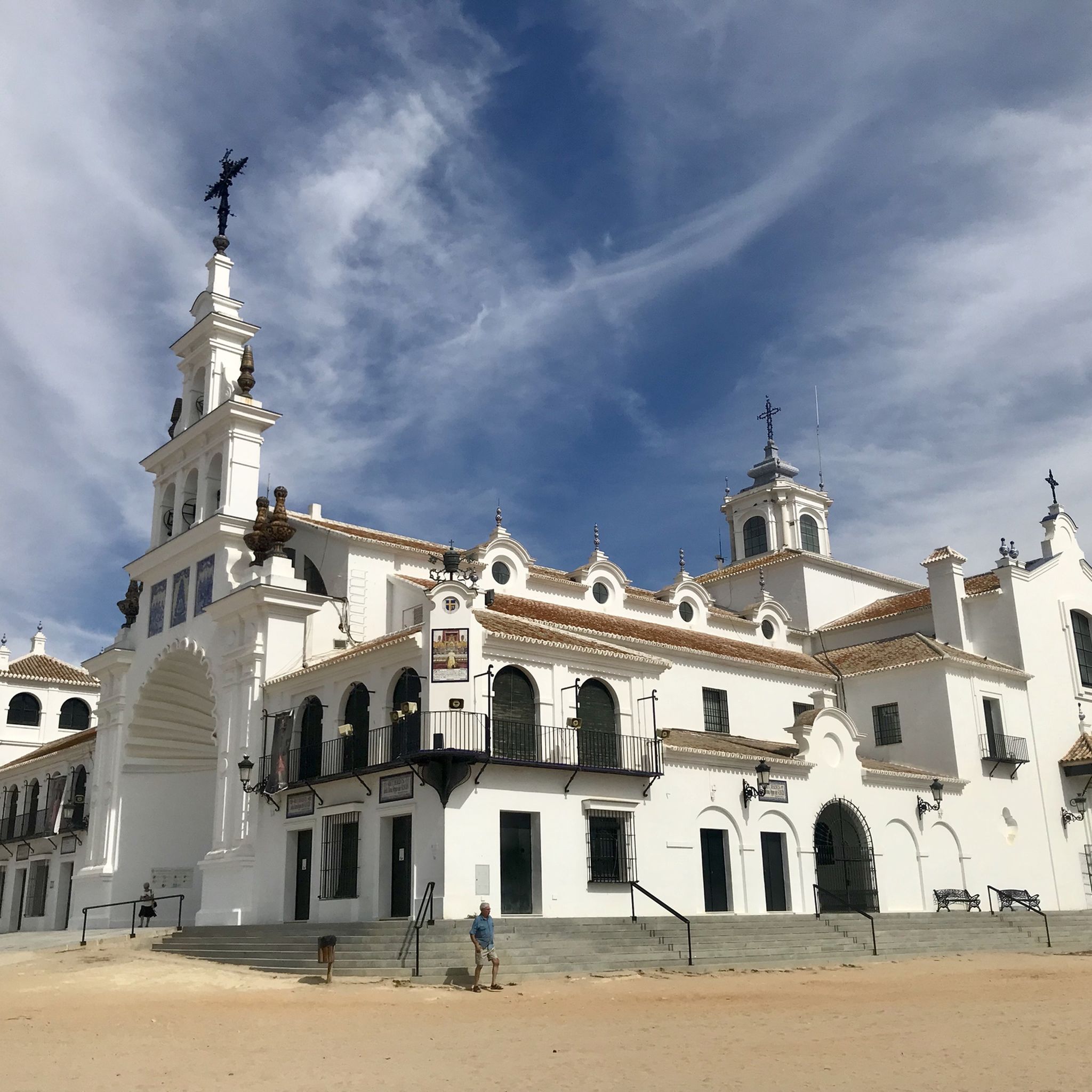
At the foot of the pond stands one of the most peculiar buildings in this territory, the Palacio del Acebrón. Built in 1961 by Luis Espinosa.
10
1

From the La Rocina Visitor Center, a bumpy 5-kilometer road leads to the Palacio de Acebron. After viewing a free exhibition, a short 2km trail leads back to the car park.
3
1
Frequently Asked Questions
What makes the lakes in Doñana National Park unique?
The lakes and wetlands in Doñana National Park are part of a UNESCO World Heritage Site, renowned for their diverse ecosystems. They are critical for migratory birds and a wide array of wildlife, making Doñana one of Europe's most important wetland reserves. These areas feature unique landscapes combining marshes, pine forests, and diverse plant life, offering significant ecological importance.
Which lakes are recommended for visitors in Doñana?
For a tranquil experience, visit Charco Del Acebrón, which has a pleasant 1.5 km nature trail and a visitor center. Another excellent spot is Charco de la Boca, offering a 3.8 km nature trail with bird hides near the La Rocina Visitor Centre. You can also find unique alkaline peat bogs and restoration efforts at Ribetehilos, which features a 2.4 km wooden walkway trail.
Are there accessible trails around the lakes for visitors with reduced mobility?
Yes, several areas offer accessible trails. Charco Del Acebrón features trails that are accessible for wheelchair users. Similarly, the visitor center and trails at Charco de la Boca are accessible to people with reduced mobility.
What is the best time of year to visit Doñana's lakes for wildlife viewing?
The lakes are particularly rewarding during migration and wintering periods for birdwatching. Spring and autumn are generally recommended for their vibrant flora and pleasant weather. However, it's advisable to check current conditions when planning a visit, as water levels can fluctuate significantly due to drought, impacting aquatic life availability.
What kind of wildlife can I expect to see at the lakes?
Doñana's lakes are a haven for birds, especially migratory species. You might spot purple gallinules, hoopoes, herons, little bitterns, great moritos, and little egrets. Birds of prey are often seen soaring above areas like Ribetehilos. Otters are also present, though less frequently observed. The 'lucios' system, including El Lucio del Cangrejo, consistently attracts a variety of wild animals.
Are there family-friendly activities or trails near the lakes?
Absolutely. Many areas are suitable for families. The 1.5 km nature trail at Charco Del Acebrón is a pleasant walk through cork oak forests. Charco de la Boca offers an entertaining 3.8 km walk along the Paseo Marismeño path, ideal for birdwatching with the whole family. The Hut with views of the lagoon also provides an accessible viewpoint for all ages.
What hiking or walking trails are available around the lakes?
You can enjoy a pleasant 1.5 km nature trail at Charco Del Acebrón, winding through cork oak forests. Charco de la Boca features a 3.8 km nature trail with bird hides. The Ribetehilos area offers a 2.4 km wooden walkway trail. For more options, explore various running trails in the region, such as the moderate Raya Real and Paseo Marismeño Loop or the Dehesa de Abajo Circular Trail, detailed in the Running Trails in Doñana guide.
What other outdoor activities can I do near Doñana's lakes?
Beyond walking and birdwatching, the Doñana region offers excellent opportunities for cycling. You can find various routes for road cycling, like the 'From Sanlúcar de Barrameda to Rota – circular' (56.7 km, moderate), or touring bicycle routes such as the 'Pinar de La Algaida – Doñana Marshes loop' (25.8 km, easy). Explore these and more in the Road Cycling Routes in Doñana and Cycling in Doñana guides.
Are there any historical or cultural points of interest near the lakes?
Yes, near Charco Del Acebrón, you can visit the Palacio del Acebrón. This former private residence and hunting lodge, built in 1961, now serves as a visitor center with exhibitions on the park's traditional land uses, offering a glimpse into the region's past.
What impact does drought have on Doñana's lakes, and how does it affect a visit?
Doñana's wetlands are significantly affected by prolonged drought and overexploitation of aquifers. Many lagoons, including historically permanent ones like Laguna de Santa Olalla, have experienced complete drying in recent years. This impacts the availability of water-dependent species. While the park remains ecologically important, visitors should be aware that aquatic life observation might be limited during drier seasons, and it's advisable to check current conditions before visiting.
Where are the best spots for birdwatching around the lakes?
Excellent birdwatching opportunities can be found at Charco de la Boca, which features several bird hides along its nature trail. The Bonanza Marshes near Sanlúcar de Barrameda are also a significant wetland area, providing shelter and feeding grounds for thousands of birds, including spectacular flamingo flights. El Lucio del Cangrejo, particularly near the José Antonio Valverde Visitor Center, is another recognized good location for birdwatching.
What do visitors enjoy most about the lakes in Doñana?
Visitors frequently appreciate the tranquility and natural beauty of the areas, especially the pleasant walks through diverse ecosystems like cork oak forests and reed beds. The opportunity for birdwatching from well-placed hides is a major draw. Many also enjoy the accessible trails and the educational insights provided by visitor centers like the Palacio del Acebrón.
Most popular routes in Doñana
Most popular attractions in Doñana

Get inspired with the komoot mobile app


Explore more
Still not found your perfect lake in Doñana? Check out the guides of these regions to see even more beautiful places.
