Attractions and Places To See in Doñana - Top 20
Best attractions and places to see in Doñana, a UNESCO World Heritage Site and Biosphere Reserve, offer a diverse natural landscape. This region, spanning parts of Huelva, Cádiz, and Seville, is recognized as one of Europe's most significant wetland areas. It features extensive marshes, moving sand dunes, and Mediterranean forests, providing critical habitats for numerous wildlife species. Doñana is a key stop for migratory birds and home to endangered species like the Iberian lynx.
Best attractions and places to see…
Last updated: May 26, 2026
Hermitage of El Rocío
Highlight • Religious Site
Translated by Google •
Tip by

Charco de la Boca Trail, Doñana National Park
Highlight • Trail
Translated by Google •
Tip by

Sign up now to discover places like this
Get recommendations on the best single tracks, peaks, & plenty of other exciting outdoor places.
Sign up for free
Doñana - Sanlúcar de Barrameda Ferry
Highlight • Rest Area
Tip by

Torre Carbonero Beach
Highlight (Segment) • Beach
Translated by Google •
Tip by

Cuesta Maneli Beach
Highlight • Beach
Translated by Google •
Tip by
Sign up for free to discover even more attractions in Doñana.
Sign up for free
Already have an account?
Start today with a free account
Your next adventure awaits.
Login or Signup
Popular around Doñana


Tips from the Community

The ferry runs from sunrise to sunset. You have to call the number and then the ferry will come. Out of season it can take a while for it to pick you up, but it will come.
1
0

Pet-friendly beaches. Both Cuesta Maneli and Rompeculos beaches are pet-friendly, that is, beaches where our pets are tolerated.
6
0
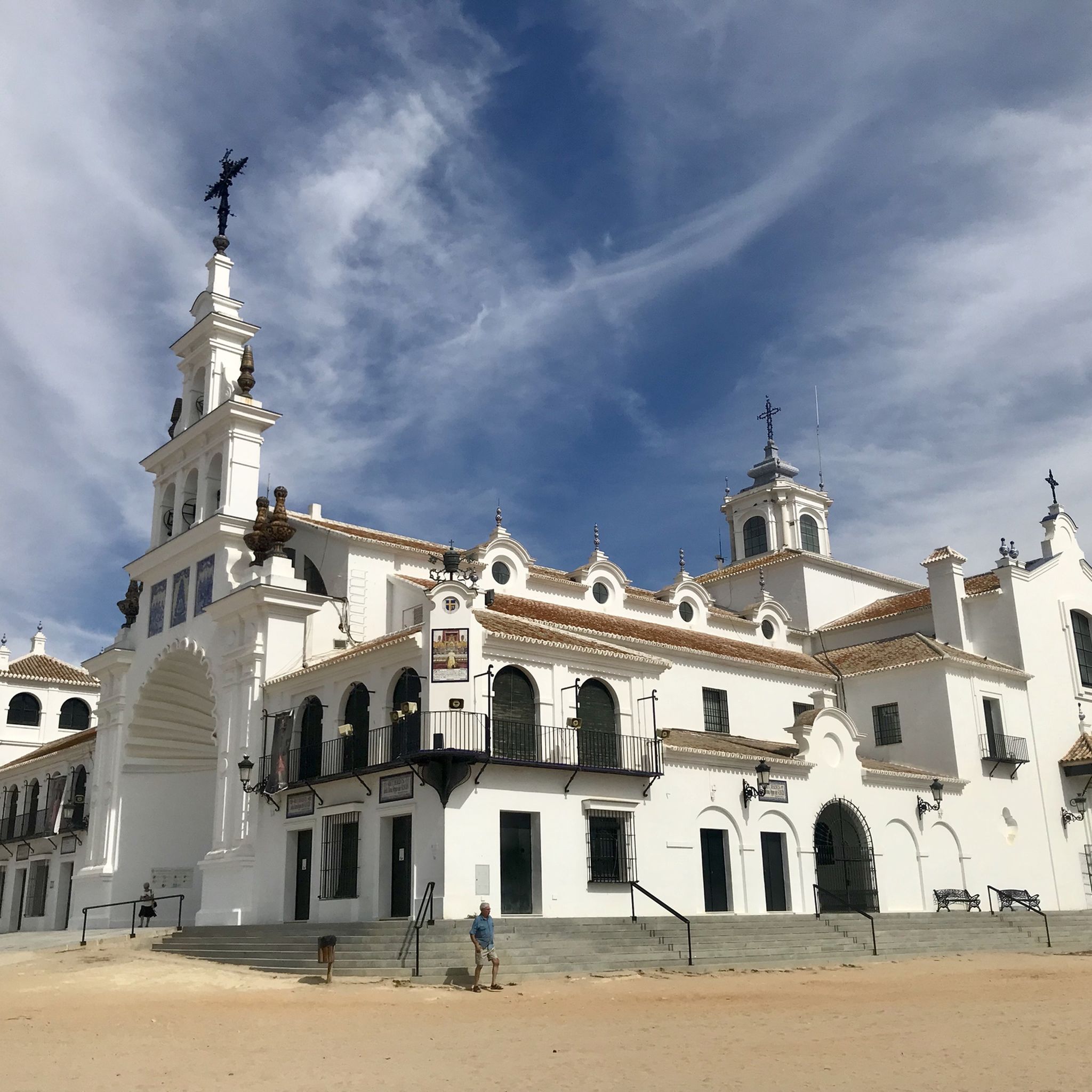
Undoubtedly one of the greatest epicenters of Marian devotion in the world, the Sanctuary of Nuestra Señora del Rocío is visited by hundreds of thousands of believers throughout the year. Surrounded by marshes and fervor, the sanctuary stands in the village of El Rocío in Almonte, a magical and esoteric place where all roads converge.
6
1
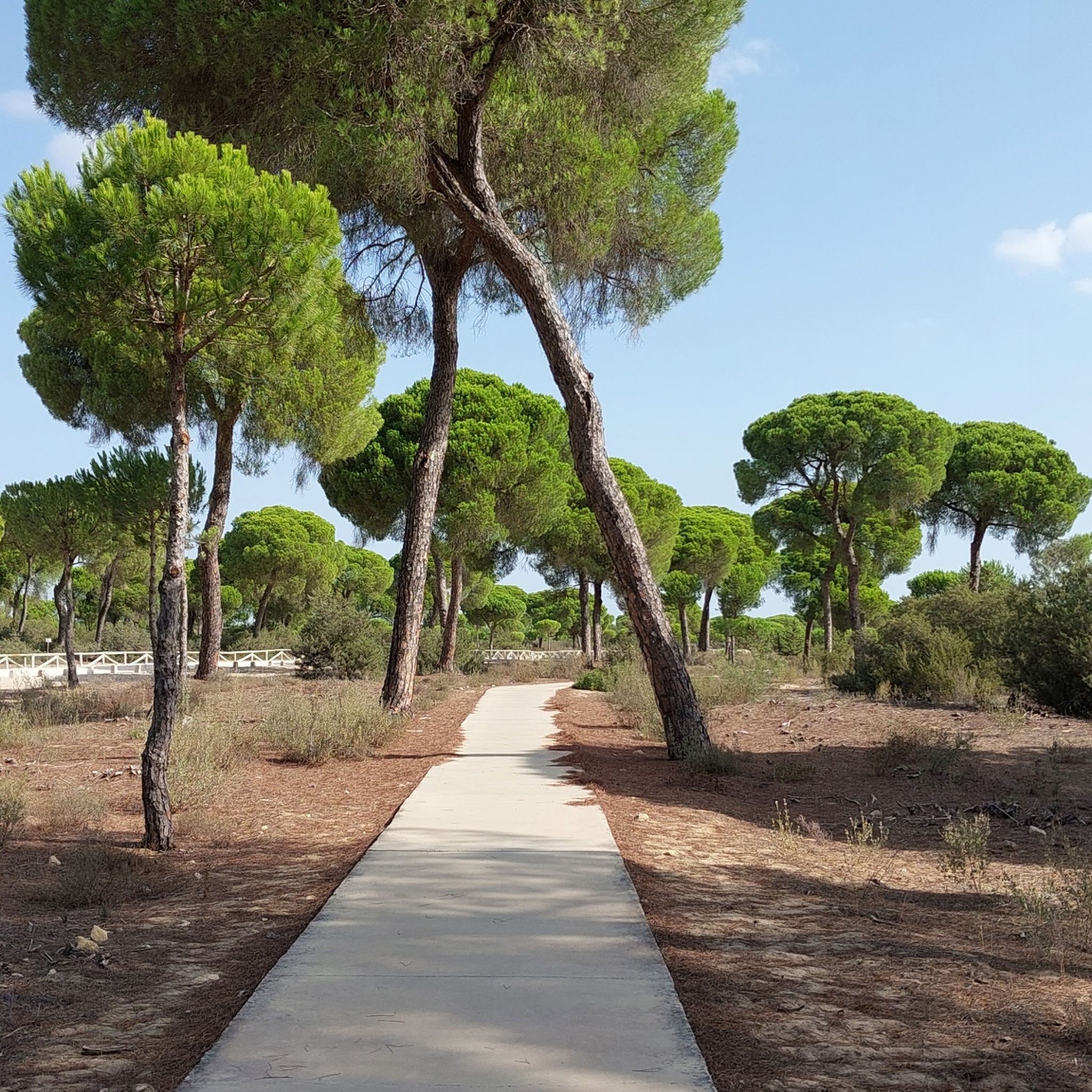
The La Rocina stream is one of the main sources of water for the marshes of the Doñana National Park and at this point it leads to an extension of the channel called Charco de la Boca. The path of the same name crosses a great biodiversity of the landscape, from a pine forest to riparian vegetation, ferns, reed beds and aromatic plants. Along the path, four observatories built as "huts" allow
7
0

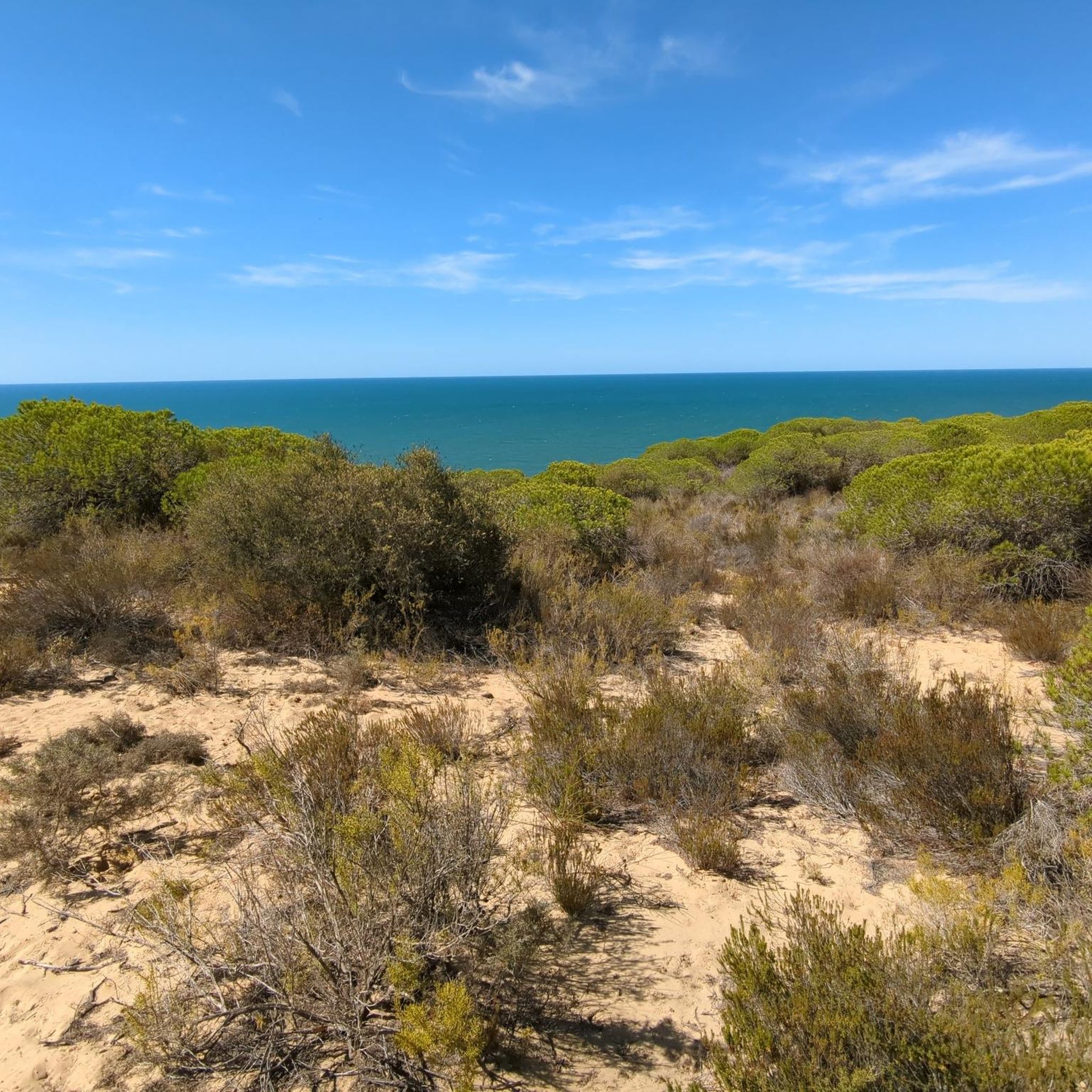
Cuesta Maneli Beach is a natural gem located on the Costa de la Luz, within the Doñana Natural Park, in the province of Huelva. This unspoiled beach is located between Mazagón and Matalascañas, and is known for its peaceful surroundings and natural beauty.
9
0

Beautiful decking route with approximately 4 bird watching huts
12
1
About 1,000,000 come every year! Pilgrims
9
0

Since the middle of the 18th century, pilgrimages (Romerías) have taken place on a large scale in El Rocío. Today, what happens in the town every year during Pentecost can be described as a huge spectacle. And as one of the weirdest religious celebrations on the European continent. Around a million (!) pilgrims come to El Rocío from all parts of the country at Pentecost. The highlight is the procession that begins on the night of Whit Monday. The almost human-sized, festively decorated Madonna is then carried under a canopy through the surging crowd for around twelve (!) hours.
1
2
Frequently Asked Questions
What kind of wildlife can I expect to see in Doñana?
Doñana is a crucial stop for migratory birds between Africa and Europe, hosting over 300 different bird species annually. You can observe flamingos, spoonbills, herons, storks, and even endangered species like the Spanish Imperial Eagle. The Mediterranean forests and scrubland also provide habitats for the elusive Iberian lynx, European badgers, fallow deer, Spanish red deer, and wild boars.
Where are the best places for birdwatching in Doñana?
The extensive marshes (Las Marismas) are a defining feature, providing essential feeding and nesting grounds for countless waterfowl. Excellent starting points for birdwatching include the Charco de la Boca Trail, which has multiple birdwatching huts, and the La Rocina Visitor Center, ideal for its 3½-km footpath. The José Antonio Valverde Centre, situated in the heart of the marshes, also offers viewpoints for spotting flamingos and other water birds.
Are there unique natural features to explore in Doñana?
Yes, Doñana boasts several unique natural features. Along the Atlantic coast, you can witness impressive and ever-changing moving sand dunes. The Asperillo Dunes, a natural monument, and the Cliffs of El Asperillo, a unique geological formation of sandstone cliffs, are also notable. The region's diverse ecosystems include vast marshes, shallow streams, and Mediterranean forests.
What cultural or historical sites are there to visit in Doñana?
The most prominent cultural site is the Hermitage of El Rocío, a religious building and destination for an annual pilgrimage. Other sites include the Palacio del Acebrón, which houses a museum on local customs, and the Palace of Lomo del Grullo (Palacio del Rey). Nearby, the La Rábida Tourist Complex offers historical ties to Christopher Columbus, including the La Rábida Monastery and the Wharf of the Caravels.
Are there family-friendly attractions in Doñana?
Many attractions in Doñana are suitable for families. The Hermitage of El Rocío and the Charco de la Boca Trail are listed as family-friendly. The visitor centers, such as El Acebuche, offer trails and bird observatories that are engaging for all ages. Beaches like Cuesta Maneli Beach also provide natural beauty and peaceful surroundings for family outings.
How can I explore the Doñana National Park?
The best way to explore Doñana National Park is by starting at one of its visitor centers. El Acebuche Visitor Center is the main interpretation center, offering trails, bird observatories, and serving as a departure point for guided tours. La Rocina Visitor Center, near El Rocío, is also excellent for birdwatching. Guided tours are often recommended to access restricted areas and maximize wildlife viewing opportunities.
Are there dog-friendly options in Doñana?
Yes, Cuesta Maneli Beach is noted as a pet-friendly beach where dogs are tolerated, offering a beautiful natural setting for you and your canine companion.
What is the best time of year to visit Doñana?
Doñana transforms with the seasons. The marshes are green in autumn and become a vast watery expanse teeming with birdlife in winter, making these seasons ideal for birdwatching. Spring also offers vibrant bird activity as migratory species return. Summer can be very hot, but the unspoiled beaches provide a refreshing escape.
What hiking trails are available near Doñana's attractions?
Doñana offers various hiking opportunities. Popular trails include the Charco de la Boca Trail (a 4 km circular route with birdwatching huts), the Laguna del Jaral and El Asperillo Cliff Trail, and the Cuesta Maneli Trail. For more options, you can explore the full range of routes in the Hiking in Doñana guide.
Can I cycle or mountain bike in Doñana?
Yes, Doñana offers routes for both cycling and mountain biking. You can find trails like the Pinares de Aznalcázar and Dehesa de Abajo Loop for mountain biking, or the Pinar de La Algaida – Doñana Marshes loop for touring bicycles. Be aware that some sections, like the beach routes, can be challenging and require specific conditions (e.g., low tide, wide tires). For detailed routes, refer to the MTB Trails in Doñana and Cycling in Doñana guides.
What are the best beaches to visit in Doñana?
Doñana boasts kilometers of unspoiled, fine-sand beaches. Cuesta Maneli Beach is known for its peaceful surroundings and natural beauty, accessible via a walkway. Other notable examples include Matalascañas Beach and Castilla Beach. These beaches offer tranquility and a chance to experience the natural beauty of the coast.
Are there any lesser-known spots or 'hidden gems' in Doñana?
While Doñana National Park itself is a well-known gem, exploring areas like the Pinar de la Algaida–Marismas de Bonanza, southeast of the National Park, offers a large pine forest and marshes still flooded by tides, attracting flamingos and avocets. The moving sand dunes along the Atlantic coast also provide a unique, otherworldly landscape that feels off the beaten path.
What is the significance of El Rocío village in Doñana?
El Rocío village is renowned for its annual religious pilgrimage in honor of the Virgin of El Rocío, attracting millions of visitors. The Hermitage of El Rocío is the focal point of this event. Even outside the pilgrimage, the village offers a unique atmosphere with its white houses and unpaved streets, providing views over the marshes.
Most popular routes in Doñana
Most popular attractions in Doñana

Get inspired with the komoot mobile app


Explore more
Still not found the Highlight you’re looking for? See guides of the top attractions in other regions:
