Attractions and Places To See in Gaume Natural Park - Top 20
Best attractions and places to see in Gaume Natural Park, located in the Belgian Ardennes, features diverse landscapes, historical sites, and cultural heritage. The region is characterized by gentle hills, "cuestas," and rivers like the Semois, forming wide meanders and valleys. It is known for its cultural identity, including the regional Romance language "le Gaumais," and actively protects its heritage. The park offers a variety of natural and historical points of interest.
Best attractions and places to see in Gaume Natural Park
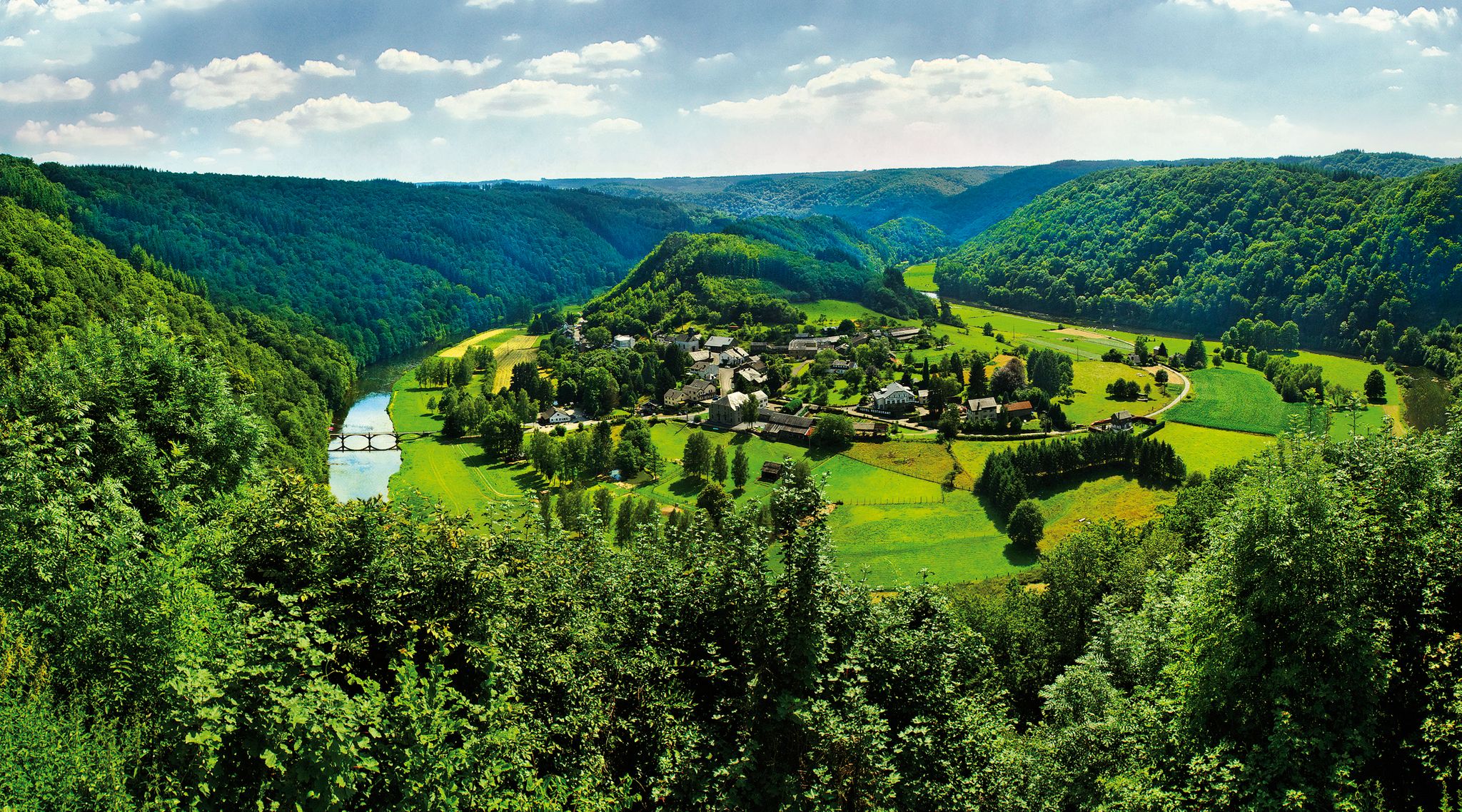
- The most popular attractions is Le Bohanan Viewpoint, a viewpoint offering panoramic vistas over the Semois River. This spot is situated on the edge of a large rock, accessible via a forest walk.
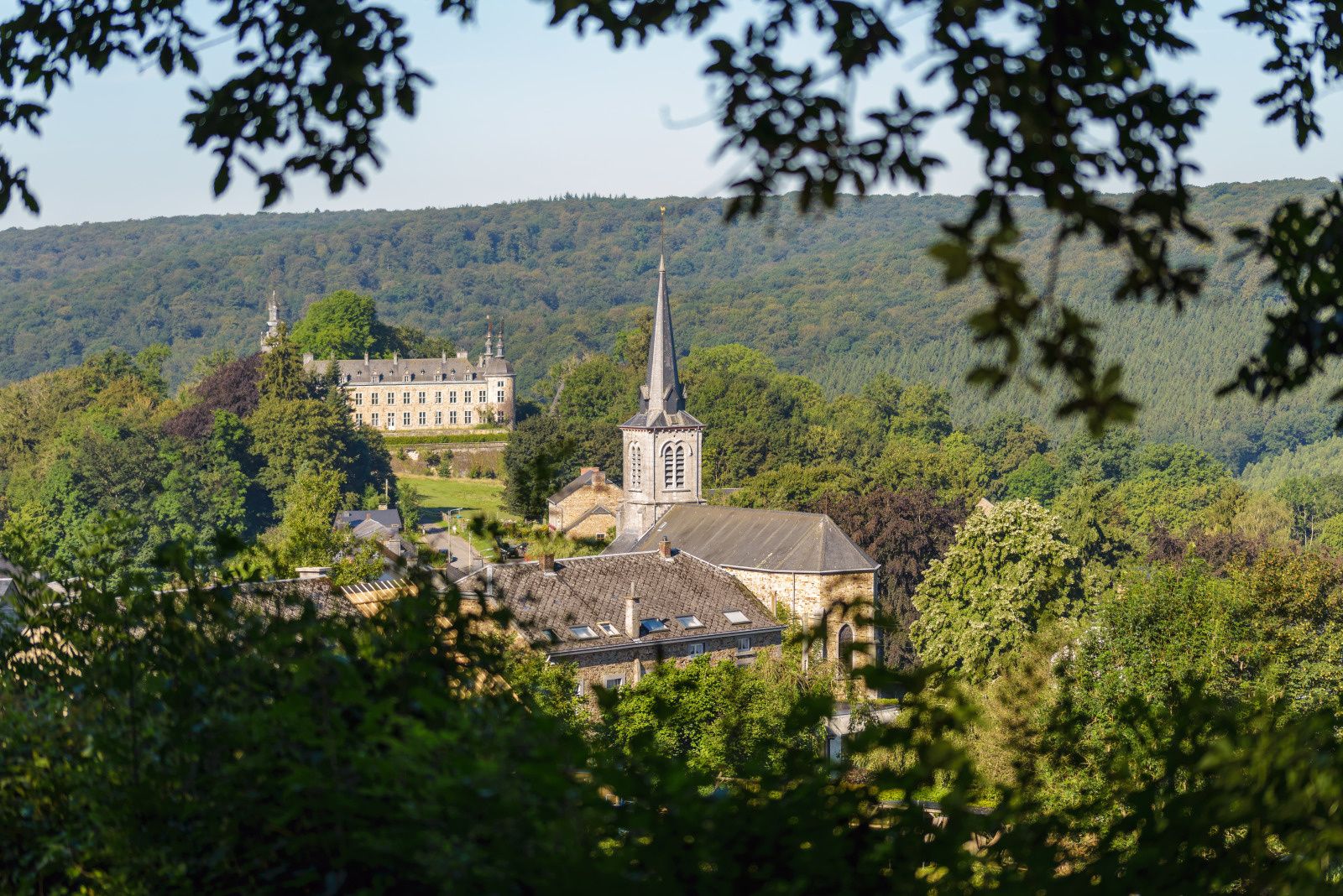
- Another must-see spot is View of the Abbey's castle, a viewpoint near Orval Abbey. This castle, built in the 1960s on older foundations, is reflected in a pond.
- Visitors also love Orval Abbey, a legendary historical and spiritual site. It is famous for its Trappist beer, brewed following an original recipe, and its label featuring a trout and a ring, linked to a local legend.
- Gaume Natural Park is known for its historical sites, natural features, and cultural landmarks. Visitors can explore a variety of attractions, including religious buildings, viewpoints, and natural monuments.
- The attractions in Gaume Natural Park are appreciated by the komoot community, with more than 400 upvotes and 95 photos.
Last updated: July 6, 2026
View of the Abbey's castle
Highlight • Viewpoint
Translated by Google •
Tip by

Epioux Ponds
Highlight • Lake
Translated by Google •
Tip by

Sign up now to discover places like this
Get recommendations on the best single tracks, peaks, & plenty of other exciting outdoor places.
Sign up for free
Orval Abbey
Highlight • Religious Site
Translated by Google •
Tip by

Fairies' Cave
Highlight • Cave
Translated by Google •
Tip by

Le Bohanan Viewpoint
Highlight • Viewpoint
Translated by Google •
Tip by

Sign up for free to discover even more attractions in Gaume Natural Park.
Sign up for free
Already have an account?
Start today with a free account
Your next adventure awaits.
Login or Signup
Popular around Gaume Natural Park
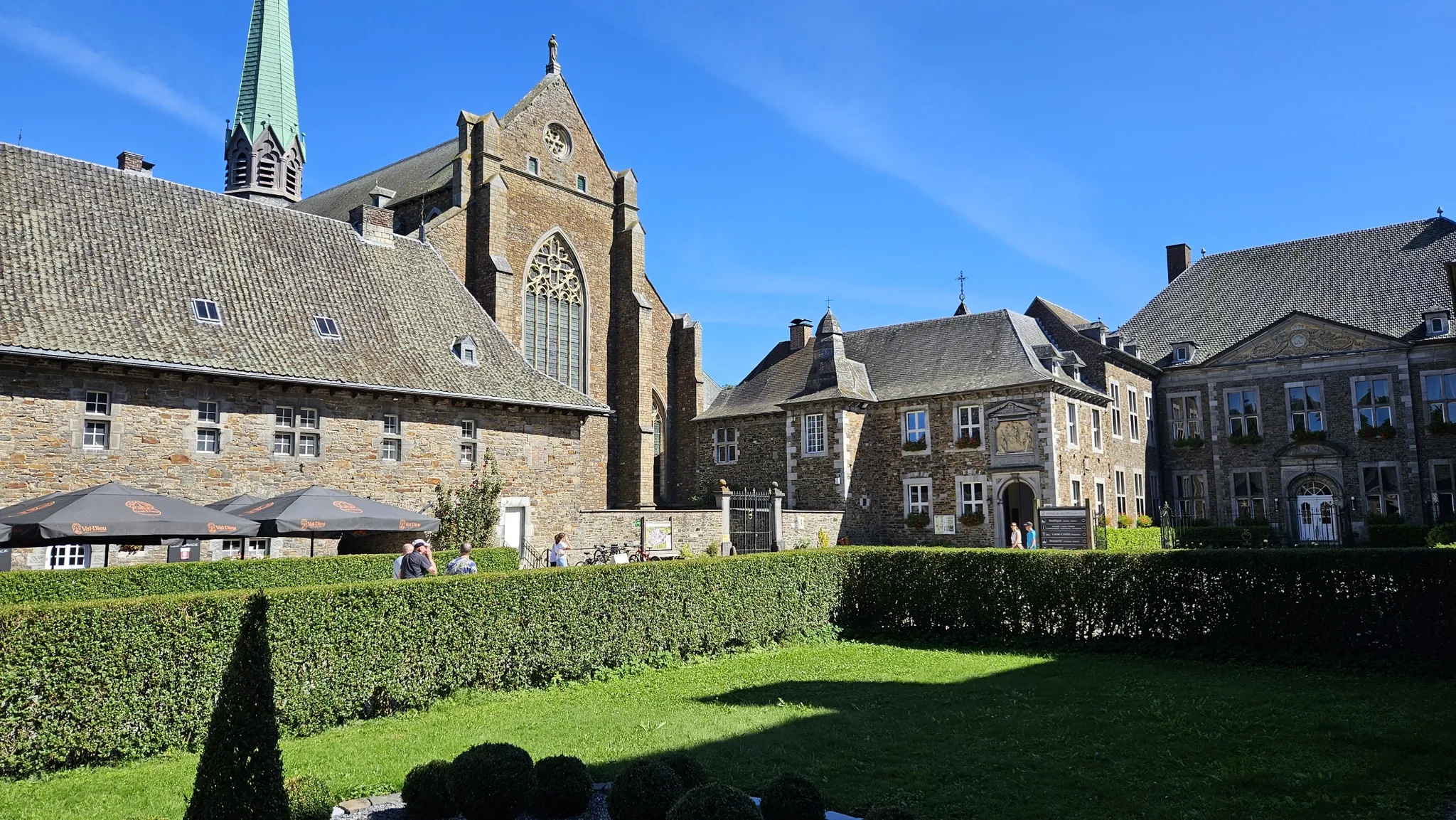
Trappist abbeys cycle route – Between beers and heritage
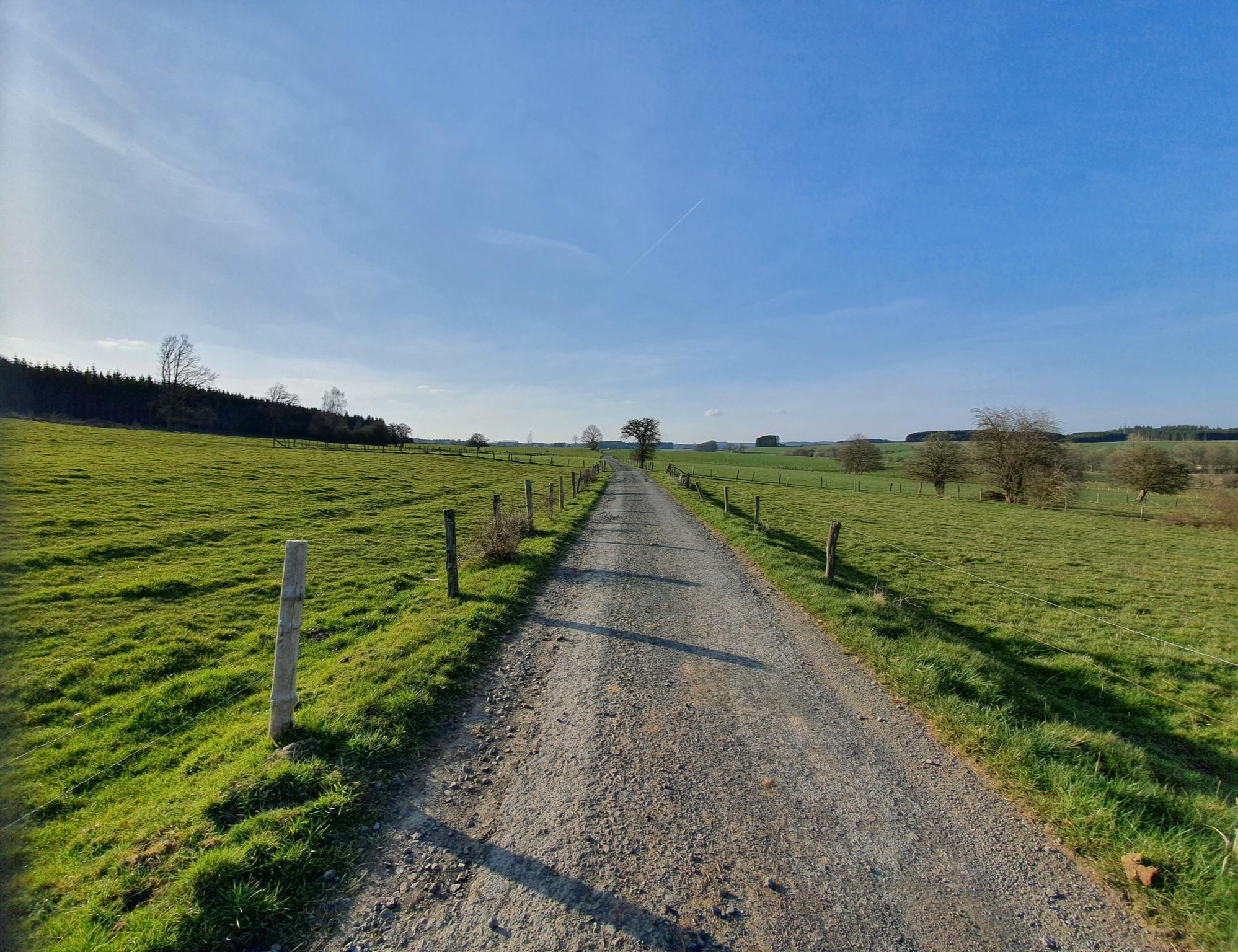
GR 2 d’Orval à Renaix — The Parcs Naturels du sud de la Belgique in gravel
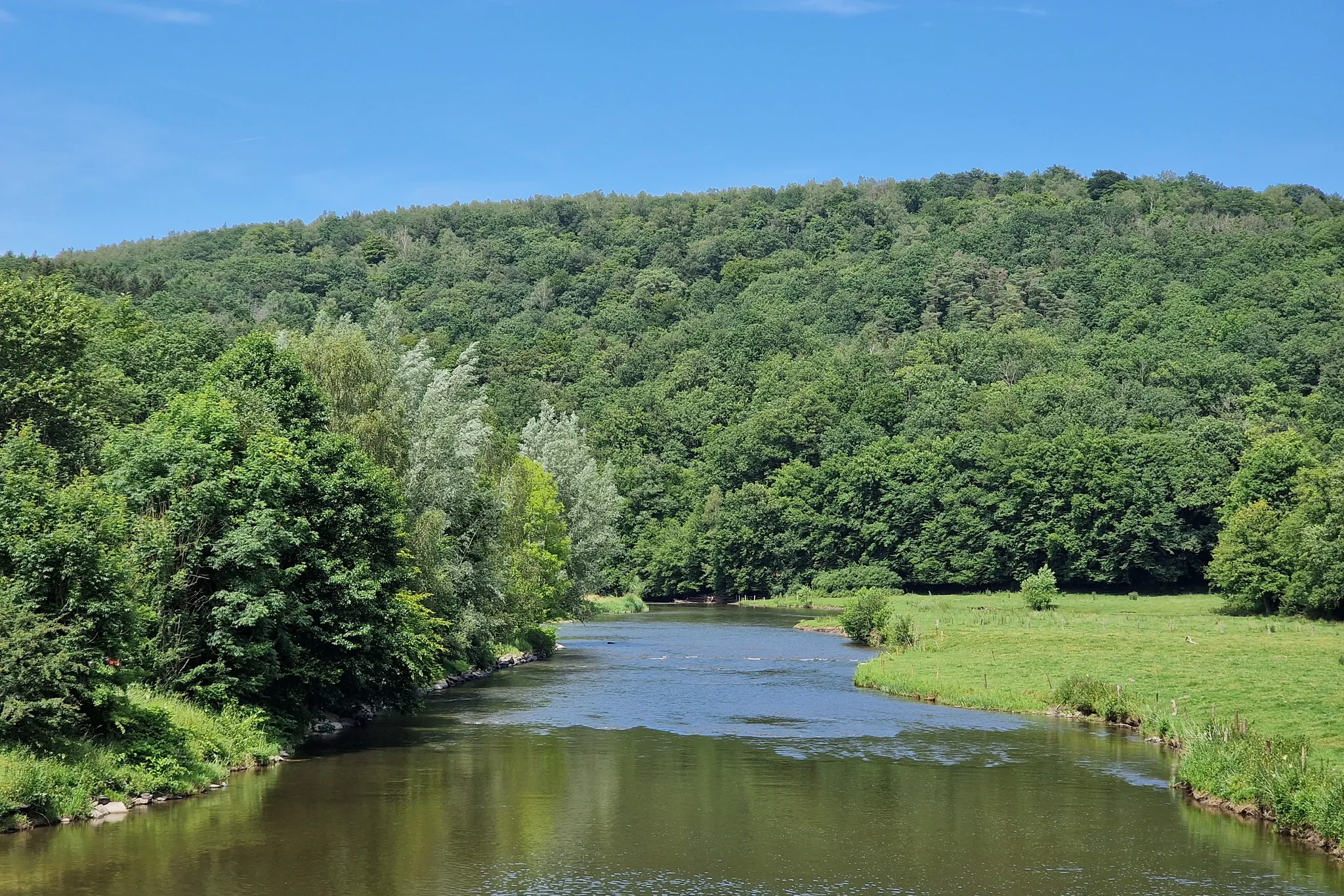
Between nature and gastronomy - Trappist abbeys trail part 2
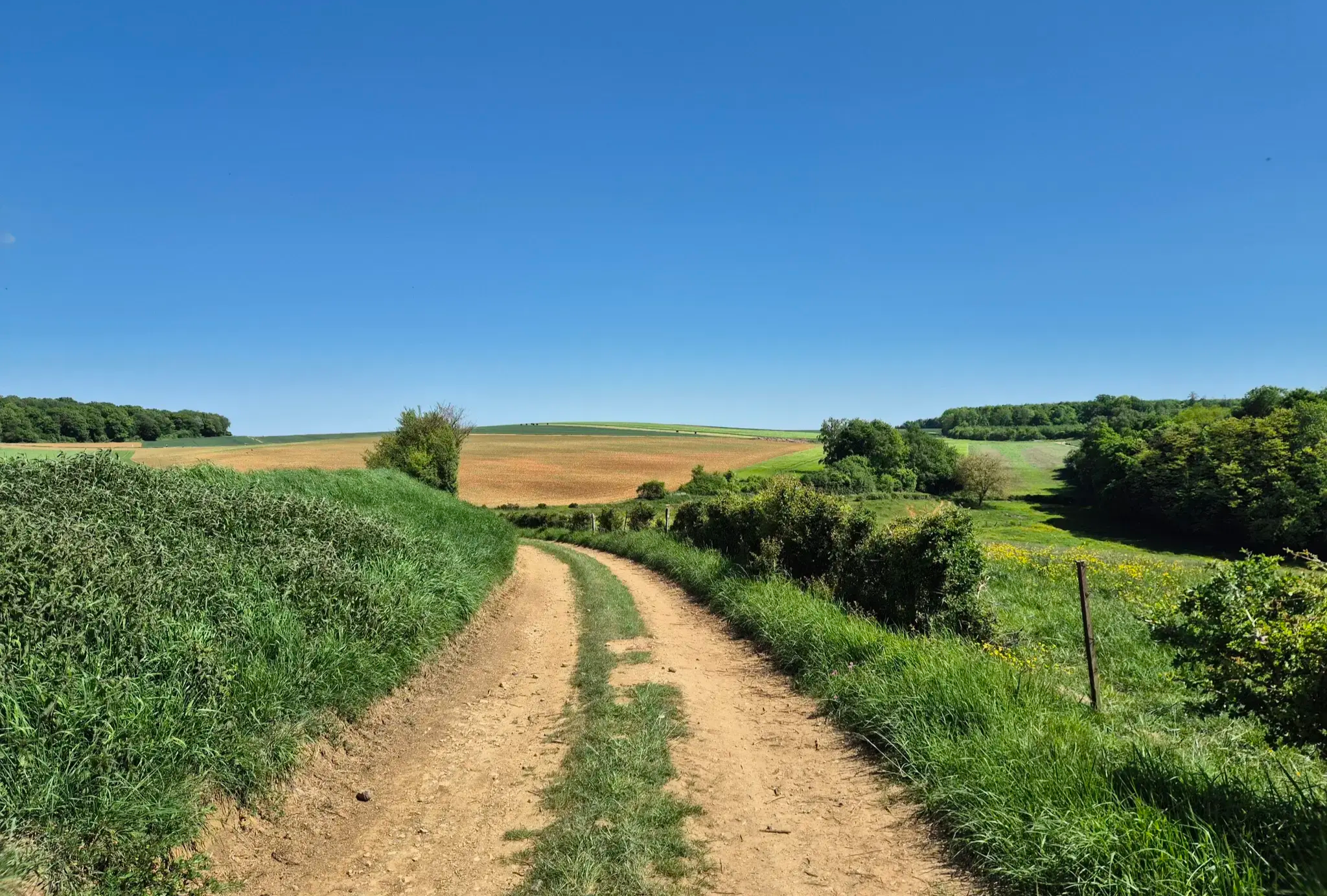
Une randonnée aux airs de Provence — La Transgaumaise
Train & Sac à dos: hiking between stations in southern Belgian forests
Vallée de la Semois National Park – long-distance hiking on Belgium’s GR16
Hiking in the Belgian Ardennes: GR16 through the Semois Valley
A Tour of Belgian Luxembourg — the greenest province of the kingdom
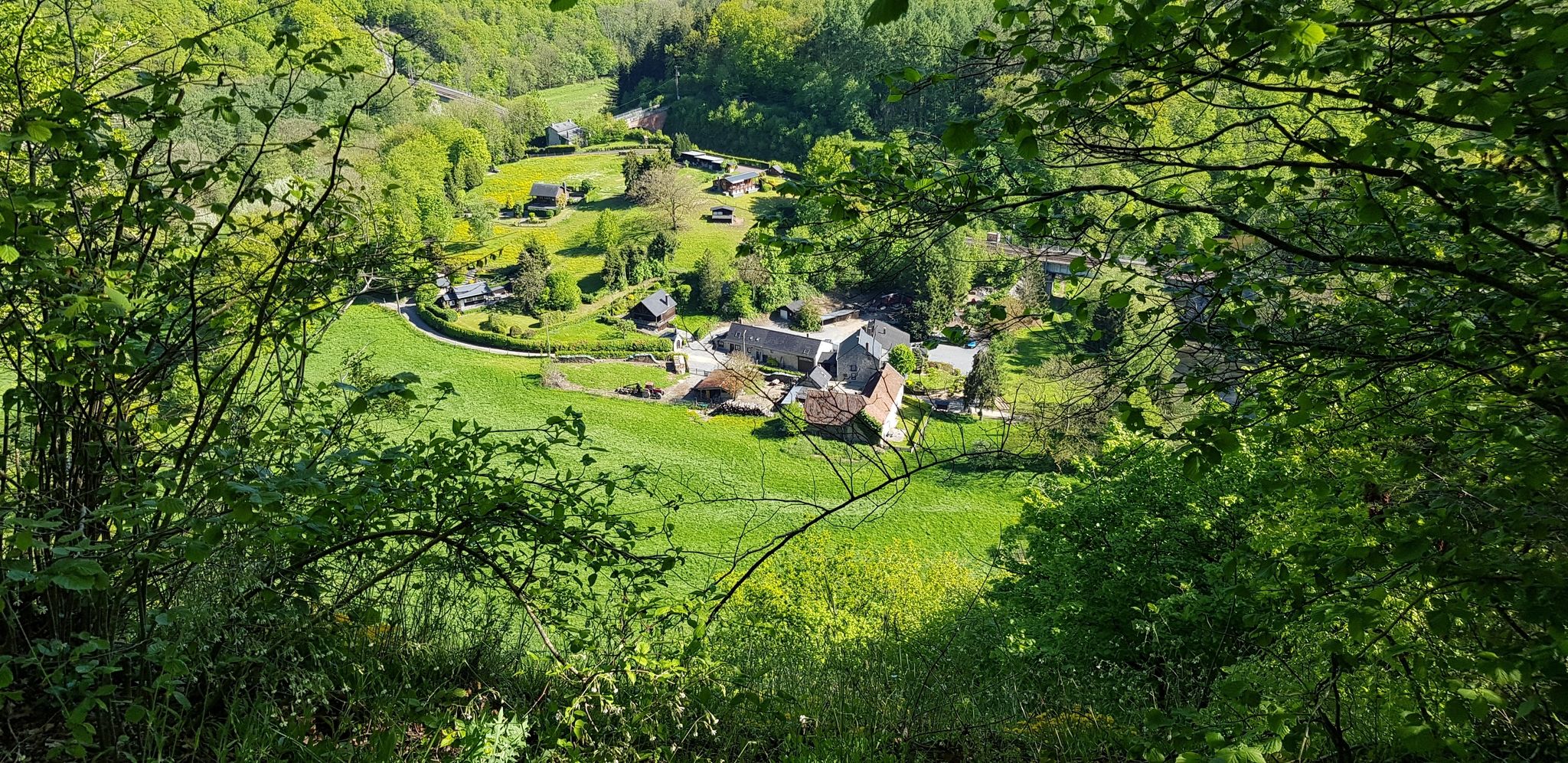
To the abbeys of Belgium — la Cyclotrappiste
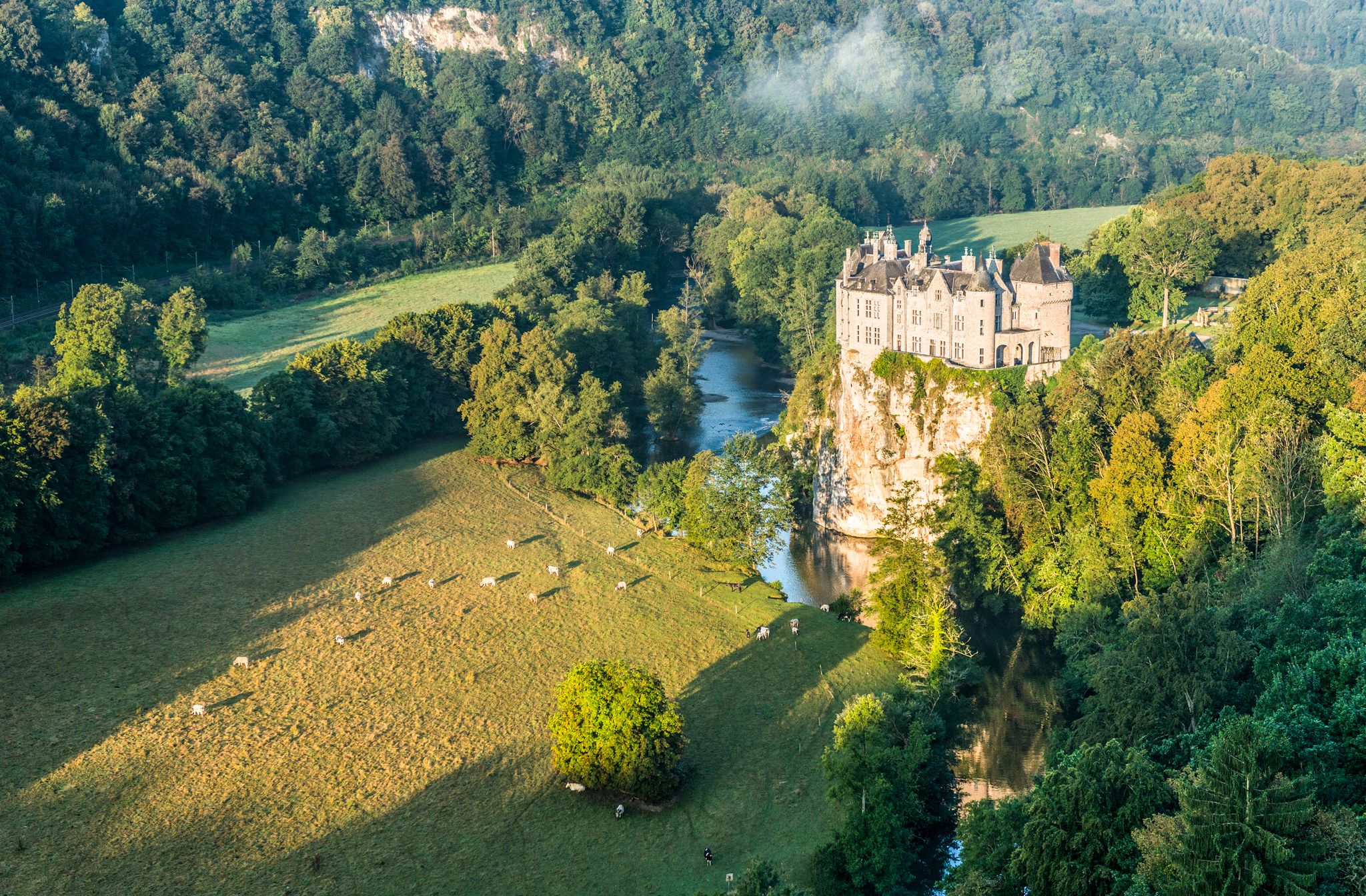
Pure nature on the hiking trails in the Belgian Ardennes
Other adventures in Gaume Natural Park


Tips from the Community

The current castle is very recent. It was built in 1960 at the request of the owners, the Otreppe de Bouvette family, based on plans by architect Emile Godin. The previous castle was severely damaged in both world wars and fell into disrepair.
10
0
Over a period of 22 years, from 1926 to 1948, a completely new abbey was built based on a design by architect Henri Vaes. This was primarily the work of Ghent native Albert-Marie Van der Cruyssen, who became the first abbot in 1936. On August 20, 1929, the foundation stone was laid in the presence of Prince Leopold and Cardinal Van Roey. The new abbey was completed in 1948. On June 5, 1939, the abbey church was consecrated and elevated to Basilica Minor by Pope Pius XII. On September 8, 1948, the abbey church and the completed cloister were solemnly consecrated by Cardinal Micara, who served as Apostolic Nuncio to Belgium from 1923 to 1946 and subsequently became Prefect of the Congregation for Rites. To finance the major construction projects, which by then had already cost tens of millions of Belgian francs, various fundraising activities were initiated. For example, special postage stamps with a surcharge were issued by the Belgian government. The cheese factory (1931) and the brewery (1932) were established to generate the necessary funds, and laypeople were employed from the outset. After the construction work was completed, these proceeds were used for social and charitable purposes. (Wikipedia)
12
0

It is between Etalle and Virton, very precisely in Croix-Rouge, that you will find the place called "Trou des Fées". Well known to the inhabitants of the region, this unique site is at the center of many legends relating to the history of D’jean dMady but also and especially to that of the fairies of Gaume.
1
0

Unmissable for the Red Cross: Dive into an enchanted kingdom where legends and mysteries weave the fabric of the landscape… This mountain of sand, like a sleeping giant, reveals its heart of stone sculpted by the whims of time. At the dawn of the Jurassic, erosion gently carved out winding galleries, while the main gallery, 15 meters long, arouses a curious fascination. Was it an offering from the ancients, shaped by human hands, or simply the patient work of nature? The flints found nearby whisper echoes of prehistory, silent witnesses of a bygone era. The Trou des Fées, guardian of forgotten secrets, awaits you.
1
1

Lots of great walks or mountain bike rides to do, very beautiful site and close to Ravel too. Easy parking near the 4 paths
0
0

Magnificent estate of 1721 hectares Located north of Lacuisine and west of Chiny, it belongs to the CPAS of the city of Mons, which inherited it in 1887. This sublime estate includes 1,500 hectares of forests and four artificial ponds fed by several streams, including the Tamij-Austria, a tributary of the Semois. The ponds of the Epioux are the last witnesses of the important metallurgical past of our region. Indeed, for more than three centuries, the estate experienced intense metallurgical activity. Since the end of this industrial activity, the only profitable economic activity has been that of forest production. Today, the large forest of the Epioux is a magnificent forest. Several beautiful walks cross the estate.
0
0
Magnificent estate of 1721 hectares Located north of Lacuisine and west of Chiny, it belongs to the CPAS of the city of Mons, which inherited it in 1887. This sublime estate includes 1,500 hectares of forests and four artificial ponds fed by several streams, including the Tamij-Austria, a tributary of the Semois. The ponds of the Epioux are the last witnesses of the important metallurgical past of our region. Indeed, for more than three centuries, the estate experienced intense metallurgical activity. Since the end of this industrial activity, the only profitable economic activity has been that of forest production. Today, the large forest of the Epioux is a magnificent forest. Several beautiful walks cross the estate.
2
0

A visit to the abbey is worthwhile. You should allow yourself about an hour and a half. Not far away there is a brasserie where you can try the cheese and beer.
6
0
Frequently Asked Questions
What natural features can I explore in Gaume Natural Park?
Gaume Natural Park offers a rich variety of natural features. You can visit the serene Epioux Ponds, explore the captivating Fairies' Cave, or discover the picturesque Vierre Lake and Dam in Suxy. The park is also characterized by its gentle hills, distinctive geological features known as "cuestas," and slow-flowing rivers like the Semois, Vire, and Ton, which form wide meanders and valleys. Don't miss the Bellefontaine Arboretum near Tintigny for its diverse plant life.
Are there historical or cultural sites to visit in Gaume Natural Park?
Yes, the park is rich in history and culture. The most prominent site is Orval Abbey, a legendary spiritual site famous for its Trappist beer and a local legend involving Countess Mathilde de Canossa. You can also find the View of the Abbey's castle nearby. The region is dotted with small villages that showcase local life and traditions, and it has a strong cultural identity, including its regional Romance language, "le Gaumais."
What kind of outdoor activities are available in Gaume Natural Park?
The park is ideal for various outdoor activities. You can find numerous routes for hiking, including trails that lead to viewpoints like Le Bohanan Viewpoint. For cyclists, there are options for road cycling and gravel biking, with routes like the "Trappist abbeys cycle route" and trails through the Semois Valley.
Are there family-friendly attractions in Gaume Natural Park?
Many attractions in Gaume Natural Park are suitable for families. Natural sites like the Epioux Ponds and the Fairies' Cave offer engaging exploration. Historical sites such as Orval Abbey also welcome families, providing a blend of history and natural beauty. Many of the park's walking trails are also accessible for family outings.
Where can I find panoramic views of the landscape?
For breathtaking panoramic views, head to Le Bohanan Viewpoint. Situated on the edge of a large rock, it offers a beautiful vista over the Semois River and is accessible via a forest walk. Another notable spot is the View of the Abbey's castle, which provides a scenic perspective near Orval Abbey.
What unique geological features can be found in Gaume Natural Park?
Gaume Natural Park is home to several unique geological features. Besides its gentle hills and "cuestas," you can discover "les crons," which are embedded springs where decomposed lime forms spectacular mounds over time. These crons harbor rare flora and fauna. The region also features old abandoned quarries, particularly in Torgny, which provide habitats for very rare species like the sand lizard, found only in Gaume in Belgium.
What is the best time of year to visit Gaume Natural Park?
The park offers different experiences throughout the year. Spring and autumn are particularly beautiful for hiking and cycling, with pleasant temperatures and vibrant natural colors. The summer months are great for enjoying the rivers and outdoor activities. While specific winter activities are not detailed, the landscape can be picturesque under snow. For general information, you might check resources like Visit Wallonia.
Are there options for dog-friendly activities in Gaume Natural Park?
Many of the natural trails and outdoor areas within Gaume Natural Park are suitable for walks with dogs. It's always recommended to keep dogs on a leash, especially in areas with wildlife or near agricultural land. Specific dog-friendly trails are often indicated on local maps or trail signage.
What makes the local flora and fauna special in Gaume Natural Park?
The park boasts significant biodiversity. Its beautiful forests include highly biodiverse beech forests, and extensive grasslands are home to orchids and the rare blue monkshood in the lean meadows of La Semois. The slow-flowing rivers support unique flora and fauna, and the beaver, once abundant, has successfully repopulated the waterways. The geological features like "crons" and old quarries also host rare species.
What kind of local culture or traditions can I experience?
Gaume Natural Park has a strong cultural identity. You can experience local life by visiting the small villages scattered throughout the region. The park actively works to protect and enhance the cultural heritage of its villages, including its regional Romance language, "le Gaumais." The area is primarily agricultural, known for its livestock farming, and also hosts cultural events like the Gaume Jazz Festival and Brassigaume beer festival.
Are there specific natural monuments worth seeing in the park?
Absolutely. Key natural monuments include the Fairies' Cave, a captivating natural site, and the Epioux Ponds, offering serene landscapes. The Bellefontaine Arboretum near Tintigny is also a significant natural area for those interested in trees and plant life. Additionally, the unique geological formations called "les crons" are natural wonders to observe.
Where can I find information about accommodation or dining in the area?
While this guide focuses on attractions, Gaume Natural Park and its surrounding villages offer various options for accommodation, cafes, and pubs. For detailed information on local services, it's best to consult regional tourism websites such as Visit Gaume or Visit Ardenne, which often list local businesses and services.
Most popular routes in Gaume Natural Park
Most popular attractions in Gaume Natural Park

Get inspired with the komoot mobile app


Explore more
Still not found the Highlight you’re looking for? See guides of the top attractions in other regions:
