The best road cycling routes in Vallée De L'Attert Natural Park
4.3
(275)
11,601
riders
29
rides
Road cycling routes in Vallée De L'Attert Natural Park traverse a transitional geological zone, offering varied terrain from the sandy soils of Lorraine to the schist of the Ardennes. The landscape features winding river valleys, expansive meadows, and dense forests, providing diverse environments for road cyclists. This region is characterized by its unique geological formations, including the sinemurian cuesta, and offers mostly paved surfaces suitable for road biking.
Best road cycling routes in Vallée De L'Attert Natural Park
- The most…
Last updated: May 20, 2026
4.6
(7)
122
riders
40.7km
01:46
380m
380m
Moderate road ride. Good fitness required. Mostly well-paved surfaces and easy to ride.
35
riders
40.0km
01:51
470m
470m
Moderate road ride. Good fitness required. Mostly well-paved surfaces and easy to ride.

Sign up for free
25
riders
44.6km
01:50
290m
290m
Easy road ride. Great for any fitness level. Mostly well-paved surfaces and easy to ride.
21
riders
42.7km
01:58
460m
460m
Moderate road ride. Good fitness required. Some segments of this route may be unpaved and difficult to ride.
5.0
(1)
15
riders
28.5km
01:20
370m
370m
Moderate road ride. Good fitness required. Mostly well-paved surfaces and easy to ride.
Get access to more routes and recommendations from other explorers.
Sign up for free
Already have an account?
Our route recommendations are based on thousands of hikes, rides, and runs completed by other people on komoot.
Start today with a free account
Your next adventure awaits.
Login or Signup
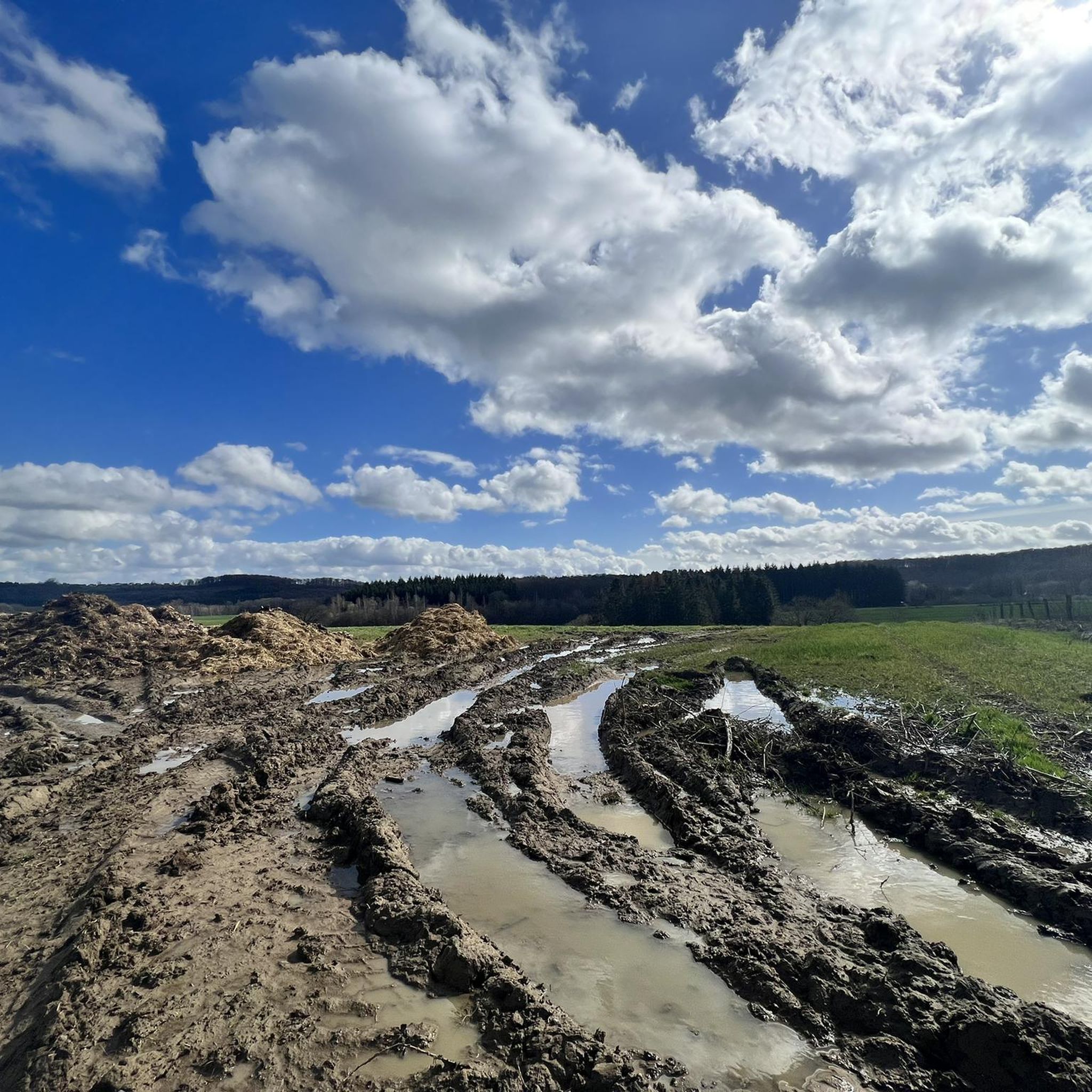
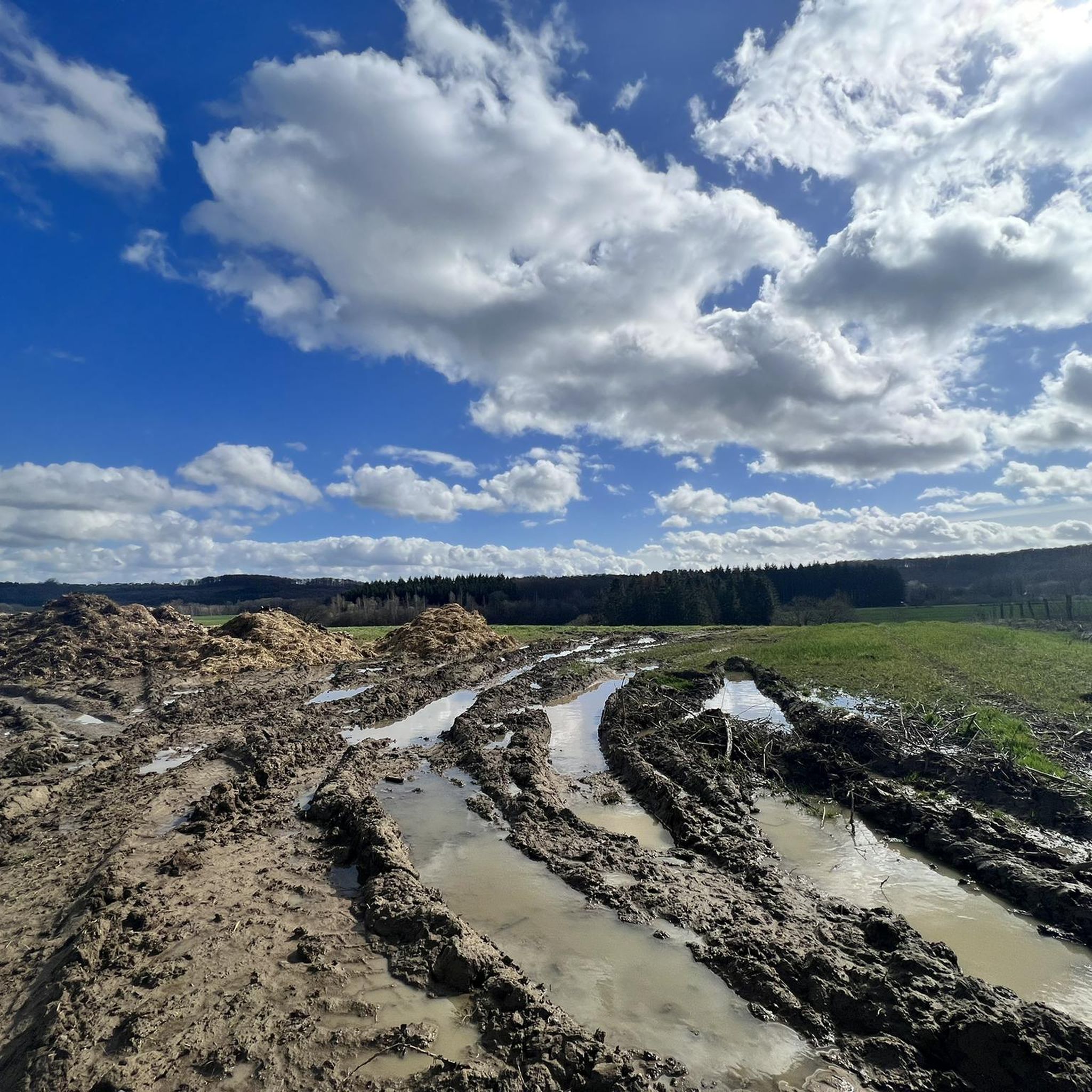
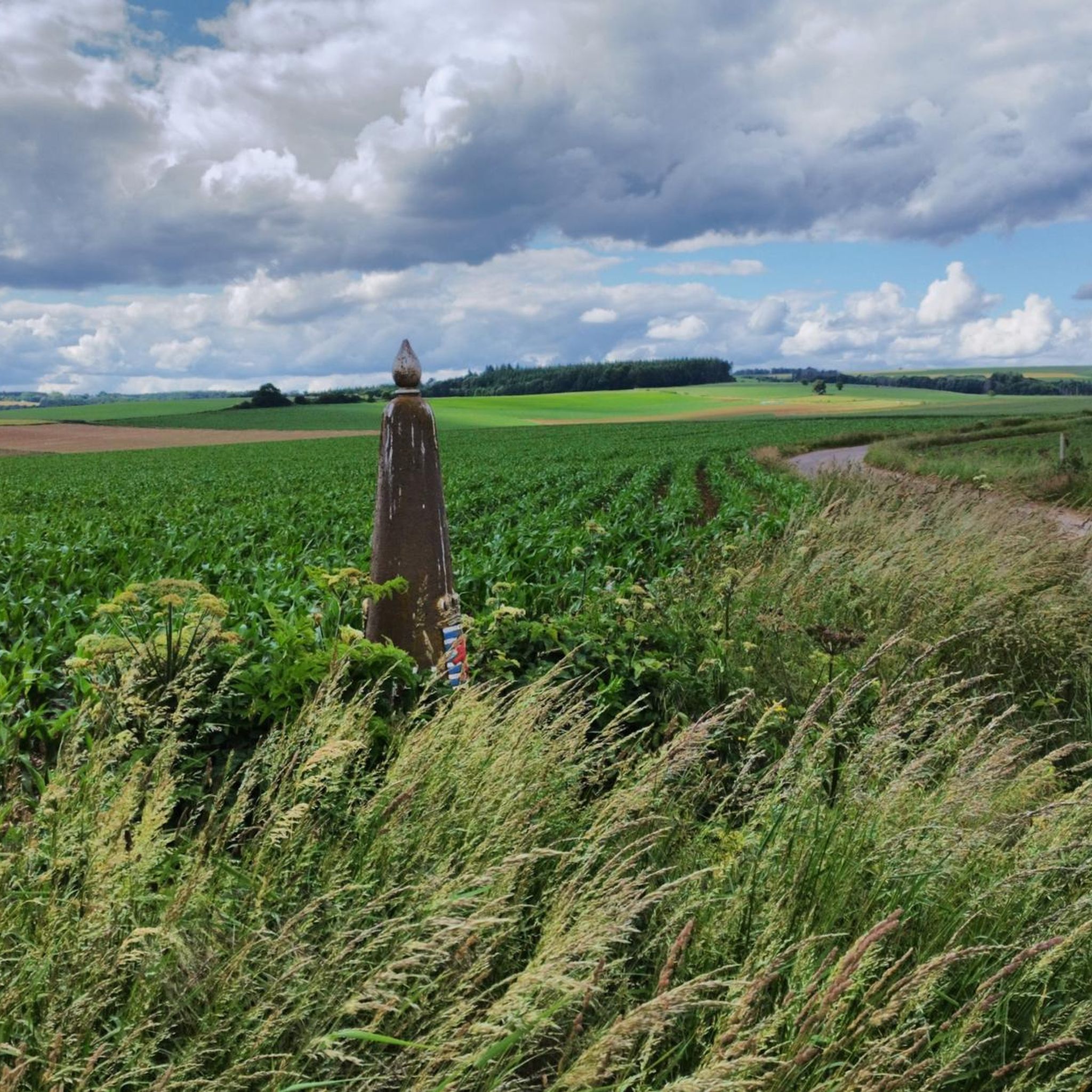
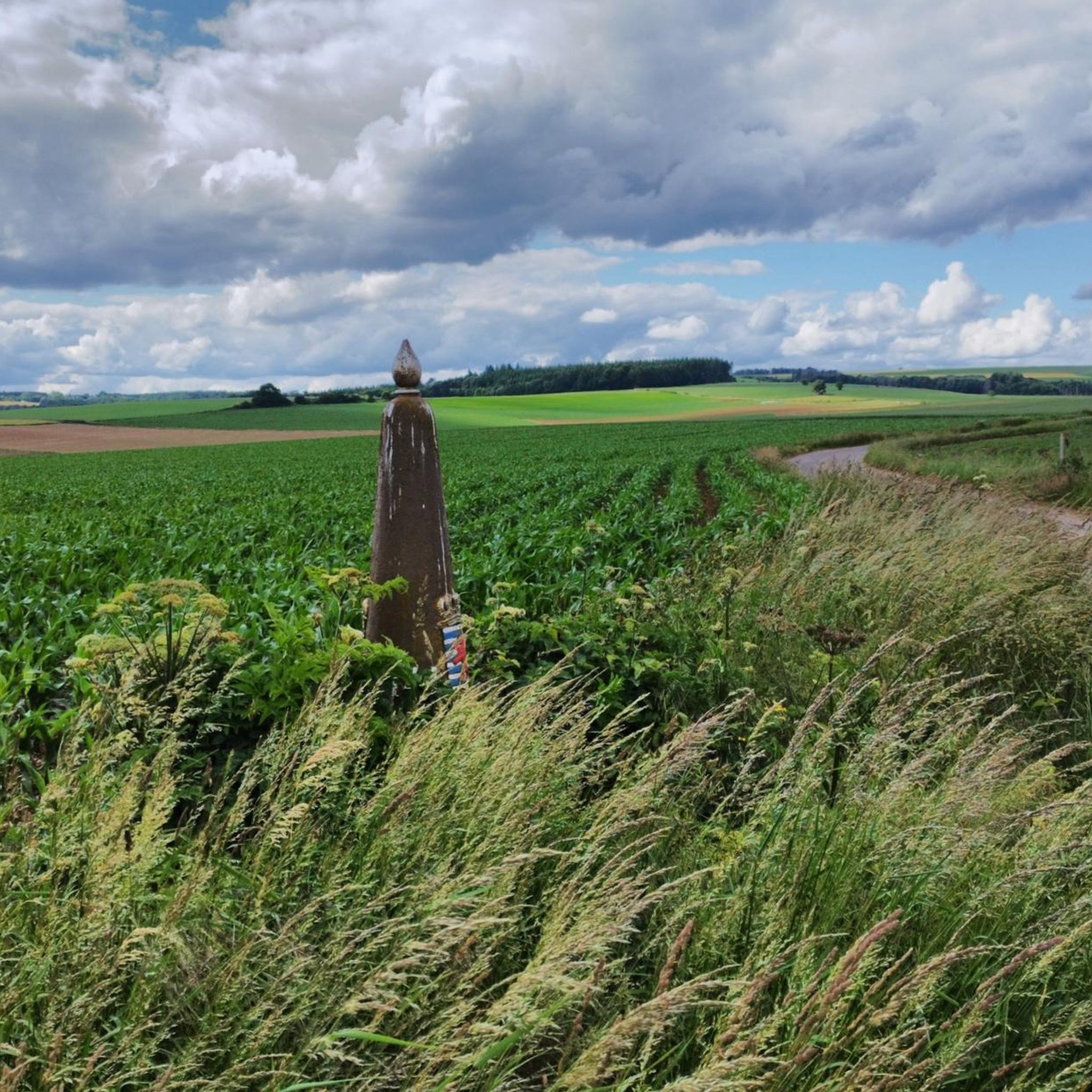

Tips from the Community

Beautiful old castle with a walkable tower. The climb is definitely worth it. Great view 👍
1
0

A medieval castle located in the center of the village of Useldange. The Attert River flows past the castle. There are several places to stop for refreshments in the village.
1
0

Small area around Useldange Castle, freely accessible
2
0


Well-maintained cycle paths, the tour is not too difficult and very beautiful and quiet landscape
1
0
Frequently Asked Questions
What kind of terrain can I expect when road cycling in Vallée De L'Attert Natural Park?
The Vallée De L'Attert Natural Park offers a diverse road cycling experience due to its transitional geological zone. You'll encounter varied terrain, from the sandy soils of Lorraine to the schist of the Ardennes, often featuring hilly sections and mostly paved surfaces. The landscape is characterized by winding river valleys, expansive meadows, dense forests, and unique geological formations like the sinemurian cuesta.
Are there road cycling routes suitable for all skill levels?
Yes, the park provides options for various abilities. While most of the 25 available road cycling routes are considered moderate, there are also 3 easier routes and 2 more challenging options for experienced cyclists. This ensures that both beginners and advanced riders can find suitable paths.
What natural landmarks or attractions can I see while road cycling?
Many routes offer views of the park's natural beauty and significant landmarks. You might pass by the Tattert-Thiaumont Pond, a beautiful spot with a wooden bridge, or the impressive Dragon Rock. The Nothomb Valley State Nature Reserve also showcases diverse habitats.
Are there any charming villages or historical sites to visit along the routes?
Absolutely. The park is home to charming villages and historical sites. For instance, Nobressart Village is recognized as one of Wallonia's most beautiful, featuring typical light-colored plaster facades and well-preserved 18th and 19th-century farmhouses. Some routes, like the Post Village – Useldange Castle loop from Schockville, even offer views of historical castles.
What do other road cyclists enjoy most about road cycling in Vallée De L'Attert Natural Park?
The area is highly rated by the komoot community, with an average score of 4.9 stars from over 20 reviews. Road cyclists often praise the varied terrain, the unique geological formations like the sinemurian cuesta, and the peaceful atmosphere of the winding river valleys and dense forests. Over 400 road cyclists have used komoot to explore the park's diverse paths.
Are there any family-friendly road cycling options in the park?
Yes, the PC 12 Attert Cycle Route is particularly suitable for family expeditions. This route follows the tracks of an old railway line, offering a unique and generally accessible journey that skirts the border between Belgium and Luxembourg. It's a great way to explore the park with children.
Can I find circular road cycling routes in Vallée De L'Attert Natural Park?
Many of the road cycling routes in the park are designed as loops, allowing you to start and end at the same point. Examples include the Post Village – Habay-la-Neuve loop from Attert and the Redange-sur-Attert Church – Boundary Marker No. 132 loop from Attert, providing convenient options for your ride.
What is the best time of year for road cycling in Vallée De L'Attert Natural Park?
While the park is beautiful year-round, spring and autumn generally offer the most pleasant conditions for road cycling. During these seasons, the weather is typically milder, and the natural scenery, with blossoming flora or vibrant fall colors, is particularly appealing. Summer can also be great, but be prepared for potentially warmer temperatures.
Are there facilities like cafes or accommodation near the road cycling routes?
The villages within and around the Vallée De L'Attert Natural Park, such as Attert and Nobressart, offer various amenities. You can find local cafes, restaurants, and accommodation options to refuel and rest during or after your rides. The House of the Park in Attert also provides information and insights into the region.
Is public transport available to access road cycling routes in the park?
The Vallée De L'Attert Natural Park is accessible, and while specific public transport links directly to every trailhead might vary, regional bus services connect the main towns and villages. For detailed information on public transport options to and within the park, it's advisable to check local transport schedules or visit the official tourism websites for the region, such as Visit Luxembourg or Visit Wallonia.
Where can I find parking for road cycling in Vallée De L'Attert Natural Park?
Parking is generally available in the main villages and towns within or bordering the park, such as Attert, Redange, and Schockville. Many routes, like the Habay-la-Vieille village – Habay-la-Neuve loop from Heinstert, often start from locations with designated parking areas, making it convenient to begin your ride.
Can I road cycle with my dog in Vallée De L'Attert Natural Park?
While many natural areas are dog-friendly, road cycling with dogs requires careful consideration for their safety and comfort, especially on paved roads with potential traffic. If you plan to cycle with your dog, ensure they are well-trained to run alongside a bike and consider quieter routes or paths specifically designated for shared use. Always keep your dog on a leash and be mindful of other cyclists and pedestrians.
Most popular routes in Vallée De L'Attert Natural Park
Most popular attractions in Vallée De L'Attert Natural Park

Get inspired with the komoot mobile app


Explore more
Browse the best Road cycling routes in other regions.
