The 5 Most Amazing Peaks in Luberon
Best mountain peaks in Luberon are found within a region characterized by its massifs, diverse landscapes, and rich natural heritage. The Luberon massif, recognized as a Regional Natural Park, offers a varied topography with forested ranges, wide plains, and unique geological formations. This area provides numerous marked trails suitable for various levels, allowing exploration of its distinct natural features. The mountains are home to diverse plant life and wildlife, contributing to the region's ecological significance.
Best mountain peaks in Luberon
…Last updated: May 11, 2026
Portalas Viewpoint
Highlight • Viewpoint
Translated by Google •
Tip by

Le Mourre Nègre
Highlight • Natural Monument
Translated by Google •
Tip by

Sign up now to discover places like this
Get recommendations on the best single tracks, peaks, & plenty of other exciting outdoor places.
Sign up for free
Cirque of Barriès
Highlight • Canyon
Translated by Google •
Tip by
Mourre Nègre Summit
Highlight • Summit
Translated by Google •
Tip by

La Combre Hillside – Mourre Nègre
Highlight (Segment) • Summit
Translated by Google •
Tip by

Sign up for free to discover even more peaks in Luberon.
Sign up for free
Already have an account?
Start today with a free account
Your next adventure awaits.
Login or Signup
Popular around Luberon
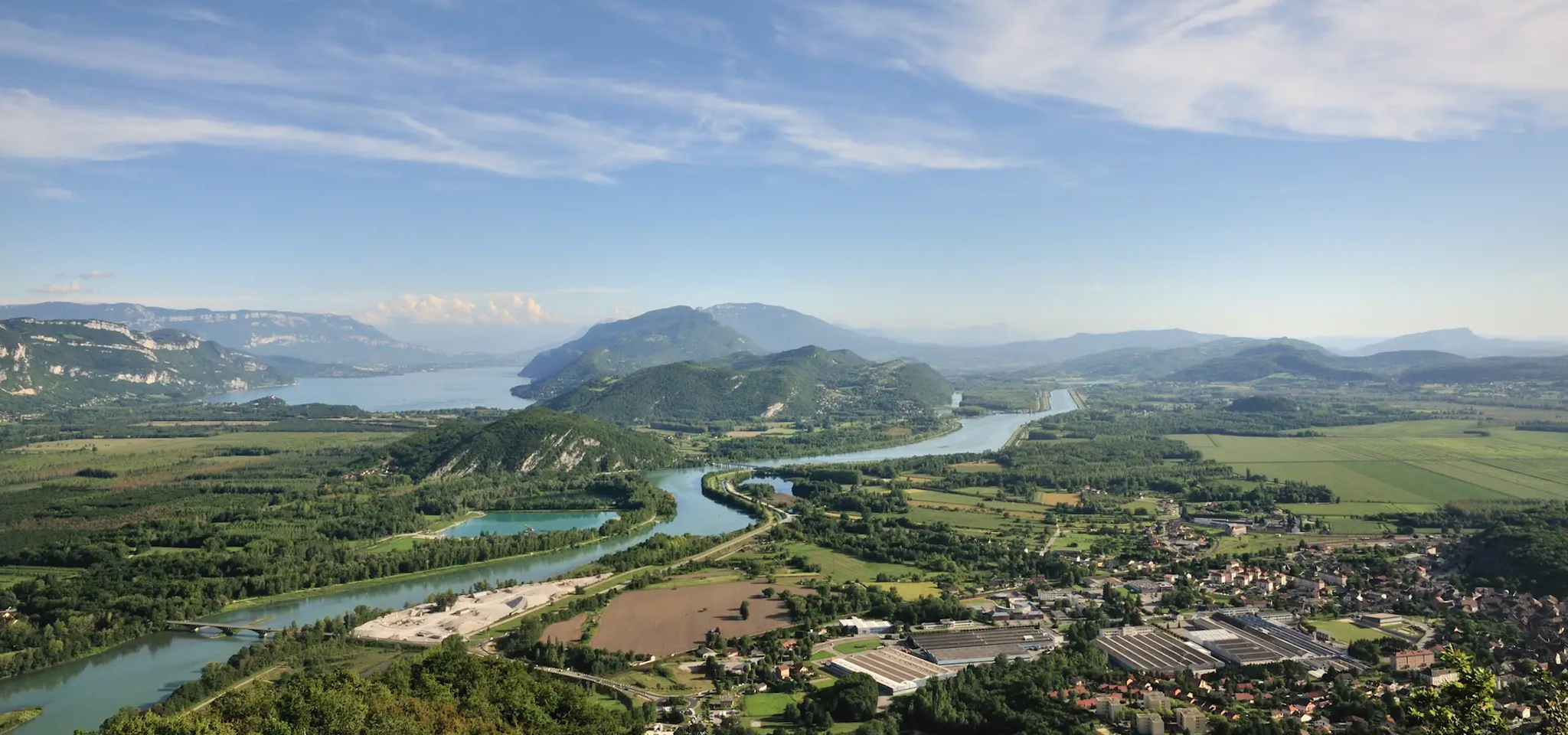
GR 9 from the Jura to the Mediterranean – Crossing contrasts
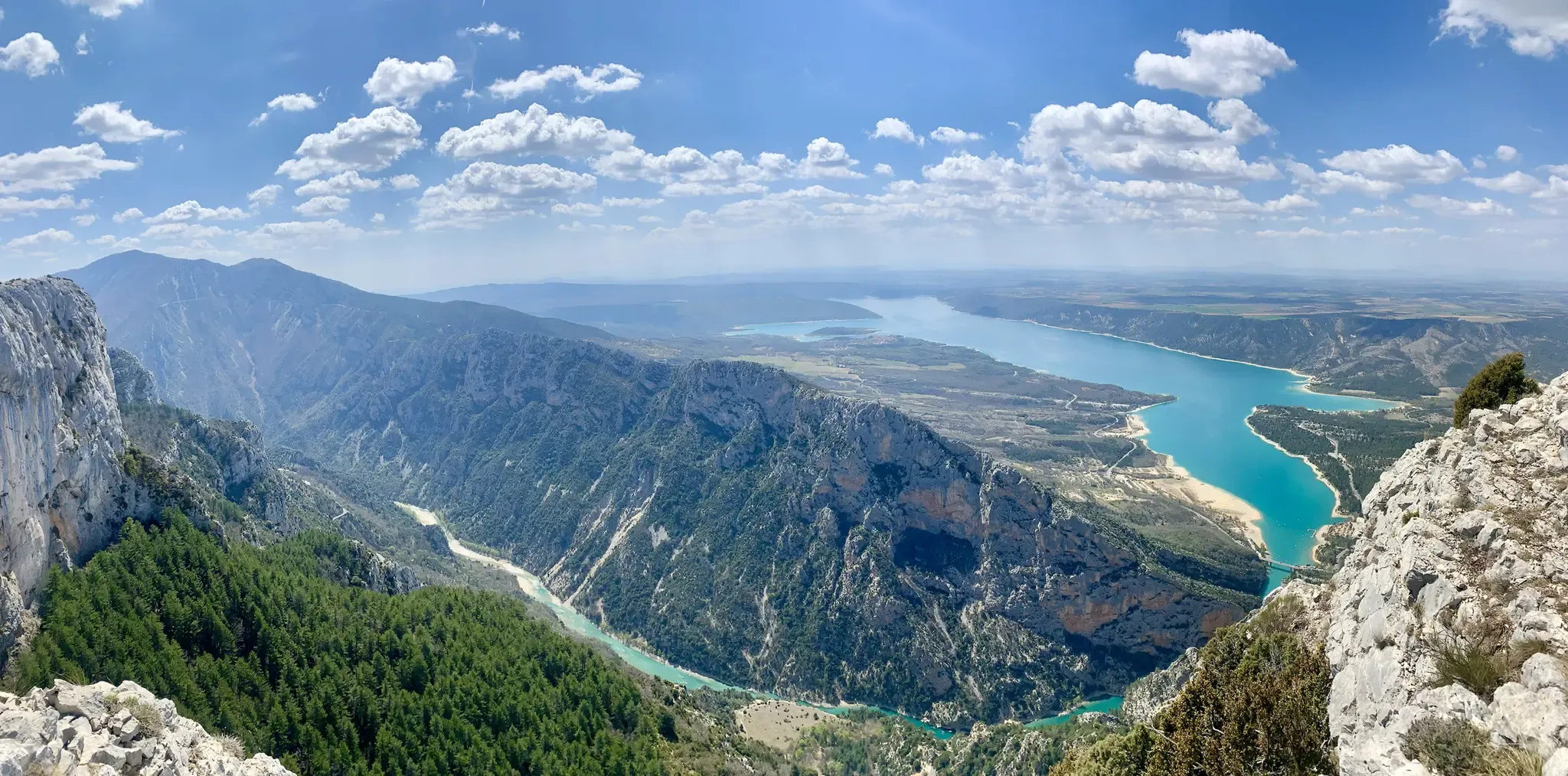
GR 4 – Crossing the south of France from Atlantic Coast to Provence
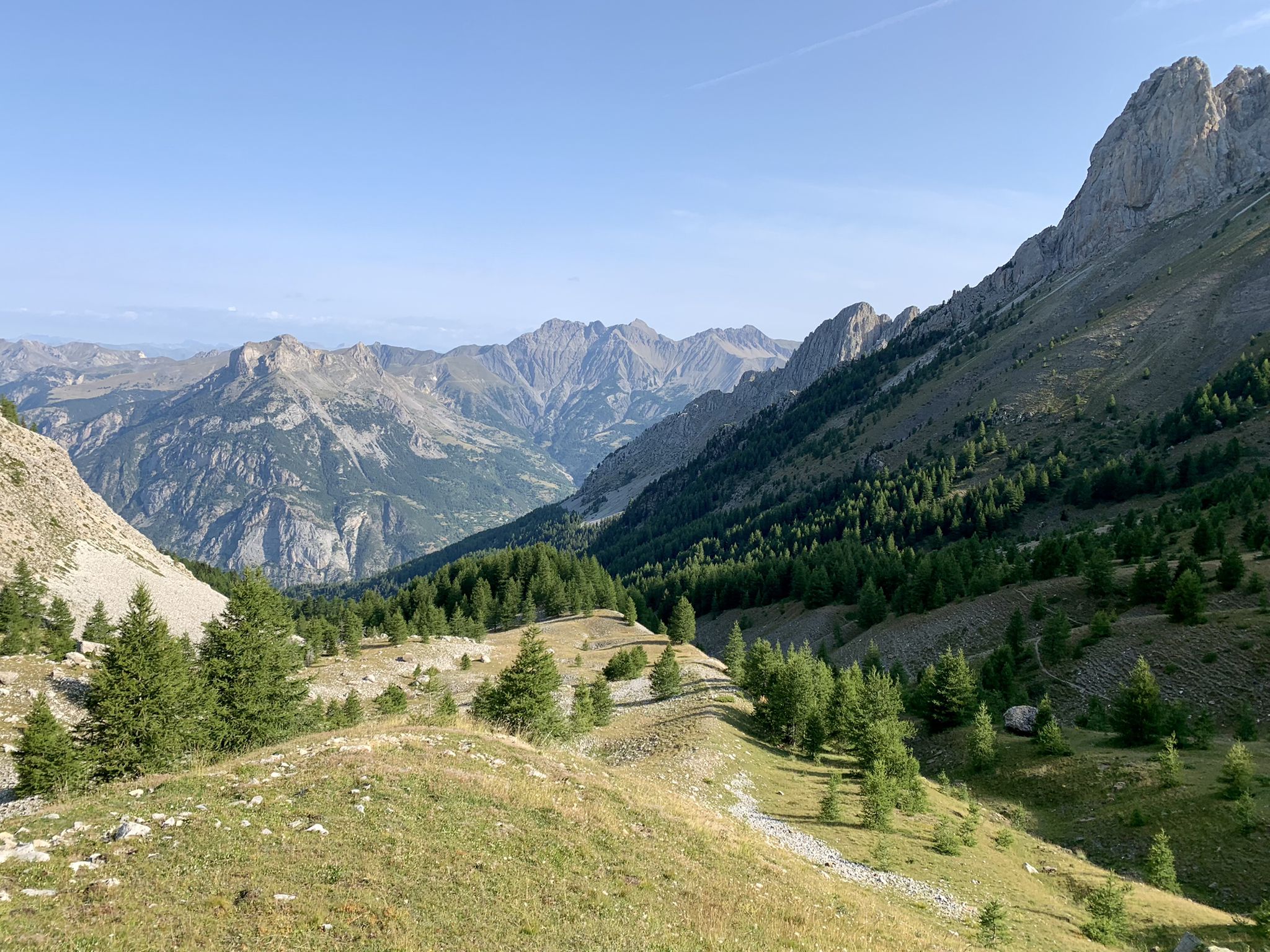
From the Alps to the Atlantic — GR 6
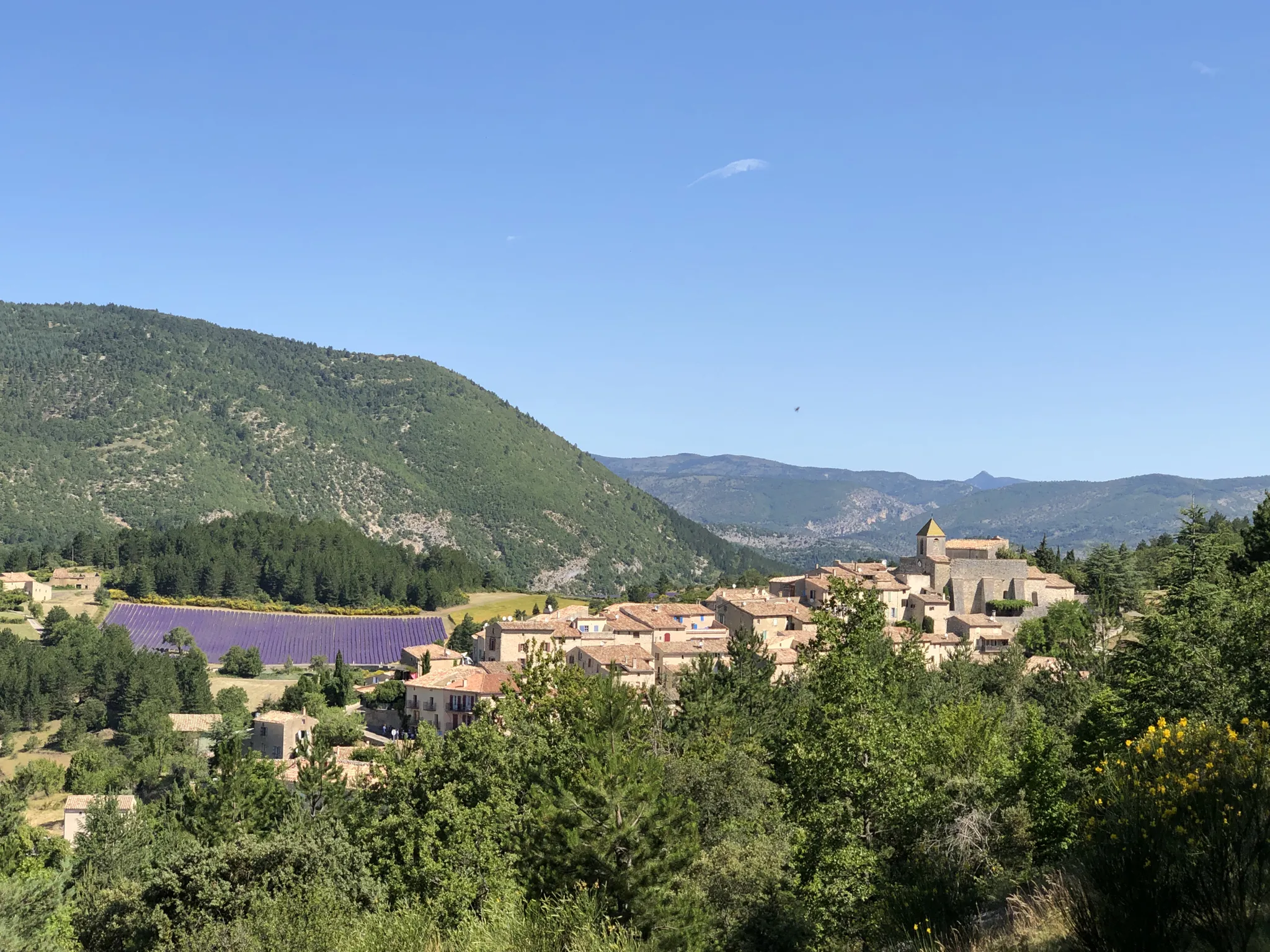
Exceptional natural landscapes — La Grande Traversée de Vaucluse à VTT
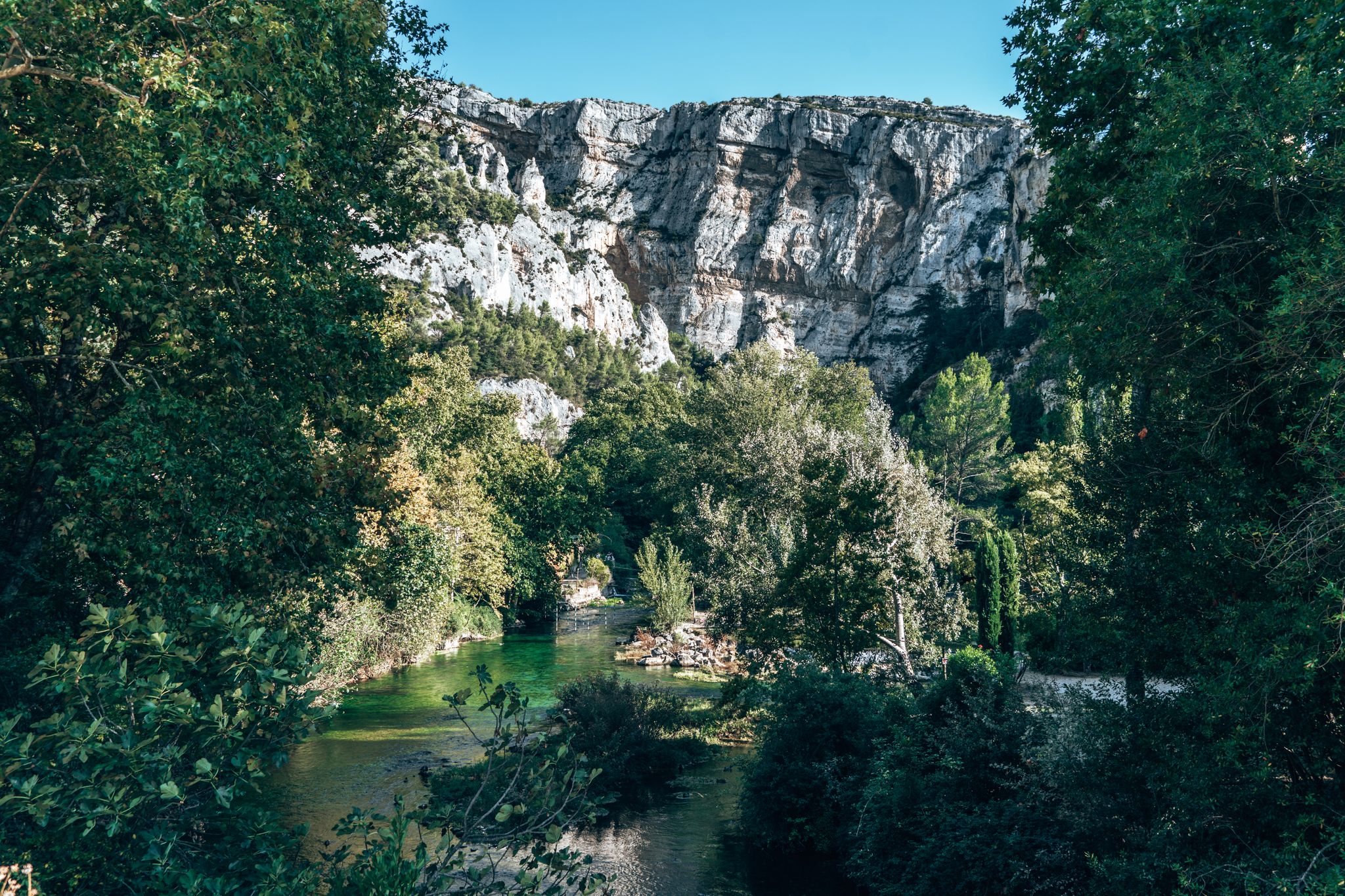
Hiking in the Luberon – Biosphere Reserve and UNESCO Geopark
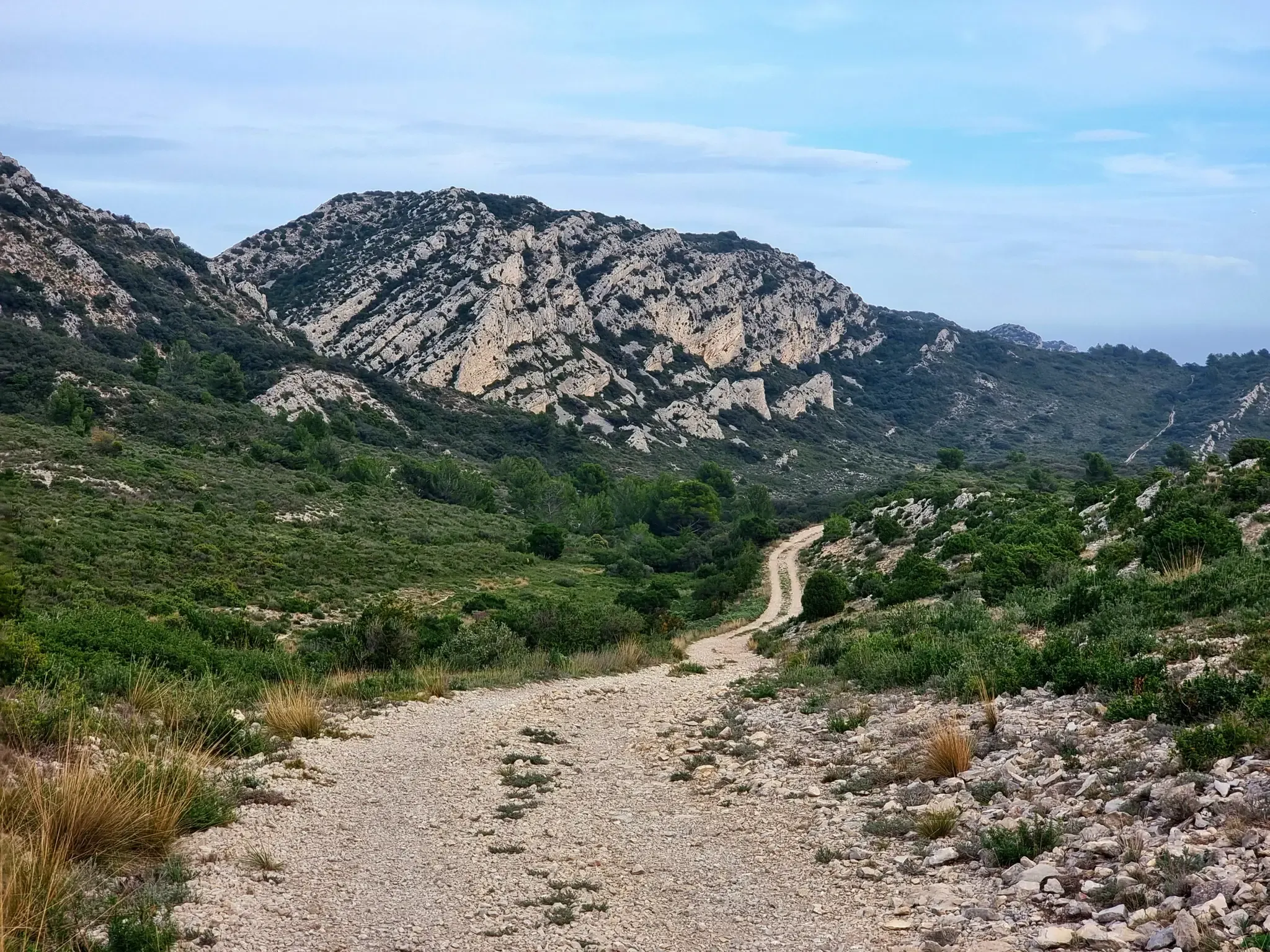
The four massifs — Gravel Tour de la Provence
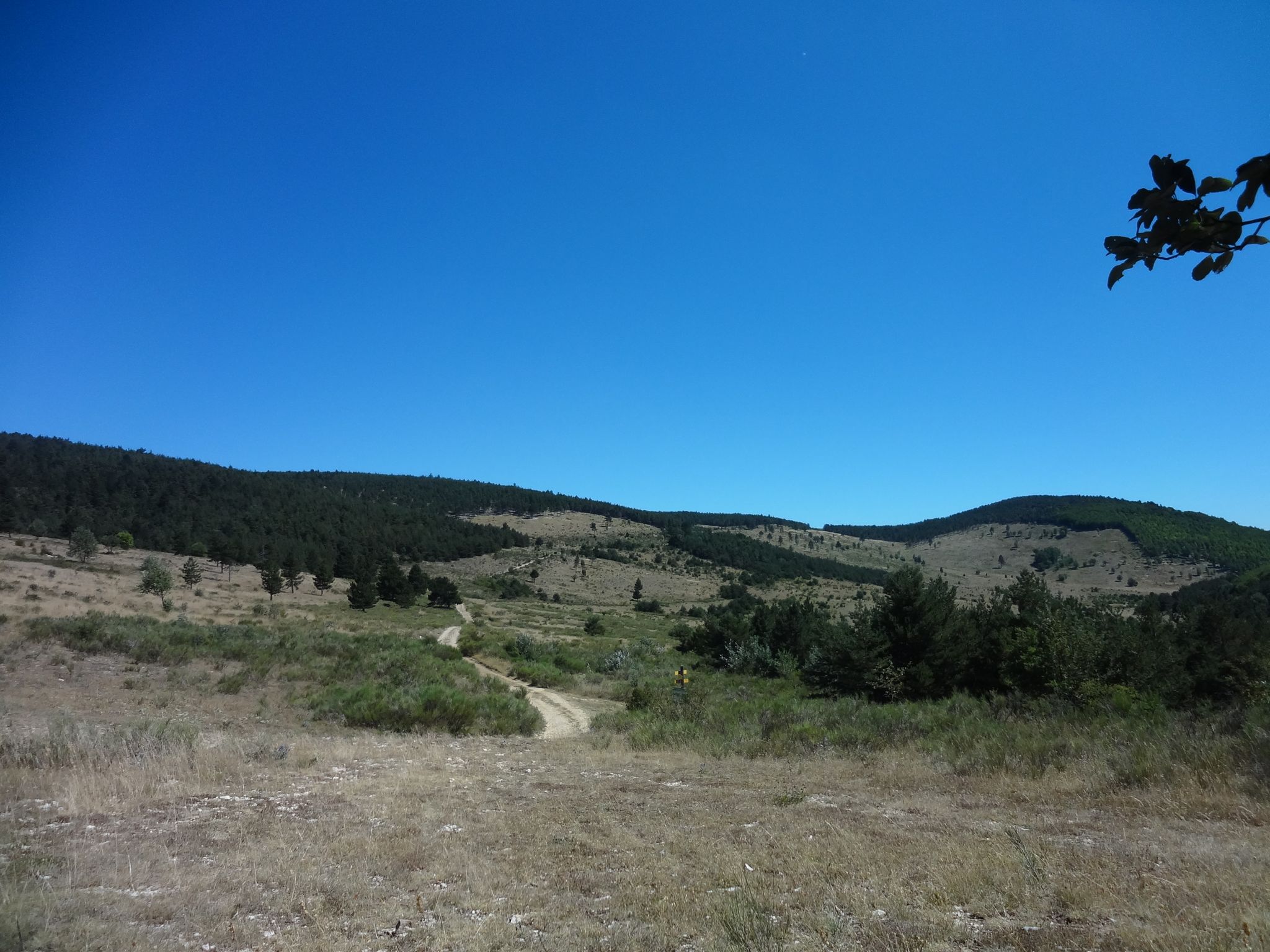
A French literary adventure in Provence – Giono country by bike

Exploring France’s Luberon Regional Natural Park by bike
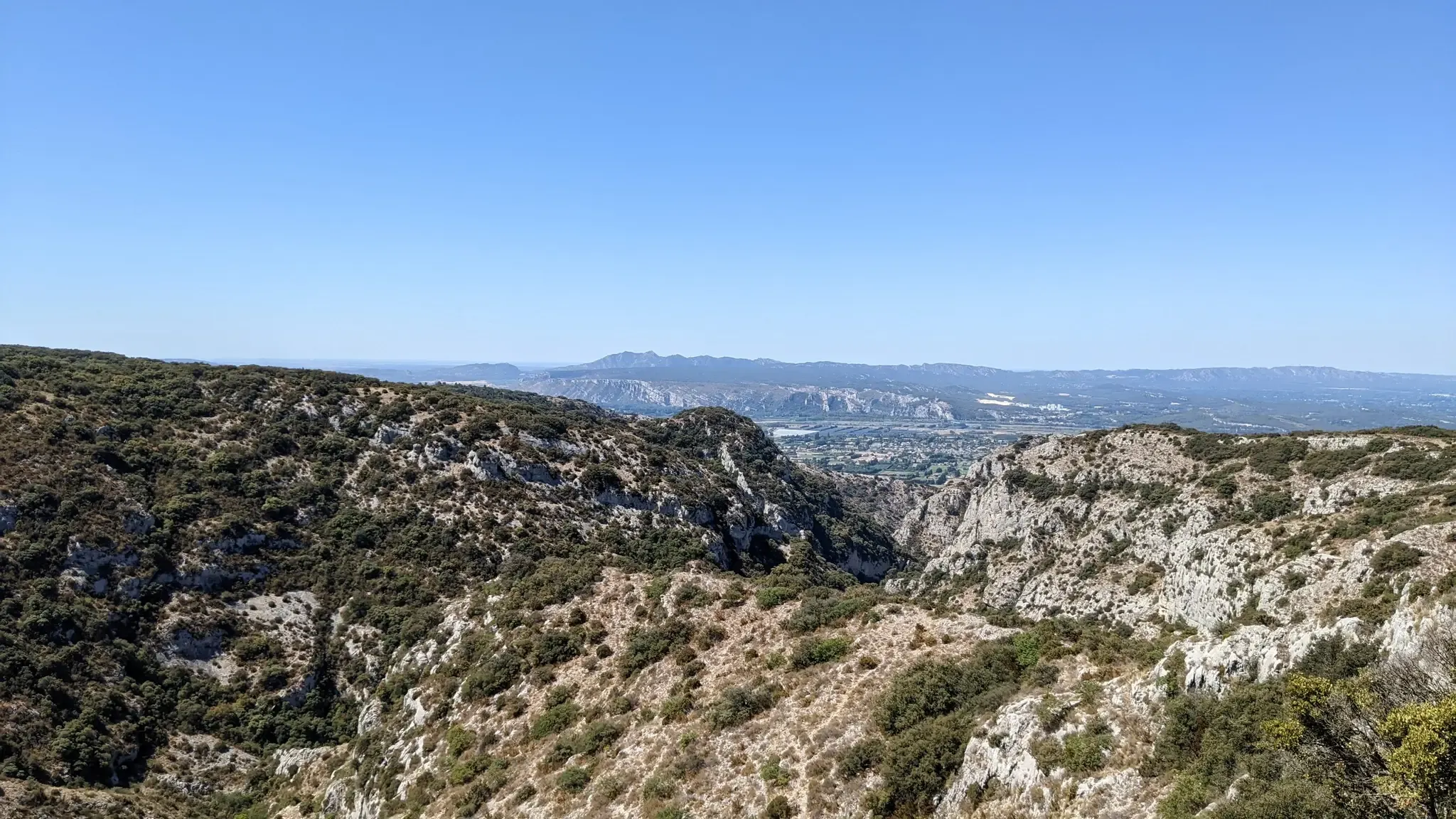
Fastpacking Provençal – crossing Lubéron
Celebrate the arrival of spring – hike from Savoie to Provence in France
Other adventures in Luberon


Tips from the Community

A superb vantage point with views all the way to the Mediterranean. Easily accessible from the parking lot. The further path along the ridge requires more skill.
0
1

In winter, bring warm clothes and a raincoat because the weather can change quickly.
0
0


Highest point of the Luberon massif, rising to 1125 meters above sea level. The view is magnificent: from the Berre pond to the Southern Alps.
0
0
Superb viewpoint over the southern slope of the Petit Luberon and the vast Durance plain.
0
0


The ridges of Mourre Nègre offer a 360-degree view of Mont Ventoux as well as the Lubéron. It is the highest point of the massif at 1,125 meters above sea level.
1
0

The highest peak in the Luberon massif, the Mourre Nègre, which means “black snout” in the Provençal language, peaks at an altitude of 1,125 meters. An imposing microwave antenna caps its rounded top.
1
0
Frequently Asked Questions
What is the highest peak in the Luberon massif?
The highest peak in the Luberon massif is Le Mourre Nègre, reaching an altitude of 1,125 meters. It offers a magnificent 360-degree view that stretches from the Étang de Berre to the Southern Alps, including Mont Ventoux.
Where can I find the best panoramic views of the Luberon region?
For expansive views, consider visiting Portalas Viewpoint, which offers superb vistas over the southern slope of the Petit Luberon and the Durance plain, extending all the way to the Mediterranean. Le Mourre Nègre also provides a 360-degree panorama of the entire Luberon and the Ventoux. Additionally, Cap de Serre and Pelat de Baux (892 m) – View of the Luberon Ridge offer excellent vantage points.
Are there any unique geological features among the Luberon peaks?
Yes, the Luberon region is known for its unique geological formations. A notable example is the Cirque of Barriès, which is part of the Provençal Colorado, famous for its striking, colorful rock formations. The wider region also features the iconic Ochre Trail in Roussillon and the Colorado Provençal in Rustrel, showcasing former ochre quarries.
What kind of landscapes can I expect to see when exploring the Luberon mountains?
The Luberon mountains offer a diverse topography, including forested ranges, wide flat plains, and river valleys. You'll encounter long limestone ridges, scrubland, and extensive forests, such as the Cedar Forest above Bonnieux. The northern face of the massif is typically steep and jagged, while the southern face is drier and more Mediterranean in character, featuring vineyards and olive groves in the valleys.
What outdoor activities are available near the Luberon peaks?
The Luberon region is ideal for various outdoor activities. You can find numerous marked trails for hiking, mountain biking, and cycling. For example, there are challenging gravel biking routes like the Route de Céreste – Mourre Nègre Summit loop from Grambois, and diverse cycling tours such as the Apt - Cabrières-d'Aigues loop. Beyond these, the region also offers opportunities for rock climbing, particularly in areas like Buoux, and paragliding.
Are there specific hiking trails recommended for exploring the Luberon peaks?
Yes, the Luberon boasts thousands of miles of marked hiking trails suitable for various levels. You can explore routes like the Colorado of Rustrel loop or the scenic valley of Aigue Brun and Chantebelle loop. Many trails lead to summits like Le Mourre Nègre, often traversing through forests of oaks and pines, offering a sensory experience with the scents of garrigue.
When is the best time of year to visit the Luberon mountains for hiking?
The Luberon mountains are beautiful year-round, but spring and autumn are generally considered the best times for hiking. In spring, you'll see native blooms like daffodils and violets. Autumn offers pleasant temperatures and vibrant fall colors. Summers can be very hot, making early mornings or late afternoons preferable for activities, while winters are milder but some higher trails might be less accessible.
Are there family-friendly options for exploring the Luberon peaks?
Yes, the Luberon Regional Natural Park offers many accessible walks and trails suitable for families. While some peaks require more effort, the Petit Luberon, for instance, has lower elevations and provides fantastic views without requiring advanced climbing skills. Many trails are designed to be enjoyed by all ages, allowing families to experience the natural beauty and picturesque villages of the region.
What kind of flora and fauna can I expect to encounter on the Luberon hiking trails?
The Luberon is rich in biodiversity. You'll find diverse plant life, including Mediterranean scrub (garrigue) with thyme and rosemary, extensive forests of oaks and pines, and native blooms like daffodils and violets in spring. The region is also home to a variety of wildlife, including various bird species, and is recognized as a UNESCO Biosphere Reserve, highlighting its ecological significance.
Are there historical sites or cultural landmarks near the Luberon peaks?
Absolutely. The Luberon is dotted with picturesque 'perched villages' (hilltop villages) such as Gordes, Roussillon, Lourmarin, Ménerbes, and Bonnieux, which offer stunning panoramas and a glimpse into Provençal life. You can also explore ancient castles, forts, ruins, and unique historical sites like the dry-stone bories (huts) and the 17th-century Plague Wall, which offers a unique historical hiking experience.
What amenities are available within the Luberon Regional Natural Park?
The Luberon Regional Natural Park is well-equipped for visitors. You'll find numerous picturesque villages with cafes, restaurants, and accommodation options. Many trailheads have parking facilities, and information centers are available to provide maps and guidance. The park aims to balance conservation with visitor enjoyment, ensuring essential amenities are accessible while preserving the natural environment.
Can I bring my dog on trails in the Luberon mountains?
Many trails within the Luberon Regional Natural Park are dog-friendly, but it's always advisable to check specific regulations for individual trails or protected areas. Dogs are generally welcome on leash, allowing them to join you in exploring the diverse landscapes and enjoying the scents of the garrigue. Ensure you carry water for your pet, especially during warmer months.
Most popular routes in Luberon
Most popular attractions in Luberon

Get inspired with the komoot mobile app


