The best cycling routes around Pöchlarn
4.4
(1253)
6,874
riders
34
rides
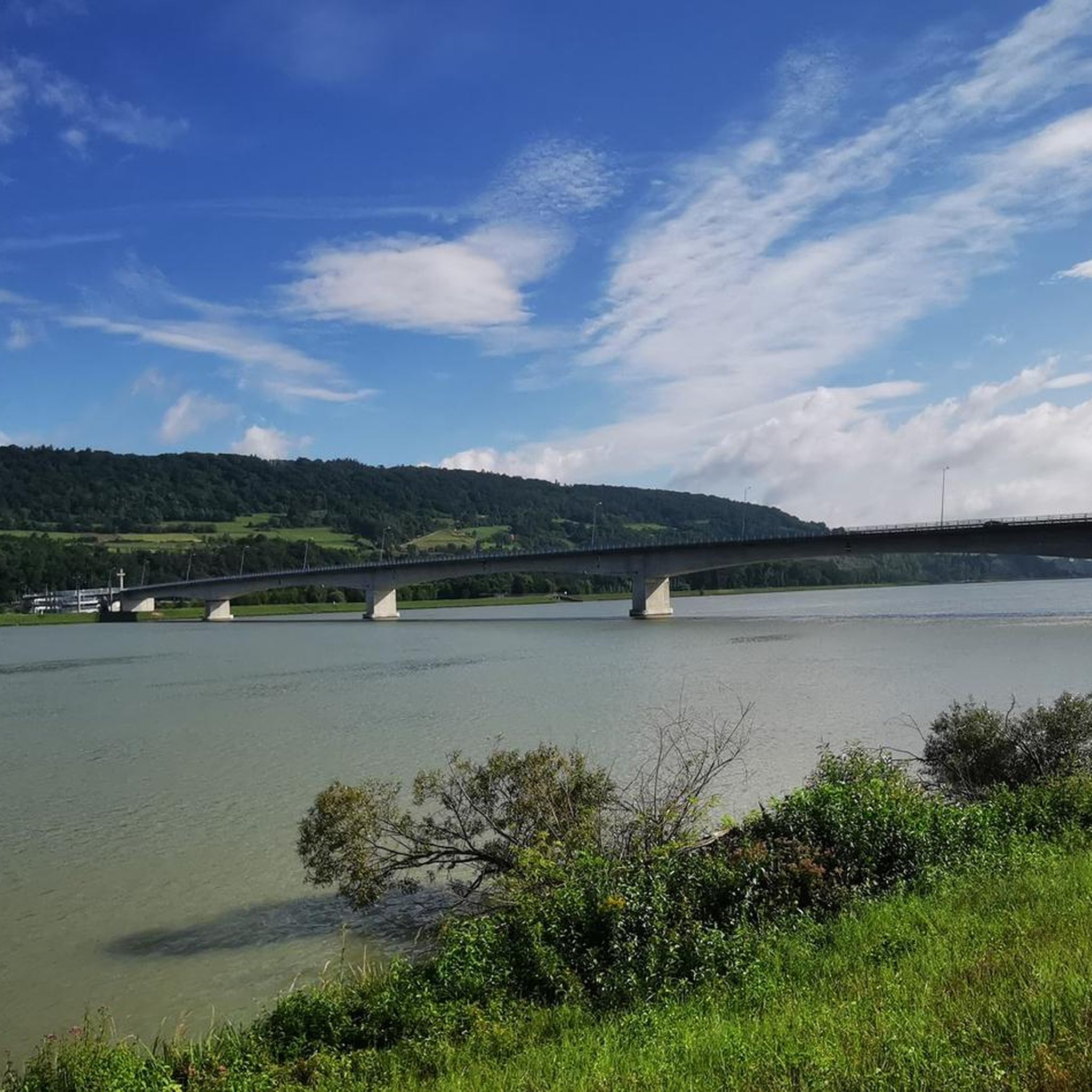
Best touring bike trails near Pöchlarn are primarily situated along the Danube River, offering routes through flat river plains and gentle agricultural landscapes. The region is characterized by its proximity to the Danube Cycle Path, providing accessible terrain for various cycling abilities. These routes often feature views of historic towns and cultural landmarks, with minimal elevation changes. The landscape is generally open, transitioning between riverside paths and cultivated fields.
Best touring cycling routes around Pöchlarn
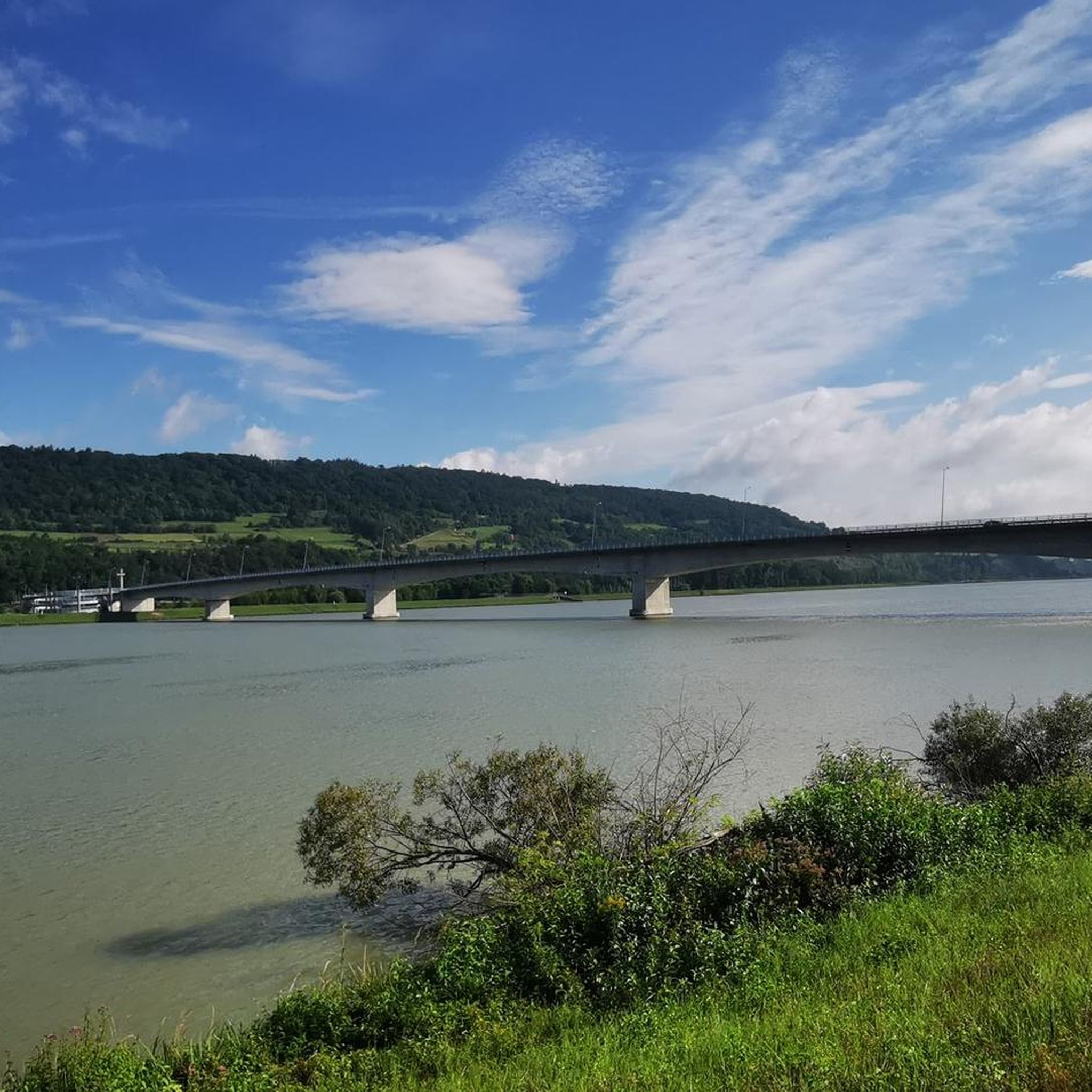
- The most popular touring cycling route is Danube Near Melk – Bridge over the Melk loop from Katastralgemeinde Ornding, a 16.6 miles (26.7 km) trail that takes 1 hour 31 minutes to complete. This route follows the Danube, offering views of the river landscape.
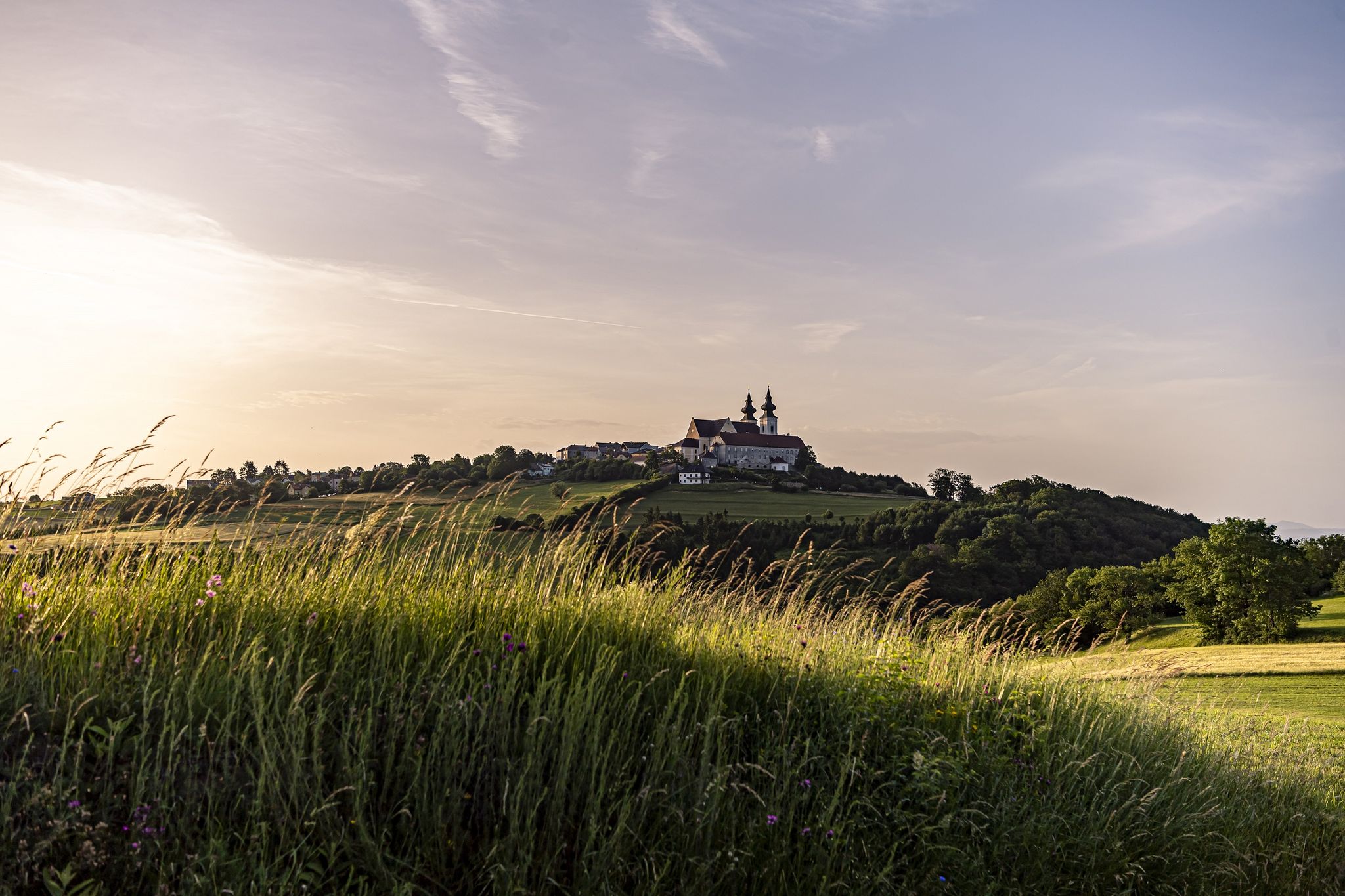
- Another top favourite among local touring cyclists is Melk Abbey – View of Melk Abbey loop from Pöchlarn, an easy 16.0 miles (25.8 km) path. It passes by the historic Melk Abbey and offers views of the surrounding countryside.
- Local touring cyclists also love the View of Maria Taferl Basilica – Ybbs Old Town loop from Pöchlarn, a 20.9 miles (33.8 km) trail leading through the Danube River and historic towns, often completed in about 1 hour 55 minutes.
- Touring cycling around Pöchlarn is defined by the Danube River, rolling agricultural lands, and historic towns. The network offers options for easy, moderate, and difficult routes, catering to different ability levels.
- The routes in Pöchlarn are highly rated by the komoot community with an average score of 4.5 stars from over 1,000 reviews. More than 5,000 touring cyclists have used komoot to explore Pöchlarn's varied terrain.
Last updated: October 4, 2026
4.5
(118)
640
riders
28.3km
01:37
100m
100m
Easy bike ride. Great for any fitness level. Mostly paved surfaces. Suitable for all skill levels.
4.7
(914)
4,650
riders
77.7km
04:36
390m
390m
Moderate bike ride. Good fitness required. Mostly paved surfaces. Suitable for all skill levels.

4.8
(145)
812
riders
37.7km
02:11
90m
90m
Moderate bike ride. Good fitness required. Mostly paved surfaces. Suitable for all skill levels.
4.5
(43)
404
riders
22.9km
01:21
50m
50m
Easy bike ride. Great for any fitness level. Mostly paved surfaces. Suitable for all skill levels.
4.3
(7)
63
riders
22.0km
01:30
250m
250m
Moderate bike ride. Good fitness required. Mostly paved surfaces. Suitable for all skill levels.
Get access to more routes and recommendations from other explorers.
Already have an account?
Our route recommendations are based on thousands of hikes, rides, and runs completed by other people on komoot.
Start today with a free account
Your next adventure awaits.
Other adventures around Pöchlarn

Tips from the Community

The first historical mention of Persenbeug Castle dates back to 970 AD. The Bavarian Sieghart, Count of Semt and Ebersberg, took possession of "Persinpiugun" and fortified it. Over the centuries, the castle changed hands many times. Until 1593, it was also intermittently in the possession of the regional princes. It was then sold to the Hoyos family, who expanded the castle to its present form. On December 3, 1800, Emperor Franz I of Austria purchased Persenbeug Castle and its dominion as free private property. Around the same time, the dominion of Gutenbrunn also came into the possession of Franz I, and was incorporated into his private fund. Through several inheritances, the dominions of Persenbeug and Gutenbrunn came into the possession of Emperor Franz Joseph I, who passed them on to his daughter Marie Valerie in 1916. Some of her descendants form the currently existing family co-ownership community.
0
0
Sights Schloss Greinburg: The castle has perched above the Danube for over 500 years and is the oldest residential castle in Austria. Stadttheater Grein: It was built in 1791 and is the oldest city theatre in the country. Historic town square: The square has beautiful old burgher houses and cozy cafés. Gobelwarte: A viewing tower on a mountain. It offers a wide view of the Danube and the surrounding area.
0
0
Grein an der Donau is a historic town in the Strudengau region of Upper Austria with approximately 2,900 inhabitants. The picturesque Grein an der Donau is located directly on the river and on the edge of the Mühlviertel.
0
0

The culturally interested traveler will not encounter it unexpectedly, the Benedictine Abbey, mostly known by the name STIFT MELK – and under the patronage of the two apostle princes – whose official designation is „Abbatia SS. App. Petri et Pauli apud Melk“. It is not only significant in a religious respect, but even an essential part of the cultural landscape of Wachau, ennobled by UNESCO with the special predicate „World Heritage“. A documentation within the framework of the television series »Schätze der Welt – Erbe der Menschheit« reports: „A landmark of the Wachau and actually the staging of this landscape is the Stift Melk. The core of the Melk monastery complex is the library, with 85,000 volumes and 1200 manuscripts, one of the largest in the world. It is the ideological headquarters of Benedictinism. Here everything is stored that can be described as the foundation of the Western spirit.“ The fifteen-minute contribution about this highlight, awarded by UNESCO with the predicate „World Heritage“, is available in the ARD media library via the following link =>> https://www.ardmediathek.de/video/schaetze-der-welt/die-wachau-oesterreich-folge-282/swr/Y3JpZDovL3N3ci5kZS82ODcyNjk0
0
0

From Melk to Emmersdorf, from there continue to Maria Laach via Obernorf to the transmitter and viewing platform then descent to Gut am Steg and return via Spitz to Melk approx. 60km and 950Hm
0
0
The panoramic view from Maria Taferl over the Danube valley is fantastic. From the terrace of the well-known pilgrimage basilica Maria Taferl, the view extends far across the Danube valley to the Alps. The distinctive Ötscher stands out particularly.
0
0

Perfect cycle paths on both sides, landscape very beautiful. Only disadvantage, the wind attacks fully. Without an e-bike, one should consider the wind direction and strength when planning.
0
0

Maria Taferl, after Mariazell, is the most important pilgrimage site in Lower Austria and a baroque work of art. The church is a "Who-is-Who" of Austrian Baroque architecture. Standing in front of it, you are looking at the work of the absolute elite of this time. Construction began in 1660 under Daniel Gran, but it was completed by none other than Jakob Prandtauer (the creator of Stift Melk) and Joseph Munggenast. The striking twin towers and the bright facade are placed in such a way that they look like a crown over the Danube valley.
0
0
Frequently Asked Questions
How many touring cycling routes are available around Pöchlarn?
There are over 40 touring cycling routes in the Pöchlarn area, offering a variety of options for different skill levels. You'll find a good mix of easy, moderate, and difficult trails.
What is the general terrain like for touring cycling in Pöchlarn?
The terrain around Pöchlarn is primarily characterized by flat river plains and gentle agricultural landscapes, especially along the Danube River. Routes often feature minimal elevation changes, making them accessible for various cycling abilities.
What do other touring cyclists say about the routes in Pöchlarn?
The touring cycling routes in Pöchlarn are highly rated by the komoot community, with an average score of 4.5 stars from over 1,000 reviews. Cyclists often praise the scenic views of the Danube and the historic towns along the way.
Are there easy touring cycling routes suitable for beginners in Pöchlarn?
Yes, Pöchlarn offers 12 easy touring cycling routes perfect for beginners. An excellent option is the Melk Abbey – View of Melk Abbey loop from Pöchlarn, which is 16.0 miles (25.8 km) long and features gentle terrain.
Are there more challenging touring cycling routes for experienced cyclists?
For more experienced cyclists, there are 16 difficult touring cycling routes around Pöchlarn. A moderate option that offers a longer ride is the Bridge Over the Kleine Erlauf – View of Erlaufschlucht Gorge loop from Pöchlarn, covering 51.5 miles (82.9 km) with some varied terrain.
Can I find circular touring cycling routes around Pöchlarn?
Many of the touring cycling routes in Pöchlarn are designed as loops, allowing you to start and end in the same location. For example, the Danube Near Melk – Bridge over the Melk loop from Katastralgemeinde Ornding is a popular circular route.
What historical sites or landmarks can I see while cycling near Pöchlarn?
The routes often pass by significant historical sites. You can cycle past the impressive Melk Abbey, explore Ybbs Old Town, or catch a glimpse of Persenbeug Castle. Many routes offer views of these landmarks from the Danube Cycle Path.
Are there scenic viewpoints along the touring cycling routes?
Yes, the region offers several scenic viewpoints, particularly along the Danube. You can find spots like the View of Maria Taferl from the Danube cycle path near Krummnussbaum or the View of Melk Abbey from the Danube cycle path, providing picturesque vistas of the river and surrounding landscape.
What is the best time of year for touring cycling in Pöchlarn?
The best time for touring cycling in Pöchlarn is typically from spring to early autumn (April to October), when the weather is mild and the landscapes are green. Summer offers longer daylight hours, while spring and autumn provide pleasant temperatures and fewer crowds.
Are the touring cycling routes in Pöchlarn suitable for families?
Many routes along the Danube are well-suited for families due to their flat and well-maintained paths. The easy routes, in particular, offer a relaxed cycling experience for all ages, often connecting charming towns with playgrounds and picnic spots.
Are there touring cycling routes that pass by cafes or places to stop for refreshments?
Given the popularity of the Danube Cycle Path, many routes in the Pöchlarn area pass through towns and villages where you can find cafes, restaurants, and traditional 'Heuriger' (wine taverns) to stop for refreshments and local delicacies.
Where can I park my car when starting a touring cycling route in Pöchlarn?
You can typically find parking in the town center of Pöchlarn or near the train station, which often serves as a convenient starting point for many routes. Parking facilities are generally available in most larger towns along the Danube.
Can I combine touring cycling with public transport in Pöchlarn?
Yes, the Danube region is well-served by public transport, particularly trains, which often run parallel to the Danube Cycle Path. This allows for flexible planning, enabling you to cycle one way and return by train, or shorten longer routes as needed.
Most popular routes around Pöchlarn
Most popular attractions around Pöchlarn

Get inspired with the komoot mobile app


Explore more
Browse the best Cycling routes in other regions.
