The best road cycling routes in Nacionalni Park Fruska Gora
4.6
(30)
825
riders
20
rides
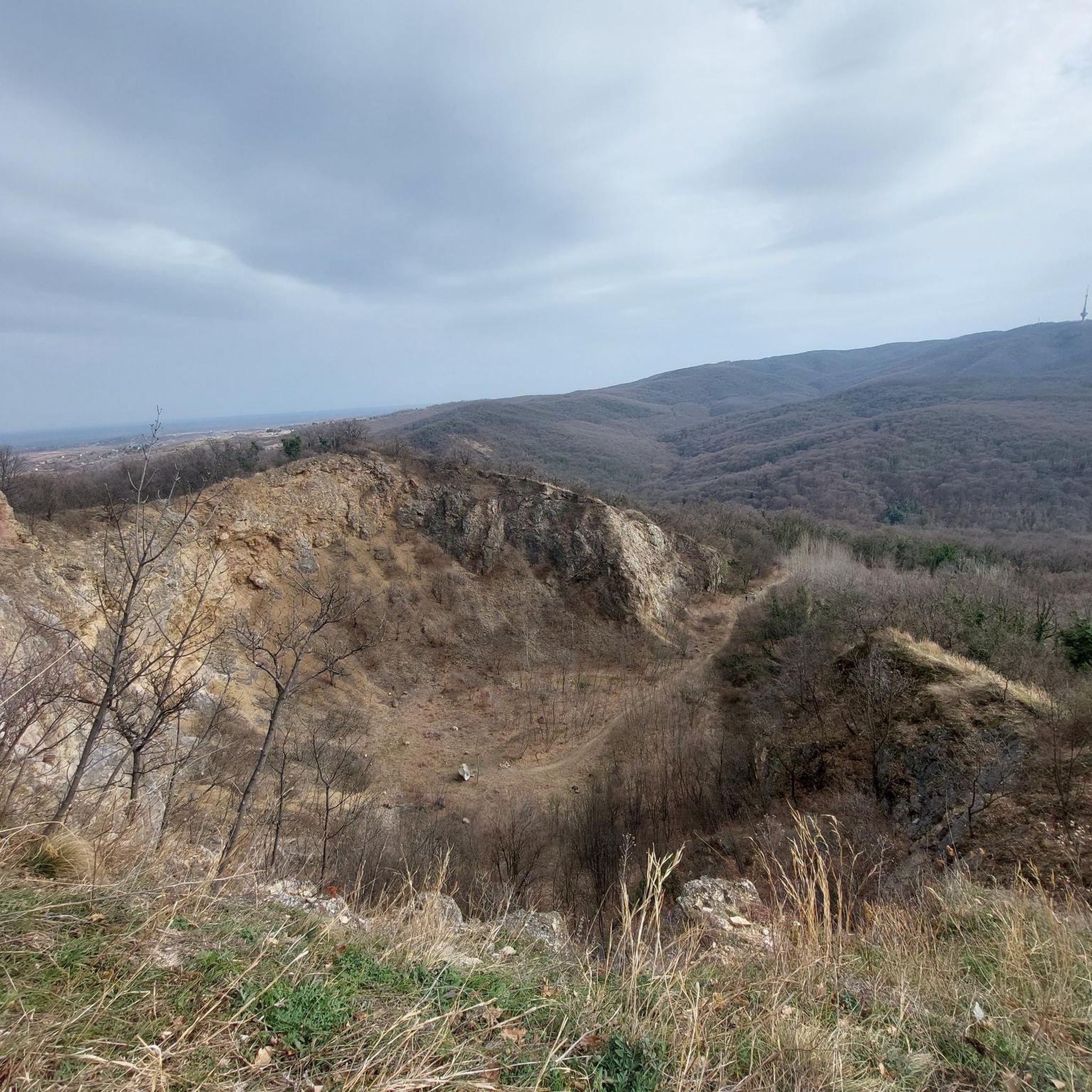
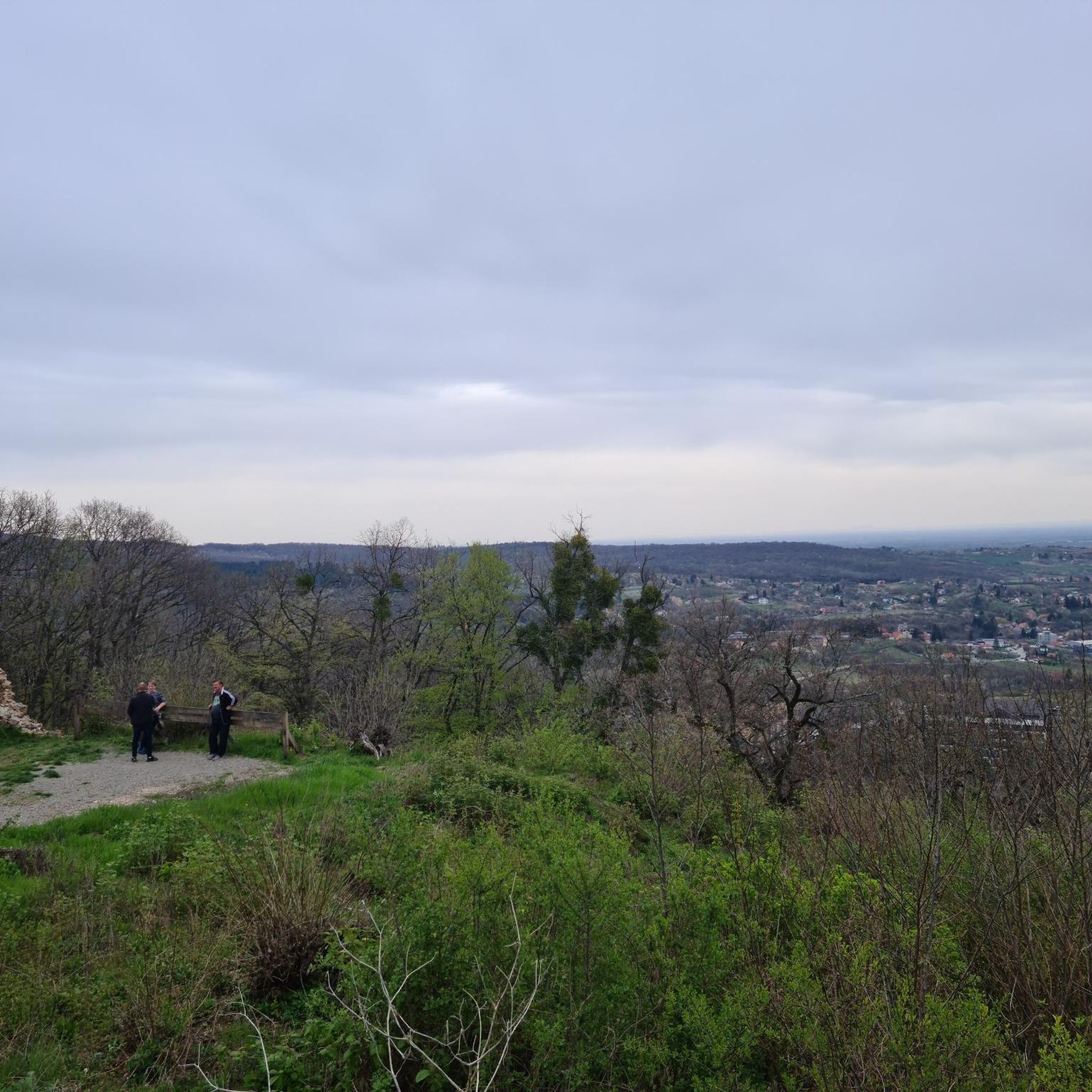
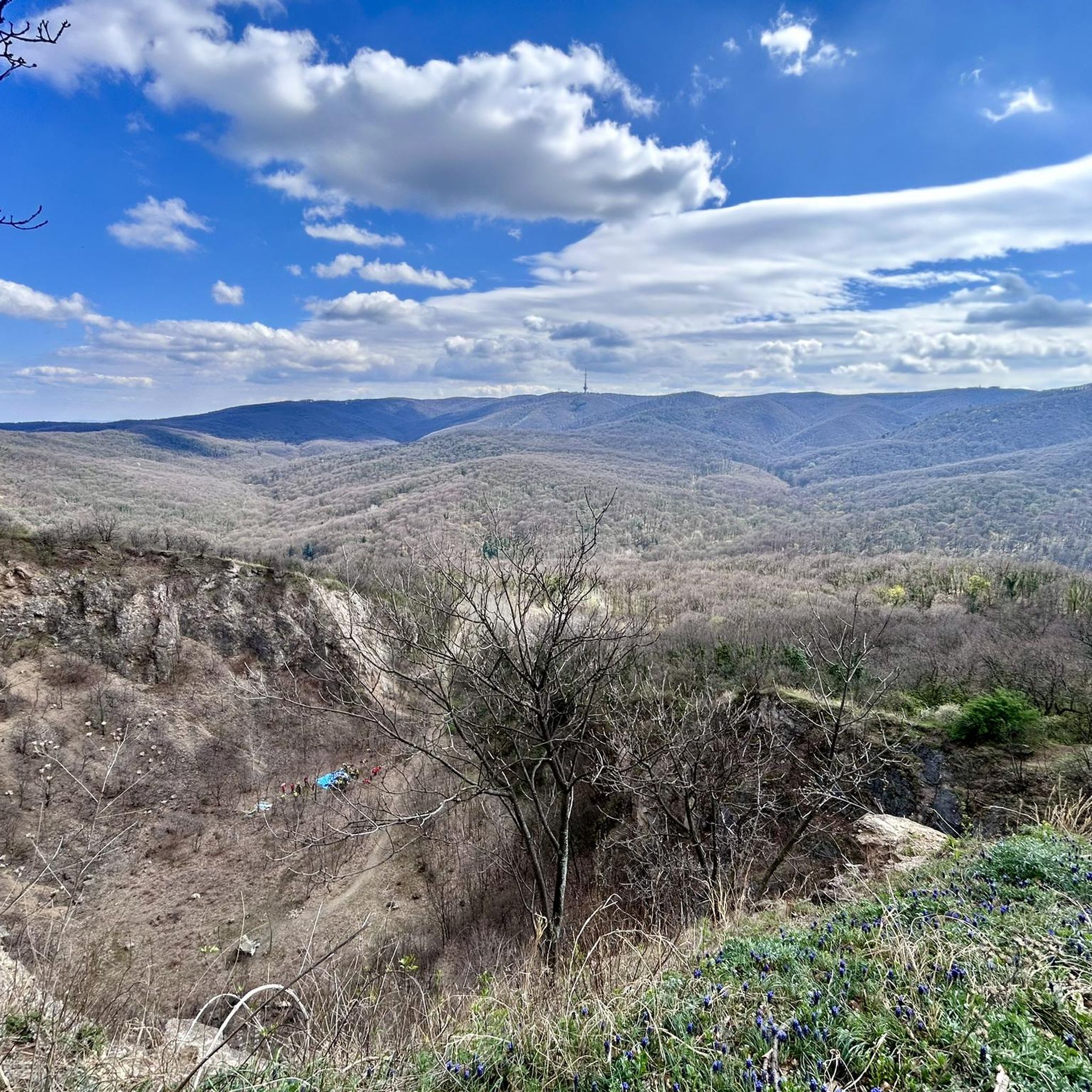
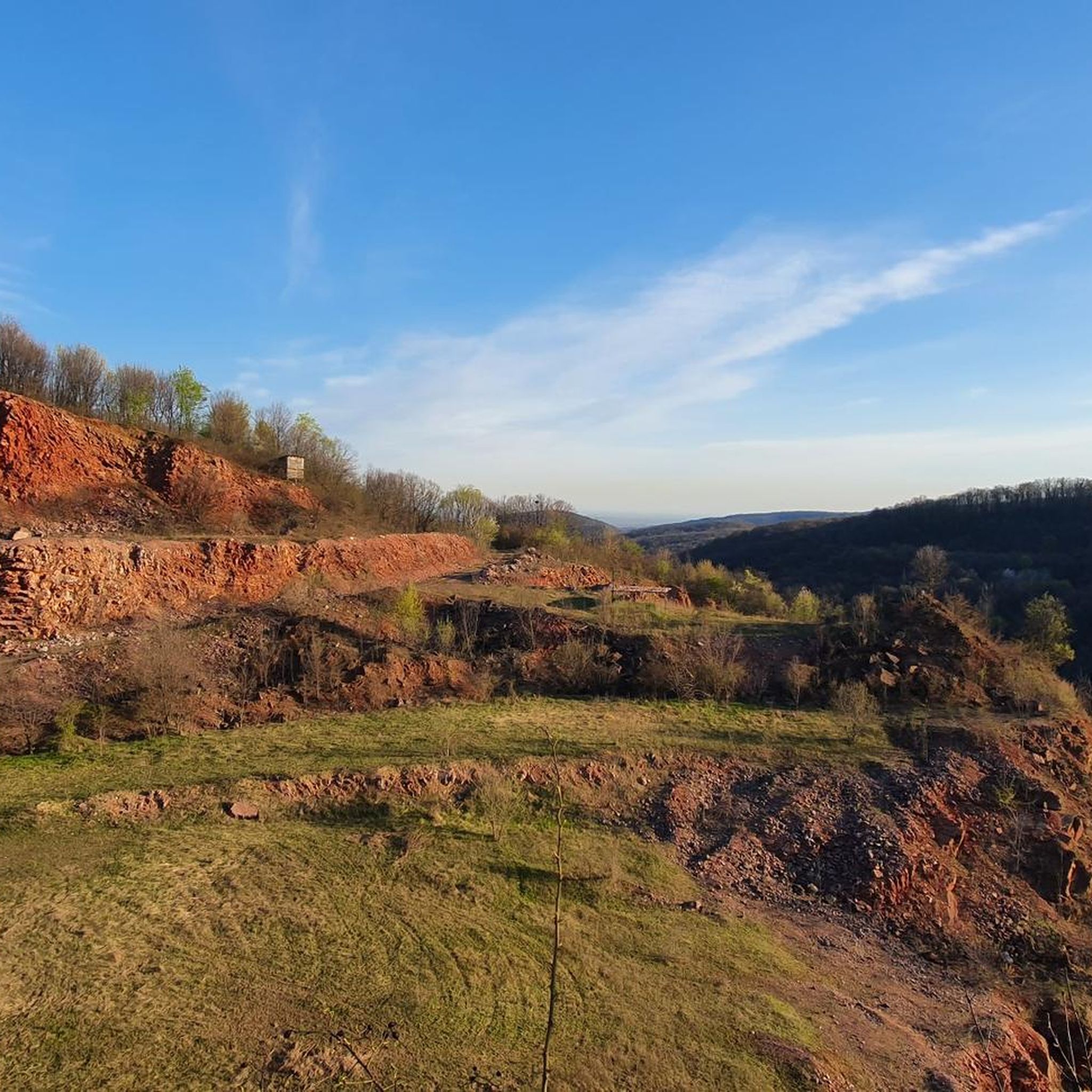
Road cycling in Nacionalni Park Fruska Gora offers diverse landscapes across Serbia's oldest national park. The region is characterized by rolling hills and extensive forests, including significant lime, oak, and beech woodlands. As a former "island mountain," Fruška Gora features varied terrain with both gentle slopes and challenging ascents, providing a scenic backdrop for road cycling. Numerous artificial lakes and panoramic viewpoints overlooking the Danube River add to the natural features of the park.
Best road cycling routes in Nacionalni Park Fruska Gora
- The most popular road cycling route is Vrdnik – Brankovac Viewpoint loop from Vrdnik Monastery, a 33.6 miles (54.0 km) trail that takes 2 hours 41 minutes to complete. This moderate route offers scenic views from the Brankovac Viewpoint.
- Another top favourite among local road cyclists is Vrdnik – Brankovac Viewpoint loop from Иришки венац, a difficult 33.6 miles (54.1 km) path. This route features significant elevation gain and expansive vistas of the surrounding landscape.
- Local road cyclists also love the Vrdnik – Rudnap Orchard loop from Vrdnik Monastery, a 16.9 miles (27.2 km) trail leading through forested areas and orchards, often completed in about 1 hour 20 minutes.
- Road cycling in Nacionalni Park Fruska Gora is defined by rolling hills, extensive forests, and panoramic viewpoints overlooking the Danube River. The network offers options for different ability levels, from moderate rides to more challenging routes with significant elevation.
- The routes in Nacionalni Park Fruska Gora are highly rated by the komoot community with an average score of 4.4 stars from over 25 reviews. More than 890 road cyclists have used komoot to explore Nacionalni Park Fruska Gora's varied terrain.
Last updated: August 25, 2026
23
riders
54.0km
02:42
660m
660m
Moderate road ride. Good fitness required. Some segments of this route may be unpaved and difficult to ride.
20
riders
54.8km
03:04
1,040m
1,040m
Hard road ride. Very good fitness required. Some segments of this route may be unpaved and difficult to ride.

Sign up for free
4.4
(10)
198
riders
74.0km
03:08
140m
140m
Moderate road ride. Good fitness required. Some segments of this route may be unpaved and difficult to ride.
18
riders
16.7km
00:42
50m
50m
Easy road ride. Great for any fitness level. Mostly well-paved surfaces and easy to ride.
4.4
(5)
209
riders
46.6km
01:49
70m
70m
Moderate road ride. Great for any fitness level. Some segments of this route may be unpaved and difficult to ride.
Get access to more routes and recommendations from other explorers.
Sign up for free
Already have an account?
Our route recommendations are based on thousands of hikes, rides, and runs completed by other people on komoot.
Start today with a free account
Your next adventure awaits.
Login or Signup
Popular around Nacionalni Park Fruska Gora
Tips from the Community


Excellent way to avoid bussy Novi Sad. Ferry goes every hour. Full hour from Beočin and half hour from Futog. In winter season last ferry is at 16:00h.
2
0

The Petrovaradin Fortress, also known as the "Gibraltar on the Danube," is one of the largest and most impressive military fortifications in this part of Europe. The Habsburg authorities began constructing the fortress in 1692, after the Ottoman Empire was permanently expelled from these territories during the Great Turkish War (1683-1699). The construction of the fortress lasted nearly a century (1692-1780) and it covers an area of 112 hectares, with a system of underground tunnels extending 16 kilometers beneath it. Archaeological research has shown that the area of today's fortress has been continuously inhabited since the Paleolithic era. During the Roman period, the first military fortification known as "Cusum" was established here. During World War II, the Petrovaradin Fortress was an important military stronghold for the NDH (Independent State of Croatia). It housed several Croatian Home Guard institutions, including the Artillery School and the Air Force Regiment. Throughout the war, several thousand Ustashe and Home Guards were stationed here. In September 1944, just before the liberation of the country, and following Tito’s call to join the National Liberation War, many Home Guards and their officers joined the partisans in Fruška Gora and entered the ranks of the newly formed Vojvodina brigades. From the Petrovaradin Fortress and other military strongholds in Srem, 2,500 Home Guards and 115 officers joined the partisans. During the retreat in October 1944, Ustaše and German units attempted to blow up the railway tunnel under the Petrovaradin Fortress. The destruction was halted by an Italian prisoner of war, Gildo Pesapane, who was working on placing dynamite in the fortress's tunnels. Knowing the occupiers' ultimate intention, he cut the wires and prevented the explosion of 30 tons of explosives, which would have certainly caused enormous damage and destruction. Gildo Pesapane remained in Petrovaradin after the war, where he married and had a daughter. [This site is part of the Liberation Routes cycling tour "The Danube to Victory Route" (58km)] https://www.komoot.com/tour/1933369594?share_token=aRc7kQYJ01cywoOlRPXzWvplRxrDI3K22D17Rs90xCFiVo5TvF&ref=wtd
0
0
The synagogue is the most monumental sacred building in the city. Along with the former Jewish school building (on the left) and the Jewish Community building (on the right), the Synagogue was constructed in the first decade of the 20th century according to the designs of the Budapest architect Lipót Baumhorn, known for his numerous buildings done in the Secessionist style. Its impressive presence and rich decoration testify to the former power and grandeur of the Jewish community, which had been present in Novi Sad since its beginnings. The first synagogue was erected as early as 1717, as a witness to the fact that Jews were among the first inhabitants of Novi Sad. Before World War II, Novi Sad had a Jewish population of around 4,300. About 800 were killed during the Novi Sad Raid from January 21 to 23, 1942. After the Third Reich occupied Hungary in March 1944, the Nazis began implementing the "Final Solution to the Jewish question” in these areas as well. In April 1944, a ghetto was established in the Synagogue's courtyard, from which almost all of Novi Sad's Jews were deported to Auschwitz on April 27. After the war, only about 300 Jews remained in Novi Sad. Many Jews joined the anti-fascist movement and the People's Liberation Movement (NOP) from the beginning of the occupation and fought in the ranks of the partisans. In 2023, a monument was erected in the Synagogue's courtyard to commemorate the fallen Jewish fighters against fascism. [This site is part of the Liberation Routes cycling tour "The Danube to Victory Route" (58km)] https://www.komoot.com/tour/1933369594?share_token=aRc7kQYJ01cywoOlRPXzWvplRxrDI3K22D17Rs90xCFiVo5TvF&ref=wtd
1
0
At this location, fighters of the Fruška Gora Detachment met with political workers and activists from the surrounding villages. From the summer of 1942 until the end of the war, various conferences and mass events, such as May Day celebrations and the anniversary of the October Revolution were held at “Jabuka,” named after the wild apple tree. During the Great Enemy Offensive on Fruška Gora in 1942, “Jabuka” served as a refuge for people from surrounding villages, and it was here that partisans who had fallen in 1942 were buried in a mass grave. Nearby, a communal kitchen and weapons depot were located, and “Jabuka” occasionally served as a base for the Main Headquarters of Vojvodina, the Allied Military Mission, and rear military organs. In September 1944, the 8th Vojvodina Brigade was formed at “Jabuka.” It was mostly composed of renegades from the Croatian “Homeguard” units from the Petrovaradin fortress. The memorial complex "Jabuka" is part of the Fruška Gora memorials designed by architect Milorad Berbakov. According to art critic Bela Duranci, "Jabuka" is "a unique example of harmonious interpolation of memorial content into untouched nature while preserving the magical effect of that space." As the central point of the memorial, Berbakov chose an existing wild apple tree, after which the site was originally named. Around the apple tree, a circle is shaped from which paths lead to other segments—partisan graves and inscriptions, crafted from oak logs and local stone. [Dieser Ort ist Teil der Liberation Routes-Radtour „Fruška Gora Liberation Circuit“] https://www.komoot.com/de-de/tour/1870928931?share_token=arNOGj2dKOO605JTe2ZpbVW7s7N624smYsy5No7bVl78oCzjv4&ref=wtd
1
0

The second largest city in Serbia
0
0
Frequently Asked Questions
How many road cycling routes are available in Nacionalni Park Fruška Gora?
Nacionalni Park Fruška Gora offers a diverse network of over 25 road cycling routes. These routes cater to various fitness levels, ranging from easy rides to more challenging ascents through the park's rolling hills and forests.
What kind of terrain can I expect when road cycling in Fruška Gora?
Road cycling in Fruška Gora features varied terrain, characterized by rolling hills and extensive forests. As a former 'island mountain,' the park offers both gentle slopes and significant elevation gains, providing a scenic backdrop with well-paved surfaces. You'll encounter a mix of woodlands, open vistas, and sometimes views of the Danube River.
Are there road cycling routes suitable for beginners in Fruška Gora?
Yes, Nacionalni Park Fruška Gora has routes suitable for beginners. There are 3 easy road cycling routes with smaller elevation differences, perfect for those new to road cycling or looking for a more relaxed ride. The park's varied terrain ensures options for all skill levels.
What are some challenging road cycling routes for experienced cyclists?
For experienced cyclists seeking a challenge, Fruška Gora offers several difficult routes with significant elevation gains. An example is the Vrdnik – Brankovac Viewpoint loop from Иришки венац, a 33.6-mile (54.1 km) path featuring substantial climbing and expansive vistas of the surrounding landscape.
Can I find circular road cycling routes in Nacionalni Park Fruška Gora?
Yes, many of the road cycling routes in Nacionalni Park Fruška Gora are designed as loops, allowing you to start and finish at the same point. For instance, the Vrdnik – Brankovac Viewpoint loop from Vrdnik Monastery is a popular circular route offering scenic views.
What natural features and viewpoints can I discover along the road cycling routes?
While cycling, you can discover numerous natural features and panoramic viewpoints. Highlights include the scenic Dumbovački Waterfall, various artificial lakes, and stunning vistas from spots like Orlovo Bojište Viewpoint and Iriški Venac, often overlooking the Danube River.
Are there historical or cultural landmarks to visit while road cycling in Fruška Gora?
Absolutely. Fruška Gora is known as 'Serbian Mount Athos' due to its 17 active Orthodox monasteries scattered throughout the hills, many dating from the 15th to 18th centuries. You can also visit the Monument to Freedom (Spomenik Slobode) at Iriški Venac or explore unique geological formations like the Beli Majdan (White Quarry) — Rakovac Cave.
Is Nacionalni Park Fruška Gora suitable for family road cycling?
Yes, Fruška Gora can be suitable for family road cycling, especially on its easier routes with smaller elevation differences. The park's well-paved surfaces and scenic environment make for an enjoyable experience. Consider routes that pass through less challenging sections or near picnic areas like Stražilovo for breaks.
What is the best time of year for road cycling in Fruška Gora?
The best time for road cycling in Fruška Gora is typically during spring and autumn when the weather is mild and the natural scenery is at its most vibrant. Summer can also be pleasant, especially in the forested areas, but it's advisable to start earlier in the day to avoid the midday heat. Winters can be cold with potential for snow, making cycling less ideal.
Where can I find parking or access routes via public transport?
Fruška Gora is easily accessible from major cities like Novi Sad and Belgrade. Parking is available at various points, including near popular trailheads and attractions like Iriški Venac, where the Info Centre of the Fruška Gora National Park is located. While specific public transport routes directly to trailheads may vary, its proximity to urban centers makes it convenient for day trips.
What do other road cyclists enjoy the most about road cycling in Nacionalni Park Fruška Gora?
The road cycling experience in Nacionalni Park Fruška Gora is highly rated by the komoot community, with an average score of 4.4 stars from over 25 reviews. Reviewers often praise the diverse landscapes, the mix of challenging climbs and scenic descents, and the opportunity to explore both natural beauty and historical landmarks like the monasteries.
Most popular routes in Nacionalni Park Fruska Gora
Most popular attractions in Nacionalni Park Fruska Gora

Get inspired with the komoot mobile app


Explore more
Browse the best Road cycling routes in other regions.
