The best road cycling routes in Nationalpark Mols
4.8
(36)
1,447
riders
72
rides
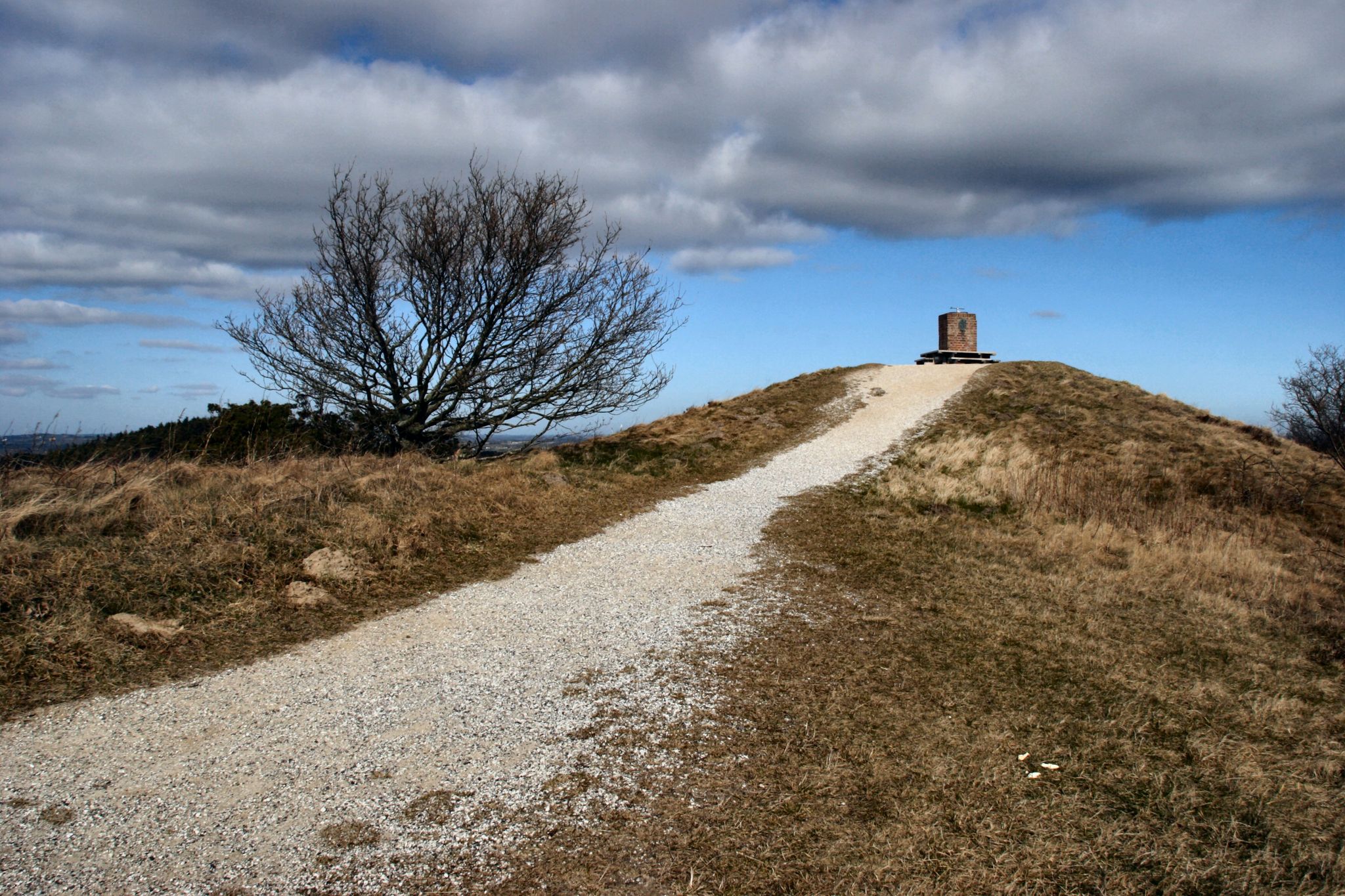
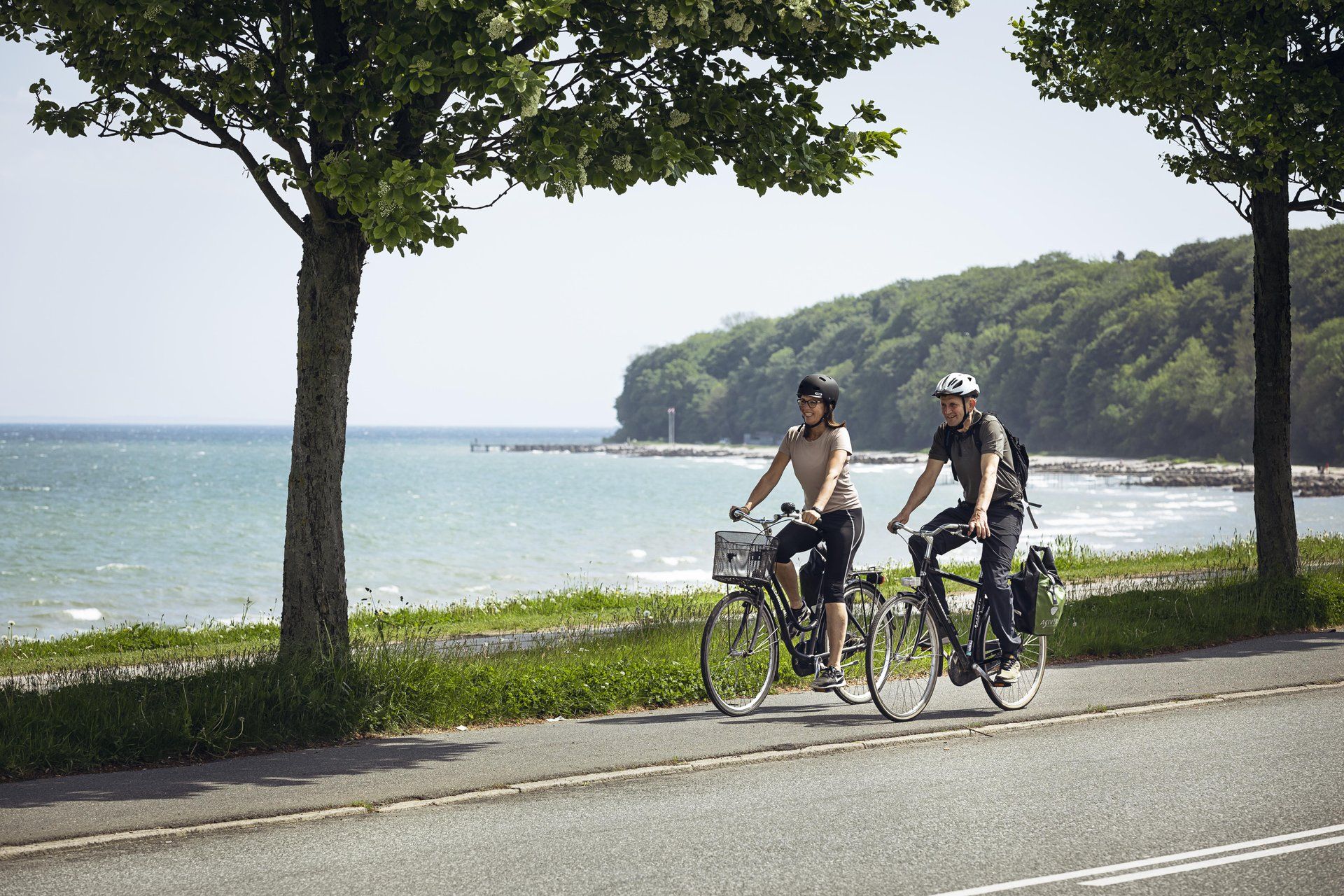
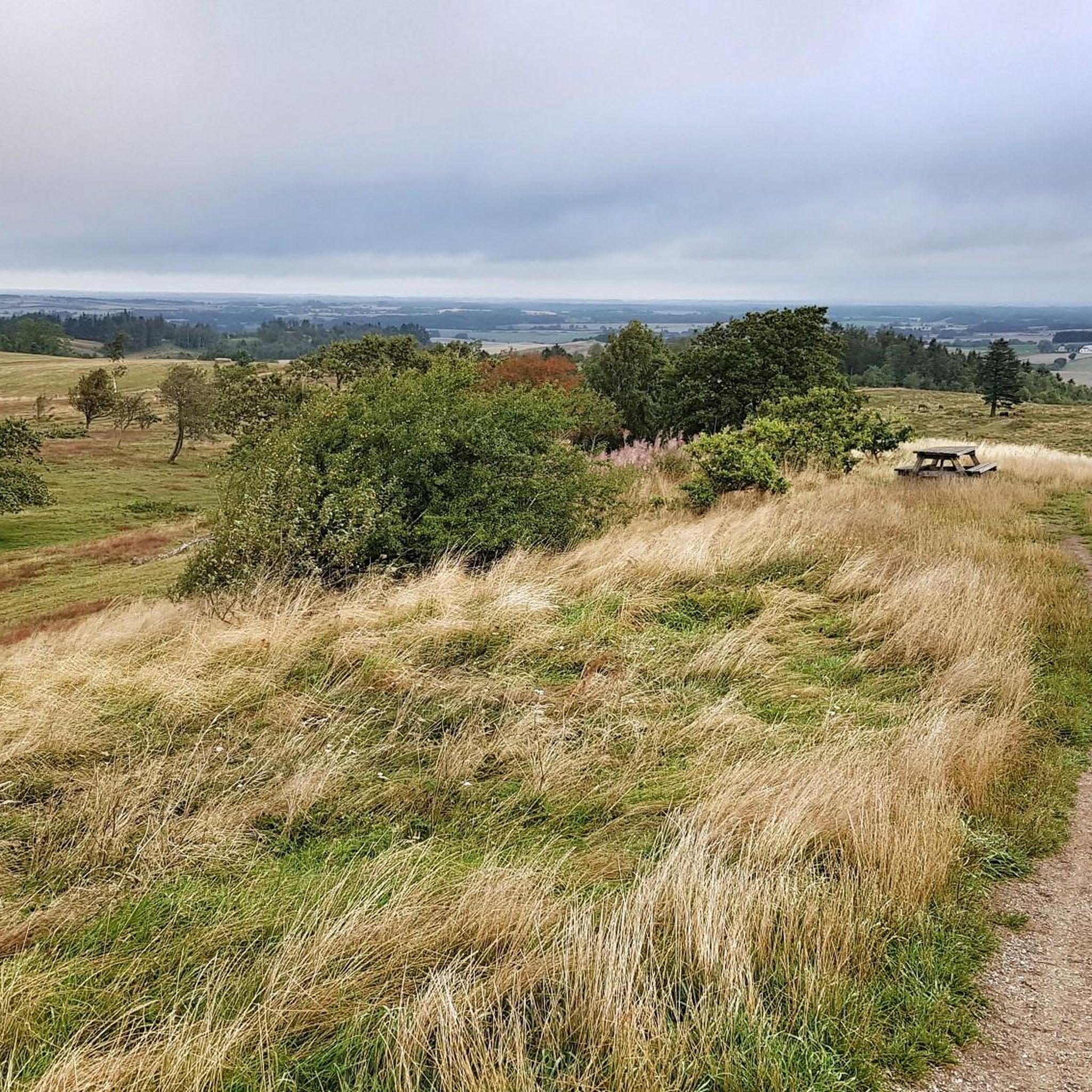
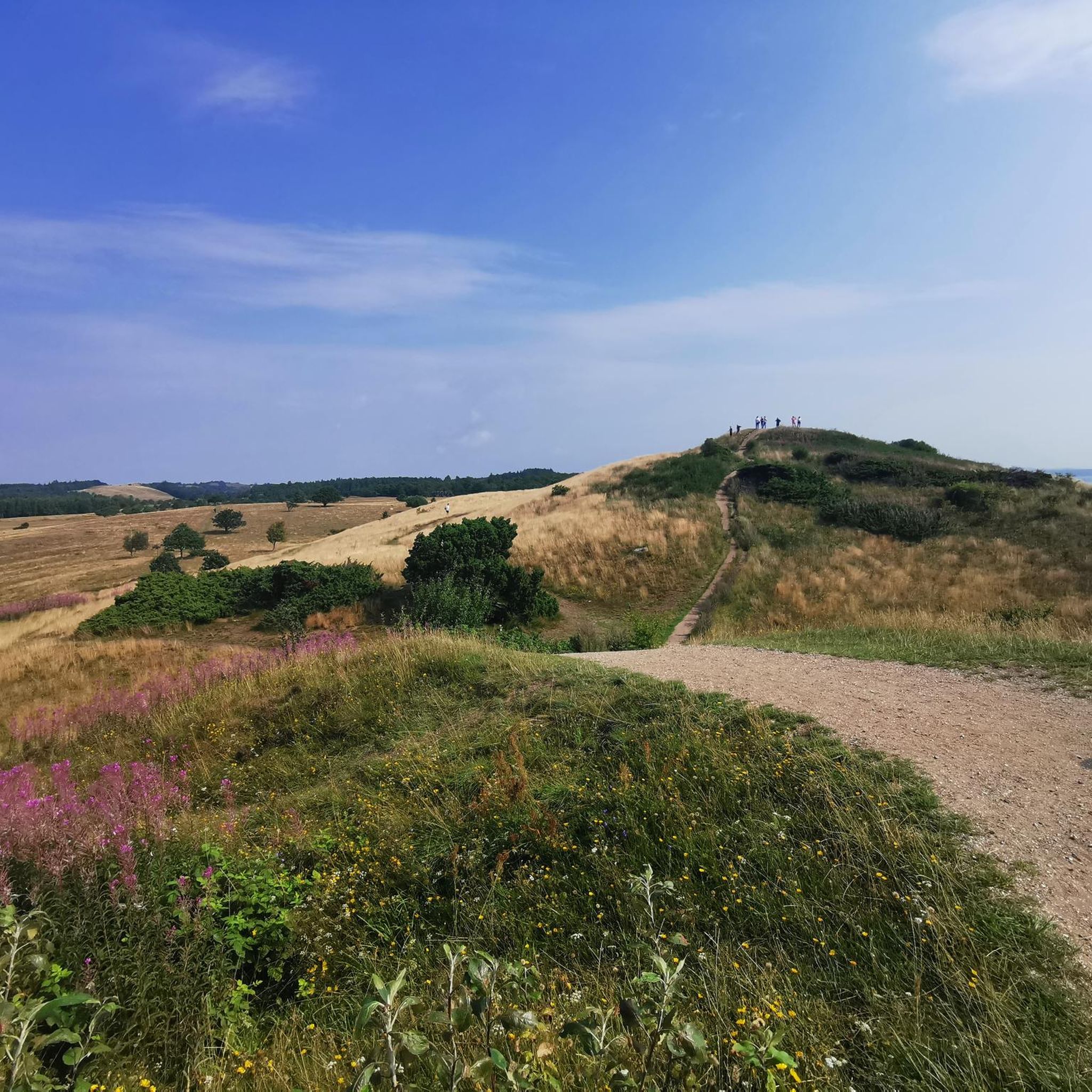
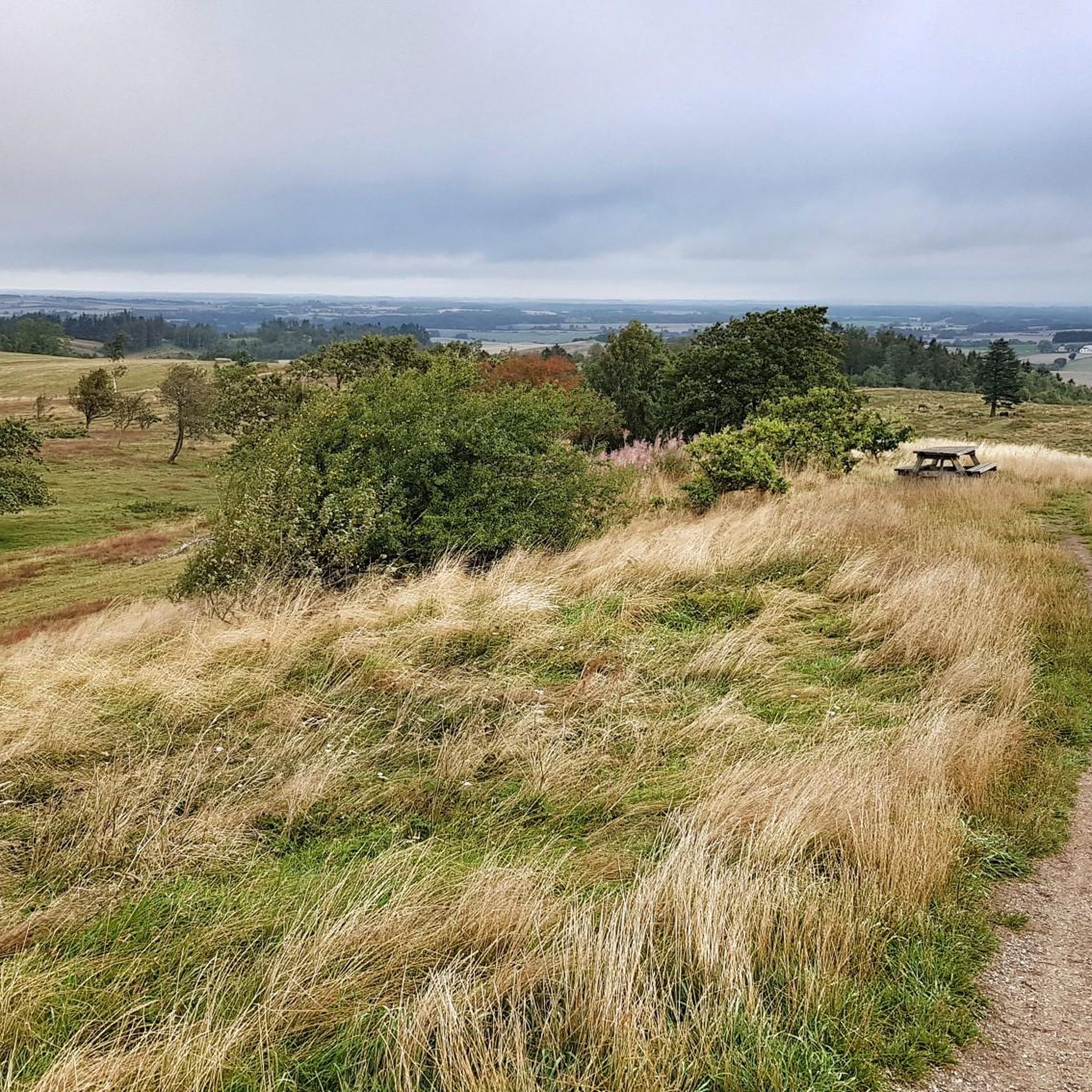
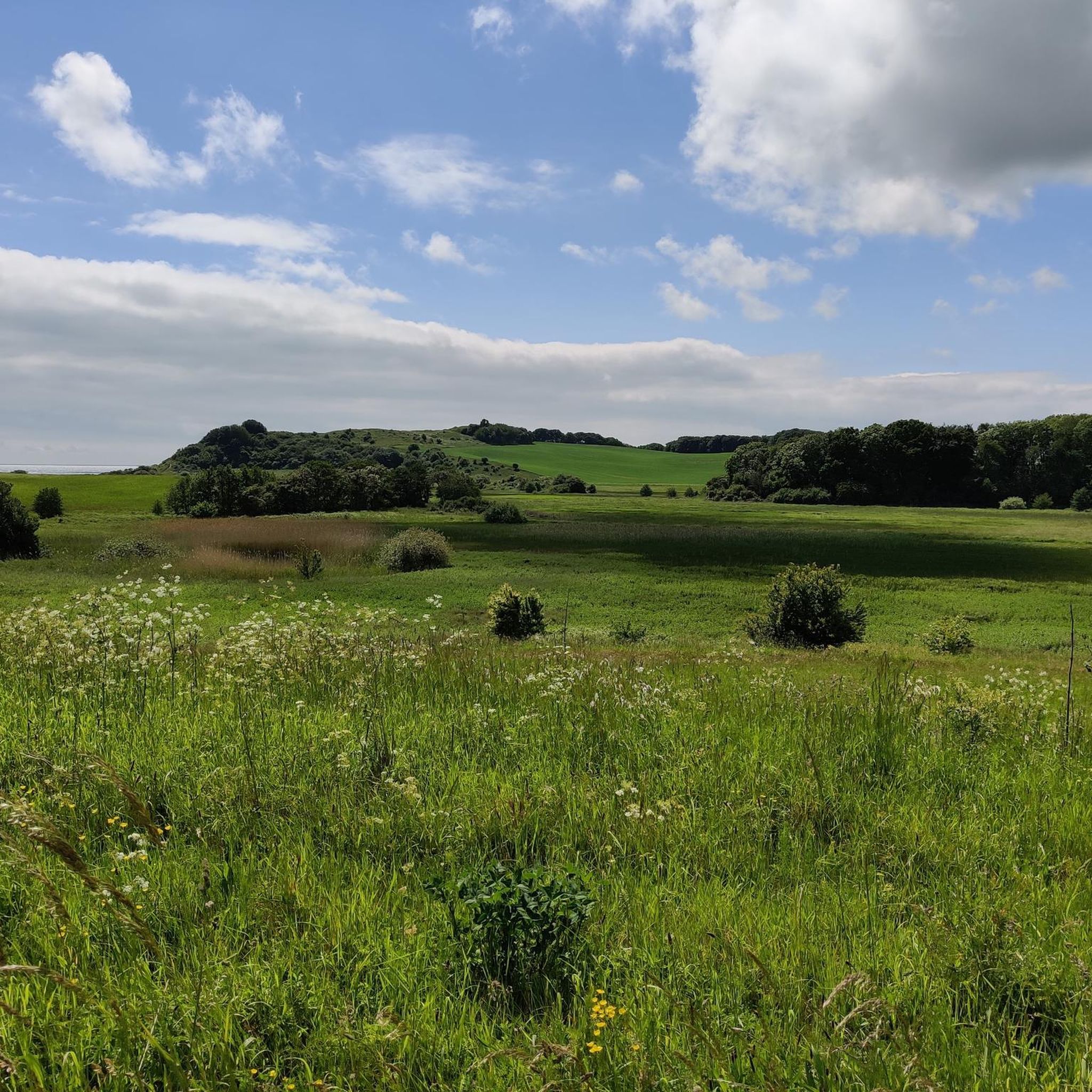
Road cycling in Nationalpark Mols traverses a landscape shaped by the last Ice Age, featuring rolling and varied terrain. The park encompasses woodlands, open countryside, and coastal environments, with elevations reaching up to 137 meters in the Mols Hills. Designated bicycle tracks and roads provide accessibility for cyclists, offering routes through diverse habitats including heath, forests, and meadows.
Best road cycling routes in Nationalpark Mols
- The most popular road cycling route is Westrand Beach, Ebeltoft – Sletterhage Lighthouse loop from…
Last updated: July 8, 2026
4.5
(2)
230
riders
Moderate road ride. Good fitness required. Mostly well-paved surfaces and easy to ride.
5.0
(3)
159
riders
58.7km
02:23
290m
290m
Moderate road ride. Good fitness required. Mostly well-paved surfaces and easy to ride.

Sign up for free
4.8
(6)
119
riders
49.4km
02:10
290m
290m
Moderate road ride. Good fitness required. Mostly well-paved surfaces and easy to ride.
4.0
(1)
62
riders
Moderate road ride. Good fitness required. Mostly well-paved surfaces and easy to ride.
5.0
(2)
50
riders
45.0km
01:58
230m
230m
Easy road ride. Great for any fitness level. Mostly well-paved surfaces and easy to ride.
Get access to more routes and recommendations from other explorers.
Sign up for free
Already have an account?
Our route recommendations are based on thousands of hikes, rides, and runs completed by other people on komoot.
Start today with a free account
Your next adventure awaits.
Login or Signup
Popular around Nationalpark Mols



Tips from the Community

"Mols Cathedral" The first Dråby Church was built of monk stone and stood between 1200 and 1400. Masonry and old foundations were found during the restoration of the church between 1967 and 1971. From the beginning of the 14th century and over the following 150 years, the owners of the nearby estate, as well as the noble families Rosenkrantz and Gøye, created more or less the church we see today with major renovations and extensions. In 1720, the church interior was furnished with new furniture in the Baroque style. The crenellated stilt tower was built around the year 1730. On the west side of the tower are the year 1739 and the initials S A B and A R for Sophia Amalia Benzon and her husband Andreas Rosenpalm. https://www.visitaarhus.de/region-aarhus/reiseplanung/draby-kirche-gdk1078953
2
0
In the Museum Farvergården (Färberhof) in Ebeltoft, you can learn about dyeing yarn and clothes in earlier times. The Farvergården consists of a larger farmstead, which is still covered with the original cobblestones. The entire area extends from Adelgade to Strandvejen in the city center. The Farvergården is the only preserved small-town dye works in Northern Europe and one of the most unusually well-preserved farmsteads in the middle of Ebeltoft's main street. The Farvergården was built between 1700 and 1850. Previously, yarn and clothes for the residents of Ebeltoft and the surrounding area were dyed here. The dye works was in operation between 1772 and 1778 and again from 1824 until the 1920s. The last dyer, Johan Petersen, stopped his work around 1925. He remained living on site and presented the farm as a museum until his death in 1959. In the Farvergården, you can learn about the old dyeing craft as well as about life back then. For example, watch the great film recordings by Johan Petersen about the work in the dye works and find out about the dyes that were used to dye clothes and yarn at that time. Admission is free!!! https://www.visitaarhus.de/region-aarhus/reiseplanung/museum-farvergarden-gdk606056
2
0


The frigate Jylland is a historic wooden ship moored in a dry dock in the museum harbor. At 71 meters long, it is the longest preserved ship of its kind. Further information: https://de.wikipedia.org/wiki/Jylland_(Schiff,_1860)
1
0

It's the Dye Museum with beautifully designed rooms from the 18th century. You feel like you've been transported back in time. Each room has a touchscreen that looks like an old photograph. You can switch between languages. You can learn a lot about life back then. Admission is free!
1
0
It's the Dye Museum with beautifully designed rooms from the 18th century. You feel like you've been transported back in time. Each room has a touchscreen that looks like an old photograph. You can switch between languages. You can learn a lot about life back then. Admission is free!
1
0

Høbjerg Gartneri, Gårdbutik og Café is a lovely farm shop and café just outside Grenaa. From May to December, you can stop in for homemade cake, good coffee or a light lunch on weekends. In the summer, you can even pick your own strawberries right from the field.
0
0

Frequently Asked Questions
What kind of terrain can I expect when road cycling in Nationalpark Mols?
Nationalpark Mols offers a varied landscape shaped by the last Ice Age. You'll encounter rolling hills, woodlands, open countryside, and coastal environments. Elevations can reach up to 137 meters in the Mols Hills, providing a dynamic and engaging backdrop for your rides.
How many road cycling routes are available in Nationalpark Mols?
There are over 75 road cycling routes available in Nationalpark Mols, catering to various skill levels. This includes 24 easy routes, 50 moderate routes, and a few more challenging options.
Are there any family-friendly road cycling options in Nationalpark Mols?
Yes, Nationalpark Mols has options suitable for families. The region is known for designated bicycle tracks and roads. For instance, the 8-kilometer Gravlev trail, an old railway track, is converted into a biking and hiking path that winds through diverse natural areas, offering a pleasant experience for all ages.
What are some notable landmarks or attractions I can see along the road cycling routes?
Many routes pass by significant landmarks. You can explore historical sites like the ruins of the 14th-century Kalø Castle or the charming Ebeltoft Old Town with its cobblestone streets. Natural features include the captivating Tinghulen Kettle Hole and the Jernhatten Summit, offering scenic views.
What do other road cyclists enjoy most about cycling in Nationalpark Mols?
The area is highly rated by the komoot community, with an average score of 4.8 stars from over 30 reviews. Cyclists often praise the diverse landscapes, from gentle hills and forests to stunning coastal views, and the well-maintained network of designated bicycle tracks and roads.
Are there any routes that offer coastal views or pass by lighthouses?
Absolutely. The Westrand Beach, Ebeltoft – Sletterhage Lighthouse loop from Egsmark Strand is a popular route that offers beautiful coastal views and takes you past the iconic Sletterhage Lighthouse.
Can I find routes that include historical sites or ancient monuments?
Yes, several routes incorporate historical elements. For example, the Ancient Burial Mound loop from Femmøller leads through rolling hills and past ancient Bronze Age mounds, offering a glimpse into the region's past.
What are the typical distances and durations for road cycling routes in the park?
Routes vary in length and duration. Many popular moderate routes range from approximately 47 km (29.5 miles) to 65 km (40.5 miles), typically taking between 2 hours and 2 hours 45 minutes to complete, depending on your pace and the specific route's elevation profile.
Are there any routes that pass by wildlife parks or natural reserves?
Yes, some routes offer proximity to natural attractions. The Ree Park Safari – Ree Park Safari loop from Egsmark Strand is a moderate path that leads through varied terrain, including areas near Ree Park Safari, providing a chance to experience the local wildlife and nature.
What kind of natural habitats can I expect to see while cycling?
Nationalpark Mols is incredibly diverse, home to around 40 of Denmark's 200 conservation-worthy nature types. As you cycle, you'll pass through heath, forests, pastures, bogs, meadows, and various coastal environments, including old sea cliffs.
Are there any routes that offer panoramic viewpoints?
Yes, the park's rolling topography provides several opportunities for scenic vistas. The View from Trehøje is a well-known viewpoint that offers expansive panoramic views of the surrounding landscape, perfect for a cycling break.
Most popular routes in Nationalpark Mols
Most popular attractions in Nationalpark Mols

Get inspired with the komoot mobile app


Explore more
Browse the best Road cycling routes in other regions.
