The best road cycling routes in Laguna Del Gosque
54
riders
9
rides
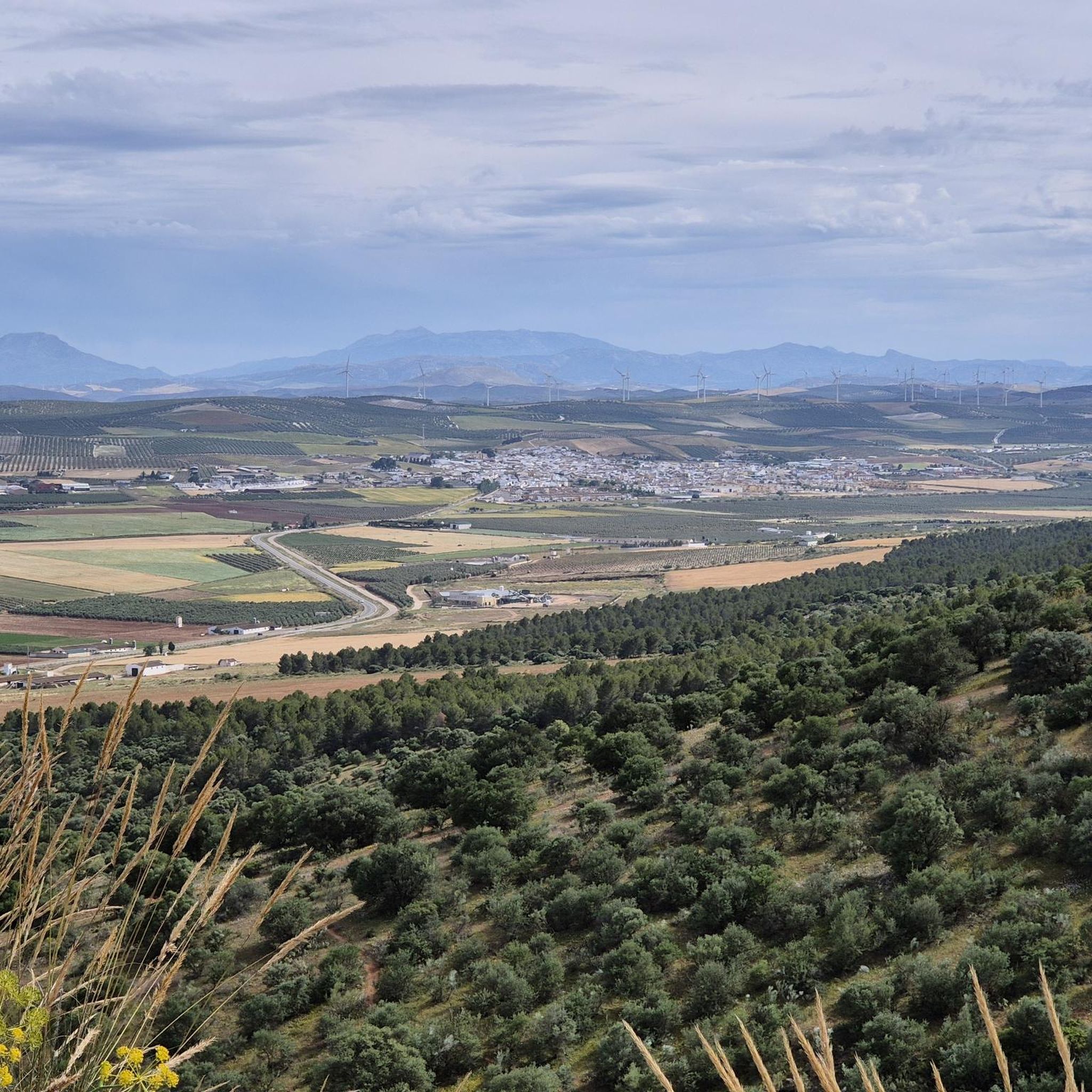
Road cycling in Laguna Del Gosque is characterized by an undulating relief with gentle hills, offering varied terrain suitable for road cyclists. The region features extensive olive groves, vineyards, and herbaceous crops, creating a scenic backdrop for rides. Stony areas of low scrub and high scrub, including kermes oak and wild olive, are interspersed throughout the cultivated lands. The proximity to the Sierra de los Caballos provides potential for elevated views and more varied terrain.
Best road cycling routes in Laguna Del Gosque
- The most popular road cycling route is Algámitas – Martín de la Jara loop from Martín de la Jara, a 65.1 miles (104.8 km) trail that takes 5 hours 6 minutes to complete. This difficult route features significant elevation gain through agricultural landscapes.
- Another top favourite among local road cyclists is El Saucejo – Campillos loop from Ladera de la Chiva, a moderate 32.6 miles (52.5 km) path. This route offers a balanced ride through rolling terrain.
- Local road cyclists also love the View of Cañete la Real – Church of San Sebastián loop from Ladera de la Chiva, a 41.4 miles (66.7 km) trail leading through varied landscapes, often completed in about 3 hours 25 minutes.
- Road cycling in Laguna Del Gosque is defined by undulating relief, gentle hills, and extensive olive groves. The network offers options for different ability levels, from moderate rides to more difficult challenges.
- The guide includes highly-rated routes that showcase the best of the region's landscape. More than 50 road cyclists have used komoot to explore Laguna Del Gosque's varied terrain.
Last updated: May 23, 2026
11
riders
105km
05:07
1,500m
1,500m
Hard road ride. Very good fitness required. Mostly well-paved surfaces and easy to ride.
6
riders
102km
04:31
1,010m
1,010m
Hard road ride. Very good fitness required. Mostly well-paved surfaces and easy to ride.

Sign up for free
10
riders
74.3km
03:33
1,000m
1,000m
Hard road ride. Very good fitness required. Mostly well-paved surfaces and easy to ride.
13
riders
52.5km
02:23
510m
510m
Moderate road ride. Good fitness required. Some segments of this route may be unpaved and difficult to ride.
7
riders
Moderate road ride. Good fitness required. Some segments of this route may be unpaved and difficult to ride.
Get access to more routes and recommendations from other explorers.
Sign up for free
Already have an account?
Our route recommendations are based on thousands of hikes, rides, and runs completed by other people on komoot.
Start today with a free account
Your next adventure awaits.
Login or Signup
Popular around Laguna Del Gosque
Tips from the Community

A beautiful town square featuring a unique mosaic pathway and charming fountains.
0
0

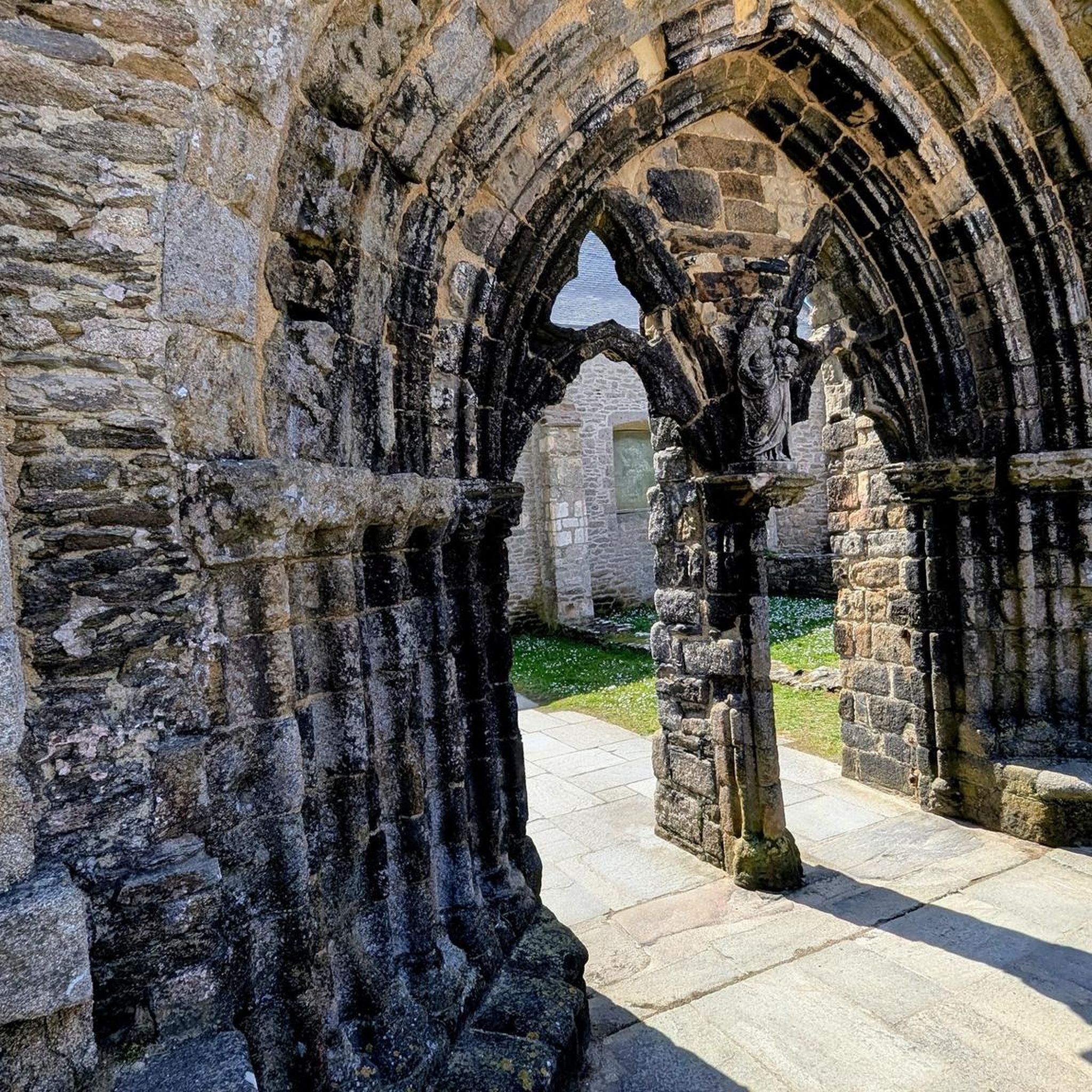
The Church of San Sebastián in Cañete la Real (Málaga) is one of the town's most notable religious monuments, boasting a rich history and impressive architecture. Although its origins date back to the 16th century, the current church is the result of a major renovation carried out in the 18th century, specifically in 1770, according to a design by Diego Antonio Díaz.
1
0
Algámitas is a charming white village in the Sierra Sur of Seville, ideal for lovers of nature, hiking, and rural tranquility. Church of the Sweet Name of Jesus: An 18th-century church, it is home to the local brotherhoods. Opposite it is the Church Square, the center of the festivities. Route of the Bandits: Explore the caves of the Rock where ancient outlaws hid.
2
0
Pruna, in the Sierra Sur of Seville, is a charming destination for those seeking nature, history, and rural authenticity. Parish of San Antonio Abad: 17th-century Baroque church with three naves, a decorated dome, and valuable religious images such as the 17th-century Jesus of Nazareth. Plaza de España: Town center with the Town Hall, the Monument to the Emigrant, and the Fountain of the Washerwomen. Calle Escalones: Picturesque steep street between white houses and brown roofs.
2
0
The Parish of Our Lady of the Incarnation is one of Olvera's most iconic monuments, both for its imposing architecture and its historical and religious significance. It was commissioned by the Dukes of Osuna at the end of the 18th century and completed in 1843. It was built on the remains of an old Moorish mosque and a Gothic-Mudejar church, the apse of which is still preserved in the baptismal chapel. It has undergone several restorations, the most recent between 1994 and 1999, and again in 2010 after a fire damaged a processional image.
1
0

The Iglesia Parroquial de Nuestra Señora de la Encarnación in Olvera is the town's most striking church building and, together with the neighboring Moorish castle, dominates the town's panorama. It towers high above the historic Barrio de la Villa district and is visible from afar. The church was built in 1822 in the neoclassical style on the foundations of an earlier Renaissance church. This, in turn, stood on the site of a former Muslim mosque, as was common in many Andalusian towns. Construction dragged on for decades and was not completed until the end of the 19th century. The church is characterized by its monumental façade, flanked by two large towers. The building's style was inspired by the great cathedrals of Spain – unusually imposing for a town the size of Olvera.
0
1

I'm not familiar with this location. What I'm asking for is information about where the tour starts.
0
0

Brief historical overview This castle surrounded the medieval city and was part of the defensive line of the Nazarene of Granada, built at the end of the 12th century by the Chetani over an Arab fortress after its reconquest by Alfonso XI after a stege in 1322 during the War of Granada Since the castle no longer has military importance, it serves to exercise defensive functions
5
0
Frequently Asked Questions
What kind of terrain can I expect when road cycling in Laguna Del Gosque?
The Laguna Del Gosque region offers an undulating relief with gentle hills, providing varied yet manageable terrain ideal for road cyclists. You'll ride through extensive olive groves, vineyards, and herbaceous crops, with some stony areas of low and high scrub, including kermes oak and wild olive. The proximity to the Sierra de los Caballos also hints at potential for more varied terrain and elevated views.
How many road cycling routes are available in Laguna Del Gosque?
There are 9 road cycling routes available in Laguna Del Gosque, catering to various skill levels. These include 1 easy route, 5 moderate routes, and 3 difficult routes, ensuring options for most cyclists.
Are there any challenging road cycling routes for experienced riders?
Yes, for experienced riders seeking a challenge, routes like the Algámitas – Martín de la Jara loop from Martín de la Jara offer significant elevation gain over 65.1 miles (104.8 km). Another difficult option is the Cave of the Colegiata de Osuna – University of Osuna loop from Martín de la Jara, covering 76.2 km with over 1000 meters of ascent.
What are some moderate road cycling options in the area?
For a balanced ride, consider moderate routes such as the El Saucejo – Campillos loop from Ladera de la Chiva, which is 32.6 miles (52.5 km) long. Another popular moderate choice is the View of Cañete la Real – Church of San Sebastián loop from Ladera de la Chiva, a 41.4 miles (66.7 km) trail through varied landscapes.
What natural features or wildlife can I expect to see while cycling?
The Laguna del Gosque Natural Reserve is a significant ecological site, especially for birdwatching. While cycling, you might spot aquatic birds like flamingos, white-headed ducks, and red-knobbed coots, particularly when water levels are low in nearby Fuente de Piedra. The surrounding landscape features picturesque olive groves and vineyards.
Is Laguna Del Gosque suitable for family-friendly road cycling?
While the region offers varied terrain, the guide includes 1 easy route and 5 moderate routes that could be suitable for families depending on their experience level. The gentle hills and scenic agricultural landscapes provide a pleasant environment for less strenuous rides, though specific family-focused infrastructure isn't explicitly detailed.
When is the best time of year to go road cycling in Laguna Del Gosque?
The region's climate generally makes it suitable for cycling for much of the year. Spring and autumn typically offer the most pleasant temperatures for outdoor activities. Summer can be quite warm, so early morning or late afternoon rides are advisable during those months.
Are there any loop routes available for road cyclists?
Yes, many of the routes in the area are designed as loops. For example, the Algámitas – Martín de la Jara loop from Martín de la Jara and the Pedrera – Martín de la Jara loop from Martín de la Jara are popular options that bring you back to your starting point.
What kind of views can I expect on these road cycling routes?
The routes offer scenic views dominated by extensive olive groves, vineyards, and herbaceous crops. The undulating terrain provides changing perspectives of the agricultural landscape. The proximity to the Sierra de los Caballos also suggests opportunities for elevated vistas.
What do other cyclists say about road cycling in Laguna Del Gosque?
Over 50 road cyclists have explored Laguna Del Gosque using komoot. They often praise the varied terrain, from gentle hills to more challenging ascents, and the picturesque backdrop of olive groves and vineyards that define the region's cycling experience.
Are there any specific rules or permits required for cycling within the Laguna del Gosque Natural Reserve?
While the region is attractive for cycling, the Laguna del Gosque is a protected Natural Reserve. Cyclists should always adhere to general rules for protected areas, such as staying on designated paths, respecting wildlife, and not disturbing the natural environment. Specific permits for cycling are not prominently detailed, but it's always wise to check local regulations before your ride.
Most popular routes in Laguna Del Gosque

Get inspired with the komoot mobile app


Explore more
Browse the best Road cycling routes in other regions.
