Attractions and Places To See in Marismas Del Odiel - Top 4
Best attractions and places to see in Marismas Del Odiel, a UNESCO Biosphere Reserve, is a vital wetland where the Tinto and Odiel rivers converge with the Atlantic Ocean. This natural area is characterized by its extensive tidal marshlands, diverse ecosystems, and rich biodiversity. The region also holds significant historical importance, offering a range of natural and cultural points of interest.
Best attractions and places to see in Marismas Del Odiel
- The most popular attractions is Old Astur Saltworks, a natural monument that focuses on aquaculture and environmental tourism. These salt flats, built in the 1920s, offer activities such as recreational fishing, hiking, birdwatching, and photography.
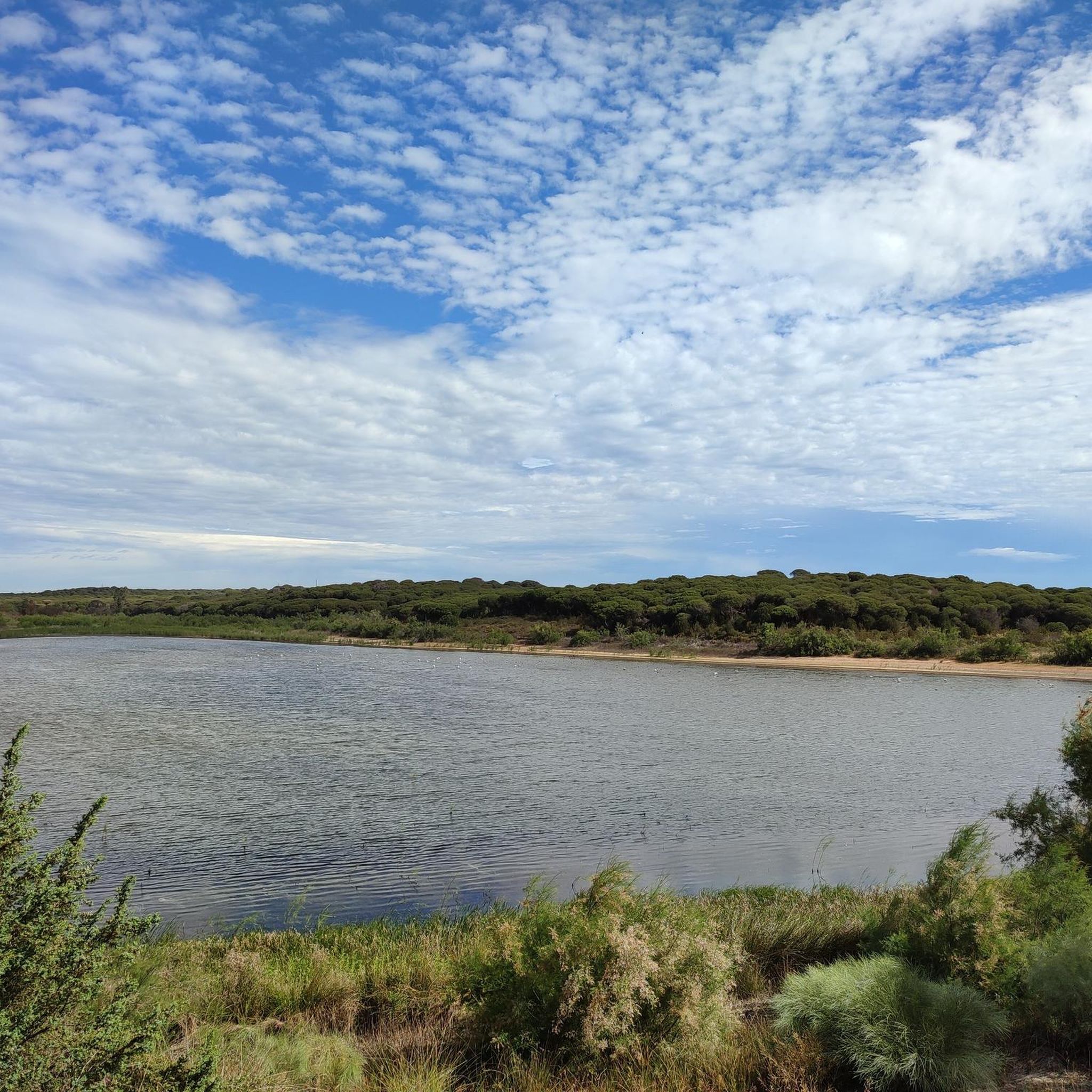
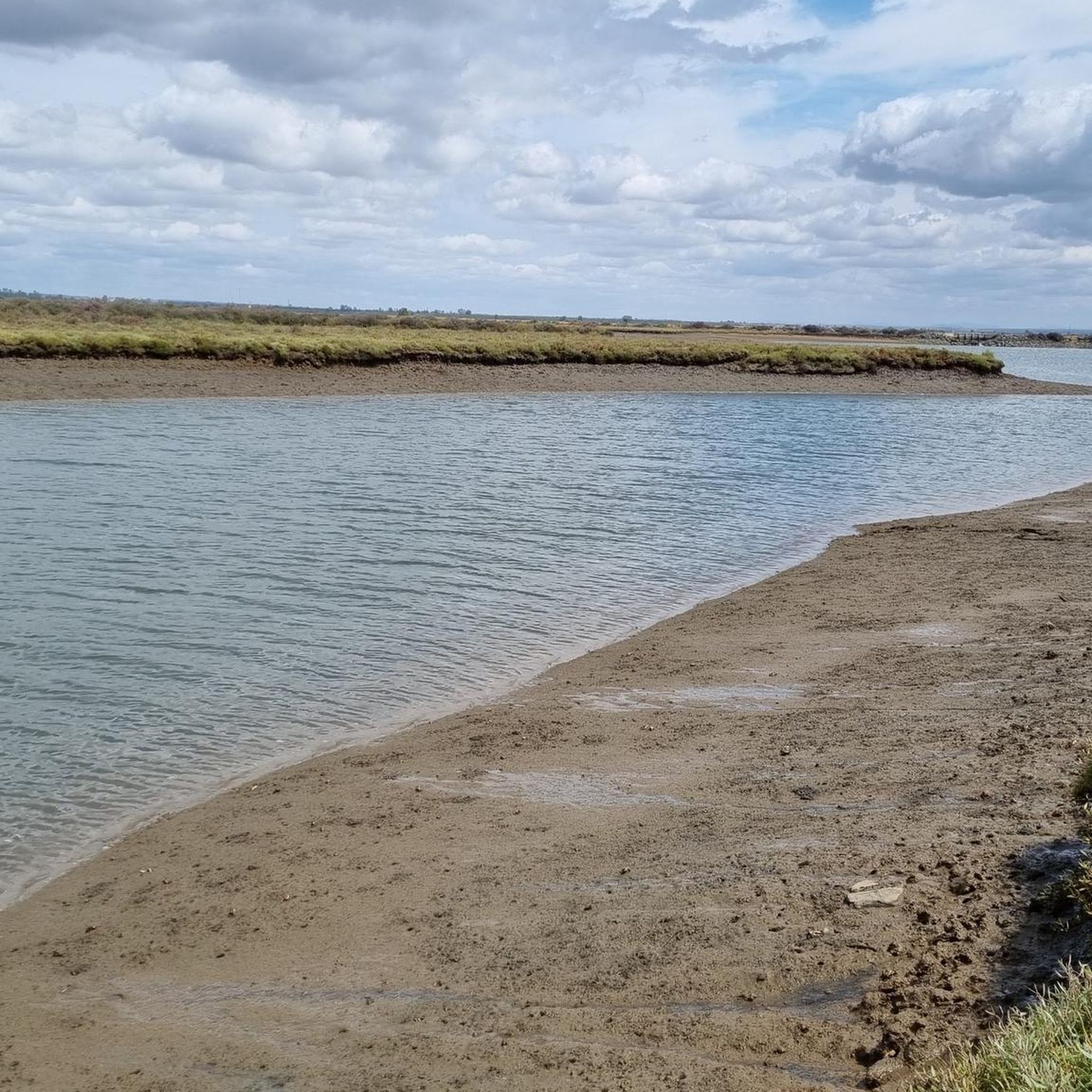
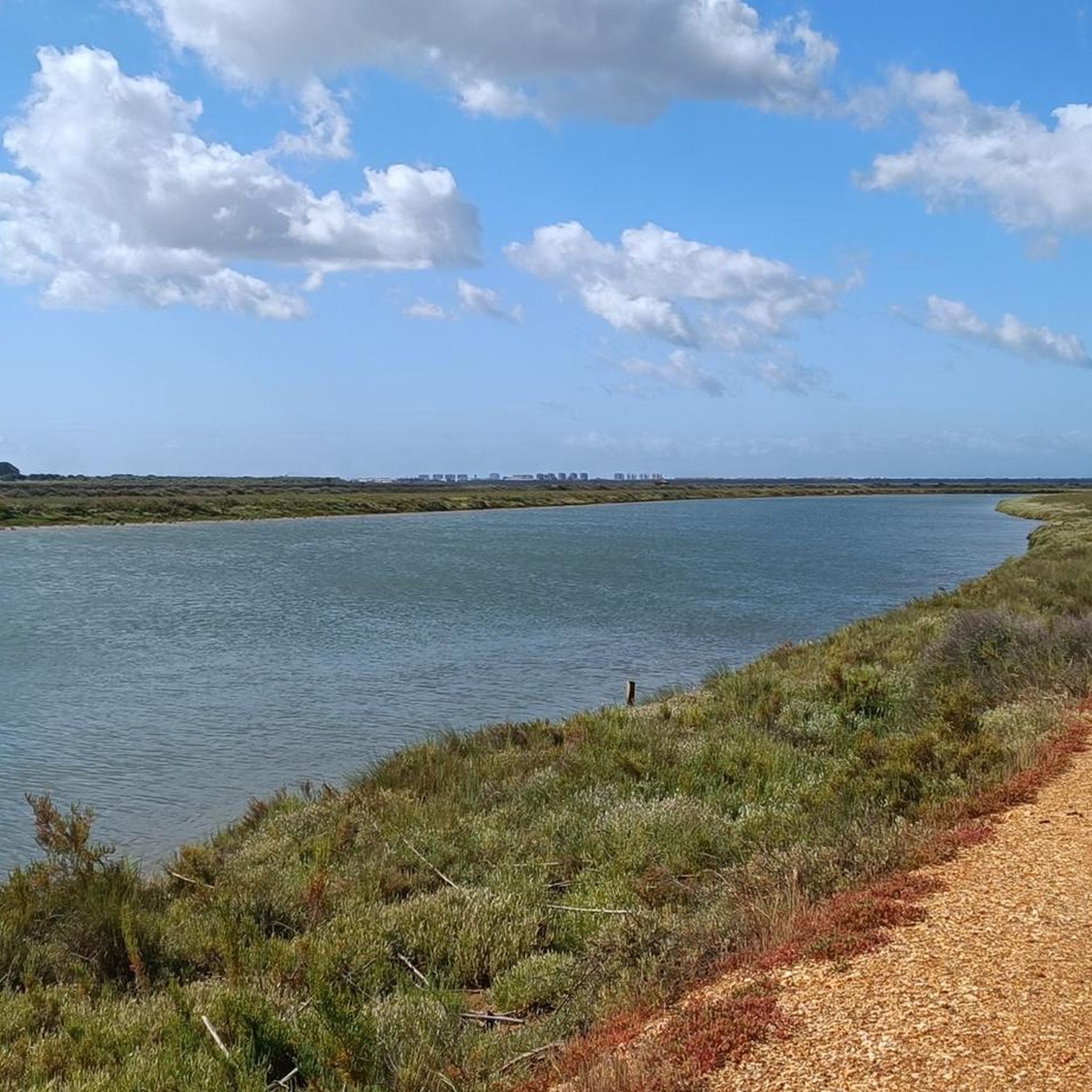
- Another must-see spot is Odiel Marshes, an other natural area covering approximately 7,185 hectares. This area is known for its rich biodiversity and importance as a breeding ground and refuge for numerous bird species, including the Eurasian spoonbill and flamingo.
- Visitors also love Tharsis Pier, a man-made monument that is a symbolic element for the city of Huelva. This pier is an example of late 19th-century civil engineering, built to facilitate the unloading of mining material onto ships.
- Marismas Del Odiel is known for its extensive tidal marshes, diverse bird species, and historical sites. The area offers a mix of natural features, such as extensive tidal marshlands and diverse ecosystems, alongside cultural and historical landmarks.
- The attractions in Marismas Del Odiel are appreciated by the komoot community, with 12 upvotes and 7 photos shared by visitors.
Last updated: May 17, 2026
Greenway Huelva - Punta Umbría
Highlight (Segment) • Bridge
Tip by

Old Astur Saltworks
Highlight • Natural Monument
You can also enjoy canoeing and observe a wide variety of birds in the Marismas del Odiel Natural Park.
Translated by Google •
Tip by

Sign up now to discover places like this
Get recommendations on the best single tracks, peaks, & plenty of other exciting outdoor places.
Sign up for free
Odiel Marshes
Highlight • Natural
Notable species include the Eurasian spoonbill, the flamingo, various ducks, grey and purple herons, and birds of prey such as the osprey. The area also has an interpretation center, birdwatching points, trails, and rest areas.
Translated by Google •
Tip by
Tharsis Pier
Highlight • Monument
What was it built for?
The Tharsis Pier was built to provide an outlet for the important amount of mining material that during the 19th century and early 20th century arrived from the mines of the different points of the Andévalo or Cuenca Minera of Huelva. Numerous were the companies that exploited these mines, such as “The Tharsis Sulphur and Copper Company Limited”, which extracted the mineral from the area of Tharsis and La Zarza. To reach this goal, it was necessary to build a structure that would allow the material to be unloaded quickly and efficiently onto the ships in the Huelva estuary. For this purpose, the Rio Tinto Company Limited, carried out the construction of this pier-wharf a few years later.
Source: turismo.huelva.es/en/routes-monuments/british-legacy-route/tharsis-pier
Tip by

Start today with a free account
Your next adventure awaits.
Login or Signup
Tips from the Community

Good route, but it needs some fine-tuning. Try optimizing it another day.
1
0

The Tharsis Pier is an enormously symbolic element for the city of Huelva, due to its link with its recent history and exponent of its economic and social evolution. From the technical and scientific point of view, this pier is a good example of the design and technology of the European vanguard of the late nineteenth century in civil engineering, constituting a specialized and unique element within the port area on a national scale. What was it built for? The Tharsis Pier was built to provide an outlet for the important amount of mining material that during the 19th century and early 20th century arrived from the mines of the different points of the Andévalo or Cuenca Minera of Huelva. Numerous were the companies that exploited these mines, such as “The Tharsis Sulphur and Copper Company Limited”, which extracted the mineral from the area of Tharsis and La Zarza. To reach this goal, it was necessary to build a structure that would allow the material to be unloaded quickly and efficiently onto the ships in the Huelva estuary. For this purpose, the Rio Tinto Company Limited, carried out the construction of this pier-wharf a few years later. Source: https://turismo.huelva.es/en/routes-monuments/british-legacy-route/tharsis-pier/
1
0

This natural area covers approximately 7,185 hectares and is known for its rich biodiversity and its importance as a breeding area and refuge for numerous bird species. Notable species include the Eurasian spoonbill, the flamingo, various ducks, grey and purple herons, and birds of prey such as the osprey. The area also has an interpretation center, birdwatching points, trails, and rest areas.
4
0
This area is known for its focus on aquaculture and environmental tourism. The salt flats were built in the 1920s by Antonio Sánchez Allende-Valledor. Today, the Salinas del Astur offer a variety of activities such as safe recreational fishing, hiking, birdwatching, and photography. You can also enjoy canoeing and observe a wide variety of birds in the Marismas del Odiel Natural Park.
4
0

as of spring 2025 the bridge is open and there is a safe separated cycling line
0
0

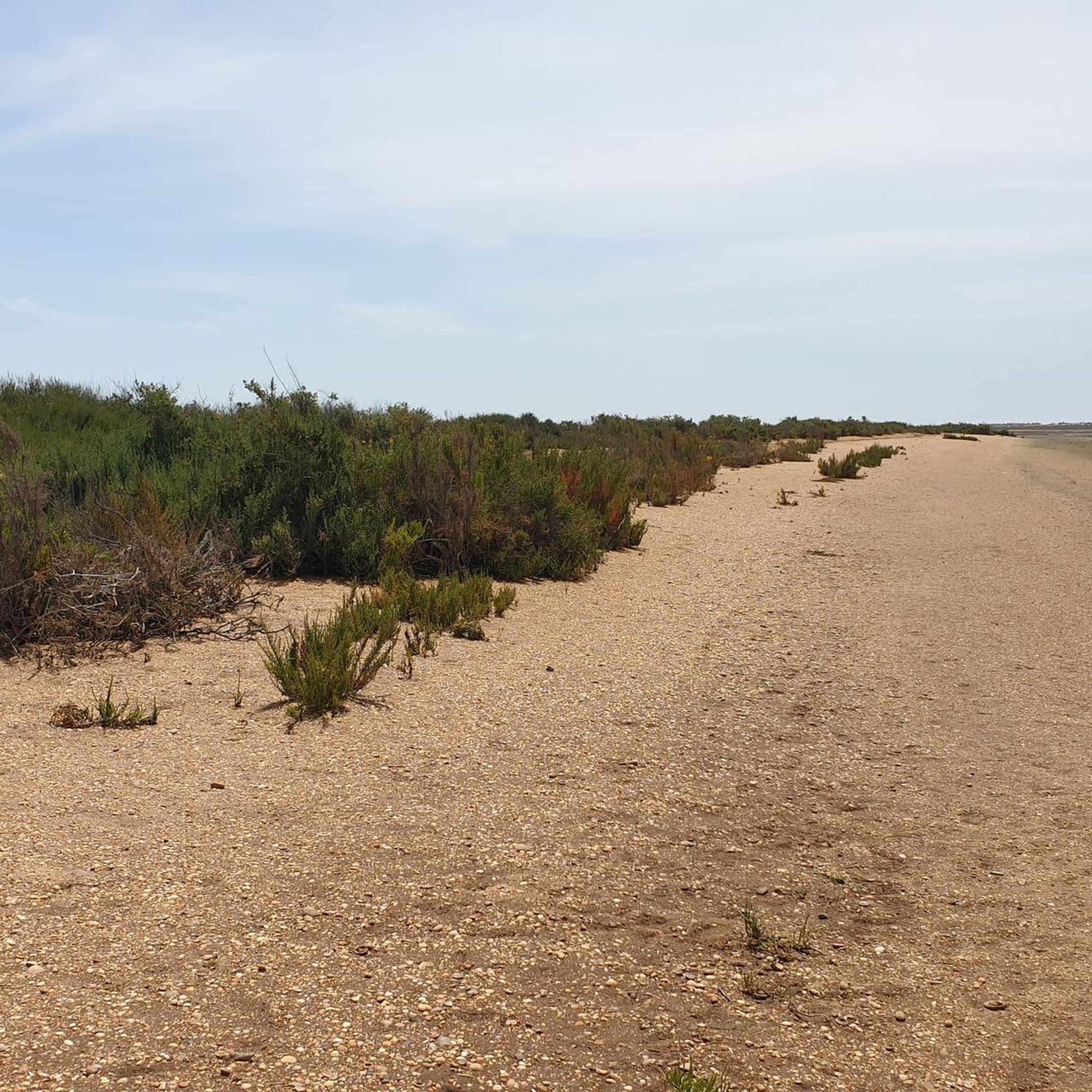
It is a natural area (wetland) located at the mouth of the Odiel river or Huelva estuary. It constitutes one of the largest extensions of marshes in Spain. There are several trails and bike routes that allow you to observe nature (for example, the flamingo, the spoonbill, the heron and the osprey).
2
1

Protected under the figure of the Natura 2000 Network, this unique and special place is an estuary and biosphere reserve located at the mouth of the Ría de Huelva. Its diversity in flora and fauna as well as the great ecological richness of this place make it a unique site worth visiting for all. In addition, its landscape environment makes it a panoramic window towards the interior and the Huelva beaches.
3
1

Bridge currently closed for works! The other bridge is a highway. We took the crossing 15 km north at Gibraléon. If you know when the closing finishes, please add.
1
0
Frequently Asked Questions
What natural features and wildlife can I expect to see in Marismas Del Odiel?
Marismas Del Odiel is a vital wetland where the Tinto and Odiel rivers meet the Atlantic. You'll find extensive tidal marshlands, lakes like Batán and Taraje, and forests such as El Almendral. It's a prime spot for birdwatching, with over 250 species, including significant populations of spoonbills, flamingos, herons, and ospreys. The area is also home to one of southern Europe's largest chameleon colonies and occasionally, species like the Iberian lynx.
Are there any historical or cultural sites to visit in the Marismas Del Odiel region?
Yes, the region has a rich history. You can explore the Tharsis Pier, a significant man-made monument from the late 19th century, showcasing Huelva's mining heritage. The Old Astur Saltworks, built in the 1920s, also offers a glimpse into historical industries and now focuses on environmental tourism. Additionally, archaeological sites with Roman fish-salting basins and the Salthish site on Saltés Island hint at ancient civilizations.
What are the best outdoor activities to do in Marismas Del Odiel?
The region offers a variety of outdoor activities. You can enjoy hiking and birdwatching at the Old Astur Saltworks, or explore the trails and birdwatching points within the Odiel Marshes. Cycling is popular along the Greenway Huelva - Punta Umbría. For more detailed routes, you can find hiking and MTB trails in the area.
Is Marismas Del Odiel suitable for families with children?
Absolutely. Several attractions are family-friendly. The Old Astur Saltworks offers activities like recreational fishing and canoeing. The Odiel Marshes feature an interpretation center, birdwatching points, and trails suitable for families. The diverse wildlife, including chameleons and numerous bird species, provides engaging experiences for all ages.
What is the best time of year to visit Marismas Del Odiel, especially for birdwatching?
Marismas Del Odiel is an obligatory stop for thousands of migratory birds, making it excellent for birdwatching. While birds can be seen year-round, winter is particularly good for observing flamingos, and spring/autumn are ideal for catching various migratory species. The mild climate of Andalusia generally makes it pleasant to visit outside of the peak summer heat.
Are there accessible trails or facilities for visitors with mobility needs?
The Greenway Huelva - Punta Umbría is noted as a wheelchair-accessible cycle path, offering a smooth surface for enjoyment. The Anastasio Senra Visitor Centre, an essential starting point for any visit, provides information and serves as a hub for marked footpaths, some of which may be accessible. It's always recommended to check specific trail conditions beforehand.
Where can I go for easy walks or gentle hikes in the area?
For easy walks, consider the trails within the Odiel Marshes, which offer birdwatching points and rest areas. The Old Astur Saltworks also has hiking opportunities. You can find several easy hiking routes in Marismas Del Odiel, such as the 'Under the Pines – El Portil Lagoon loop' or the 'Old Astur Saltworks – Salinas de Astur loop'.
What are the main highlights for birdwatching in Marismas Del Odiel?
Marismas Del Odiel is a birdwatching paradise. Key areas include the extensive tidal marshlands and specific reserves like Isla de Enmedio and Marisma de El Burro, which are crucial breeding grounds. The Odiel Marshes have dedicated birdwatching points. You can spot endangered spoonbills (hosting 30% of Europe's population), flamingos, herons, egrets, and ospreys.
What is the Anastasio Senra Visitor Centre and what does it offer?
The Anastasio Senra Visitor Centre is an essential starting point for exploring Marismas Del Odiel. It provides exhibition rooms, information about the park's formation, dynamics, biodiversity, and historical heritage. It also serves as a hub for guided tours and marked footpaths, helping visitors make the most of their visit to the natural reserve.
Can I explore the Marismas Del Odiel by boat?
Yes, exploring the Marismas Del Odiel by boat, particularly through its canals, offers a unique perspective of the landscape and abundant birdlife. This allows you to access areas that might be less accessible by foot and observe the wetland ecosystems from a different vantage point.
What is the significance of the Isla de Enmedio Nature Reserve?
Isla de Enmedio Nature Reserve is particularly important as one of Europe's largest breeding grounds for spoonbills. It also hosts significant populations of herons, egrets, and storks, making it a critical area for avian biodiversity within the Marismas Del Odiel.
Are there any beaches within the Marismas Del Odiel natural park?
Yes, Espigón Beach is a tranquil beach located within the natural park. It's formed by a long sand barrier stretching towards the ocean, offering a unique coastal landscape and is also popular for surfing.
Most popular routes in Marismas Del Odiel

Get inspired with the komoot mobile app


Explore more
Still not found the Highlight you’re looking for? See guides of the top attractions in other regions:
