The best running trails in Islote De Lobos
4.3
(137)
7,138
runners
87
runs
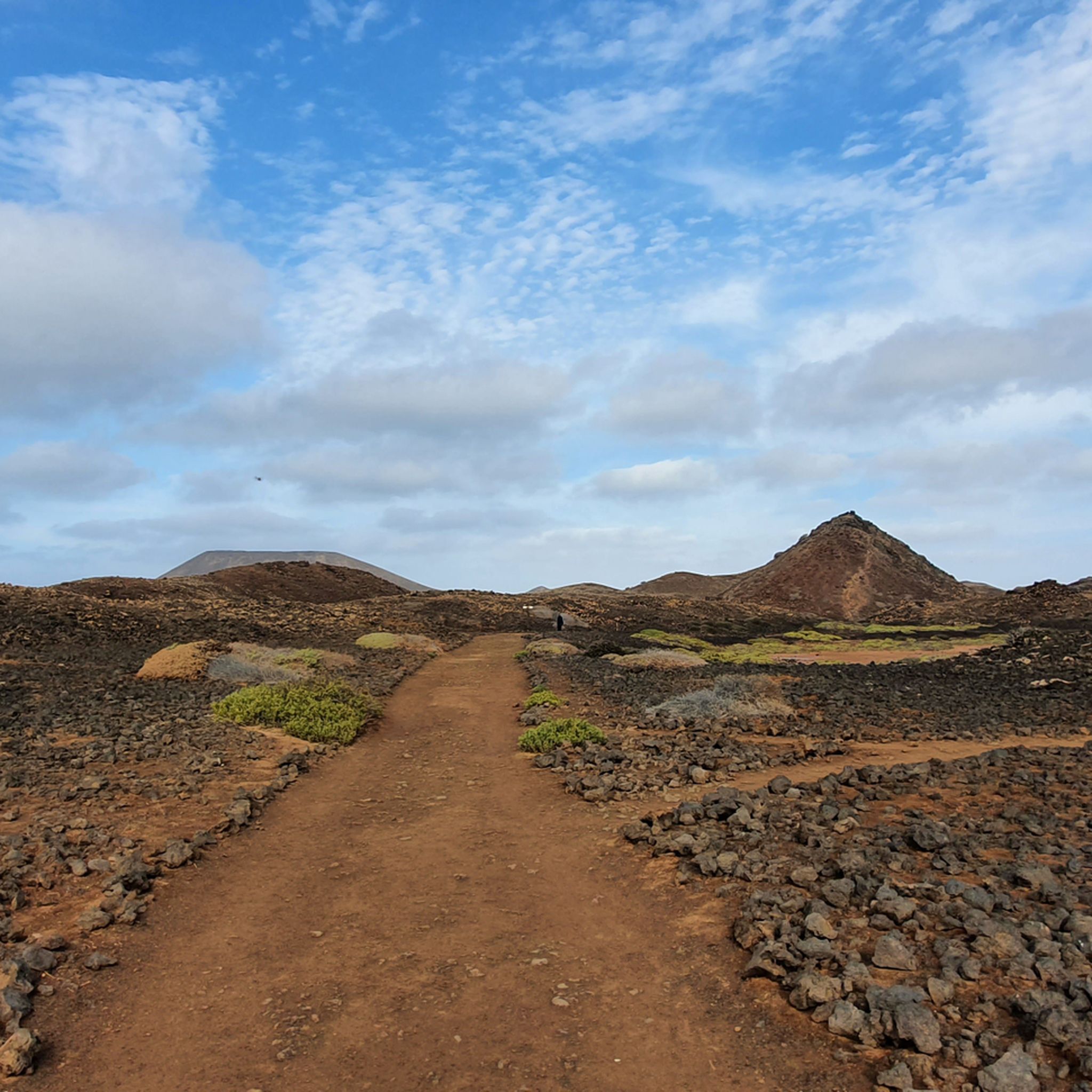
Jogging in Islote de Lobos offers a unique experience on this small, uninhabited natural park. The island's terrain features a mix of stony paths, sandy flatlands, and volcanic rock formations, providing varied surfaces for running. Its landscape is characterized by arid zones, dune areas, and a backdrop of the Atlantic Ocean, with the 127-meter Caldera Mountain as its highest point. This tranquil environment is suitable for active exploration, with routes traversing its coastal and interior features.
Best jogging routes in…
Last updated: November 27, 2026
4.5
(2)
131
runners
Moderate run. Good fitness required. Mostly runnable paths. Some sure-footedness required.
5.0
(1)
228
runners
Moderate run. Good fitness required. Mostly paved surfaces.

5.0
(8)
170
runners
13.9km
01:39
260m
260m
Hard run. Good fitness required. Sure-footedness, sturdy shoes and alpine experience required.
3.0
(4)
181
runners
8.28km
00:54
30m
30m
Moderate run. Good fitness required. Mostly paved surfaces.
5.0
(1)
350
runners
Moderate run. Good fitness required. Mostly paved surfaces.
Get access to more routes and recommendations from other explorers.
Already have an account?
Our route recommendations are based on thousands of hikes, rides, and runs completed by other people on komoot.
Start today with a free account
Your next adventure awaits.
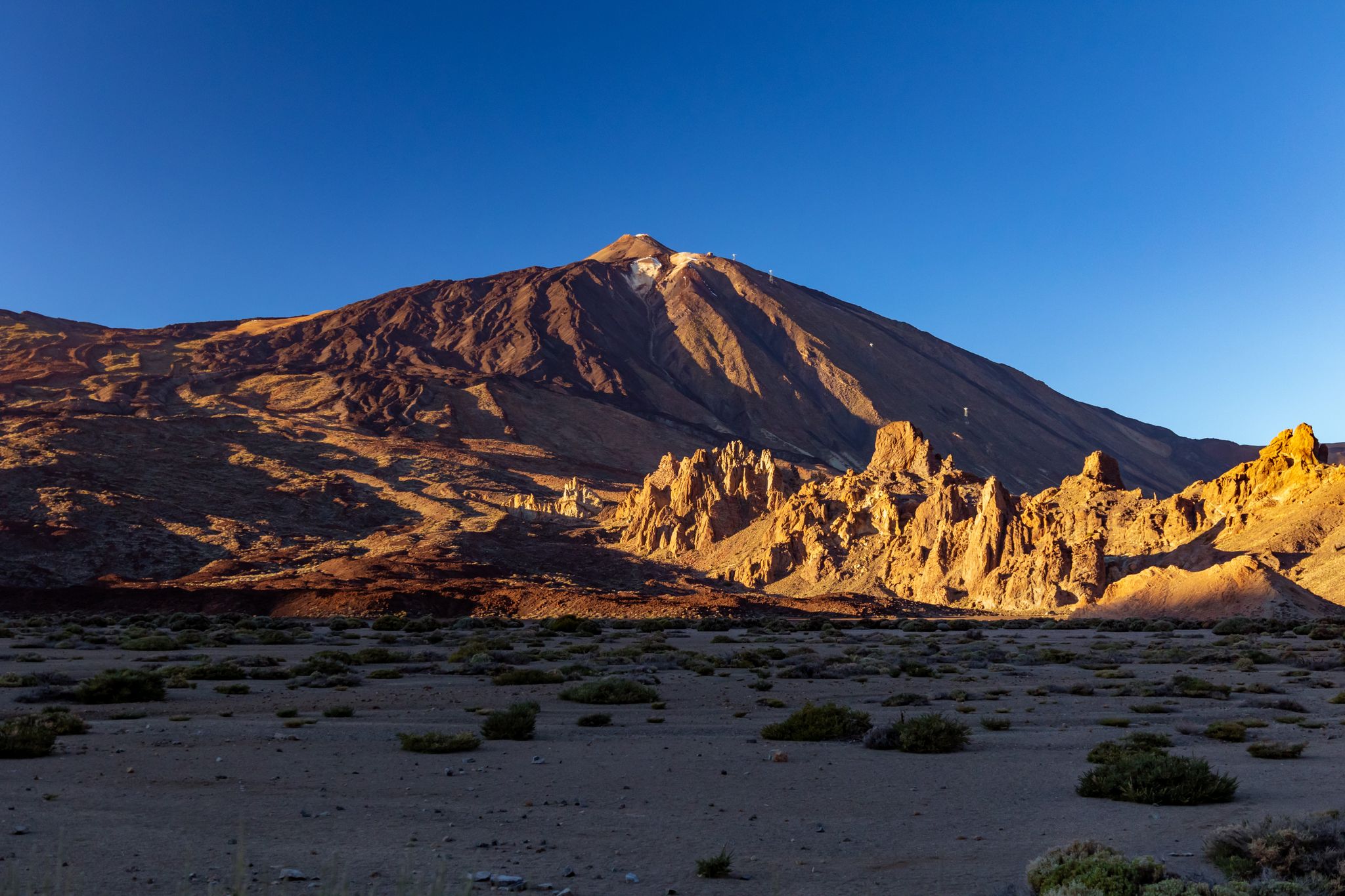
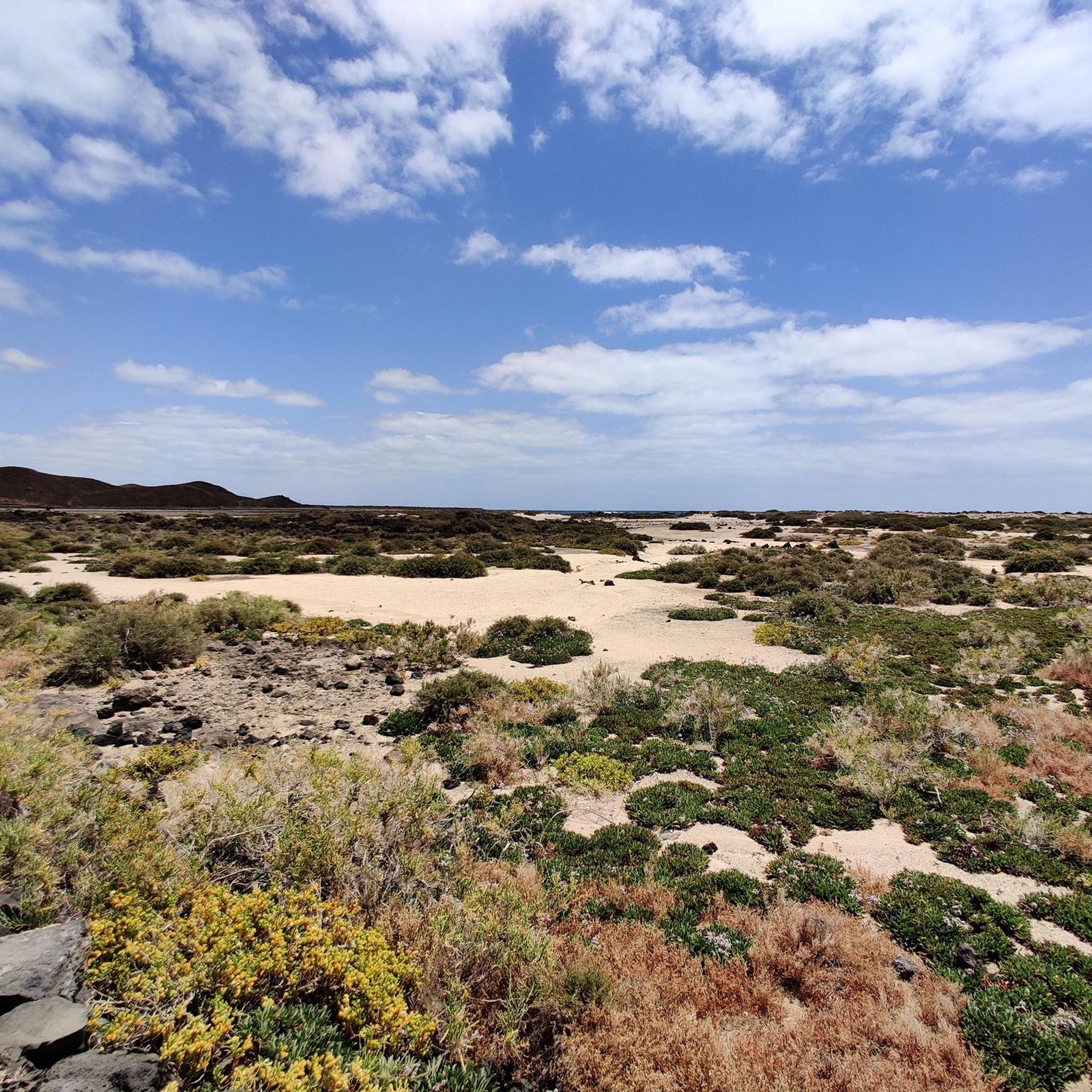
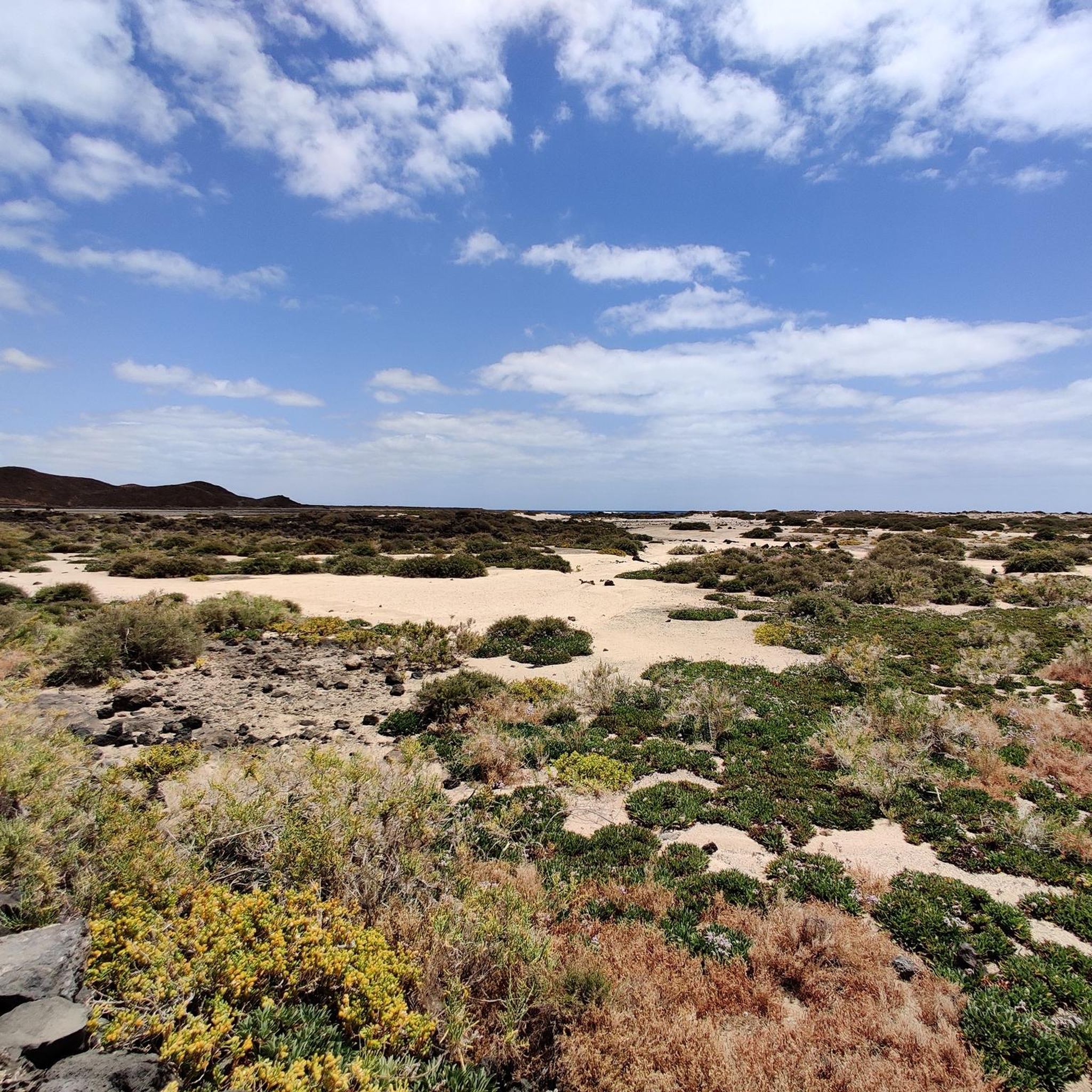
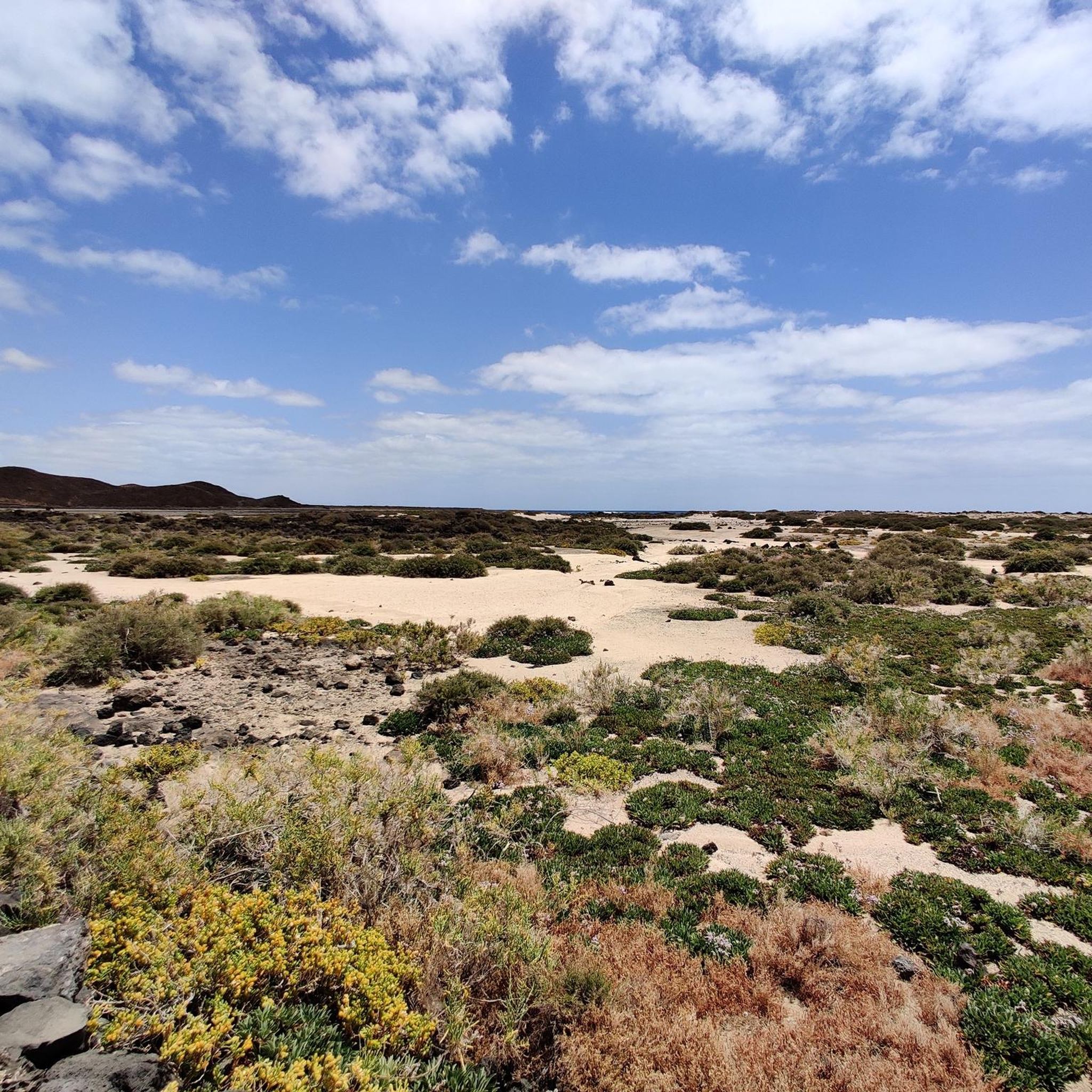
Other adventures in Islote De Lobos

Tips from the Community

The dunes of Corralejo were formed about 10,000 years ago by wind and ocean currents. The sand originates from the Canary Islands and the African mainland and has been shaped into today's dunes over millennia. Today, they are a protected natural area managed by the Canarian government. To ensure the dunes are preserved for future visitors, please 🚫 do not leave the marked paths – the sand is very sensitive, and damage from footsteps can take years to heal.
0
0
The dunes of Corralejo were formed about 10,000 years ago by wind and ocean currents. The sand originates from the Canary Islands and the African mainland and has been shaped into today's dunes over millennia. Today, they are a protected natural area managed by the Canarian government. To ensure the dunes are preserved for future visitors, please 🚫 do not leave the marked paths – the sand is very sensitive, and damage from trampling can take years to heal.
0
0

A white beach with a calm ocean, wonderful !!!
1
0

As well as being fairly steep and loose, there is a sign at the base of the North-East ascent indicating that the path is closed from mid-February to July (I think) as its a bird nesting area.
0
0

The view from up here is fantastic. A camera with a telephoto lens is very useful.
1
0

For those with limited mobility, there's a small parking lot. Many visitors arrived by car.
0
0

Frequently Asked Questions
How many running routes are available in Islote de Lobos?
Islote de Lobos offers a diverse network of over 70 running routes. These include 13 easy trails, 52 moderate paths, and 14 more challenging routes, catering to various fitness levels.
What kind of terrain can I expect on the running trails in Islote de Lobos?
The terrain on Islote de Lobos is quite varied, featuring a mix of stony paths, beautiful sandy flatlands, and volcanic rock formations. Runners will encounter arid zones and dune areas, all set against the stunning backdrop of the Atlantic Ocean. Sturdy athletic footwear is recommended due to the stony sections.
Are there any circular running routes on Islote de Lobos?
Yes, a prominent feature is the circular route that traverses the entire island. For example, the Islote de Lobos – trail running circular by the Montaña de la Caldera, the Lighthouse and the Puertito de Lobos is a popular 6.2-mile (10.0 km) option that showcases the island's main attractions.
What are the main attractions or landmarks I can see while running on Islote de Lobos?
Running on Islote de Lobos offers views of several notable landmarks. You can see the island's highest point, La Caldera Mountain, the historic Lobos Lighthouse, and the picturesque fishing village of Puertito de Lobos with its natural pools. The routes also pass by La Concha Beach and the unique wetlands of Las Lagunitas.
How do I get to Islote de Lobos for a run?
Islote de Lobos is accessible by ferry, typically from Corralejo in Fuerteventura. It's a short boat ride to the island. Public transport options are available to reach the ferry departure points in Corralejo.
Are there any special access requirements or permits needed for jogging on Islote de Lobos?
Yes, as a protected natural space, access to Islote de Lobos is regulated. A permit is required, and visits are limited to a maximum of four hours for 400 daily visitors to preserve its pristine environment. It's advisable to secure your permit in advance.
What do other runners enjoy most about jogging in Islote de Lobos?
The running experience in Islote de Lobos is highly rated by the komoot community, with an average score of 4.2 stars from over 100 reviews. Runners frequently praise the unique volcanic and coastal scenery, the tranquil environment, and the opportunity to explore diverse landscapes like sandy flatlands and views of the Atlantic Ocean.
Are there any family-friendly running paths on Islote de Lobos?
While the island's main circular route can be stony in parts, many sections are relatively flat and suitable for families. The overall tranquil environment and the opportunity to explore unique natural features make it an enjoyable experience for active families, provided sturdy footwear is worn.
Can I bring my dog on the running routes in Islote de Lobos?
As Islote de Lobos is a protected natural park, regulations regarding pets are strict to preserve the unique flora and fauna. It is generally not permitted to bring dogs to the island. Please check the latest regulations before planning your visit.
Are there any facilities like cafes or restaurants on Islote de Lobos?
There is a small restaurant located in Puertito de Lobos, offering a chance to refuel. However, facilities are limited due to the island's protected status, so it's advisable to bring sufficient water and any other necessities for your run.
What is the approximate duration to jog around the entire Islote de Lobos island?
The circular path that covers the entire island is nearly 8 miles (approximately 12.8 km) with about 650 feet (around 198 meters) of elevation gain. It can typically be completed in about four hours, depending on your pace and stops to enjoy the scenery.
Are there any challenging running routes for advanced runners?
While many routes are moderate, the island's volcanic terrain and elevation changes, particularly around Caldera Mountain, offer opportunities for more challenging runs. The varied surfaces, including stony sections, can also add to the difficulty for experienced runners seeking a demanding workout.
Most popular routes in Islote De Lobos
Most popular attractions in Islote De Lobos

Get inspired with the komoot mobile app


Explore more
Browse the best Running Trails & Routes in other regions.
