The best cycling routes in Suroeste De La Sierra De Cardeña Y Montoro
4.3
(15)
270
riders
63
rides
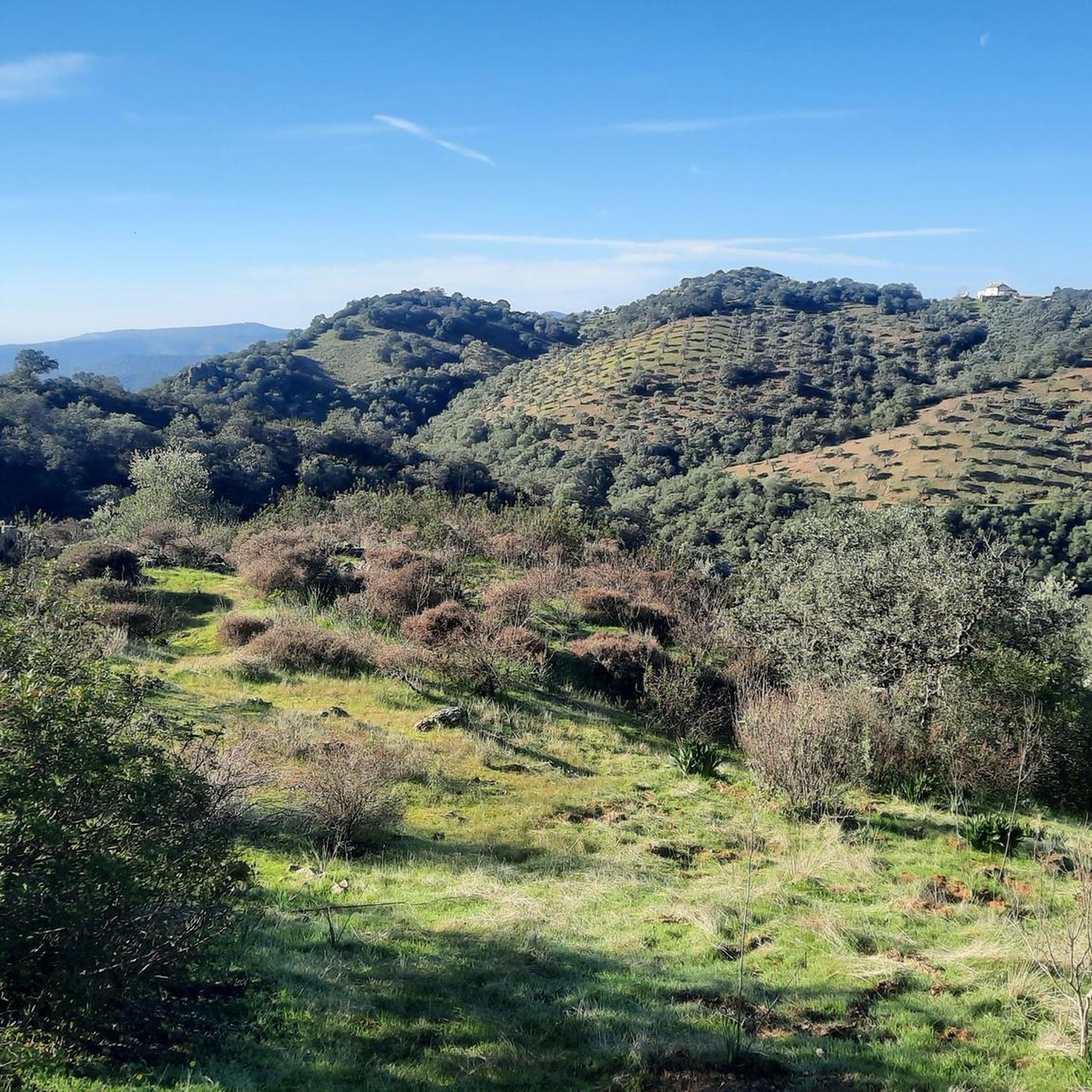
Touring cycling in Suroeste De La Sierra De Cardeña Y Montoro offers diverse landscapes in the northeastern part of Córdoba province. The region features rolling hills, ancient granite formations, and extensive Mediterranean forests, including the characteristic "dehesa" mosaic of holm oak pastures. Towards the eastern and western edges, the landscape becomes more mountainous with deeply incised river valleys. These varied terrains provide a range of experiences for touring cyclists.
Best touring cycling routes in Suroeste De La Sierra De Cardeña…
Last updated: October 28, 2026
79.5km
05:23
1,160m
1,160m
12
riders
89.7km
05:49
1,200m
1,200m
Hard bike ride. Very good fitness required. Mostly paved surfaces.

3.0
(4)
8
riders
45.4km
03:34
580m
580m
Hard bike ride. Very good fitness required. Mostly paved surfaces.
5
riders
25.0km
02:05
370m
370m
Moderate bike ride. Good fitness required. Mostly paved surfaces.
9
riders
38.7km
03:31
470m
470m
Get access to more routes and recommendations from other explorers.
Already have an account?
Our route recommendations are based on thousands of hikes, rides, and runs completed by other people on komoot.
Start today with a free account
Your next adventure awaits.
Popular around Suroeste De La Sierra De Cardeña Y Montoro

Tips from the Community

Cardeña is a town in the north of the province of Córdoba with a population of just over 1,400 inhabitants, at an altitude of 821 meters above sea level. The municipality of this beautiful town includes the small towns of La Venta del Charco and Azuel. The population trend, as in most towns in Spain, has been declining, with a loss of almost 500 inhabitants since 1979. It's worth stopping by its bakeries selling bread and typical local pastries, as well as traditional cured meats, and of course, enjoying a few beers while enjoying its gastronomy.
0
0

Cardeña is a small but historically and naturally important municipality in the region. It is located in the northeast of the province of Córdoba and is part of the Parque Natural Sierra de Cardeña y Montoro, a protected natural area. Cardeña is an ideal place for a break by bike, good food and nature worth seeing. Perfect for a bike tour with a culinary break in picturesque surroundings! The region was sparsely populated for a long time and was strategically used as a border area between Christian and Muslim dominions in the Middle Ages. During the reign of Charles III (1759-1788), Spain encouraged the settlement of remote areas. As a result of this colonization policy, several small villages were created in the Sierra Morena, including Cardeña.
2
0
Aldea del Cerezo, a small, historic settlement in the Parque Natural Sierra de Cardeña y Montoro, offers excellent conditions for exceptional stargazing. The region is part of the Reserva Starlight Sierra Morena, which is known for its exceptionally clear night skies with little light pollution. This award guarantees optimal conditions for nighttime sky observation. The secluded location of Aldea del Cerezo, far from major cities, minimizes light pollution and allows an unobstructed view of the firmament. The surrounding landscape with its rolling hills and open spaces offers ideal vantage points for astronomy enthusiasts. In the area around Aldea del Cerezo, one can not only explore the impressive architecture and history of the settlement, but also take the opportunity to admire the clear night skies and observe the stars in an incomparable setting.
2
0

Municipality located to the east of the province of Córdoba, on the border with Jaén. Most of it is located in the foothills of Sierra Morena, making the Guadalquivir River the border with the countryside. Therefore, the mountains, the river and the countryside are the three elements that determine the landscape. The first is part of the Sierra de Cardeña y Montoro Natural Park, and in it we can find vegetation of holm oaks, wild olive trees, stone and maritime pines and a population of melojo oak, rare in Andalusia. It is also an area of great fauna, hunting and livestock value. The second, which surrounds the town, is the axis of the landscape, life and history of the town; Due to the beauty of the meander, it is also known as the Andalusian Toledo. The third, populated by olive trees, places us in a truly Cordoba environment. The town, with an Iberian, Greek, Roman, and Muslim past, is located on a small elevation that dominates the course of the river that divides it into two neighborhoods, offering an unmistakable image. Declared a Historic-Artistic Site in 1969, it brings together a multitude of attractions and tourist attractions to visit, such as the bridge over the river, the Church of San Bartolomé, the Casa de las Tercias, its steep streets of white houses, or the Torre de Villaverde. Its Holy Week, declared of Tourist Interest, reaches its greatest splendor on the afternoon of Holy Thursday with the presence of the Roman Empire. It is one of the towns included in the Baético Romana Route.
0
0
The Puente de las Donadas or Puente de las Doncellas, is located over the Guadalquivir River and connects the Retamar neighborhood with the rest of the town. Also known as Puente Mayor, it is located in the town of Montoro, Córdoba, and belongs to the Commonwealth of Alto Guadalquivir.
0
0
The Three Eyes Bridge or Iron Bridge is a bridge built by the French engineer Gustave Eiffel. It is located near Villa del Río in the province of Córdoba, Spain, on the A-3101 on the Guadalquivir River.
0
0
Track a few km from Adamuz and that reaches Algallarín. In good conditions, you can ride the Gravel well.
0
0
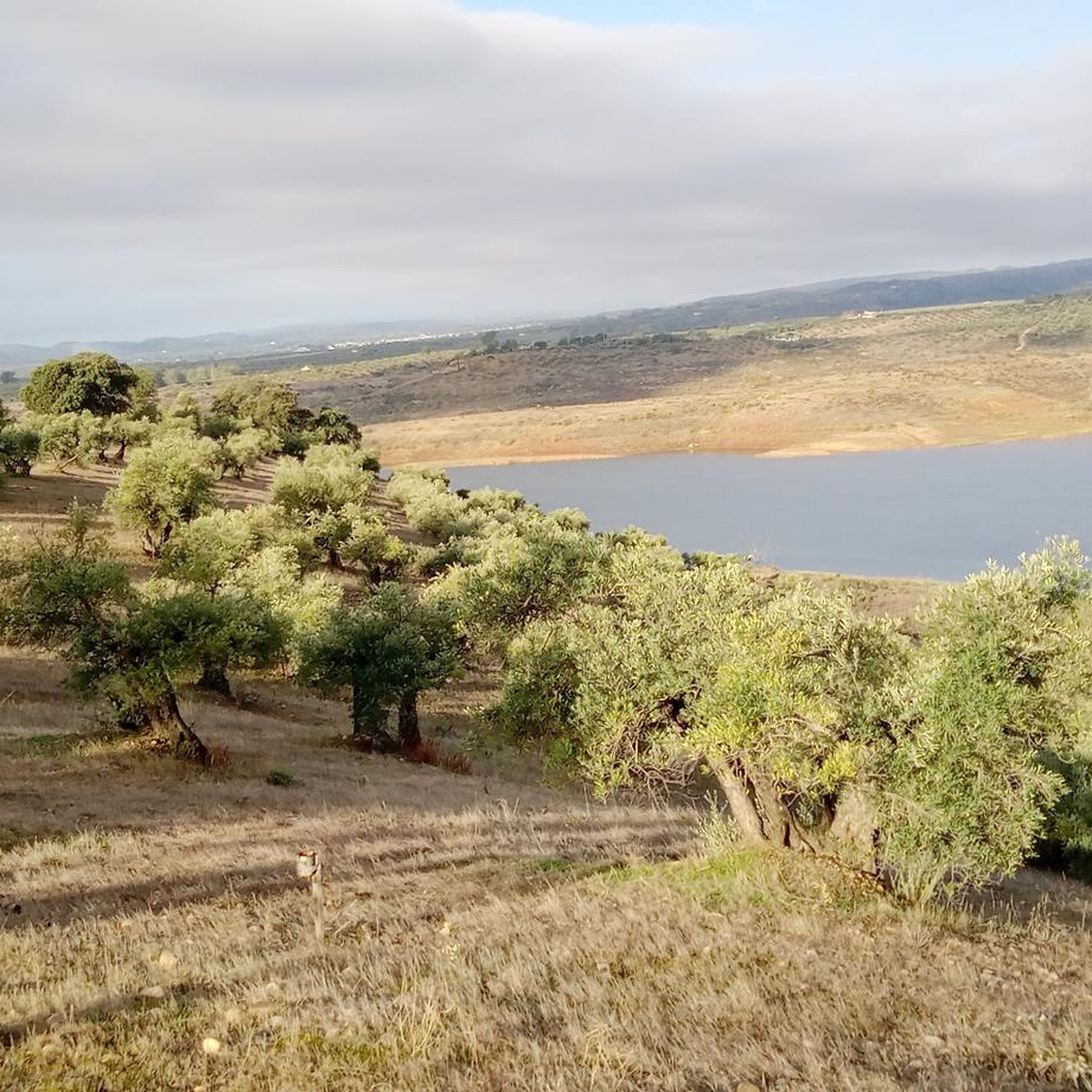
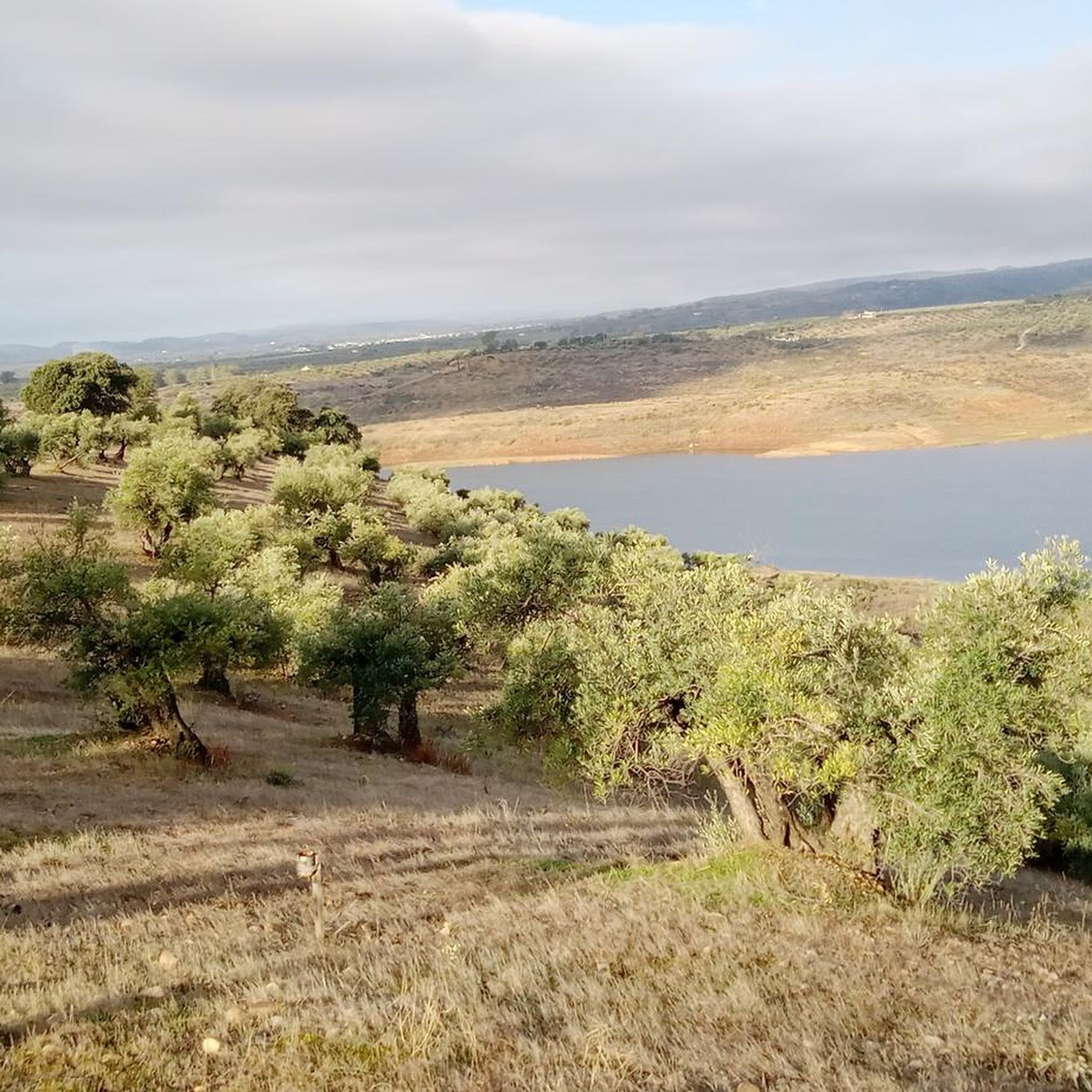
The El Arenoso reservoir regulates the waters of the river of the same name before reaching the Guadalquivir. It is a very recent reservoir, with what this entails for the life of the species that we can find in it. The waters began to fill it around 2007, and by 2010 it already reached levels close to 90%.
0
0
Frequently Asked Questions
What kind of terrain can I expect on touring cycling routes in Suroeste De La Sierra De Cardeña Y Montoro?
The region offers a diverse topography, from rolling hills and ancient granite formations to extensive Mediterranean forests, including the characteristic 'dehesa' landscape of holm oak pastures. Towards the eastern and western edges, particularly along the Yeguas and Arenoso rivers, you'll find more mountainous and rugged terrain with deeply incised valleys. Expect a mix of challenging climbs and scenic descents.
How many touring cycling routes are available in Suroeste De La Sierra De Cardeña Y Montoro?
There are over 50 touring cycling routes documented in Suroeste De La Sierra De Cardeña Y Montoro. These routes cater to various skill levels, with options ranging from easy to difficult, ensuring there's something for every cyclist.
Are there any easy touring cycling routes suitable for beginners or families?
While many routes in the region are moderate to difficult, there is at least one easy touring cycling route available. For a less strenuous experience, look for routes that traverse the flatter sections of the dehesa landscape, which offer charming views without significant elevation gain.
What are some challenging touring cycling routes in the area?
For experienced touring cyclists seeking a challenge, routes like the Sierra de Cardeña y Montoro Natural Park Loop from Montoro offer significant elevation gain over nearly 80 km. Another demanding option is the Montoro – Fountain in Montoro loop from Montoro, which covers almost 90 km with substantial climbs through hilly terrain.
What kind of wildlife can I expect to see while cycling in Suroeste De La Sierra De Cardeña Y Montoro?
The natural park is a vital refuge for diverse fauna. You might spot the critically endangered Iberian lynx, wolves, imperial eagles, golden eagles, and black vultures. Deer, wild boars, and otters are also present. Birdwatching is particularly popular, especially at locations like the Mirador de Aves (Bird Viewpoint) at the Tejoneras Reservoir.
Are there any circular touring cycling routes in the region?
Yes, many routes are designed as loops, allowing you to start and end in the same location. For example, the Fountain in Montoro – Montoro loop from Montoro is a 36.1 km trail that takes you through the dehesa landscape. Another option is the Dehesas de Azuel Loop.
What are the best times of year for touring cycling in Suroeste De La Sierra De Cardeña Y Montoro?
The region experiences hot summers, so spring (March to May) and autumn (September to November) are generally the most pleasant seasons for touring cycling. During these periods, temperatures are milder, and the natural landscapes are vibrant, offering ideal conditions for longer rides.
What do other touring cyclists say about the routes in Suroeste De La Sierra De Cardeña Y Montoro?
The routes in Suroeste De La Sierra De Cardeña Y Montoro are highly rated by the komoot community, with an average score of 4.3 stars from more than 10 reviews. Cyclists often praise the varied topography, the beauty of the dehesa landscapes, and the opportunities to explore the natural park's rich environment.
Are there any notable natural features or landmarks to look out for on the routes?
Absolutely. The region is known for its unique formations of rounded granite blocks, called 'bolos,' and a rare woodland of Pyrenean oak. The Yeguas River valley is considered a natural jewel of Sierra Morena. You can also find scenic spots like the Embalse de Río Yeguas and the Aldea del Cerezo, a rehabilitated rural village perfect for stargazing.
Can I find long-distance touring cycling routes in Suroeste De La Sierra De Cardeña Y Montoro?
Yes, the region offers several long-distance options. For instance, the Hermitage of the Virgen de Luna – Villanueva to Cardeña Trail loop from Villanueva de Córdoba-Los Pedroches is a substantial route covering over 122 km, providing an extensive touring experience through the diverse landscapes.
Are there any visitor centers or information points in the natural park?
Yes, the Venta Nueva Visitor Centre offers exhibits on the park's ecosystems and wildlife, providing valuable information for visitors. It's a great place to learn more about the area before or after your cycling adventures.
What towns are good starting points for touring cycling in the region?
Towns like Montoro and Cardeña are excellent starting points for touring cycling. They offer access to various routes and provide amenities, cultural attractions, and local gastronomy, including Iberian pork products and olive oils, to enhance your trip.
Most popular routes in Suroeste De La Sierra De Cardeña Y Montoro

Get inspired with the komoot mobile app


Explore more
Browse the best Cycling routes in other regions.
