The best road cycling routes in Sierra Pelada Y Rivera Del Aserrador
5.0
(1)
195
riders
8
rides
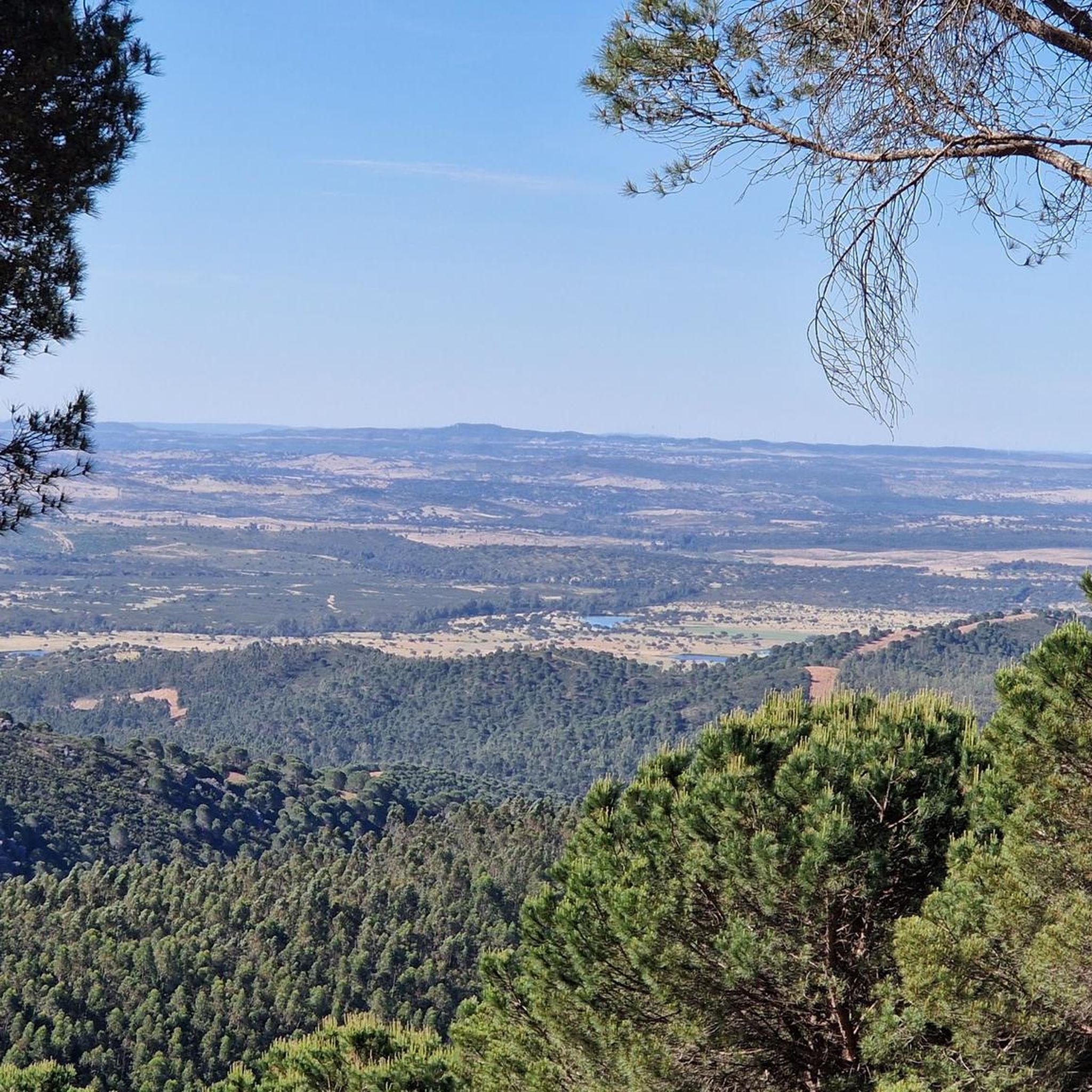
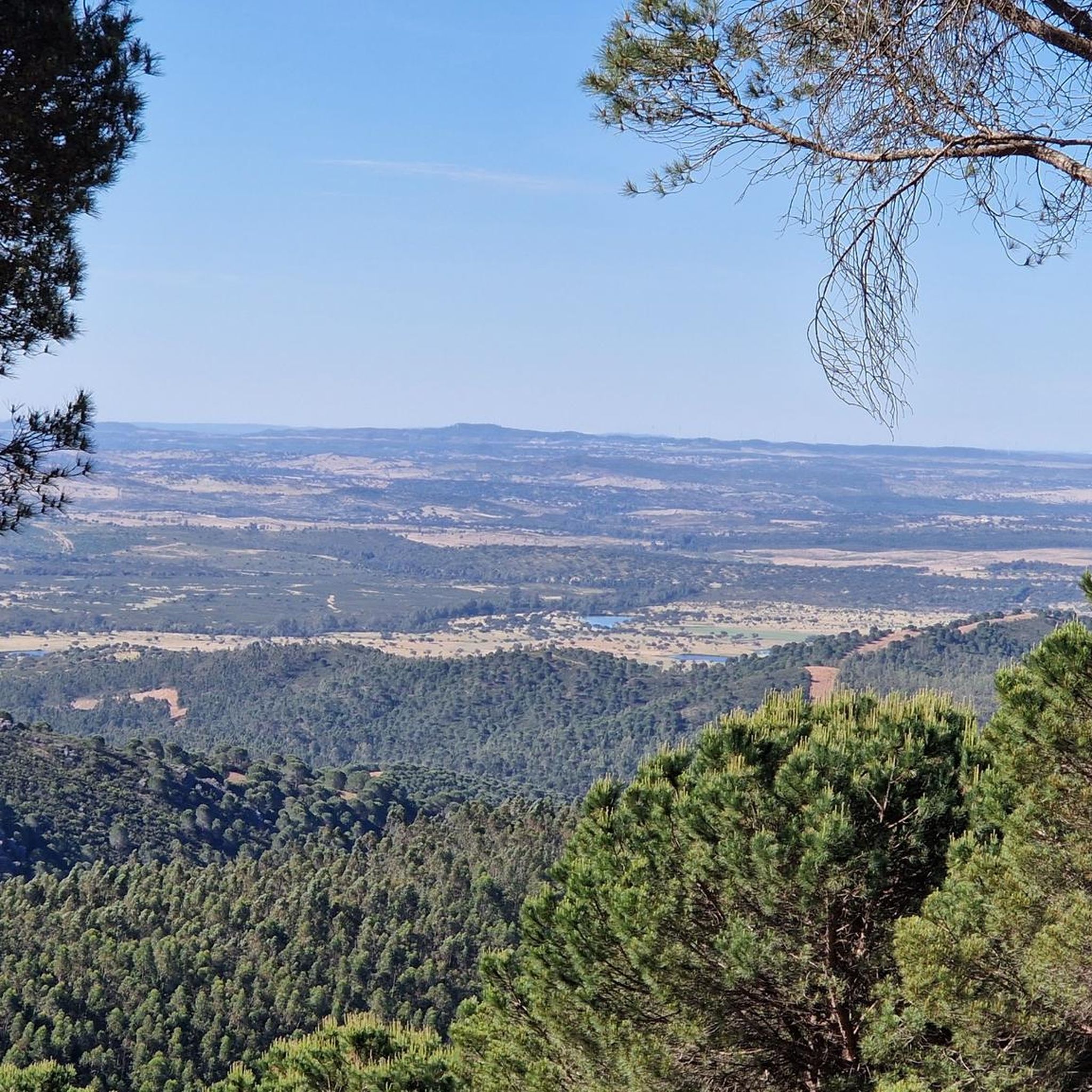
Road cycling routes in Sierra Pelada Y Rivera Del Aserrador traverse a mid-mountain region characterized by varied topography, including vegetation-covered ranges, deep gorges, and riverine forests along the Rivera del Aserrador. The landscape transitions to Portuguese oak forests and pastureland dotted with cork and holm oaks. While the immediate natural park features rugged tracks, the broader Sierra de Huelva region offers road cycling options with a mix of paved and unpaved surfaces.
Best road cycling routes in Sierra Pelada Y…
Last updated: July 10, 2026
4
riders
61.3km
02:46
680m
680m
Moderate road ride. Good fitness required. Mostly well-paved surfaces and easy to ride.
4
riders
87.2km
04:13
1,270m
1,270m
Hard road ride. Very good fitness required. Some segments of this route may be unpaved and difficult to ride.

Sign up for free
3
riders
28.3km
01:17
300m
300m
Easy road ride. Great for any fitness level. Mostly well-paved surfaces and easy to ride.
4
riders
126km
06:36
1,600m
1,600m
Hard road ride. Very good fitness required. Some segments of this route may be unpaved and difficult to ride.
9
riders
Moderate road ride. Good fitness required. Mostly well-paved surfaces and easy to ride.
Get access to more routes and recommendations from other explorers.
Sign up for free
Already have an account?
Our route recommendations are based on thousands of hikes, rides, and runs completed by other people on komoot.
Start today with a free account
Your next adventure awaits.
Login or Signup
Popular around Sierra Pelada Y Rivera Del Aserrador


Tips from the Community

It is an open-pit mine that reached approximately 200 meters in diameter and 180 meters in depth. After mining operations ceased, the quarry filled with water, forming a kind of artificial lagoon that is now one of the most unique landscapes in the area. The mine is called Confesionarios (Confessionals) because of the gossan geological formations that resemble confessionals in churches.
1
0
The flooded Valdelamusa quarry, also known as the Corta de los Confesionarios, is one of the most striking elements of the mining heritage of this district of Cortegana, in the province of Huelva.
1
0
Places of Interest Church of Santa María de Gracia: Late Gothic with Renaissance elements (16th–17th centuries). Hermitage of Nuestra Señora de la Coronada: Built on a Roman necropolis, a center of local devotion. El Morante: A natural viewpoint with Roman remains. Odiel Mills Route: Hiking trails among old flour mills and riverside landscapes. Paseo El Real: A green area along the Odiel River, ideal for relaxing. Fuente García and La Torerera: Charming and refreshing spots.
1
0
Calañas, in the province of Huelva, is a town with a rich mining history, a privileged natural environment, and a deeply rooted culture. Ancient Origins: It was a mining enclave from the Tartessian and Roman periods, with finds at "El Morante" including amphorae, tombstones, and coins. Middle Ages: Under Muslim, then Christian, rule, it passed to the Guzmán family. Livestock farming was the main activity. 19th Century: Mining revived (pyrite, copper, iron, manganese), and the railway arrived in 1886. Calañas reached 12,000 inhabitants in 1910. 20th Century: The closure of mines and subsistence farming led to depopulation. Today, it seeks to revitalize itself through tourism and culture.
1
0

Pretty town near the Portugal-Spain border at the foot of the Ficalho hill that gives the town its name. It can be reached from Rosal de al Frontera (SP) by a picturesque road through the hill that crosses the border.
0
0
This church, built in the 18th century, stands out for its Baroque architecture and impressive bell tower. Inside, you'll find carved wooden altarpieces and frescoes that create an atmosphere of peace and contemplation. In addition to its religious significance, the church is also a center for community and cultural activities. Various religious events and festivals are held here, such as processions and solemn masses in honor of San Isidro Labrador.
2
0

Vila Verde Ficalho has history. It is a village located in the easternmost part of the municipality of Serpa, bordering the Spanish town of Rosal de la Frontera and belonging to the territory known as the Left Bank of the Guadiana. Our people have ancient traditions and historical records that extol them. All the landscape, historical and cultural settings make this border village very special, both for its inhabitants and visitors. Its area measures approximately 10,402,3909 hectares, and the town is flanked by the Ficalho mountain range, which is approximately 518 metres high. Throughout our region, you can see mountains, valleys, hills, dotted with trees, wells and springs. All the archaeological heritage found here reveals bits and pieces of the passage of various peoples through our land, from the Paleolithic era, when man was still a gatherer, to the Neolithic era (3500 BC), to the Visigoths, the Romans (where the city of Finis possibly existed), and the Arab people who left us several customs. The exact date of the founding of our town as a historical place is unknown; hypothetically, it was in the 1940s, in the 13th century, at the end of the reign of D. Sancho II and the beginning of the reign of D. Afonso III. Our people are mainly dedicated to agriculture, although artisanal agriculture is still being seen, new technologies are beginning to be used. There has been a significant decrease in commercial activity, many establishments have been closing and we no longer see, as we once did, clusters of Spanish people. It is worth noting that tourism is likely to increase in this area; in recent months, some have appeared in our town. tourists who have shown a fondness for this small village with an aging population.
2
0

Today's town was created in 1232 as part of the new settlements after the Reconquista under King D. Sancho II. The community is characterized by agriculture, particularly by the striking olive groves. It has always been known for its olive oil, wine and honey. Ficalho's coat of arms shows a honey bee and olive tree branches.
3
1
Frequently Asked Questions
What kind of terrain can I expect on road cycling routes in Sierra Pelada y Rivera del Aserrador?
Road cycling in the broader Sierra de Huelva region, which encompasses Sierra Pelada y Rivera del Aserrador, offers a diverse landscape. You'll encounter mid-mountain ranges, Portuguese oak forests, and pastureland. While the immediate natural park features rugged tracks more suited for mountain biking, the road cycling routes often include a mix of paved and unpaved surfaces, with some offering mostly well-paved options and others requiring good fitness due to significant elevation gains.
Are there any easy road cycling routes suitable for beginners or families?
Yes, there is at least one easy road cycling route. For a more relaxed ride, consider the El Cerro de Andévalo Old Town loop from Valdelamusa. This 28.3 km (17.6 miles) trail leads through local villages and scenic landscapes, typically completed in about 1 hour 17 minutes, making it a good option for those seeking a less strenuous experience.
Where can I find longer road cycling routes in the area?
For longer distances and more challenging rides, you have several options. The Sierra Pelada Natural Park Loop is a demanding 126 km (78.3 miles) route, while the Circular route through Valdemusa, El Cerro de covers 87.2 km (54.2 miles) with significant elevation gains. Another substantial option is the Vila Verde de Ficalho – Santa Bárbara de Casa loop from Vila Verde de Ficalho, which is 91.5 km (56.9 miles).
What is the best time of year for road cycling in Sierra Pelada y Rivera del Aserrador?
The broader Andalusia region, including Sierra Pelada y Rivera del Aserrador, generally offers pleasant cycling conditions outside of the peak summer months. Spring and autumn are ideal, with milder temperatures and less chance of extreme heat. Summers can be very hot, making early morning or late afternoon rides preferable if cycling during this season. Winters are generally mild, though some rain can be expected.
Are there any circular road cycling routes available?
Yes, several routes in the area are circular, allowing you to start and end at the same point. Popular options include the challenging Circular route through Valdemusa, El Cerro de (87.2 km), the moderate Valdelamusa, Cerro de Andévalo, Calañas – circular route (61.3 km), and the easier El Cerro de Andévalo Old Town loop from Valdelamusa (28.3 km). For a very long loop, consider the Sierra Pelada Natural Park Loop (126 km).
What are some notable natural features or viewpoints along the road cycling routes?
While specific viewpoints are not always marked on routes, the region itself is rich in natural beauty. You can expect to see dramatic mid-mountain ranges, lush riverine forests along the Rivera del Aserrador, and areas with Portuguese oak and cork oak trees. The area is also a Special Protection Zone for Birds (ZEPA), so keep an eye out for black vultures and other raptors, especially from higher points.
How many road cycling routes are there in Sierra Pelada y Rivera del Aserrador?
There are 9 road cycling routes available in Sierra Pelada y Rivera del Aserrador, catering to various skill levels from easy to difficult. This includes 1 easy route, 4 moderate routes, and 4 difficult routes.
Are there any advanced or difficult road cycling routes for experienced cyclists?
Yes, experienced cyclists will find challenging routes in Sierra Pelada y Rivera del Aserrador. Two notable difficult routes are the Circular route through Valdemusa, El Cerro de, which is 87.2 km (54.2 miles) with significant elevation gains, and the Sierra Pelada Natural Park Loop, a demanding 126 km (78.3 miles) ride with substantial climbing.
What is the average duration for road cycling routes in this region?
The duration of road cycling routes varies significantly depending on the distance and difficulty. For example, an easy route like the El Cerro de Andévalo Old Town loop from Valdelamusa can be completed in about 1 hour 17 minutes. Moderate routes, such as the Valdelamusa, Cerro de Andévalo, Calañas – circular route, typically take around 2 hours 45 minutes. Longer, more difficult routes can extend to 4 hours or more, with the Sierra Pelada Natural Park Loop taking approximately 6 hours 35 minutes.
What do other road cyclists enjoy the most about road cycling in Sierra Pelada y Rivera del Aserrador?
The komoot community highly rates the road cycling experience in Sierra Pelada y Rivera del Aserrador. Cyclists often praise the varied terrain, which offers a good balance of challenge and scenic beauty. The quiet roads and diverse landscapes, from mid-mountain ranges to oak woodlands, are frequently highlighted as key attractions, providing an engaging and immersive ride.
Are there any specific villages or towns that serve as good starting points for road cycling?
Based on the available routes, villages like Valdelamusa and El Cerro de Andévalo appear to be common starting points or pass-through locations for road cycling. These smaller forest villages offer a glimpse into local culture and provide access to the natural surroundings, making them convenient hubs for your cycling adventures.
Most popular routes in Sierra Pelada Y Rivera Del Aserrador

Get inspired with the komoot mobile app


Explore more
Browse the best Road cycling routes in other regions.
