The best cycling routes in Tablas De Daimiel
5.0
(2)
117
riders
21
rides
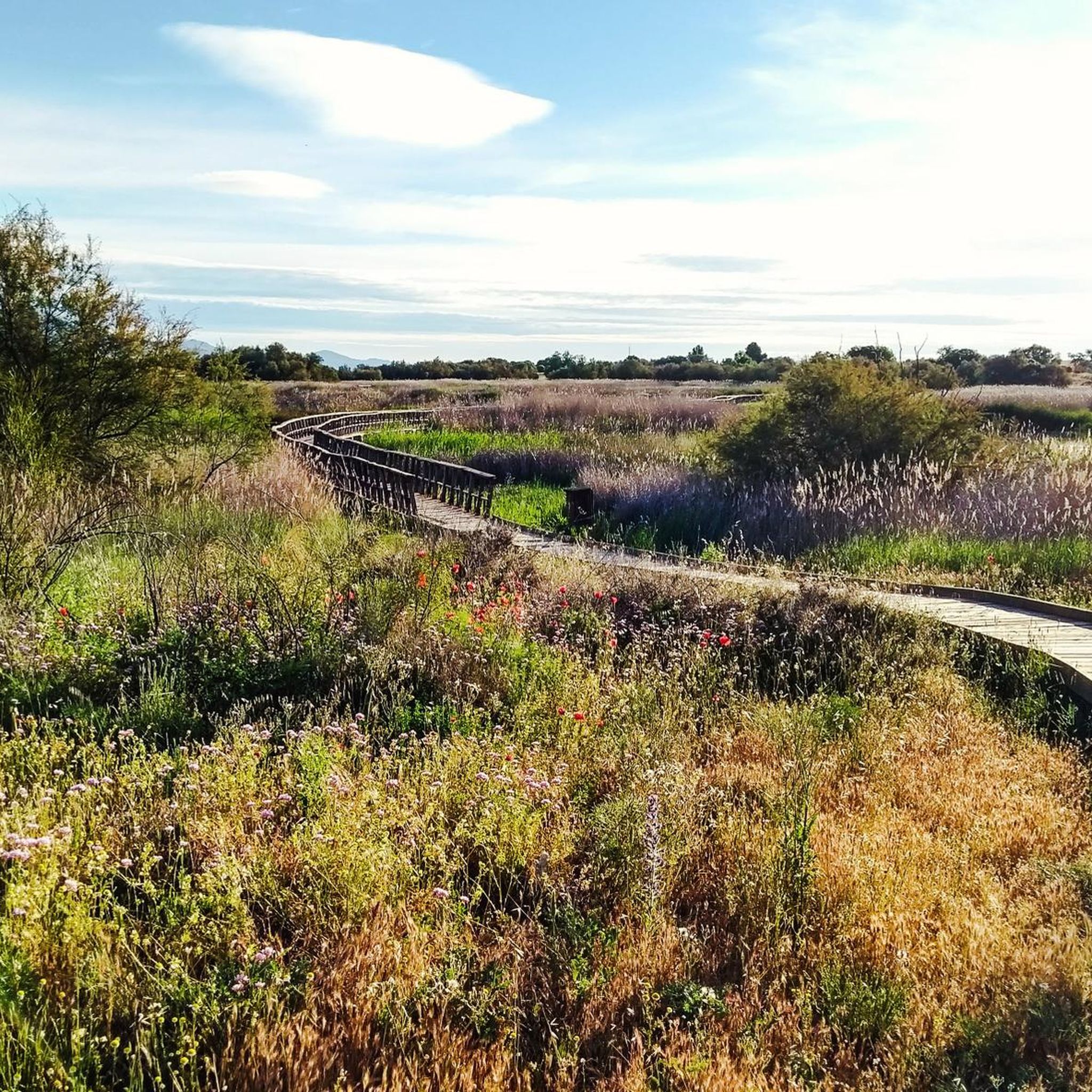
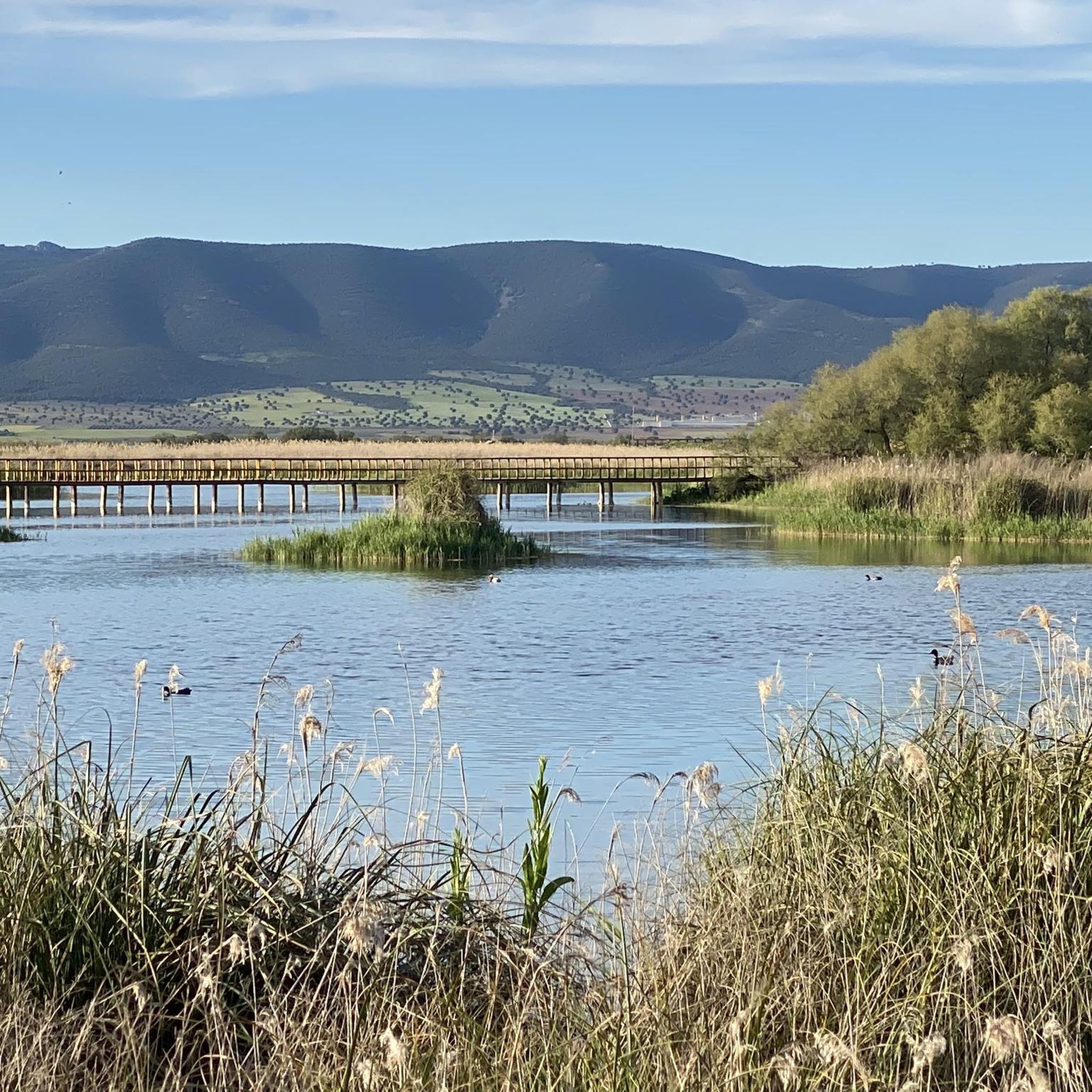
Touring cycling in Tablas De Daimiel offers routes through a unique wetland ecosystem, characterized by flat terrain and a network of "river tables." This semi-arid region features a landscape of islands connected by walkways, surrounded by aquatic plants and tamarisks. The generally flat paths make the area highly suitable for cycling, providing accessible routes through its distinctive natural environment.
Best touring cycling routes in Tablas De Daimiel
- The most popular touring cycling route is Parque Nacional Tablas de Daimiel —…
Last updated: July 1, 2026
3
riders
25.6km
01:51
120m
120m
Easy bike ride. Great for any fitness level. Mostly paved surfaces. Suitable for all skill levels.
58.8km
04:03
160m
160m
Moderate bike ride. Good fitness required. Mostly paved surfaces. Suitable for all skill levels.

Sign up for free
10
riders
Hard bike ride. Very good fitness required. Mostly paved surfaces. Suitable for all skill levels.
8
riders
Hard bike ride. Very good fitness required. Mostly paved surfaces. Suitable for all skill levels.
7
riders
56.1km
04:20
1,070m
1,070m
Hard bike ride. Very good fitness required. Mostly paved surfaces. Suitable for all skill levels.
Get access to more routes and recommendations from other explorers.
Sign up for free
Already have an account?
Our route recommendations are based on thousands of hikes, rides, and runs completed by other people on komoot.
Start today with a free account
Your next adventure awaits.
Login or Signup
Tips from the Community

Nature and trails Sierra de Madridejos (Valdehierro) Hiking and cycling among holm oaks, rockroses, and pine forests. Cerro Calderón viewpoint with spectacular views.
5
0
This municipality is located in the La Mancha region, between the first foothills of the Montes de Toledo and the vast La Mancha plain. It is known for its cultural and natural heritage, including the Ojos del Guadiana site, the source of the Guadiana River. It also shares the Tablas de Daimiel National Park, an important wetland, with the neighboring municipality of Daimiel. Villarrubia de los Ojos has a rich history dating back to the Middle Ages, when control of the territory passed from the Order of Saint John of Jerusalem to the Order of Calatrava after the Battle of Las Navas de Tolosa in 1212. The town also boasts an interesting architectural and cultural heritage, including the Hermitage of San Cristóbal and the "San Isidro Labrador" Ethnographic Museum.
15
0
Villarrubia de los Ojos is a charming place to visit! Historic Center: Stroll through its streets and discover the traditional architecture and history of the town. San Isidro Labrador Ethnographic Museum: Learn more about local culture and traditions. Tablas de Daimiel National Park: Just 20 km away, this wetland is perfect for nature lovers. Sanctuary of the Virgin of the Sierra: A place of great religious and cultural significance.
18
0
Fuente El Fresno combines natural beauty with rich ancient history. Its crystalline water source has been considered a treasure since ancient times and is believed to have been used by ancient civilizations as a sacred place of worship and purification. Visitors can enjoy a peaceful atmosphere while exploring the mysteries and legends that surround this municipality. If you are planning a visit, you will surely enjoy exploring this hidden gem of Castilla-La Mancha! 😊
7
0
The parish was built in the 17th century and is the most famous building in Fuente el Fresno. It is built on the side of the mountain and has a double function: religious and defensive. The temple is mainly made of masonry, although some corners of the façade have been reinforced with brick. Inside the temple, you can find the image of Santa Quiteria and a baroque main altarpiece. In addition, it houses crosses of military orders, reflecting its history and relevance in the community. I hope this information is useful to you!😊
19
0
The name Fuente el Fresno comes from a fountain located on a hillside above the old Roman road that links Toledo with Córdoba. Houses have been built along its route since an undetermined date. Its 17th century Parish Church of Santa Quiteria stands out as a place of interest. Declared a Historic-Artistic Monument in 1991.
8
0

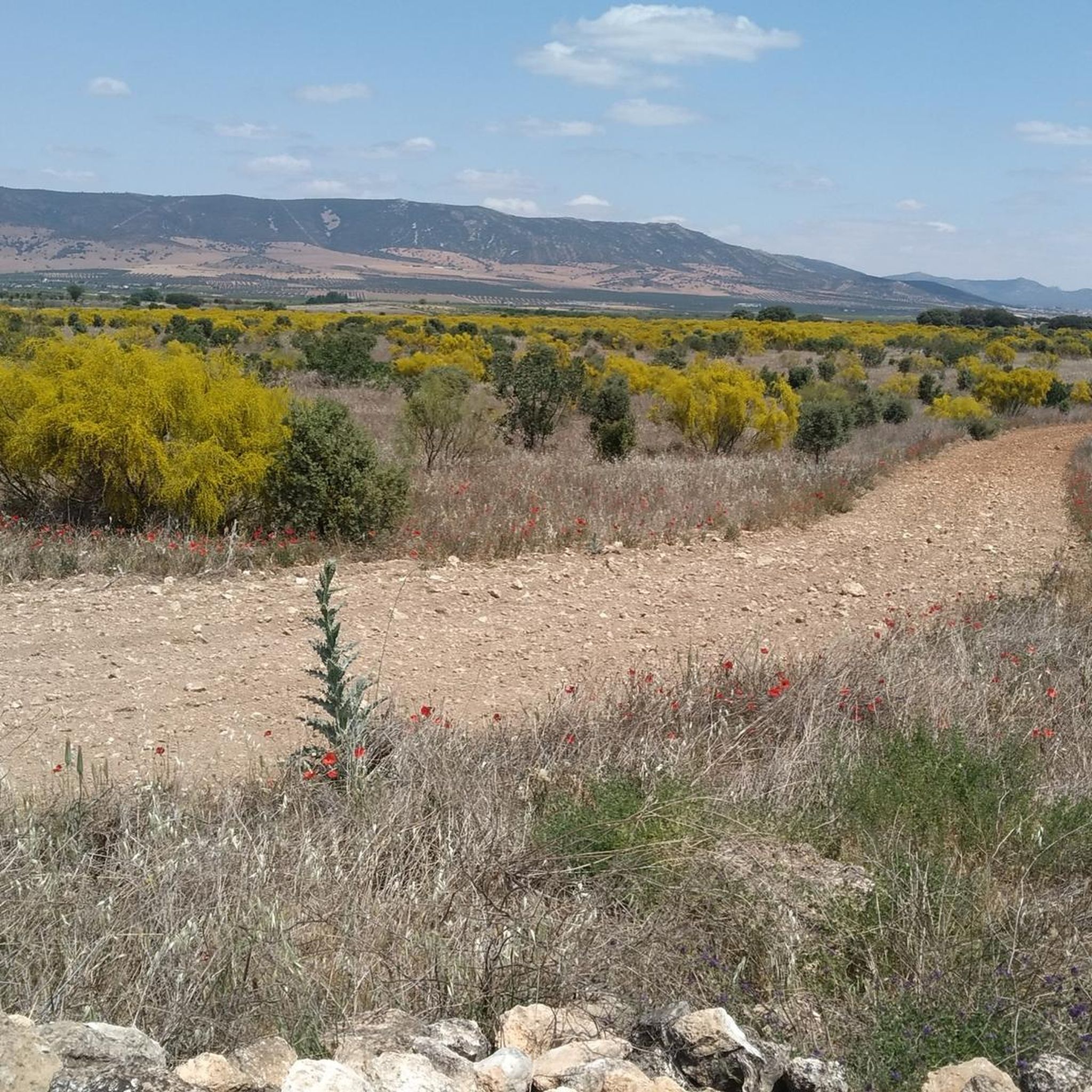
Next to the Morrón de Enmedio mountain we find this road that winds through these forests in what is called the Sierra del Reventón.
1
0
It's a shame, but today it's practically dry, apart from part of the 2nd viewpoint, one km away.
23
0
Frequently Asked Questions
How many touring cycling routes are available in Tablas De Daimiel?
There are over 20 touring cycling routes in Tablas De Daimiel, offering a variety of options for different fitness levels. These include 4 easy routes, 8 moderate routes, and 8 difficult routes.
What is the general terrain like for cycling in Tablas De Daimiel?
The terrain in Tablas De Daimiel is generally flat, making it highly suitable for touring cycling. The landscape is characterized by a unique wetland ecosystem with 'river tables,' flooded meadows, and a labyrinth of islands connected by walkways. While mostly flat, some routes may offer varied terrain with gentle ascents, particularly those extending beyond the core wetland area.
What kind of natural features and landmarks can I expect to see along the cycling routes?
Cycling routes in Tablas De Daimiel offer views of its unique wetland ecosystem, including aquatic plants and tamarisks. You can also explore historical sites like old hydraulic mills. Notable natural features and viewpoints include the Tablas de Daimiel National Park itself, various observation points, and the Acclimatization Lagoon, which is excellent for birdwatching.
Are there any easy or beginner-friendly touring cycling routes in Tablas De Daimiel?
Yes, Tablas De Daimiel offers several easy routes perfect for beginners or those seeking a relaxed ride. One such route is the Molemocho Mill – Molino de Melocho loop from Villarrubia de los Ojos, which is 32.2 km long and features minimal elevation gain, making it a comfortable option to explore the area.
Are there circular cycling routes available in Tablas De Daimiel?
Yes, many of the touring cycling routes in Tablas De Daimiel are circular, allowing you to start and end at the same point. An example is the Parque Nacional Tablas de Daimiel — circular from Villarubia de los Ojos, a 58.8 km route that explores the core wetland landscape.
What is the best time of year to go touring cycling in Tablas De Daimiel?
The park is located in the semi-arid La Mancha region, so spring and autumn generally offer the most pleasant temperatures for cycling. These seasons provide comfortable weather for exploring the flat paths and enjoying the photogenic views, especially at sunset, without the intense heat of summer.
Can I spot wildlife while cycling in Tablas De Daimiel?
Absolutely. Tablas De Daimiel is a vital sanctuary for over 200 species of birds, making it an excellent location for birdwatching. Cyclists can stop at numerous wildlife observatories strategically placed along the routes to spot aquatic birds. The unique wetland ecosystem supports a rich array of flora and fauna.
Are there any family-friendly cycling options in Tablas De Daimiel?
The generally flat terrain and network of accessible paths make Tablas De Daimiel suitable for family cycling. Easy, circular trails like the popular Isla del Pan (Bread Island) Route, though not explicitly listed as a komoot tour here, are ideal for families. Look for routes marked as 'easy' in the komoot guide for suitable options.
What do other touring cyclists enjoy the most about touring cycling in Tablas De Daimiel?
The area is highly rated by the komoot community, with an average score of 5.0 stars. Reviewers often praise the unique wetland ecosystem, the peaceful scenery, and the accessibility of the flat paths, which make for a tranquil and nature-rich cycling experience.
How long does it typically take to complete a touring cycling route in Tablas De Daimiel?
The duration varies depending on the route's length and your pace. For example, the Parque Nacional Tablas de Daimiel — circular from Villarubia de los Ojos, which is 58.8 km, typically takes around 4 hours 2 minutes. Shorter routes, like the 32.2 km Molemocho Mill – Molino de Melocho loop, can be completed in about 1 hour 55 minutes.
Where can I find parking for cycling routes in Tablas De Daimiel?
While specific parking locations for each route are not detailed here, the main access points to the Tablas de Daimiel National Park and surrounding towns like Villarrubia de los Ojos typically offer parking facilities. It's advisable to check local information for designated parking areas near the park entrances or trailheads.
Are there any challenging touring cycling routes for experienced cyclists?
Yes, for experienced cyclists seeking more challenge, there are difficult routes available. An example is the Villarrubia de los Ojos – Puerto de los Santos loop from Villarrubia de los Ojos, a 49.8 km path with significant elevation changes, providing varied terrain and panoramic views of the surrounding semi-arid region.
Most popular routes in Tablas De Daimiel
Most popular attractions in Tablas De Daimiel

Get inspired with the komoot mobile app


Explore more
Browse the best Cycling routes in other regions.
