The best road cycling routes in Penyagolosa
99
riders
6
rides
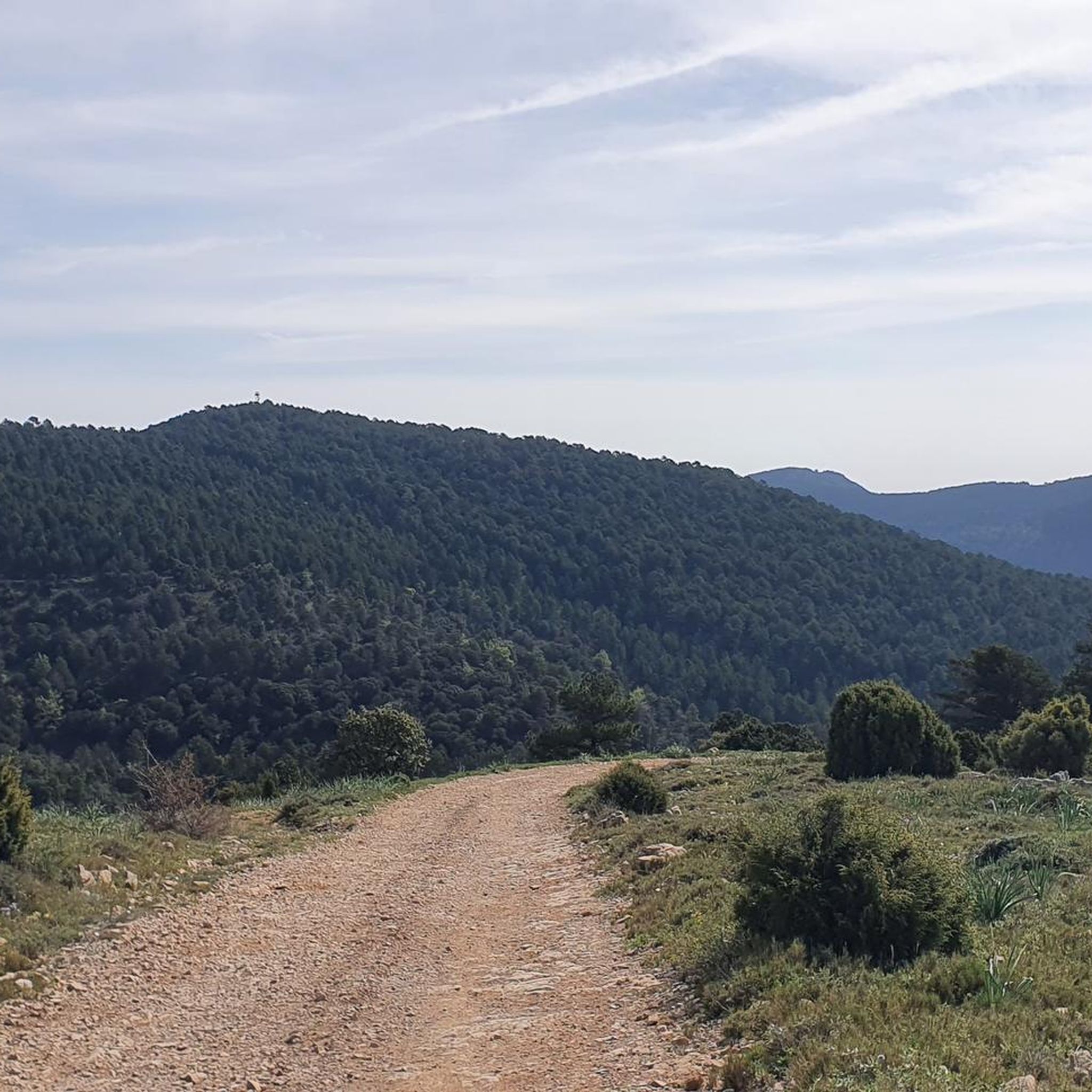
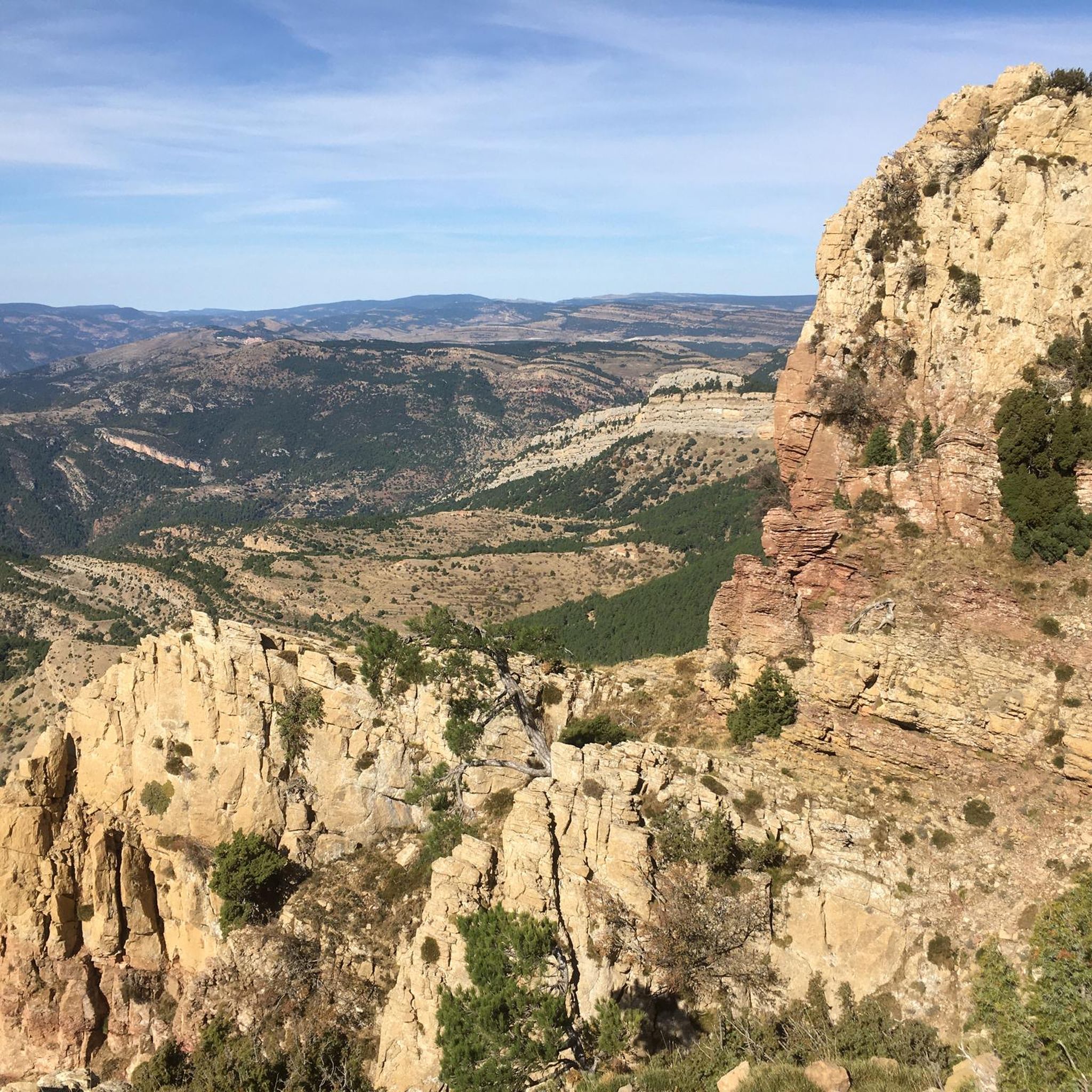
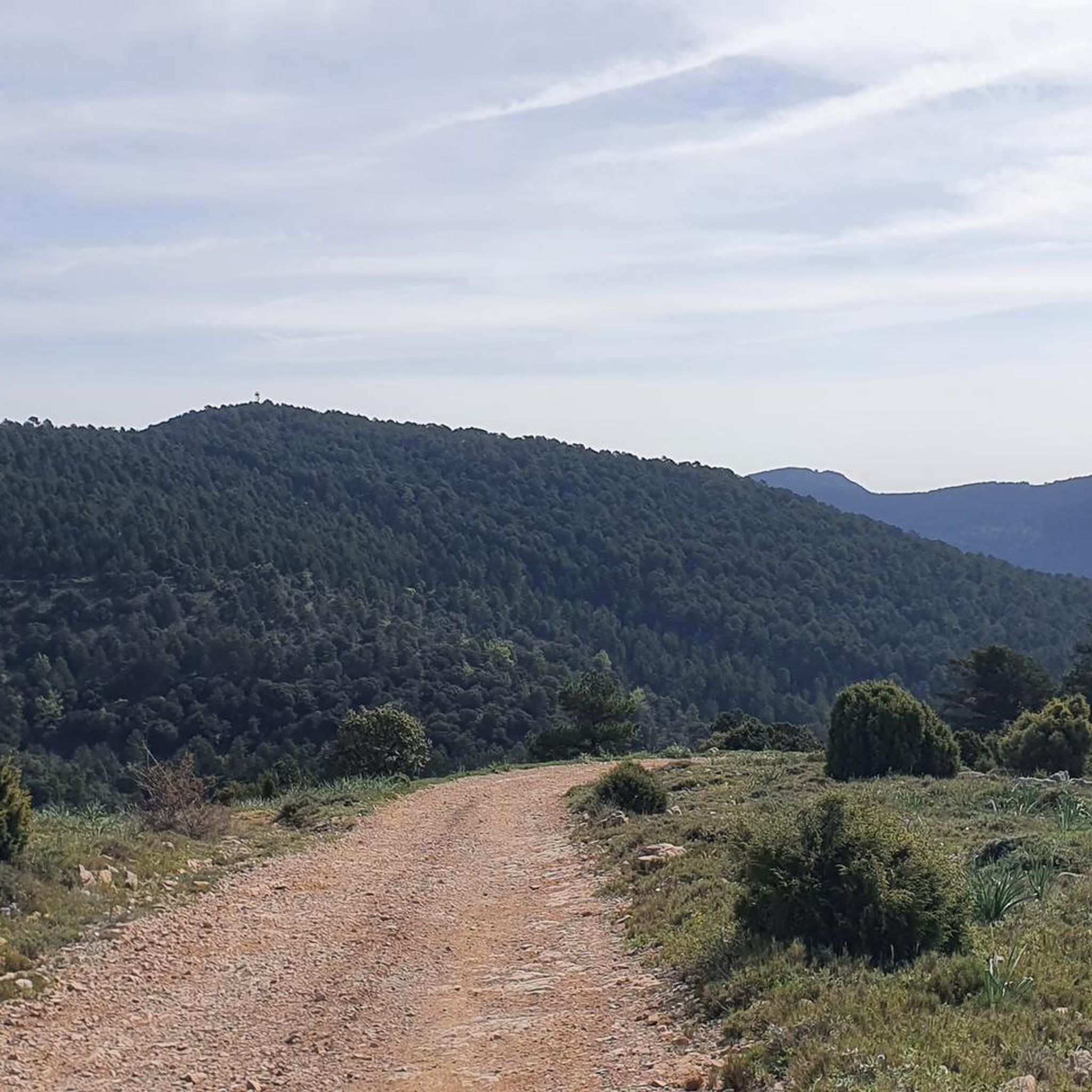
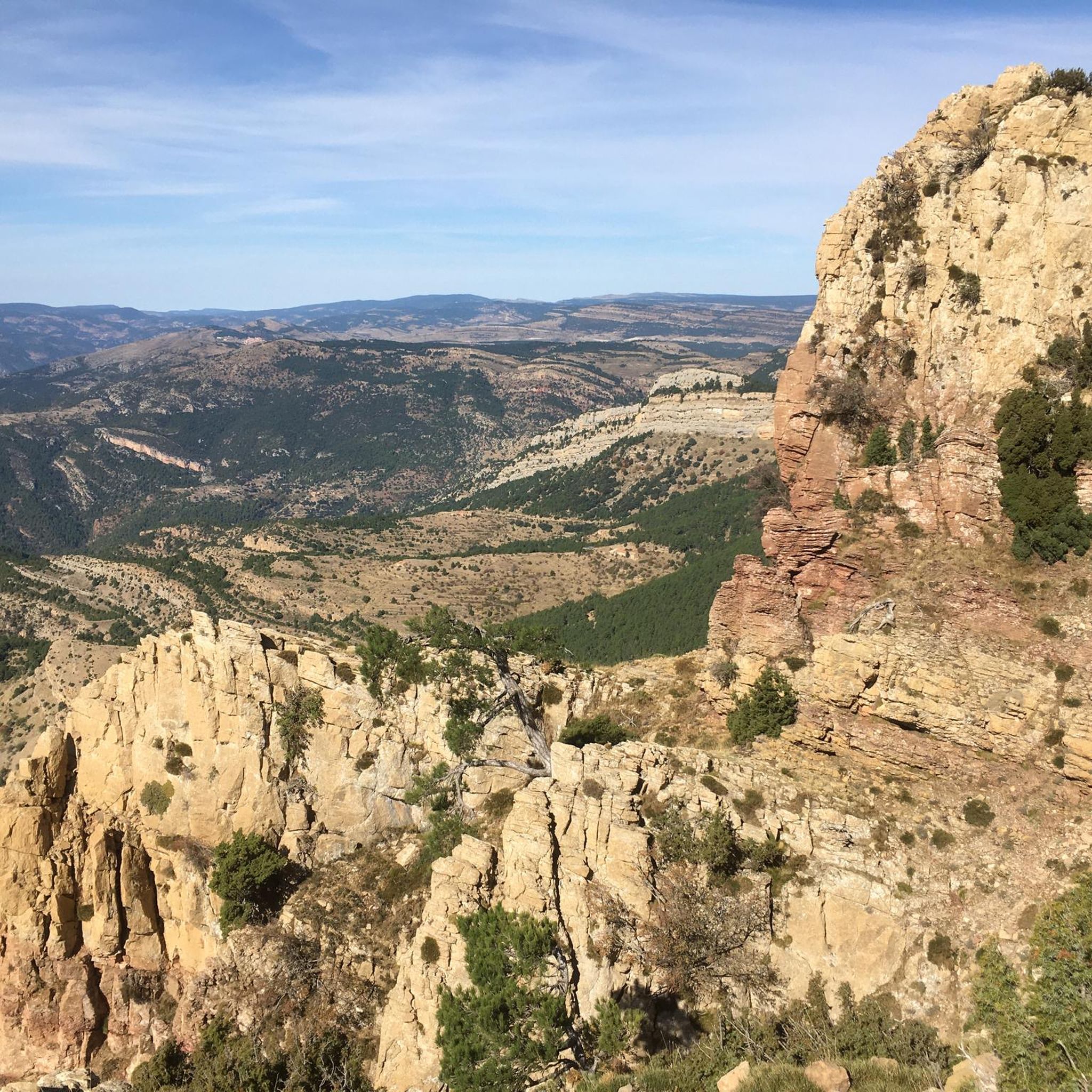
Road cycling in Penyagolosa offers challenging terrain within the Penyagolosa Natural Park, characterized by rugged limestone formations, deep gorges, and karstic plateaus. The region features extensive woodlands with black pines, Scots pines, and Pyrenean oaks, providing varied scenery. Routes often include significant elevation gains, with some passes reaching over 1,800 meters. The area's network of secondary roads provides an authentic cycling experience through its natural surroundings.
Best road cycling routes in Penyagolosa
- The most popular road cycling route is Xodos…
Last updated: May 16, 2026
3
riders
79.7km
04:37
1,830m
1,830m
Hard road ride. Very good fitness required. Mostly well-paved surfaces and easy to ride.
46
riders
Hard road ride. Very good fitness required. Mostly well-paved surfaces and easy to ride.

Sign up for free
27
riders
52.6km
03:04
1,270m
1,280m
Hard road ride. Very good fitness required. Mostly well-paved surfaces and easy to ride.
14
riders
98.7km
04:55
1,560m
1,560m
Hard road ride. Very good fitness required. Mostly well-paved surfaces and easy to ride.
7
riders
40.4km
01:58
560m
560m
Moderate road ride. Good fitness required. Mostly well-paved surfaces and easy to ride.
Our route recommendations are based on thousands of hikes, rides, and runs completed by other people on komoot.
Start today with a free account
Your next adventure awaits.
Login or Signup
Popular around Penyagolosa
Tips from the Community

Beautiful little town in the middle of the mountains
0
0

La Iglesuela del Cid is a town brimming with character, located in the heart of the Maestrazgo region of Teruel at an altitude of over 1,200 meters. Its historic center preserves a distinct medieval atmosphere with remains of walls, gateways, and stately mansions such as the Matutano-Daudén Palace, now an inn. Also noteworthy are the Church of the Purificación and the Sanctuary of the Virgen del Cid, both linked to the tradition of El Campeador. Cycling through its cobbled streets and surrounding countryside allows you to discover the dry-stone architecture typical of the area, with old huts and walls that still mark the landscape.
1
0

Chodos (in Valencian Xodos) is a municipality in the region of Alcalatén (Castellón). In the center of the town is its castle, of which only the remains of a tower and walls remain.
1
0

Municipality of the Alt Maestrat region, in the province of Castellón (Valencian Community). It is located in the middle of the Penyagolosa massif, limiting to the north with the province of Teruel. The origin of this population is Muslim, since Vistabella belonged to the castle of Culla. Vistabella has witnessed numerous historical events, such as the battle in 1812 against General Suchet during the Spanish war of independence, or important episodes of the Carlist wars, becoming the headquarters of the newspaper printing company of the time such as "Vanguardia". or "Flyer of War". Of its heritage, its castle stands out, of which a tower remains and part of the wall and the church of the Assumption, from the 17th century, one of the most important samples of Renaissance art in the Valencian territory. Part of the wall and two of the four entrances to the nucleus, the Forn and San Roc portals, have been preserved. Another important architectural sample is the palace house of Polo, from the 18th century, the prison and palace of King Pedro the Ceremonious, from the 14th century, the hermitage of San Antonio, from the 18th century.
1
0
Municipality of the Alto Maestrazgo region, in the province of Castellón (Valencian Community). The place name comes from Arabic, and refers to the Berber tribe of the Zenatas. The abundant archaeological remains of the place explain its long history, from Iberian ceramics to the Arab castle and medieval walls. The remains of the medieval walls and the castle of Adzaneta, or the Torre de la Presó, form part of its cultural heritage. The current town hall, formerly a hospital and Palace of the Commander of the Setena Culla during the 16th century, is also a historic building.
0
0
Population of the Alcalatén region, in the province of Castellón (Valencian Community), very popular as a hiking and cycling destination, due to its proximity to the Penyagolosa National Park. The origin of Xodos is Arab, and after the Reconquest, King Jaume I granted the lordship to the Aragonese nobleman Ximén de Urrea. The cultural heritage of Xodos includes the parish church of San Pedro Mártir, from the 17th century, which has a nave with three altars and a bell tower, and the castle and walls of Xodos. It is believed that the whole municipality was surrounded by a wall, of which now only the tower of homage remains. The geographical location of Xodos, perched on a rock mass on a precipice above the Alcalatén river valley, was of great strategic importance. The fortification allowed the defense of one of the natural routes that communicated with Aragon.
0
0

Frequently Asked Questions
What is the general difficulty level of road cycling routes in Penyagolosa?
Road cycling in Penyagolosa is known for its challenging terrain. Most routes feature significant elevation gains, with 5 out of the 6 routes listed in this guide being classified as difficult. You can expect demanding climbs and rewarding descents through the region's rugged landscapes.
Are there any moderate road cycling routes for less experienced riders?
Yes, while most routes are challenging, there is one moderate option: the Puertomingalvo – Puertomingalvo Pass loop from Puertomingalvo. This route covers 40.4 km with an elevation gain of 560 meters, offering a less strenuous but still scenic experience.
What kind of natural features and landscapes can I expect to see while cycling in Penyagolosa?
Penyagolosa offers diverse and striking landscapes. You'll cycle through extensive woodlands featuring black pines, Scots pines, Pyrenean oaks, and holm oaks. The terrain includes rugged limestone formations, deep gorges, and karstic plateaus, with panoramic views from higher altitudes, especially from the Penyagolosa peak itself.
What are some notable landmarks or attractions along the road cycling routes?
Cyclists can explore several significant points of interest. The historic Sant Joan de Penyagolosa Sanctuary is a well-known pilgrimage destination. You might also encounter natural highlights like the Barranc de la Pegunta forest or the challenging Canal Ascent in Parc Natural de Penyagolosa.
What is the best time of year to go road cycling in Penyagolosa?
The higher altitudes of Penyagolosa experience a more continental climate. Generally, spring and autumn offer the most pleasant conditions for road cycling, with milder temperatures and vibrant scenery. Summers can be warm, especially at lower elevations, while winters can bring colder temperatures and potential snow at higher passes.
Are there any family-friendly road cycling options in Penyagolosa?
Given the challenging terrain and significant elevation gains characteristic of Penyagolosa, most road cycling routes are geared towards experienced riders. The region's routes are often comparable to stages of the 'Volta Castelló,' making them less suitable for casual family outings with young children. However, the moderate route from Puertomingalvo could be an option for families with older, experienced cycling members.
What are the longest and most challenging road cycling routes in the area?
One of the most demanding routes is the Puertomingalvo Pass – Puerto de Linares loop from Castillo de Villamalefa, which spans 115.2 km and features an impressive 2,666 meters of elevation gain. Another challenging option is the Xodos – Atzeneta del Maestrat loop from Xodos, covering 79.7 km with 1,833 meters of ascent.
Are there any circular road cycling routes available?
Yes, many of the road cycling routes in Penyagolosa are designed as loops, allowing you to start and finish in the same location. Examples include the Vistabella del Maestrat – Atzeneta del Maestrat loop from Vistabella del Maestrat and the Puertomingalvo Pass – Iglesuela del Cid loop from Puertomingalvo.
What amenities can I find near the road cycling routes in Penyagolosa?
The villages scattered throughout the Penyagolosa region, such as Vistabella del Maestrat, Xodos, and Puertomingalvo, offer basic amenities. You can typically find cafes, pubs, and accommodation options in these towns, providing opportunities for refreshments and overnight stays during your cycling tours.
Is parking available near the starting points of the road cycling routes?
While specific parking information for each route is not detailed, the villages that serve as starting points for these routes, such as Xodos, Castillo de Villamalefa, Vistabella del Maestrat, and Puertomingalvo, generally offer parking facilities. It's advisable to check local parking regulations upon arrival.
What do other road cyclists appreciate most about cycling in Penyagolosa?
Road cyclists frequently praise Penyagolosa for its authentic cycling experience through unique natural surroundings. The combination of arduous climbs, sweeping downhill sections, and breathtaking vistas from high passes like El Vidre and Vistabella makes it a rewarding destination for those seeking an adventurous and challenging ride.
Can I bring my dog on the road cycling routes in Penyagolosa?
While the Penyagolosa Natural Park is generally welcoming to visitors, road cycling routes are primarily on paved roads and are not typically designed for accompanying dogs. If you plan to bring a dog, it's best to ensure they are comfortable with the distance and pace, and always adhere to park regulations regarding pets, especially in natural areas.
Most popular attractions in Penyagolosa

Get inspired with the komoot mobile app


Explore more
Browse the best Road cycling routes in other regions.
