Attractions and Places To See in Sotos Y Riberas Del Ebro - Top 12
Best attractions and places to see in Sotos Y Riberas Del Ebro encompasses a protected natural area along the Ebro River, primarily in La Rioja and parts of Aragon. This region is characterized by its significant riparian forests, known as sotos, and unique fluvial ecosystems like galachos, which are old meanders of the Ebro. It serves as a vital habitat for diverse wildlife and offers opportunities to explore well-preserved natural landscapes.
Best attractions and places to see in Sotos Y…
Last updated: October 30, 2026
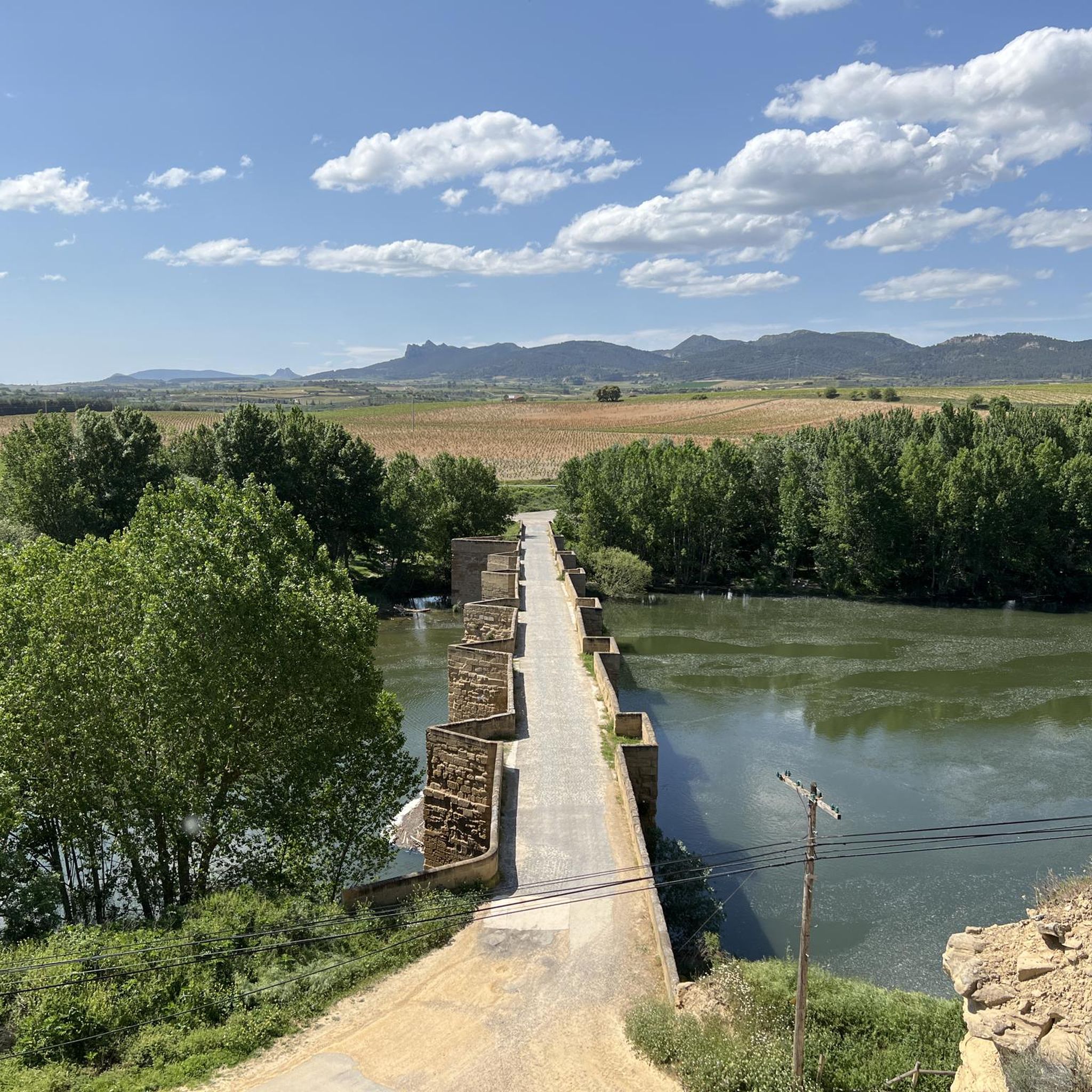
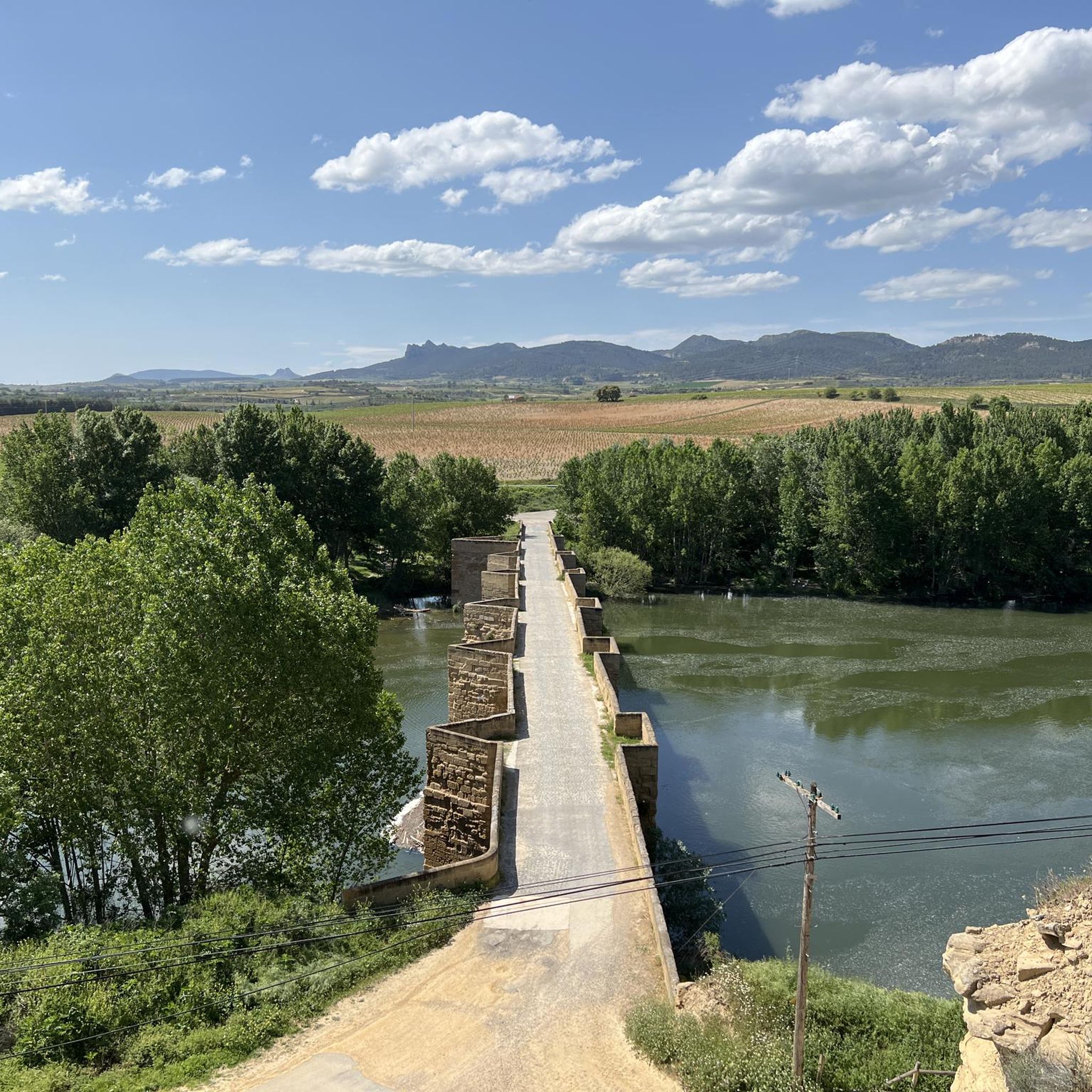
Briñas Bridge over the Ebro River
Highlight • Bridge
Translated by Google •
Tip by

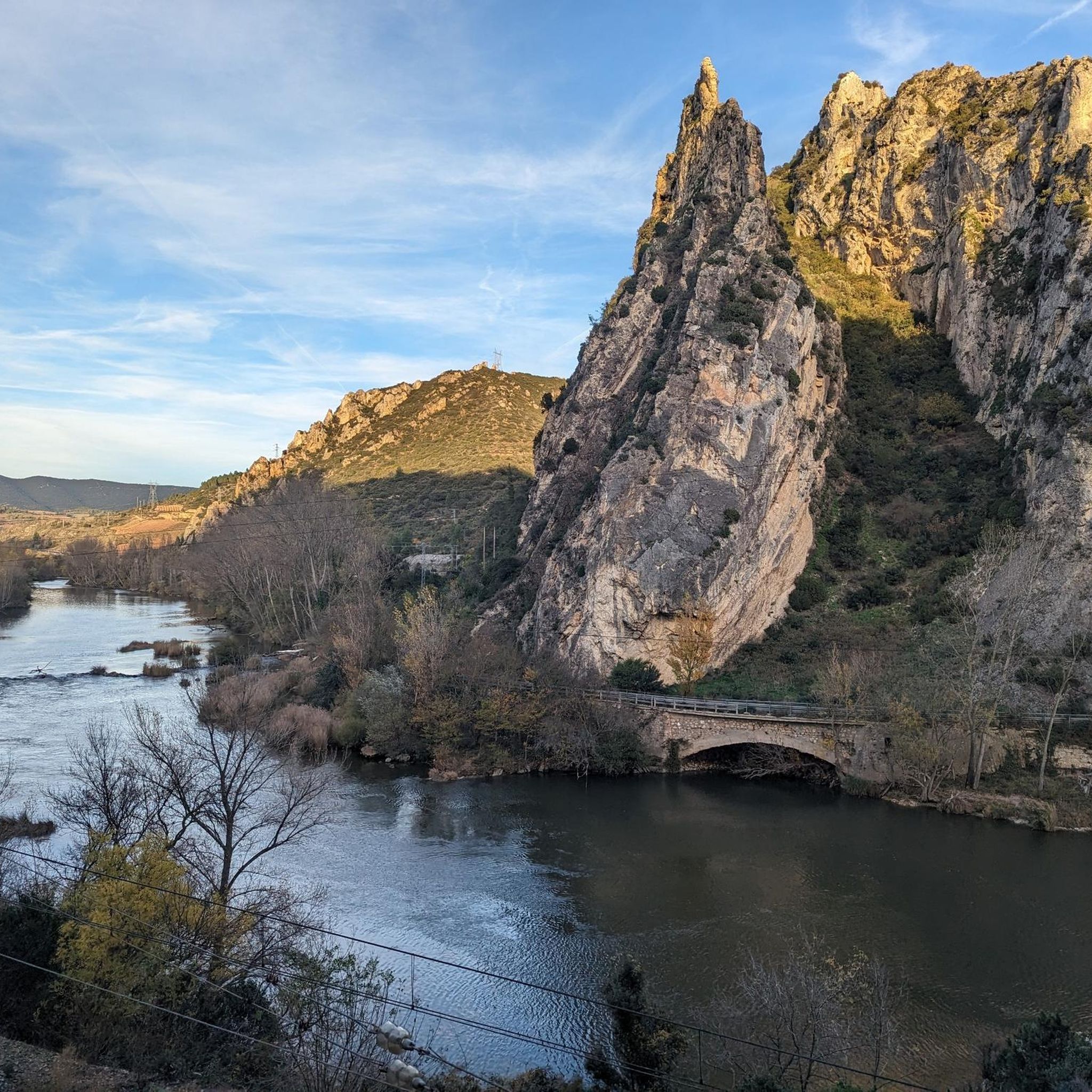
Canal tunnel by the Ebro
Highlight • Bridge
Translated by Google •
Tip by

Sign up now to discover places like this
Get recommendations on the best single tracks, peaks, & plenty of other exciting outdoor places.
Scenic stretch along the Ebro River
Highlight (Segment) • River
Translated by Google •
Tip by

The Castle
Highlight • Historical Site
Translated by Google •
Tip by
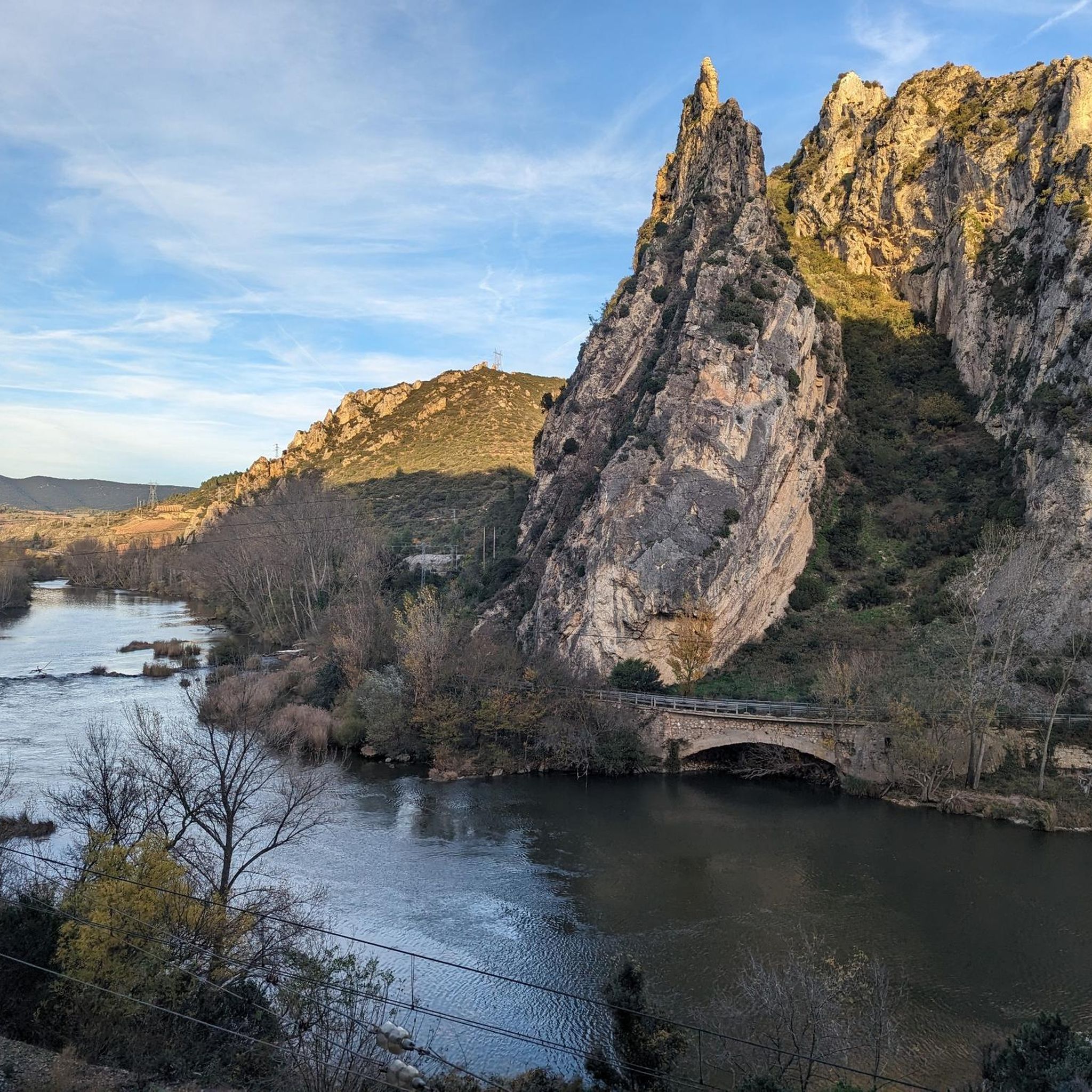
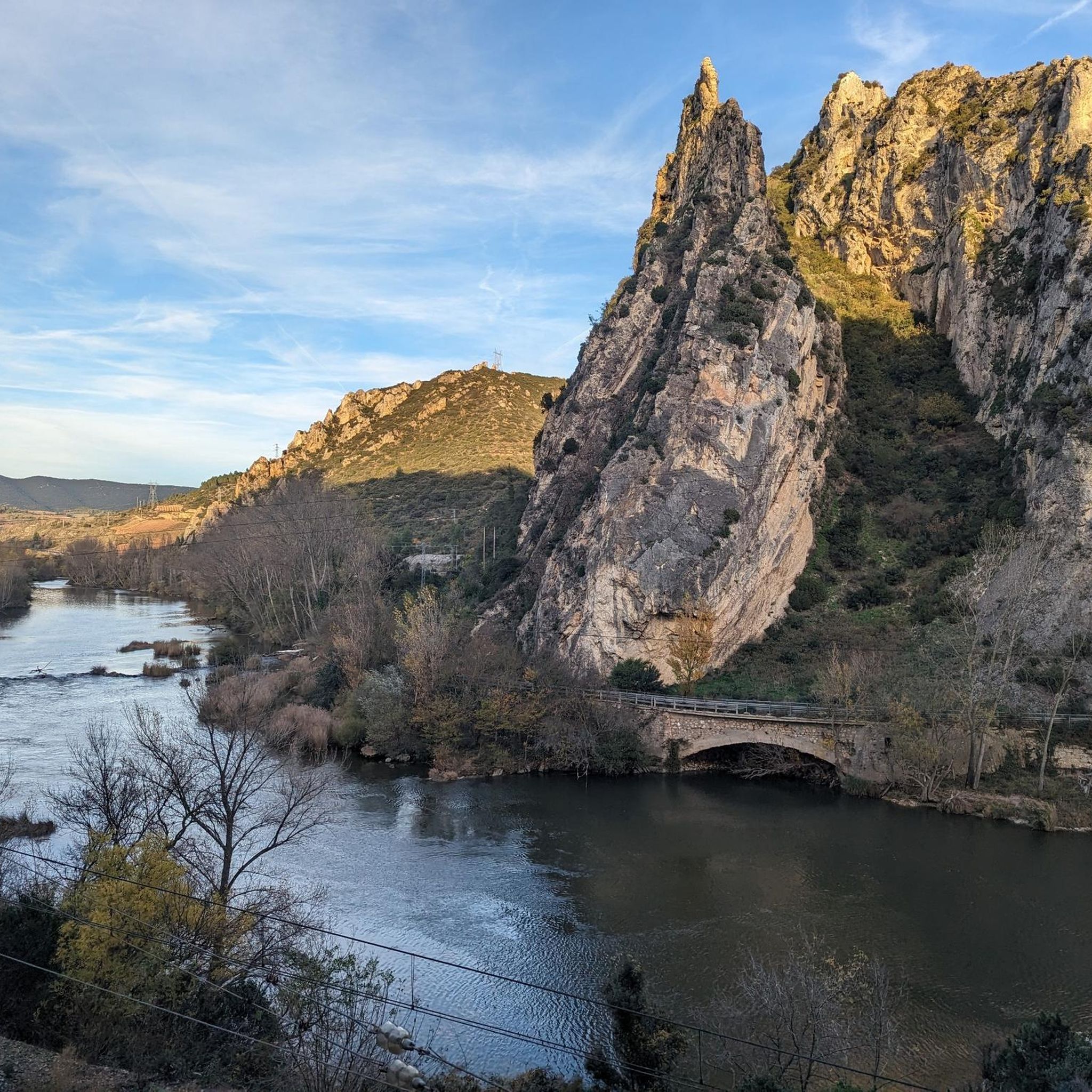
Cliffs of Lapuebla de Labarca
Highlight • Gorge
Translated by Google •
Tip by
Sign up for free to discover even more attractions in Sotos Y Riberas Del Ebro.
Already have an account?
Start today with a free account
Your next adventure awaits.
Tips from the Community

Hello Tzommer. I'll tell you that the canal tunnel can't be crossed on days with high water levels. On March 25, 2025, I was passing through there and had to turn around and look for another option...
0
0

I love seeing and crossing this bridge.
3
0
It costs nothing to go up and the horizon makes up for it. Of course, follow the path through the farm that I have followed, not the one that the Komoot says, which is wrong.
3
0

A short tunnel and drainage channel under the railway line. This pass can be flooded during the heavy rain season, so be careful when crossing.
0
0

In the surroundings of Lapuebla de Labarca, the river has cut the land and created some beautiful cuts where all the substrates are exposed as stacked sheets.
1
0
This stretch of the Ebro nature trail runs through an extensive area of vineyards. The dry landscape contrasts with the humidity of the stream and creates an exciting postcard.
2
0

The original structure dates from the 13th century, but it was first rebuilt in the 15th century. It is in the Gothic style, built in ashlar stone, with seven eyes. It formed part of the Camino Vasco del Interior and was very important as it was one of the few bridges that crossed the Ebro. It facilitated communications with Álava and Navarra, and in the 15th century a toll was even paid to cross it.
2
0

Curious channel tunnel next to the Ebro. I do not know if in times of greater flow it can be difficult to pass through there-
2
0
Frequently Asked Questions
What natural features define the Sotos y Riberas del Ebro region?
The region is characterized by its extensive riparian forests, known as "sotos," which are vital ecosystems along the Ebro River. You'll also find unique fluvial features like "galachos," which are old meanders of the Ebro that have become tranquil wetlands. Notable natural areas include the Reserva Natural de los Sotos de Alfaro and the Sotos y Galachos del Ebro in Aragon, offering diverse landscapes and habitats.
Are there any historical sites to explore in Sotos y Riberas del Ebro?
Yes, the region offers several historical points of interest. You can visit The Castle, which features the remains of a tower on a small promontory with expansive views. Another significant historical landmark is the Briñas Bridge over the Ebro River, a medieval structure with origins dating back to the 11th century.
What kind of wildlife can I expect to see, especially for birdwatching?
The Sotos y Riberas del Ebro is a haven for wildlife, particularly birds. The well-preserved gallery forests and wetlands provide habitats for numerous bird species, including storks, kingfishers, blackbirds, siskins, warblers, nightingales, and grey herons. Semi-aquatic mammals like otters and European mink can also be found, making areas like the Reserva Natural de los Sotos de Alfaro excellent for observation.
Are there family-friendly activities or places suitable for children?
Yes, the region offers several family-friendly options. Many of the sotos, like the Soto del Estajao in Alfaro, have comfortable circular paths and wooden walkways suitable for easy strolls. You can also find Picnic areas with tables, benches, and grills next to the Ebro River, perfect for a family outing. The Interpretation Centers also offer engaging exhibitions for all ages.
Where can I find well-preserved riparian forests (sotos) in the area?
The region is named for its "sotos," or riparian forests, which are a highlight. Some of the most notable and well-preserved sotos include Soto del Bosque in Briones, Sotos de Ayamuz and El Codo in San Vicente de la Sonsierra, Soto de Buicio in Fuenmayor, and Soto del Real in Alcalá de Ebro. The Reserva Natural de los Sotos de Alfaro is also an excellent place to experience these unique ecosystems.
What outdoor activities are popular in Sotos y Riberas del Ebro?
The Sotos y Riberas del Ebro area is ideal for various outdoor activities. Hiking and cycling are very popular, with numerous routes exploring the diverse landscapes. You can find detailed guides for these activities, such as easy hikes, cycling routes, and running trails, offering options for all skill levels.
Are there specific hiking trails recommended for visitors?
Yes, there are many hiking opportunities. For easy walks, consider routes like the "Soto del Estajao" circular path in Alfaro, which offers close-up views of wildlife. Other popular easy hikes include the Davalillo Castle loop or the Main Square – Hornillo – Vineyard Shelter loop from San Vicente de la Sonsierra. You can explore more options in the Easy hikes in Sotos Y Riberas Del Ebro guide.
What are the best places to enjoy scenic views of the Ebro River?
For picturesque views of the Ebro River, you can visit the Scenic stretch along the Ebro River, which runs through vineyards, creating a striking contrast with the river's humidity. The Briñas Bridge over the Ebro River also offers excellent vantage points, and the remains of The Castle provide expansive views of the surrounding area and the river.
Is there an interpretation center to learn more about the region's ecology?
Yes, there are dedicated interpretation centers. The Centro de Interpretación de los Sotos del Ebro in Alfaro provides permanent exhibitions and projections about the nature reserve, the local stork colony, and the town's history. Additionally, the Centro de Interpretación del Medio Natural in La Alfranca, within the Reserva Natural de los Sotos y Galachos del Ebro, offers exhibition rooms and audiovisual presentations to discover the area's ecological richness.
Which towns are good starting points for exploring the Sotos y Riberas del Ebro?
The protected area spans several municipalities, offering various starting points. In La Rioja, towns like Haro, San Vicente de la Sonsierra, Briones, Logroño, and Alfaro provide good access to different sections of the sotos and riverbanks. Alfaro is particularly notable for its natural reserve and interpretation center. Zaragoza also has sotos within its municipal area, bringing nature close to the city.
What is the best time of year to visit Sotos y Riberas del Ebro?
The Sotos y Riberas del Ebro can be enjoyed year-round, but spring and autumn are particularly pleasant. During these seasons, the weather is mild, making it ideal for hiking, cycling, and birdwatching. Spring brings lush greenery and active wildlife, while autumn offers beautiful foliage colors. Summers can be hot, but the riverside areas provide some respite, and winters are generally mild.
Are there cycling routes available in the Sotos y Riberas del Ebro area?
Absolutely. The region is well-suited for cycling, with routes that take you through vineyards, along the Ebro River, and past various natural and historical sites. You can find a range of options, from moderate to difficult, such as the La Grajera Reservoir loop from Fuenmayor or the Haro – View of Peña del Buradón loop. More routes are detailed in the Cycling in Sotos Y Riberas Del Ebro guide.
What are "galachos" and where can I see them?
"Galachos" are unique fluvial ecosystems found in the Sotos y Riberas del Ebro, particularly in Aragon. They are old meanders of the Ebro River that have been cut off from the main channel by floods, forming calm waters with marsh vegetation and well-preserved riverside forests. The Galacho de La Alfranca, located about 15 kilometers from Zaragoza, is one of the best-preserved examples and is excellent for ornithological observation.
Most popular routes in Sotos Y Riberas Del Ebro

Get inspired with the komoot mobile app


Explore more
Still not found the Highlight you’re looking for? See guides of the top attractions in other regions:
