Attractions and Places To See in Peñas De Iregua, Leza Y Jubera - Top 20
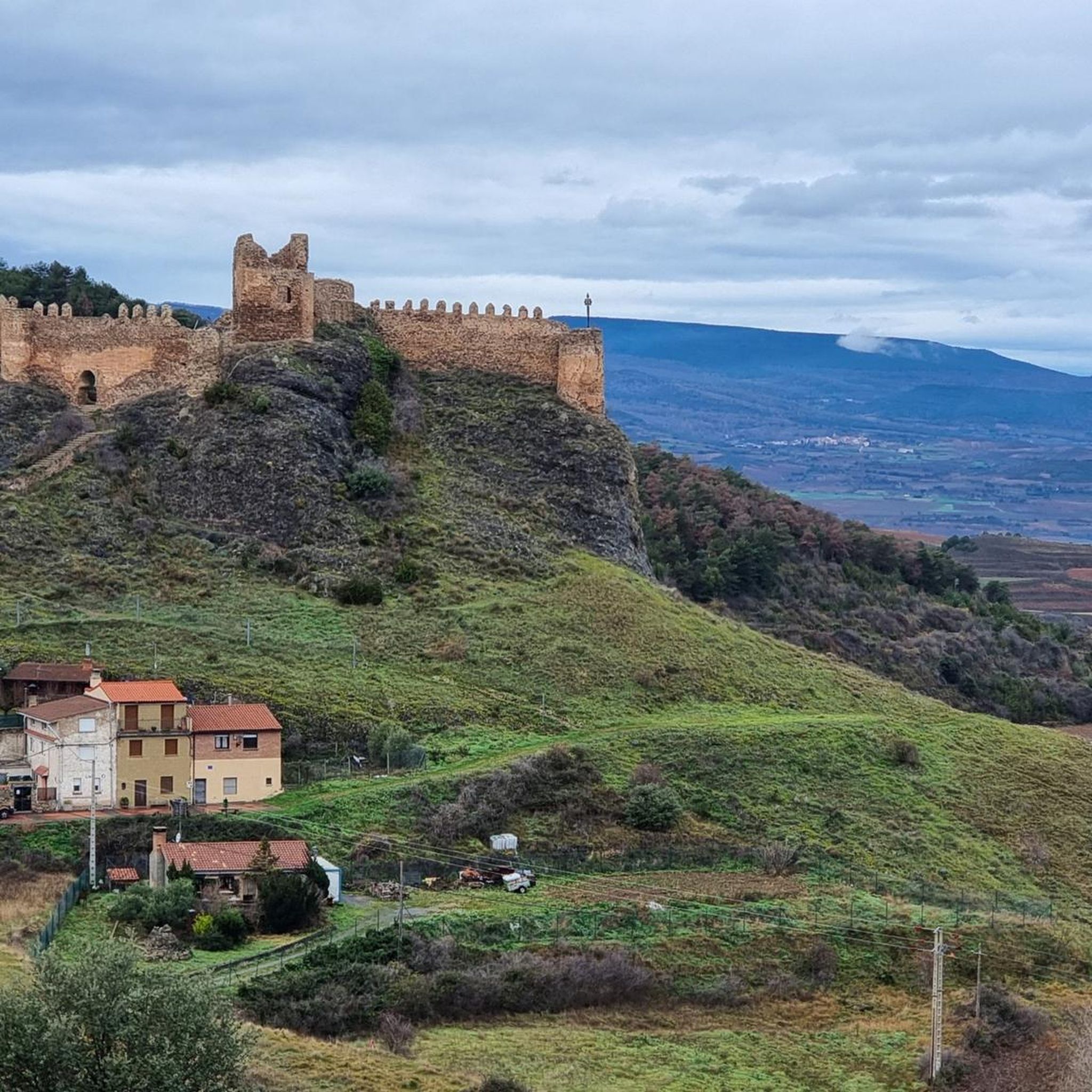
Best attractions and places to see in Peñas De Iregua, Leza Y Jubera include dramatic natural landscapes and historical sites. This protected natural area in La Rioja, Spain, is characterized by its distinct topography shaped by the Iregua, Leza, and Jubera rivers. The region features steep, eroded landscapes with numerous slopes, cliffs, and gorges, alongside extensive oak and beech forests. It offers a combination of natural features and cultural landmarks for exploration.
Best attractions and places to see in Peñas…
Last updated: July 7, 2026
Ruins of the Monastery of San Prudencio
Highlight • Historical Site
Translated by Google •
Tip by

Leza Canyon Viewpoint
Highlight • Viewpoint
Translated by Google •
Tip by

Sign up now to discover places like this
Get recommendations on the best single tracks, peaks, & plenty of other exciting outdoor places.
Sign up for free
Los Peñuejos Rock Formations
Highlight • Natural Monument
Translated by Google •
Tip by

San Marcos Hermitage
Highlight • Religious Site
Translated by Google •
Tip by

Providencia Mine
Highlight • Cave
Translated by Google •
Tip by
Sign up for free to discover even more attractions in Peñas De Iregua, Leza Y Jubera.
Sign up for free
Already have an account?
Start today with a free account
Your next adventure awaits.
Login or Signup
Popular around Peñas De Iregua, Leza Y Jubera

Tips from the Community

A breathtaking view of this fantastic area.
1
0

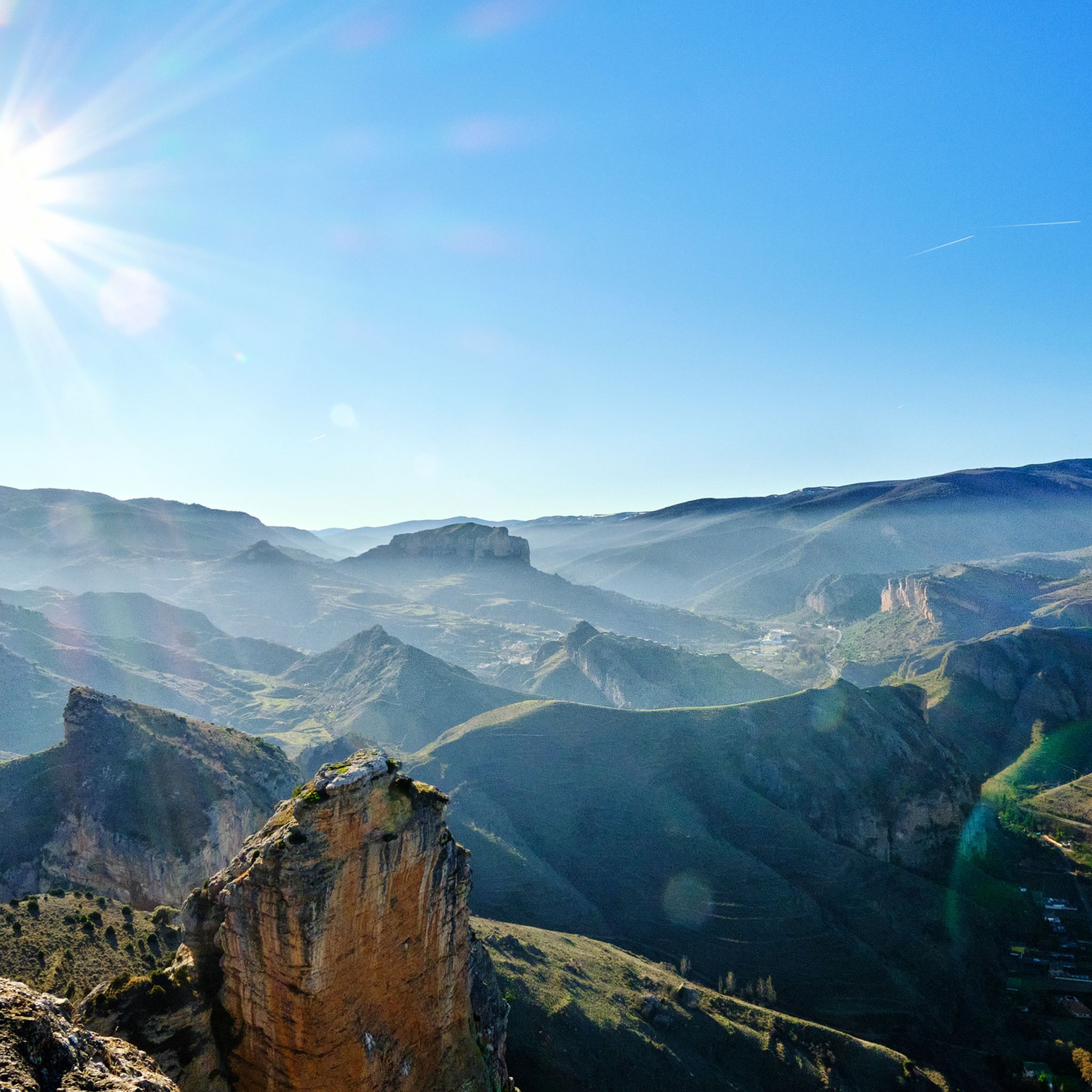
Spectacular views of the Leza Canyon. The space is conditioned with a bench so that visitors can observe both the mountainous relief and the flora and fauna of the place from the viewpoint.
3
0

Small diaphanous building that now serves as an improvised shelter. Formerly I think it was the hermitage of San Marcos
4
0
One past the cave, accessed through a small tunnel and you reach a huge cavity with a large upper mouth, several entrances in the circumference, a small lake below and a waterfall that comes out of a spring. I loved it!
2
0
One of the two viewpoints of the canyon, beautiful views from both.
1
0

Beautiful mountain formations in the Iregua valley.
0
0

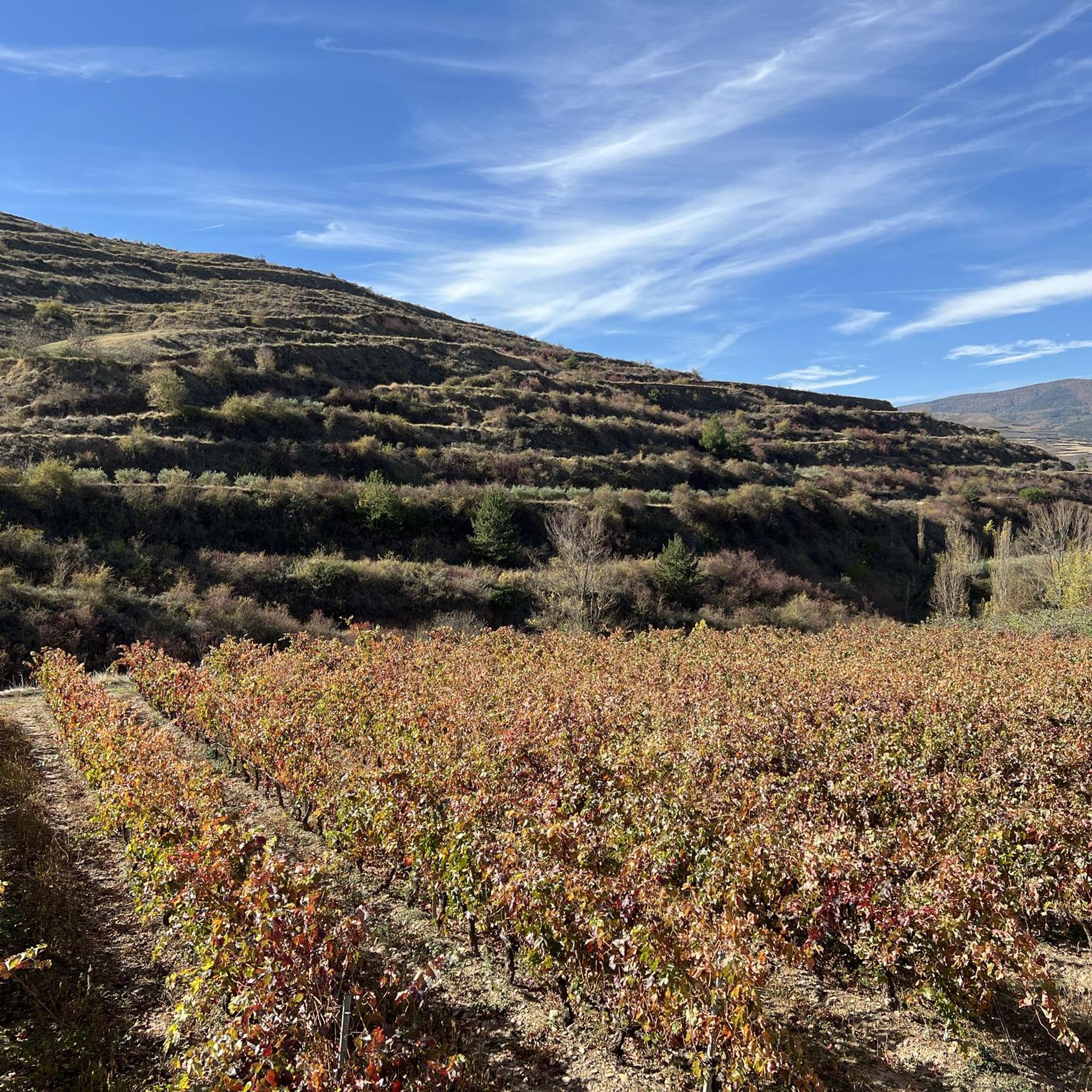
Incredible place! Reddish stone formations among vineyards.
1
0

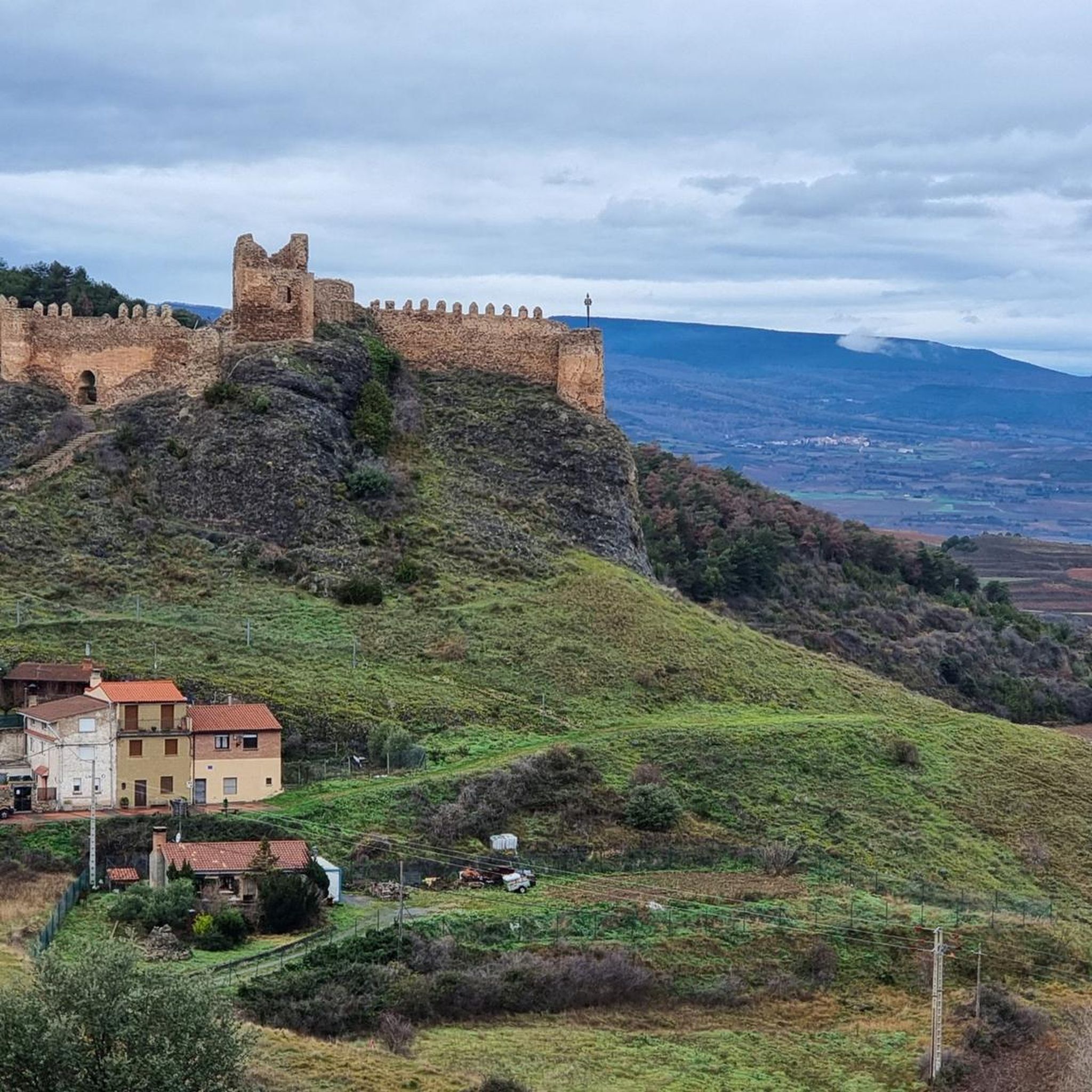
The Monastery of San Prudencio is located in a hollow of the mountain that gives it its name, Monte Laturce, between the towns of Clavijo and Leza de Río Leza, in an inhospitable and wild place, which currently houses the ruins of a primitive Church from the end of the 12th century, of the Cistercian type; those of a later one from the seventeenth century and those of a huge hamlet that surrounded them, which are being destroyed day by day due to weather conditions.
2
0
Frequently Asked Questions
What are the most scenic viewpoints in Peñas De Iregua, Leza Y Jubera?
The region offers several breathtaking viewpoints. The Leza River Canyon Viewpoint and the Leza Canyon Viewpoint both provide spectacular observations of the canyon's mountainous relief, flora, and fauna, with the former also being an excellent spot to observe vulture colonies. Viguera also offers a viewpoint overlooking its green valley.
Where can I observe wildlife, especially birds, in the region?
The rocky cliffs of the Leza Canyon are prime locations for bird watching. The Leza River Canyon Viewpoint is particularly known for its vulture colony, with around 200 pairs residing and nesting in the area. You might spot golden eagles, Egyptian vultures, falcons, and common vultures. The rivers are also home to trout, and the forests to wild boars and otters.
Are there any unique geological formations to see?
Yes, the region is characterized by its distinct topography. A notable example is the Los Peñuejos Rock Formations, a natural monument featuring striking reddish stone formations nestled among vineyards in the Iregua valley. The dramatic Leza Canyon itself, stretching 6 kilometers long and nearly 700 meters high, is a spectacular geological feature.
What historical sites can I explore in Peñas De Iregua, Leza Y Jubera?
You can visit the Ruins of the Monastery of San Prudencio, located on Monte Laturce. These ruins include a 12th-century Cistercian church and a 17th-century church. While not directly in the core protected area, the nearby medieval village of Clavijo features the iconic Moorish Castle of Clavijo, offering historical insights and panoramic views.
Can I experience ancient Roman history in the area?
Yes, sections of the ancient Roman Road of Iregua can still be explored, offering a unique historical trekking experience. This ancient path provides a glimpse into the region's past and is a great way to combine history with outdoor activity.
What outdoor activities are popular in Peñas De Iregua, Leza Y Jubera?
The region is a hub for outdoor enthusiasts. Popular activities include hiking and trekking on numerous marked trails, canyoning in the spectacular Leza River canyon, and mountaineering or climbing, particularly at Peña Zapatero in the Iregua valley. Water sports and trout fishing are also available at the nautical club on the González Lacasa reservoir in El Rasillo.
Are there opportunities for hiking or trekking near these attractions?
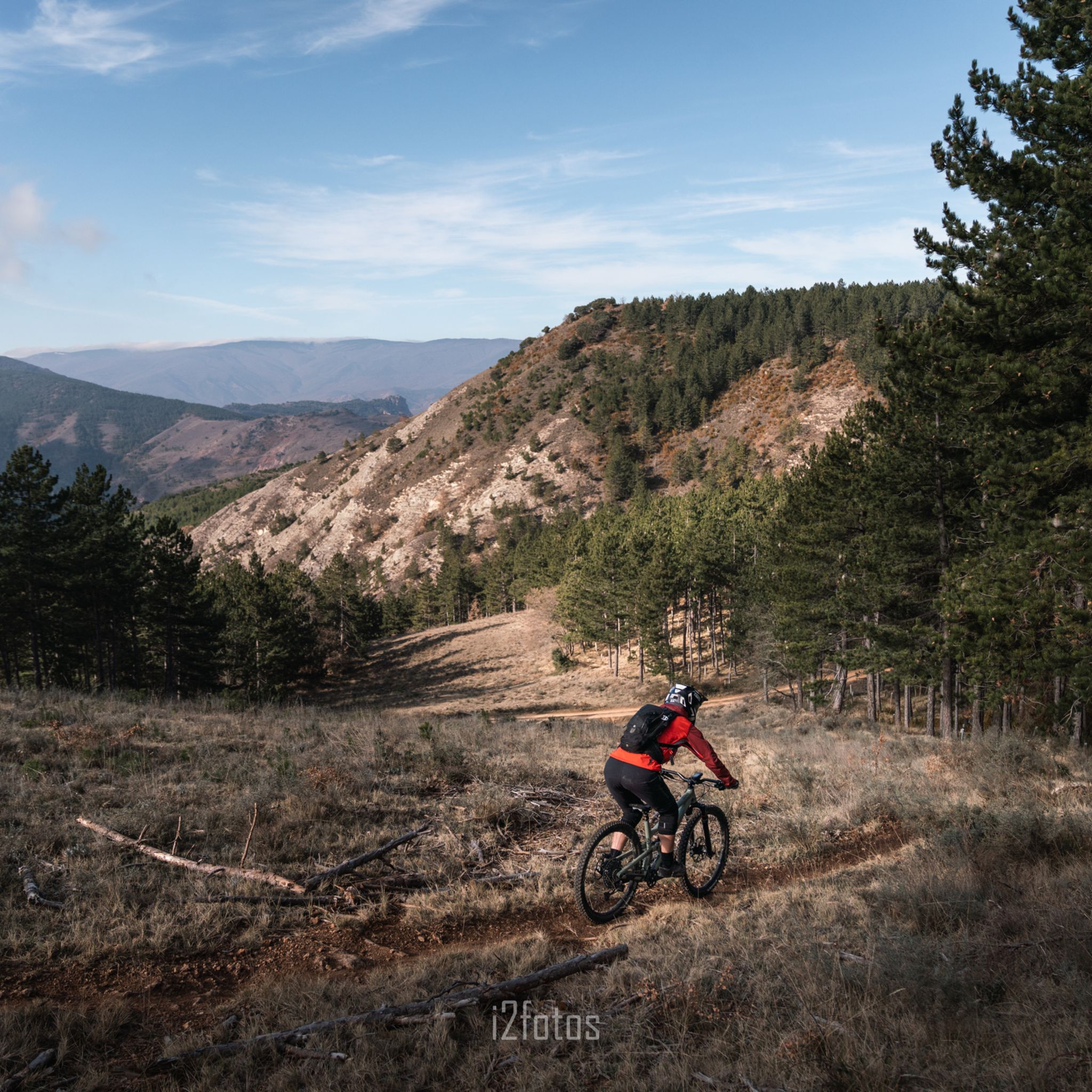
Absolutely. The region is crisscrossed with numerous marked trails suitable for hiking and trekking, allowing visitors to explore its natural corners and small villages. For example, you can find various routes for gravel biking, mountain biking, and cycling, including the 'Iregua Roman Road – Iregua Park loop' or the 'Cameros and Iregua Valley Loop'. You can find more details on these routes in our Gravel biking, MTB Trails, and Cycling guides for Peñas De Iregua, Leza Y Jubera.
Are there family-friendly attractions in Peñas De Iregua, Leza Y Jubera?
Yes, several attractions are suitable for families. The Leza Canyon Viewpoint and the Leza River Canyon Viewpoint offer accessible and engaging experiences for all ages, with benches for comfortable viewing of the landscapes and wildlife. Exploring the gentler sections of the Roman Road of Iregua can also be a pleasant family activity.
What is the best time to visit Peñas De Iregua, Leza Y Jubera?
The region is beautiful year-round, but spring and autumn generally offer the most pleasant weather for outdoor activities like hiking and bird watching, with comfortable temperatures and vibrant natural colors. Summer is ideal for water sports and canyoning, while winter can provide a unique, serene experience, though some higher trails might be less accessible.
What kind of forests and vegetation can I expect to see?
The region boasts diverse ecosystems. At lower elevations, you'll find extensive oak forests, while higher altitudes are characterized by beautiful beech forests. The river valleys themselves feature steep, eroded landscapes with various slopes, cliffs, and gorges, contributing to a rich and varied flora.
How can I access the Peñas De Iregua, Leza Y Jubera region?
The region is accessible by road. The N-111 road serves the Iregua valley, the LR-250 provides access to the Leza valley, and the LR-261 leads into the Jubera valley. These routes connect the various towns and natural attractions within the area.
Are there any villages with traditional architecture to visit?
Yes, the area is dotted with examples of traditional architecture. Villages like Lumbreras de Cameros feature well-preserved 16th and 17th-century stone houses, often adorned with coats of arms, and charming churches such as San Bartolomé. El Rasillo also offers the Romanesque hermitage of San Mamés, rebuilt in 1815.
Most popular routes in Peñas De Iregua, Leza Y Jubera
Most popular attractions in Peñas De Iregua, Leza Y Jubera

Get inspired with the komoot mobile app


Explore more
Still not found the Highlight you’re looking for? See guides of the top attractions in other regions:
