The best walks and hikes in Redes
4.6
(340)
3,250
hikers
30
hikes
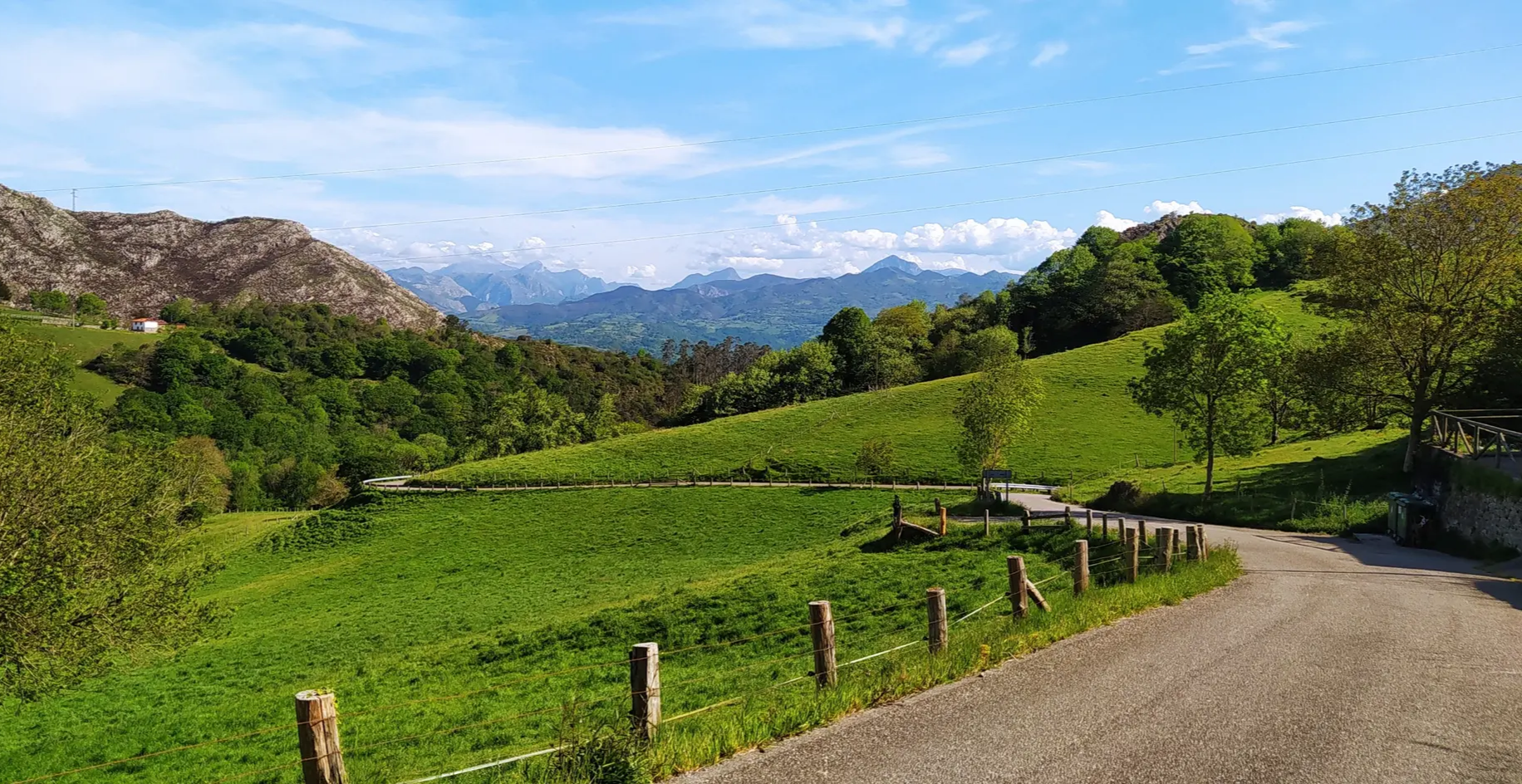
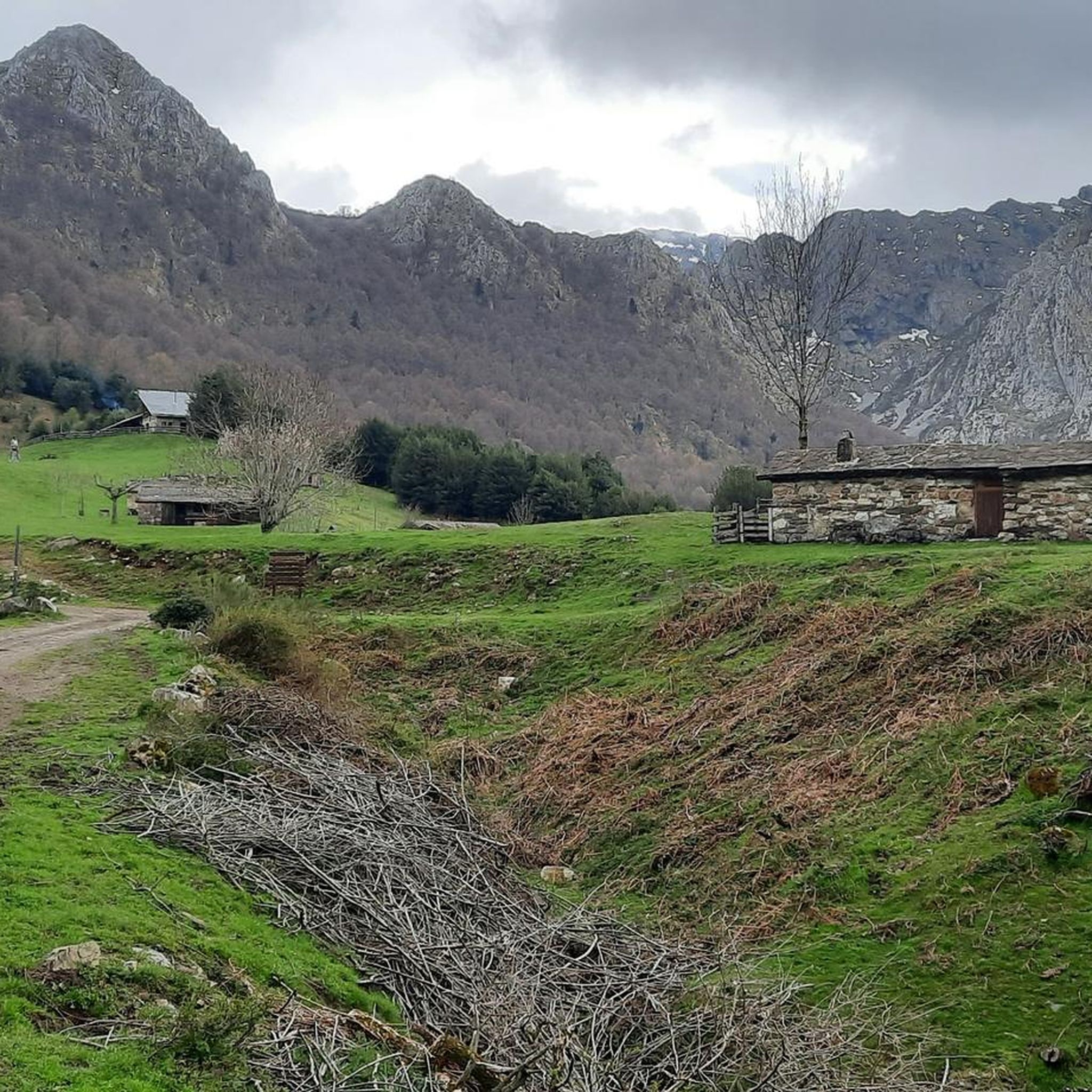
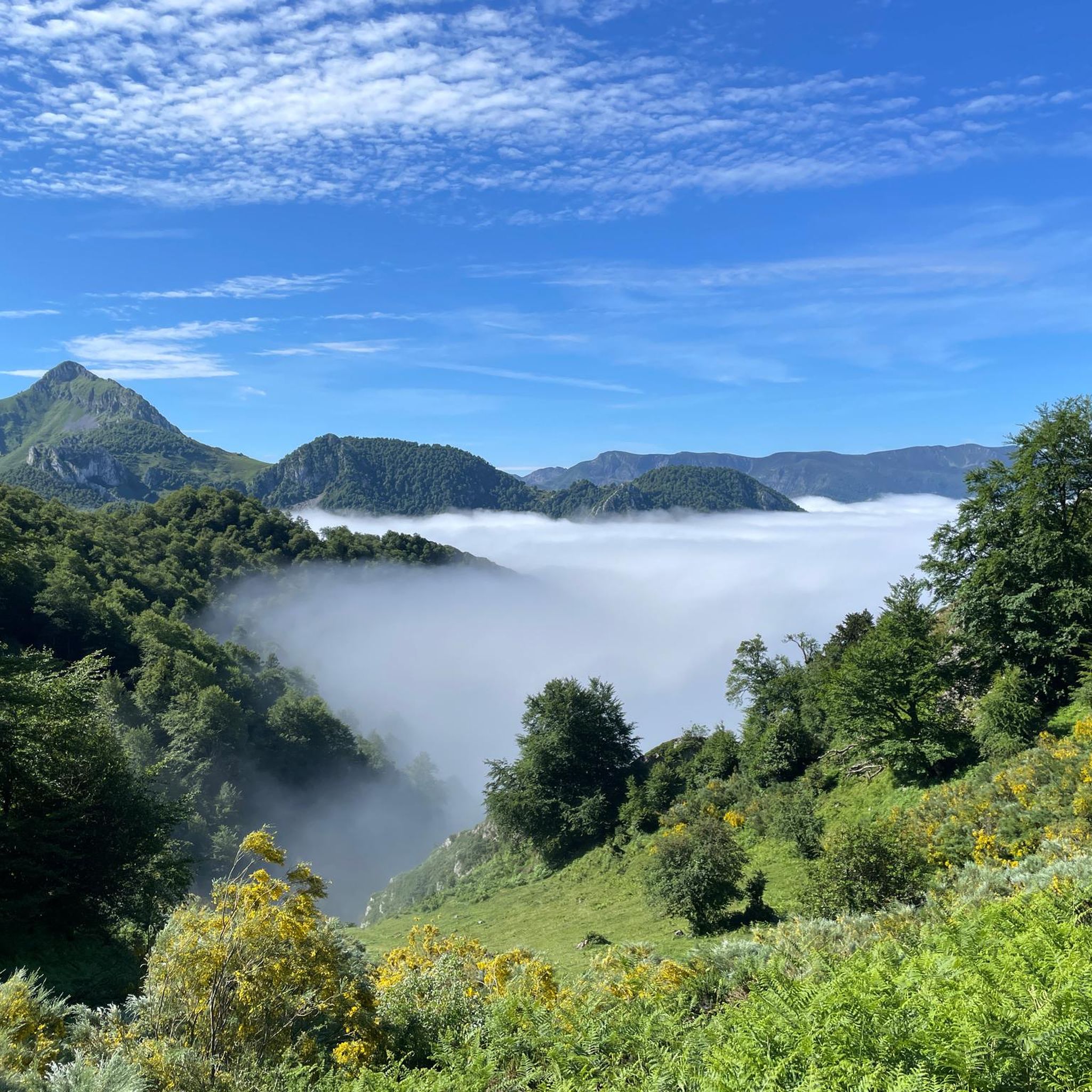
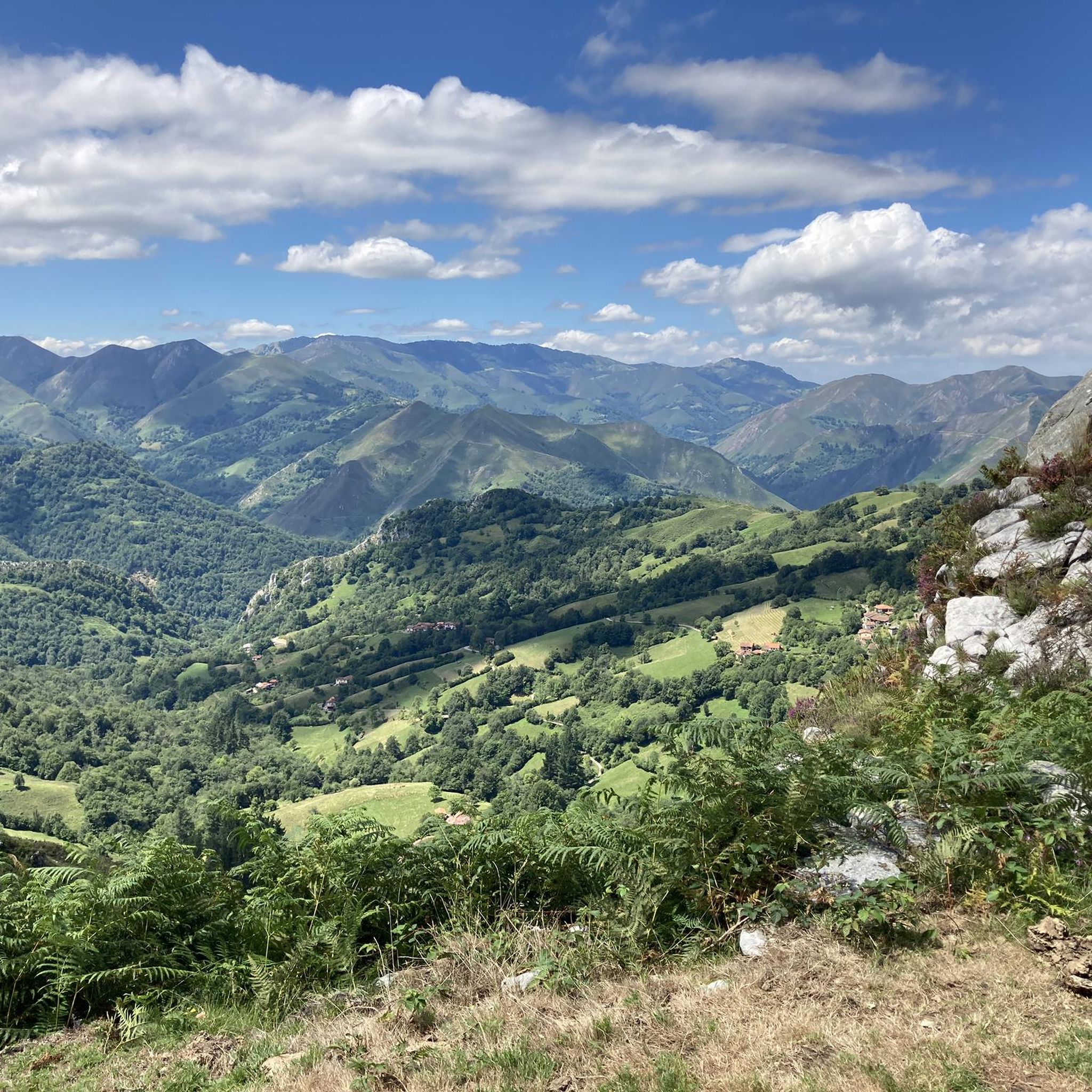
Hiking in Redes Natural Park features a varied topography of medium and high mountains, dominated by limestone rock, Atlantic forests, and meadows. The park is abundant in rivers, streams, and waterfalls, with the Nalón River originating within its boundaries. Dramatic gorges, such as the Desfiladero de los Arrudos, cut deep into the mountains, while peaks like Tiatordos offer expansive views. Ancient glacial circuses and lakes, including Lake Ubales, also characterize the landscape.
Best hiking trails in Redes
- The most popular…
Last updated: June 23, 2026
4.6
(8)
109
hikers
10.7km
03:23
440m
440m
Moderate hike. Good fitness required. Easily-accessible paths. Suitable for all skill levels.
4.3
(8)
64
hikers
13.4km
05:21
750m
740m
Hard hike. Very good fitness required. Mostly accessible paths. Sure-footedness required.

Sign up for free
3.7
(3)
26
hikers
14.5km
05:16
890m
890m
Hard hike. Very good fitness required. Mostly accessible paths. Sure-footedness required.
4.7
(9)
73
hikers
8.76km
02:51
370m
370m
Moderate hike. Good fitness required. Easily-accessible paths. Suitable for all skill levels.
4.8
(5)
52
hikers
21.5km
06:42
810m
810m
Hard hike. Very good fitness required. Easily-accessible paths. Suitable for all skill levels.
Get access to more routes and recommendations from other explorers.
Sign up for free
Already have an account?
Our route recommendations are based on thousands of hikes, rides, and runs completed by other people on komoot.
Start today with a free account
Your next adventure awaits.
Login or Signup

Other adventures in Redes

Tips from the Community

It's a beautiful place and a dreamlike landscape. What a shame the shelter isn't working. These politicians we have don't do a single thing right.
0
0

Several routes depart from Soto de Agues, including the typical Ruta del Alba.
0
0

In case of morning frost, when climbing the waterfall, put snow boots
1
0

Soto de Agues is a town in the council of Sobrescobio, located at 430 m altitude, at the end of one of the branches of the SC-2 road. It is divided into three neighborhoods: San Andrés, Agues and Soto. It preserves good examples of traditional architecture, a church dating from 1805, dedicated to San Andrés, and two hermitages, dedicated to San Antonio and Santa Ana, respectively. It is the starting point of several mountain routes, such as those of the Ruta del Alba (P. R. AS-62) and Cullargayos (P. R. AS-63).
11
0

From Soto de Argues you can start several mountain routes. The best known is perhaps the dawn route. A route that runs along paths that are comfortable to walk.
1
0

Different routes of different levels
1
0

A beautiful route to do in the Redes Natural Park, in autumn or at any time of the year. The difficulty is low and it is suitable for children.
2
0
The current town of Tarna was built after the Civil War since the original town was destroyed in the war. The distribution of the houses today is curious, with two large streets that divide the town into three. Some of the most beautiful routes in the Redes Natural Park start from Tarna.
1
0
Frequently Asked Questions
What kind of terrain can I expect when hiking in Redes Natural Park?
Redes Natural Park features a diverse landscape of medium and high mountains, predominantly limestone. You'll encounter dense Atlantic forests, especially magnificent beech forests, and open meadows in the valley floors. The park is also rich in rivers, streams, and waterfalls, with dramatic gorges cutting through the mountains. Expect varied topography, from gentle river walks to challenging mountain ascents.
How many hiking trails are available in Redes?
Redes Natural Park offers a wide selection of hiking opportunities, with over 30 official trails. These routes cater to various fitness levels, including easy, moderate, and difficult options, ensuring there's a suitable path for almost every hiker.
Are there any family-friendly hikes with waterfalls in Redes?
Yes, Redes is known for its beautiful waterfalls. A great option for families is the trail leading to the Tabayón del Mongayu Waterfall, a natural monument. The Tabayón de Mongallu Route is a moderate trail that follows a river, passing several waterfalls and pools, making it an enjoyable experience for many.
What do other hikers enjoy most about hiking in Redes?
The komoot community highly rates the hiking experience in Redes, with an average score of 4.6 stars. Hikers often praise the park's stunning natural beauty, the variety of landscapes from dense forests to dramatic gorges, and the abundance of rivers and waterfalls. Many appreciate the well-maintained trails and the opportunity to immerse themselves in a well-preserved natural environment.
Are there any circular hiking routes in Redes?
Yes, Redes offers several excellent circular routes. For a challenging option, consider the Ruta del Cuyargayos — circular desde Soto de Agues, which takes you through mountainous terrain with significant elevation gain. Another popular loop is the Tabayón del Mongallu Waterfall – Tarna loop from Tarna, offering a moderate journey through scenic landscapes.
What are some notable natural attractions or landmarks to see in Redes?
Redes Natural Park is home to several impressive natural features. Beyond the famous Tabayón del Mongayu Waterfall, you can explore the dramatic Arrudos Trail, which winds through a deep gorge. For panoramic views, the Texu la Oración Viewpoint offers stunning vistas. The park also features ancient glacial circuses and lakes, such as Lake Ubales.
What is the best time of year to hike in Redes?
Redes Natural Park is beautiful year-round, but each season offers a unique experience. Spring brings lush greenery and blooming wildflowers, while summer provides pleasant temperatures for higher-altitude hikes. Autumn is particularly spectacular, with the beech forests transforming into an explosion of vibrant colors. Winter hiking is possible, especially at lower elevations, but requires appropriate gear and caution due to snow and ice.
Are there any trails that offer impressive views of the mountains?
Absolutely. The park boasts impressive peaks like Tiatordos Peak and Peña Mea, which offer demanding hikes rewarded with expansive views across the Cantabrian Mountains and valleys. The Cabeza de Arco Trail, a difficult path, also features diverse scenery and a natural arch, providing memorable vistas.
Can I find places to eat or stay near the hiking trails?
Yes, the park is dotted with small, traditional Asturian villages such as Soto de Caso, Caleao, Tarna, and Bezanes. These villages often serve as starting points for routes and typically offer local eateries, cafes, and accommodation options where you can experience traditional culture and hospitality after your hike.
What are the options for parking when accessing popular trails in Redes?
Many popular trailheads in Redes Natural Park are accessible by car and offer designated parking areas, particularly in or near the villages that serve as starting points. For example, routes like the Ruta del Cuyargayos typically start from villages like Soto de Agues, where parking is usually available. It's always advisable to arrive early during peak season to secure a spot.
Are there any trails that pass through interesting man-made structures or historical sites?
While Redes is primarily known for its natural beauty, some trails incorporate interesting man-made elements. For instance, the Texu la Oración Viewpoint – Crestón Tunnel loop from Bezanes includes the Crestón Tunnel, adding a unique historical dimension to the hike. Additionally, the traditional villages themselves offer a glimpse into Asturian architecture and heritage.
Most popular routes in Redes
Most popular attractions in Redes

Get inspired with the komoot mobile app


Explore more
Browse the best Hikes in other regions.
