The best road cycling routes around Oestrich Winkel
4.5
(893)
13,768
riders
26
rides
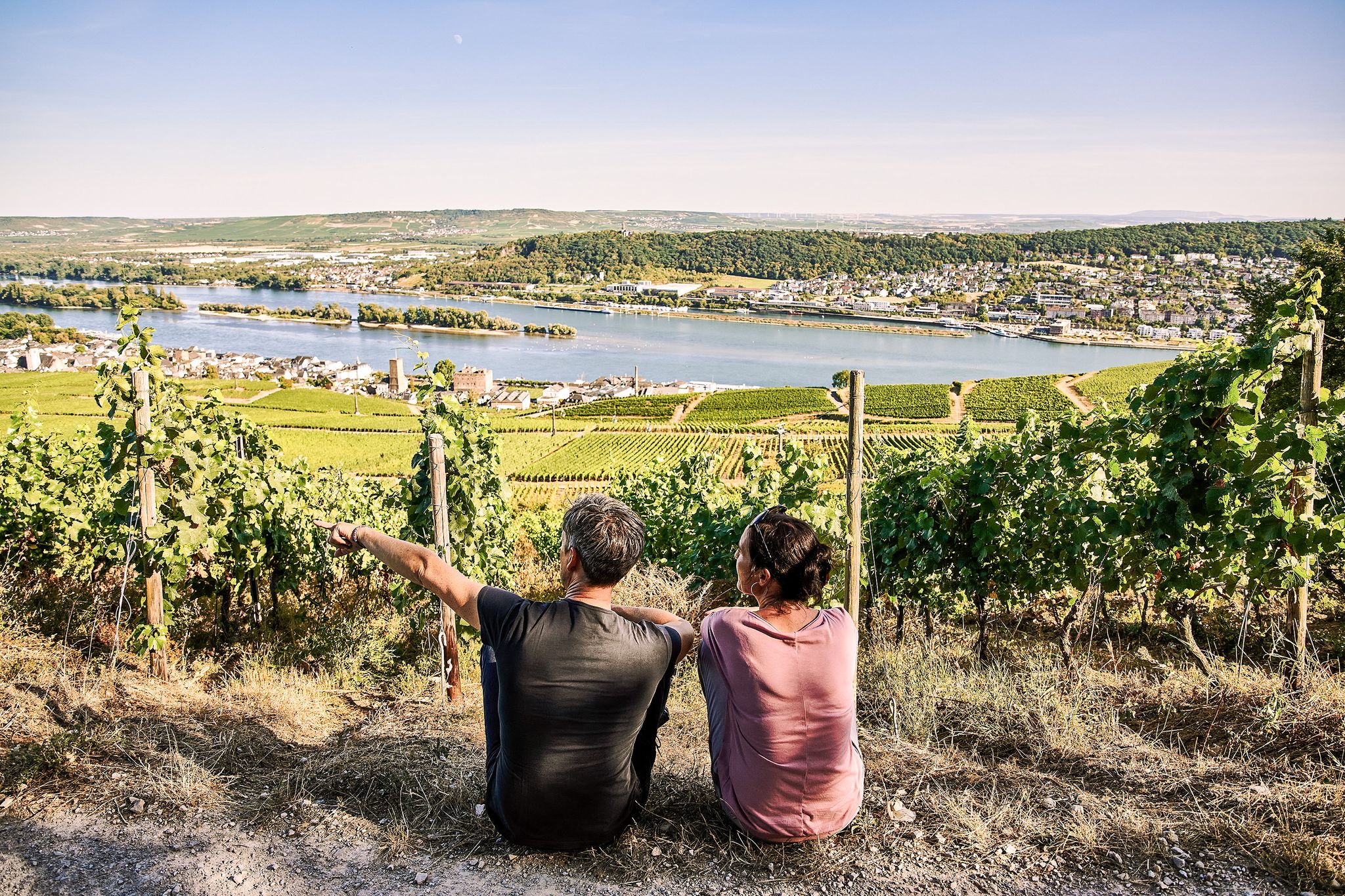
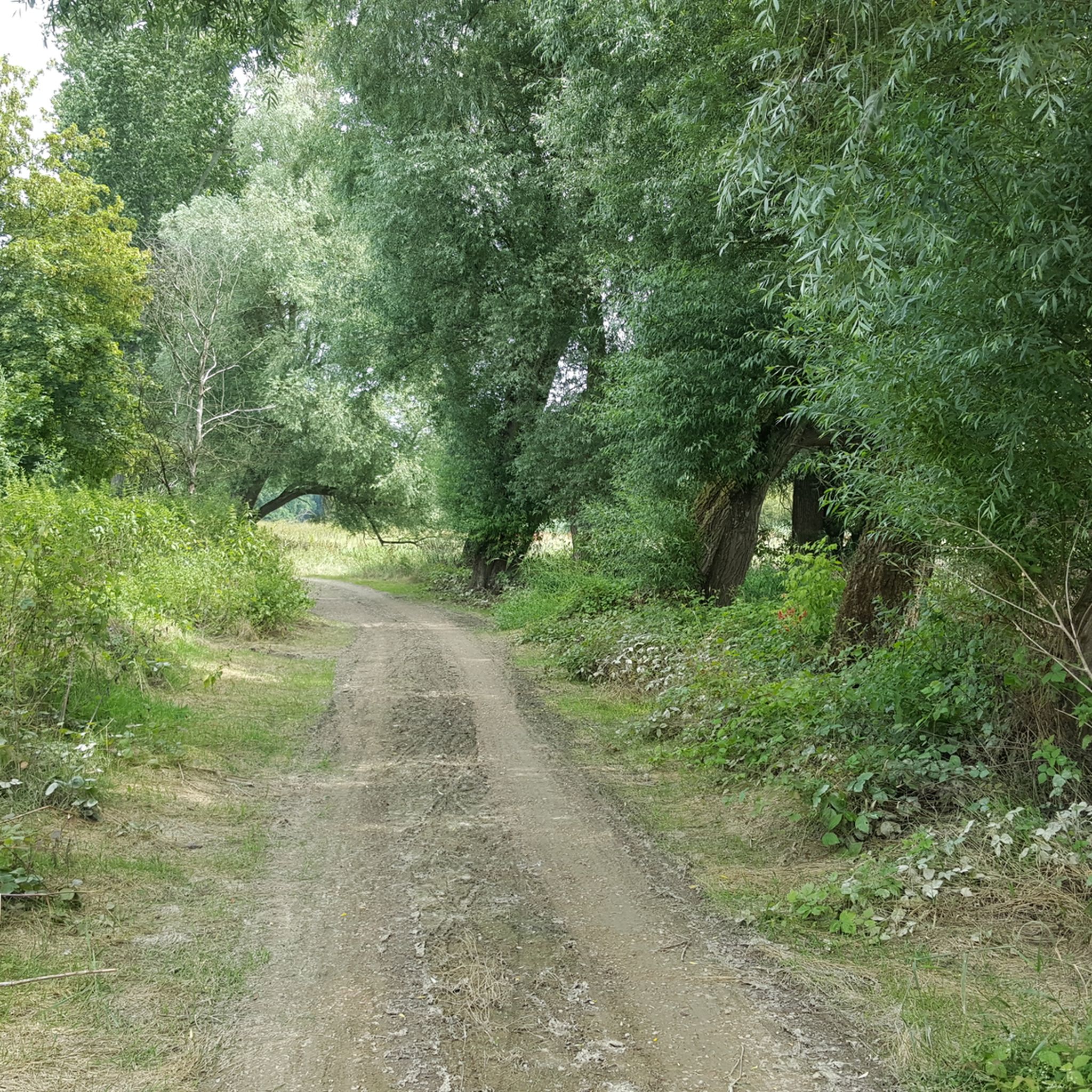
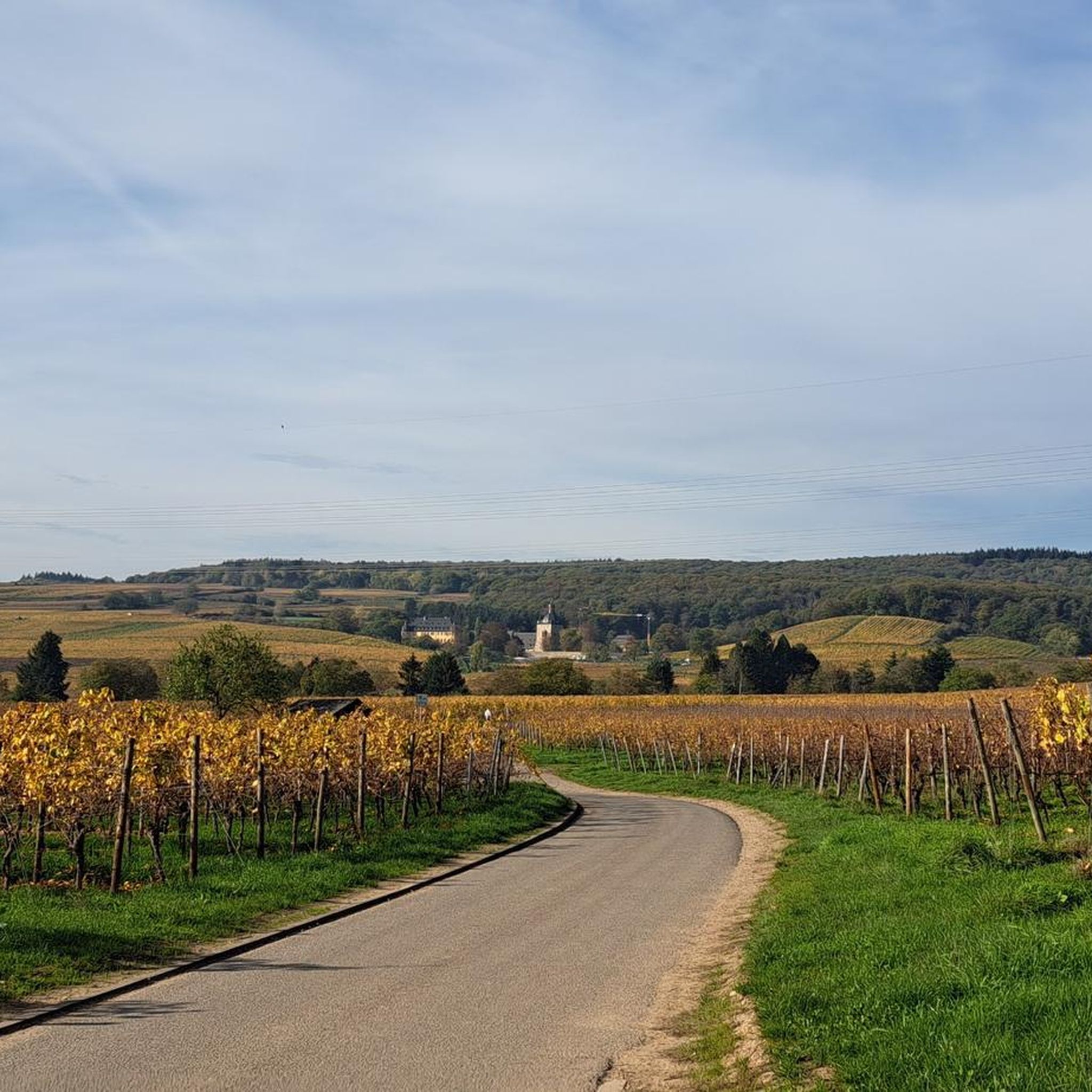
Road cycling around Oestrich Winkel is defined by the region's diverse topography, featuring the Rhine River, extensive vineyards, and forested hills. The area offers a mix of relatively flat paths along the river and routes with varying elevations through the Rheingau's wine-growing landscapes. Cyclists can navigate through lush vineyards and explore the wooded Taunus slopes, providing a range of terrain for different skill levels. This combination of natural features creates a compelling environment for road cycling.
Best road cycling routes…
Last updated: July 2, 2026
76
riders
145km
06:03
480m
480m
Hard road ride. Very good fitness required. Some segments of this route may be unpaved and difficult to ride.
4.0
(1)
30
riders
77.1km
03:37
860m
860m
Moderate road ride. Good fitness required. Mostly well-paved surfaces and easy to ride.

Sign up for free
4.5
(8)
86
riders
15.5km
00:39
40m
40m
Easy road ride. Great for any fitness level. Mostly well-paved surfaces and easy to ride.
31
riders
Moderate road ride. Good fitness required. Some segments of this route may be unpaved and difficult to ride.
5.0
(1)
17
riders
Moderate road ride. Good fitness required. Some segments of this route may be unpaved and difficult to ride.
Get access to more routes and recommendations from other explorers.
Sign up for free
Already have an account?
Our route recommendations are based on thousands of hikes, rides, and runs completed by other people on komoot.
Start today with a free account
Your next adventure awaits.
Login or Signup
Popular around Oestrich-Winkel


Tips from the Community

"I don't know what it means..." or the 70s hit "Loreley...ley...ley... below you flows the Rhine". What's exciting is that the legend of the Loreley probably has an older origin, but it was actually brought to life by the poet and Goethe acquaintance "von Brentano". Later it was incorporated into the Rhine Romanticism and immortalized by Heinrich Heine in his perhaps most famous poem (even though the Nazis later struck out the name Heine below it and titled it "Unknown Poet" - speechless).
0
0

One of the oldest medieval stone bridges in Germany. The short stop is worthwhile for anyone who wants to discover a piece of history on their bike tour.
2
0

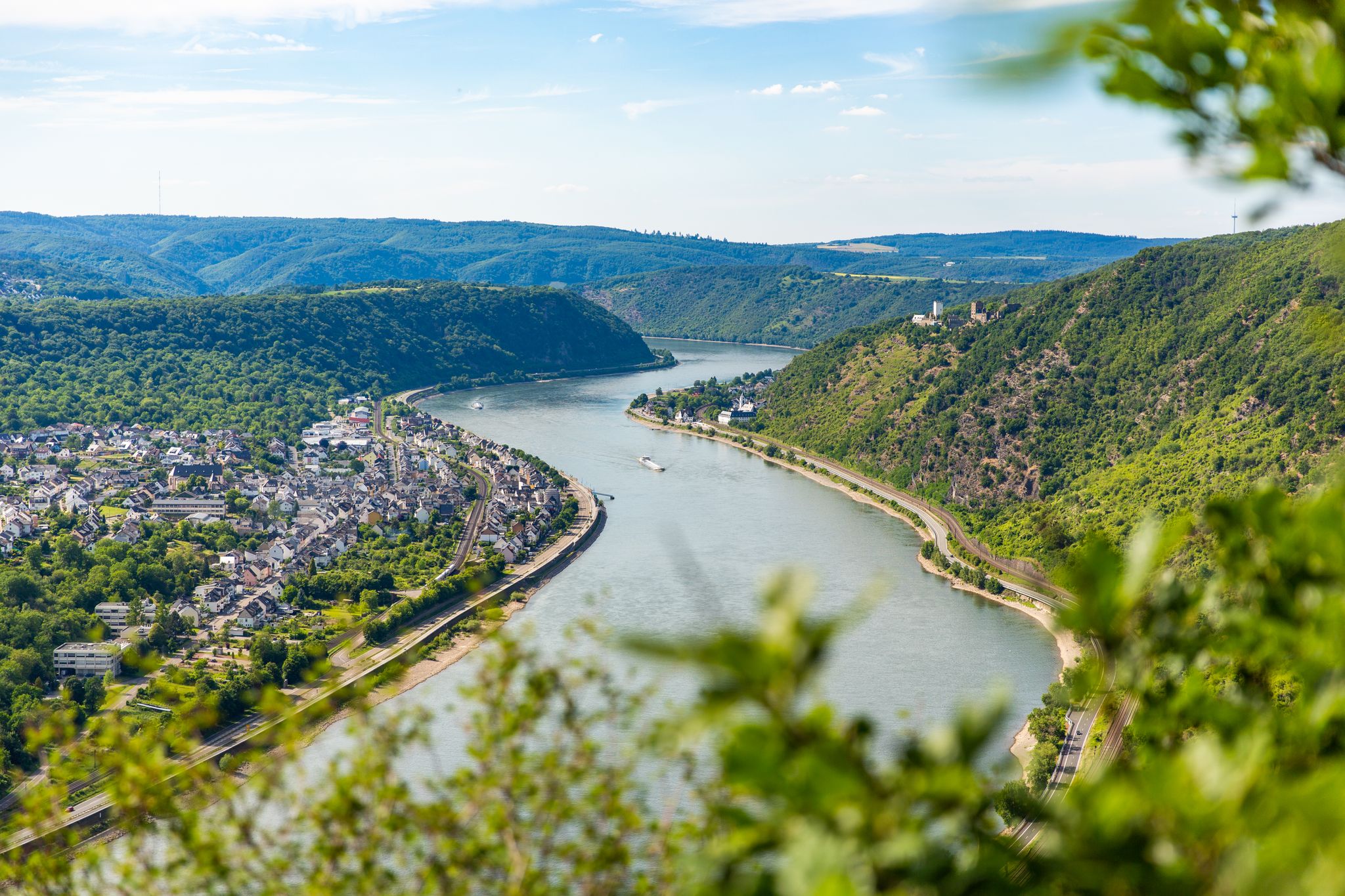
With a total length of around 1,233 kilometers, the Rhine is one of the longest, most historically significant, and economically important rivers in Europe. The river originates in the Swiss Alps, where it is formed from the two headwaters, the Vorder- and Hinterrhein. After flowing through Lake Constance, it plunges down at the Rhine Falls near Schaffhausen and then, as the High Rhine, forms the border between Switzerland and Germany. Further on, as the Upper Rhine, it flows through the Upper Rhine Plain past major cities such as Karlsruhe and Ludwigshafen, as well as directly past the region of Mainz and Wiesbaden. In this area, the river makes a sharp turn west at the so-called "Rhine Knee" (Rheinknie) before reaching the spectacular Middle Rhine. This section between Bingen and Koblenz – known as the Upper Middle Rhine Valley (Obere Mittelrheintal) – has been protected as a UNESCO World Heritage site since 2002 due to its density of castles, historic vineyards, and the legend of the Loreley rock. Via the Lower Rhine (Niederrhein) and the metropolitan regions of Cologne and Düsseldorf, the Rhine finally continues into the Netherlands. There it divides into a widely branched delta and finally flows into the North Sea near Rotterdam. As an international waterway, the Rhine is the logistical backbone of Western Europe. It connects major industrial centers and seaports directly with the hinterland, and is used annually by tens of thousands of cargo ships for the transport of coal, ores, containers, and chemical goods. In addition to its industrial function, the Rhine Valley serves as a lifeline for tourism, as a rich source of energy through hydropower plants, and as a valuable natural and recreational area for millions of people.
8
0


The new Drusus Bridge, still visible today, was built 100 years later under Archbishop Willigis (975-1011). This bridge was destroyed by the French in 1689. It was rebuilt by 1772. In March 1945, a special command blew up the bridge arch in front of the advancing troops of the Allies. Today, the 1000-year-old Drusus Bridge, in new splendor, once again shapes the cityscape of Bingen.
1
0
The Drusus Bridge owes its name to the Roman general Drusus, who is said to have built the first wooden bridge over the Nahe. It probably originated in the decade before Christ's birth, but was probably in a different location. At that time, Drusus fortified the left bank of the Rhine border of the Roman Empire by building fortifications and may have had a convenient path built across the Nahe. The wooden bridge was destroyed in 70 AD. The current stone bridge is a construction from the 11th century.
2
0
Great route for cycling
0
0
Beautiful route in both directions.
0
0
Frequently Asked Questions
How many road cycling routes are available around Oestrich-Winkel?
There are over 25 road cycling routes around Oestrich-Winkel. These routes cater to various skill levels, with 4 easy routes, 19 moderate routes, and 5 difficult routes available for exploration.
What kind of landscapes can I expect on road cycling routes in Oestrich-Winkel?
Road cycling in Oestrich-Winkel offers a diverse range of landscapes. You'll primarily cycle through extensive vineyards, along the scenic Rhine River, and into forested hills. The region is known for its picturesque views of grapevines, riverside paths, and glimpses of the wooded Taunus slopes.
Are there road cycling routes suitable for beginners or families in Oestrich-Winkel?
Yes, Oestrich-Winkel offers several routes suitable for beginners and families. The region features relatively flat paths, especially along the Rhine River, which are ideal for a more relaxed pace. For example, the View of the Rhine – Towpath loop from Oestrich-Winkel is an easy 9.7-mile (15.5 km) route that follows the river.
Can I find challenging road cycling routes for advanced riders in Oestrich-Winkel?
Absolutely. For advanced riders seeking a challenge, Oestrich-Winkel provides routes with significant elevation gains through its hilly terrain. An example is the difficult Biebrich Palace – View of Binger Mäuseturm loop from Oestrich-Winkel, which covers nearly 90 miles (145 km) and features considerable climbing.
Are there circular road cycling routes in Oestrich-Winkel?
Yes, many road cycling routes in Oestrich-Winkel are designed as loops, allowing you to start and end in the same location. The region is famous for its 'Riesling Loops' that guide you through vineyards. Routes like the Rauenthaler Serpentinchen – View of the Rhine Valley loop from Oestrich-Winkel are excellent examples of circular tours.
What historical landmarks or attractions can I see along road cycling routes?
The region is rich in historical landmarks. You can cycle past or near sites such as Eltville Castle, the Rossel Ruins offering views of the Nahe estuary, and the historic Oestricher Weinverladekran on the Rhine riverbank. Schloss Vollrads and Kloster Eberbach are also prominent cultural landmarks in the Rheingau that can be integrated into your rides.
Are there any waterfalls near the road cycling routes in Oestrich-Winkel?
While Oestrich-Winkel is primarily known for its vineyards and river, there are natural gorges and a waterfall within a reasonable distance. You can explore areas like the Kreuzbach Gorge or the Morgenbachtal Gorge and Waterfalls, which includes the Morgenbach Waterfall, offering a different natural experience.
Can I combine road cycling with wine tasting in Oestrich-Winkel?
Absolutely! Oestrich-Winkel is at the heart of the Rheingau wine region, making it perfect for combining cycling with wine tasting. Many routes, often referred to as 'Riesling Loops,' weave directly through vineyards, providing ample opportunities to stop at numerous wineries and sample the famous Rheingau wines.
What is the best time of year for road cycling in Oestrich-Winkel?
The mild climate of the Rheingau makes spring, summer, and early autumn ideal for road cycling. During these seasons, the vineyards are lush, and the weather is generally pleasant, offering the best conditions to enjoy the scenic routes and outdoor activities.
Are there road cycling routes that are approximately 50km long?
Yes, you can find several road cycling routes around Oestrich-Winkel that are close to 50km in length. For instance, the Rauenthaler Serpentinchen – View of the Rhine Valley loop from Oestrich-Winkel is a moderate 29.5-mile (47.4 km) route, and the Gau-Algesheim Marketplace – Elftausend-Mägde Tower loop from Oestrich-Winkel is 28.7 miles (46.2 km), both offering engaging rides within that range.
What do other road cyclists enjoy most about road cycling in Oestrich-Winkel?
The road cycling routes in Oestrich-Winkel are highly rated by the komoot community, with an average score of 4.2 stars from over 60 reviews. Cyclists often praise the region's unique combination of riverside paths, vineyard-lined routes, and forested hills, as well as the opportunity to combine physical activity with cultural exploration and wine tasting.
Most popular routes around Oestrich Winkel
Most popular attractions around Oestrich Winkel

Get inspired with the komoot mobile app


Explore more
Browse the best Road cycling routes in other regions.
