The best road cycling routes in Ancares
354
riders
14
rides
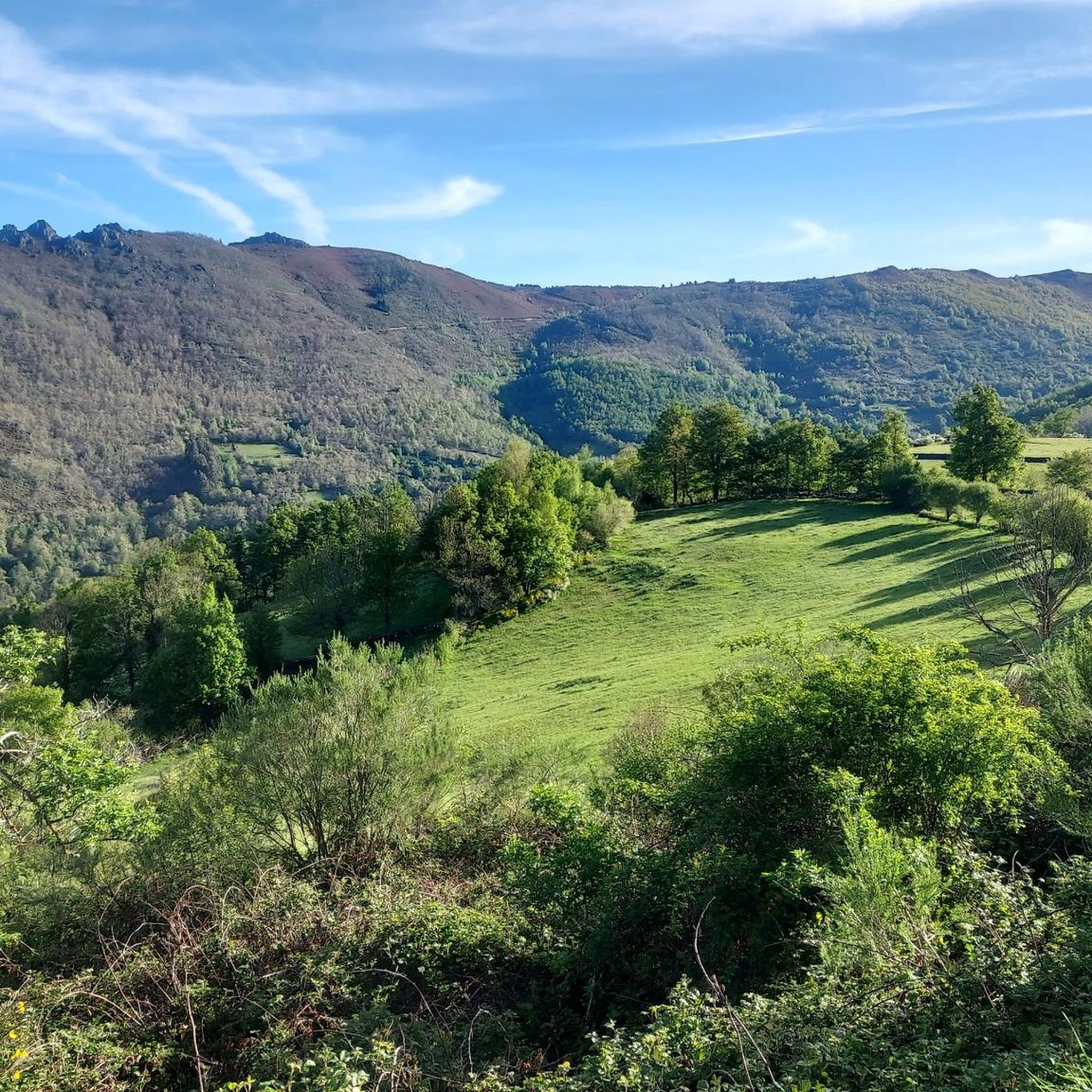
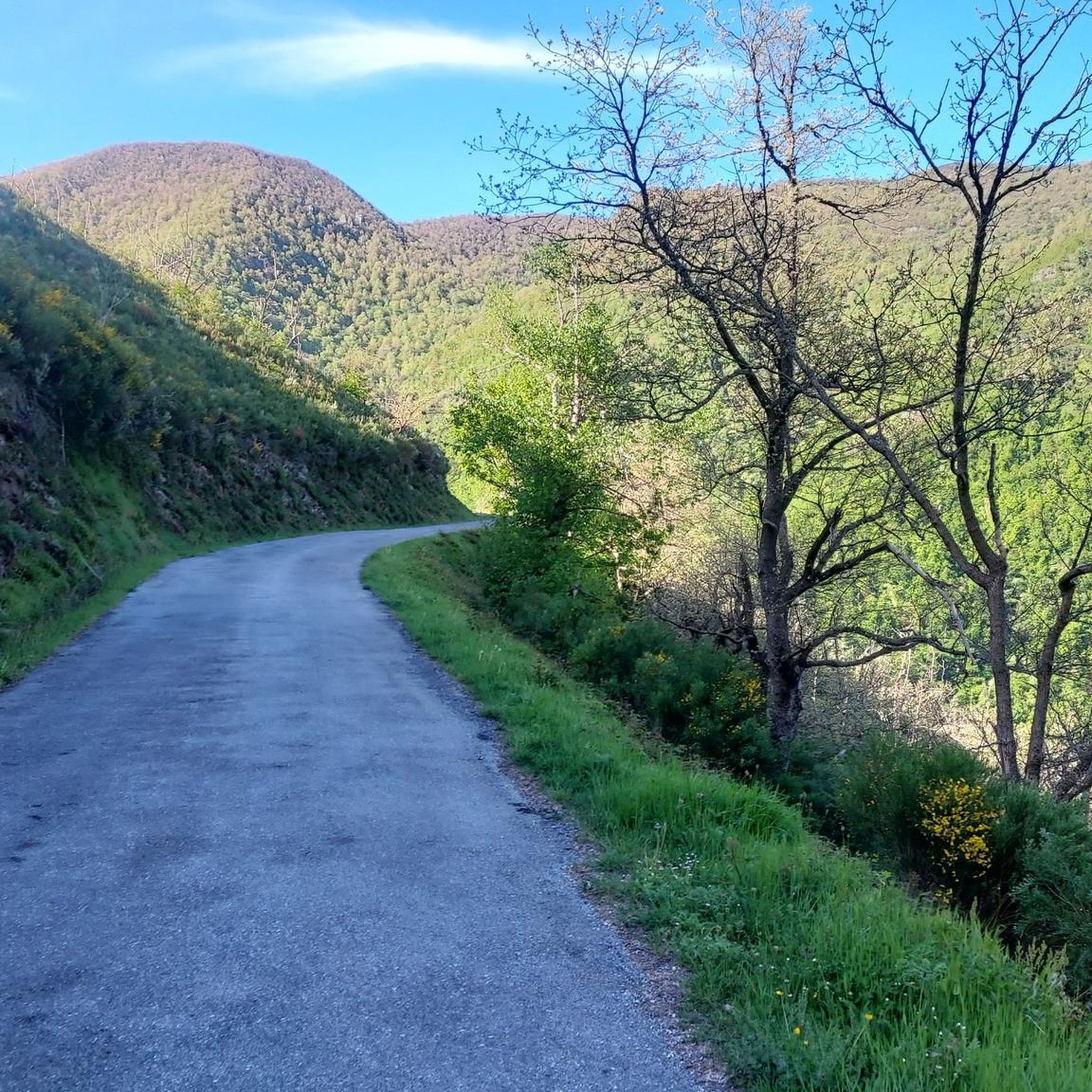
Road cycling in Ancares offers challenging terrain within a wild, mountainous environment, characterized by dense forests, traditional villages, and expansive views. The region is home to the Os Ancares Natural Park, featuring untouched mountains and diverse landscapes. Cyclists can expect significant elevation gains and winding roads that traverse limestone formations and ancient woodlands. Rivers like the Cúa and Navia also cut through the area, adding to the scenic variety.
Best road cycling routes in Ancares
- The most popular road cycling…
Last updated: May 16, 2026
6
riders
49.8km
03:19
1,600m
1,600m
Hard road ride. Very good fitness required. Mostly well-paved surfaces and easy to ride.
24
riders
63.8km
02:48
570m
570m
Moderate road ride. Good fitness required. Some segments of this route may be unpaved and difficult to ride.

Sign up for free
103
riders
124km
07:33
3,270m
3,270m
Hard road ride. Very good fitness required. Mostly well-paved surfaces and easy to ride.
43
riders
115km
06:46
2,720m
2,720m
Hard road ride. Very good fitness required. Some segments of this route may be unpaved and difficult to ride.
27
riders
110km
06:36
2,900m
2,900m
Hard road ride. Very good fitness required. Mostly well-paved surfaces and easy to ride.
Get access to more routes and recommendations from other explorers.
Sign up for free
Already have an account?
Our route recommendations are based on thousands of hikes, rides, and runs completed by other people on komoot.
Start today with a free account
Your next adventure awaits.
Login or Signup
Popular around Ancares
Tips from the Community

Pedrafita do Cebreiro: a legendary gateway to Galicia on the Camino de Santiago. Between pallozas, fog, and over 1,300 meters of altitude, the pass has been a test for pilgrims and cyclists for centuries. Cyclist's tip: climbing it is tough, but the reward is feeling like you're pedaling with one foot in history.
0
0

The Os Grobos Forest, located between the municipalities of Becerreá and As Nogais (Lugo), is one of Galicia's most magical and secret corners, ideal for nature and fantasy lovers. It is a karst landscape with limestone rock formations shaped by moisture and the passage of time, covered in moss and surrounded by chestnut trees, oaks, ferns, and ivy.
3
0

Villafranca del Bierzo takes its name from French immigrants who (re)populated the region after the Reconquista and built a castle. Villafranca thus became a stop on the Camino. In later centuries it was the capital of a county. Here we find the Santiago church from 1186, the 16th century castle, the authentic Calle del Agua, the Plaza Mayor, the San Nicolas church, a Jesuit monastery and a former monastery church of San Francisco. Francis of Assisi founded the monastery in the 13th century on his pilgrimage to Santiago.
7
0
The Cacabelos river beach is a natural jewel in El Bierzo, ideal for cooling off during hot summer days. The river beach is on the Cúa River, and its large bathing area allows for easy swimming. So, if you are in the area, do not hesitate to visit the Cacabelos river beach to relax and enjoy nature. 🌊🌞
7
0


nice little village
2
0

A port city, Piedrafita is the gateway between Galicia and Castilla y León and the starting point for many adventures along mountain trails.
2
0
Frequently Asked Questions
What is the typical terrain like for road cycling in Ancares?
Ancares is characterized by its wild, mountainous environment, offering challenging terrain with significant elevation gains. You'll traverse dense forests, traditional mountain villages, and open areas with expansive views. The region is known for its untouched mountains and diverse landscapes, including limestone formations and ancient woodlands.
How challenging are the road cycling routes in Ancares?
Road cycling in Ancares is defined by demanding mountain ascents. While there are some moderate options, the majority of routes are classified as difficult, often involving substantial elevation gain over distances that can exceed 100 kilometers. For example, the Porto de Pedrafita – Becerreá loop from Pedrafita do Cebreiro covers 124.1 km with over 3,200 meters of elevation gain.
What natural attractions can I expect to see while road cycling in Ancares?
The region is home to the Os Ancares Natural Park, featuring stunning natural beauty. You can expect to see diverse scenery, including the magical karst landscape of the Os Grobos Forest with its ancient chestnut trees and moss-covered rock formations. Rivers like the Cúa and Navia wind through the area, offering picturesque views. Notable summits like Pico dos Tres Bispos and Pico Mostallar are also prominent features.
Are there any historical or cultural landmarks along the routes?
Yes, Ancares features traditional mountain villages and historical sites. The Medieval Bridge of Navia de Suarna, an ancient arched bridge over the Navia river, is a notable landmark in the medieval village of Navia de Suarna, offering a picturesque spot to explore.
Are there many circular road cycling routes in Ancares?
Many of the road cycling routes in Ancares are designed as loops, allowing you to start and finish in the same location. For instance, the Porto de Pedrafita – Os Grobos Forest loop from Pedrafita do Cebreiro is a challenging 114.9 km circular route that takes you through significant natural beauty.
What is the best time of year for road cycling in Ancares?
The best time for road cycling in Ancares is generally during the warmer months, from late spring to early autumn. This period offers more stable weather conditions and ensures that the higher mountain passes are clear of snow, providing optimal riding conditions for the challenging terrain.
Is parking available near the road cycling routes?
Given the remote nature of many routes in Ancares, parking is often available in or near the starting points of villages like Pedrafita do Cebreiro or Murias de Rao. These locations serve as common access points for cyclists exploring the region.
Can I find places to eat or stay near the cycling routes?
While Ancares is remote, traditional mountain villages scattered throughout the region offer services. You can find local accommodations and restaurants in these villages, providing opportunities for rest and replenishment after your rides. It's advisable to plan ahead, especially in smaller, more isolated areas.
Are there any routes that offer less strenuous profiles for road cycling?
While Ancares is known for its challenging climbs, there are some routes with a less strenuous profile. The Cúa River in Cacabelos – Villafranca del Bierzo loop from Balboa is a moderate 63.8 km path that follows the Cúa River, offering picturesque views and a more manageable elevation gain compared to the high mountain passes.
What makes the Puerto de Ancares a significant cycling destination?
The Puerto de Ancares is an iconic climb renowned for its challenging ascents and breathtaking scenery, having hosted stages of the Vuelta a España. It can be approached from several sides, each offering a unique experience. For example, the ascent from Balouta is considered spectacular, featuring a perfect road surface, minimal traffic, and steep gradients.
Are there any routes that offer views of the National Reserve?
Yes, several routes provide stunning views of the National Reserve. The ascent to Puerto de Ancares from Tejedo, for instance, begins through dense forest before opening up to expansive vistas of the National Reserve, which former Tour de France winner Carlos Sastre famously called the best in the world.
How many road cycling routes are available in Ancares?
There are over 10 road cycling routes available in Ancares, catering to various difficulty levels. The majority of these routes are classified as difficult, with a few moderate options for those seeking a less intense ride.
Most popular attractions in Ancares

Get inspired with the komoot mobile app


Explore more
Browse the best Road cycling routes in other regions.
