Attractions and Places To See in Betanzos-Mandeo - Top 8
Best attractions and places to see in Betanzos-Mandeo, a protected natural area in Galicia, Spain, offers a blend of historical sites, cultural landmarks, and diverse natural landscapes. The region is defined by the Mandeo and Mendo rivers, which converge into the Betanzos estuary, creating rich ecological zones. Betanzos town serves as a focal point, known for its well-preserved Gothic architecture and historic center. This area provides opportunities to explore both historical charm and significant natural features.
Best attractions and places…
Last updated: October 10, 2026
San Francisco Church
Highlight • Religious Site
Showing Translation
Tip by

Ponte Vella
Highlight • Bridge
Translated by Google •
Tip by

Sign up now to discover places like this
Get recommendations on the best single tracks, peaks, & plenty of other exciting outdoor places.
Pedrido Bridge
Highlight (Segment) • Bridge
Translated by Google •
Tip by

Alameda Beach
Highlight • Beach
Translated by Google •
Tip by

Ría de Betanzos Viewpoint
Highlight • Viewpoint
Translated by Google •
Tip by

Sign up for free to discover even more attractions in Betanzos-Mandeo.
Already have an account?
Start today with a free account
Your next adventure awaits.

Tips from the Community

Igrexa San Francisco Betanzos is declared a National Monument. It has only a single nave and an apse with a ribbed vault. It is so rich in reliefs, ornaments, peculiarities. But very exceptional is the sarcophagus of the founder of this church as well as other important buildings, like the adjacent church Santa Maria di Azogue, Fernan Perez de Andrade, called "O Boo". It stands on the representative animals of the Andrade family, a bear and a wild boar as a base. Reliefs of hunting scenes can be seen, and on top the figure of the knight in armor. A total of 7 dogs are depicted near the knight, referring to the number 7 in the legend: the construction of 7 churches, 7 monasteries, 7 hospitals, and 7 bridges. Previously, there was an affiliated Franciscan monastery here.
1
0

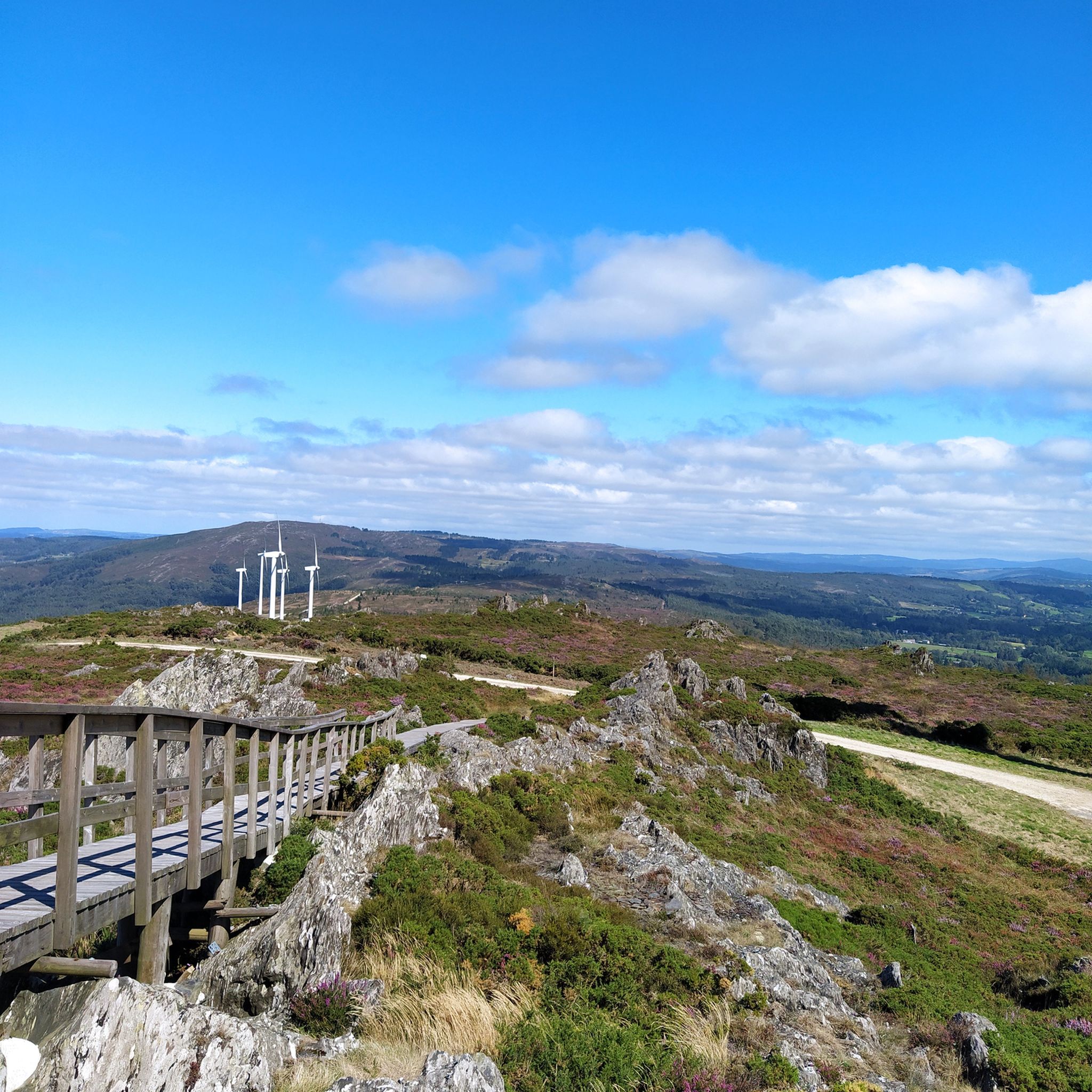
A dream location! Be sure to walk on the footbridge... it runs parallel to the Way of St. James.
0
0

Great bridge sights and historical building
1
0

Located in the historic center of Betanzos, this 59-meter-long stone bridge passes over the Mandeo River. Although the origin is not very clear, it is known that an old bridge already existed in the 13th century. The river floods knocked it down several times, so they had to rebuild it on numerous occasions.
3
0

Historic bridge in the historic center of Betanzos. Some point to its origin in 1219 on the Mandeo river
2
0

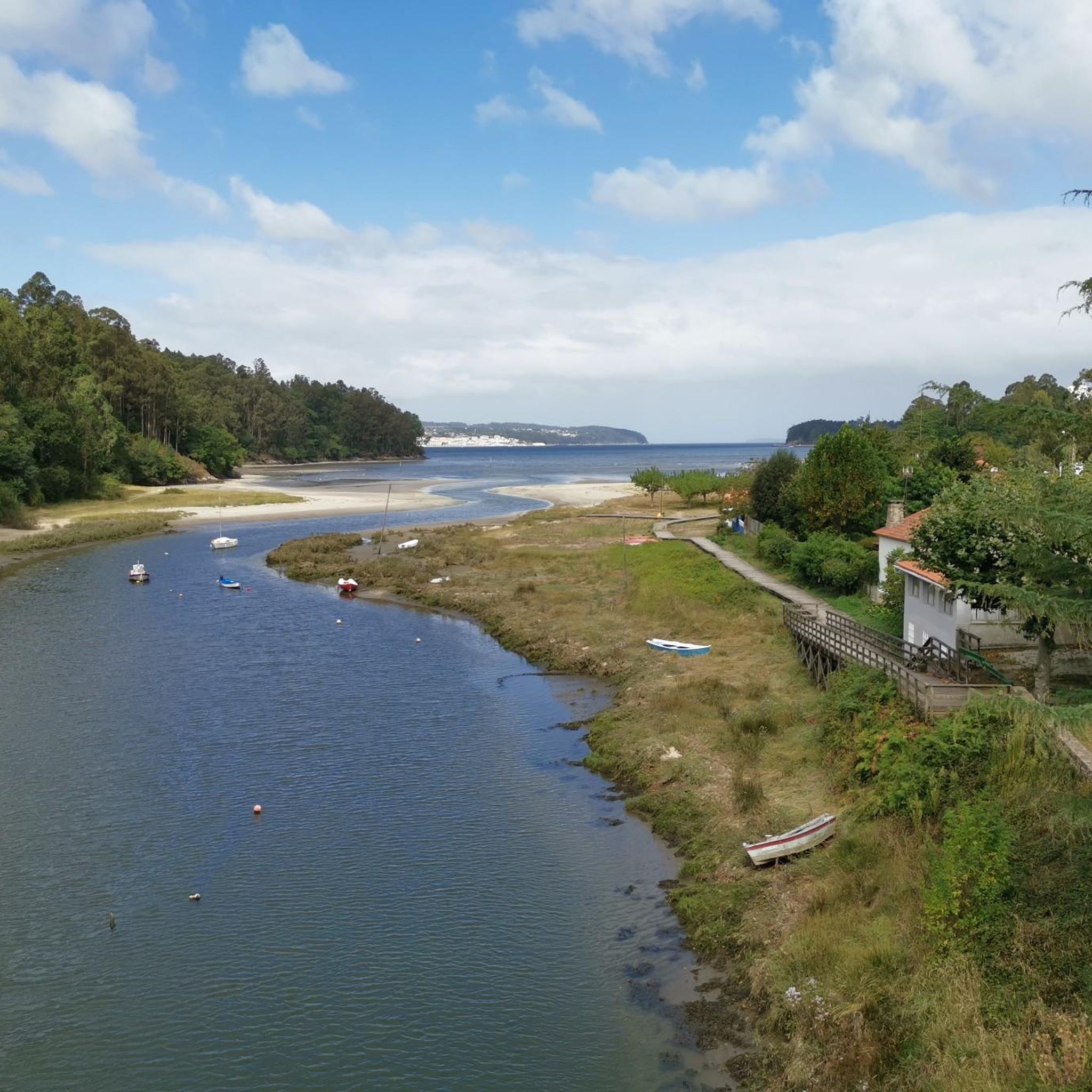
The Ponte do Pedrido rises over the Betanzos estuary and is 520 meters long. From the top you can see the immense sandy area below and the estuary of the estuary. It is the easiest way to cross the estuary without having to take the highway. It is preferable to cross it on weekdays since it is busier on weekends.
3
0

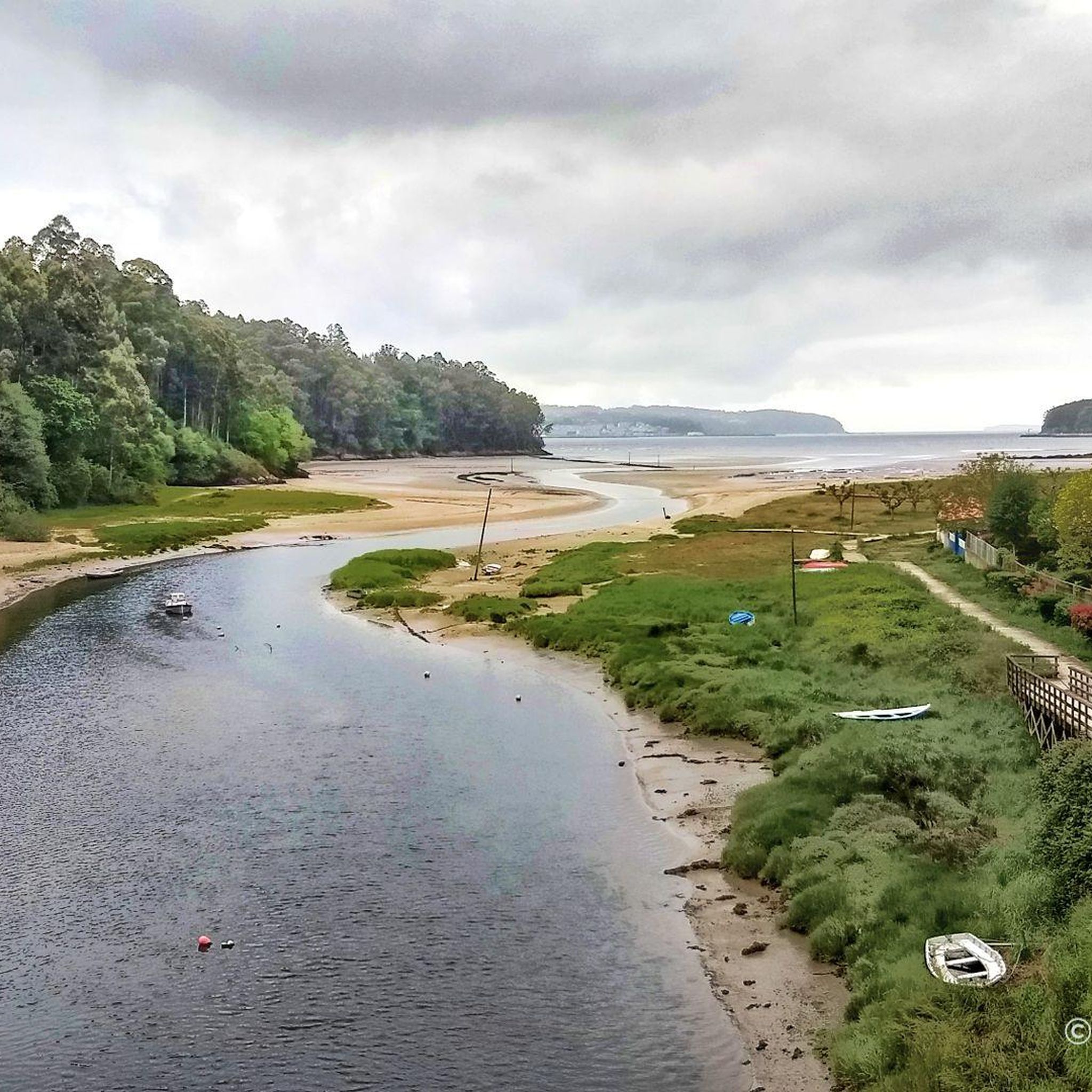
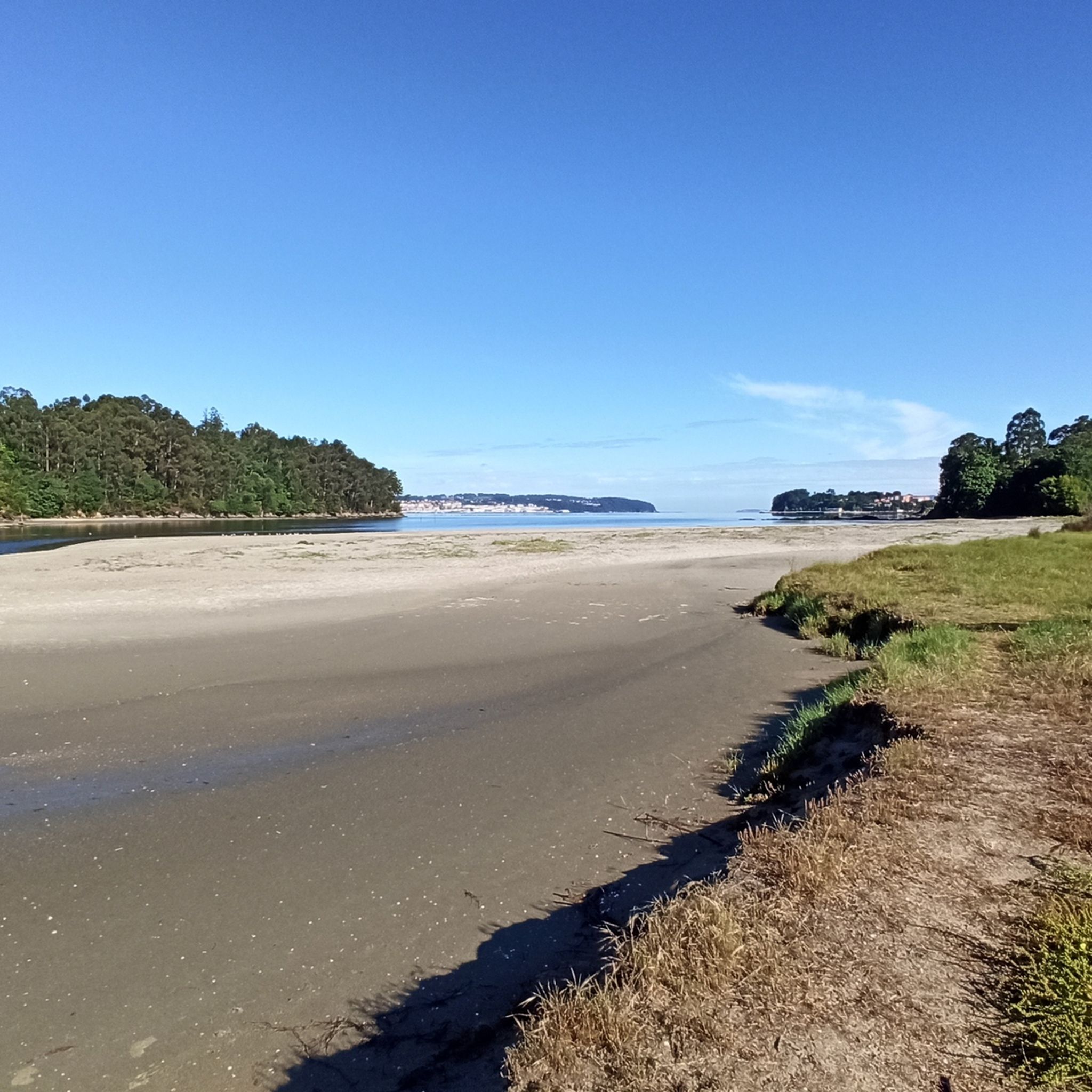
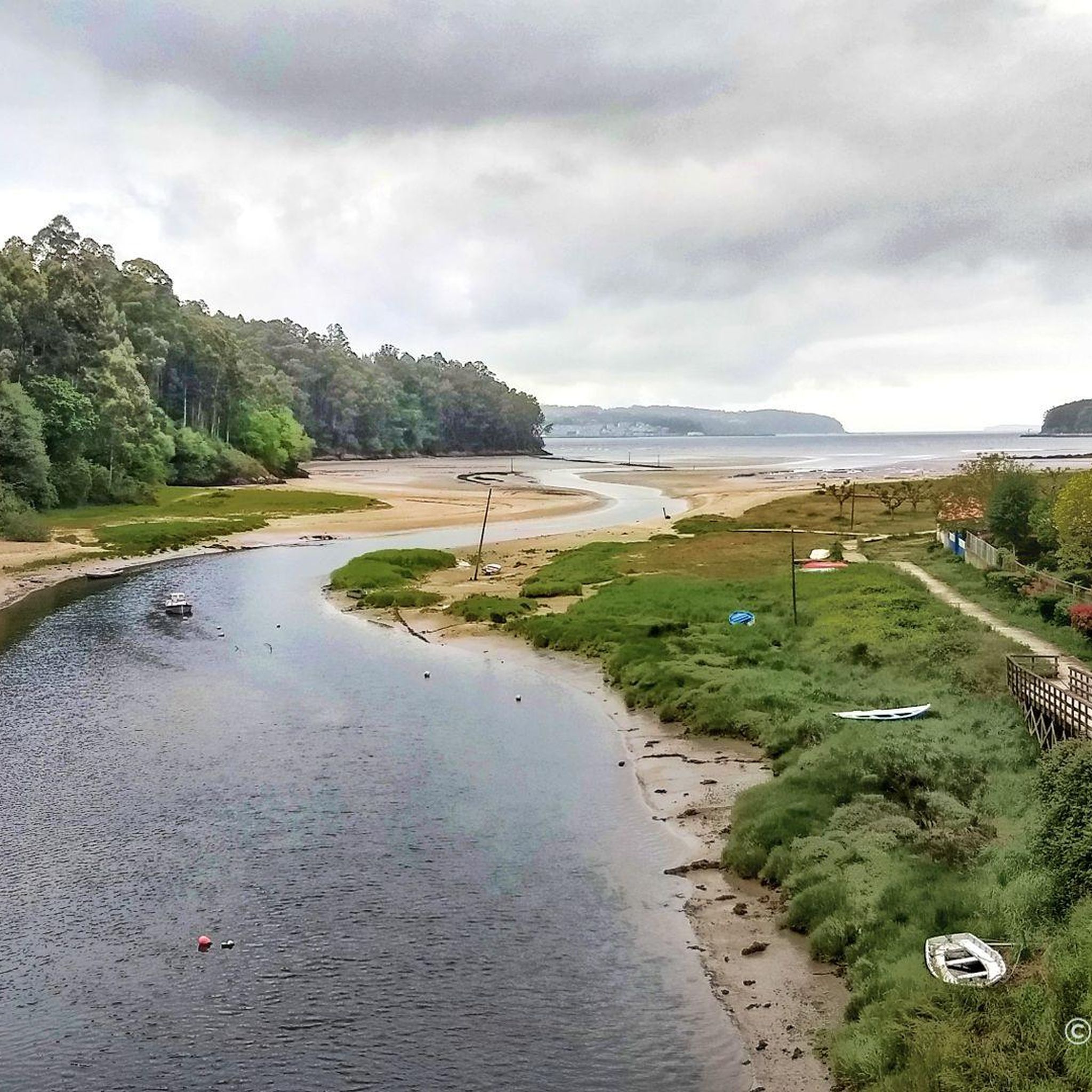
Alameda beach is a small sandy area located at the mouth of the Lambre River, which forms a tiny estuary sheltered from the wind.
8
1

Nice beach at the mouth of the Lambre
3
3
Frequently Asked Questions
What historical sites can I explore in Betanzos-Mandeo?
The region is rich in history, particularly the town of Betanzos. You can explore the Betanzos Old Town, a historic-artistic site known for its well-preserved Gothic architecture. Key landmarks include the three Gothic churches: Church of Santiago, Church of Santa María de Azogue, and Church of San Francisco, which houses medieval sarcophagi. Don't miss the Ponte Vella, a historic stone bridge over the Mandeo River dating back to the 13th century.
What natural attractions are there in the Betanzos-Mandeo region?
Betanzos-Mandeo is defined by its natural beauty. The Betanzos-Mandeo Special Zone of Conservation (ZEC) protects riparian forests and marshlands, vital for Atlantic salmon. The Ría de Betanzos, where the Mandeo and Mendo rivers meet the sea, features one of Galicia's largest coastal mudflats. You can also visit the Area Natural de Chelo along the Mandeo River for inland routes and a nature workshop, or explore the broader Mariñas Coruñesas y Tierras de Mandeo Biosphere Reserve, a diverse landscape of sea and mountains.
Are there any beaches suitable for relaxation in the area?
Yes, the region offers beautiful coastal spots. Playa Grande de Miño is an extensive sandy beach within the Betanzos estuary, known for its white sand and blue waters. Another option is Alameda Beach, a smaller sandy area at the mouth of the Lambre River, which forms a sheltered estuary ideal for a breather.
Where can I find scenic viewpoints in Betanzos-Mandeo?
For panoramic views, consider visiting the Ría de Betanzos Viewpoint, which offers impressive vistas of the estuary. Another great spot is the Pedrido Bridge, a 520-meter-long structure that provides spectacular views of the estuary and the sandy areas below. The Viewpoint - Miño Castro Station Bridge also offers nice views, particularly for those on the Camino de Santiago.
Are there family-friendly attractions in Betanzos-Mandeo?
Absolutely! Families can enjoy Parque del Pasatiempo, considered one of the world's first theme parks, with unique elements like the Retiro Pond and the Tower of Hercules. The Ponte Vella is a historical site that can be interesting for all ages. Additionally, Alameda Beach is a small, sheltered beach perfect for families to relax.
What outdoor activities and trails are available near these attractions?
The Betanzos-Mandeo region is excellent for outdoor enthusiasts. You can find numerous routes for hiking, mountain biking, and gravel biking. Popular hiking trails include the 'Fraga do Xarío desde Miño' and the 'Caneiros Park loop from Betanzos'. For mountain biking, consider 'Betanzos - veulta por Zona Especial Conservación Mandeo'. Gravel biking options include the 'Mero River Trail – Cecebre Reservoir loop'. You can find more details and routes on the Hiking in Betanzos-Mandeo, MTB Trails in Betanzos-Mandeo, and Gravel biking in Betanzos-Mandeo guide pages.
Are there specific hiking routes along the Mandeo River?
Yes, the Mandeo River banks offer ideal routes for walking and nature observation. The Area Natural de Chelo, located along the Mandeo River, provides inland routes into surrounding forests. Many hiking trails in the region incorporate sections along the river, allowing for close contact with nature and access to resting areas. For specific routes, check the Hiking in Betanzos-Mandeo guide.
What is the best time of year to visit Betanzos-Mandeo?
The region offers beauty year-round, but the best time to visit largely depends on your preferred activities. Spring and autumn generally provide pleasant temperatures for exploring historical sites and engaging in outdoor activities like hiking and cycling. Summer is ideal for enjoying the beaches and estuaries, though it can be busier. Winter offers a quieter experience, particularly for walks along the rivers.
Where can I learn about the local history and culture of Betanzos-Mandeo?
To delve deeper into the local history and culture, visit the Museo das Mariñas. Housed in the former Convent of Santo Domingo in Betanzos, this museum showcases a diverse collection including Galician clothing, embroidery, tapestries, lacework, archaeological pieces, and medieval tombs, offering a comprehensive look into the region's heritage.
What do visitors particularly enjoy about the attractions in Betanzos-Mandeo?
Visitors appreciate the blend of historical charm and natural beauty. The Ponte Vella is loved for its historical significance and scenic views. The Pedrido Bridge is noted for its spectacular estuary views. Alameda Beach is praised as an ideal spot to relax. The Ría de Betanzos Viewpoint is highlighted for its unique experience with plexiglass panes allowing views down to the water.
What is the significance of the Mandeo and Mendo rivers in the region?
The Mandeo and Mendo rivers are central to the Betanzos-Mandeo region, shaping its natural landscape and historical development. They converge to form the Ría de Betanzos, an estuary that was historically vital for fishing and trade. These rivers create areas of high ecological richness with native forests and wetlands, forming the backbone of the Betanzos-Mandeo Special Zone of Conservation (ZEC). Their banks provide popular routes for walking and observing nature.
Most popular routes in Betanzos-Mandeo

Get inspired with the komoot mobile app


Explore more
Still not found the Highlight you’re looking for? See guides of the top attractions in other regions:
