Attractions and Places To See in Broads - Top 20
Best attractions and places to see in Broads include a unique network of navigable rivers and lakes spanning Norfolk and Suffolk. This protected wetland is characterized by its broads, which are shallow lakes formed from medieval peat workings. The region offers diverse natural landscapes, cultural sites, and historical landmarks for exploration.
Best attractions and places to see in Broads
- The most popular attractions is Horsey Windpump, a historical site that has been restored with a winding cap and turning…
Last updated: July 2, 2026
Horsey Beach Seal Colony
Highlight • Beach
Tip by

Reedham Ferry
Highlight • Bridge
Tip by
Sign up now to discover places like this
Get recommendations on the best single tracks, peaks, & plenty of other exciting outdoor places.
Sign up for free
Horsey Windpump
Highlight • Historical Site
Tip by
Horstead Mill
Highlight • Historical Site
Tip by

Beccles Old Bridge
Highlight • Viewpoint
Tip by

Sign up for free to discover even more attractions in Broads.
Sign up for free
Already have an account?
Start today with a free account
Your next adventure awaits.
Login or Signup
Popular around Broads
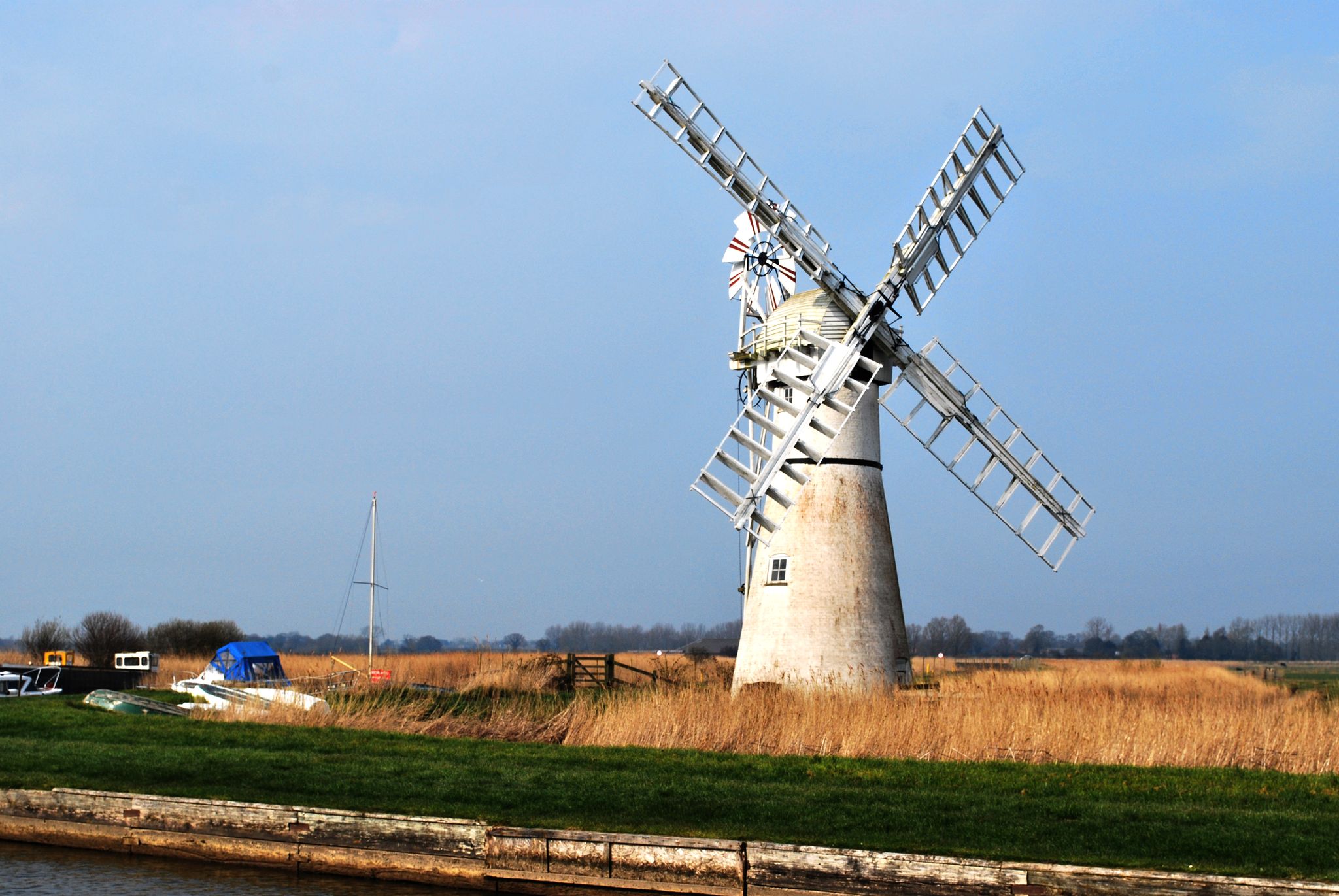
Norfolk Trails – long-distance walks
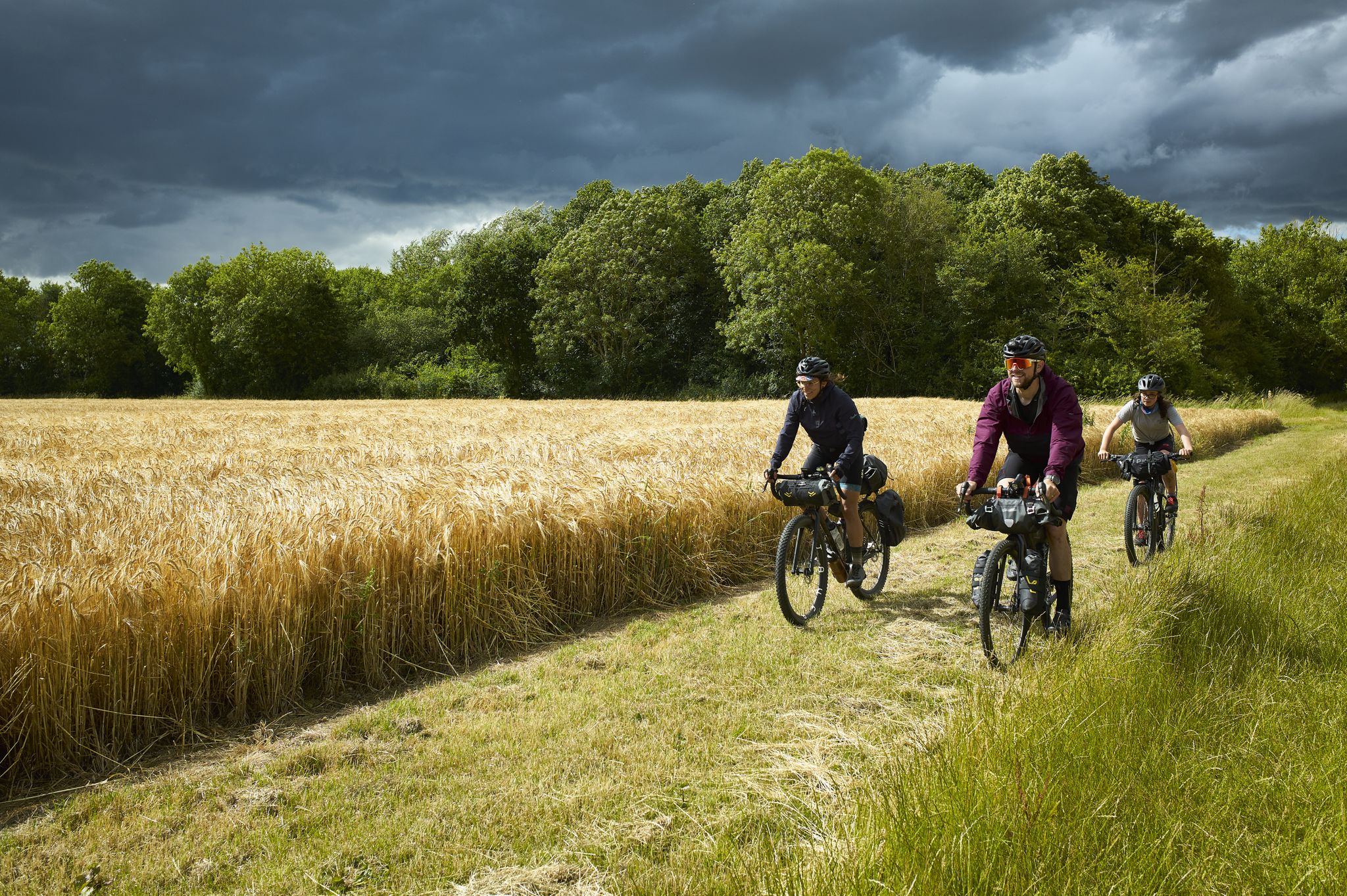
The Rebellion Way — all ability bikepacking in Norfolk
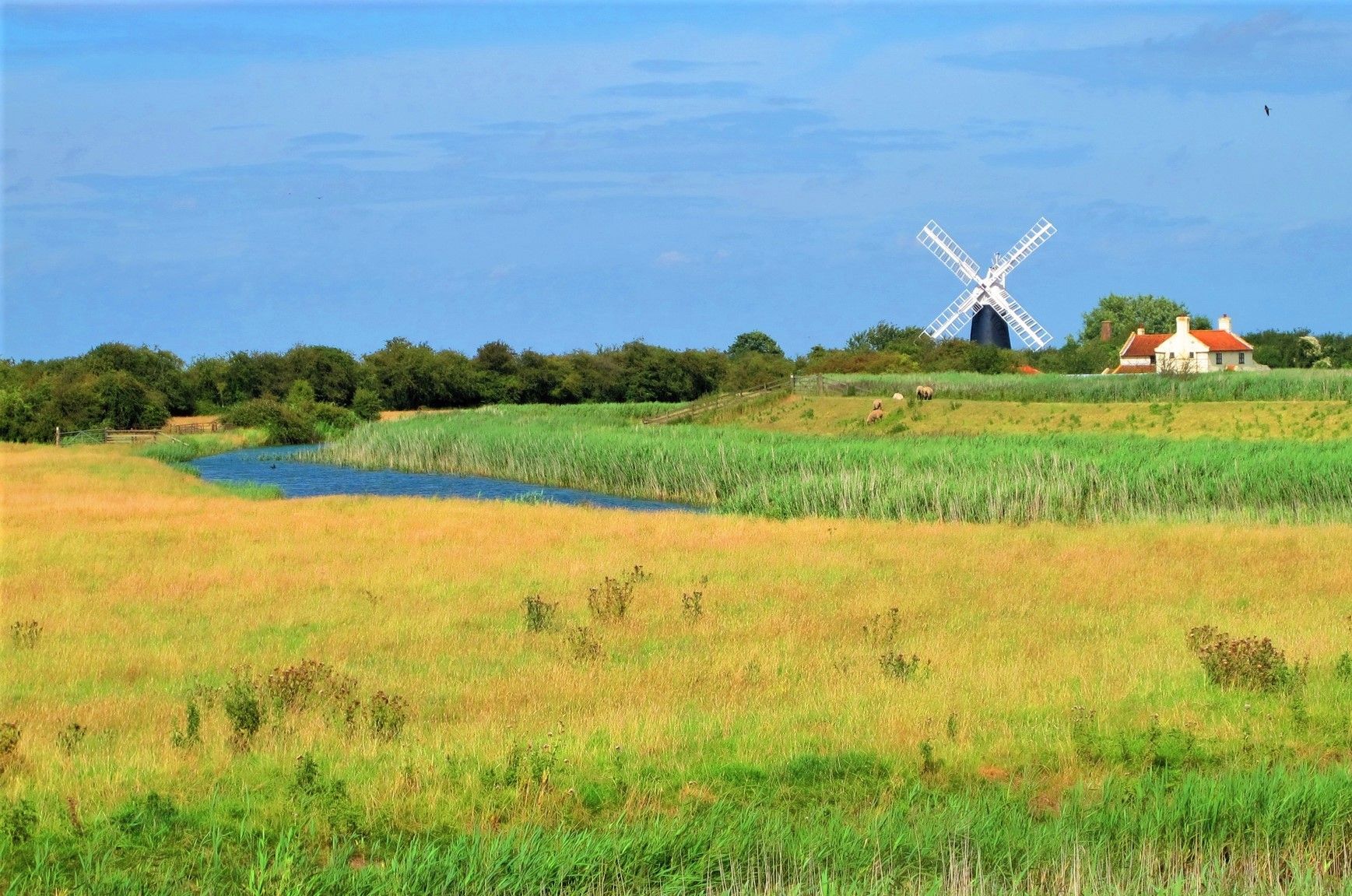
Wherryman's Way — Wildlife and windmills on waterside hike
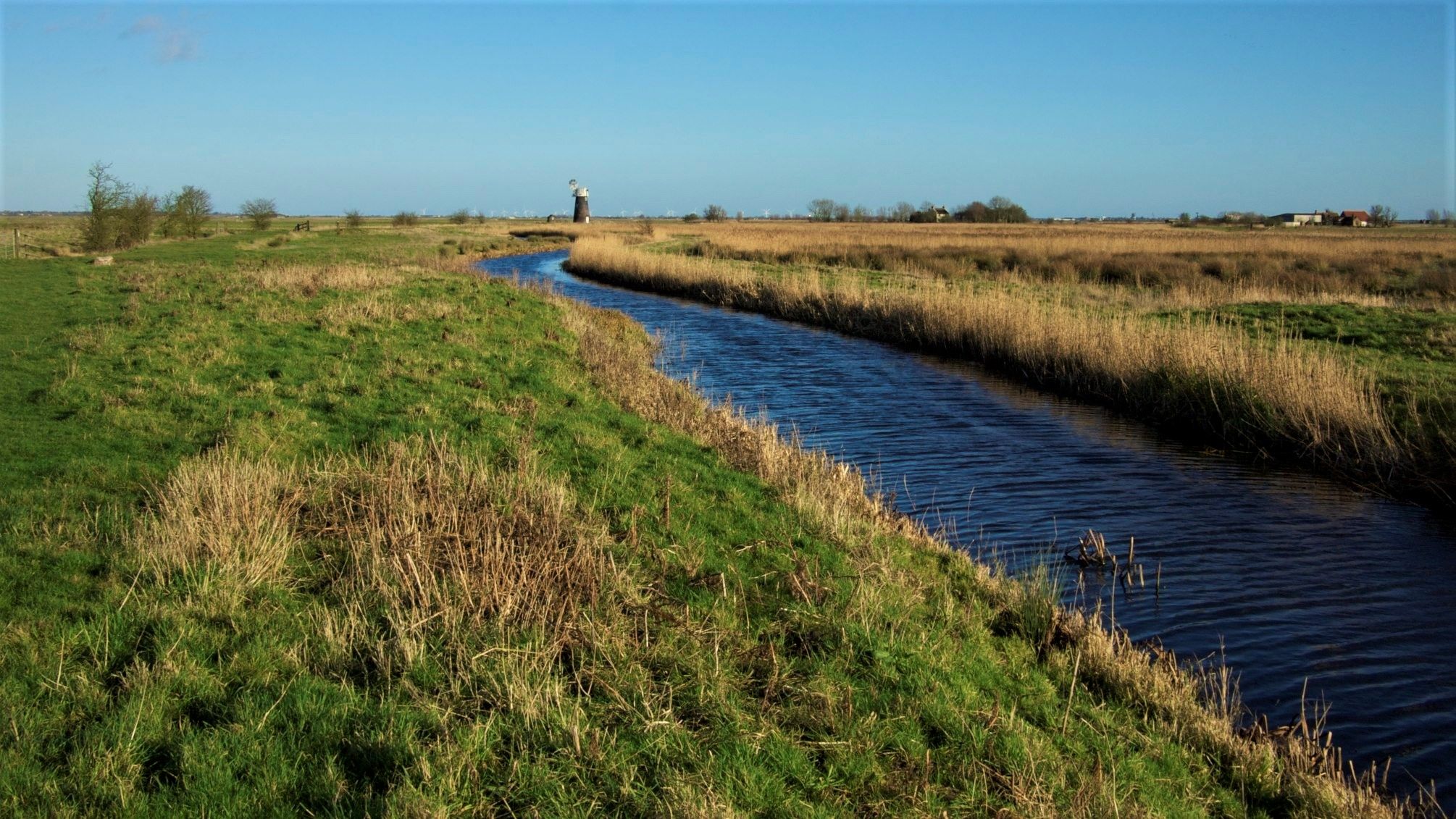
Weavers' Way — Hike the rich and varied landscapes of Norfolk
The North Sea Coast Cycle Route — England
Norfolk Coast loop from Norwich – castle to coast
Enchanting family walks in the beautiful Broads National Park
A Walk in the Parks – across the Broads National Park
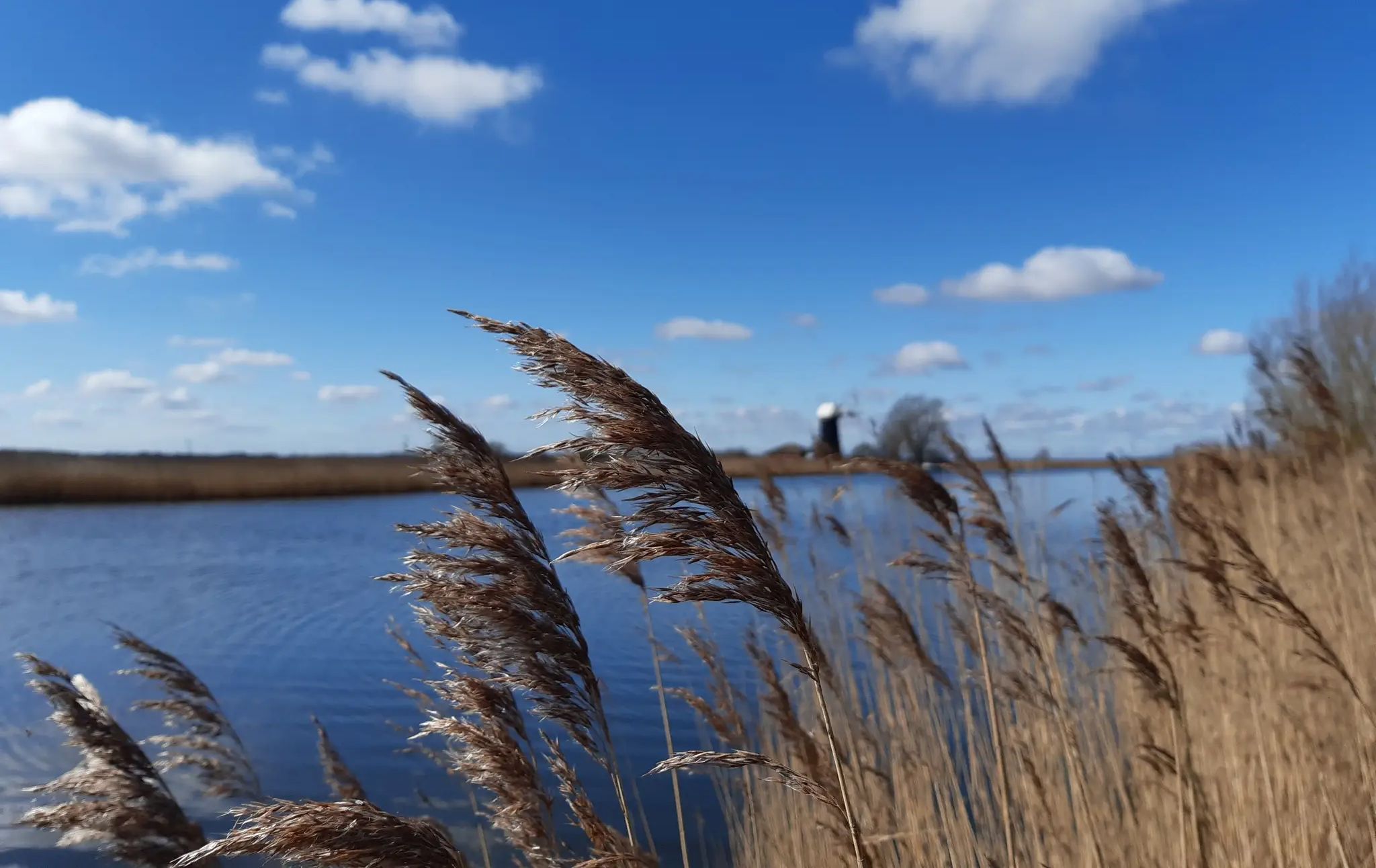
Windmills, wildlife and waterways – best walks in the Broads National Park
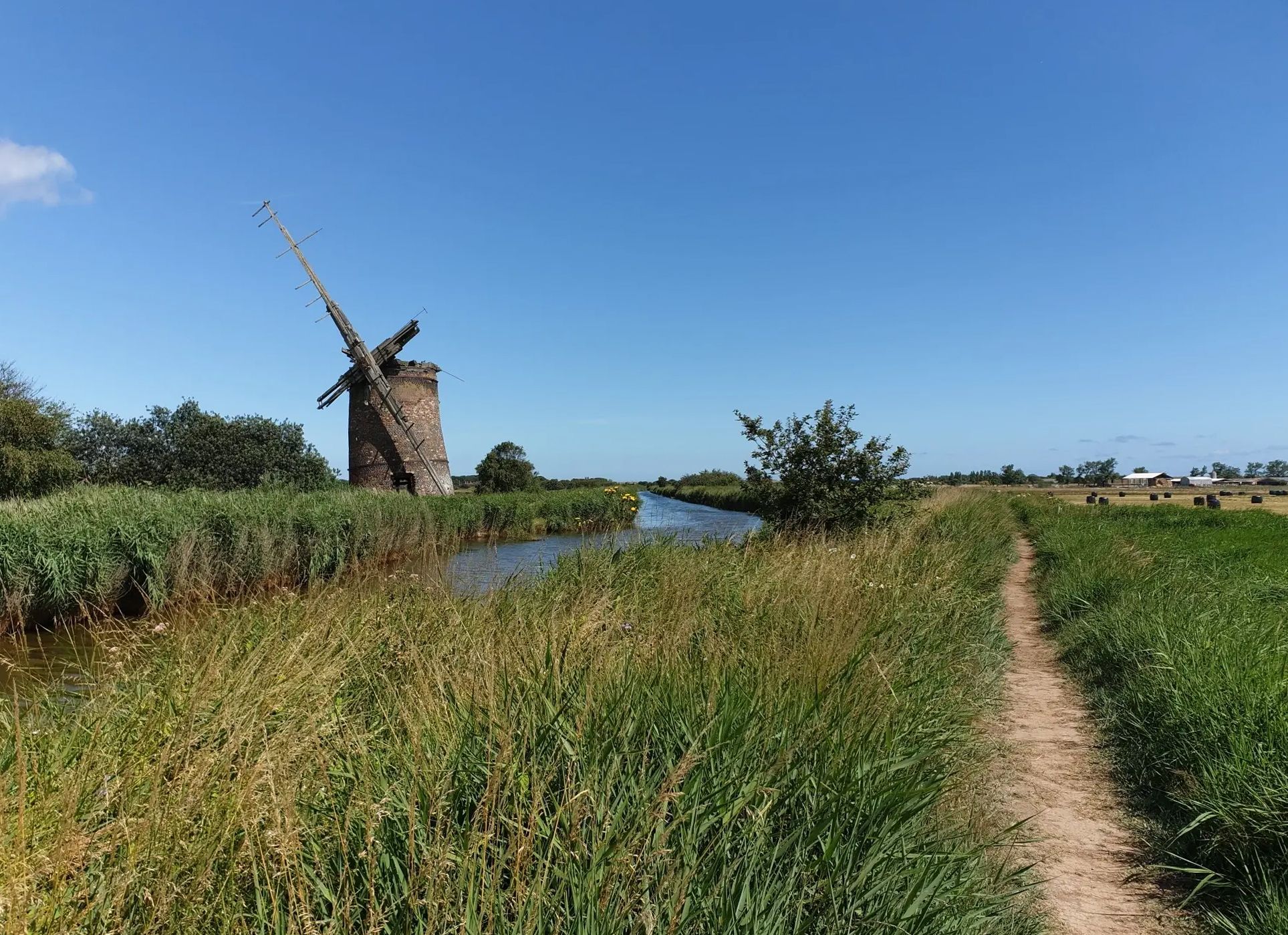
Golden autumn walks in the Broads National Park
Other adventures in Broads


Tips from the Community

Using the power of moving water to drive a mill wheel is an ancient invention of the human spirit of discovery, the origins of which can be traced back to times long past. Thanks to such a construction, a watercourse - natural or artificial - could simply replace human or animal muscle power with the power of the natural elements, for example to grind grain into corn or to press oil from fruit. There are essentially two different ways of driving watermills: * Either the flowing water simply hits the blades of the water wheel from below to set it in motion; or * the water is guided - usually through a so-called "mill channel" - above the wheel and falls onto the blades; this type of construction is more efficient due to natural gravity.
1
0

Nice views of the cruisers on the Waveney although the road pinches as it crosses the bridge so you can't stop to admire them.
0
0
National Trust-run windmill in the middle of the wide, flat broads landscape. Cafe and toilets for a refreshment stop as well.
0
0

There is a car park here, which is managed by the National Trust. There are lovely hiking trails all around through the Broads and to the North Sea coast. You can see several colonies of seals on the coast.
0
0
The National Trust maintains a car park right next to the mill. You can also get tickets to the mill there. It's worth a visit, as you'll not only learn details about the mill, but also gain an insight into the miller's life.
0
0

It's thought that there had been a mill here since at least Saxon times. The 18th-century incarnation of Horstead Mill was once one of the most photographed in Britain, a fine sight on the River Bure. However, it burned down in 1963 and, today, only the lower parts of the building remain.
0
0

Horstead watermill was burnt down in 1963 and all that remains is the lower section of the mill building. It was one of the biggest and most photographed mills in the country.
2
0

Easy to use and ferryman always helpful. £1.50 bike and rider £2 return.. Closes in summer at 10pm sharp. They take cards and cash. We approached from the South vbank and the ferry was on the other side waiting for cars, but the ferryman started immediately back to pick us up great service.
0
0
Frequently Asked Questions
What natural features and wildlife can I experience in the Broads?
The Broads are renowned for their unique network of navigable rivers and lakes, offering diverse natural landscapes. You can explore significant wildlife havens like Hickling Broad Nature Reserve, home to common cranes, bitterns, and otters, or Ranworth Broad Nature Reserve, where you might spot great crested grebes and kingfishers. For a unique wildlife encounter, visit Horsey Beach Seal Colony, especially during winter when seal pups are visible.
Are there historical sites or landmarks to visit in the Broads?
Yes, the Broads are rich in history. You can visit the ruins of St Benet's Abbey, a 1000-year-old monastery, or admire the striking 200-year-old Horsey Windpump, which offers panoramic views from its top. Other notable sites include St Helen's Church in Ranworth, known as the 'Cathedral of the Broads,' and the impressive Burgh Castle Roman Fort, offering views over Breydon Water.
What family-friendly attractions are available in the Broads?
The Broads offer many family-friendly options. You can enjoy a charming steam train ride on the Bure Valley Railway, explore the adventure park at BeWILDerwood with its treehouses and zip wires, or visit Wroxham Barns for a Junior Farm and fun park rides. Other attractions include Thrigby Hall Wildlife Gardens and Pettitt's Animal Adventure Park, both offering close encounters with animals and entertainment.
What kind of outdoor activities can I do in the Broads?
The lock-free waterways make the Broads ideal for boating holidays, with options to hire cruisers or traditional sailing yachts. Beyond boating, you can enjoy walking, cycling, and mountain biking. For specific routes, check out guides like Easy hikes in Broads or MTB Trails in Broads.
Are there good walking or hiking trails near the attractions?
Absolutely. Many attractions are close to walking paths. For example, a nine-mile footpath runs alongside the Bure Valley Railway. You can find numerous easy hikes, such as the Whitlingham Broad family walk or the Ranworth loop, which are detailed in the Easy hikes in Broads guide.
Can I go cycling in the Broads?
Yes, cycling is a popular way to explore the Broads. There are various routes suitable for different types of cycling. You can find mountain biking trails in the MTB Trails in Broads guide, including routes like the Winterton Church Tower loop. For gravel biking, explore options in the Gravel biking in Broads guide, such as the Marriott's Way loops.
When is the best time to visit the Broads?
The Broads offer attractions year-round. Spring and summer are ideal for boating, wildlife spotting, and enjoying the gardens. Autumn provides beautiful scenery, especially around places like Ranworth. Winter is unique for witnessing the grey seal colony at Horsey Beach Seal Colony when pups are present.
Where can I see seals in the Broads?
The best place to see seals in the Broads is at Horsey Beach Seal Colony. It's particularly known for its grey seal colony, especially during the winter months (November to February) when hundreds of seal pups can be observed. Remember to keep a respectful distance and control dogs on leads.
Are there any unique ways to experience the waterways?
Beyond traditional boating, you can experience the waterways in unique ways. The Reedham Ferry offers a distinctive chain-pulled river crossing on the River Yare. You can also take boat trips at Fairhaven Woodland and Water Garden or through the marshes at How Hill on an electric launch, providing a tranquil perspective of the landscape.
What are some notable windmills or mills in the area?
The Broads are dotted with historic windmills. Horsey Windpump is a restored working drainage mill offering panoramic views. Thurne Mill is another striking 200-year-old white working mill. While Horstead Mill is largely in ruins, it was once one of the most photographed mills in Britain, and its lower sections remain as a historical point of interest.
Are there any accessible attractions for visitors with mobility needs?
Yes, some attractions in the Broads offer accessibility. For instance, the Reedham Ferry is noted as wheelchair accessible. Many of the villages and market towns also have accessible paths, and some nature reserves provide boardwalks suitable for wheelchairs, though it's always best to check specific site details beforehand.
What do visitors particularly enjoy about the Broads attractions?
Visitors frequently praise the opportunity to see British wildlife up close, especially the seals at Horsey Beach Seal Colony. The panoramic views from historical sites like Horsey Windpump are also highly appreciated. Many enjoy the unique experience of crossing the river on the Reedham Ferry and the peaceful atmosphere of the waterways.
Most popular routes in Broads
Most popular attractions in Broads

Get inspired with the komoot mobile app


Explore more
Still not found the Highlight you’re looking for? See guides of the top attractions in other regions:
