The best walks and hikes in Amvrakikos National Park
4.1
(64)
309
hikers
15
hikes
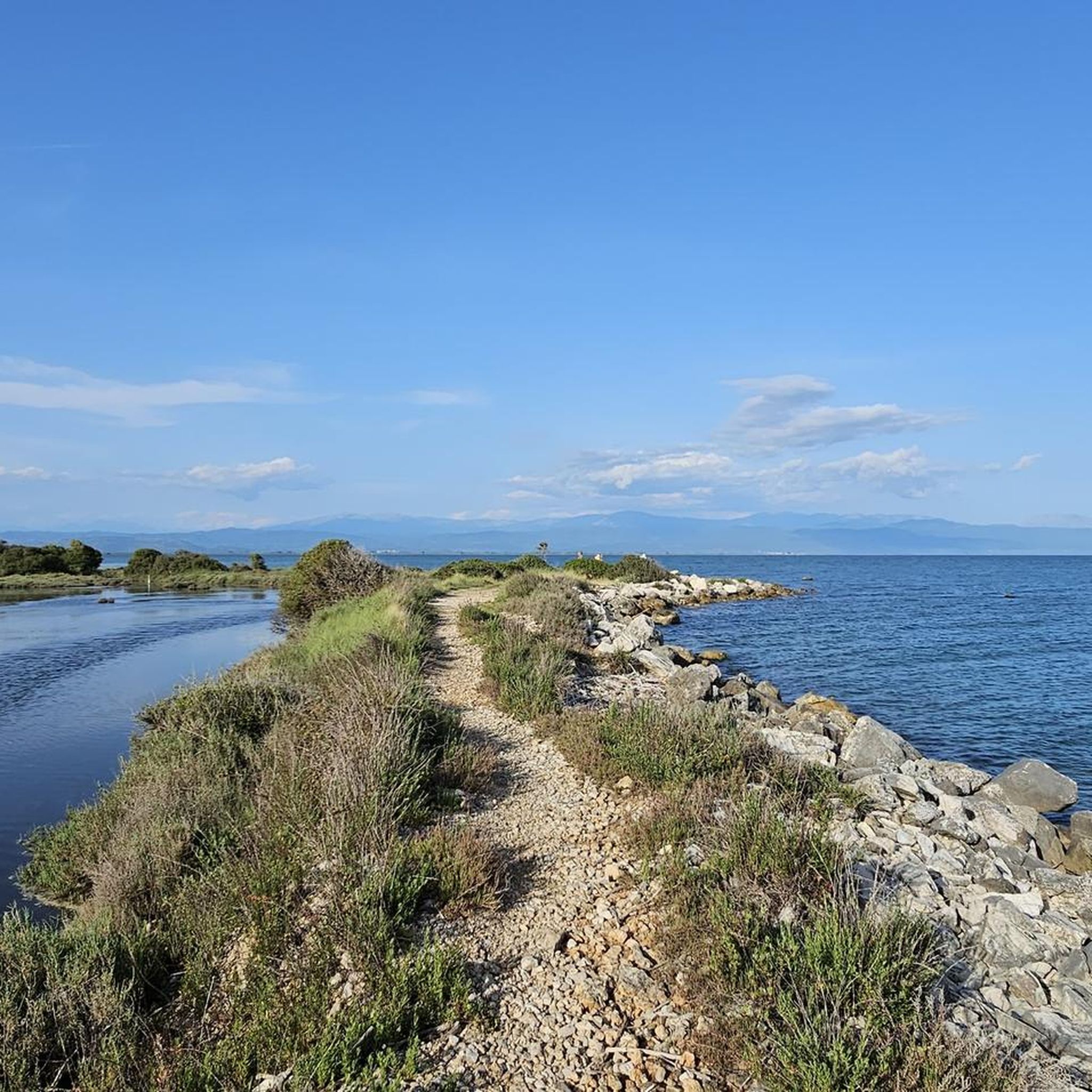
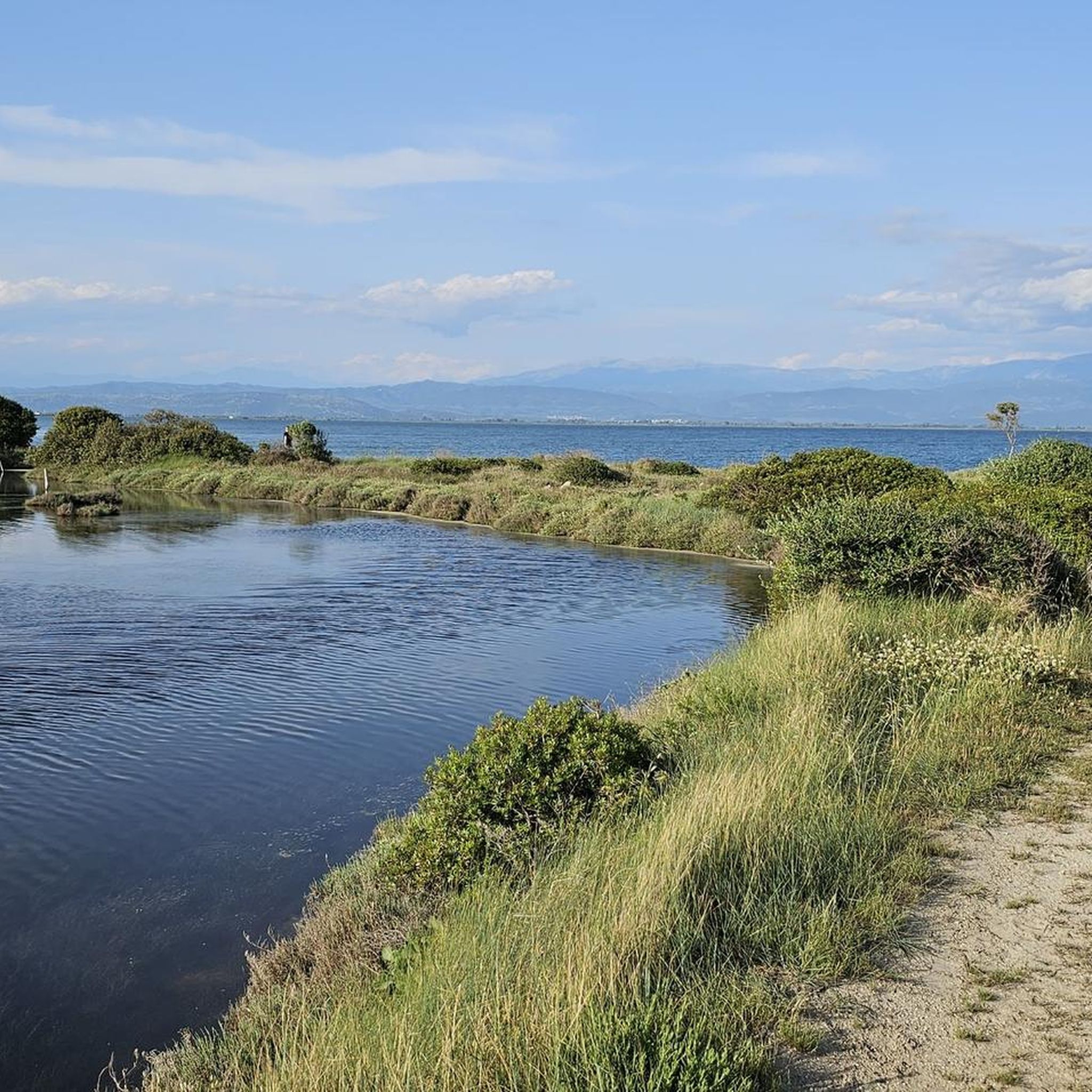
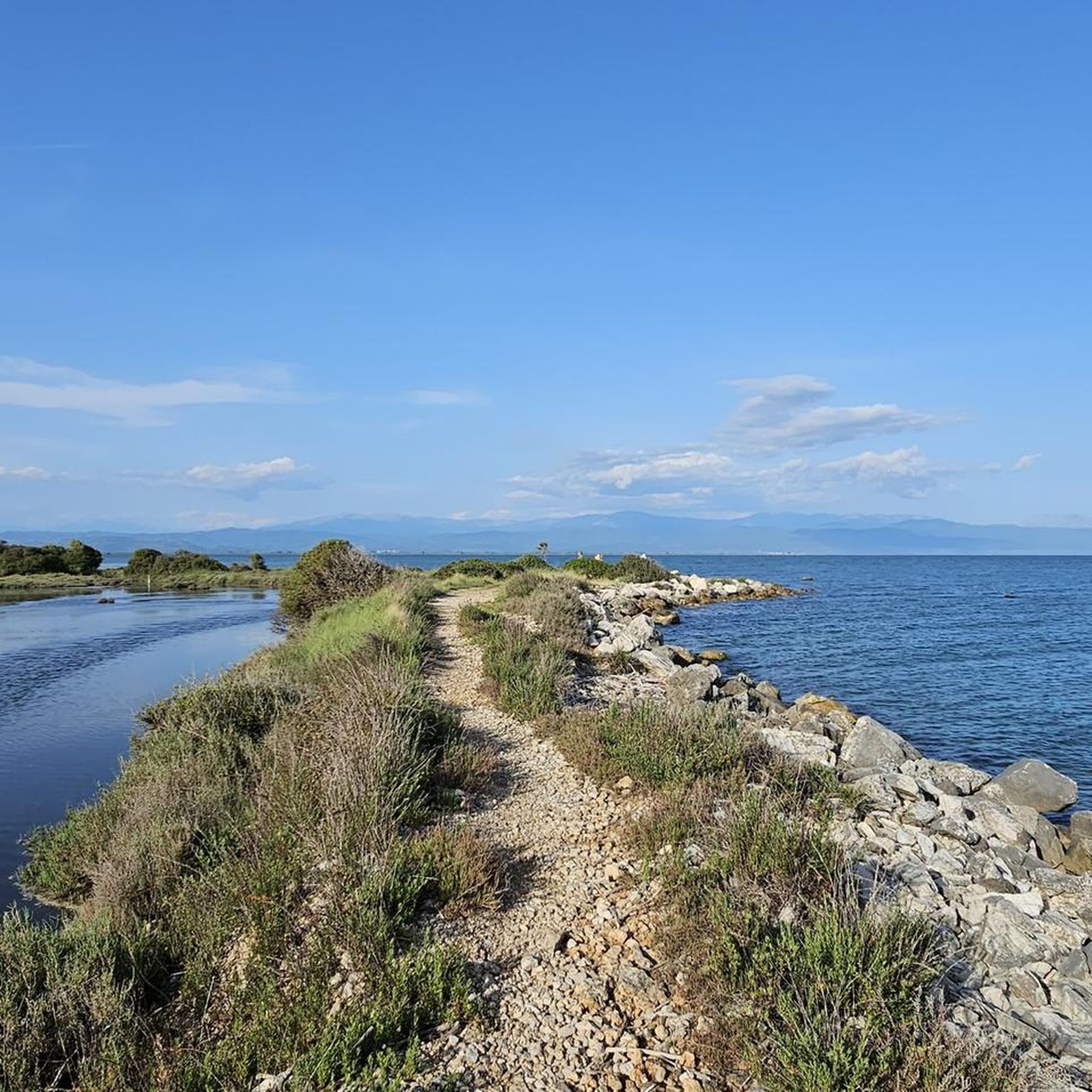
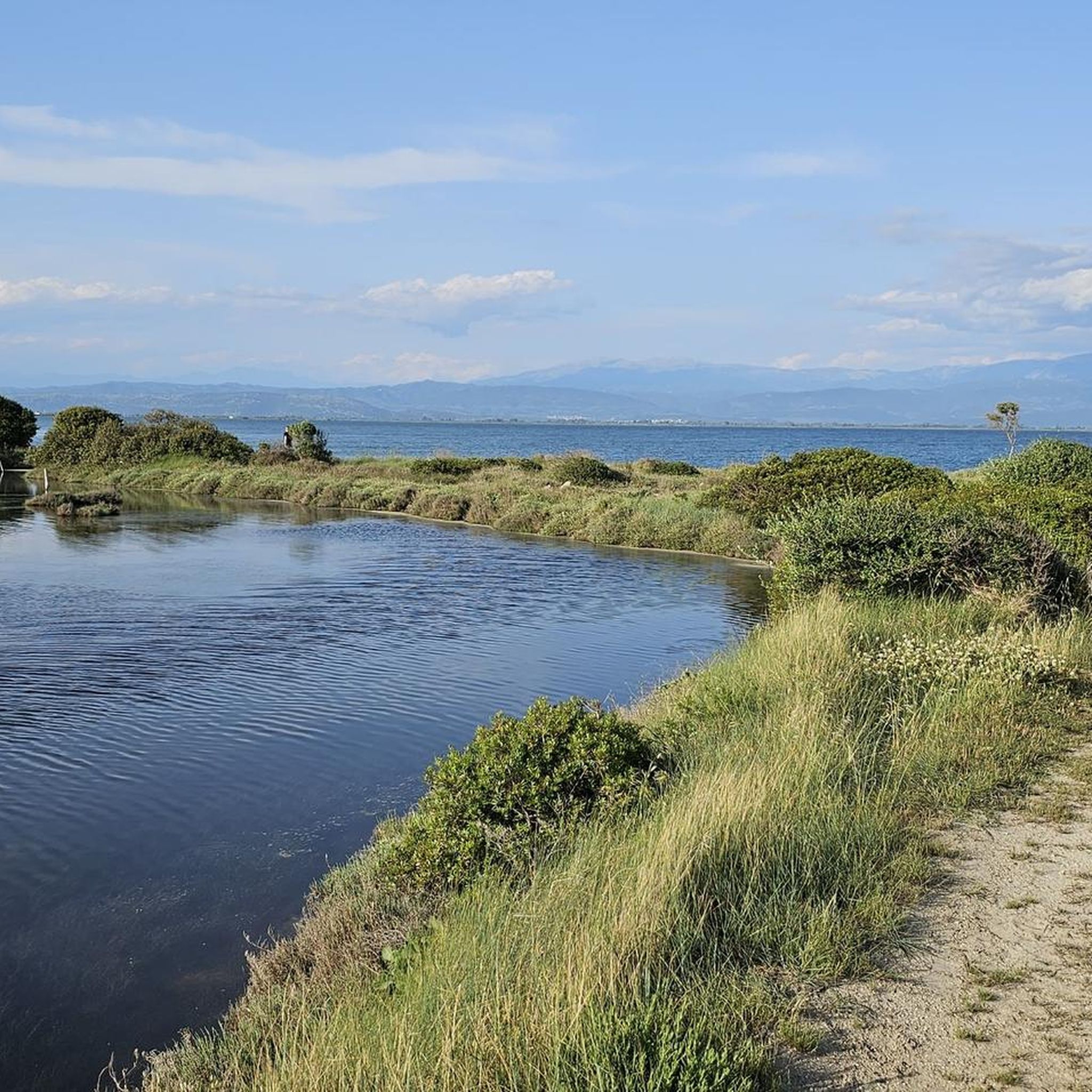
Hiking in Amvrakikos National Park offers a diverse landscape characterized by extensive wetlands, coastal areas along the Amvrakikos Gulf, and low-lying plains. The region is a significant ecological zone, providing habitats for various wildlife. Trails often follow the coastline or traverse through marshlands and agricultural areas, with minimal elevation changes.
Best hiking trails in Amvrakikos National Park
- The most popular hiking route is Chapel by the Sea loop from Vonitsa, a 4.2 miles (6.7 km) trail that takes 1…
Last updated: August 18, 2026
5.0
(1)
14
hikers
6.72km
01:46
60m
60m
Easy hike. Great for any fitness level. Easily-accessible paths. Suitable for all skill levels.
1.0
(1)
2
hikers
8.22km
02:06
30m
30m
Moderate hike. Good fitness required. Easily-accessible paths. Suitable for all skill levels.

Sign up for free
4
hikers
2.86km
00:44
10m
10m
Easy hike. Great for any fitness level. Easily-accessible paths. Suitable for all skill levels.
2.0
(1)
4
hikers
6.74km
01:43
20m
20m
Easy hike. Great for any fitness level. Easily-accessible paths. Suitable for all skill levels.
5.0
(1)
9
hikers
6.59km
01:41
30m
30m
Easy hike. Great for any fitness level. Easily-accessible paths. Suitable for all skill levels.
Get access to more routes and recommendations from other explorers.
Sign up for free
Already have an account?
Our route recommendations are based on thousands of hikes, rides, and runs completed by other people on komoot.
Start today with a free account
Your next adventure awaits.
Login or Signup
Tips from the Community

The approximately 21-meter-high clock tower was later added during the Ottoman occupation (around 1875). It was designed to blend with the existing defensive wall, appearing as a fluid, natural extension of the fortress.
1
0
The remains of the Apollo temple date back to ancient Ambracia (the Corinthian colony located under present-day Arta). The most important finds from the excavations of the temple and the ancient city are exhibited in the nearby Archaeological Museum of Arta. Museum opening hours: Daily: 08:30 - 15:30 Closed on Tuesdays
0
0
The church Agios Vasilios tis Agoras (Saint Basil of the Agora) was built as a single-nave basilica with a wooden roof at the end of the 13th century. Later, around the year 1300, the side chapels were added. The church owes its name "tis Agoras" to its location in the old market district (formerly Tourkopazaro). It is thus distinguished from a second Byzantine church of Saint Basil near the city, the Agios Vasilios tis Gefiras (at the well-known bridge of Arta). The structure is famous for its exceptionally rich and magnificent ceramic-plastic decoration (patterns of bricks, tiles, and glazed elements) on the exterior walls.
0
0
The Metamorfosi tou Sotira (Church of the Transfiguration of the Saviour) in Arta is a small monument from the post-Byzantine period, dating to the late 16th or early 17th century. The church is a single-nave, wooden-roofed basilica, with walls partly incorporating older structures. Inside, there are frescoes from 1623, painted in the Cretan style.
1
0
The Church of Agia Theodora (Saint Theodora) is a significant historical cultural monument in the center of Arta and is dedicated to the city's patron saint. The building was originally erected in the 11th or 12th century as a three-aisled basilica. Around 1270, the church was renovated and extended with a narthex by Theodora Petraliphaina (Queen or wife of the Despot of Epirus). The church was once the main church (Katholikon) of a flourishing women's monastery dedicated to Saint George.
1
0


Beautifully located in the pine forest directly on the sea
0
0
Frequently Asked Questions
What is the general difficulty level of hiking trails in Amvrakikos National Park?
Hiking in Amvrakikos National Park is characterized by easy to moderate trails. The landscape consists of wetlands, coastal areas, and low-lying plains, meaning there are minimal elevation changes. There are no difficult trails in the park, making it accessible for a wide range of hikers.
How many hiking trails are available in Amvrakikos National Park?
There are over 15 hiking routes recorded in Amvrakikos National Park, offering a variety of options for exploring the diverse wetland and coastal landscapes.
Are there family-friendly hiking options in Amvrakikos National Park?
Yes, many trails in Amvrakikos National Park are suitable for families due to their easy to moderate difficulty and minimal elevation. An example is the Lake in Arta Stadtwäldchen loop from Arta, which is a short and easy route perfect for a family outing.
What kind of wildlife can I expect to see while hiking in Amvrakikos National Park?
Amvrakikos National Park is a significant ecological zone, particularly known for its rich birdlife. Hikers can often spot various species of migratory and resident birds, including pelicans, flamingos, and cormorants, especially around the wetlands and lagoons.
When is the best time of year to go hiking in Amvrakikos National Park?
The best time to hike in Amvrakikos National Park is typically during spring (April-May) and autumn (September-October). During these seasons, the weather is mild and pleasant, and the birdwatching opportunities are excellent due to migration. Summers can be very hot, and winters can be damp.
Are dogs allowed on the hiking trails in Amvrakikos National Park?
While specific regulations can vary, generally, dogs are permitted on trails in national parks in Greece, often on a leash. Given the sensitive wildlife in Amvrakikos, it's crucial to keep dogs under control to protect the ecosystem. Always check local signage for any specific restrictions.
What should I wear for hiking in Amvrakikos National Park?
Given the wetland and coastal environment, comfortable, breathable clothing is recommended. Sturdy walking shoes are essential, and waterproof footwear might be beneficial, especially after rain or in marshier areas. Don't forget sun protection like a hat and sunscreen, as many trails are exposed.
Are there circular hiking routes available in Amvrakikos National Park?
Yes, there are several circular routes. For instance, the Chapel by the Sea loop from Vonitsa offers coastal views, and the Hiking loop from Vonitsa explores the local landscape around the town.
What can I see along the hiking trails in Amvrakikos National Park?
Beyond the natural beauty of the wetlands and gulf, you can discover interesting points of interest. Consider exploring the Gravel Road Along the Lagoon for scenic views, or visit the Panagia Rodias Monastery for a cultural stop. The Bench With View of the Lagoon also offers a great spot to pause and observe the surroundings.
What do other hikers enjoy the most about hiking in Amvrakikos National Park?
The area is highly rated by the komoot community, with an average score of 4.1 stars. Reviewers often praise the unique wetland scenery, the abundance of birdlife, and the generally flat, accessible trails that make for relaxing walks along the coast and through nature.
Are there places to eat or drink near the hiking trails in Amvrakikos National Park?
The national park is surrounded by towns and villages such as Vonitsa, Arta, and Preveza. These areas offer various cafes, tavernas, and restaurants where you can find refreshments and traditional Greek cuisine after your hike.
Is it possible to hike in Amvrakikos National Park during winter?
Winter hiking is possible, but conditions can be damp and cooler. While the trails remain accessible, some areas might be muddy. However, winter can also be a rewarding time for birdwatching, as many migratory species arrive in the wetlands.
Most popular routes in Amvrakikos National Park
Most popular attractions in Amvrakikos National Park

Get inspired with the komoot mobile app


Explore more
Browse the best Hikes in other regions.
