The best walks and hikes in Météores
4.7
(1194)
5,104
hikers
22
hikes
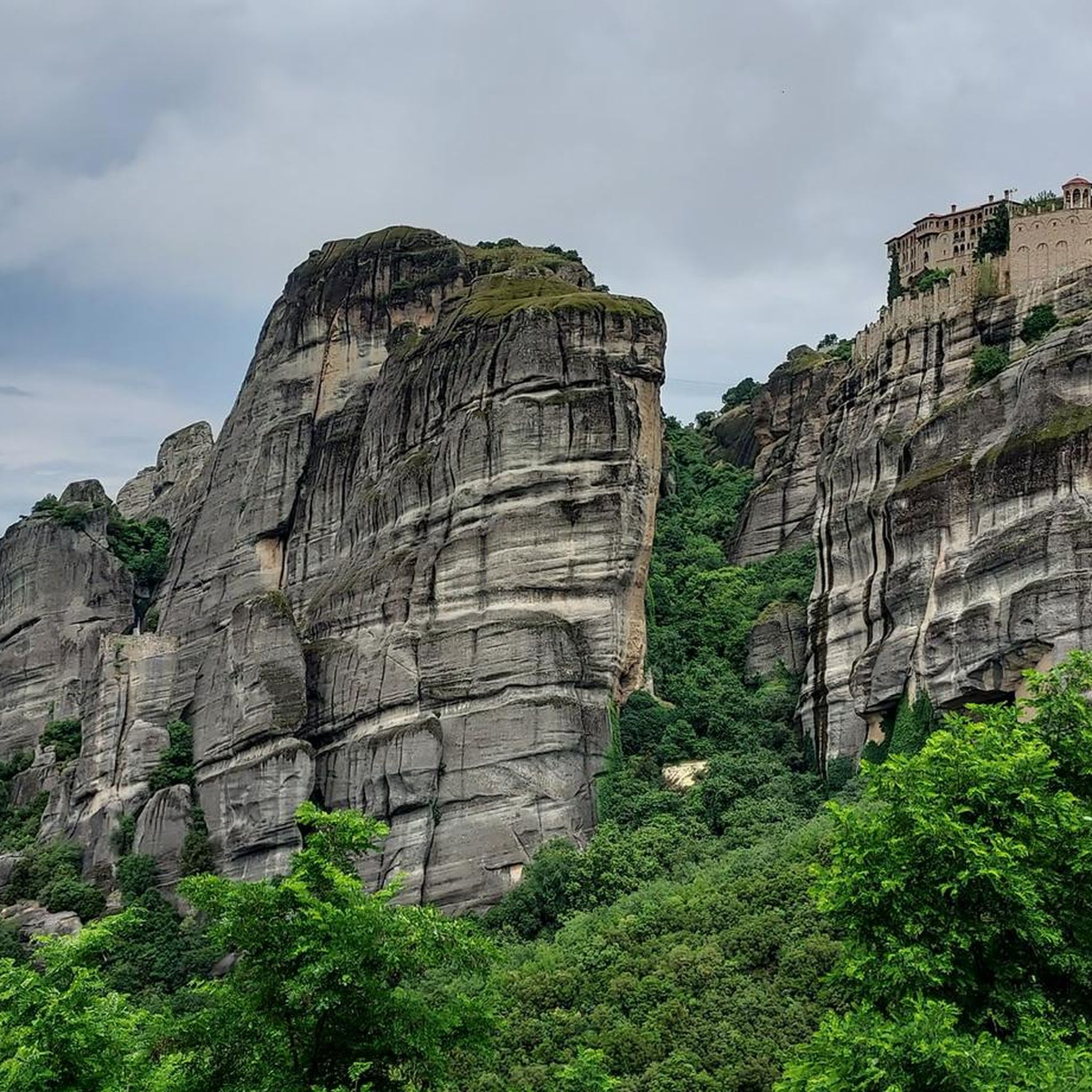
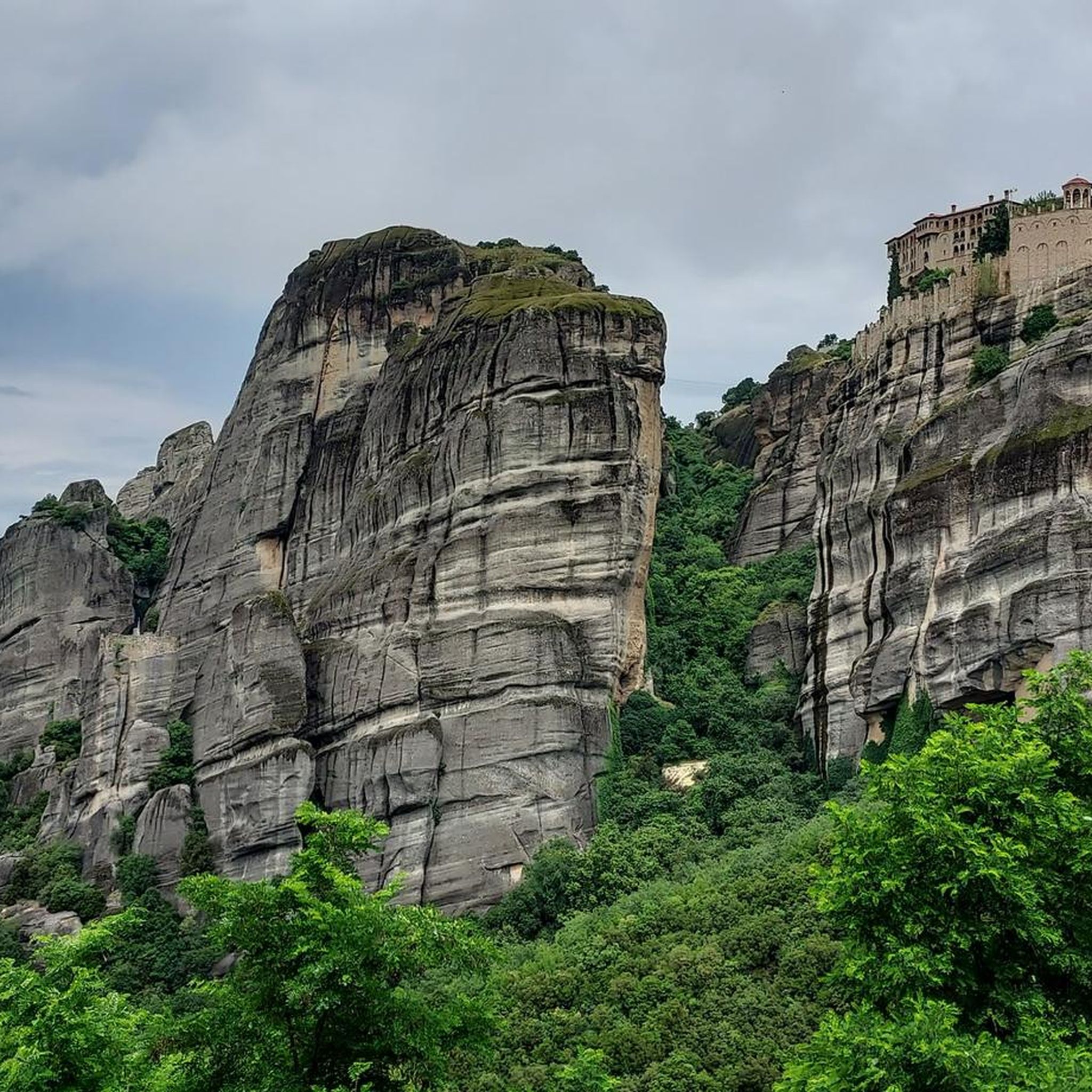
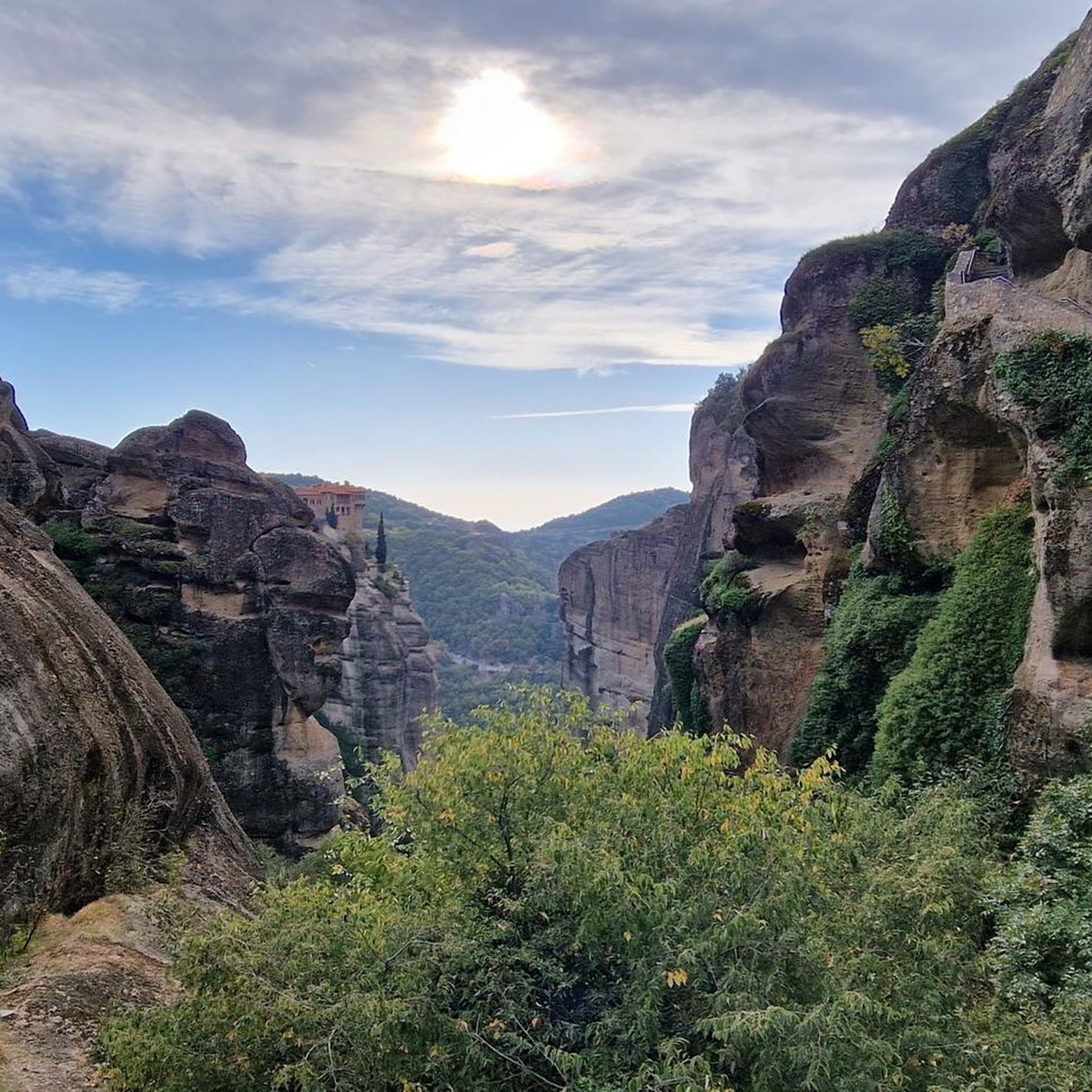
Hiking trails in Météores navigate a unique landscape characterized by towering sandstone and conglomerate pillars, often referred to as a "rock forest." These dramatic geological formations, rising from the Thessalian plain, were shaped over millions of years by sedimentary deposits, tectonic activity, and erosion. The region features a mix of rocky terrain, forested areas, and ancient paths leading to monasteries perched atop the rock formations. Hikers can explore diverse environments, from secluded gullies to panoramic viewpoints offering expansive vistas.
Best hiking trails in Météores
- The most popular hiking route is Varlaam Monastery – View of the Varlaam Monastery loop from Meteora, a 2.4 miles (3.9 km) trail that takes 1 hour 23 minutes to complete. This easy route offers views of the iconic Varlaam Monastery.
- Another top favourite among local hikers is View of Meteora Monasteries – Varlaam Monastery loop from Meteora, an easy 3.7 miles (5.9 km) path. This trail provides multiple vantage points of the Météora monasteries and surrounding rock formations.
- Local hikers also love the Meteora Rock Formations – View of the Thumb of Meteora loop from Meteora, a 2.0 miles (3.2 km) trail leading through distinctive rock formations, often completed in about 1 hour 5 minutes.
- Hiking in Météores is defined by towering rock pillars, ancient monasteries, and forested gullies. The network offers options for different ability levels, including easy, moderate, and difficult routes.
- The routes in Météores are highly rated by the komoot community with an average score of 4.6 stars from over 150 reviews. More than 800 hikers have used komoot to explore Météores's varied terrain.
Last updated: June 27, 2026
5.0
(26)
213
hikers
Easy hike. Great for any fitness level. Easily-accessible paths. Suitable for all skill levels.
4.9
(29)
120
hikers
3.88km
01:24
220m
220m
Easy hike. Great for any fitness level. Easily-accessible paths. Suitable for all skill levels.

Sign up for free
4.5
(2)
71
hikers
5.92km
01:40
130m
130m
Easy hike. Great for any fitness level. Easily-accessible paths. Suitable for all skill levels.
4.8
(16)
46
hikers
3.24km
01:05
130m
130m
Hard hike. Great for any fitness level. Sure-footedness, sturdy shoes and alpine experience required.
4.4
(5)
19
hikers
9.27km
02:48
300m
300m
Moderate hike. Good fitness required. Easily-accessible paths. Suitable for all skill levels.
Get access to more routes and recommendations from other explorers.
Sign up for free
Already have an account?
Our route recommendations are based on thousands of hikes, rides, and runs completed by other people on komoot.
Start today with a free account
Your next adventure awaits.
Login or Signup

Tips from the Community

Very beautiful Meteora monastery with a great view.
0
0
Very beautiful Meteora monastery. From there you can also go higher to a photo point.⛪️📸
0
0
From the photo point above the Rousánou Monastery, you have a wonderful view. 📸⛪️☀️🏔
0
0


This was formerly used to transport goods and the monks up to the monastery.
0
0

East of the Pindus Mountains, mighty sandstone cliffs rise to a height of approximately 500 meters. 24 monasteries were once built on their summits. Monks and nuns still live in six of them today. These monasteries are now UNESCO World Heritage sites and are often referred to as "floating monasteries" because they appear almost suspended in fog or low clouds.
1
0
East of the Pindus Mountains, mighty sandstone cliffs rise to a height of approximately 500 meters. 24 monasteries were once built on their summits. Monks and nuns still live in six of them today. These monasteries are now UNESCO World Heritage sites and are often referred to as "floating monasteries" because they appear almost suspended in fog or low clouds.
1
0
East of the Pindus Mountains, mighty sandstone cliffs rise to a height of approximately 500 meters. 24 monasteries were once built on their summits. Monks and nuns still live in six of them today. These monasteries are now UNESCO World Heritage sites and are often referred to as "floating monasteries" because they appear almost suspended in fog or low clouds.
1
0
Frequently Asked Questions
How many hiking trails are available in Météores?
Météores offers a diverse network of over 20 hiking routes. These trails cater to various fitness levels, ranging from easy strolls to more challenging ascents, all set against the backdrop of the region's unique rock formations and ancient monasteries.
What kind of terrain can I expect when hiking in Météores?
The terrain in Météores is characterized by its dramatic "rock forest"—towering sandstone and conglomerate pillars. Hikers will encounter a mix of rocky paths, forested sections, and ancient footpaths. The trails often involve elevation changes as they wind through gullies and ascend to viewpoints, offering constant immersion in the striking geological scenery.
Are there easy hiking options suitable for beginners or families in Météores?
Yes, Météores has several easy hiking options perfect for beginners or families. For instance, the View of Meteora Monasteries – Varlaam Monastery loop from Meteora is an easy 3.7-mile (5.9 km) path that provides multiple vantage points of the monasteries and rock formations. Many trails offer minimal elevation gain, allowing for a relaxed exploration of the area.
Can I hike to the monasteries in Météores?
Absolutely. Hiking offers an intimate way to experience Météora's monasteries. Many trails connect the active monasteries, such as Great Meteoron, Varlaam, Roussanou, Holy Trinity, St. Stephen, and St. Nicholas Anapausas. These paths often lead through forested areas and directly to the monastery entrances, providing unique perspectives and a deeper connection to their history.
What are some notable natural attractions or viewpoints along the trails?
Beyond the monasteries, hikers can explore the unique geological formations themselves. Trails lead to exceptional viewpoints perfect for capturing the dramatic landscape, especially during sunrise and sunset. You can also discover hidden caves and secluded ruins, such as the abandoned Ypapanti Monastery or the Agia Triada (Holy Trinity) Monastery, perched atop its iconic rock.
What is the best time of year to go hiking in Météores?
The best times for hiking in Météores are spring and autumn. During these seasons, the weather is mild and pleasant, making for comfortable hiking conditions. The trails are also generally less crowded than in peak summer, allowing for a more serene experience.
Are there any circular hiking routes in Météores?
Yes, Météores features several circular hiking routes that allow you to start and end in the same location while experiencing different views. An example is the Varlaam Monastery – View of the Varlaam Monastery loop from Meteora, an easy 2.4-mile (3.9 km) trail offering views of the iconic Varlaam Monastery.
Is Météores a dog-friendly hiking destination?
While specific regulations for dogs on trails or within monastery grounds can vary, generally, dogs are welcome on many of the outdoor trails in Météores. However, it's always advisable to keep dogs on a leash and be mindful of other hikers and wildlife. Access to the interior of monasteries is typically restricted for pets.
What amenities are available for hikers near the trails or monasteries?
The towns of Kalambaka and Kastraki, located at the base of the Météora rocks, offer various amenities for hikers. You'll find cafes, restaurants, and accommodation options. Some trails might also pass by small kiosks or shops near the more accessible monasteries where you can purchase refreshments.
What do other hikers enjoy most about the trails in Météores?
The trails in Météores are highly rated by the komoot community, with an average score of 4.6 stars from over 150 reviews. Hikers consistently praise the breathtaking panoramic views, the unique geological formations, and the awe-inspiring experience of seeing the monasteries perched atop the rocks. The blend of natural beauty and historical significance is a major draw.
Are there options for more challenging hikes in Météores?
Yes, Météores offers routes for those seeking a greater challenge. While many trails are easy to moderate, some routes involve greater elevation gains and more rugged terrain. For example, the Meteora Rock Formations – View of the Thumb of Meteora loop from Meteora is rated as difficult, leading through distinctive rock formations and requiring good fitness.
How were the unique rock formations of Météores created?
The dramatic rock pillars of Météores were formed millions of years ago during the Paleogene Period. They are the result of a complex interplay of sedimentary deposits, tectonic activity, and erosion. These massive sandstone and conglomerate formations, often called a "rock forest," rise precipitously from the Thessalian plain, creating the surreal landscape seen today. You can learn more about their geological heritage at iugs-geoheritage.org.
Most popular attractions in Météores

Get inspired with the komoot mobile app


Explore more
Browse the best Hikes in other regions.
