The 4 Most Amazing Peaks in Risnjak National Park
Best mountain peaks in Risnjak National Park are found within a karstic mountain range in the northern Dinaric Alps. The park is characterized by its dense forests, diverse wildlife, and significant geological features. It serves as a natural barrier between the continental and coastal regions of Croatia. The landscape includes deep canyons, springs, and high peaks, offering varied terrain for exploration.
Best mountain peaks in Risnjak National Park
- The most popular mountain peak is Great Risnjak Summit, a summit…
Last updated: August 23, 2026
Great Risnjak Summit
Highlight • Summit
Tip by

Snježnik Peak (1,506 m)
Highlight • Summit
Tip by
Sign up now to discover places like this
Get recommendations on the best single tracks, peaks, & plenty of other exciting outdoor places.
Sign up for free
Guslica Peak
Highlight • Summit
Tip by

Međuvrhi Ridge
Highlight • Viewpoint
Tip by
Start today with a free account
Your next adventure awaits.
Login or Signup
Tips from the Community


The top is marked with a metal rod to which a metal steering wheel is welded and embedded in the top stone. The stamp is embedded in the stone just below the capstone. There is also a metal hammer with a registration book. The view from the top is open in all directions. The Gulf of Rijeka, Krk, Učka, Ćićarija, Snježnik, Slovenian Snežnik, Lokvar lake, Bjelolasica, Velebit can be seen well.
1
1

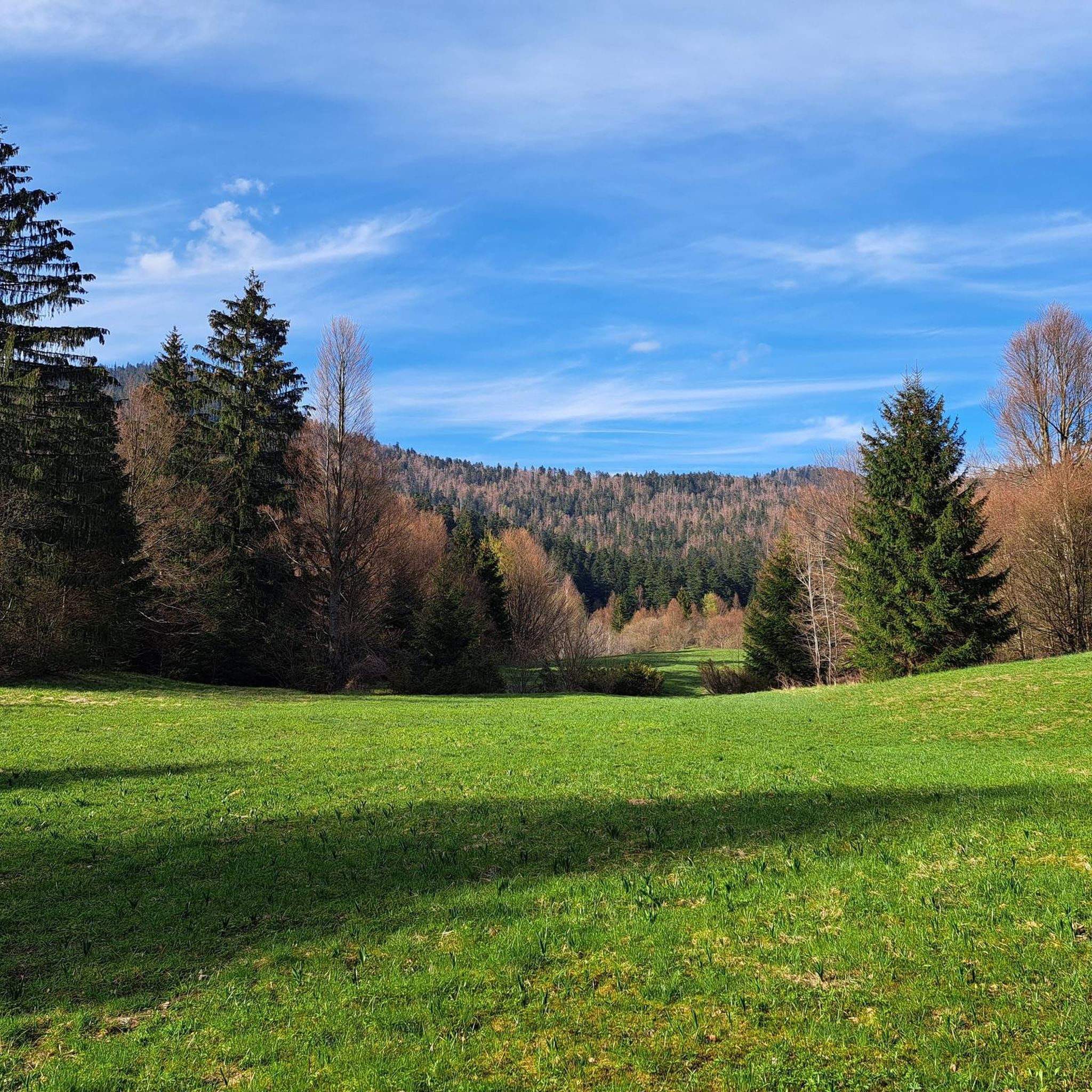
This high point on the ridge between Snježnik and Guslica is wonderfully panoramic. The broad, connecting crest from Snježnik is free from trees and affords sublime views across Risnjak National Park. To the north west, the sight of Guslica and its summit buildings beckons you on.
0
0
Rising above the gorgeous forests of the Gorski Kotar, Snježnik is one of the great summits of the Risnjak National Park. Its peak reaches a lofty 4,941 feet (1,506 m) and rewards with tremendous views on a clear day. As well as the surrounding peaks, including Risnjak to the east, you can see out to Kvarner Islands, the Istria peninsula and into Slovenia.
0
0
At 5,013 feet (1,528 m), Risnjak is the highest point in the national park that bears its name. It rewards hikers with tremendous views across the surrounding mountains and forest, with other principal peaks like Snjeznik and Guslica clearly visible on a good day. To the south of the summit is the Schlosser hut, which provides great food and handy accommodation.
0
0

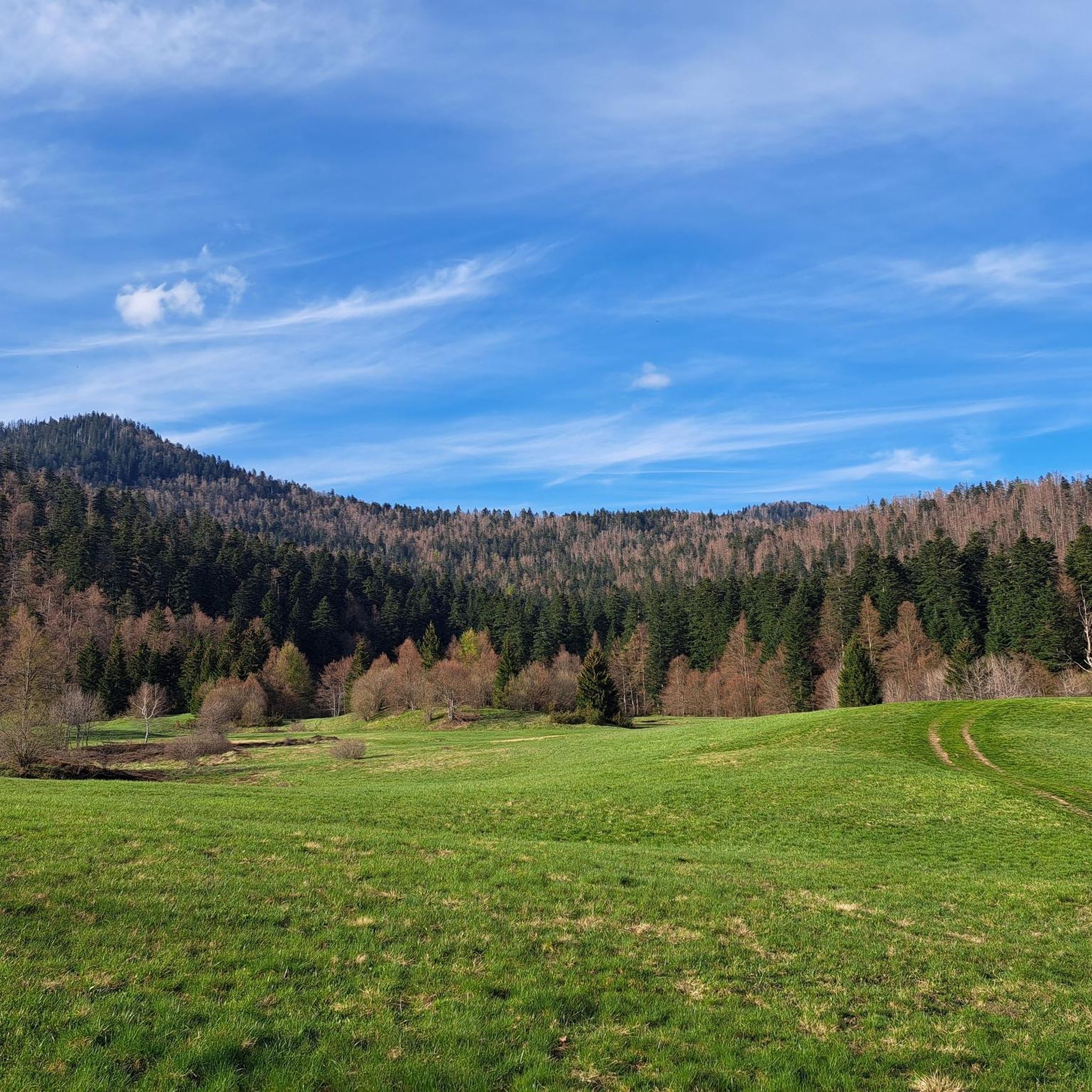
Unfortunately, the Snježnik mountain lodge, one of the most beautiful in Croatia, is damaged and neglected and is no longer in use. All the same, the top is beautiful and offers one of the most beautiful views in Gorski kotar.
1
0

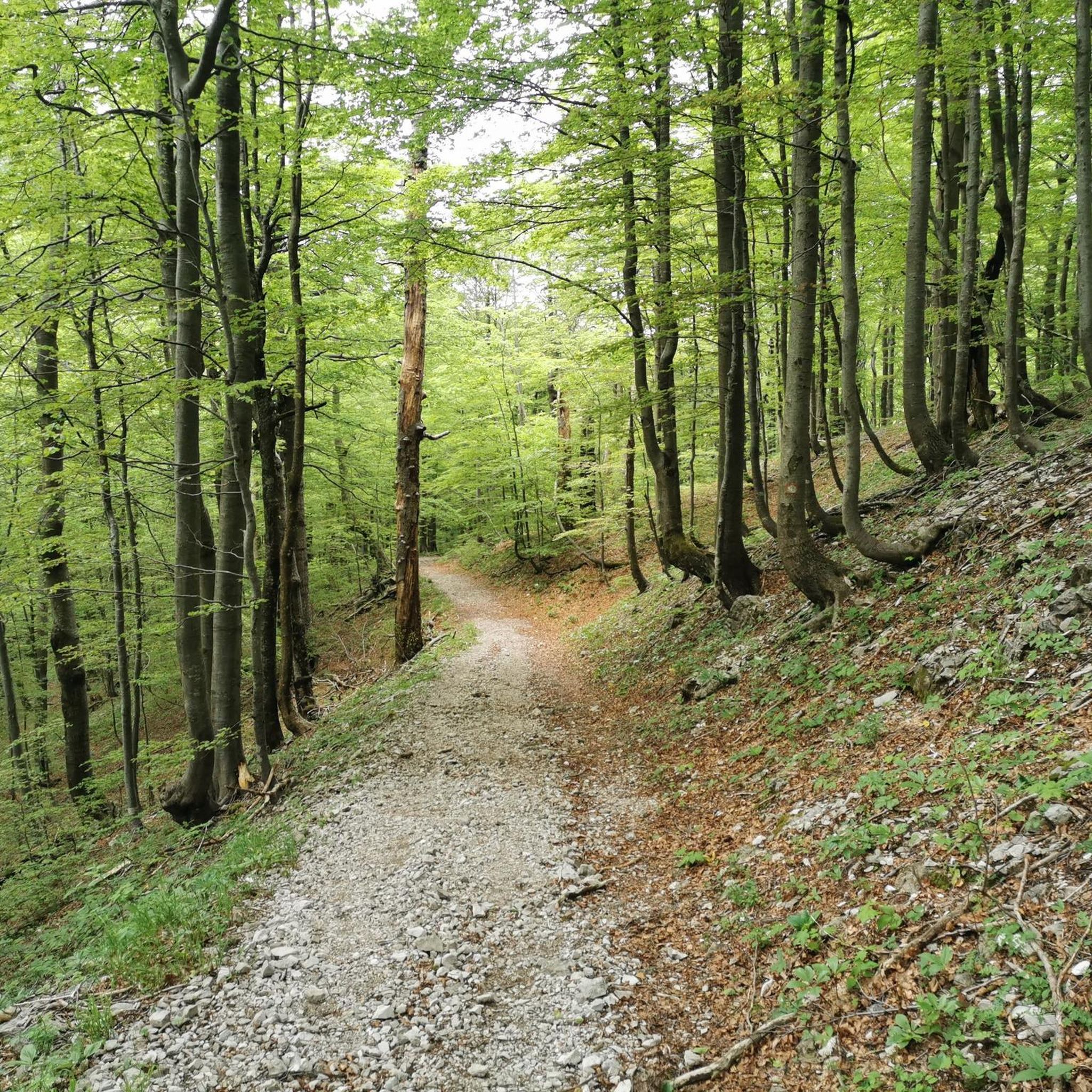
The top of Monte Guslica can be reached via a fantastic dirt road. The first part is certainly the most demanding, once you pass the slopes become more gentle and pleasant to pedal.
1
0

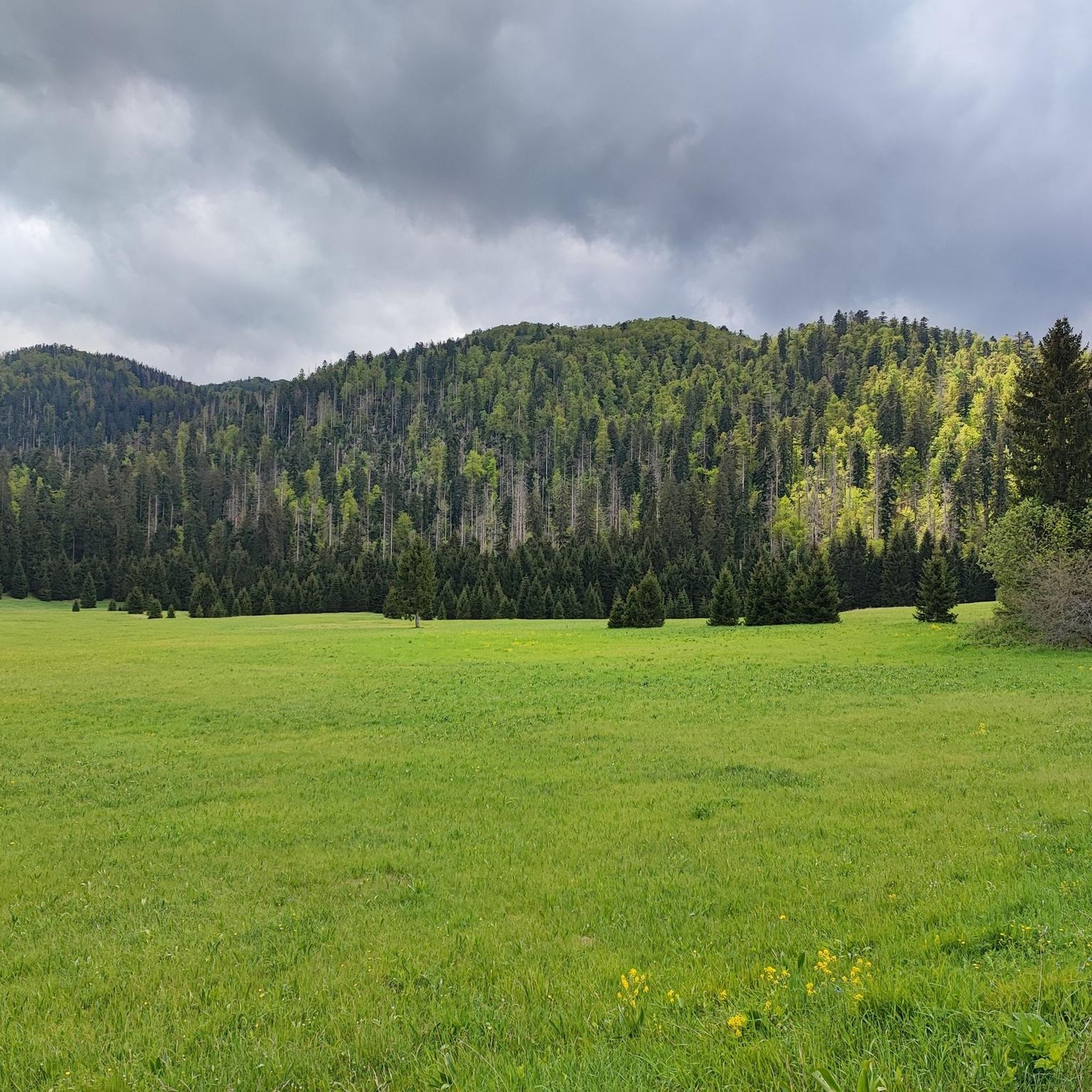
A beautiful, highest peak and viewpoint in Risnjak National Park, surrounded by beautiful forests. It takes about 15 minutes to climb to the top from the cottage, a rather overgrown and stony path.
3
0
Frequently Asked Questions
What are the most popular mountain peaks to hike in Risnjak National Park?
The most popular peaks include Great Risnjak Summit, which is the highest point in the park offering extensive views, and Snježnik Peak (1,506 m), known for its panoramic vistas stretching to the Kvarner Islands and Slovenia.
What is the typical hiking difficulty for mountain peaks in Risnjak National Park?
Hiking the mountain peaks in Risnjak National Park generally ranges from moderate to challenging. Peaks like Great Risnjak Summit and Snježnik Peak (1,506 m) involve demanding climbs, especially towards the summit, with some sections requiring the use of hands. However, the rewards are tremendous views.
Are there any easy mountain hikes in Risnjak National Park suitable for families?
While many peaks offer challenging climbs, the park also has easier options. For instance, the 'Source of the Kupa River' loop is an easy hiking route within the park, providing a less strenuous experience. For specific family-friendly mountain peak trails, it's best to consult the park's official visitor information or local guides for current conditions and recommendations.
How long does it typically take to hike Veliki Risnjak (Great Risnjak Summit)?
The duration to hike Great Risnjak Summit varies depending on the starting point and route. From the Schlosser hut, it takes about 15 minutes to reach the top. Longer routes, such as the 'Wolf Pit (Vučja Jama) – Great Risnjak Summit loop' or 'Bear's Gate – Great Risnjak Summit loop', can take several hours, covering distances of 8 to 17 km.
Do I need permits to hike in Risnjak National Park?
Yes, Risnjak National Park requires an entrance fee, which serves as your permit to access the park's trails and facilities. It's advisable to check the official park website for current fee structures and any specific regulations regarding certain areas or activities.
What is the best season to hike the mountain peaks in Risnjak National Park?
The best season for hiking the mountain peaks is typically from late spring to early autumn (May to October) when the weather is milder and trails are clear of snow. However, Snježnik Peak (1,506 m) can also be hiked in winter, offering unique prospects, but requires good equipment due to cold temperatures, ice, and potential climbing passages.
Are there any mountain peaks in Risnjak National Park with historical significance?
Yes, Guslica Peak holds historical significance. It was home to a Yugoslav military base until 1991, with a network of tunnels beneath the ground, though these are no longer accessible. The peak offers fantastic views in all directions, including towards Snježnik and Veliki Risnjak.
What kind of wildlife can I expect to see around the mountain peaks?
Risnjak National Park is known for its diverse wildlife, including its namesake lynx (ris in Croatian), brown bears, and wolves. While sightings of larger mammals are rare, hikers may encounter various bird species, deer, and other forest animals. The park's dense forests and varied terrain provide a rich habitat for many species.
What are some challenging mountain hikes in Risnjak National Park?
For challenging hikes, consider routes to Great Risnjak Summit and Snježnik Peak (1,506 m). These involve significant elevation gain and rocky terrain, with some sections requiring scrambling. The 'Wolf Pit (Vučja Jama) – Great Risnjak Summit loop' is a difficult hiking route covering over 17 km.
Are there any mountain peaks accessible by bicycle or car in Risnjak National Park?
Yes, Guslica Peak is unique in that it is accessible by bicycle or even by a 4x4 vehicle, making it an option for those who prefer not to hike the entire way. The first part of the dirt road can be demanding, but it becomes more gentle closer to the summit.
What other outdoor activities can I do near the mountain peaks in Risnjak National Park?
Beyond hiking, Risnjak National Park offers various outdoor activities. You can explore road cycling routes, such as the 'Pritiske – Kaštel Zrinskih loop', or tackle mountain biking trails like the 'Misty Forest Singletrail'. The park's diverse landscape also supports general hiking, with routes like the 'Source of the Kupa River' loop.
What unique geological features can be found in the Risnjak mountains?
Risnjak National Park is characterized by its karstic mountain range, featuring significant geological formations. This includes deep canyons, springs, and the distinct limestone and dolomite rock formations typical of the Dinaric Alps. The park's landscape is a result of ancient geological processes, creating varied and dramatic terrain.
What do visitors enjoy most about the mountain peaks in Risnjak National Park?
Visitors consistently praise the tremendous panoramic views from the summits, especially from Great Risnjak Summit and Snježnik Peak (1,506 m), which often extend to the Kvarner Islands, Istria, and Slovenia. The challenging yet rewarding climbs, the pristine forest environment, and the sense of accomplishment upon reaching the top are also frequently highlighted.
Most popular routes in Risnjak National Park
Most popular attractions in Risnjak National Park

Get inspired with the komoot mobile app


Explore more
See even more amazing summits in Risnjak National Park with these guides:
