The best walks and hikes in Paklenica National Park
4.7
(1208)
5,730
hikers
19
hikes
Hiking in Paklenica National Park is characterized by its diverse landscapes within Croatia's Velebit mountain range. The park features two dramatic canyons, Velika Paklenica and Mala Paklenica, with cliffs reaching over 400 meters. Its rugged terrain is shaped by limestone formations and karst landscapes, alongside ancient beech forests recognized as a UNESCO World Heritage site. High peaks such as Vaganski Vrh (1757m) and Sveto Brdo offer extensive views across the region.
Best hiking trails in Paklenica National Park
- The most popular hiking route is View of the Paklenica Gorge – View of the Velika Paklenica Gorge loop from Marasovići, a 9.5 miles (15.3 km) trail that takes 4 hours 34 minutes to complete. This route offers views of the Velika Paklenica Gorge.
- Another top favourite among local hikers is Vaganski Vrh (1,757 m) – Vaganski Vrh Summit loop from Malovan, a moderate 5.6 miles (9.0 km) path. This trail ascends to Vaganski Vrh, the highest peak in the Velebit range, providing panoramic views.
- Local hikers also love the Manita Peć Cave – Manita Peć Cave loop from National park Paklenica, an 8.4 miles (13.5 km) trail leading through limestone formations to the Manita Peć Cave, often completed in about 5 hours 23 minutes.
- Hiking in Paklenica National Park is defined by dramatic canyons, limestone formations, and ancient beech forests. The extensive network offers options for moderate to difficult trails.
- The routes in Paklenica National Park are highly rated by the komoot community with an average score of 4.7 stars from over 500 reviews. More than 3000 hikers have used komoot to explore Paklenica National Park's varied terrain.
Last updated: August 23, 2026
4.7
(524)
2,752
hikers
Moderate hike. Good fitness required. Easily-accessible paths. Suitable for all skill levels.
4.9
(11)
118
hikers
9.00km
04:18
590m
590m
Moderate hike. Good fitness required. Mostly accessible paths. Sure-footedness required.

Sign up for free
5.0
(4)
31
hikers
Hard hike. Very good fitness required. Sure-footedness, sturdy shoes and alpine experience required.
5.0
(8)
55
hikers
Hard hike. Very good fitness required. Mostly accessible paths. Sure-footedness required.
4.4
(5)
30
hikers
Moderate hike. Good fitness required. Mostly accessible paths. Sure-footedness required.
Get access to more routes and recommendations from other explorers.
Sign up for free
Already have an account?
Our route recommendations are based on thousands of hikes, rides, and runs completed by other people on komoot.
Start today with a free account
Your next adventure awaits.
Login or Signup
Popular around Paklenica National Park
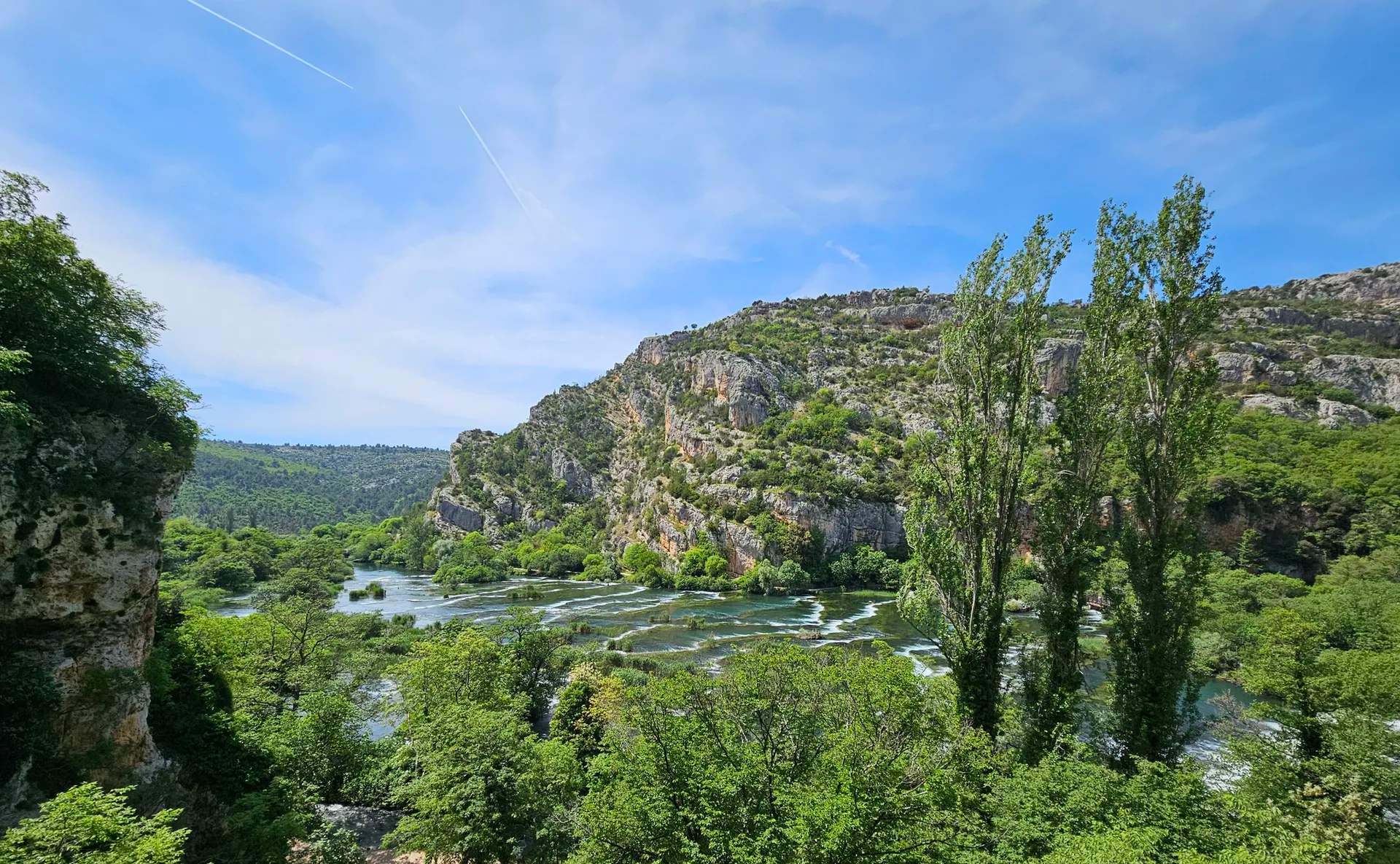
Between karst, cliffs and cascades – hiking Croatia's National Parks
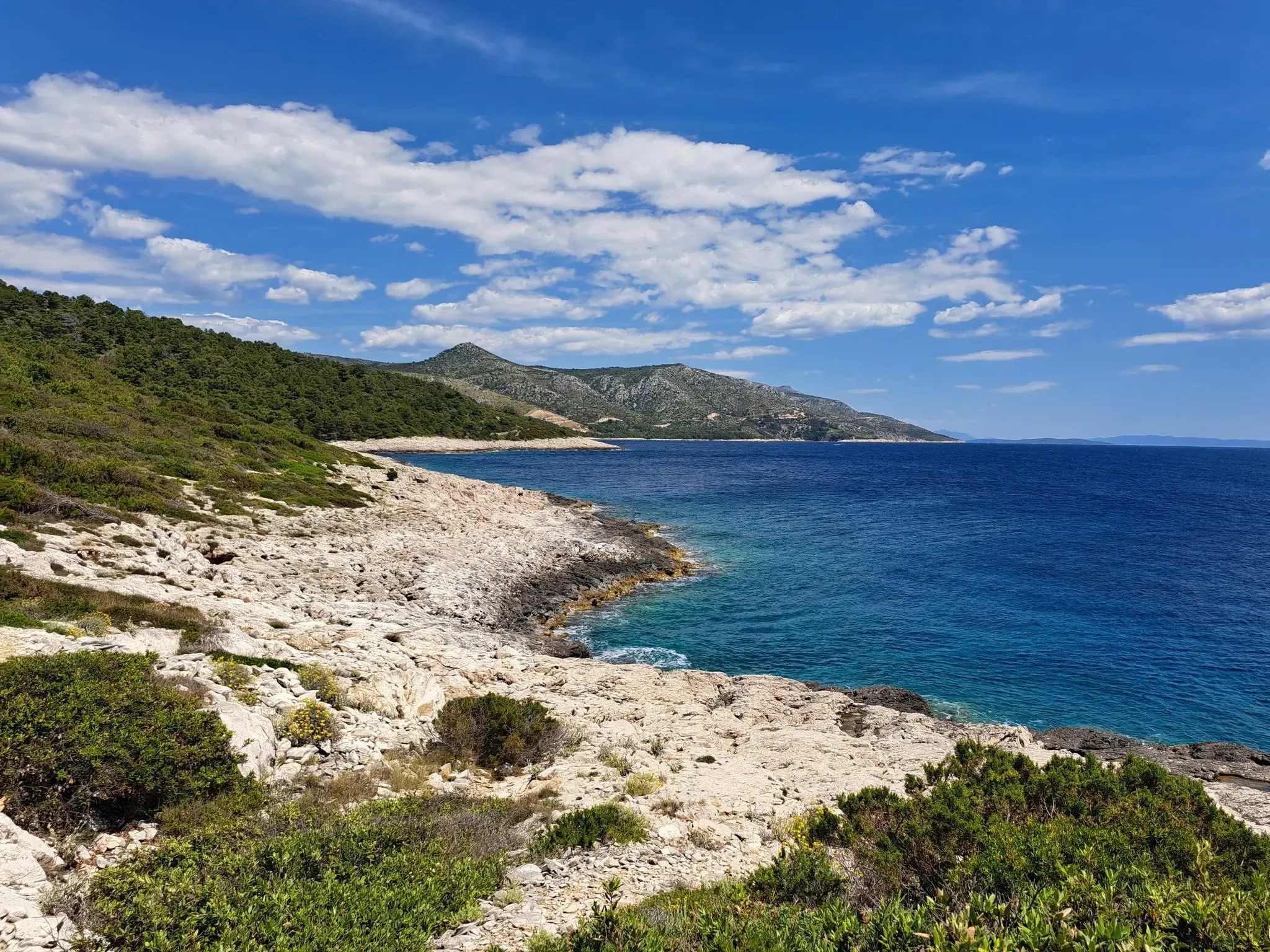
Between coast, islands and mountains – trail running in Croatia
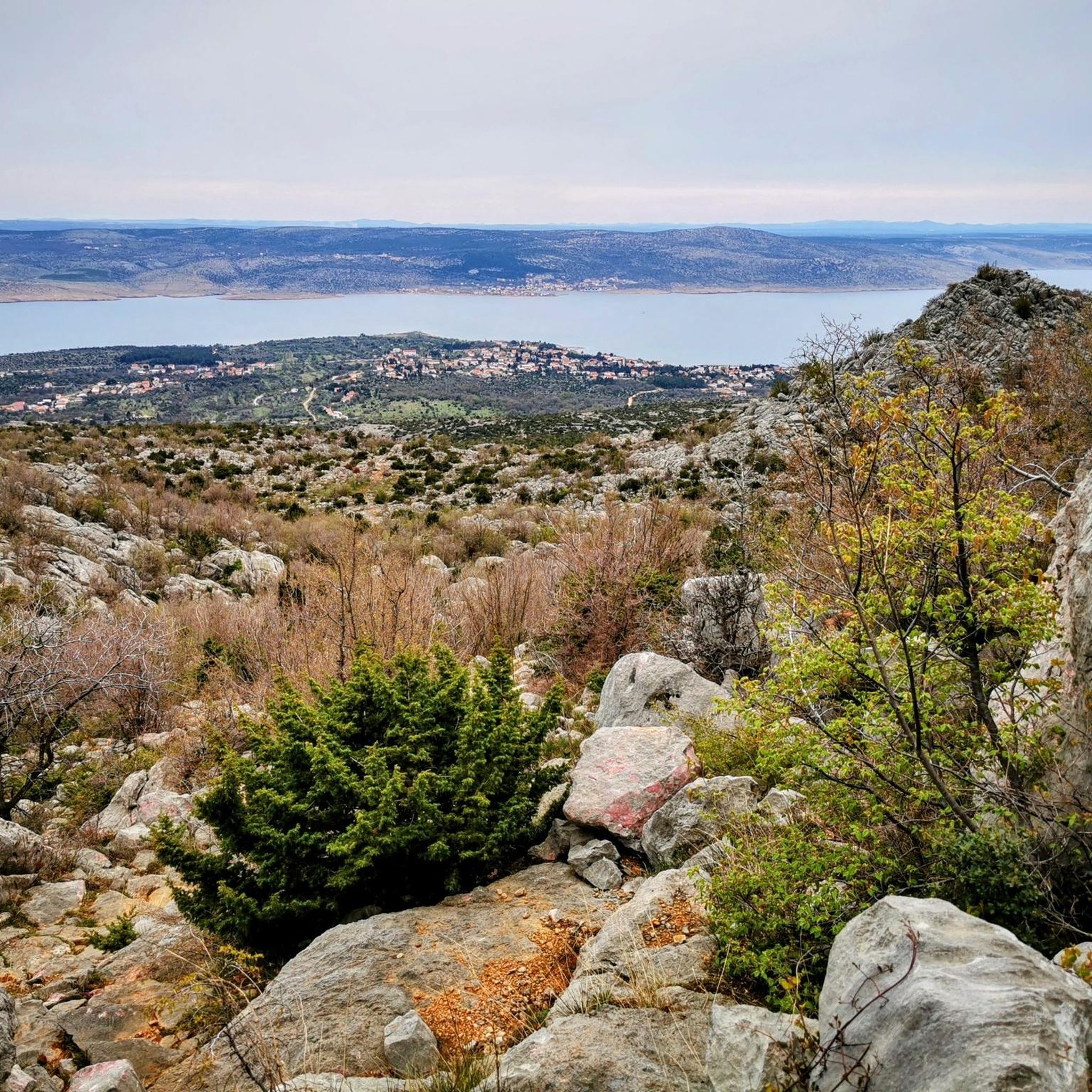
MTB Trails in Paklenica National Park
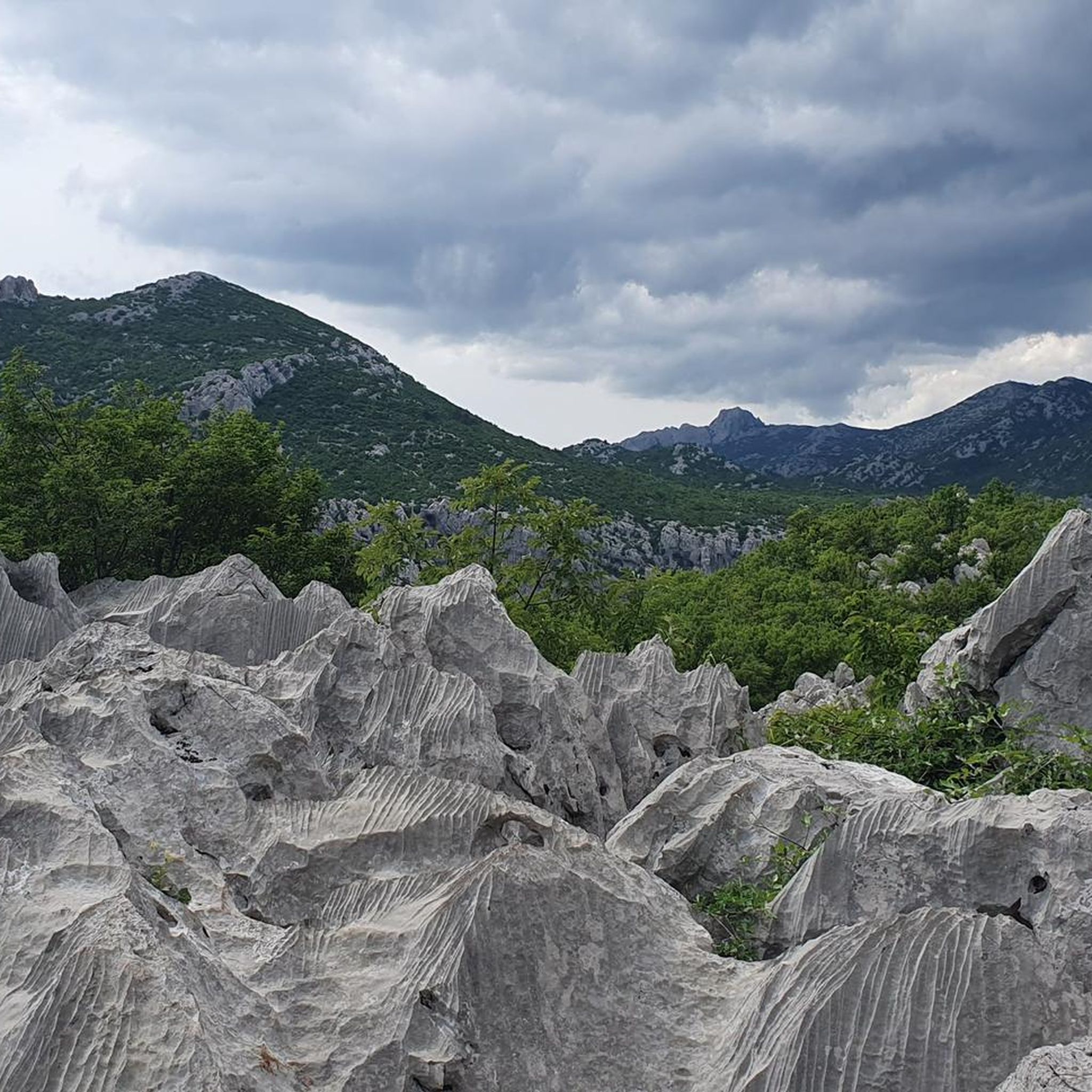
Cycling in Paklenica National Park
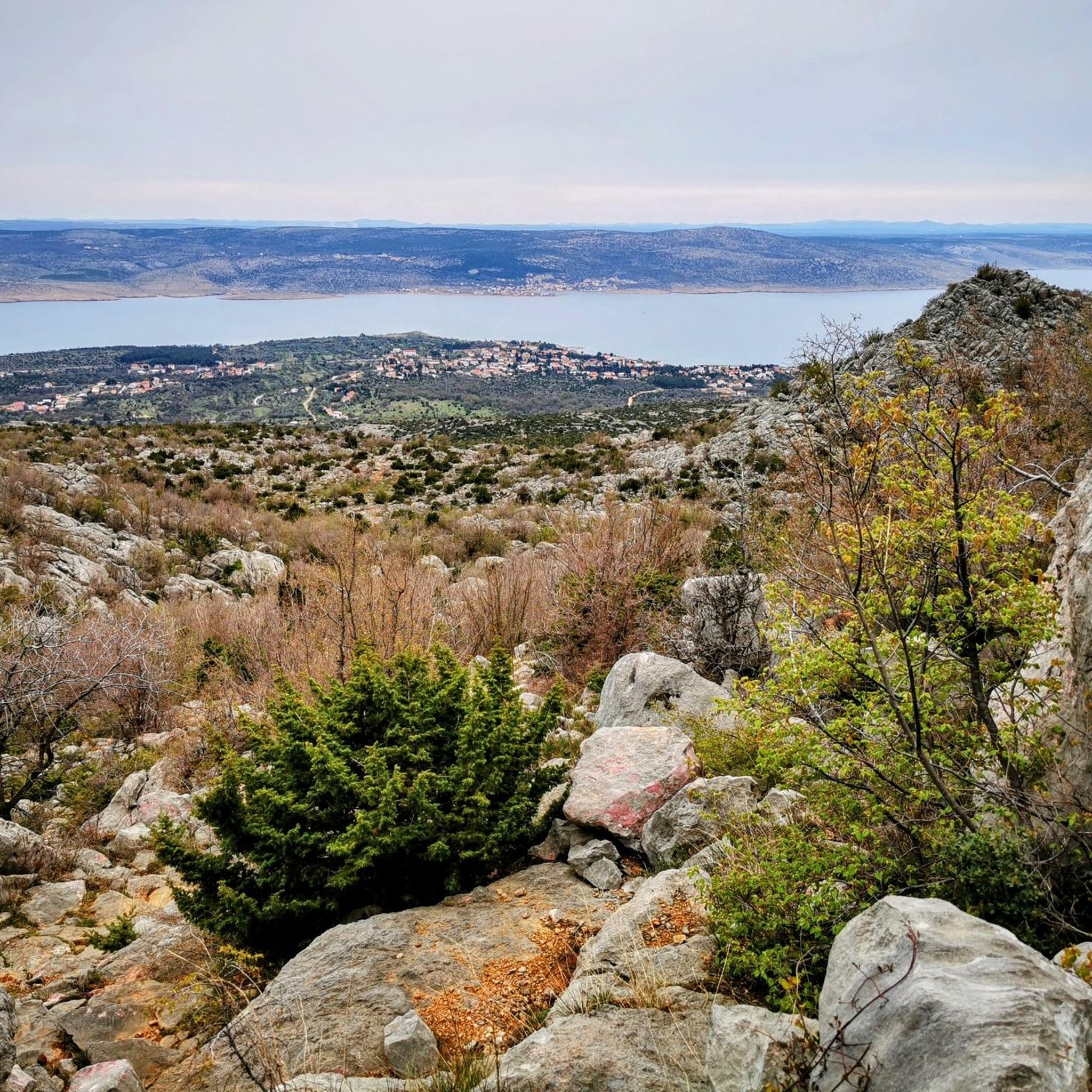
Road Cycling Routes in Paklenica National Park

Mountain Hikes in Paklenica National Park
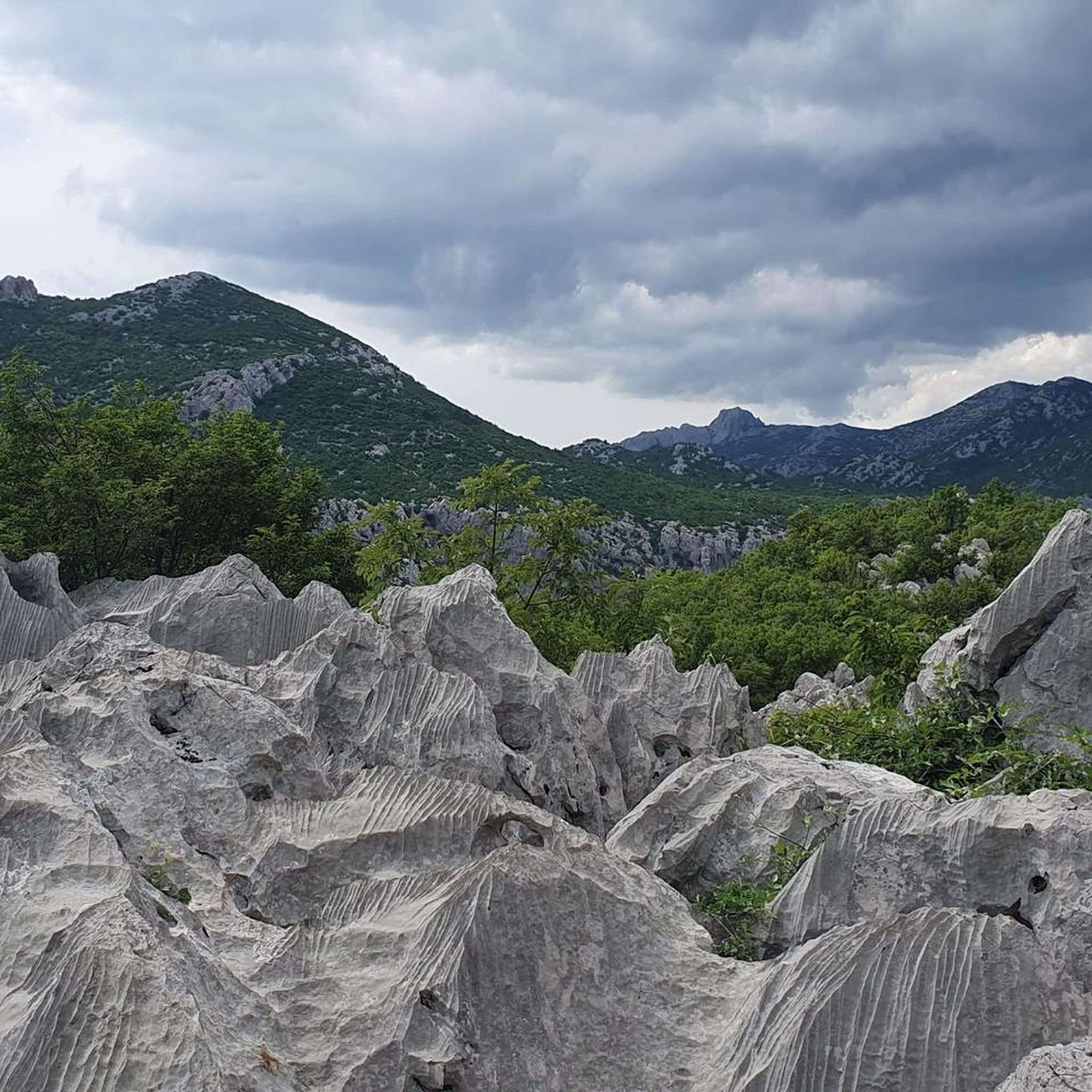
Running Trails in Paklenica National Park

Tips from the Community

Manita Peć is the only cave in Paklenica National Park that is open and accessible to visitors. Its entrance is located at 570 meters on the north wall of the Paklenica canyon. It has been accessible to visitors since 1937. It impresses with a high dome and diverse stalagmite formations that have grown over centuries. Guided tours through the cave should be registered at the national park entrance. Opening hours vary, so you should plan your visit. More information can be found here: np-paklenica.hr/de/was-zu-besuchen/die-h%C3%B6hle-manita-pe%C4%87
1
0
From the valley floor of the Velika Paklenica, the karst gorge appears almost unrealistically mighty. On both sides, limestone walls rise almost vertically into the sky for several hundred meters, making the path between them appear narrow and small. The Paklenica gorge is, not least for this reason, one of the most significant climbing areas in Europe. Birds of prey circle above the ridges, while bears and lynx live in the inaccessible heights and forests. Here you will find one of the most impressive rock landscapes on the Croatian coast.
2
0

A great cave. The entrance fee is €5, but there's only a limited viewing window, from 10:00 AM to 1:00 PM on opening days. You should inquire at the national park entrance before climbing.
9
0
The national park is subject to a fee. A five-day ticket for climbers currently costs €24. Those who want to climb to the last parking lot pay an additional €5 per day. In return, there are approximately 500 climbing routes of all lengths and difficulty levels. Many easy, long, gradual climbs stand out.
8
0
Paklenica National Park is a national park located in the Velebit mountain range, 30 km northeast of the city of Zadar on the Croatian Adriatic Sea and approximately one kilometer from Starigrad-Paklenica. It encompasses Mediterranean, continental, and alpine climate zones and was declared a national park in 1949. The highest peaks are Vaganski Vrh at 1,757 m above sea level and Sveto Brdo (1,750 m above sea level). Source: Wikipedia
10
0

Very pretty, but we left too late, so it was too hot, so we had to cut the walk a little short. It's best to start around 7 a.m. (June)
1
0

at the turn-off - Kosirica there is a beautiful viewpoint. if you walk a bit around the rocks you can sit and enjoy the view
1
0

A beautiful but hard-to-reach peak
0
1
Frequently Asked Questions
How many hiking trails are available in Paklenica National Park?
Paklenica National Park offers an extensive network of hiking trails, totaling around 150-200 km. Komoot lists over 20 routes, ranging from moderate to difficult, ensuring options for various skill levels.
What kind of terrain and difficulty can I expect on hikes in Paklenica National Park?
The park's terrain is rugged, characterized by dramatic limestone formations, karst landscapes, and deep canyons like Velika Paklenica and Mala Paklenica. Trails vary from moderate paths through ancient beech forests to challenging ascents to high peaks such as Vaganski Vrh. Many routes involve significant elevation changes, with some difficult trails having over 700 meters of ascent.
Are there any family-friendly hiking options in Paklenica National Park?
While many trails are moderate to difficult, there are sections suitable for families, especially along the main Velika Paklenica canyon path. This area offers relatively easier walking and access to attractions like the Paklenica Mountain Hut and the Underground City of Paklenica. Educational trails are also designed to engage visitors of all ages.
Can I bring my dog on the hiking trails in Paklenica National Park?
Generally, dogs are allowed in Paklenica National Park, but they must be kept on a leash at all times. It's always advisable to check the latest park regulations regarding pets before your visit, especially concerning specific trails or protected areas within the park.
Are there any circular hiking routes in Paklenica National Park?
Yes, there are several circular routes available. For instance, the View of the Paklenica Gorge – View of the Velika Paklenica Gorge loop from Marasovići is a popular 15.3 km loop offering spectacular canyon views. Another option is the Vaganski Vrh (1,757 m) – Vaganski Vrh Summit loop from Malovan, which is a moderate 9.0 km path to the highest peak in the Velebit range.
What are some notable landmarks or viewpoints to see while hiking?
Hikers can explore several unique features. The Manita Peć Cave, the only cave open to visitors, features impressive stalagmites and stalactites. For panoramic views, consider hiking to Sveto Brdo Summit or Vaganski Vrh (1,757 m), which offer views spanning up to 300 km on clear days. The Paklarić Lookout, easily accessible from Entrance 1, provides excellent sea views.
What is the best time of year to go hiking in Paklenica National Park?
The best time for hiking is typically from spring to autumn (April to October). Spring brings lush greenery and pleasant temperatures, while autumn offers cooler weather and vibrant foliage. Summer can be hot, especially in the canyons, so early morning starts are recommended. Winter hiking is possible but requires appropriate gear due to snow and ice at higher elevations.
Are there any mountain huts or places to get refreshments along the trails?
Yes, the park has several mountain huts. The Paklenica Mountain Hut is a popular stop located about 7 km from the main parking area, offering refreshments. Further into the park, the Ramica Dvori Mountain Hut provides a taste of traditional mountain life, with food brought up by donkey during the season.
What are the parking and public transport options for accessing Paklenica National Park?
The main entrance to Velika Paklenica canyon has a large parking area, which can fill up quickly during peak season. There are also smaller parking spots near other trailheads. Public transport options are limited; most visitors arrive by car. Starigrad-Paklenica, the nearest town, has bus connections, but direct public transport to the park entrances is not extensive.
What do other hikers enjoy most about hiking in Paklenica National Park?
The area is highly rated by the komoot community, with an average score of 4.7 stars from over 500 reviews. Reviewers often praise the dramatic canyon scenery, the challenging yet rewarding ascents to mountain peaks, and the well-marked trails that lead through diverse landscapes, from ancient beech forests to rugged karst formations.
Are there any trails that lead to water features or springs?
Yes, the park features streams, such as the Velika Paklenica stream, which flows through the main canyon. Fresh spring water is often available along the main path, providing a natural refreshment point for hikers. These water sources contribute to the park's diverse ecosystem and offer scenic spots for a break.
What should I wear and bring for hiking in Paklenica National Park?
Given the varied terrain and potential for significant elevation changes, sturdy hiking boots with good ankle support are essential. Layers of clothing are recommended, as temperatures can change quickly, especially at higher altitudes. Bring plenty of water, sun protection (hat, sunscreen), a map, compass or GPS, and snacks. For longer or more challenging routes, consider trekking poles.
Most popular routes in Paklenica National Park
Most popular attractions in Paklenica National Park

Get inspired with the komoot mobile app


