Attractions and Places To See in Fertő-Hanság National Park - Top 20
Best attractions and places to see in Fertő-Hanság National Park, a UNESCO World Heritage site, is located in northwestern Hungary near the Austrian border. This dual national park preserves the natural and cultural heritage of the Fertő region and the Hanság area. It features a diverse range of attractions, including notable landmarks, unique natural features like Lake Fertő, and significant cultural sites. The park offers varied landscapes from reedy marshes and saline steppes to forests and wetlands.
Best attractions and places to see in Fertő-Hanság National Park
- The most popular attractions is Andau Bridge, a bridge that became famous when tens of thousands of Hungarians fled to Austria during the 1956 uprising. Numerous monuments and artworks now commemorate this historic event.
- Another must-see spot is National border AT - HU, a man-made monument marking the border between Austria and Hungary. This border crossing is part of the dual national park and features an excavation site.
- Visitors also love Gate of Freedom – Pan-European Picnic Memorial, a historical site commemorating the Pan-European Picnic of 1989. This event played a significant role in the opening of the Iron Curtain, allowing East German refugees to cross into Austria.
- Fertő-Hanság National Park is known for its historical sites, natural features, and cultural landmarks. Visitors can explore diverse attractions ranging from unique ecosystems like Lake Fertő and the Hanság Marshland to significant memorials and geological formations.
- The attractions in Fertő-Hanság National Park are appreciated by the komoot community, with over 540 upvotes and 67 photos shared.
Last updated: May 25, 2026
National border AT - HU
Highlight • Monument
Showing Translation
Tip by

Gate of Freedom – Pan-European Picnic Memorial
Highlight • Monument
Translated by Google •
Tip by

Sign up now to discover places like this
Get recommendations on the best single tracks, peaks, & plenty of other exciting outdoor places.
Sign up for free
Andau Bridge
Highlight • Bridge
Translated by Google •
Tip by

Austria–Hungary border crossing
Highlight • Structure
Showing Translation
Tip by
Fertőrákos Rock Theater
Highlight • Structure
Showing Translation
Tip by
Sign up for free to discover even more attractions in Fertő-Hanság National Park.
Sign up for free
Already have an account?
Start today with a free account
Your next adventure awaits.
Login or Signup
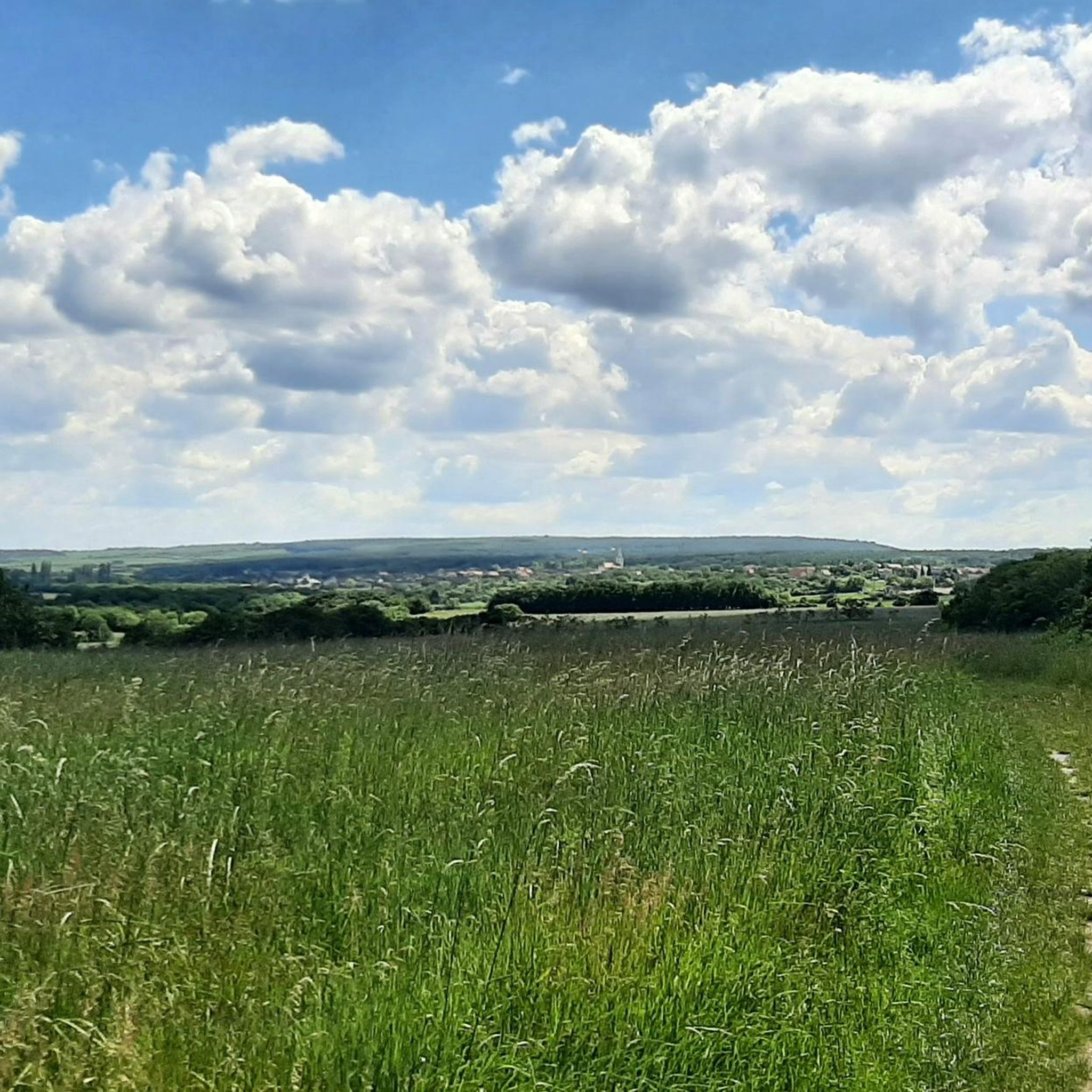
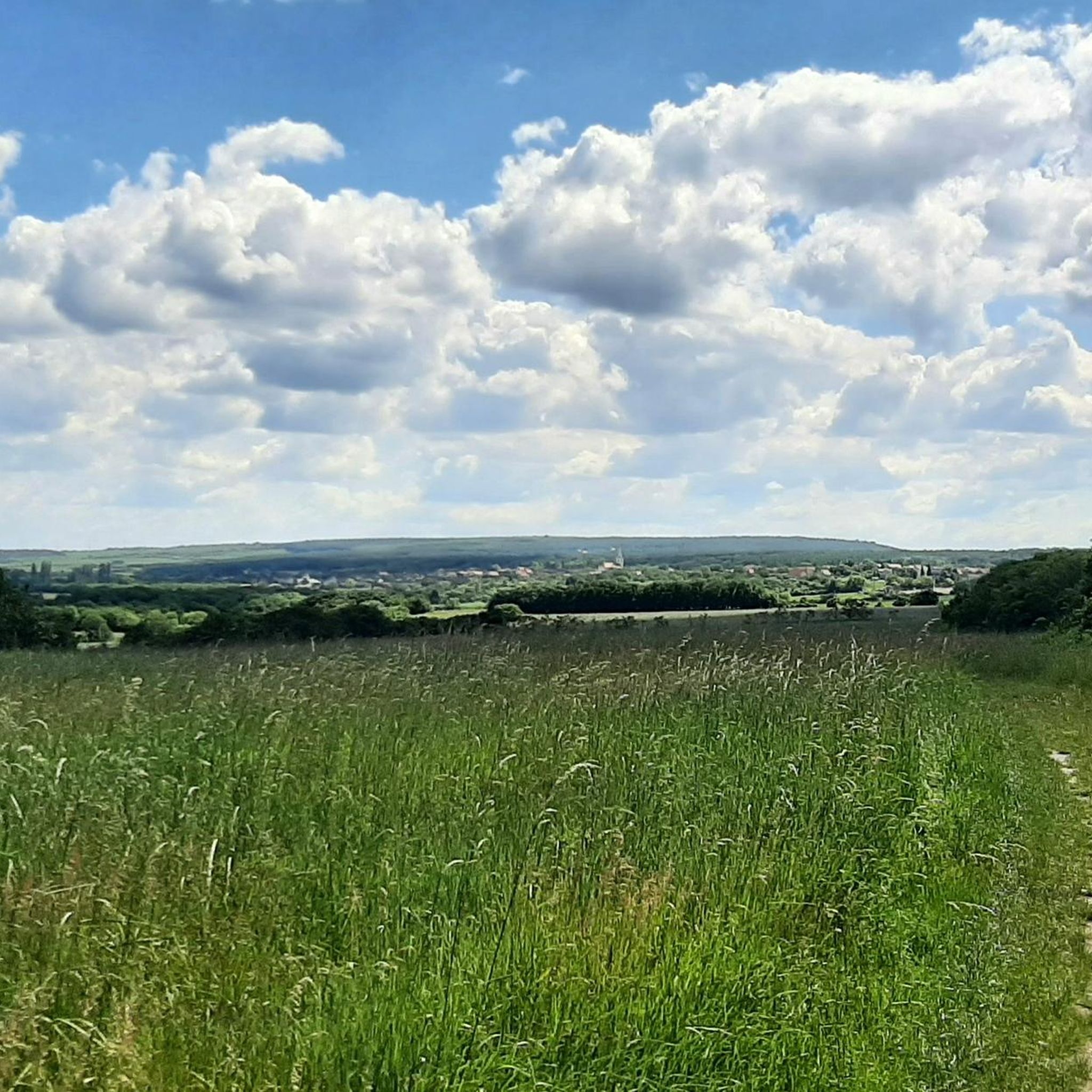
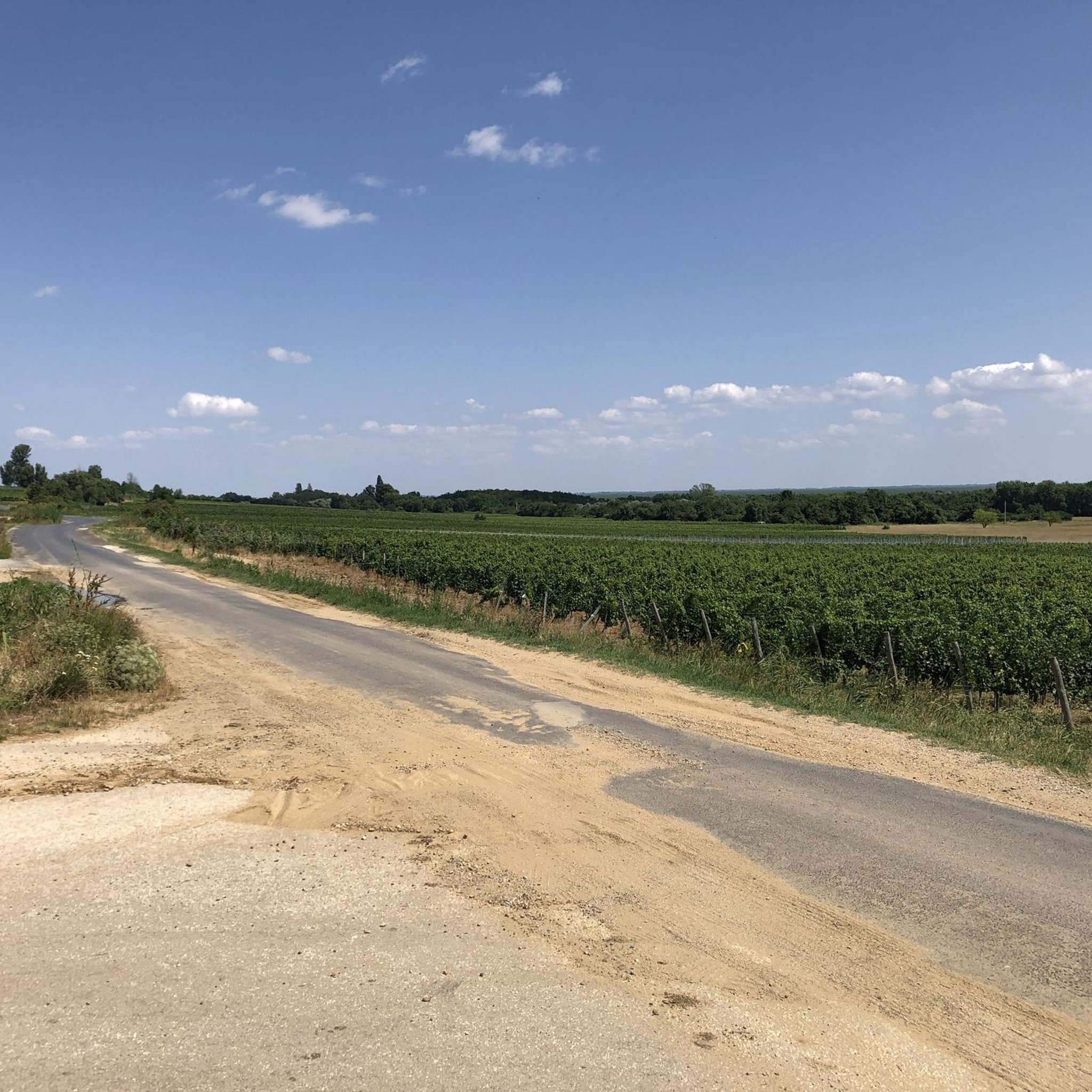
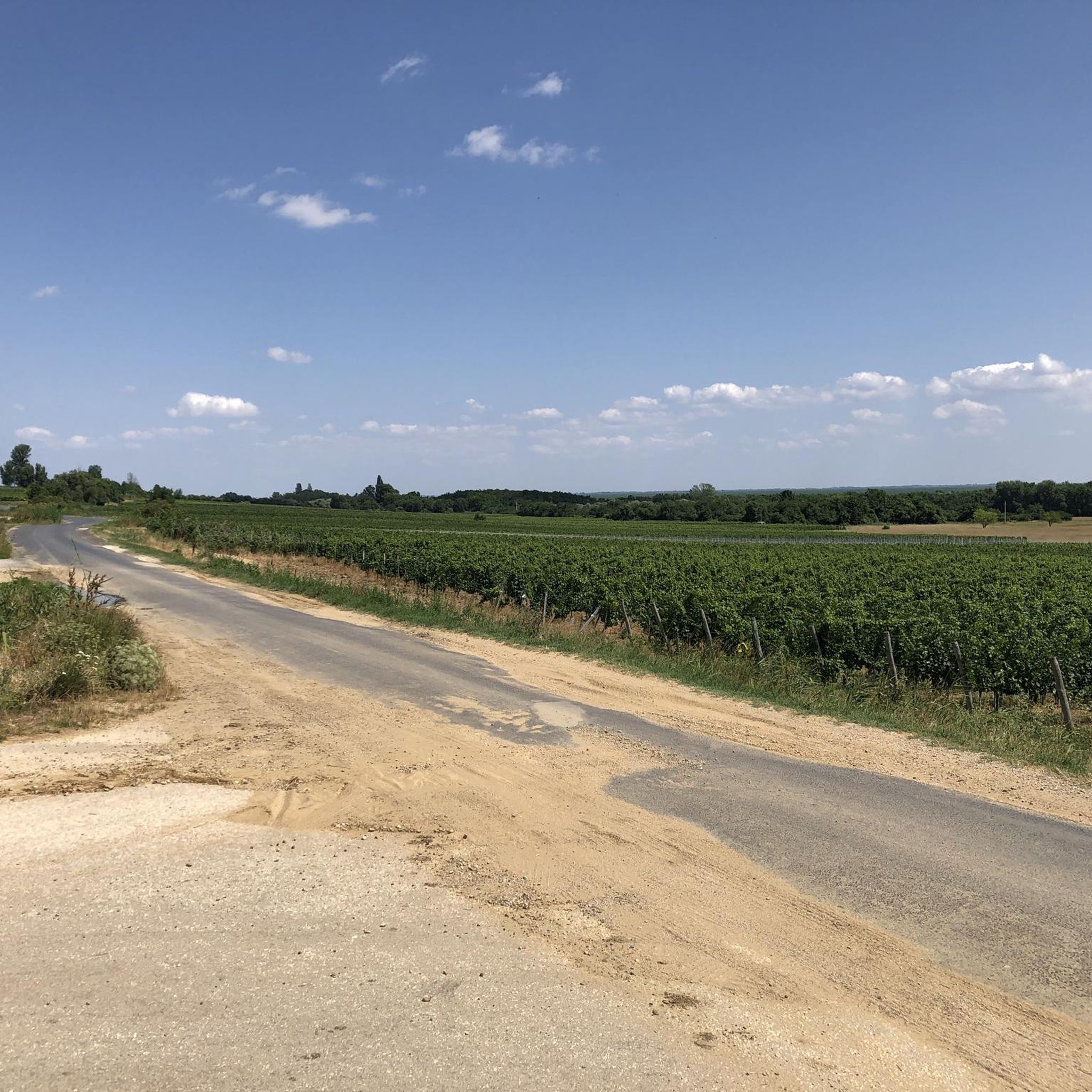

Tips from the Community

Small inconspicuous border crossing on the bike path
0
0
Beautiful landscape around the lake
3
0
Border crossing Austria - Hungary, very beautiful
3
0
State border Austria-Hungary stop take photo
3
0

Here began the fall of the Iron Curtain
1
0

The border between Austria and Hungary.
0
0

By the 4th century AD, the Mithras cult had developed in the Roman Empire, a mystery religion about which it was forbidden to report. Because it deviated from the Roman state religion before and after the introduction of Christianity, it was mostly practiced in secret and, as it was aimed exclusively at men, was particularly widespread among the legionaries. A temple of this cult was discovered by chance in 1866 under overgrown undergrowth on the connecting road to the neighboring Austrian community of Mörbisch am See. The restored building, sunk into the ground - the "rock-born" Mithras was mostly worshipped in caves - is located directly at the current border crossing. In addition to three altars, it contains the relief of the bull killing that is typical of this cult. Today, this is mostly interpreted astronomically: as the end of an age and the beginning of a powerful new one.
0
0

Der Bockerer III - The Bridge of Andau is an Austrian feature film from 2000 by Franz Antel. It is the third part of the Der Bockerer series. The film focuses on the Hungarian uprising of 1956. That year, more than 70,000 Hungarians came to Austria over the Andau Bridge, which leads over the Einser Canal. The bridge had already been rebuilt from Hungarian wood by Austrian pioneers in 1996 as a sign of friendship. In order to be able to transport heavy equipment back and forth for the filming, a separate pontoon bridge had to be built. Large parts of the film were shot on original locations, such as the battle scenes in Budapest and the scenes at the site of the bridge in Andau, for which the bridge, which had been rebuilt shortly before, was put into a warlike state.
2
0
Frequently Asked Questions
What historical sites can I visit in Fertő-Hanság National Park?
The park is rich in history. You can visit the Gate of Freedom – Pan-European Picnic Memorial, which commemorates a pivotal event in the fall of the Iron Curtain. Another significant site is the Andau Bridge, famous for its role in the 1956 Hungarian uprising. Don't miss the Fertőrákos Rock Theater and Quarry, a UNESCO World Heritage site with exhibitions on petrology and paleontology, and the National border AT - HU, which includes an excavation site with Roman-era findings like a Mithras relief.
What natural features are prominent in Fertő-Hanság National Park?
The park is defined by its unique natural landscapes. Key features include Lake Fertő (Neusiedler See), one of Central Europe's largest saltwater lakes and a UNESCO World Heritage site, known for its reedy marshes and diverse ecosystem. The mysterious Hanság Marshland is another significant area, rich in natural treasures with wet meadows and open wetlands. You'll also find saline steppes and shallow lakes like Cikes and Borsodi, important for birdwatching, and protected areas like the Szárhalmi Forest and the floodplain of the Répce River.
Are there family-friendly attractions in Fertő-Hanság National Park?
Yes, several attractions are suitable for families. The Gate of Freedom – Pan-European Picnic Memorial offers an educational experience about history. The Fertőrákos Rock Theater and Quarry provides engaging exhibitions on geology and ancient life. Many of the park's easy hiking and cycling trails are also great for families, allowing them to explore nature together. The Csapody István Nature School and Youth Hostel in Sarród also offers educational opportunities.
What outdoor activities can I do near these attractions?
The region offers a wide range of outdoor activities. You can explore numerous hiking trails through forests, wetlands, and grasslands. Cycling is very popular, with options for both mountain biking and gravel biking. Water sports like sailing and windsurfing are popular on Lake Fertő. Birdwatching is excellent, especially around the saline lakes and lookout towers. For specific routes, you can check out guides like MTB Trails in Fertő-Hanság National Park, Easy hikes in Fertő-Hanság National Park, and Gravel biking in Fertő-Hanság National Park.
Are there hiking trails suitable for different levels?
Yes, Fertő-Hanság National Park offers a vast network of hiking trails catering to various levels. You'll find easy walks, such as the loop from Hegykő or the trail around the Fertőrákos Rock Theater, perfect for beginners or families. There are also more moderate and challenging routes for experienced hikers, traversing diverse landscapes from reedy marshes to forests. For easy options, refer to the Easy hikes in Fertő-Hanság National Park guide.
What is the best time to visit for birdwatching?
The park is a prime destination for birdwatching due to its diverse ecosystems and location on migratory routes. Spring and autumn are particularly excellent times. During these seasons, you can witness spectacular crane migrations and observe a wide variety of water birds, raptors, and other species in areas like the saline lakes (Cikes, Borsodi) and from various lookout towers such as those at Nyéki-szállás.
What kind of wildlife can I expect to see?
Fertő-Hanság National Park is a meeting point of climatic zones, resulting in rich biodiversity. You can expect to see a variety of water birds, deer, wild boar, and unique Hungarian Grey cattle and buffaloes. The park is also home to the highly protected Rákos viper and various birds of prey. Keep an eye out for groundhogs, and if you visit in autumn, you might experience the impressive deer bellowing.
Can I explore the region by bike?
Absolutely! The region around Fertő-Hanság National Park is very bike-friendly. There are numerous cycle paths, including routes around Lake Fertő, that allow you to explore the diverse landscapes. You can find trails suitable for mountain biking and gravel biking, ranging from easy to difficult. Guides like MTB Trails in Fertő-Hanság National Park and Gravel biking in Fertő-Hanság National Park offer detailed route suggestions.
Are there any places to enjoy panoramic views?
Yes, the park offers several excellent spots for panoramic views. The Gloriette Lookout Tower in Fertőboz, built in the early 19th century, provides stunning vistas of the typical Fertő landscape from its 186-meter hill. Additionally, various other lookout towers throughout the park, such as those at Nyéki-szállás and Kecske-hegy, offer great opportunities to observe the vastness of the landscape and its wildlife.
What unique cultural experiences does the region offer?
Beyond its natural beauty, the Fertő-Hanság region boasts unique cultural experiences. The area surrounding Lake Fertő is a renowned wine region, offering visitors the chance to sample local wines at numerous vineyards. The Fertőrákos Rock Theater hosts various programs in its renovated quarry setting. The historical significance of sites like the Pan-European Picnic Memorial and the Andau Bridge also provide deep cultural insights into European history.
What is the best time to visit for hiking?
The best times for hiking in Fertő-Hanság National Park are generally spring (April to June) and autumn (September to October). During these seasons, the weather is typically mild and pleasant, making it ideal for exploring the trails. Spring brings blooming flora, while autumn offers beautiful foliage and comfortable temperatures. Summer can be warm, especially in open areas, and winter can be cold with potential for snow, which might limit access to some trails.
What are the main natural features of the Hanság Marshland?
The Hanság Marshland, a significant part of the national park, is a mysterious water world rich in natural treasures. Its main features include extensive wet meadows, marsh-meadows, and open wetlands. This unique environment is crucial for biodiversity, providing habitats for a wide array of plant and animal species, particularly water birds. It has been a protected landscape area since 1976, preserving its distinct ecological character.
Most popular routes in Fertő-Hanság National Park
Most popular attractions in Fertő-Hanság National Park

Get inspired with the komoot mobile app


Explore more
Still not found the Highlight you’re looking for? See guides of the top attractions in other regions:
