Attractions and Places To See in Grottes Du Karst D'Aggtelek Et Du Karst De Slovaquie - Top 12
Best attractions and places to see in Grottes Du Karst D'Aggtelek Et Du Karst De Slovaquie, a UNESCO World Heritage site, features an extensive network of over 1,000 caves spanning the Hungarian and Slovakian border. This region is characterized by its unique geological formations, including karst landscapes and deep gorges. Visitors can explore subterranean wonders and surface-level historical sites, offering a diverse range of experiences.
Best attractions and places to see in Grottes Du Karst D'Aggtelek Et Du Karst De…
Last updated: July 7, 2026
Zadiel Gorge
Highlight (Segment) • Gorge
Translated by Google •
Tip by

Pálos Monastery Ruins
Highlight • Historical Site
Tip by

Sign up now to discover places like this
Get recommendations on the best single tracks, peaks, & plenty of other exciting outdoor places.
Sign up for free
Na Skale (670 m)
Highlight • Viewpoint
Translated by Google •
Tip by
Turniansky Hrad (Turna Castle Ruins)
Highlight • Castle
Translated by Google •
Tip by

Baradla Cave Red Lake Entrance
Highlight • Cave
Translated by Google •
Tip by

Sign up for free to discover even more attractions in Grottes Du Karst D'Aggtelek Et Du Karst De Slovaquie.
Sign up for free
Already have an account?
Start today with a free account
Your next adventure awaits.
Login or Signup
Popular around Grottes Du Karst D'Aggtelek Et Du Karst De Slovaquie
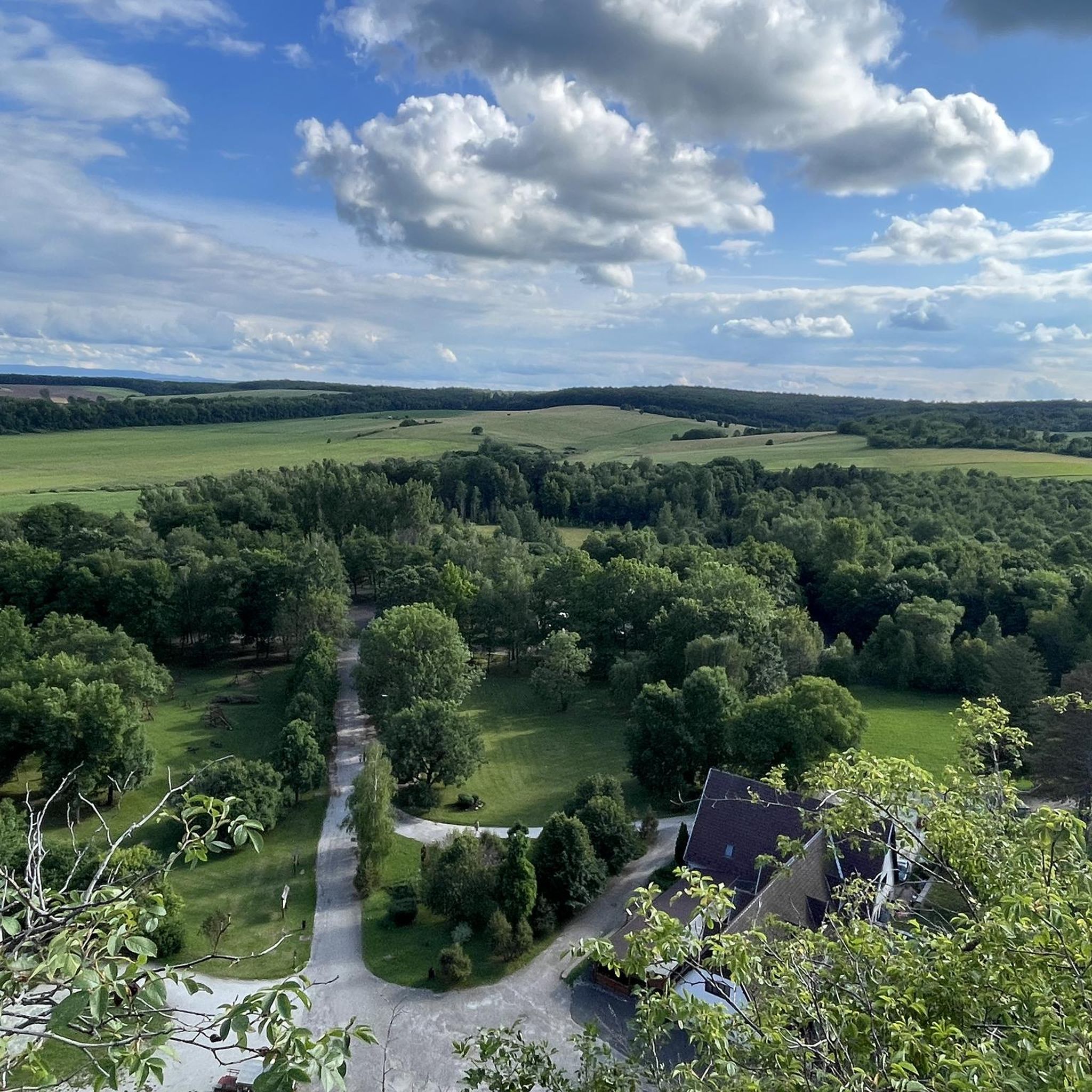
Hiking in Grottes Du Karst D'Aggtelek Et Du Karst De Slovaquie
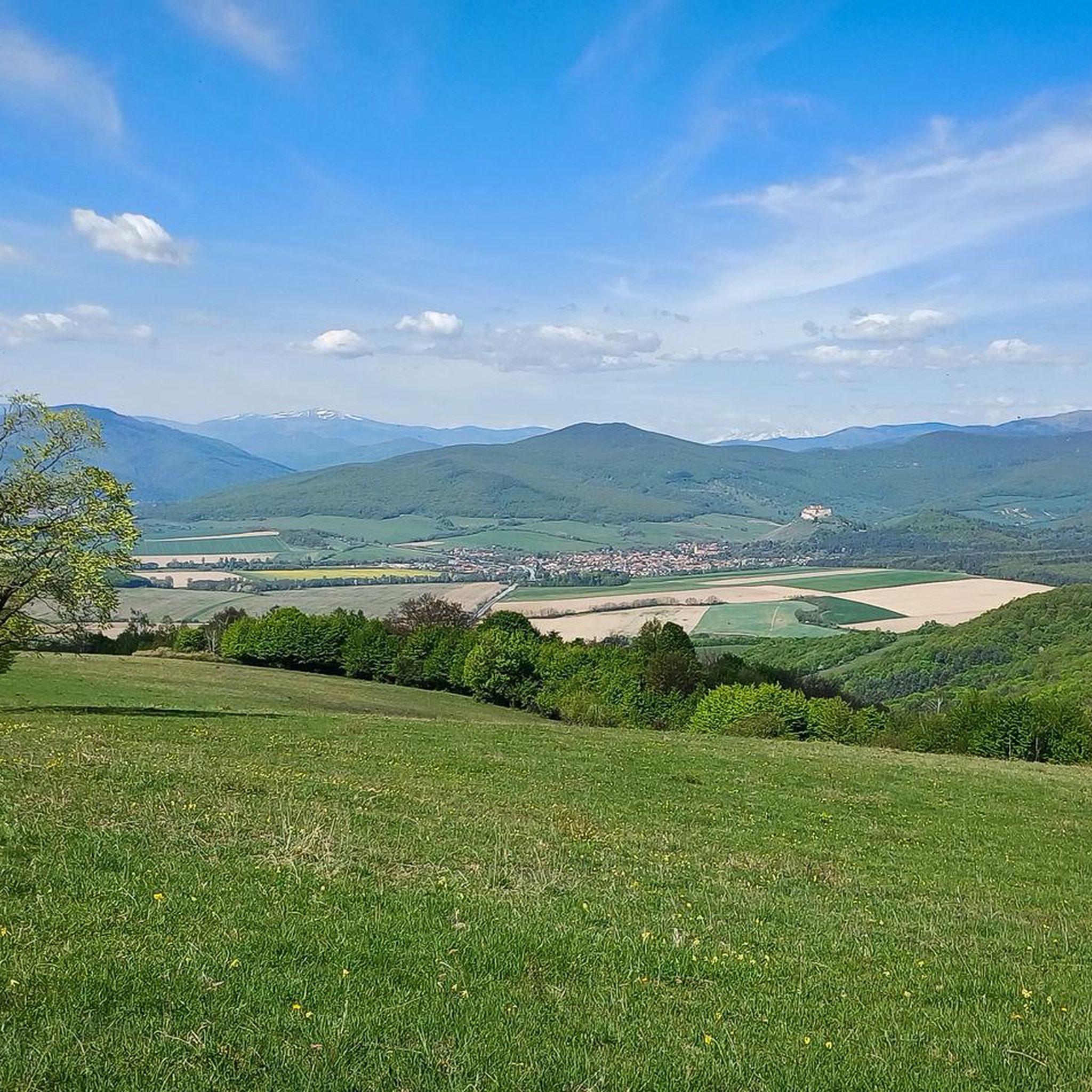
MTB Trails in Grottes Du Karst D'Aggtelek Et Du Karst De Slovaquie
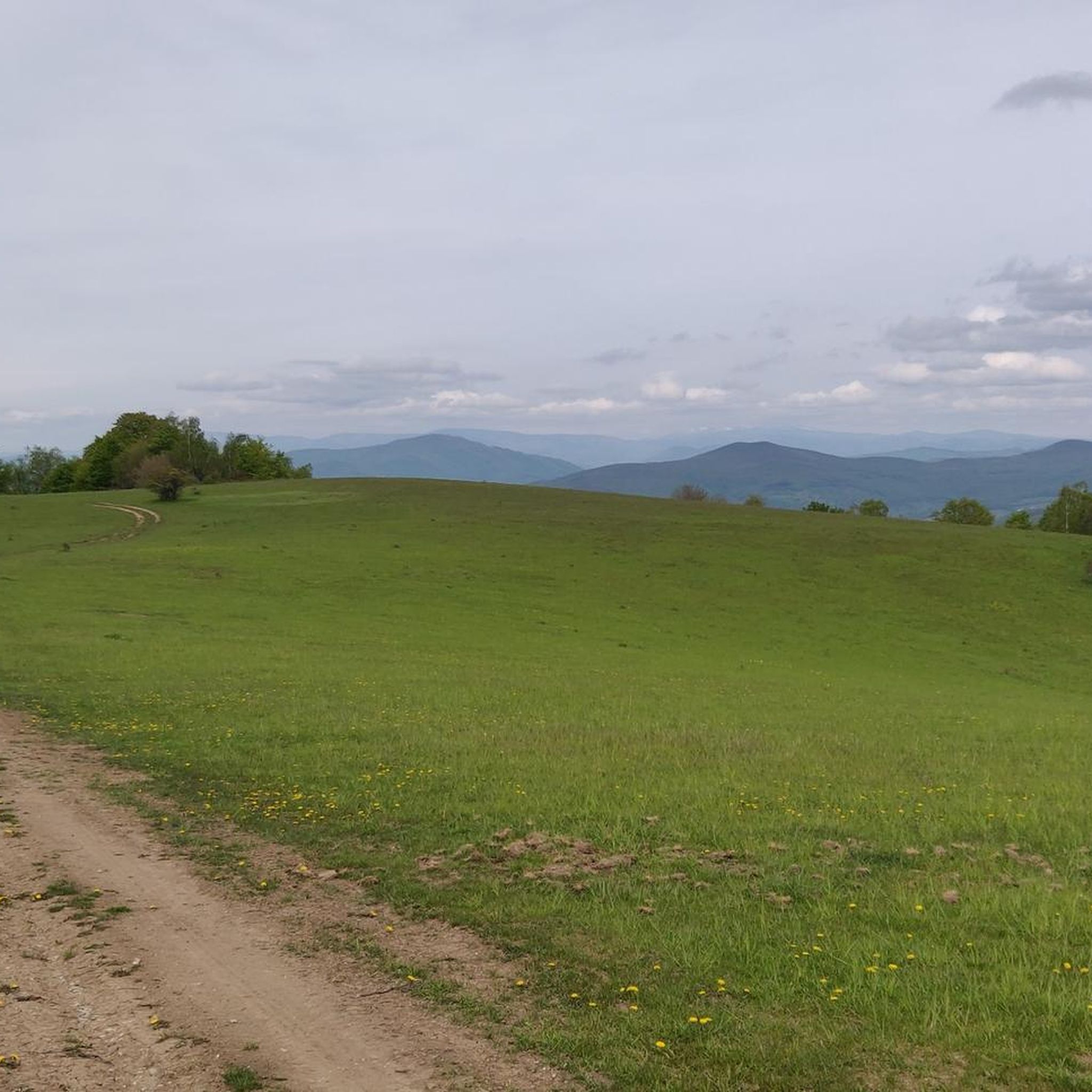
Road Cycling Routes in Grottes Du Karst D'Aggtelek Et Du Karst De Slovaquie
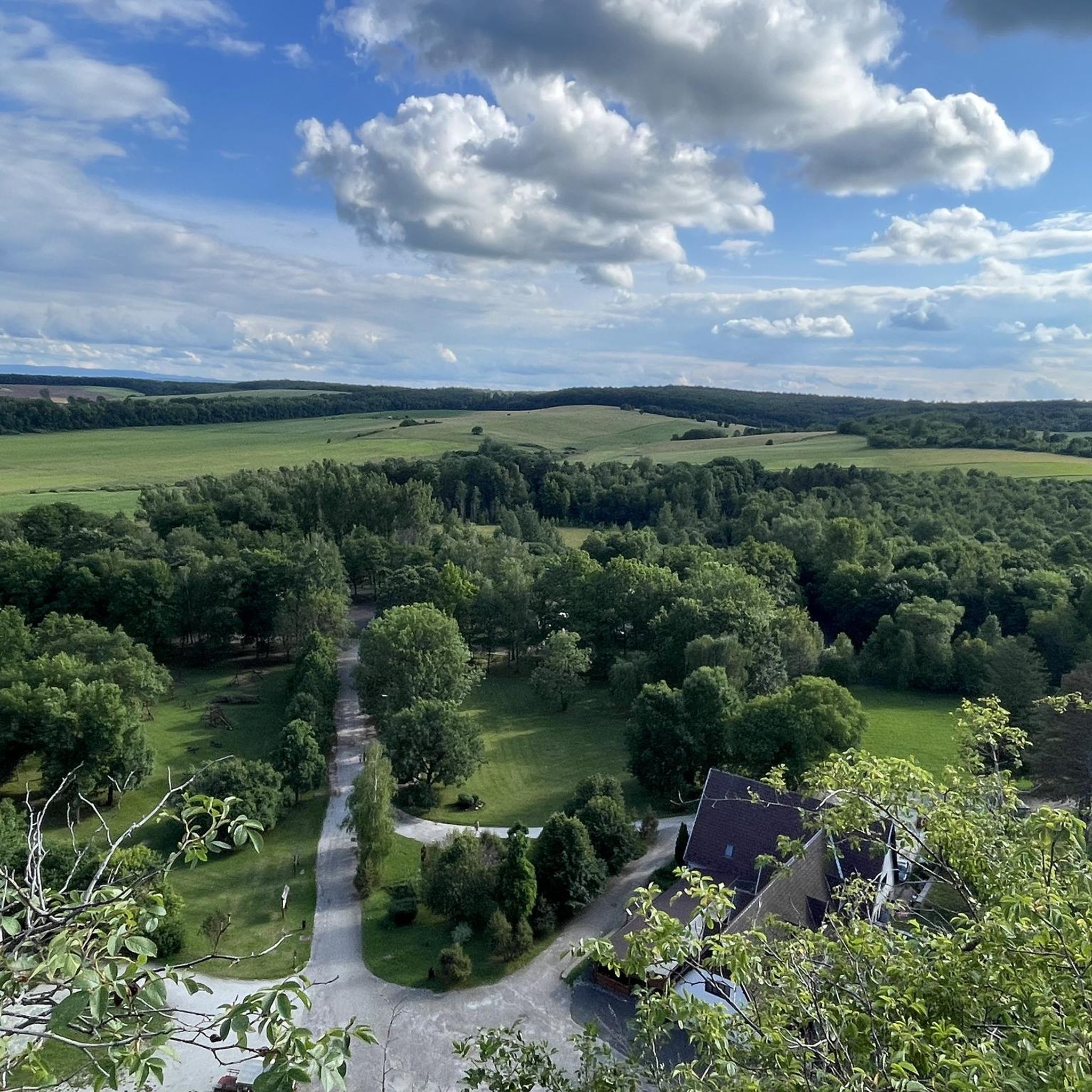
Cycling in Grottes Du Karst D'Aggtelek Et Du Karst De Slovaquie
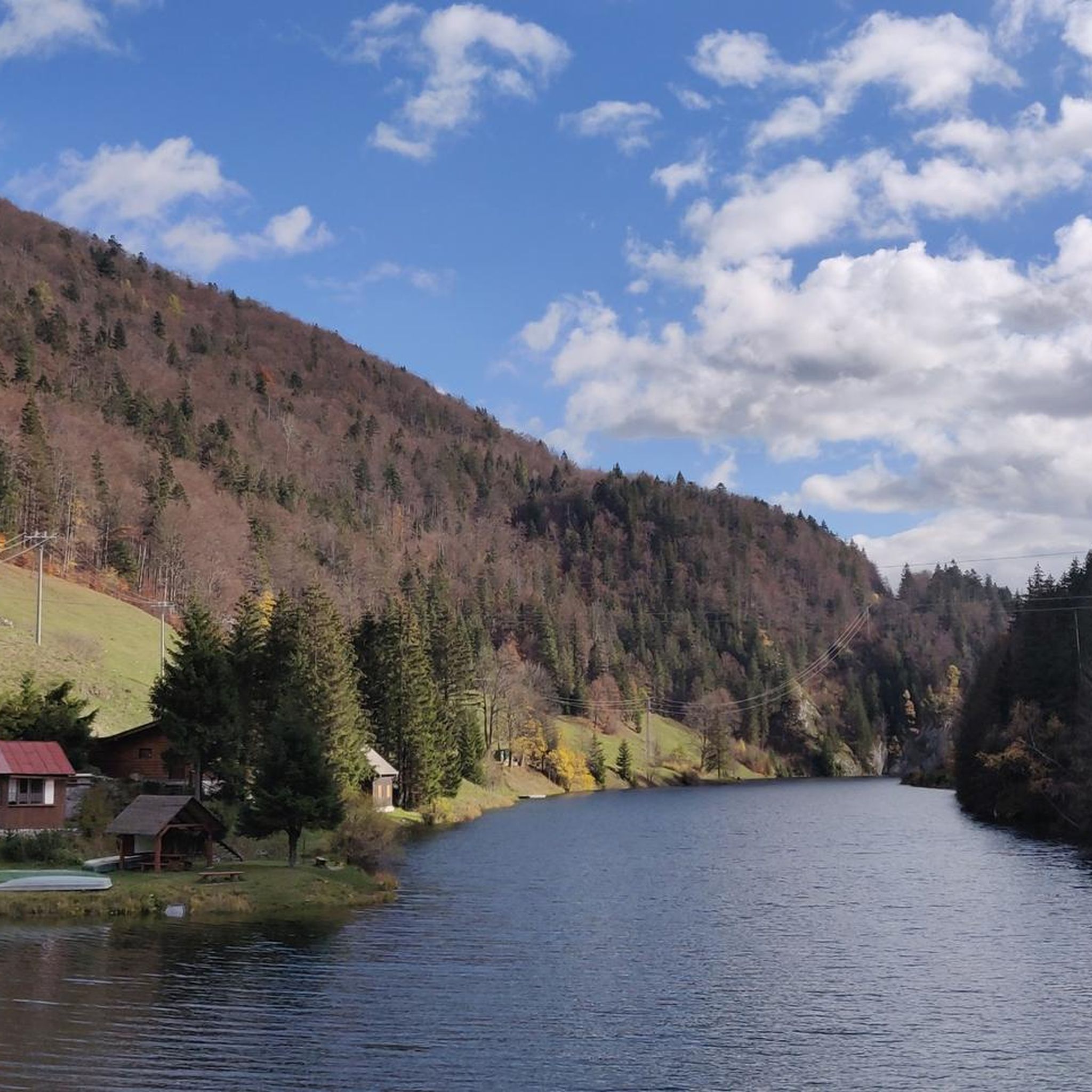
Running Trails in Grottes Du Karst D'Aggtelek Et Du Karst De Slovaquie

Mountain Hikes in Grottes Du Karst D'Aggtelek Et Du Karst De Slovaquie
Tips from the Community

Keep your eyes open, then you can also see relatively large lizards.
0
0

The rock walls fall perpendicularly into the Zádielská valley and thus create an amazing, breath-taking panorama that is not easily found elsewhere. You can enjoy the enchanting view of the Zádiel valley, the rock tower Cukrová homoľa and the picturesque village of Zádiel. The educational trail Horné lúky or Zádielska tisňava passes through the location.
7
0
The length of the gorge is 2,200 m, the depth is 300 m and the narrowest point on the bottom is only 10 m wide. It is deeply cut into the white limestone of the karst plains of the Slovak Karst, in places more than 400 m deep. At its narrowest sections there is hardly room for an old asphalt road on its bottom. The adornment of the gorge is a remarkable rock formation 105 meters high, which was given the significant name of Cukrová homoľa (Sugar Loaf) because of its characteristic narrow shape.
7
0

The route with 3 tours (Aggtelek short tour, Jósvafő short tour, Red Lake tour) is built over the entire length with electric lighting, which can be carried out comfortably in street clothes for every age group. The curious thing about the Red Lake Tour is that at 1.5 miles (2.3 km) it is the world's longest cave trail with electric lights, walkways and bridges.
7
0

You can see the castle ruins from afar ... archeological work is currently taking place on it in 08/2020 ... but you can still see everything. The ways up and of course down again 😅 ... have fantastic S 2 + quality ... sometimes very blocked ... just enjoy it 🤗.
4
0

Deep in the Szalonna Hills lie the ruins of this Medieval Monastery. It now has a roof and there are ongoing restoration works happening. Great location.
1
0
Frequently Asked Questions
What natural features can I explore in the Aggtelek Karst and Slovak Karst region?
The region is renowned for its exceptional natural beauty, particularly its extensive cave systems. Key natural features include the breathtaking Zadiel Gorge, a deep canyon with towering rock walls and the distinctive Cukrová homoľa (Sugar Loaf) formation. The Baradla Cave, part of the Baradla-Domica Cave System, is a highlight. Other notable caves include the unique Ochtinská Aragonite Cave with its coral-like formations, Gombasek Cave, Jasovská Cave, Krásnohorská Cave, and the Dobšinská Ice Cave.
Are there any historical or cultural sites to visit in the area?
Beyond the underground wonders, the region offers several historical and cultural landmarks. You can explore the ruins of Turniansky Hrad (Turna Castle Ruins), which offers impressive views. The Pálos Monastery Ruins in the Szalonna Hills are also undergoing restoration. Other sites include Krásna Hôrka Castle, the Mining Museum in Rožňava, and the Pauline Monastery and L'Huillier Coburg Castle in Hungary.
What are some family-friendly activities available in the Aggtelek Karst and Slovak Karst?
Many of the cave tours, such as those at the Baradla Cave Red Lake Entrance, are designed to be accessible for all age groups, with electric lighting, walkways, and bridges. The Hucul Horse Stud Farm in Jósvafő offers riding lessons and carriage rides, which can be a fun experience for families. Exploring the various nature trails in Aggtelek National Park also provides opportunities for family outings.
What are the best viewpoints for scenic panoramas in the region?
For breathtaking views, head to Na Skale (670 m), which offers an amazing panorama of the Zádiel valley, the Cukrová homoľa rock tower, and the picturesque village of Zádiel. The ruins of Turniansky Hrad (Turna Castle Ruins) also provide excellent views of the surrounding area. Additionally, the Strážna Veža (Watchtower) in Rožňava offers expansive historical views.
Are there opportunities for outdoor activities like hiking or cycling near these attractions?
Absolutely! The region is excellent for outdoor enthusiasts. You can find numerous hiking trails within Aggtelek National Park, including the Baradla Trail. For cycling, there are several routes available, such as the 'Meadow on Silická Planina loop from Lipovník'. Mountain biking is also popular, with trails like the 'Domica Cave loop from Vidová'. You can find more details on these activities and routes in the dedicated guides for Cycling, MTB Trails, and Running Trails in the Grottes Du Karst D'Aggtelek Et Du Karst De Slovaquie.
Which caves are particularly notable in the Aggtelek Karst and Slovak Karst region?
The region is famous for its diverse cave systems. The Baradla Cave in Hungary, part of the Baradla-Domica system, is one of the longest in Central Europe and hosts light and music shows. The Ochtinská Aragonite Cave is globally unique for its aragonite formations. Other significant caves include Gombasek Cave, Jasovská Cave (the oldest officially opened cave in Slovakia), Krásnohorská Cave with its massive sinter column, and the therapeutic Peace Cave (Béke Cave).
What is the best time of year to visit the Aggtelek Karst and Slovak Karst?
The best time to visit largely depends on your interests. Spring and autumn offer pleasant temperatures for hiking and exploring surface attractions. Summer is ideal for enjoying the cooler temperatures inside the caves. Some caves, like Dobšinská Ice Cave and Silická Ľadnica, are particularly impressive in colder months due to their ice formations, though access might be seasonal. Always check specific cave opening hours before your visit.
Are there any unique experiences beyond typical sightseeing in the region?
Yes, the region offers some unique experiences. You can take an underground boat ride on the Styx River in Domica Cave (Slovakian side of the Baradla-Domica system). The Baradla Cave's 'Concert Hall' is known for its excellent acoustics and hosts special events. The Peace Cave (Béke Cave) in Hungary is also unique, serving as a sanatorium for individuals with asthma due to its therapeutic properties.
What do visitors enjoy most about the Aggtelek Karst and Slovak Karst?
Visitors frequently appreciate the dramatic natural landscapes, especially the deep gorges and the intricate cave systems. The unique geological formations, such as the aragonite crystals and massive sinter columns, are often highlighted. The blend of subterranean wonders with surface-level historical sites and panoramic viewpoints, like Na Skale (670 m), also receives high praise.
How long should I plan for a visit to the Aggtelek Karst and Slovak Karst caves?
The duration of your visit depends on which caves you plan to explore and how many. Tours within the Baradla Cave can range from short, accessible routes (around an hour) to longer, more extensive explorations. To fully appreciate the main cave systems and perhaps visit a few different ones, such as Ochtinská Aragonite Cave or Dobšinská Ice Cave, you might consider dedicating at least one to two full days to the region.
Are there any specific trails recommended for exploring Aggtelek National Park?
Aggtelek National Park offers numerous hiking trails. The Baradla Trail is particularly recommended as it is the oldest and most visited nature trail, providing insights into the geological, hydrographical, fauna, and flora of the area. Other trails allow you to explore the wilderness and spot wildlife such as gray wolves, Eurasian lynx, and red deer.
Can I find information about the region's UNESCO World Heritage status?
Yes, the Aggtelek Karst and Slovak Karst Caves are recognized as a UNESCO World Heritage site due to their outstanding universal value, particularly their unique geological and geomorphological features. You can find more information about its designation and significance on the official UNESCO website: whc.unesco.org.
Most popular routes in Grottes Du Karst D'Aggtelek Et Du Karst De Slovaquie
Most popular attractions in Grottes Du Karst D'Aggtelek Et Du Karst De Slovaquie

Get inspired with the komoot mobile app


Explore more
Still not found the Highlight you’re looking for? See guides of the top attractions in other regions:
