Attractions and Places To See around Parco naturale Spina Verde di Como - Top 20
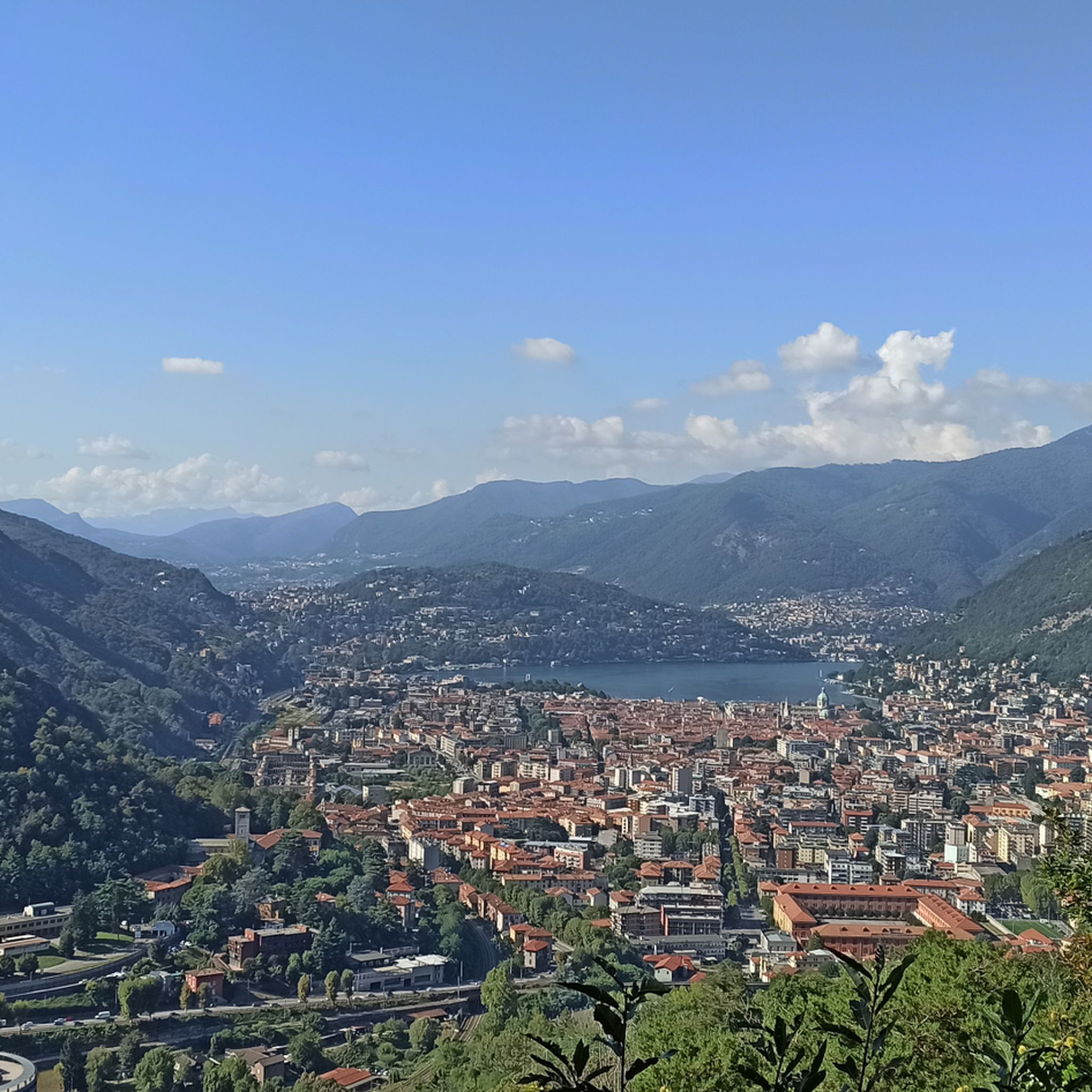
Best attractions and places to see around Parco naturale Spina Verde di Como include a rich array of historical, natural, and cultural sites. Situated in the hilly area northwest of Como, bordering Switzerland, the park features protected nature and points of interest spanning over 2000 years of human history. Visitors can explore diverse landscapes, dense forests, and panoramic viewpoints overlooking Lake Como and the Lombard plain. The region offers a variety of experiences, from ancient archaeological areas to medieval castles…
Last updated: May 25, 2026
Pin Umbrela
Highlight • Viewpoint
Translated by Google •
Tip by

Baradello Castle
Highlight • Castle
Translated by Google •
Tip by

Sign up now to discover places like this
Get recommendations on the best single tracks, peaks, & plenty of other exciting outdoor places.
Sign up for free
Basilica of Saint Abbondio
Highlight • Religious Site
Tip by

The southernmost point of Switzerland
Highlight • Monument
Translated by Google •
Tip by

San Fermo della Battaglia
Highlight (Segment) • Climb
Translated by Google •
Tip by

Sign up for free to discover even more attractions around Parco naturale Spina Verde di Como.
Sign up for free
Already have an account?
Start today with a free account
Your next adventure awaits.
Login or Signup
Popular around Parco naturale Spina Verde di Como
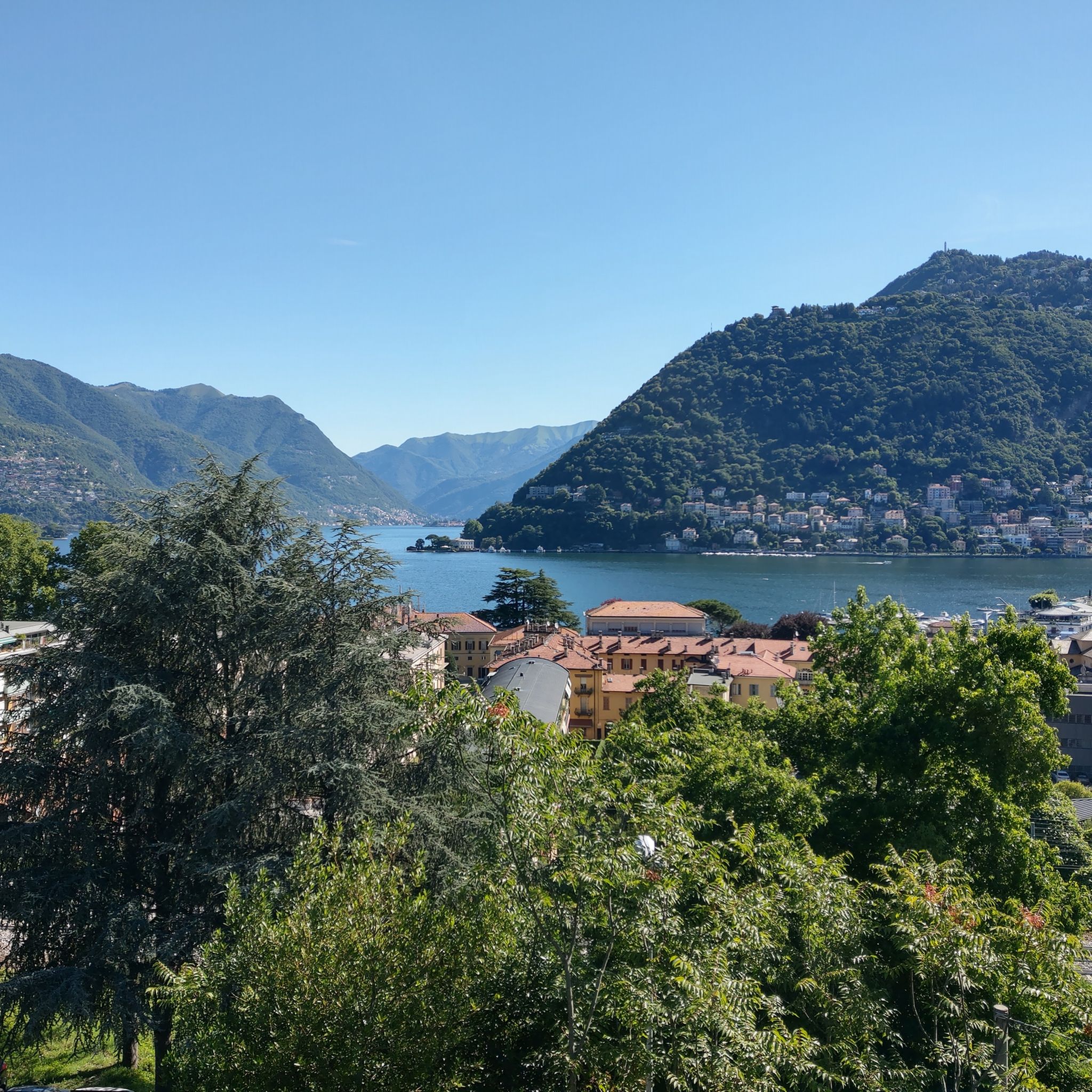
Road Cycling Routes around Parco naturale Spina Verde di Como
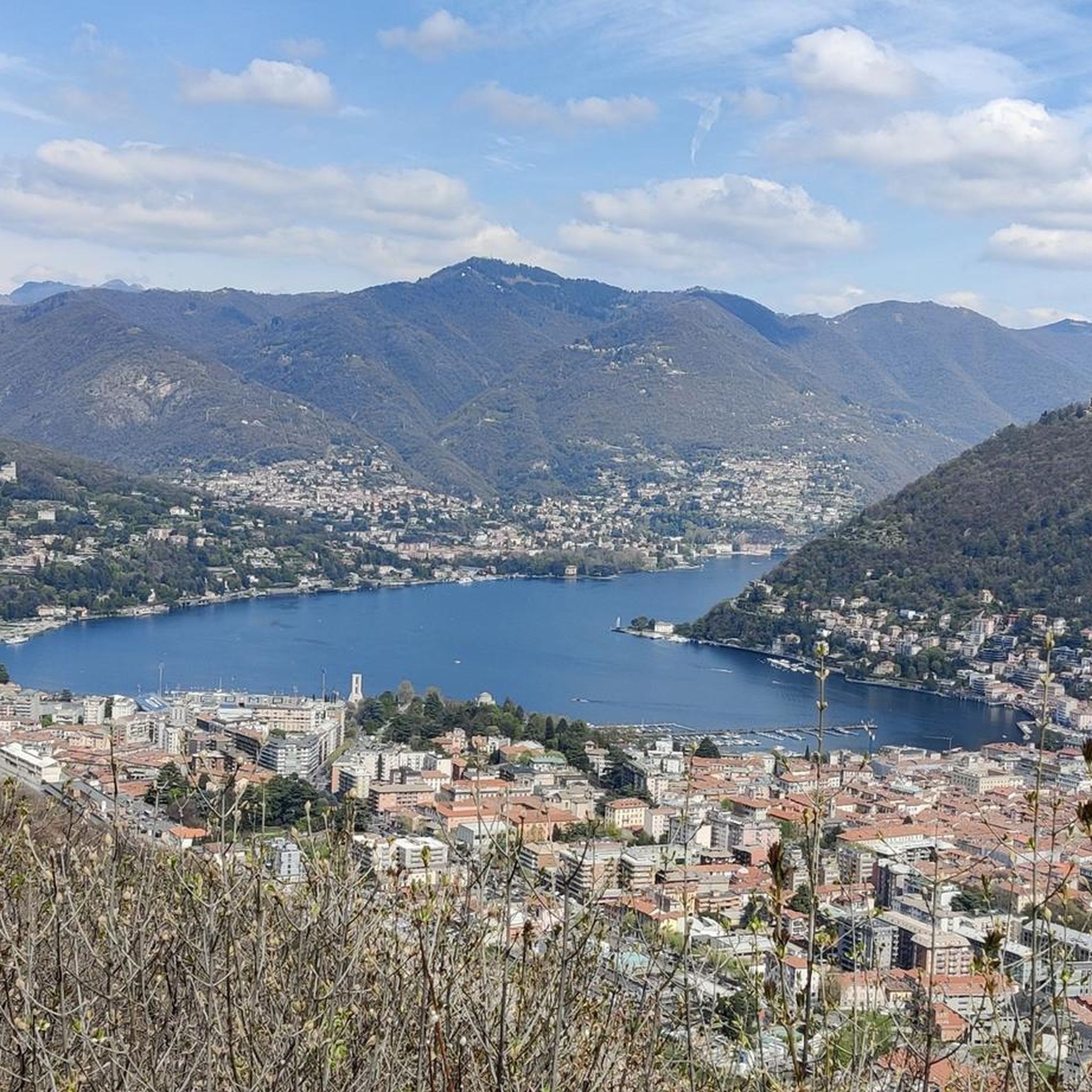
Cycling around Parco naturale Spina Verde di Como
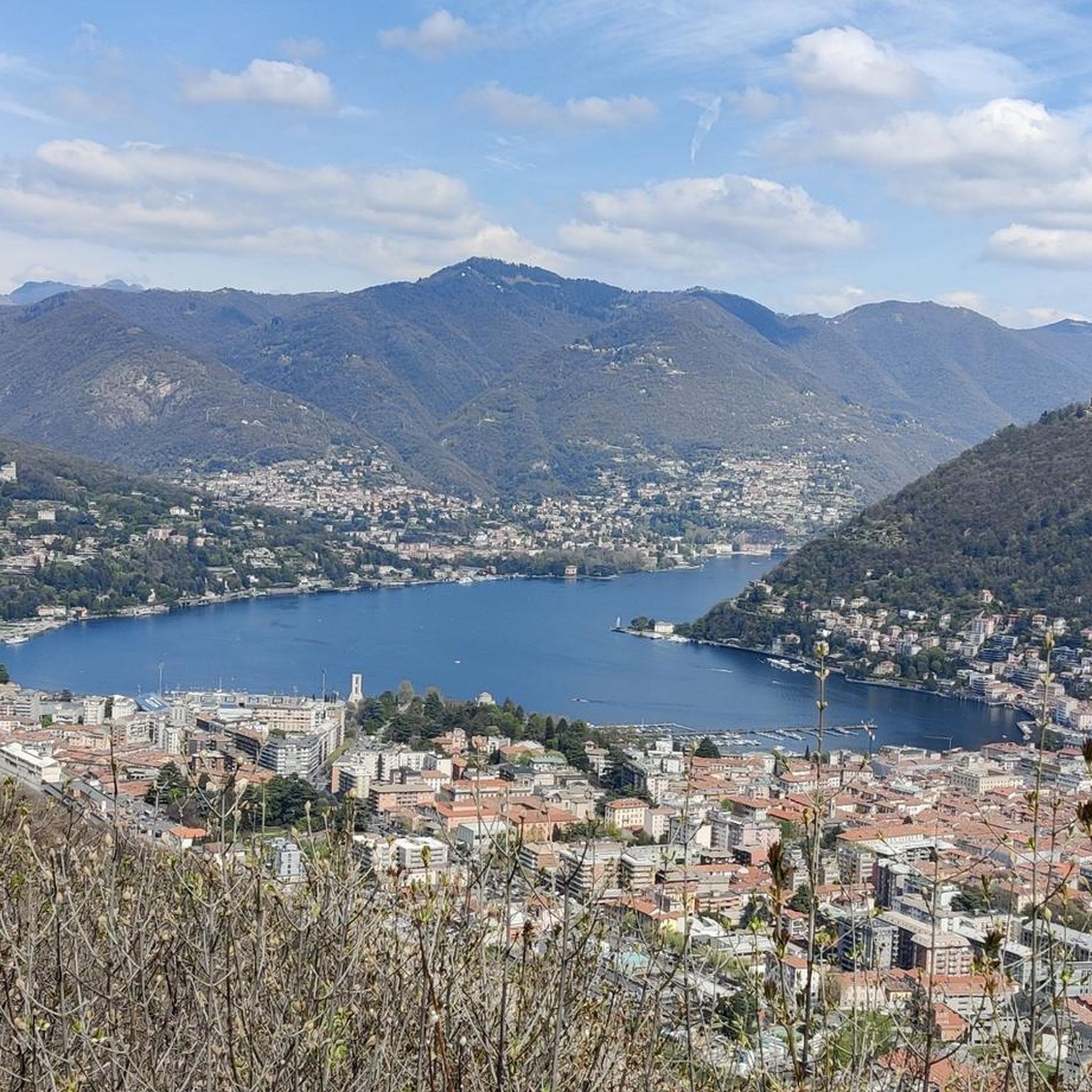
Running Trails around Parco naturale Spina Verde di Como
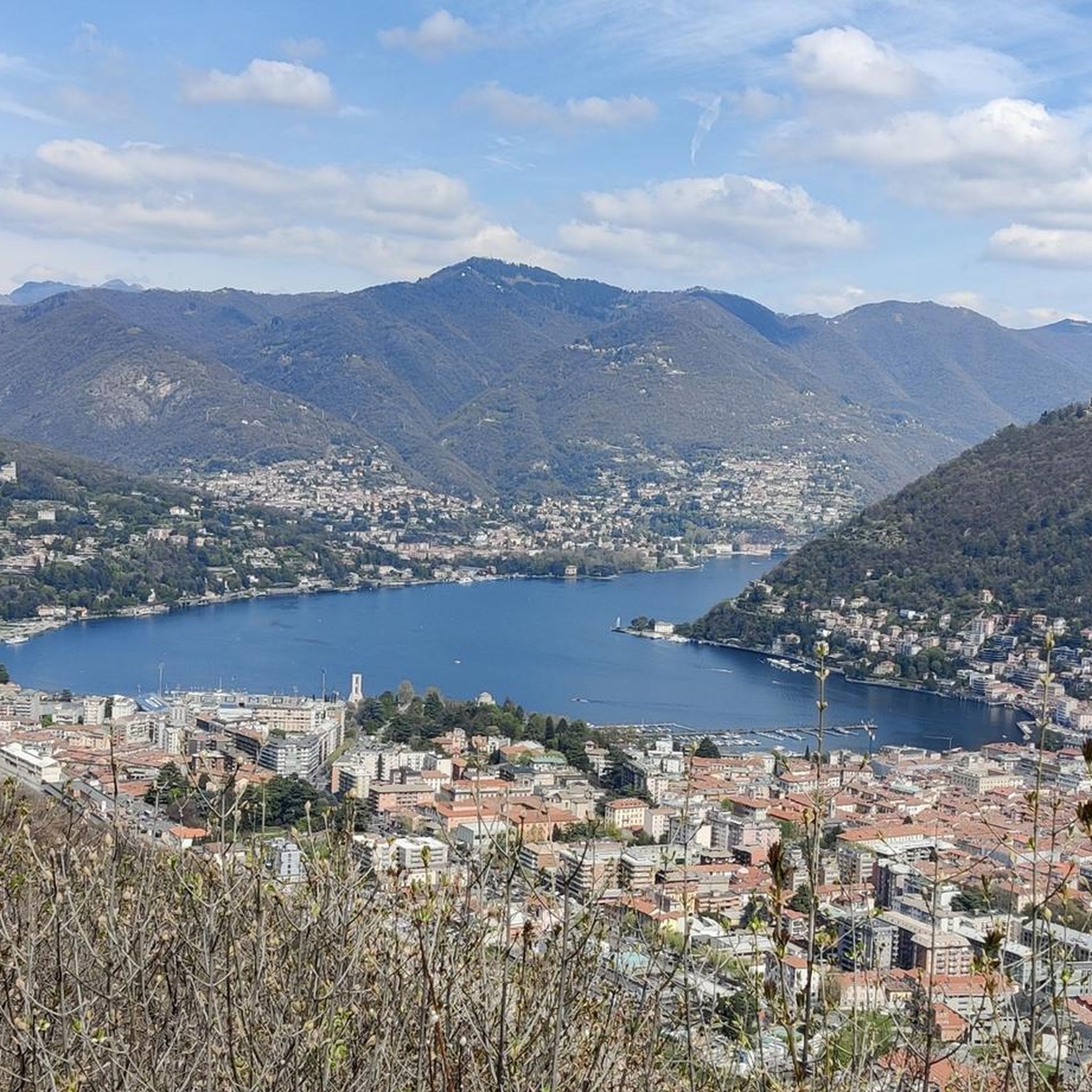
MTB Trails around Parco naturale Spina Verde di Como
Hiking around Parco naturale Spina Verde di Como
Gravel biking around Parco naturale Spina Verde di Como
Tips from the Community

You can visit the beautiful station with a guide. The view is well worth it!
0
0

In the 9th century, the church was dedicated to Sant'Abbondio, former bishop of Como, buried here since the 5th century. In 1010 bishop Alberico send here a community of Benedictine monks who started reconstructing the church. Previous paleochristian building was torn down and a new Romanesque church was built and consecrated by Urbano II in 1095. In the following two centuries many important modifications were carried out. After 1968, the cloister next to the church was acquired by Como municipality and restored. Nowadays, the law department of University of Insubria is located here. https://www.visitcomo.eu/en/discover/monuments/churches/basilica_santabbondio/index.html https://www.lombardiabeniculturali.it/architetture/schede/CO180-00073/
4
0

Spectacular Romanesque basilica, founded in the 5th century and originally dedicated to Saints Peter and Paul. In 818 the basilica was renamed to Saint Abbondio (bishop and patron saint of Como) and became the Cathedral of Como. Between 1050 and 1095, after the cathedral was moved to its current location within the walls, the church was entrusted to the Benedictines who adapted it in Romanesque style. Inside, in the presbytery, a wonderful cycle of frescoes from the early 14th century. The apse area is beautiful on the outside, full of medieval sculptures and decorations and the pair of twin bell towers.
0
0

Castello Baradello, the symbol of Spina Verde Park, is a fortification erected in 1558 by Holy Roman Emperor Frederick Barbarossa, on the remains of 6th-century Byzantine buildings. Visits to the tower of Castello Baradello are possible by reservation only.
0
0

One of the panoramic points of the park
2
0

Romanesque basilica with 5 naves, dedicated to the patron saint of Como.
0
4

🌈 Panoramic Point on Lake Como Pin Umbrela 🏞️
3
1
Place Pin Umbrela ☂ where you can sit to enjoy the view 🌈 on giant wooden chairs
3
0
Frequently Asked Questions
What natural features and viewpoints can I explore in Parco naturale Spina Verde di Como?
The park offers diverse landscapes, dense forests, and remarkable panoramic viewpoints. A popular spot is Pin Umbrela, known for its stunning vistas of Lake Como, the city, and the Po Valley. You can also discover interesting biotopes like the Parè wetland with natural springs, and spectacular water streams throughout the park.
What historical sites are there to visit within Parco naturale Spina Verde di Como?
The park is rich in history, featuring sites like Baradello Castle, a medieval fortification built by Emperor Frederick Barbarossa, offering archaeological exhibits and panoramic views. You can also explore sections of the Cadorna Line trenches, particularly at Sasso di Cavallasca, which are fortifications from World War I. Additionally, the park contains ancient remains of prehistoric Como, including settlements and rock engravings from the Golasecca culture.
Are there any significant religious buildings in the area?
Yes, the Parco naturale Spina Verde di Como is home to several important religious sites. These include the historic Basilica of Saint Abbondio, a Romanesque basilica consecrated in 1095 with early 14th-century frescoes, and the Basilica of San Carpoforo. Both hold considerable historical and architectural merit.
What kind of outdoor activities can I do in Parco naturale Spina Verde di Como?
The park is crisscrossed by a dense network of 13 marked trails, suitable for various activities. You can enjoy hiking, mountain biking, and road cycling. For specific routes, explore the Road Cycling Routes or Mountain Hikes guides for the area.
Are there easy hiking trails suitable for beginners or families?
Yes, the park offers several easy hiking trails perfect for beginners and families. You can find options like the 'Ring tour between Monte Goi and Valbasca' or the 'Spina Verde Park wetland trail to Seveso River source'. More easy routes are available in the Easy Hikes around Parco naturale Spina Verde di Como guide.
What do visitors enjoy most about the attractions in Parco naturale Spina Verde di Como?
Visitors frequently praise the breathtaking panoramic views, especially from spots like Pin Umbrela. The historical significance of sites like Baradello Castle and the architectural beauty of the Basilica of Saint Abbondio are also highly appreciated. The diverse trails and the opportunity to explore both nature and history are key highlights for the komoot community.
Can I find any unique geographical points in the park?
Yes, the park is home to a unique geographical point: The southernmost point of Switzerland. This spot is immersed in the woods and is well-indicated by signs, marking the border between Italy and Switzerland.
Are there any challenging cycling climbs in the vicinity?
For cyclists seeking a challenge, the area features San Fermo della Battaglia. This is a symbol climb of the Giro di Lombardia, known for its steep, twisty ascent and splendid views of Lake Como.
What kind of wildlife can be found in the park?
The Parco naturale Spina Verde di Como is a protected area, particularly known for its wetlands and springs. These biotopes are home to protected animal species such as the Lataste's frog and salamanders. The springs of the Seveso River also host a colony of nearly extinct river crabs, highlighting the park's biodiversity.
Are there educational opportunities or initiatives within the park?
Yes, the park actively organizes various initiatives, laboratories, and activities. These programs are designed to connect visitors with the local history, environmental ethics, and the natural values of this protected area, offering a deeper understanding of its significance.
What is the best time of year to visit Parco naturale Spina Verde di Como?
While the park is accessible year-round, spring and autumn generally offer the most pleasant conditions for exploring the trails and historical sites. The weather is milder, and the natural landscapes are particularly vibrant with blooming flora or rich autumn colors, making it ideal for outdoor activities and enjoying the panoramic views.
Most popular routes around Parco naturale Spina Verde di Como
Most popular attractions around Parco naturale Spina Verde di Como

Get inspired with the komoot mobile app


Explore more
Still not found the Highlight you’re looking for? See guides of the top attractions in other regions:
