The best running trails around Fiume Ofanto Natural Park
4.1
(30)
1,195
runners
96
runs
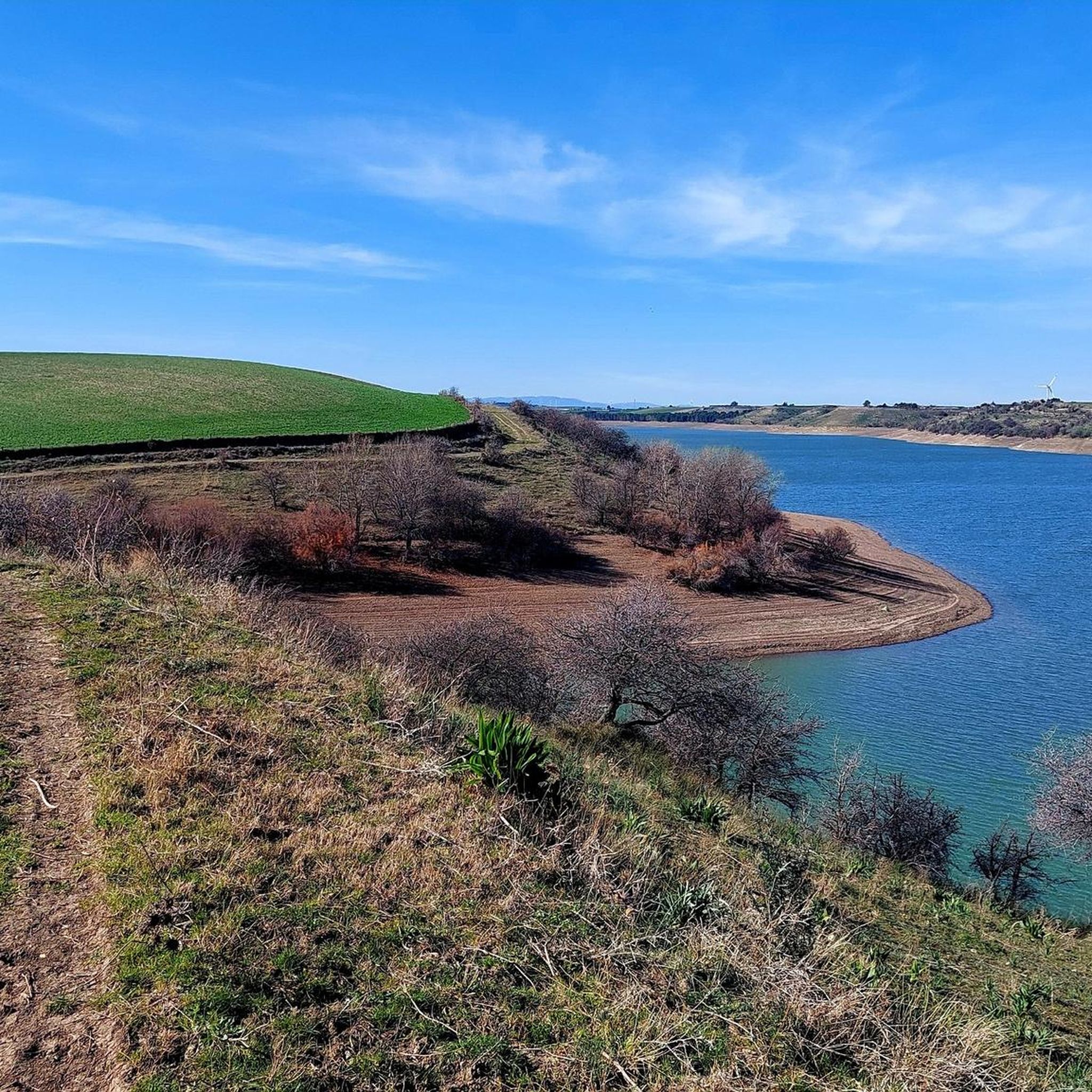
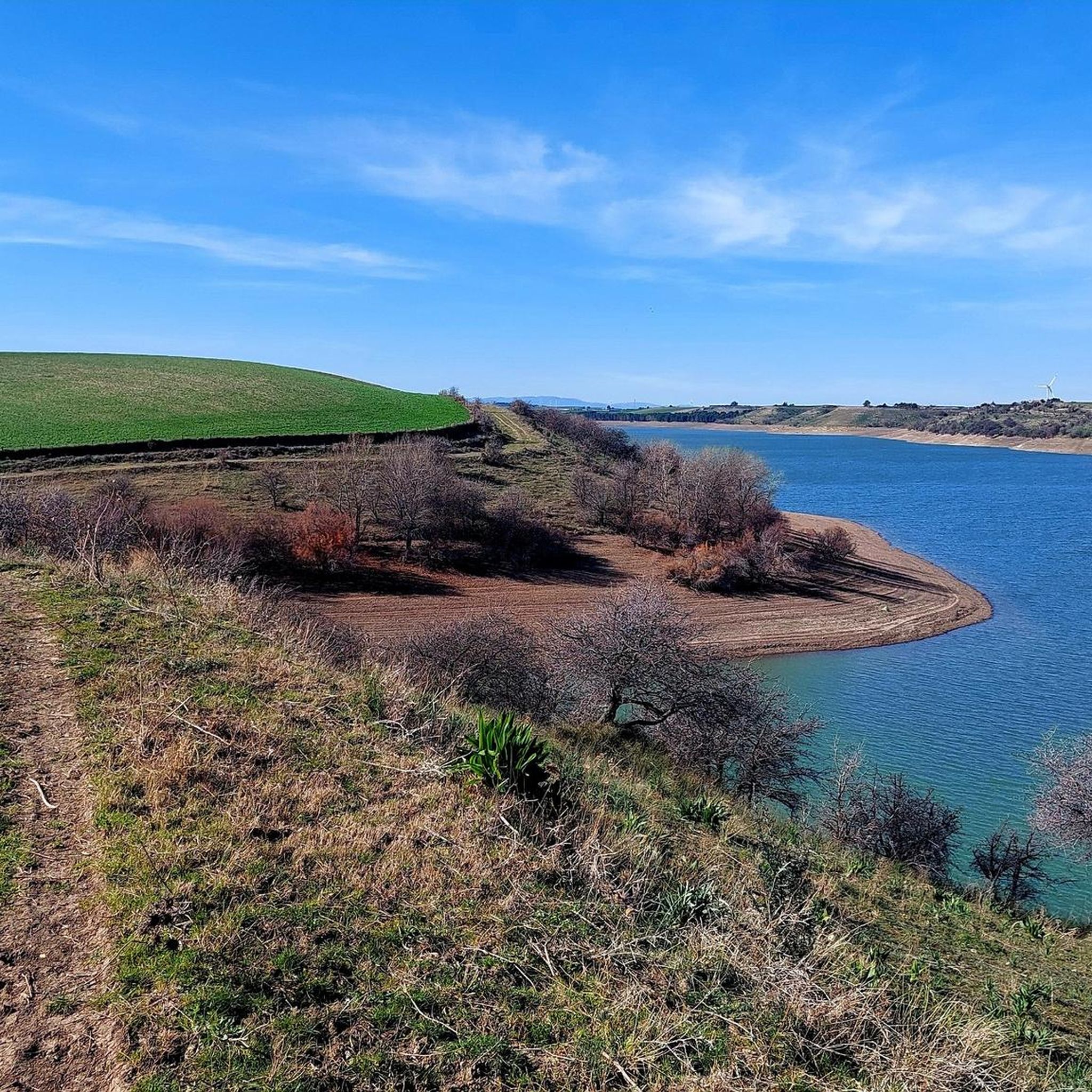
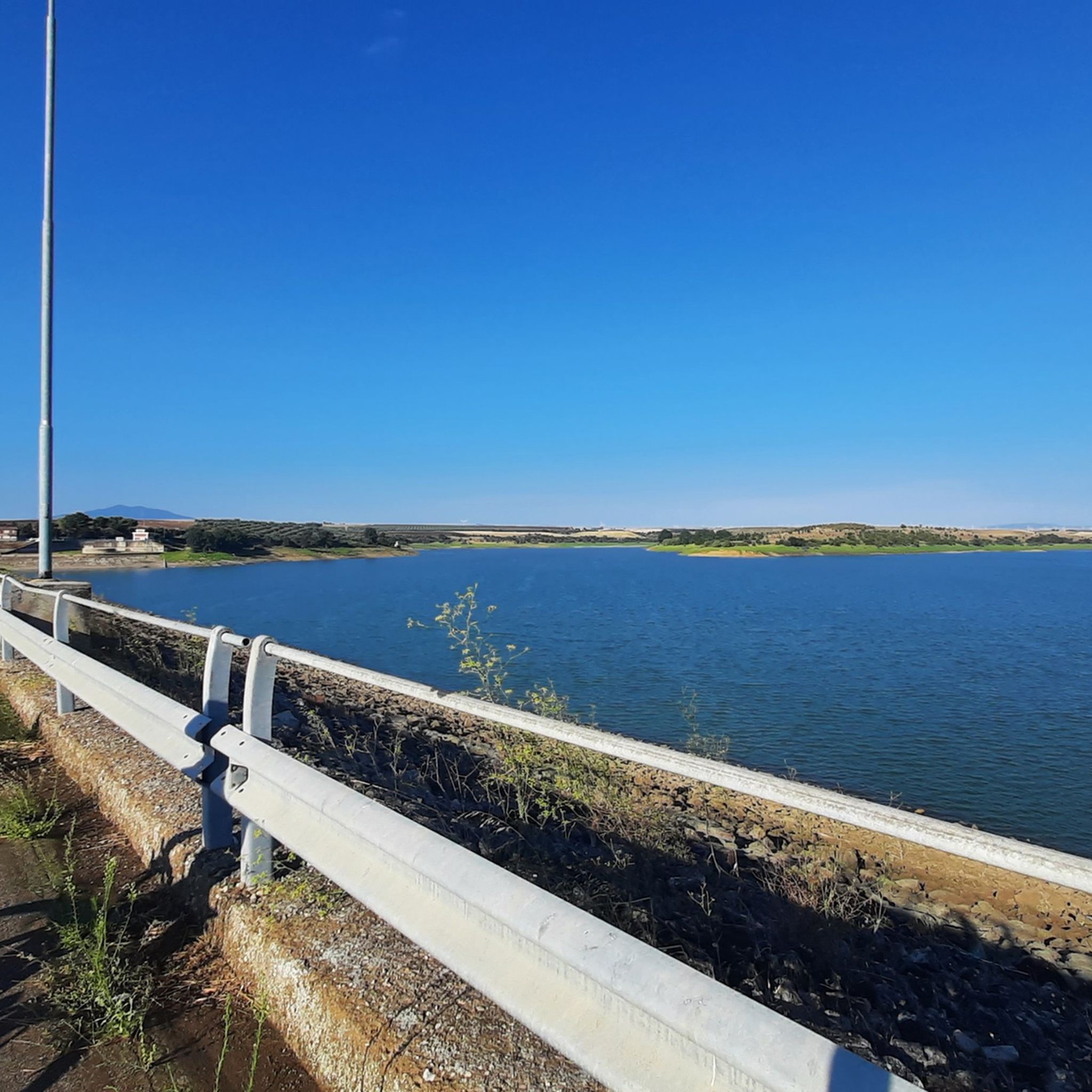
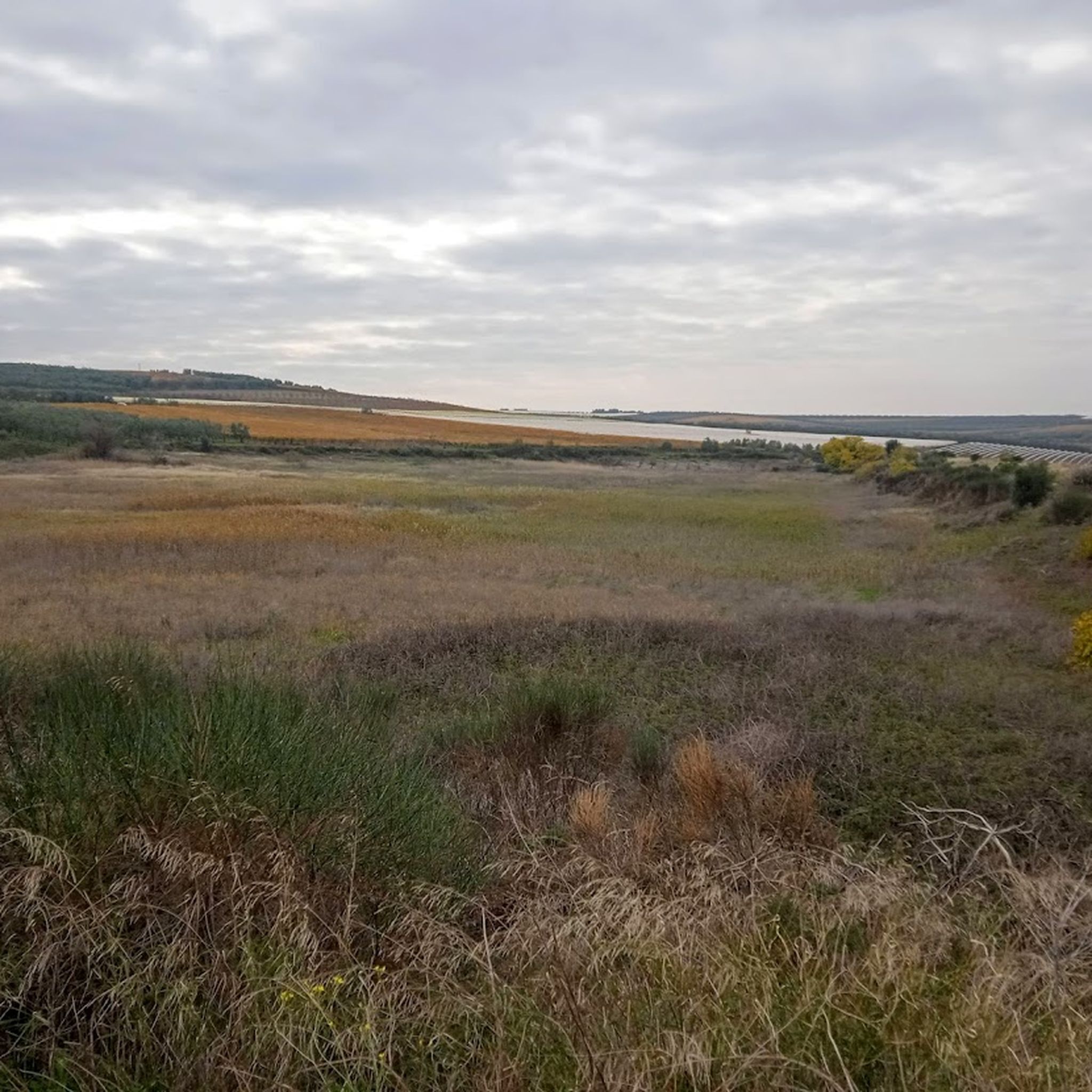
Jogging around Fiume Ofanto Natural Park offers diverse environments for outdoor activity. The park is centered around the Ofanto River, providing a green landscape with Mediterranean vegetation. The terrain includes rolling hills and riverbanks, with paths often featuring compact dirt, sand, and grassy sections. This varied landscape provides a range of running experiences for different ability levels.
Best jogging routes around Fiume Ofanto Natural Park
- The most popular jogging route is Terme di San Mercurio loop from Parco archeologico di…
Last updated: July 4, 2026
33
runners
13.2km
01:36
150m
150m
Moderate run. Good fitness required. Mostly paved surfaces. Suitable for all skill levels.
7
runners
9.70km
01:03
50m
50m
Moderate run. Good fitness required. Mostly paved surfaces. Suitable for all skill levels.

Sign up for free
3
runners
3.71km
00:23
0m
0m
Easy run. Great for any fitness level. Mostly paved surfaces. Suitable for all skill levels.
5
runners
8.64km
01:03
130m
130m
Moderate run. Good fitness required. Mostly paved surfaces. Suitable for all skill levels.
6
runners
Hard run. Very good fitness required. Mostly paved surfaces. Suitable for all skill levels.
Get access to more routes and recommendations from other explorers.
Sign up for free
Already have an account?
Our route recommendations are based on thousands of hikes, rides, and runs completed by other people on komoot.
Start today with a free account
Your next adventure awaits.
Login or Signup
Tips from the Community

The site of Canne della Battaglia is mainly remembered for the decisive battle of 216 BC, fought between the Romans and Carthaginians during the Second Punic War. The hilly reliefs overlooking the Ofanto valley have been inhabited since the Neolithic period and continuously until the 3rd century BC, most likely in conjunction with the epic clash that disrupted the settlement patterns of the entire area. In Roman times, it is recalled in the sources as the emporium of Canusium, in whose shadow it lived until the latter's abandonment in the second half of the 9th century. From this moment, Canne began its most important historical phase, linked to the stabilization of Byzantine power in Puglia. Thanks to its strategic position, the Cannese village, likely built on a pre-existing Roman structure and known today as the 'Cittadella', was re-occupied from the late antique period and consolidated in the following centuries, around two main centers, the basilicas and the castle, also thanks to the establishment of a diocese, led, in the early 12th century, by Ruggero, the current patron saint of Barletta. The antiquarium annexed to the archaeological park was created in the late 1950s for the valorization and conservation of artifacts from excavations conducted in the area, starting from the Ventennio, a period of frenetic exaltation of Roman grandeur. Today's exhibition favors the narration of events related to the Second Punic War and the great battle that represented a trauma for the surrounding territory and for the indomitable Roman army. However, according to the current state of research, no archaeological documentation referring to the clash of 216 BC has yet been found, nor can the reconstruction of the landscape on these hills, as described by historical sources, particularly Livy and Polybius, be considered plausible. Rather, the site of Canne, in addition to being located in an area of great landscape and natural value, constitutes, to this day, one of the most interesting examples of abandoned medieval settlements in Italy.
0
0

216 BC. Museum, ruins of the old city built on the site of the Carthaginian camp. Entrance to the museum is 6 euros. You can lock your bike nearby.
0
0
Beautiful mural with the protagonists of the fight against the mafia
0
0

Impressive archaeological site, great history. Unfortunately I didn't read it carefully, unfortunately closed today.
3
0

The Antiquarium, located at the foot of the fortified citadel and the Archaeological Park, with the remains of the ancient Daunian settlement and the structures from the Roman, early Christian and medieval eras, today offer visitors a complex and fascinating itinerary.
1
0
We are located between the cities of Canosa and Barletta, the site is located on a hill overlooking the right bank of the Ofanto river.
1
0
The museum and the archaeological park are located in an area of great landscape and naturalistic value and are included in the Ofanto Regional Natural Park.
0
0

The city of Canne has very ancient origins. The area was highly populated since the 5th-6th millennium BC. as evidenced by some tools found in the area. The Roman city arose between the 6th and 4th centuries BC. as a simple village and here in 216 BC. the famous battle of Cannae took place which marked a harsh defeat for the Romans at the hands of Hannibal's army, which, although numerically inferior, managed to prevail thanks to a tactical expedient known as the pincer maneuver. With the fall of the Western Roman Empire, a period of decline also began for Cannae. It was destroyed by Totila's Ostrogothic troops and after a slow recovery the city flourished again in the shadow of Canosa until the destruction of the latter by the Saracens in 872. The city was the scene of many important battles and had its period of maximum flowering under Byzantine domination until 1083 when it passed under the dominion of the Normans and was destroyed again and was never able to recover.
1
0
Frequently Asked Questions
How many running routes are available in Fiume Ofanto Natural Park?
There are nearly 90 running routes available in the Fiume Ofanto Natural Park, offering a wide range of options for different preferences and fitness levels. The komoot community has explored these trails over 1000 times.
What are the difficulty levels of running trails in the Fiume Ofanto Natural Park?
The park offers a good mix of running trails for various abilities. You'll find 6 easy routes, 57 moderate routes, and 26 difficult routes, ensuring there's something for everyone from casual joggers to experienced runners.
Are there any easy running routes for beginners in the Fiume Ofanto Natural Park?
Yes, for those looking for a gentler run, there are several easy options. A popular choice is the Running loop from Fiumara, which is a 2.3-mile (3.7 km) trail leading through the riverine environment, often completed in about 22 minutes with minimal elevation change.
Can I find circular running routes in the Fiume Ofanto Natural Park?
Many of the running paths in the Fiume Ofanto Natural Park are designed as loops, perfect for circular runs. For example, the Terme di San Mercurio loop from Parco archeologico di Canne della Battaglia is a popular 8.4-mile (13.5 km) circular route with moderate elevation changes.
What historical sites or natural features can I see while running in the Fiume Ofanto Natural Park?
The park is rich in both natural beauty and historical significance. Along your runs, you might encounter the Archaeological Park of Canne della Battaglia, famous for the ancient battle, or the impressive Roman Bridge over the Ofanto River. The Mausoleo Bagnoli also offers a glimpse into ancient history. The routes often follow the Ofanto River, providing scenic views of rolling hills and lush Mediterranean vegetation.
Is the Fiume Ofanto Natural Park suitable for jogging with dogs?
Yes, the Fiume Ofanto Natural Park is generally dog-friendly, with many trails suitable for running with your canine companion. However, it's always recommended to keep your dog on a leash, especially in areas with wildlife or near historical sites, and to check local regulations for specific trail requirements.
What do other runners enjoy the most about jogging in Fiume Ofanto Natural Park?
The area is highly rated by the komoot community, with an average score of 4.4 stars from over 40 reviews. Runners often praise the diverse landscapes, from riverbanks to rolling hills, and the opportunity to combine physical activity with exploring historical sites and natural beauty. The variety of terrain, including compact dirt, sand, and grassy sections, also contributes to a varied running experience.
Are there challenging running trails for experienced runners in the Fiume Ofanto Natural Park?
Absolutely. For those seeking a more strenuous workout, the park offers 26 difficult routes. These trails often feature greater elevation changes and more technical terrain, providing a good challenge for experienced runners. One such route is the Archaeological Site of Cannae loop from Parco archeologico di Canne della Battaglia, which is 8.6 miles (13.9 km) with significant elevation.
What is the best season for running in Fiume Ofanto Natural Park?
The Fiume Ofanto Natural Park is enjoyable for running throughout much of the year. Spring and autumn offer pleasant temperatures and vibrant scenery, making them ideal. Summer can be warm, so early morning or late afternoon runs are recommended. Winter runs are also possible, with the landscape taking on a different, serene beauty.
Can I spot wildlife while running in the Fiume Ofanto Natural Park?
Yes, the park is home to diverse fauna, and you might spot various species during your run. The Ofanto River is a vital habitat, and you could see otters (the park's symbol), toads, and a variety of bird species like woodpeckers. Keeping an eye out for local wildlife adds an extra dimension to your outdoor experience.
Are there family-friendly running options in the Fiume Ofanto Natural Park?
Many of the easier and moderate routes in the Fiume Ofanto Natural Park are suitable for families, especially those with older children who enjoy running. The varied terrain and scenic views make for an engaging experience. Consider routes with less elevation gain, such as the Running loop from Chiuse Borboniche - Derivativo Ofantino, which is a moderate 6.0-mile (9.6 km) path along the river's course.
Most popular routes around Fiume Ofanto Natural Park
Most popular attractions around Fiume Ofanto Natural Park

Get inspired with the komoot mobile app


Explore more
Browse the best Running Trails & Routes in other regions.
