The best cycling routes around Natural Park regionale del Fiume Sile
4.1
(515)
3,391
riders
38
rides
Touring cycling around Natural Park regionale del Fiume Sile is characterized by its entirely flat landscape, making it accessible for various fitness levels. The park's central feature is the Sile River, Europe's longest resurgence river, which flows for 95 km from its springs to the Venetian Lagoon. Extensive cycle paths, including the "GiraSile" and Treviso – Ostiglia routes, follow the river's course. This environment offers well-maintained paths, often paved or on dirt roads, suitable for leisurely rides through natural and historical settings.
Best touring cycling routes around Natural Park regionale del Fiume Sile
- The most popular touring cycling route is Along the Sile – Venetian Lagoon and Flamingos loop from Treviso, a 50.7 miles (81.6 km) trail that takes 4 hours 58 minutes to complete. This route follows the Sile River towards the Venetian Lagoon, offering views of diverse birdlife including flamingos.
- Another top favourite among local touring cyclists is Gate of the Forty Saints – Piazza Roma loop from Quinto di Treviso, an easy 10.7 miles (17.2 km) path. This route provides a gentle ride through the flat terrain surrounding Quinto di Treviso, often passing through local villages.
- Local touring cyclists also love the Sile Cycle Path – Bridge over the Sile River loop from Casale sul Sile, a 18.8 miles (30.3 km) trail leading through the Sile Cycle Path, often completed in about 1 hour 53 minutes.
- Touring cycling around Natural Park regionale del Fiume Sile is defined by flat terrain, the Sile River, and extensive cycle paths, with options for different ability levels.
- The routes in Natural Park regionale del Fiume Sile are highly rated by the komoot community with an average score of 4.2 stars from more than 300 reviews. More than 2000 touring cyclists have used komoot to explore Natural Park regionale del Fiume Sile's varied terrain.
Last updated: July 15, 2026
4.7
(223)
1,313
riders
71.8km
04:21
100m
100m
Moderate bike ride. Good fitness required. Mostly paved surfaces. Suitable for all skill levels.
4.6
(63)
462
riders
59.0km
03:21
60m
60m
Moderate bike ride. Good fitness required. Mostly paved surfaces. Suitable for all skill levels.

Sign up for free
4.8
(162)
1,077
riders
Hard bike ride. Very good fitness required. Mostly paved surfaces. Suitable for all skill levels.
4.7
(16)
73
riders
Easy bike ride. Great for any fitness level. Mostly paved surfaces. Suitable for all skill levels.
4.1
(7)
53
riders
Easy bike ride. Great for any fitness level. Mostly paved surfaces. Suitable for all skill levels.
Get access to more routes and recommendations from other explorers.
Sign up for free
Already have an account?
Our route recommendations are based on thousands of hikes, rides, and runs completed by other people on komoot.
Start today with a free account
Your next adventure awaits.
Login or Signup
Popular around Natural Park regionale del Fiume Sile
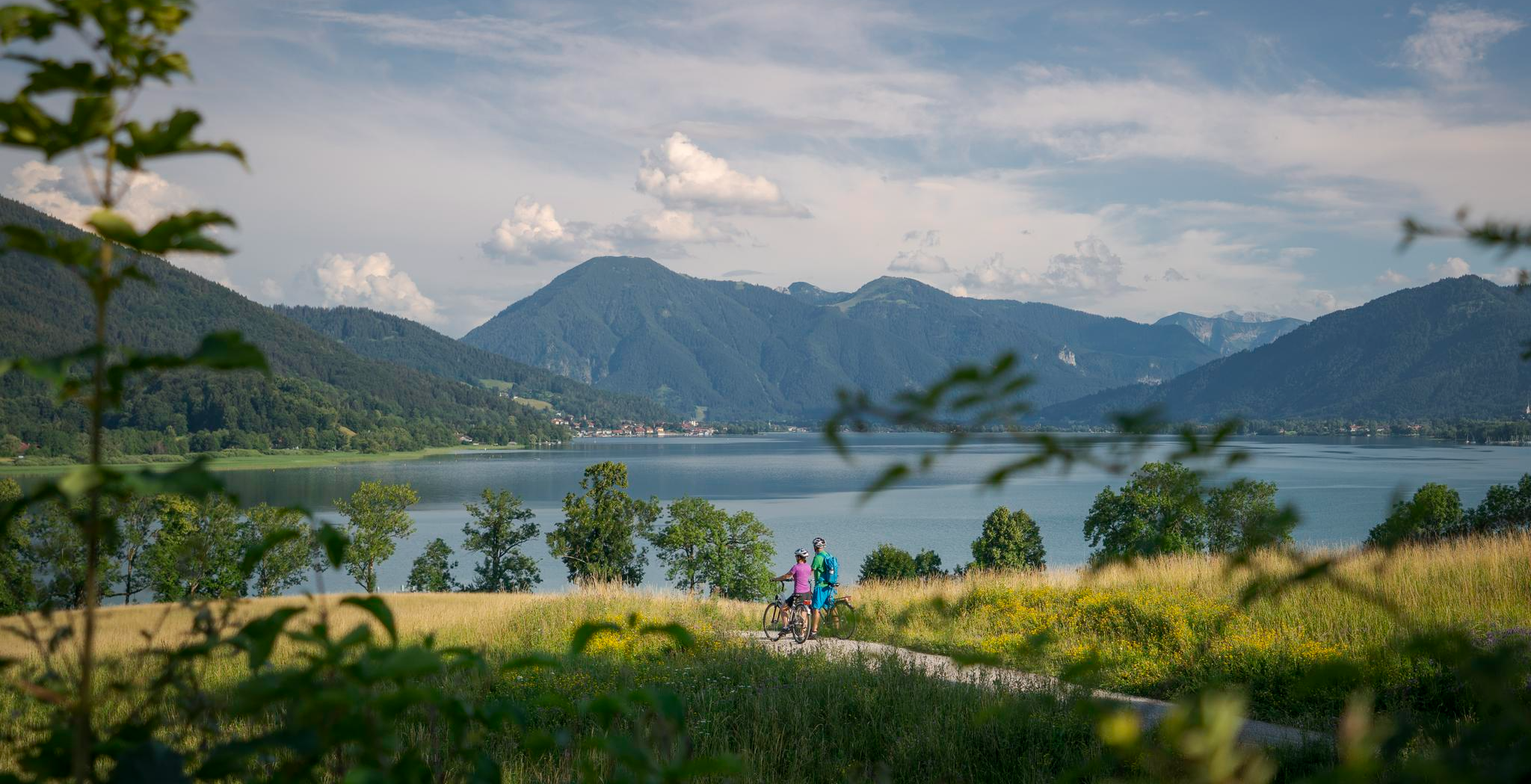
The Munich-Venice Long-Distance Cycle Path – A beautiful Alps crossing
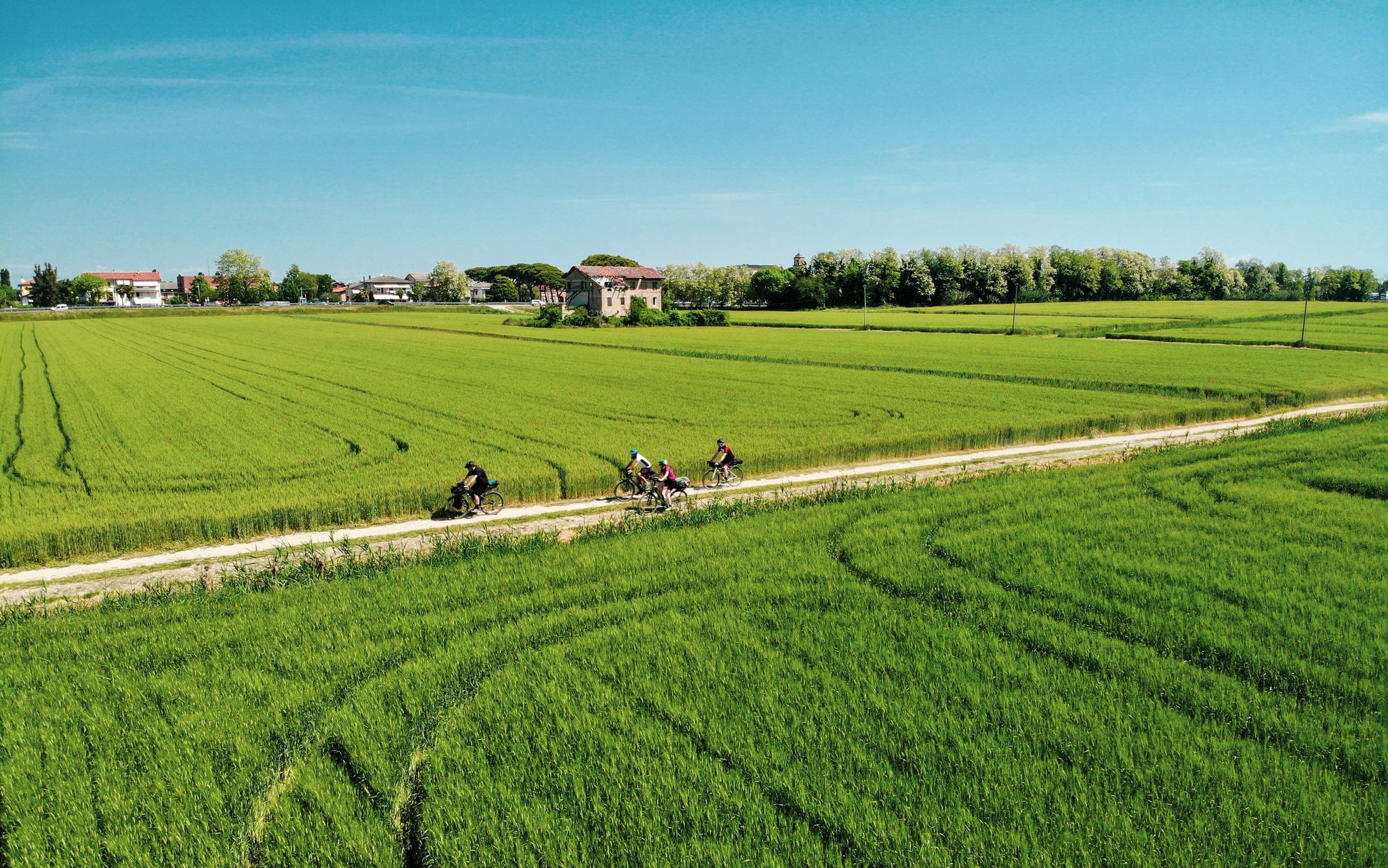
Ride through Italy’s Po Valley – a pilgrimage on the Via Postumia
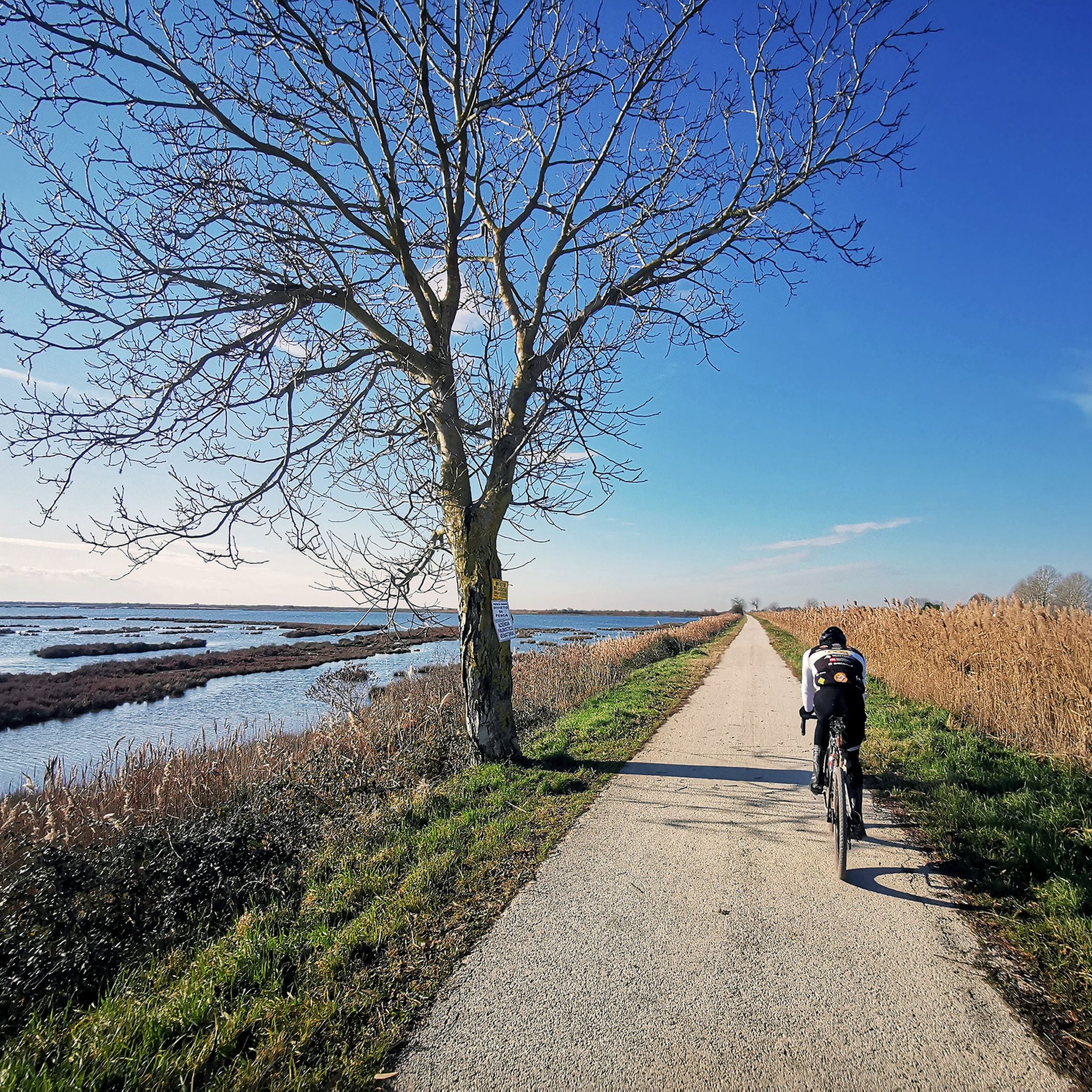
Road Cycling Routes around Natural Park regionale del Fiume Sile
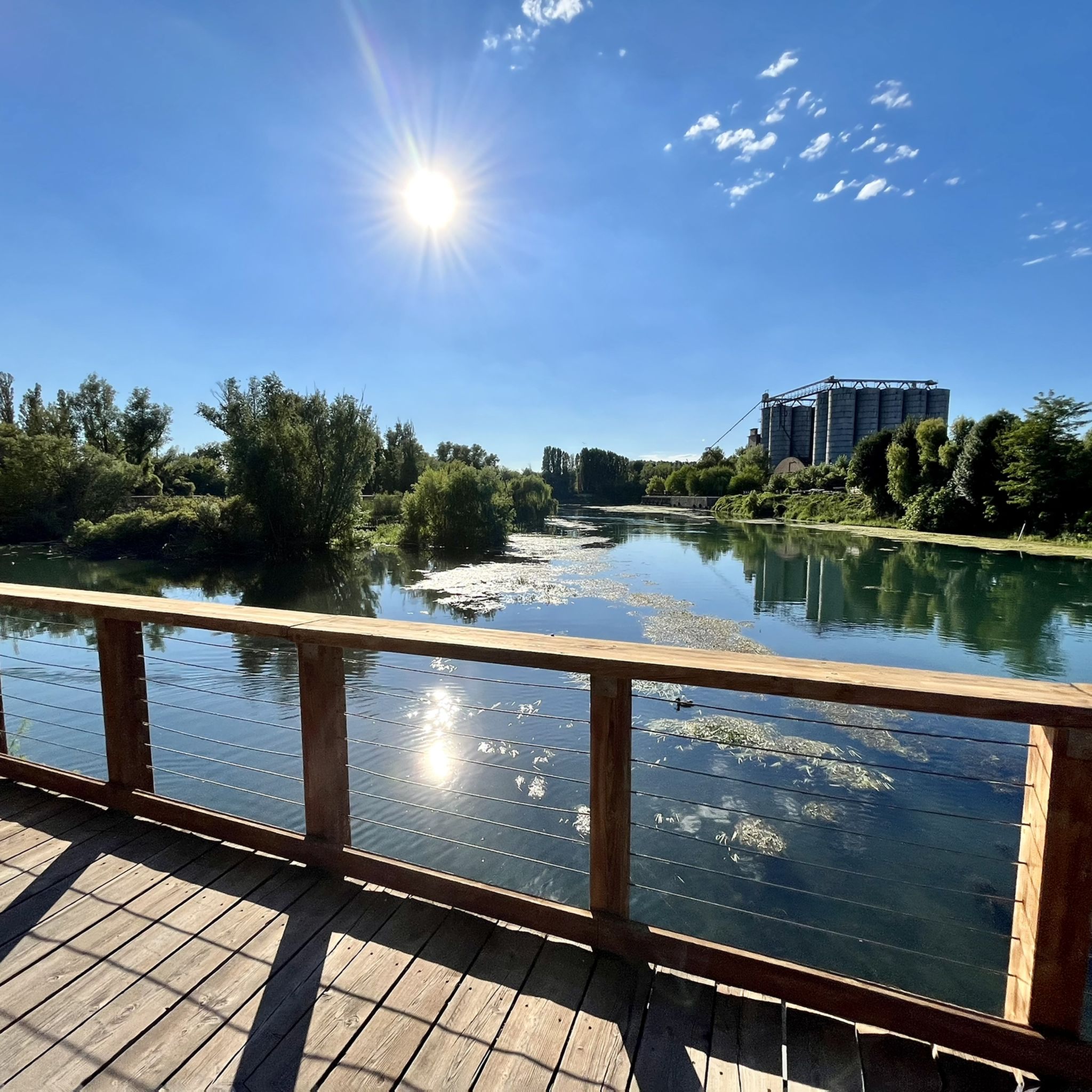
Running Trails around Natural Park regionale del Fiume Sile
Hiking around Natural Park regionale del Fiume Sile
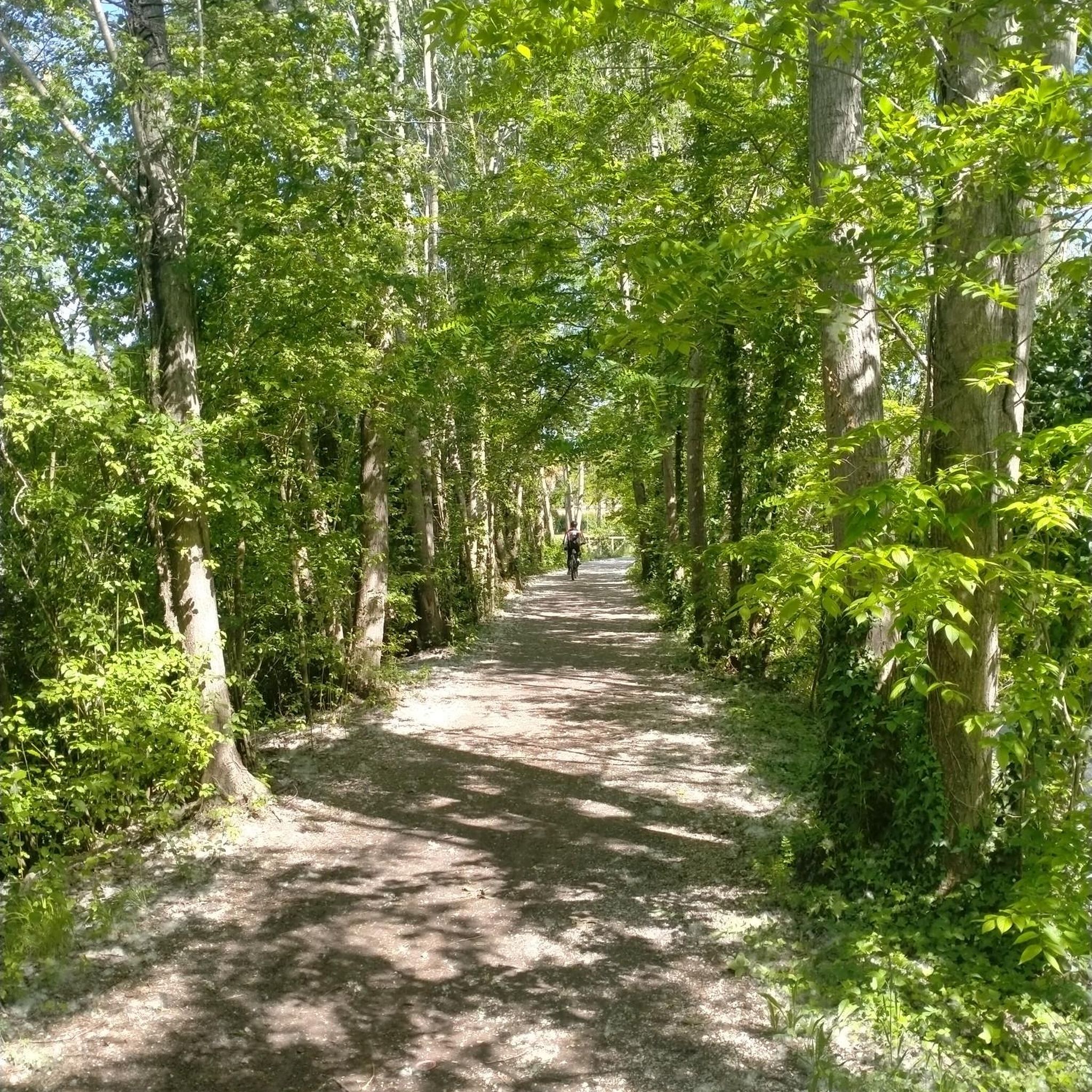
Gravel biking around Natural Park regionale del Fiume Sile
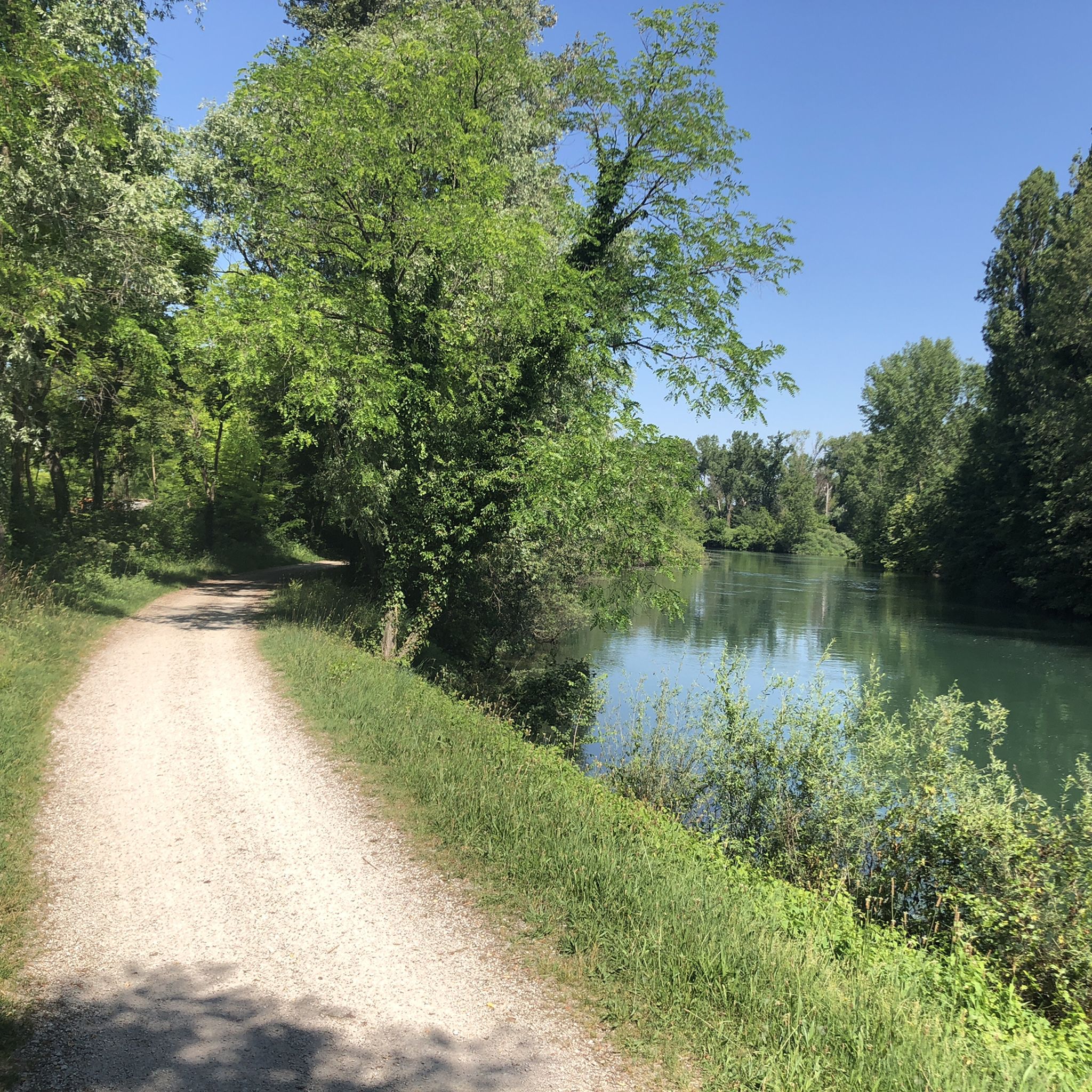
MTB Trails around Natural Park regionale del Fiume Sile
Other adventures around Natural Park regionale del Fiume Sile


Tips from the Community

A beautiful experience definitely to be repeated
0
0

Magical place suspended over the water among flamingos and a multitude of other birds
0
0

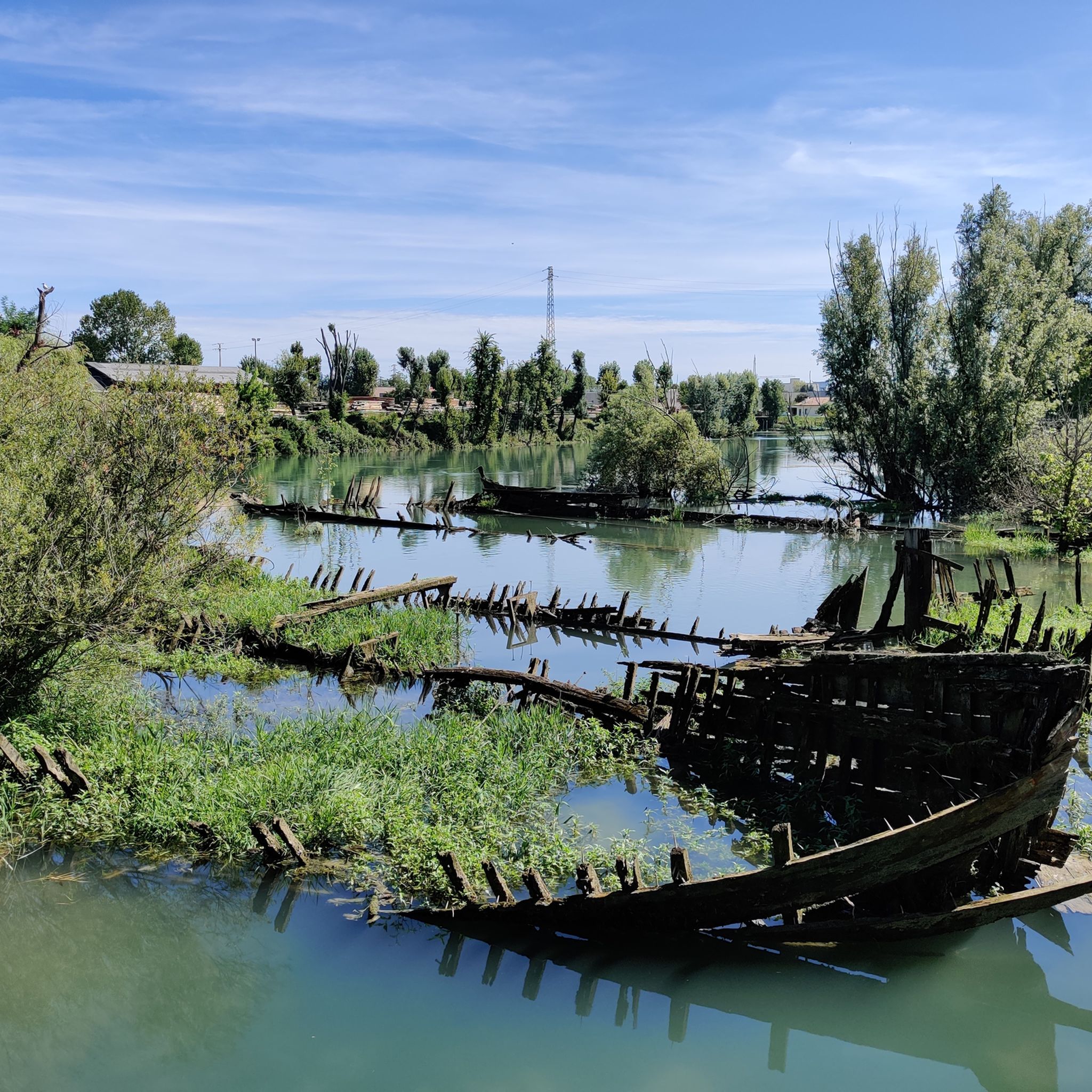
A few kilometers were enough for the route to begin to tell its story. The creaking wood of a long bridge accompanied us towards one of the most silent and memory-laden places: the cemetery of the Burci. Amidst the still water and the vegetation that now reclaims every space, the wrecks of old boats emerge like forgotten thoughts, suspended between past and present. There time seems to slow down, almost to stop, and we too, for a moment, truly stop pedaling...
0
0
Unmissable and fascinating, especially when there is no wind and flamingos are present
1
0
Monotonous when there are fields but becomes magical when you reach the North Lagoon of Venice
1
0

A perfect bike path between the lagoon and the Sile River, practically along the dam. The surface is concrete, with some short stretches of gravel. A few shady trees line the path.
1
0

Wonderful route entirely cycle-friendly.
1
0
A great paved and asphalted dead-end cycle path through the lagoon with numerous sights of the farmers and residents living there.
0
0
Frequently Asked Questions
How many touring cycling routes are available in Natural Park regionale del Fiume Sile?
There are over 30 touring cycling routes available in Natural Park regionale del Fiume Sile, offering a variety of experiences for different preferences. The komoot community has explored more than 300 routes in total, with 36 specifically categorized for touring cyclists.
What is the terrain like for touring cyclists in Natural Park regionale del Fiume Sile?
The Natural Park regionale del Fiume Sile is characterized by its entirely flat landscape, making it exceptionally comfortable for touring cycling. Routes are mostly paved or on well-maintained dirt roads, ensuring a smooth and leisurely ride suitable for all fitness levels.
Are there easy routes suitable for beginners or families with children?
Yes, the flat terrain of the Natural Park regionale del Fiume Sile makes it ideal for beginners and families. Many routes are easy, such as the Gate of the Forty Saints – Piazza Roma loop from Quinto di Treviso, which is a gentle 10.7-mile (17.2 km) path passing through local villages. Another great option is the Sile Cycle Path – Bridge over the Sile River loop from Casale sul Sile, an easy 18.8-mile (30.3 km) trail.
Can I bring my dog on the cycling routes in Natural Park regionale del Fiume Sile?
While specific regulations for dogs on cycle paths can vary, the generally accessible and open nature of the Sile River paths often allows for well-behaved dogs on a leash. It's always recommended to check local signage or park rules for any specific restrictions, especially in nature reserves like the Cervara Oasis. Ensure your dog is comfortable with cycling speeds and other path users.
What natural features can I expect to see along the Sile River cycling paths?
The Sile River itself is a central feature, known as Europe's longest resurgence river. You can explore its unique springs, known as 'fontanassi,' where water bubbles up from the subsoil. The park is also rich in biodiversity, offering excellent birdwatching opportunities for species like cormorants, great crested grebes, and various ducks. As you approach the Venetian Lagoon, you might even spot flamingos, particularly along routes like the Along the Sile – Venetian Lagoon and Flamingos loop from Treviso.
Are there historical landmarks or attractions along the touring cycling routes?
Absolutely. The routes often pass by fascinating historical sites. A unique attraction is the Burci Boat Cemetery, where abandoned traditional transport boats have become part of the landscape. You'll also discover ancient mills, some dating back to the 16th century, and splendid aristocratic villas. Charming villages like Casier and Lughignano, and towns like Casale sul Sile with its 14th-century Carrarese Tower, offer glimpses into the region's rich history.
Are there circular cycling routes available in the park?
Yes, many of the touring cycling routes in Natural Park regionale del Fiume Sile are designed as loops, allowing you to start and end in the same location. Examples include the Along the Sile – Venetian Lagoon and Flamingos loop from Treviso and the Burci Boat Cemetery – Boardwalk at the Cimitero dei Burci loop from Lughignano. These circular routes make planning your ride convenient.
Where can I park my car when visiting the cycling paths?
Many towns and villages along the Sile River, such as Treviso, Quinto di Treviso, Casale sul Sile, and Lughignano, offer parking facilities. Given Treviso's bicycle-friendly nature and its proximity to the park, it serves as a convenient starting point with various parking options for accessing the extensive cycle path network.
What is the best time of year to go touring cycling in Natural Park regionale del Fiume Sile?
The flat terrain makes cycling enjoyable for much of the year. Spring and autumn offer pleasant temperatures and beautiful scenery, with blooming flora or vibrant fall colors. Summer can be warm, but the river environment often provides a refreshing breeze. Winter cycling is also possible, though cooler temperatures and shorter days should be considered.
Are there places to eat or drink along the cycling routes?
Yes, the routes often pass through or near charming villages and towns where you can find cafes, restaurants, and pubs. Treviso itself, a popular starting point, offers numerous dining options. Along the river, you might also discover local eateries, especially in places like Casale sul Sile or near historical mills, perfect for a break and refreshment.
What do other touring cyclists enjoy most about the routes in Natural Park regionale del Fiume Sile?
The touring cycling routes in Natural Park regionale del Fiume Sile are highly rated by the komoot community, with an average score of 4.2 stars from over 300 reviews. Cyclists often praise the flat, accessible terrain, the well-maintained paths, and the unique combination of natural beauty, diverse wildlife, and historical interest, particularly the tranquil flow of the Sile River and the fascinating Burci Boat Cemetery.
Can I combine cycling with exploring nearby towns and cities?
Absolutely. The city of Treviso is very bicycle-friendly and serves as an excellent hub for combining urban exploration with rides into the Natural Park regionale del Fiume Sile. Many routes start from or pass through Treviso, allowing you to easily enjoy its historical center, canals, and amenities before or after your ride. Other picturesque villages like Casale sul Sile also offer charming stops.
Most popular routes around Natural Park regionale del Fiume Sile
Most popular attractions around Natural Park regionale del Fiume Sile

Get inspired with the komoot mobile app


Explore more
Browse the best Cycling routes in other regions.
