The best road cycling routes around Park Gessi Bolognesi and Calanchi dell'Abbadessa
4.4
(1585)
25,452
riders
330
rides
Road cycling routes around Park Gessi Bolognesi and Calanchi dell'Abbadessa traverse a landscape characterized by significant gypsum outcrops and distinctive badlands formations. The region features rolling hills, steep inclines, plateaus, and valleys, providing varied terrain for cyclists. Routes often pass through areas with historical farmhouses and villas, offering a mix of natural and cultural scenery. The park's roads frequently traverse tree-lined sections connecting broadleaf forests, arid outcrops, and fresh valleys.
Best road cycling routes around Park Gessi Bolognesi and Calanchi…
Last updated: July 15, 2026
4.2
(6)
68
riders
27.7km
01:14
220m
220m
Easy road ride. Great for any fitness level. Mostly well-paved surfaces and easy to ride.
4.6
(52)
727
riders
53.1km
02:22
500m
500m
Moderate road ride. Good fitness required. Mostly well-paved surfaces and easy to ride.

Sign up for free
4.3
(3)
36
riders
32.4km
01:39
370m
370m
Moderate road ride. Good fitness required. Mostly well-paved surfaces and easy to ride.
4.6
(18)
446
riders
77.9km
03:37
940m
940m
Hard road ride. Very good fitness required. Mostly well-paved surfaces and easy to ride.
4.7
(16)
361
riders
50.8km
02:21
580m
580m
Moderate road ride. Good fitness required. Mostly well-paved surfaces and easy to ride.
Get access to more routes and recommendations from other explorers.
Sign up for free
Already have an account?
Our route recommendations are based on thousands of hikes, rides, and runs completed by other people on komoot.
Start today with a free account
Your next adventure awaits.
Login or Signup
Popular around Park Gessi Bolognesi and Calanchi dell'Abbadessa
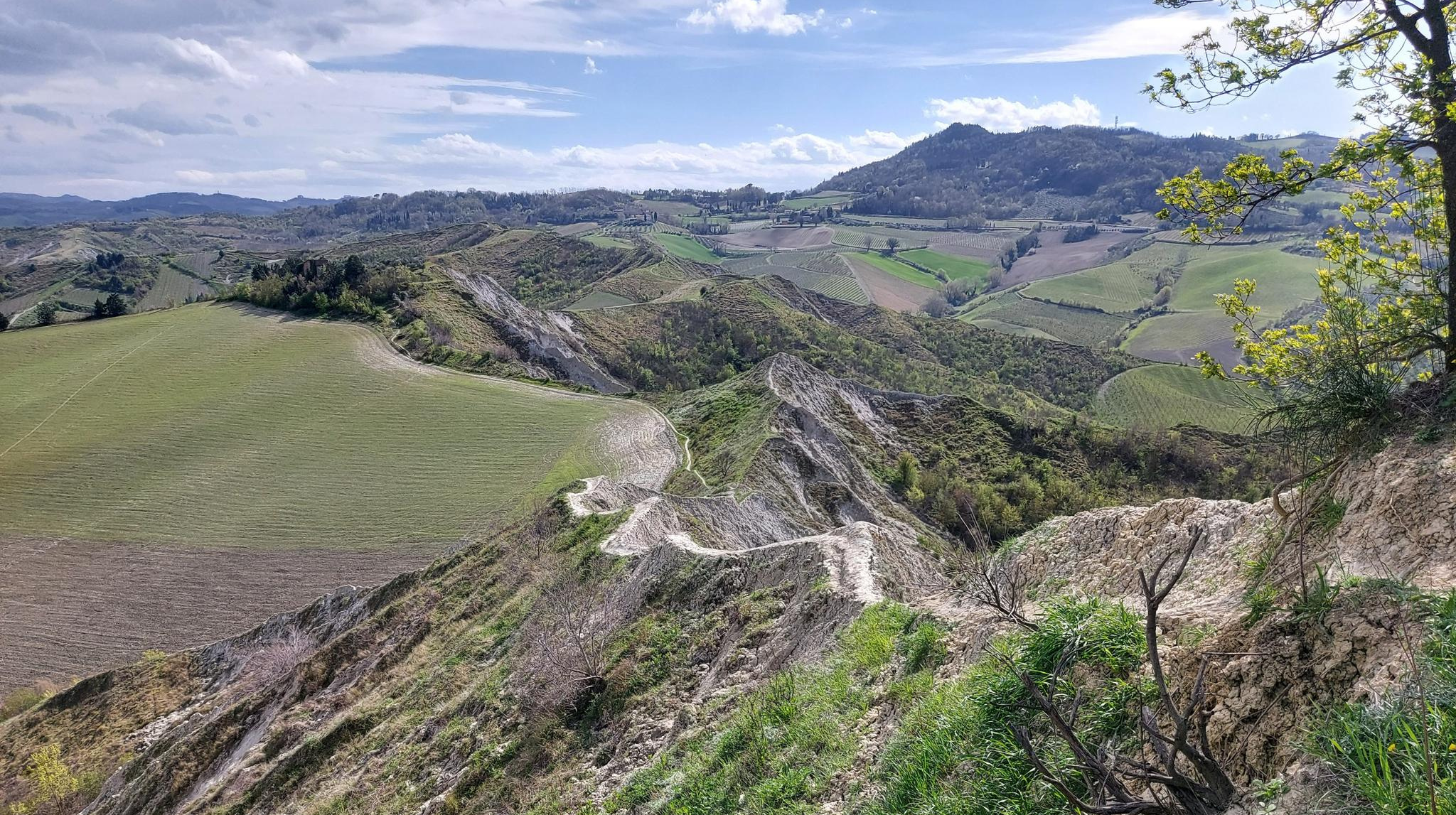
Walk from Bologna to Faenza – Via dei Gessi e dei Calanchi
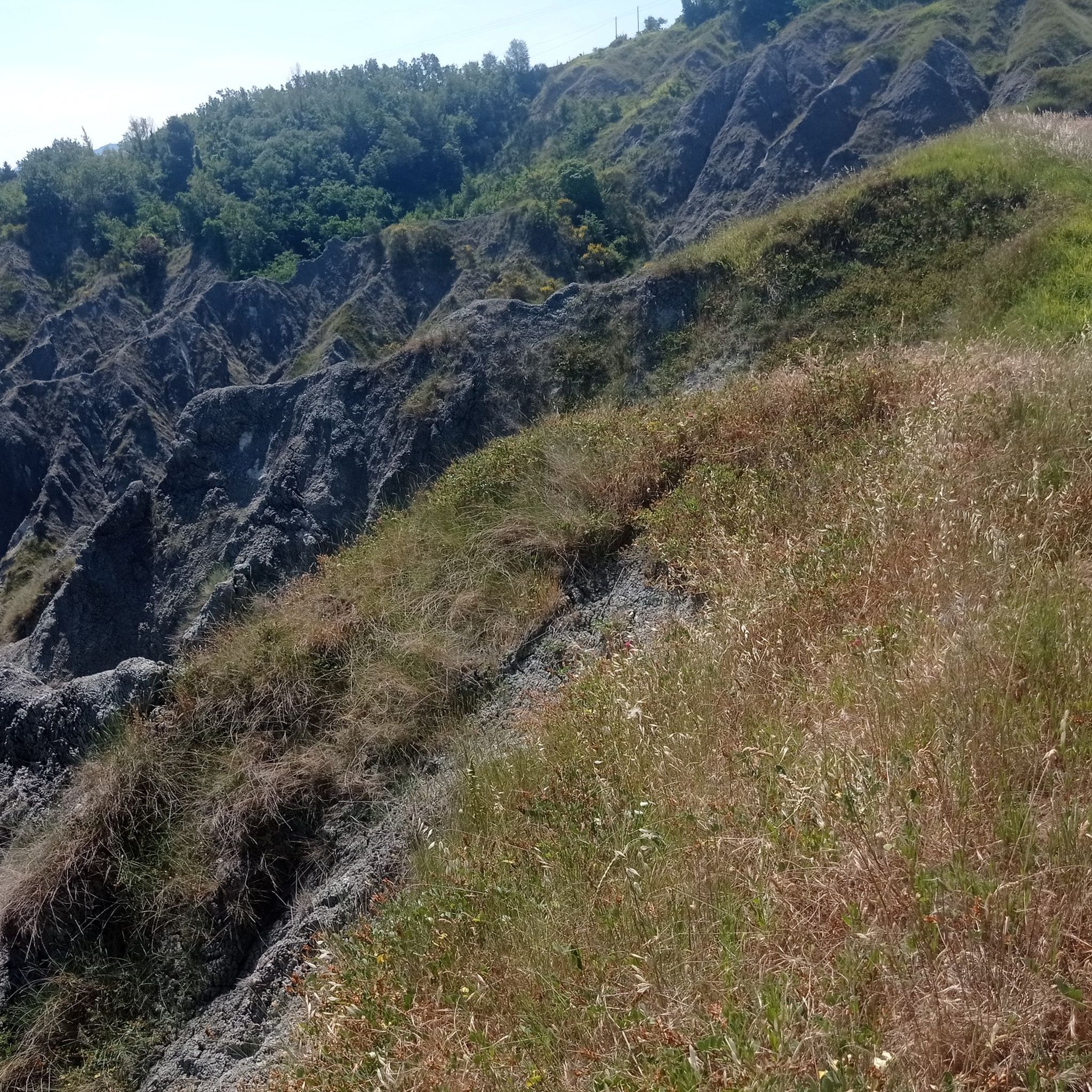
Hiking around Park Gessi Bolognesi and Calanchi dell'Abbadessa
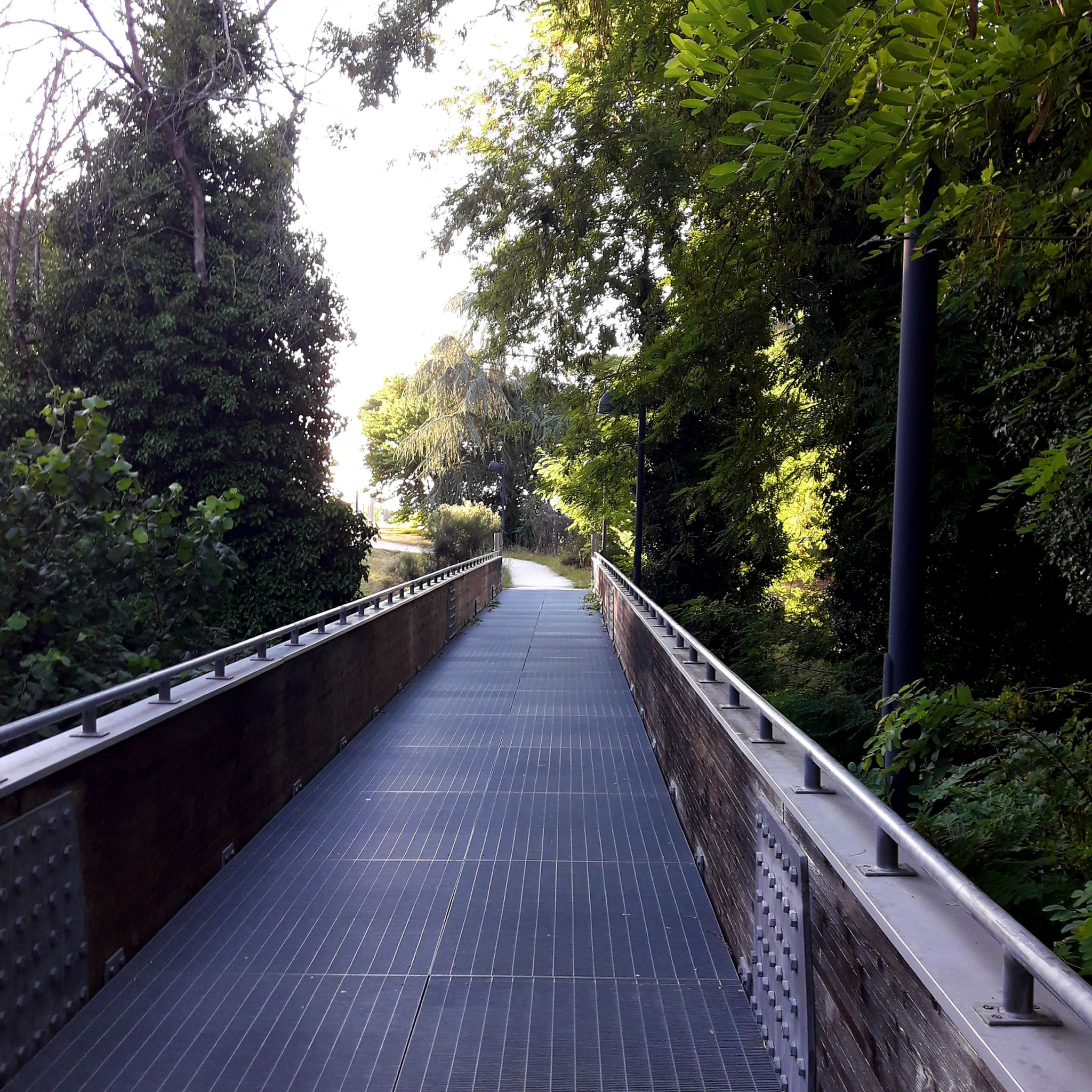
Cycling around Park Gessi Bolognesi and Calanchi dell'Abbadessa
MTB Trails around Park Gessi Bolognesi and Calanchi dell'Abbadessa
Running Trails around Park Gessi Bolognesi and Calanchi dell'Abbadessa

Gravel biking around Park Gessi Bolognesi and Calanchi dell'Abbadessa
Other adventures around Park Gessi Bolognesi and Calanchi dell'Abbadessa

Tips from the Community


It is located in the Villa Spada park. It served as an air raid shelter during the Second World War.
0
0

From here, the path continues uphill for about 2 km to the Church of San Luca. On hot days, be sure to bring water.
4
0

Neo-Gothic tower where Ugo Bassi is said to have been locked up before his execution
3
0


Sanctuary of the Madonna del Sasso The history of the Sanctuary of the Madonna del Sasso begins in 1283 when friar Giovanni da Panico dedicated a small oratory to the Virgin Mary in a cavity of the nearby Rupe, called Sasso di Glòsina. In 1787 the Sanctuary was closed due to the detachment of a large layer of sandstone. In 1831 the new sanctuary was rebuilt based on a design by Angelo Venturoli. The new façade, with a portico with three arches, is set back on the same level as the bell tower and the municipal clock tower, added in 1888 by the engineer Tito Azzolini. Destroyed by Allied bombing in April 1945; in 1950 the reconstruction based on a design by the engineer Paolo Graziani was concluded. The interior, with a single barrel-vaulted nave and three chapels on each side, houses the Madonna del Carmine with Saints within a sumptuous frame, dated 1674, and the Madonna Enthroned with Angels and Saints of the Neapolitan school (1734). The apse is decorated with a modern polychrome stained glass window with the Madonna and Child and a depiction of the church.
0
0

The Villa Spada Park is a green area located in Bologna which extends for approximately 6 hectares. It is located at the end of the ridge between the Meloncello river and the Ravone, with patches of trees and meadows alternating along the slope that descends from the Casaglia hill onto Via Saragozza. From the highest points of the park, which reach 120 metres, you can admire beautiful views of the historic center of Bologna, framed by the foliage of the many Mediterranean evergreens such as holm oaks, cypresses, laurels, stone and maritime pines and strawberry trees. Inside the park there is also a neo-medieval turret where, according to tradition, Ugo Bassi was locked up before his execution. The villa, in neoclassical style, was built by the Zambeccari family at the end of the 18th century and the project is said to be attributed to G. B. Martinetti. The latter also designed the small terraced Italian garden, adorned with vases and sculptures. Today, the villa houses the Historical Educational Museum of Tapestry and on the pediment you can see the coat of arms of the Spada princes, the owners from whom the park takes its name. For further information, we recommend visiting the Bologna Welcome website or that of the Municipality of Bologna.
0
0

Dating back to the 13th century, Porta Saragozza remained a rather secondary and unused pass until 1674, when the long portico was built which leads from Via Saragozza to the Sanctuary of the Madonna di San Luca. From that moment, the door acquired particular importance as the point of arrival and departure of the famous processions dedicated to the Blessed Virgin and relative point of reference for the faithful heading to the Sanctuary, to the point of being called "sacred door" and "pilgrims' door". . Today the door houses the Museum of the Blessed Virgin of San Luca. Rebuilt in 1858 in a neo-Gothic style which was a source of heated controversy at the time, Porta Saragozza returned to being talked about on 28 June 1982. For the first time in Italy, the then mayor of Bologna Renato Zangheri decided to assign the spaces of the door, a public structure, to a homosexual cultural association: the 28 June Club. The association remained in those spaces until 2002, then becoming the historic Cassero association and moving to Salara, its current headquarters. A decision which, in a historical moment of high political tension, was already revolutionary in itself, made even stronger by the fact that the gate was a place of great religious importance. The event took on historical and social relevance at a national level and contributed to marking the image of Bologna as a progressive city open to differences.
1
0
Frequently Asked Questions
How many road cycling routes are available in Park Gessi Bolognesi and Calanchi dell'Abbadessa?
There are over 320 road cycling routes in Park Gessi Bolognesi and Calanchi dell'Abbadessa, catering to various skill levels. This includes more than 60 easy routes, over 180 moderate routes, and nearly 80 difficult routes for experienced cyclists.
What kind of terrain and elevation can I expect on road cycling routes in the park?
The park offers varied terrain, from gentle slopes to more challenging ascents. You'll encounter rolling hills, vast fields, vineyards, and olive groves. The routes often feature the distinctive gypsum karst formations and rugged badlands, providing a constantly changing and picturesque backdrop.
Are there any circular road cycling routes in the area?
Yes, many of the road cycling routes in Park Gessi Bolognesi and Calanchi dell'Abbadessa are designed as loops. For example, the Val di Zena – Beaver Lake loop from Farneto offers an easy ride, while the Beaver Lake – Zena Climb loop from La Pulce provides a moderate challenge with varied terrain.
What natural features or landmarks can I see while road cycling in the park?
While cycling, you can explore the unique geological formations such as the gypsum karst complex and the dramatic Calanchi dell'Abbadessa (badlands). Notable features include the Vena del Gesso (Gypsum Vein) and various caves like Spipola Cave or Farneto Cave. You might also pass by the Peak of Monte Calvo, offering scenic viewpoints.
Are there any historical or cultural points of interest along the road cycling routes?
Yes, the landscape is dotted with historical farmhouses, noble villas, and architecturally significant buildings, often surrounded by pine and cypress trees. These add a cultural dimension to your ride through the natural beauty of the park. The "Luigi Donini" Museum of Prehistory is also located at the edge of the park.
What is the best time of year for road cycling in Park Gessi Bolognesi and Calanchi dell'Abbadessa?
The park is generally pleasant for cycling during spring and autumn when temperatures are milder. These seasons offer lush landscapes or vibrant fall colors. Summer can be warm, but early mornings or late afternoons are still enjoyable. Winter cycling is possible, but check weather conditions for potential rain or colder temperatures.
Are there road cycling routes suitable for beginners or families?
Absolutely. The park offers over 60 easy road cycling routes. An excellent option for a relaxed ride is the Val di Zena – Beaver Lake loop from Farneto, which is 27.7 km long and takes about 1 hour 14 minutes, traversing local countryside.
What do other road cyclists enjoy the most about road cycling in Park Gessi Bolognesi and Calanchi dell'Abbadessa?
The area is highly rated by the komoot community, with an average score of 4.4 stars from over 1,300 reviews. Cyclists often praise the varied terrain, from rolling hills to unique geological formations, and the picturesque scenery that includes vineyards, olive groves, and historical farmhouses.
Can I find cafes or places to eat near the cycling routes?
The park's rural landscapes are interspersed with small towns and villages where you can often find local cafes, trattorias, and restaurants to refuel during or after your ride. Many routes pass through or near these communities, offering opportunities for a break.
Is parking available for road cyclists at the trailheads?
While specific parking areas for cyclists are not explicitly detailed for every trailhead, the region is generally accessible. Many starting points in or near towns like San Lazzaro di Savena or Farneto will have public parking options suitable for accessing the routes.
Are there any routes that specifically pass through vineyards or olive groves?
Yes, the park encompasses rolling hills extensively covered with vineyards and olive groves, especially on the gentler slopes. Many road cycling routes, such as the Val di Zena – Botteghino di Zocca loop from San Lazzaro di Savena, will lead you through these picturesque agricultural landscapes, offering beautiful views and a pleasant riding experience.
What are some options for more challenging road cycling routes?
For more experienced cyclists seeking a challenge, the park offers nearly 80 difficult routes. A moderate option with significant climbs is the Villa Siepelunga and Park – Palazzo Rossi loop from Rastignano, covering 53 km with over 580 meters of elevation gain.
Most popular routes around Park Gessi Bolognesi and Calanchi dell'Abbadessa
Most popular attractions around Park Gessi Bolognesi and Calanchi dell'Abbadessa

Get inspired with the komoot mobile app


Explore more
Browse the best Road cycling routes in other regions.
