Attractions and Places To See around Regional Park Stirone and Piacenziano - Top 8
Best attractions and places to see around Regional Park Stirone and Piacenziano offers a diverse landscape blending significant geological history with natural beauty and cultural heritage. The park spans the Stirone stream valley and extends into the Piacenziano area, encompassing five valleys rich in fossil finds across the provinces of Parma and Piacenza. This region is known for its paleontological wealth, with abundant fossils visible in exposed geological strata, alongside impressive canyons and diverse ecosystems. Visitors can explore a variety…
Last updated: August 23, 2026
Keep of Vigoleno
Highlight • Castle
via Libertà s.n., 29010 Vigoleno PC
visitvigoleno.it
3297503774
Translated by Google •
Tip by

Pietra Nera Quarry Pond
Highlight • Lake
Translated by Google •
Tip by

Sign up now to discover places like this
Get recommendations on the best single tracks, peaks, & plenty of other exciting outdoor places.
Sign up for free
Ca' di Pasra – Capital of the Scarecrows
Highlight • Settlement
Translated by Google •
Tip by
Pieve di San Giorgio, Vigoleno
Highlight • Religious Site
Frazione Vigoleno, 27, 29010 Vigoleno PC
Translated by Google •
Tip by
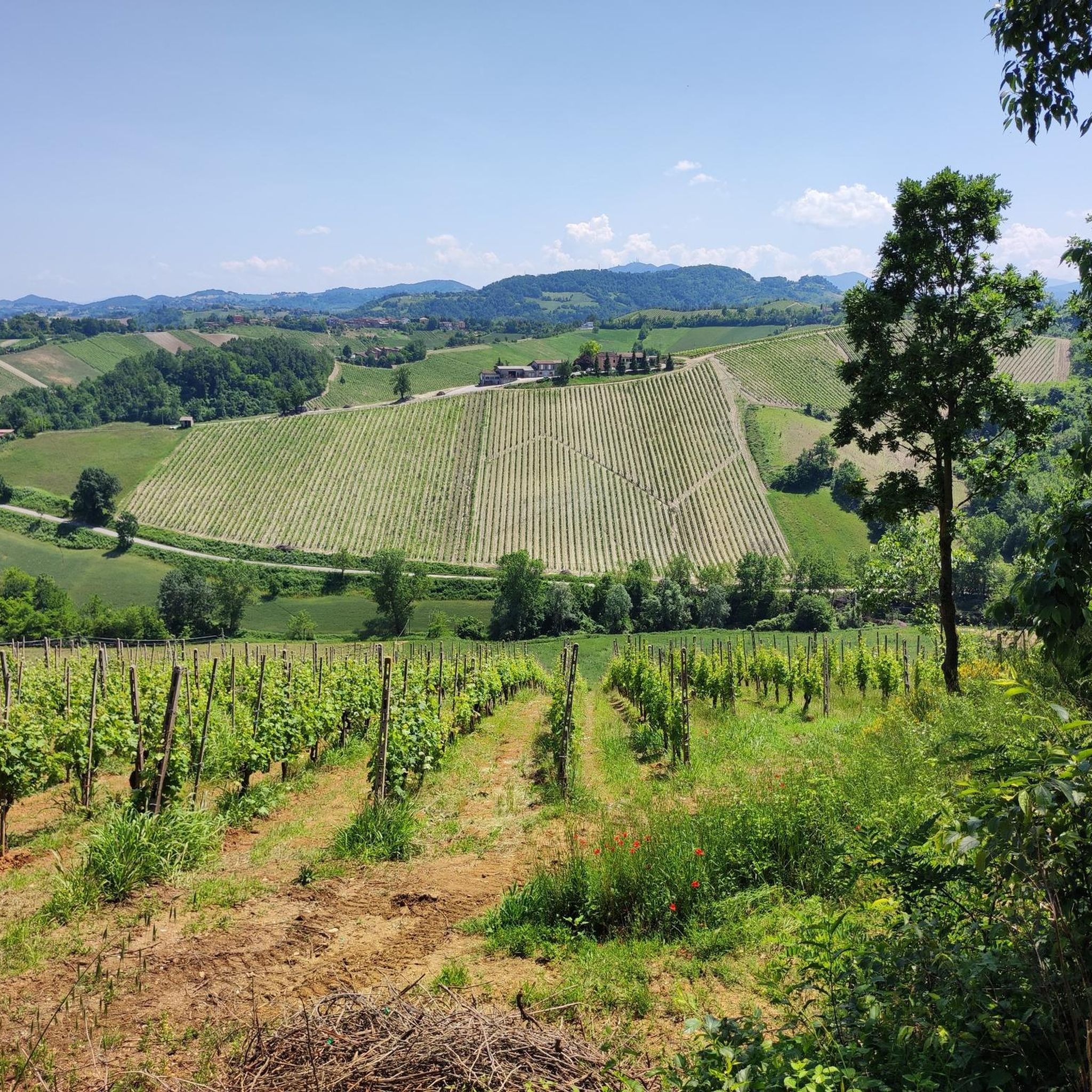
View of the Vineyards
Highlight (Segment) • Viewpoint
Translated by Google •
Tip by

Sign up for free to discover even more attractions around Regional Park Stirone and Piacenziano.
Sign up for free
Already have an account?
Start today with a free account
Your next adventure awaits.
Login or Signup
Popular around Regional Park Stirone and Piacenziano
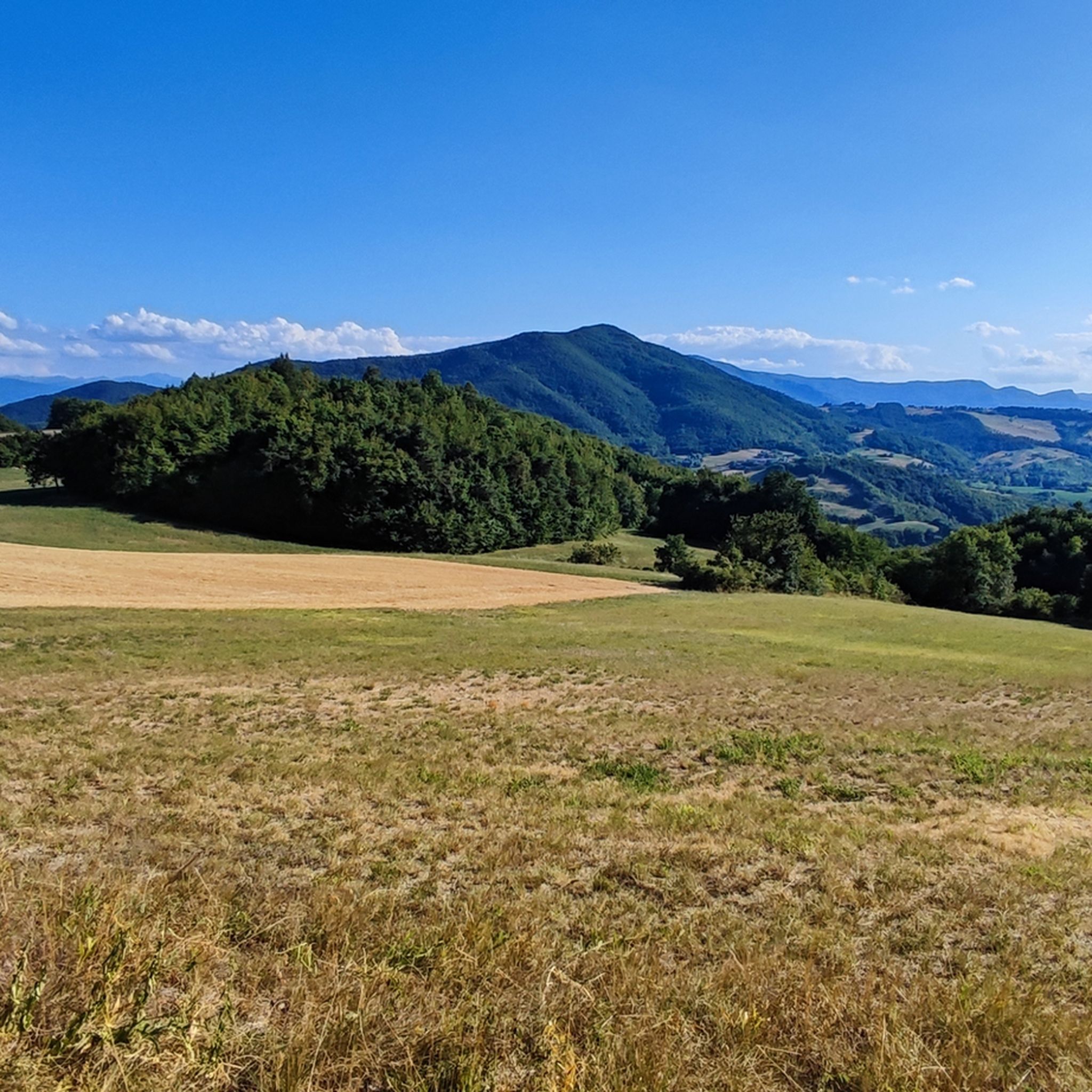
MTB Trails around Regional Park Stirone and Piacenziano
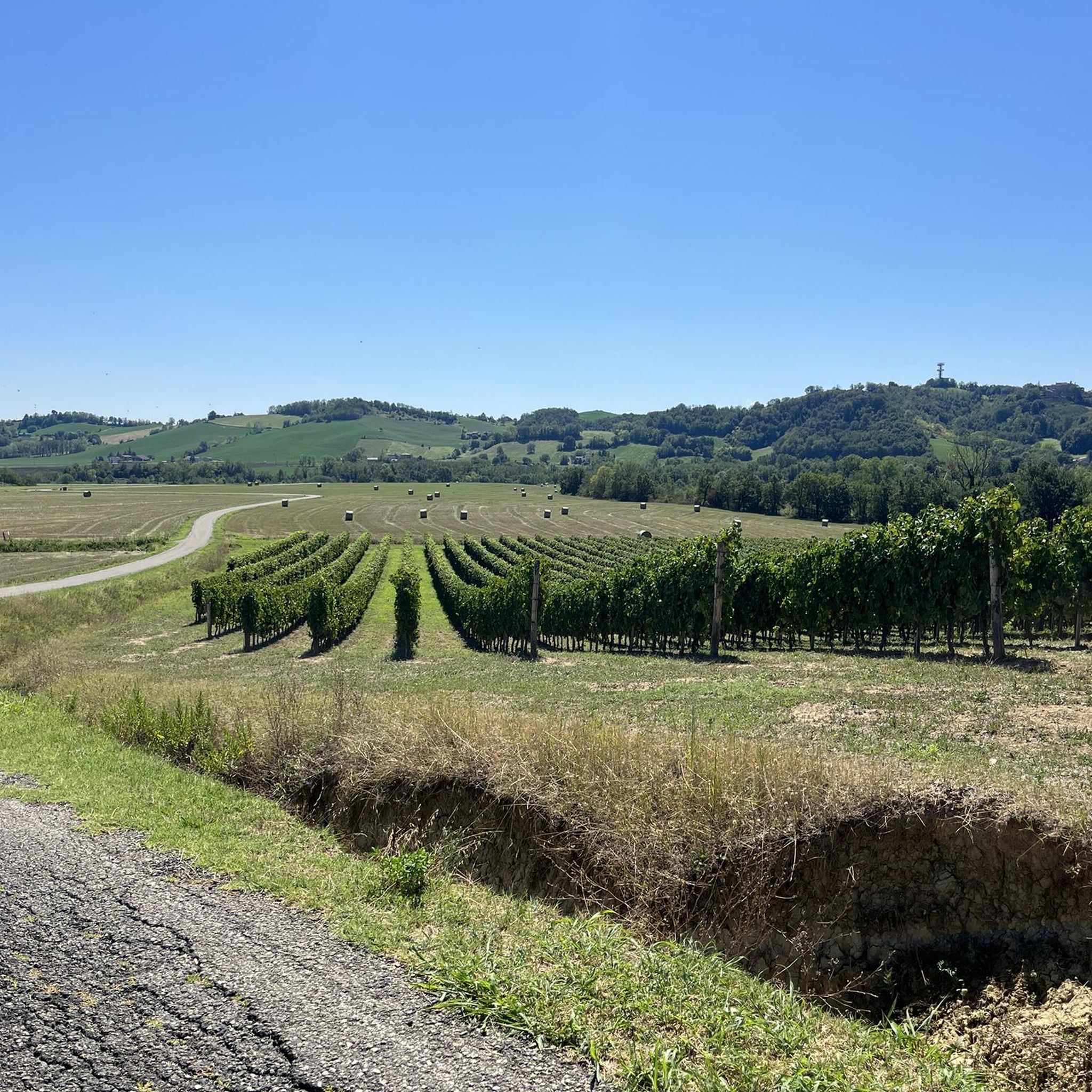
Cycling around Regional Park Stirone and Piacenziano
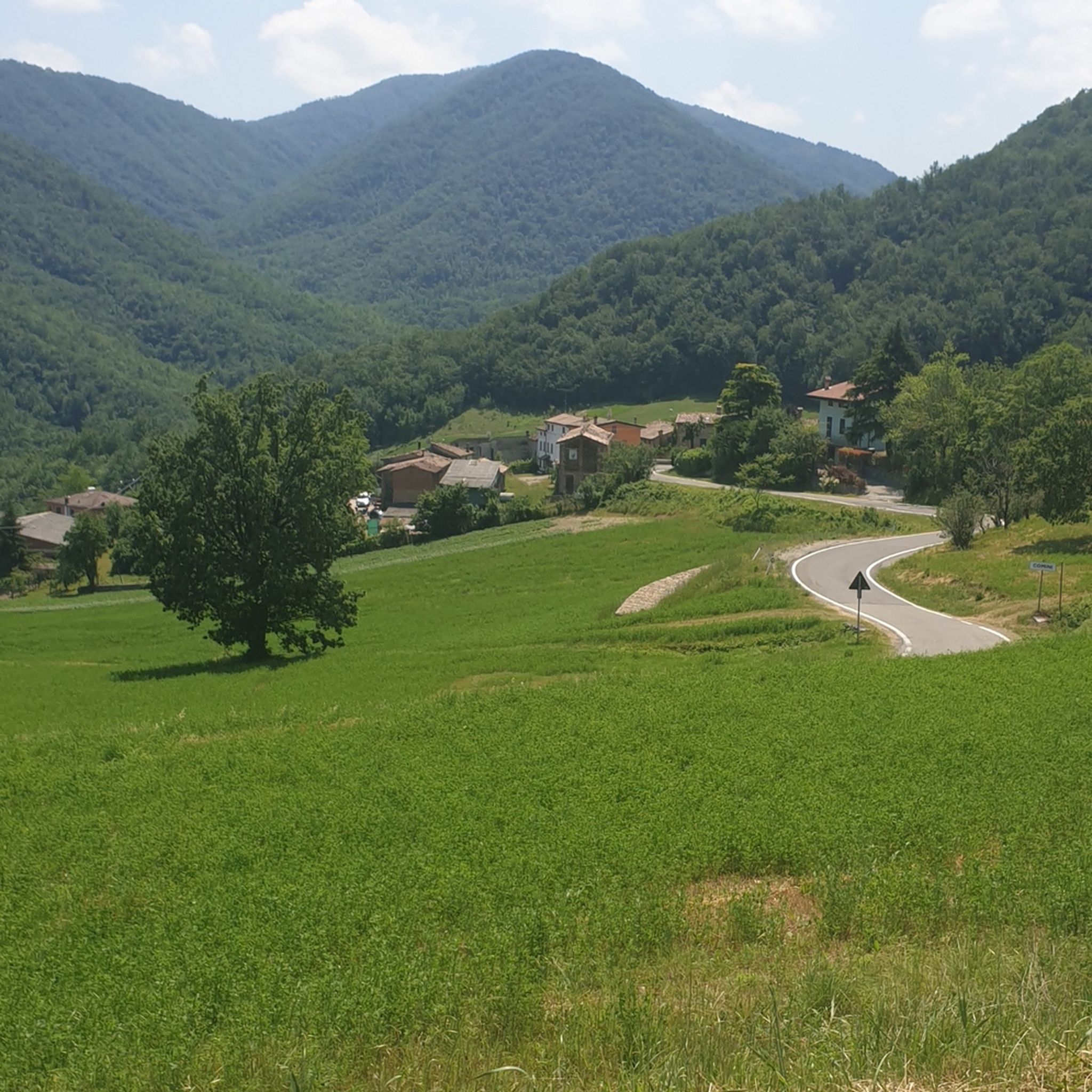
Road Cycling Routes around Regional Park Stirone and Piacenziano
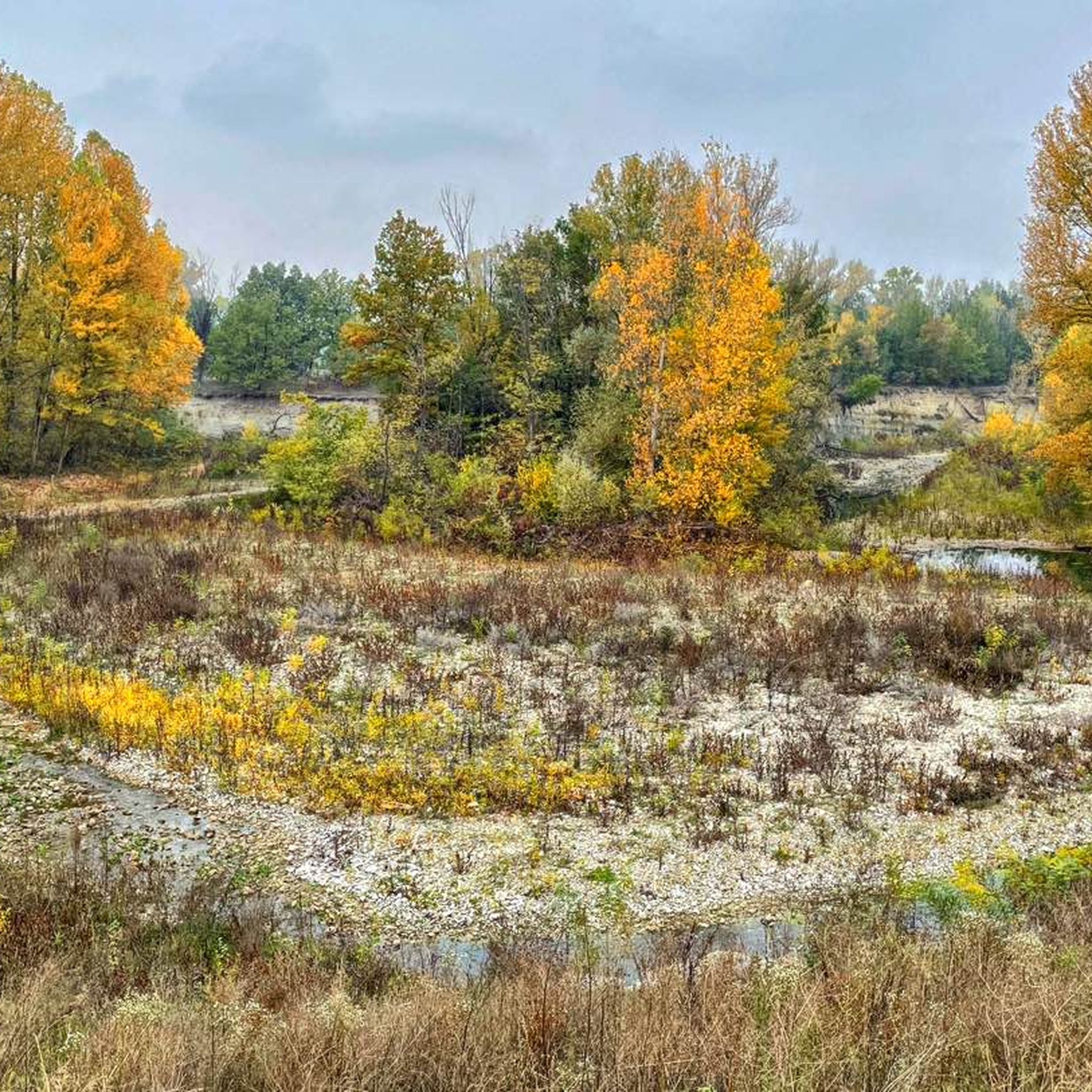
Hiking around Regional Park Stirone and Piacenziano
Running Trails around Regional Park Stirone and Piacenziano

Gravel biking around Regional Park Stirone and Piacenziano
Tips from the Community

When you arrive, it feels like stepping into a fairy tale. The lake nestled between rock walls is very evocative.
0
0

Here you will find the B&B La Sarmassa farmhouse where you can enjoy a wonderful view of the surrounding valleys and hills.
0
0

Romanesque style. Built in the 12th century
0
0

Very beautiful village, well worth a visit
2
0

The scarecrows are gone
0
0
worth a visit to the castle and the ride in the hills is also beautiful and scenic
0
0

Last Castle visited one of the most beautiful and also the most suffered due to the kilometers traveled and the final climb. The Borgo di Vigoleno stands out for the elegance of its forms and for the integrity of the defensive system. Certified among the most beautiful villages in Italy and Orange Flag by the Italian Touring Club, Vigoleno is a perfect example of medieval housing logic. On the imposing crenellated walls, crossed in part by a panoramic walkway, the bulk of the keep stands out. From the main square, where the sixteenth-century fountain is located, going east you reach the Romanesque church of San Giorgio, from the second half of the twelfth century. Vigoleno is a fraction of the municipality of Vernasca, in the province of Piacenza. Located on the crest of a not very high relief, it enjoys a wide panorama of the surrounding valleys and hills …
0
0

Pietra Nera, a beautiful rocky outcrop of ophiolitic origin (Mesozoic era, Jurassic period, about 155 million years ago), is located on the right bank of the Stirone stream and at the foot of the Borgo di Vigoleno. This area was previously dedicated to the extraction of serpentinite (ophiolite from the Greek "ophis" -> snake), composed of silicates of magnesium and iron and small quantities of magnetite whose crystalline structure leads these minerals to overlap in thin flakes which give the rock a "scaly" shape similar to the skin of reptiles) and the small lake, located at the foot of the rock, is due precisely to these quarrying activities.
1
0
Frequently Asked Questions
What unique geological features can I explore in Regional Park Stirone and Piacenziano?
The park is a geological treasure, renowned for its fossiliferous outcrops and impressive canyons carved by the Stirone stream. You can observe clay stratifications from the Pliocene and Pleistocene periods, revealing ancient fossilized molluscs and crustaceans. Notable features include the spectacular gullies like the Voragine di Montezago (also known as Buca della Balena) and the gully amphitheater of Monte Giogo, which showcase deep furrows cut through clay rocks. Don't miss the mysterious ophiolite at Pietra Nera, an area known for its dark rocky outcrops, which also features the Pietra Nera Quarry Pond.
Where can I learn more about the paleontological discoveries in the park?
To delve into the park's rich paleontological heritage, visit the MuMAB - Ancient Sea and Biodiversity Museum at Podere Millepioppi. This visitor center showcases significant finds, including fossils of three 10-million-year-old whales, through reconstructions and interactive videos. Another excellent resource is the Geological Museum of Castell'Arquato, which houses a rich collection of fossils, including a unique baleen whale skull found within the park.
Are there any medieval villages or historical sites to visit in the area?
Yes, the hilly landscape surrounding the Stirone Park is dotted with charming medieval villages and historic buildings. You can explore picturesque settlements like Castell'Arquato, Vigolo Marchese, and Vigoleno. The Keep of Vigoleno is a particularly popular attraction, offering a glimpse into the region's past. Other historical sites include the Oratory of San Genesio in Vernasca, founded in the year one thousand, and the Parish Church of San Nicomede, a notable stop for pilgrims due to its proximity to the Via Francigena.
What kind of outdoor activities can I do in Regional Park Stirone and Piacenziano?
The park offers a variety of outdoor activities. You can enjoy hiking, mountain biking, horseback riding, sport fishing, and birdwatching. There are equipped pedestrian routes and the 'Ciclovia dello Stirone' cycle path. For more specific routes, you can explore guides like Hiking around Regional Park Stirone and Piacenziano, Cycling around Regional Park Stirone and Piacenziano, and MTB Trails around Regional Park Stirone and Piacenziano.
Are there family-friendly attractions or activities in the park?
Absolutely! The park offers several family-friendly options. The MuMAB - Ancient Sea and Biodiversity Museum provides interactive exhibits that can engage children and adults alike. Exploring the medieval villages like Vigoleno, with its Keep of Vigoleno, can be an exciting adventure for families. Additionally, the park features equipped routes and picnic areas, perfect for a day out. The Ca' di Pasra – Capital of the Scarecrows is a unique and whimsical settlement that can be a fun stop for families.
What is the best time of year to visit Regional Park Stirone and Piacenziano?
The park can be enjoyed throughout the year, but spring and autumn generally offer the most pleasant weather for outdoor activities like hiking and cycling, with milder temperatures and beautiful natural scenery. Summer is also suitable, especially for exploring the stream areas, but can be warmer. Always check local weather conditions before your visit.
Where can I find scenic viewpoints in the park?
For breathtaking vistas of the surrounding valleys and hills, head to the View of the Vineyards. This spot offers expansive views of the region's agricultural landscape. Many of the medieval villages, perched on hills, also provide excellent panoramic views of the park and its diverse ecosystems.
What kind of wildlife can I expect to see in Regional Park Stirone and Piacenziano?
The park's diverse ecosystems support a rich variety of fauna. In the Stirone stream, you can find various fish species. The riparian woods and stagnant waters are home to numerous birds, including the gray heron, kingfisher, and bee-eater. Mammals such as roe deer, foxes, badgers, and squirrels also inhabit the wooded areas, offering opportunities for wildlife observation.
Are there easy hiking trails suitable for beginners or families?
Yes, the park offers trails with varying difficulty levels. For an easier option, consider the Pietra Nera Quarry Pond loop from Vigoleno, which has an easy difficulty grade and is about 4.9 km long. The 'Ciclovia dello Stirone' cycle path also offers relatively flat sections suitable for leisurely walks or bike rides. Always check the specific trail details for distance and elevation before heading out.
Is there parking available at the attractions within the park?
While specific parking details for every attraction are not provided, the park generally offers facilities and picnic areas at locations like Fidenza, 'Le Cascatelle,' and 'La Bocca,' which typically include parking. For medieval villages like Vigoleno and Castell'Arquato, designated parking areas are usually available near the village entrances. It's advisable to check local signage or specific attraction websites for detailed parking information.
Can I bring my dog to the Regional Park Stirone and Piacenziano?
Generally, regional parks in Italy are dog-friendly, especially on trails and in open areas, provided dogs are kept on a leash and owners clean up after them. However, specific rules may apply to certain protected areas or indoor attractions like museums. It's always best to check with the park's official visitor center or specific attraction guidelines for any restrictions before your visit.
What are the main natural habitats found within the park?
The park encompasses a variety of natural habitats. These include stagnant waters colonized by Cattail (the park's symbolic plant), lush riparian woods with willows and poplars along the Stirone stream, and extensive agricultural fields. These diverse environments contribute to the rich biodiversity of the area, supporting different plant and animal species.
Most popular routes around Regional Park Stirone and Piacenziano

Get inspired with the komoot mobile app


Explore more
Still not found the Highlight you’re looking for? See guides of the top attractions in other regions:
