Attractions and Places To See around Parco Nazionale del Circeo - Top 20
Best attractions and places to see around Parco Nazionale del Circeo include a diverse landscape on the Tyrrhenian coast of Lazio, Italy. This protected area features a promontory, coastal dunes, a lowland forest, wetlands, lakes, and an island. Established in 1934, it is one of Italy's oldest protected areas, offering a blend of natural beauty and historical landmarks. The park's varied environments support a wide array of flora and fauna.
Best attractions and places to see around Parco Nazionale del Circeo
- The most popular attractions is Monte Circeo Summit, a summit that offers panoramic views of the Tyrrhenian Sea and the Lazio hinterland. The panorama is worth the hike, providing extremely scenic vistas on clear days.
- Another must-see spot is Historic Center of San Felice Circeo, a settlement with ancient origins. This village is enclosed in its walls and features white Mediterranean-style houses and narrow streets, offering views and a Mediterranean atmosphere.
- Visitors also love Capo Circeo Lighthouse, a man-made monument active since 1866. This lighthouse was built under Pope Pius IX and is equipped with a rotating optic, emitting a flash of white light.
- Parco Nazionale del Circeo is known for its summits, historical sites, and natural monuments. Visitors can explore a variety of attractions, from ancient villages to coastal lighthouses and significant natural features.
- The attractions around Parco Nazionale del Circeo are appreciated by the komoot community, with more than 140 upvotes and 86 photos shared by visitors.
Last updated: July 7, 2026
Monte Circeo Summit
Highlight • Summit
Sturdy footwear is required for the ascent to P.d.Istria. Ankle-high boots are best. Mountaineering experience and surefootedness are definitely required. The valley floor sign says "Experts only"! From P.d.Istria, the trail leads over a partially exposed ridge to Monte Circeo. The trail is definitely not for children! There are ropes in a few places, and you'll often need your hands to climb.
The direct descent from Monte Circeo is better in terms of the trail and certainly the much easier ascent. This trail should be manageable in sneakers if necessary, although I would recommend hiking boots here as well. This trail is never exposed until the summit.
I advise against doing the circular route the other way around. It's simply easier climbing uphill than downhill.
...
Translated by Google •
Tip by

Historic Center of San Felice Circeo
Highlight • Settlement
Translated by Google •
Tip by

Sign up now to discover places like this
Get recommendations on the best single tracks, peaks, & plenty of other exciting outdoor places.
Sign up for free
Capo Circeo Lighthouse
Highlight • Monument
Translated by Google •
Tip by

Lake Fogliano
Highlight • Lake
Translated by Google •
Tip by

Verdesca Pool
Highlight • Natural Monument
Translated by Google •
Tip by

Sign up for free to discover even more attractions around Parco Nazionale del Circeo.
Sign up for free
Already have an account?
Start today with a free account
Your next adventure awaits.
Login or Signup
Popular around Parco Nazionale del Circeo
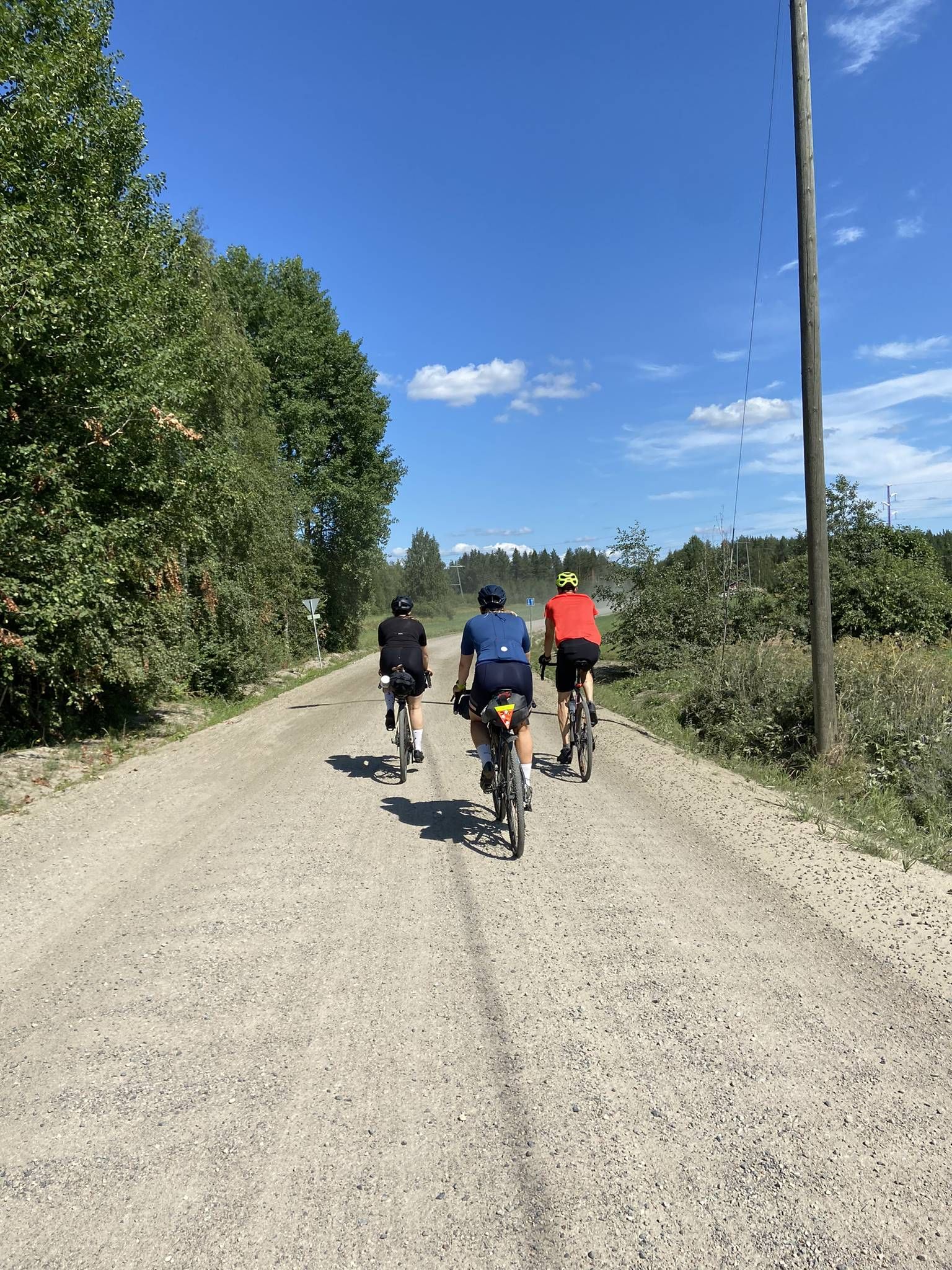
Naples to North Cape — Two friends, one purpose and many scoops of ice-cream
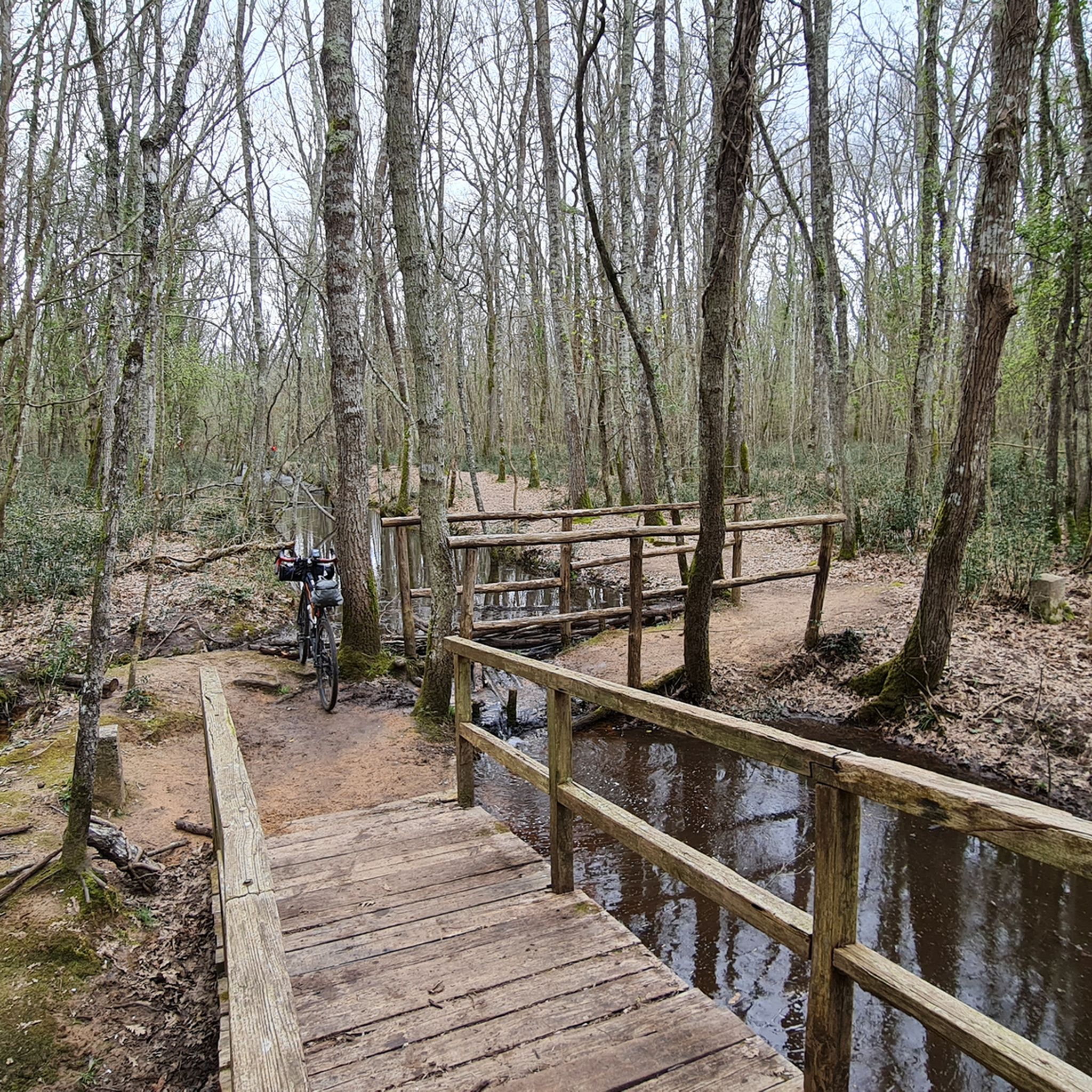
Hiking around Parco Nazionale del Circeo
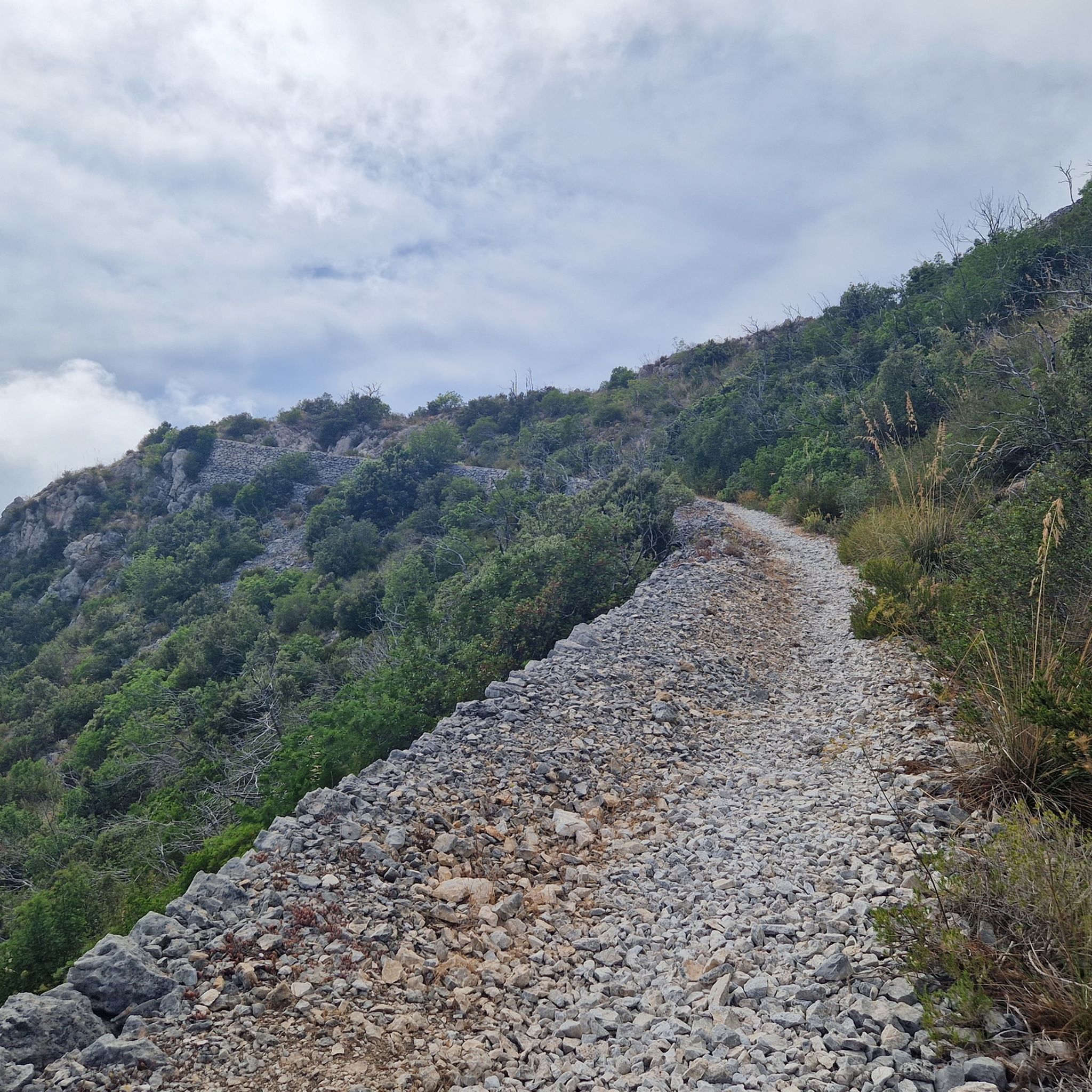
MTB Trails around Parco Nazionale del Circeo
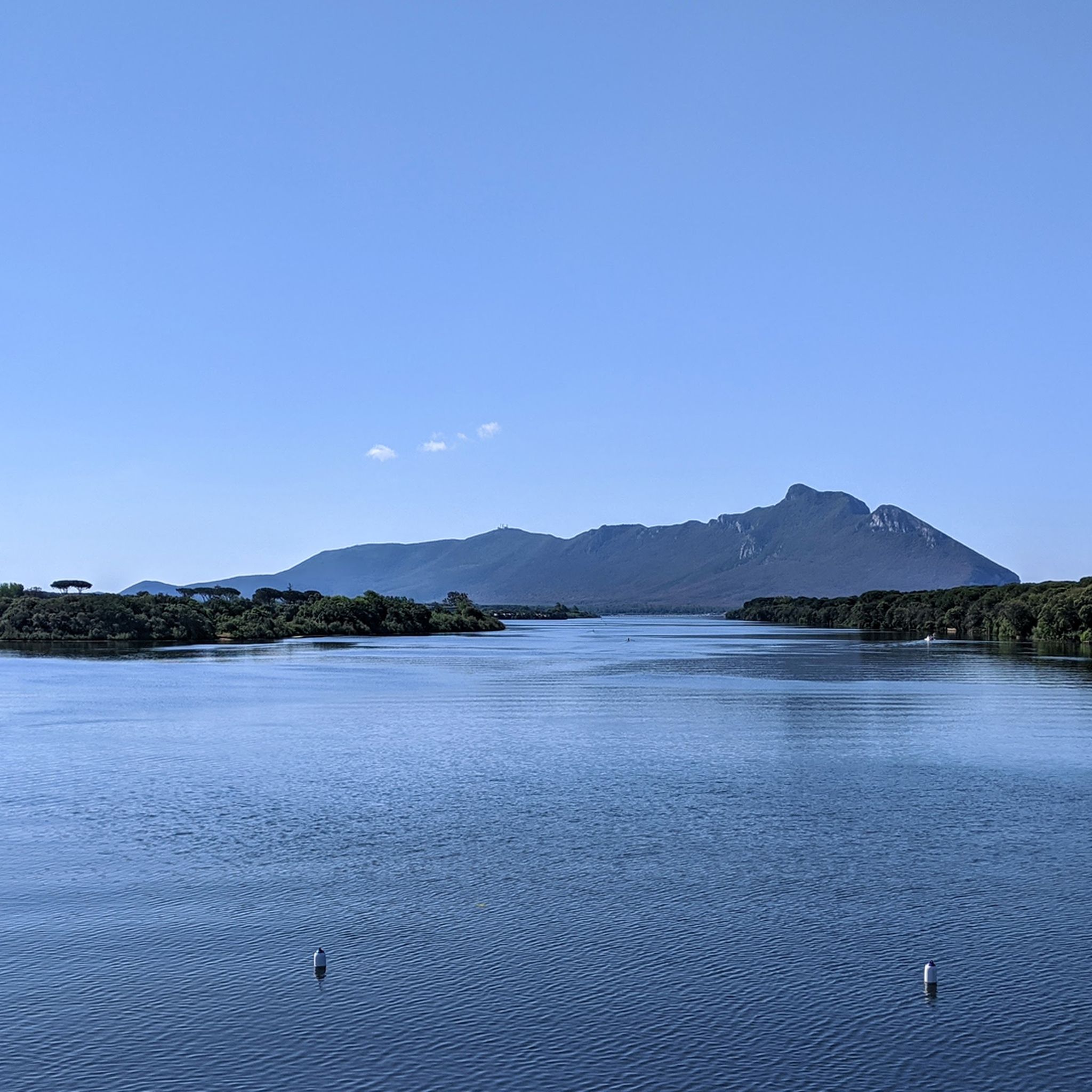
Cycling around Parco Nazionale del Circeo
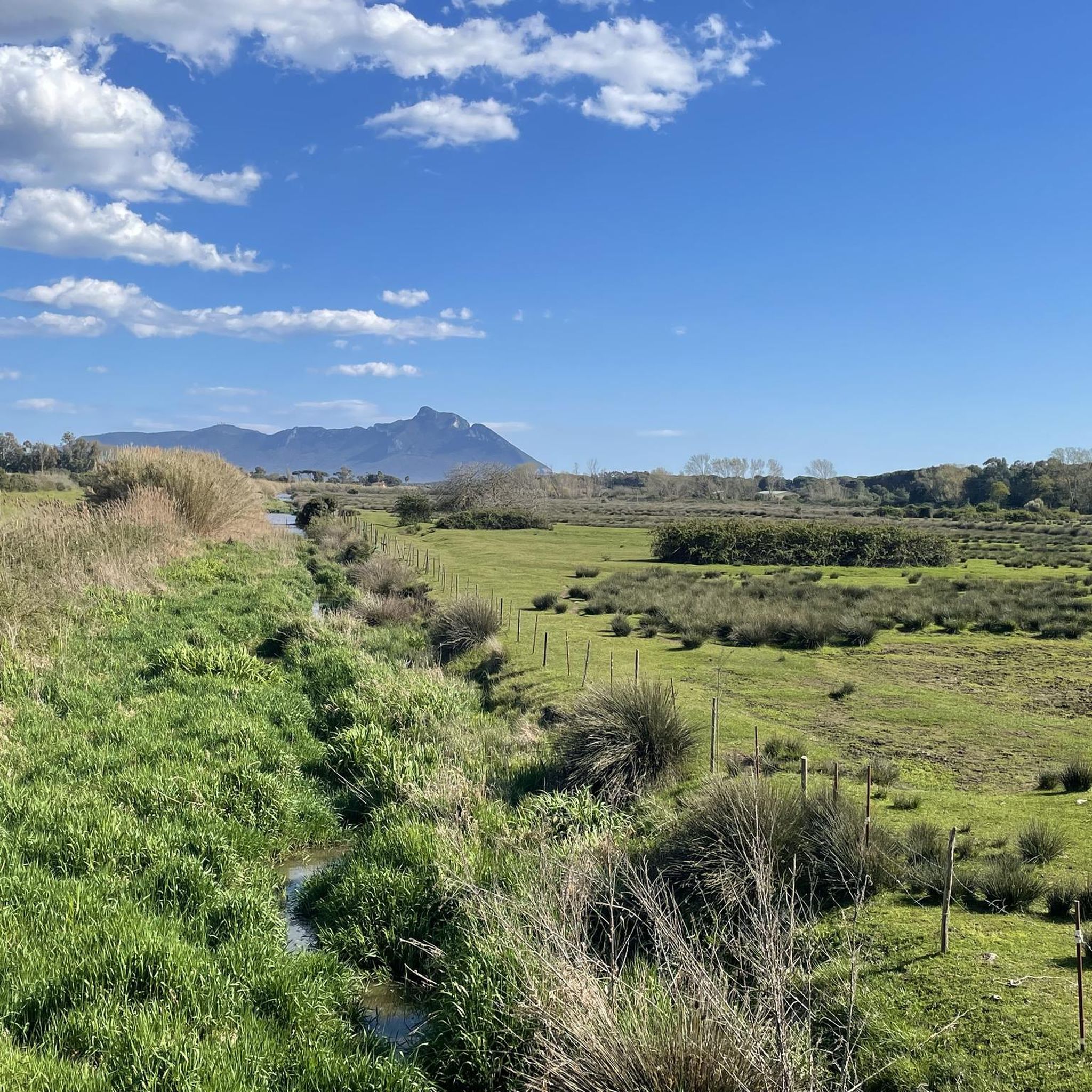
Running Trails around Parco Nazionale del Circeo
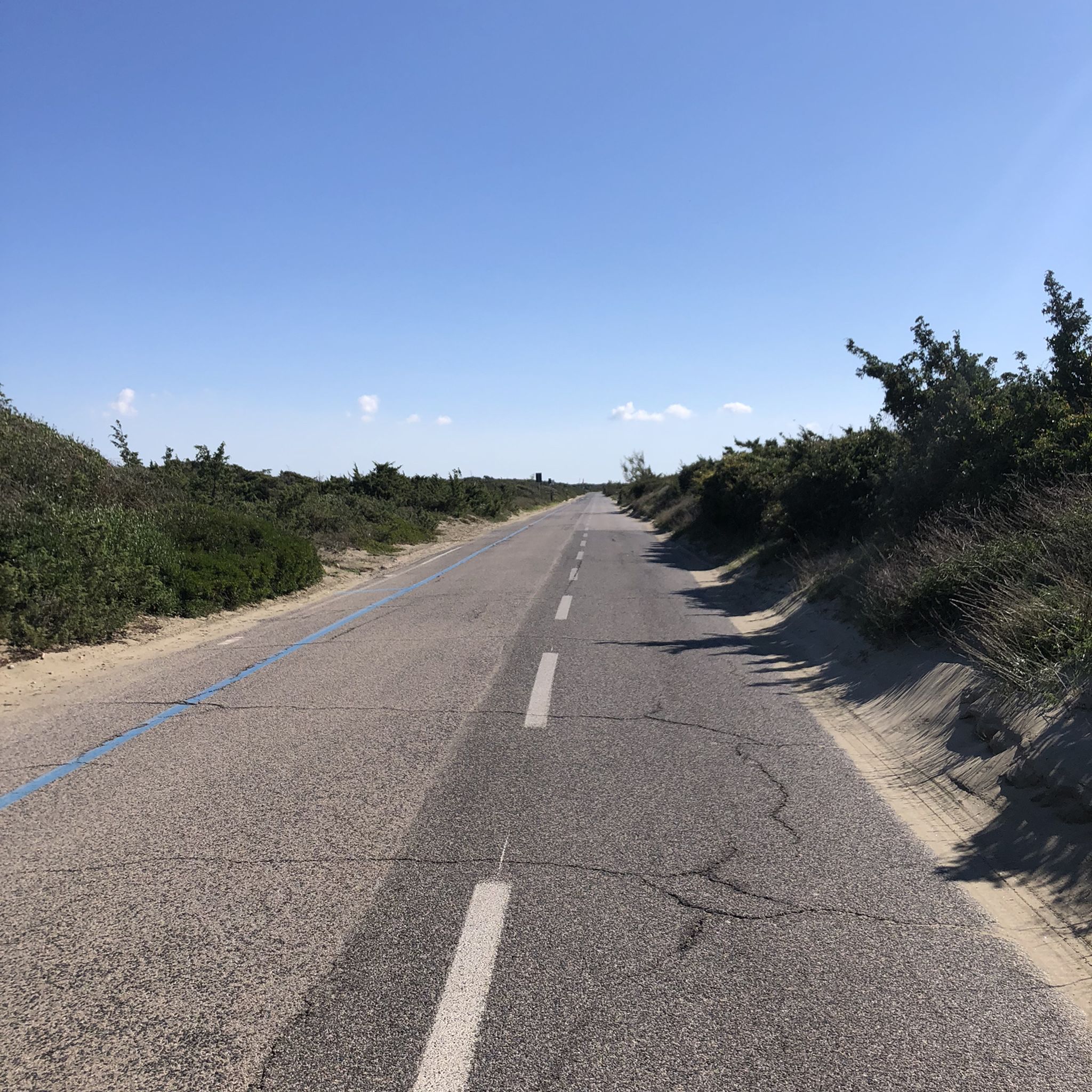
Road Cycling Routes around Parco Nazionale del Circeo
Other adventures around Parco Nazionale del Circeo

Tips from the Community

Suggestive semi-pedestrianized village. The climb to get there is about 1.5km with gradients reaching 12%, but it's worth it
1
0
Panoramic point from where you can see the islands of Zannone, Ponza and Palmarola. The square in front is on a dirt road. To get there you have to climb up to San Felice Circeo, about 1.5 km with gradients of over 12% and the other that takes you back to the town (the lighthouse is on a dead-end road) of 1.5 km of pedaling, with the last 3/400 meters at 10/11%.
1
0

From Torre Paola via Picco d'Istria to Monte Circeo, then the direct descent towards the north-northeast is a beautiful circular route of approximately 4.5 km / 2 hours. Sturdy footwear is required for the ascent to P.d.Istria. Ankle-high boots are best. Mountaineering experience and surefootedness are definitely required. The valley floor sign says "Experts only"! From P.d.Istria, the trail leads over a partially exposed ridge to Monte Circeo. The trail is definitely not for children! There are ropes in a few places, and you'll often need your hands to climb. The direct descent from Monte Circeo is better in terms of the trail and certainly the much easier ascent. This trail should be manageable in sneakers if necessary, although I would recommend hiking boots here as well. This trail is never exposed until the summit. I advise against doing the circular route the other way around. It's simply easier climbing uphill than downhill. ...
3
0

Impervious path as it makes the journey difficult.
1
1

A new wooden bridge to observe the marsh area more safely.
1
0

It is not possible to travel the entire route, but the part from Villa Fogliano to Sabaudia is worth the trip alone!
1
0
The view once you reach the top is worth the effort!
2
0
In some places the marsh habitat is the same as before the reclamation
1
0
Frequently Asked Questions
What natural features can I explore in Parco Nazionale del Circeo?
Parco Nazionale del Circeo is rich in diverse natural features. You can explore the imposing Monte Circeo Summit, offering panoramic views, and the extensive coastal sand dunes. The park also boasts the ancient "Selva di Circe" forest, one of Italy's best-preserved lowland forests, and several coastal lakes like Lake Fogliano and Lago di Paola, which are crucial for migratory birds. Don't miss the unique Verdesca Pool, a serene spot surrounded by nature.
Are there historical and cultural sites to visit in the Parco Nazionale del Circeo area?
Yes, the region is steeped in history. The Historic Center of San Felice Circeo is a charming village with ancient origins, white Mediterranean-style houses, and narrow streets. You can also visit the Capo Circeo Lighthouse, active since 1866. Further historical points of interest include the remains of Emperor Domitian's Villa on Lago di Sabaudia, the ancient Cyclopean Walls of Circei, and the 15th-century Torre Paola.
What kind of hiking trails are available in Parco Nazionale del Circeo?
The park offers a variety of hiking trails for different skill levels. You can find easy walks, such as those around Lake Paola or the Verdesca Pool, which are perfect for a relaxed outing. For more challenging experiences, the ascent to Monte Circeo Summit provides a rewarding hike with stunning views. Many trails wind through the "Selva di Circe" forest and along the coastal dunes. For more options, explore the easy hikes around Parco Nazionale del Circeo guide.
Are there family-friendly attractions or activities in Parco Nazionale del Circeo?
Absolutely! Many areas within the park are suitable for families. The Historic Center of San Felice Circeo is a pleasant place to stroll, and the coastal lakes, like Lake Fogliano, offer easy walking paths and opportunities for birdwatching. The Sabaudia Visitors Centre also features an accessible nature trail designed to illustrate local fauna and vegetation, making it an educational and engaging experience for all ages.
What is the best time of year to visit Parco Nazionale del Circeo?
The best time to visit Parco Nazionale del Circeo is generally during the spring (April-May) and early autumn (September-October). During these periods, the weather is pleasant for hiking and exploring, with milder temperatures and less humidity than the summer months. Spring brings blooming wildflowers, while autumn offers beautiful foliage and comfortable conditions for outdoor activities.
Can I find cycling routes near the attractions of Parco Nazionale del Circeo?
Yes, the area around Parco Nazionale del Circeo is excellent for cycling. You'll find a variety of routes, from leisurely rides around the coastal lakes to more challenging tours through the forest and along the coast. Popular options include loops around Lake Paola and routes connecting charming towns like San Felice Circeo and Sabaudia. Check out the Cycling around Parco Nazionale del Circeo and Road Cycling Routes around Parco Nazionale del Circeo guides for detailed tour suggestions.
Are there any unique or 'hidden gem' natural spots in the park?
Beyond the main highlights, the park holds several unique natural spots. The Grotta delle Capre (Goats' Cave) at the base of Mount Circeo is accessible by both sea and land and offers a fascinating geological experience. The diverse wetlands of the coastal lakes, particularly Lago di Paola, are a haven for birdwatchers, often hosting pink flamingos and other migratory species, providing a tranquil escape.
What charming towns or villages can I visit near Parco Nazionale del Circeo?
The region features several charming settlements. San Felice Circeo, with its historic center and Mediterranean atmosphere, is a must-visit. Sabaudia is notable for its unique rationalist architecture from the 1930s and beautiful beaches. The historic Borgo di Fogliano also offers insights into the area's past and is a point of interest for those exploring the park's archaeological sites.
Is there an island that is part of Parco Nazionale del Circeo?
Yes, Zannone Island is an uninhabited island that is part of the Pontine Islands archipelago and has been incorporated into the park due to its significant naturalistic value. It features dense Mediterranean vegetation and unique geological formations, making it a special place for nature enthusiasts.
What do visitors enjoy most about the attractions around Parco Nazionale del Circeo?
Visitors frequently praise the breathtaking panoramic views, especially from the Monte Circeo Summit, noting that the panorama is well worth the hike on clear days. The ancient origins and Mediterranean charm of the Historic Center of San Felice Circeo are also highly appreciated. Many enjoy the serene beauty of the lakes, like Lake Fogliano, and the unique natural setting of spots like the Verdesca Pool.
Are there any specific archaeological sites to explore within the park?
Yes, the park area is rich in archaeological finds. Beyond the ancient Cyclopean Walls (Acropolis of Circei) dating back to the 5th century BC, you can explore the remains of Emperor Domitian's ancient villa from the 1st century AD, located on the eastern shore of Lago di Sabaudia. The area also has significant prehistoric importance, with discoveries like a Neanderthal skull in Grotta Guattari.
Can I bring my dog on trails and to attractions in Parco Nazionale del Circeo?
While many natural parks in Italy have specific rules regarding pets, Parco Nazionale del Circeo generally allows dogs on trails, provided they are kept on a leash. However, access to certain protected areas, visitor centers, or specific archaeological sites might be restricted. It's always best to check local signage or the park's official guidelines for the most current information regarding dog-friendly policies before your visit.
Most popular routes around Parco Nazionale del Circeo
Most popular attractions around Parco Nazionale del Circeo

Get inspired with the komoot mobile app


Explore more
Still not found the Highlight you’re looking for? See guides of the top attractions in other regions:
