Attractions and Places To See around Ytre Hvaler - Top 3
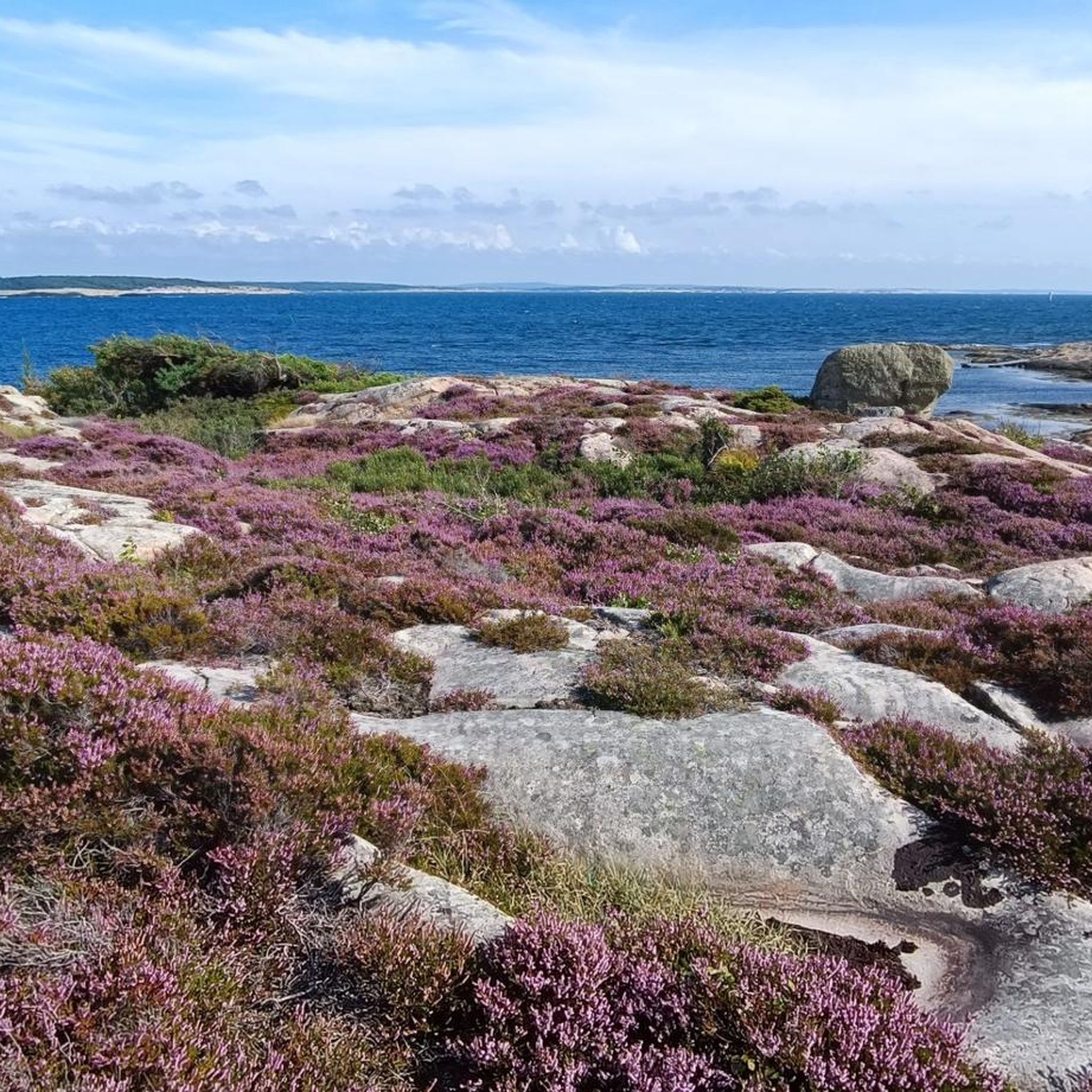
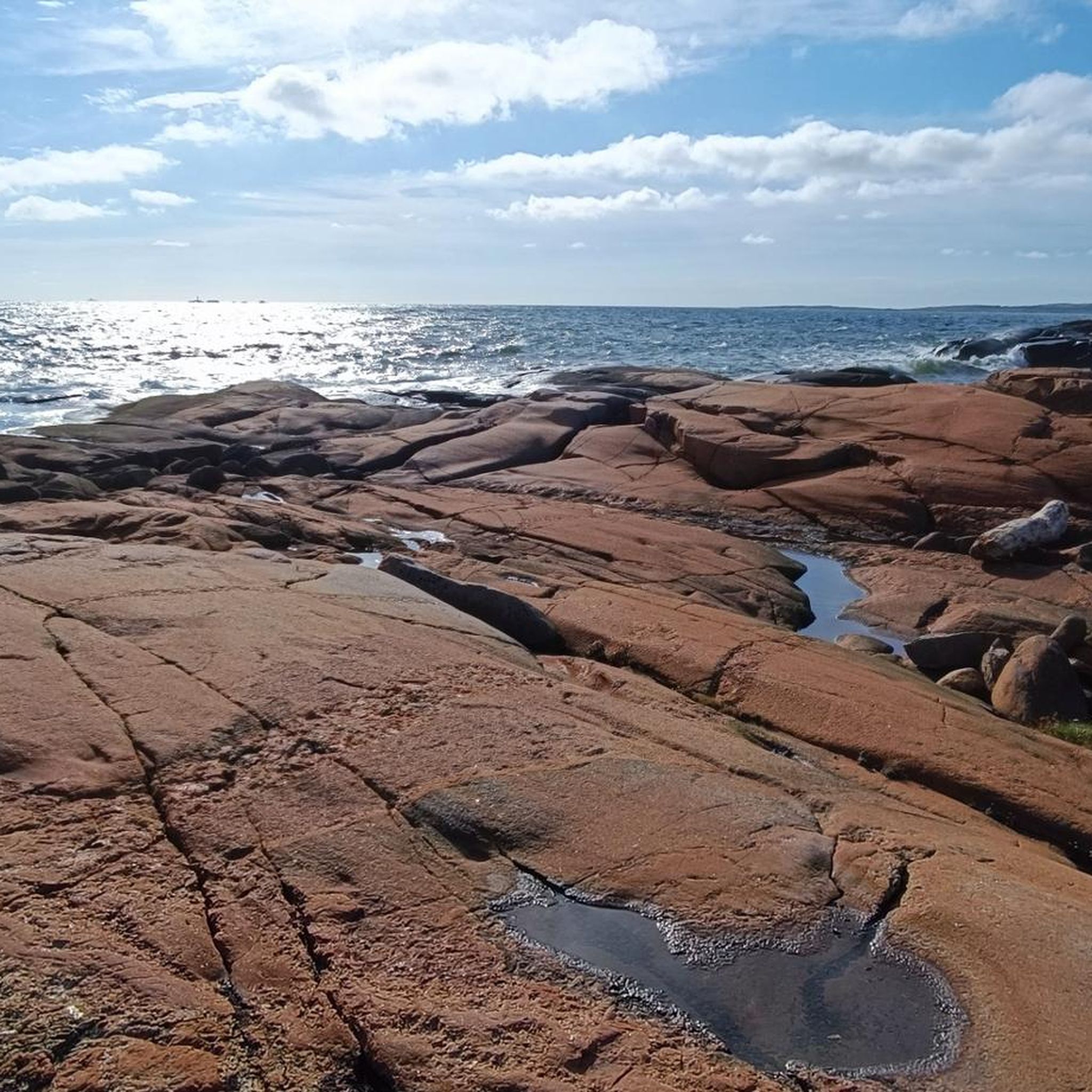
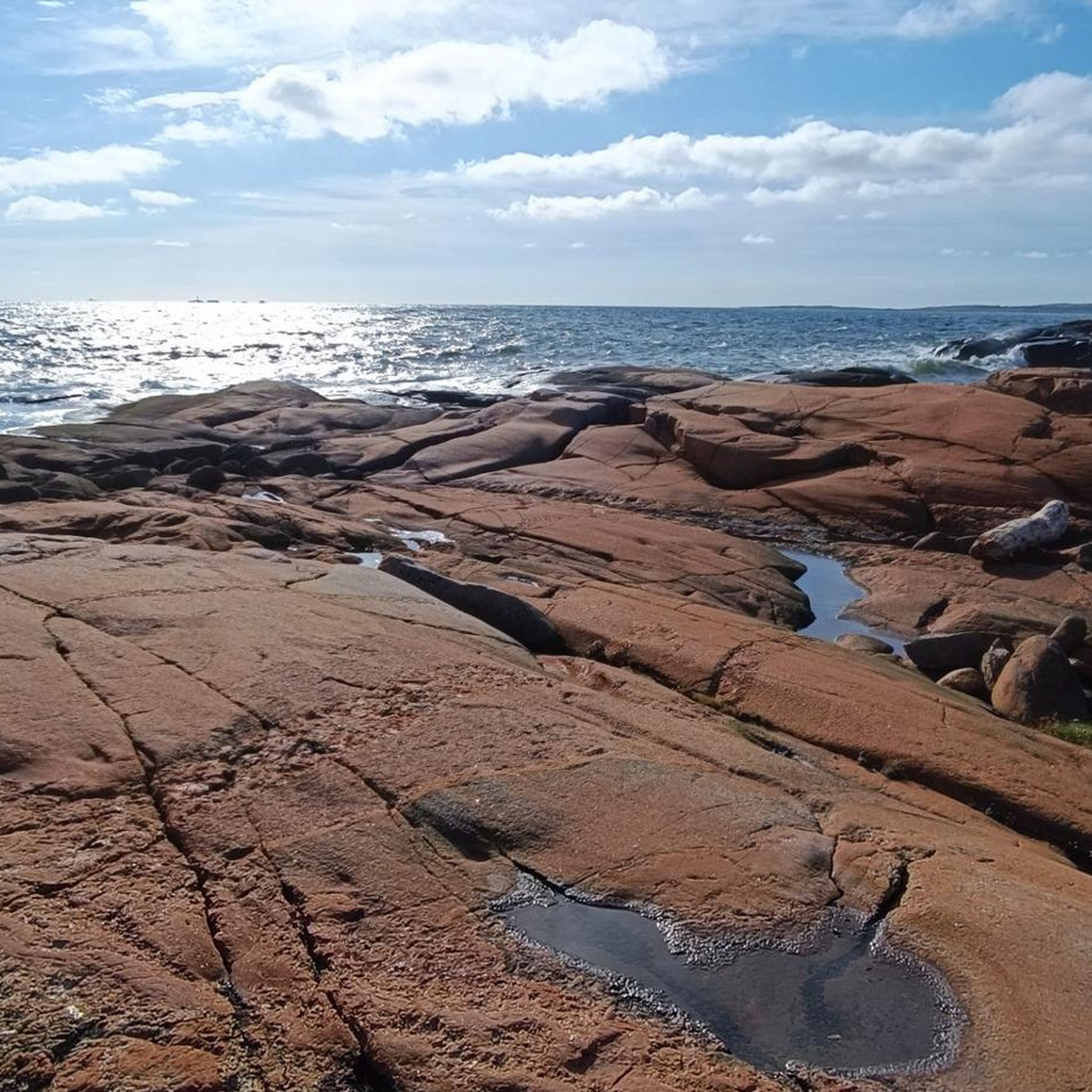
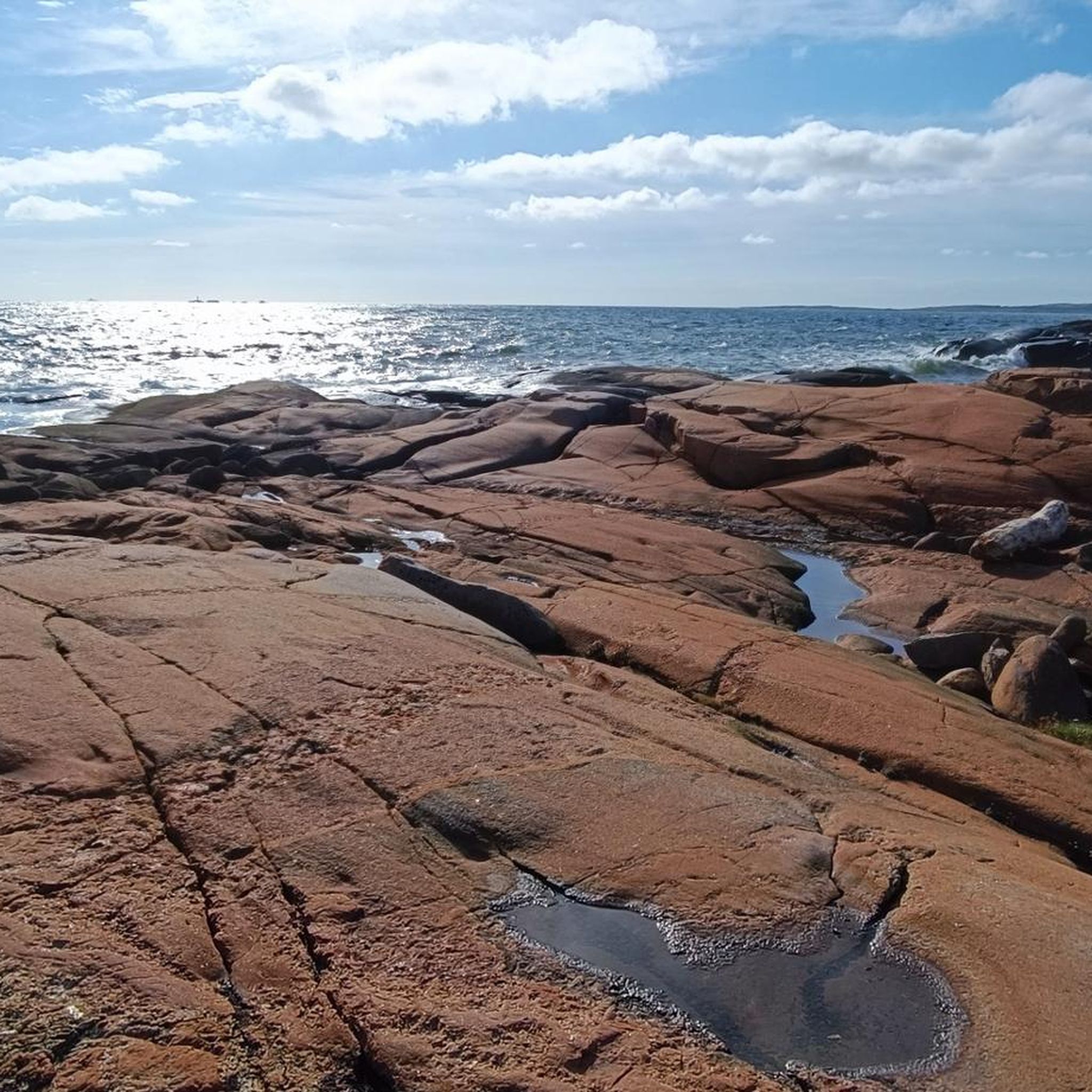
Best attractions and places to see around Ytre Hvaler, Norway, are primarily found within its marine national park and extensive archipelago. This area features a diverse natural landscape, including coastal heathland, smooth bedrock, and unique underwater ecosystems. Visitors can explore historical landmarks, cultural sites, and a variety of natural features across its numerous islands and coastal trails. The region offers a blend of natural beauty and maritime heritage.
Best attractions and places to see around Ytre Hvaler
- The most popular attractions is Homlungen Lighthouse, a man-made monument that is a fully automated lighthouse on an archipelago in the Norwegian island municipality of Hvaler. It stands as a significant maritime heritage site.
- Another must-see spot is Stone Sculptures in Ytre Hvaler National Park, a man-made monument. On the coastal strip, visitors can discover 5 stone sculptures created by international artists.
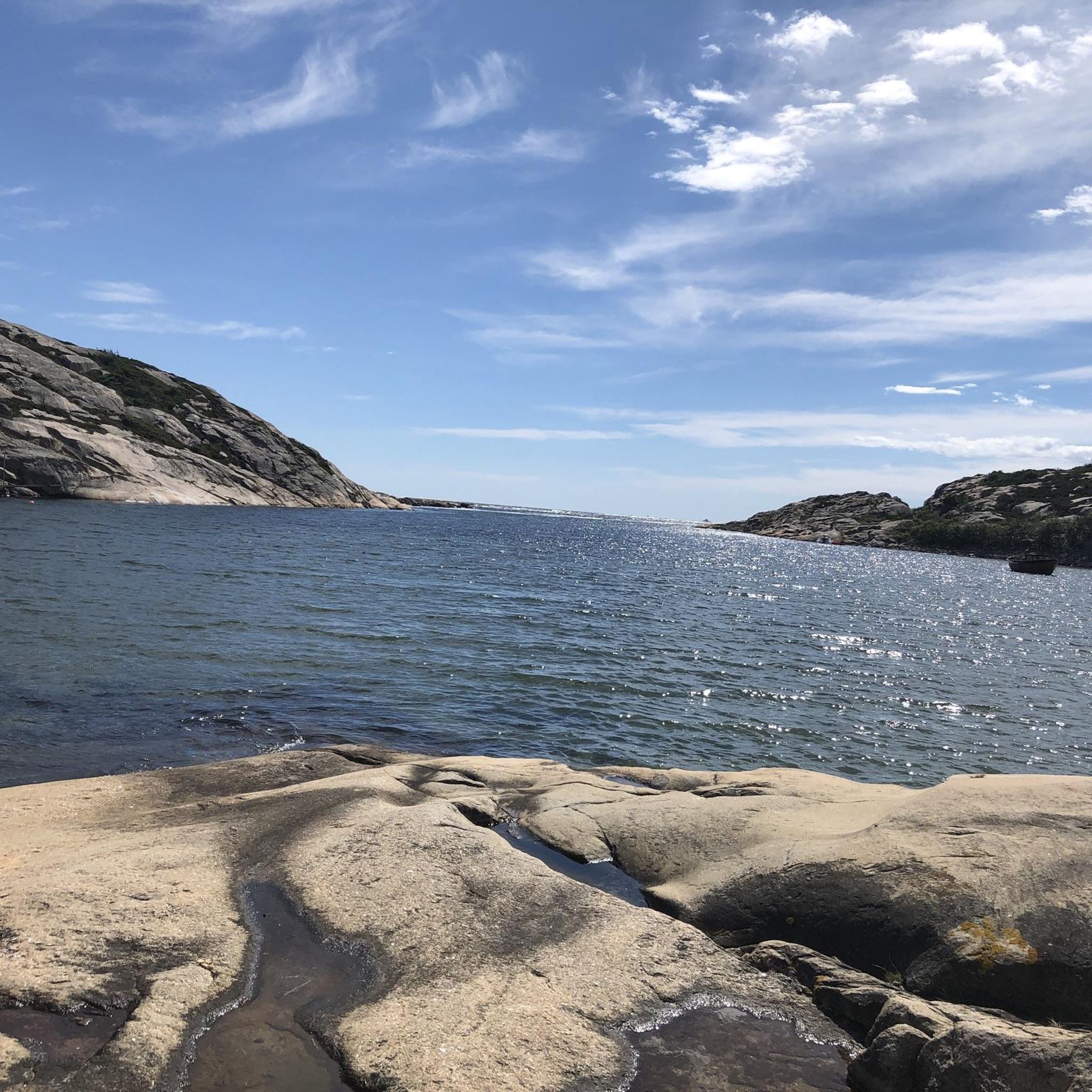
- Visitors also love Viker Harbor, a settlement. It offers a nice view around the end of this small island.
- Ytre Hvaler is known for its lighthouses, stone sculptures, and coastal trails. The region offers a variety of attractions to see and explore, from marine park features to historical sites.
- The attractions around Ytre Hvaler are appreciated by the komoot community, with 6 photos and 22 upvotes shared by visitors.
Last updated: May 11, 2026
Homlungen Lighthouse
Highlight • Monument
Translated by Google •
Tip by

Stone Sculptures in Ytre Hvaler National Park
Highlight (Segment) • Monument
Translated by Google •
Tip by
Sign up now to discover places like this
Get recommendations on the best single tracks, peaks, & plenty of other exciting outdoor places.
Sign up for free
Viker Harbor
Highlight • Settlement
Tip by

Start today with a free account
Your next adventure awaits.
Login or Signup
Tips from the Community

Homlungen Lighthouse is a fully automated lighthouse on an archipelago in the Norwegian island municipality of Hvaler.
0
0
On the coastal strip there are 5 stone sculptures by international artists that are well worth seeing. A short circular path leads from the car park (chargeable private road access) to the sculptures.
0
0

Nice view around the end of this little island, the next one just reacheable by cars through a tunnel 🤷🏻♂️
0
0
Frequently Asked Questions
What are some notable landmarks to visit in Ytre Hvaler?
Ytre Hvaler is home to several significant landmarks. You can visit Homlungen Lighthouse, an automated structure on an archipelago, or discover the Stone Sculptures in Ytre Hvaler National Park, created by international artists along the coastal strip. Other maritime heritage sites include Torbjørnskjær Lighthouse and Struten Lighthouse, while the historic Akerøy Fort also offers a glimpse into the region's past.
What natural features define the Ytre Hvaler region?
The region is primarily defined by the Ytre Hvaler National Park, Norway's first marine national park. It features a stunning underwater ecosystem with precipitous cliffs, extensive kelp forests, and eelgrass fields, including the globally significant Tisler coral reef. On land, you'll find coastal heathland, smooth granite and gneiss bedrock, and wind-shaped coastal woodlands. The archipelago itself comprises over 800 islands, islets, and skerries.
Are there good hiking opportunities around Ytre Hvaler?
Yes, Ytre Hvaler offers excellent hiking opportunities, particularly along its well-marked Coastal Trails (Kyststi) on islands like Kirkøy, Asmaløy, and Vesterøy. These trails are identifiable by 'Kyststi' signs and blue paint. For easy hikes, consider routes like the Homlungen Lighthouse – View of Skjærhalden loop or the Gutormsvauen loop from Vesterøy. You can find more options in the Easy hikes around Ytre Hvaler guide.
What cycling routes are available in Ytre Hvaler?
Ytre Hvaler provides various cycling routes suitable for different skill levels. You can explore routes such as the Kroksand loop from Pulservik or a pleasant bike loop from Kirkeøy. For a comprehensive overview of options, including easy and moderate rides, refer to the Cycling around Ytre Hvaler guide.
What is there to do for families with children in Ytre Hvaler?
Families can enjoy exploring the Stone Sculptures in Ytre Hvaler National Park, which are easily accessible via a short circular path. Viker Harbor also offers a nice view and is considered family-friendly. The Ytre Hvaler National Park Visitor Center in Skjærhalden features exhibitions and an outdoor aquarium in summer, providing engaging insights into the marine world for all ages. Many coastal trails are also suitable for family walks.
Where can I learn more about the Ytre Hvaler National Park?
The main Ytre Hvaler National Park Visitor Center is located in Skjærhalden. It offers extensive information about the park's nature, culture, and outdoor recreation opportunities. The center, housed in Kornmagasinet, features exhibitions and an outdoor aquarium during the summer months, providing a deeper understanding of the park's unique environment.
What is the best time of year to visit Ytre Hvaler?
The summer months are generally considered the best time to visit Ytre Hvaler, offering pleasant weather for outdoor activities like hiking, cycling, and island hopping. The Ytre Hvaler National Park Visitor Center also features an outdoor aquarium during this season. However, the coastal landscape and trails offer beauty throughout the warmer months for those seeking a quieter experience.
Are there any historical sites or cultural insights to discover?
Beyond its natural beauty, Ytre Hvaler holds significant cultural history. You can find ancient settlement sites, some potentially dating back to the Late Bronze Age, and traditional fishermen's shacks on islets and skerries, reflecting centuries of maritime life. The waters also conceal at least 50 shipwrecks, including the prominent Danish frigate HDMS Lossen from 1717, adding to the region's rich heritage.
Can I explore the islands of the Ytre Hvaler archipelago?
Yes, the archipelago comprises over 800 islands, islets, and skerries, many of which are accessible. You can explore them via local ferries or by kayaking, offering unique perspectives of the coastal landscape and opportunities for observing local flora and fauna, particularly on islands like Asmaløy and Vesterøy.
What kind of wildlife and plant life can I expect to see?
Ytre Hvaler is renowned for its biodiversity. The national park's underwater ecosystems teem with diverse marine life, including the Tisler coral reef. On land, the coastal heathland and woodlands support numerous rare plant species and an impressive array of insects, with over 950 recorded butterfly species. Islands like Asmaløy are excellent for observing various birds, butterflies, and plants.
Where can I find amenities like shops and restaurants?
Skjærhalden is the largest community in Hvaler and serves as a central hub for amenities. Here, you'll find shops, cafés, and restaurants, making it a convenient base for exploring the region. It also hosts the main Ytre Hvaler National Park Visitor Center.
Are there mountain biking trails near the attractions?
Yes, there are mountain biking opportunities in the broader Ytre Hvaler area. You can find trails such as the Kroksand loop from Skjærhalden or the Enhus – Bjørnevågenlia naturreservat loop from Fredrikstad. For more detailed information and routes, check out the MTB Trails around Ytre Hvaler guide.
Most popular routes around Ytre Hvaler

Get inspired with the komoot mobile app


Explore more
Still not found the Highlight you’re looking for? See guides of the top attractions in other regions:
