Attractions and Places To See around Serras de Aire e Candeeiros Natural Park - Top 20
Best attractions and places to see around Serras de Aire e Candeeiros Natural Park, a protected area in central Portugal, is renowned for its unique karst landscape and rich geological history. The park features a significant limestone deposit with an intricate network of underground caves and waterways. It offers diverse natural and cultural attractions, including extensive cave systems, ancient monuments, and unique geological formations.
Best attractions and places to see around Serras de Aire e Candeeiros Natural Park
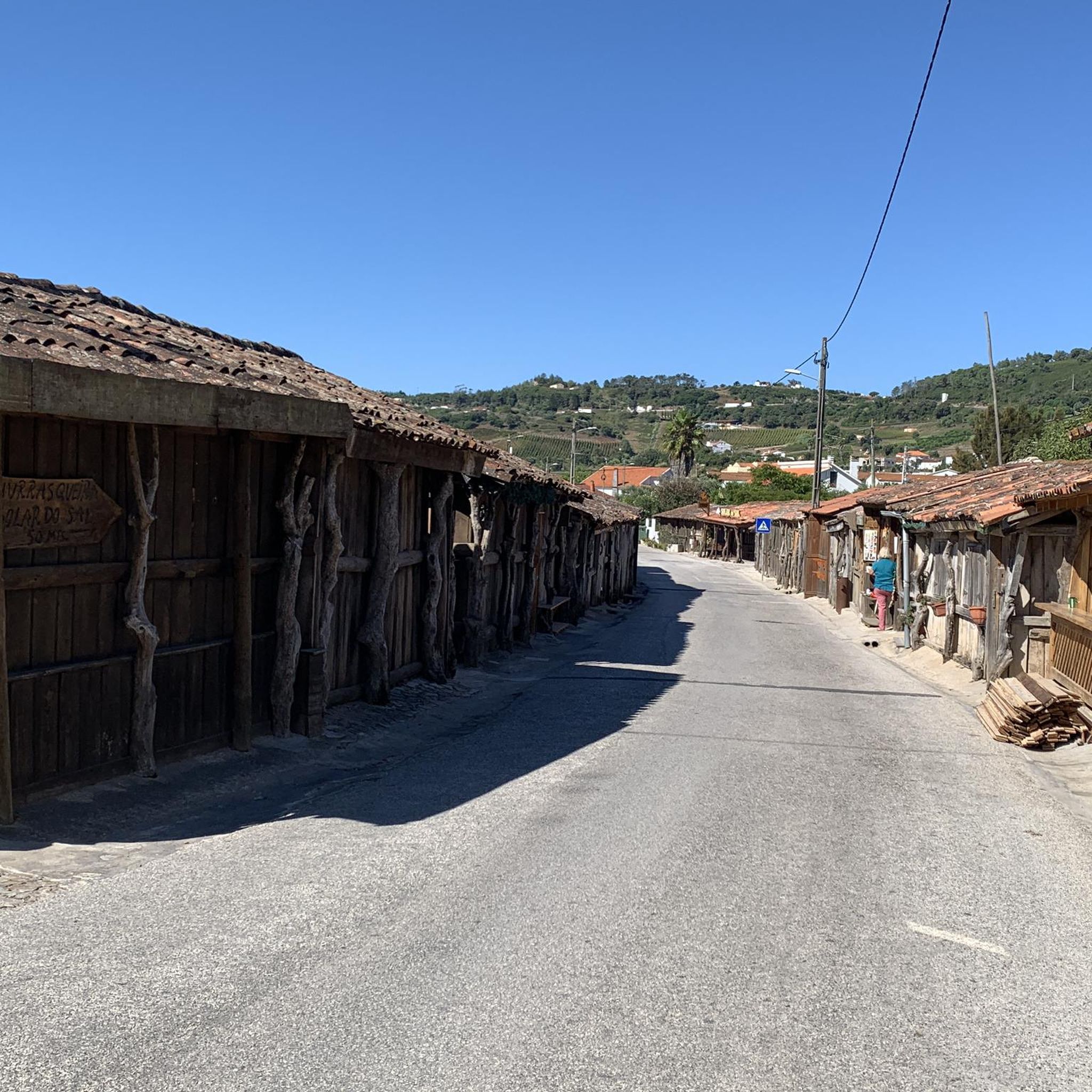
- The most popular attractions is Rio Maior Salt Pans, a man-made monument that consists of unique inland salt pans, operational for over eight centuries. Classified as a Property of Public Interest, they are the only fully operational inland salt pans in Europe.
- Another must-see spot is Memory Arch, a man-made monument. It offers a panorama and testifies to its creation in the late 16th or early 17th century, with Latin inscriptions.
- Visitors also love Alcanena MTB Center – Alviela Spring, an mtb park with multiple circuits. It features 5 signposted circuits with varying difficulty levels and support structures like information panels and repair areas.
- Serras de Aire e Candeeiros Natural Park is known for its extensive cave systems, dinosaur footprints, and historical castles. The park offers a range of natural and cultural sites, from subterranean wonders to ancient monuments.
- The attractions around Serras de Aire e Candeeiros Natural Park are appreciated by the komoot community, with more than 18 upvotes and 63 photos shared.
Last updated: July 7, 2026
Memory Arch
Highlight • Monument
On the historical aspect, it was built by the Cistercian monks, it measures 4 meters high and 3.62 meters wide. The arch has no decoration, only two inscriptions: the first, the oldest written in Latin, testifies to its creation. The second inscription refers to the reconstruction of the monument, carried out by D. Michael in 1830.
Translated by Google •
Tip by

Rio Maior Salt Pans
Highlight • Monument
Translated by Google •
Tip by

Sign up now to discover places like this
Get recommendations on the best single tracks, peaks, & plenty of other exciting outdoor places.
Sign up for free
Alcanena MTB Center – Alviela Spring
Highlight • MTB Park
With regard to support structures, we are very well equipped, making available to practitioners an information panel, toilets, changing rooms and an area for repairing and washing bicycles."
Source: CM Alcanena
Translated by Google •
Tip by

Fórnea Waterfall
Highlight • Waterfall
Tip by
Porto de Mós Castle
Highlight • Castle
Conquered from the Moors in 1148 by the first king of Portugal, Dom Afonso Henriques, the castle of Porto de Mós had an important role in the Christian reconquest and a few years later (1385) in the battle of Aljubarrota, a battle which gave definitive independence in Portugal.
In the 15th century, the castle was transformed into a residential palace by D. Afonso. After his death in 1459, the palace was abandoned and partially destroyed by the great earthquake of 1755.
From 1936 until 1999, the castle underwent several restorations, which allowed it to regain its former glory. It has been classified as a National Monument since 1910.
Translated by Google •
Tip by
Sign up for free to discover even more attractions around Serras de Aire e Candeeiros Natural Park.
Sign up for free
Already have an account?
Start today with a free account
Your next adventure awaits.
Login or Signup
Popular around Serras de Aire e Candeeiros Natural Park
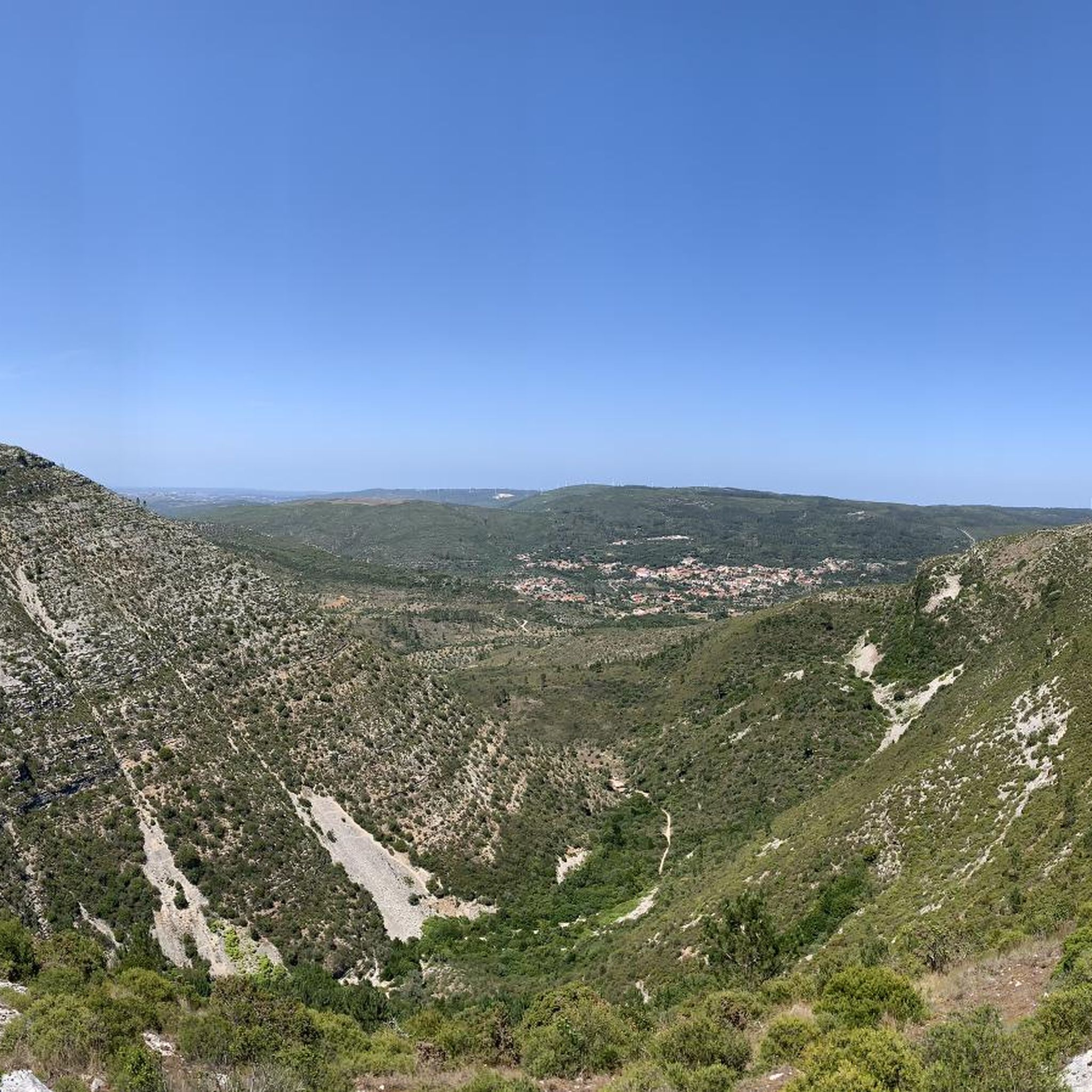
Hiking around Serras de Aire e Candeeiros Natural Park
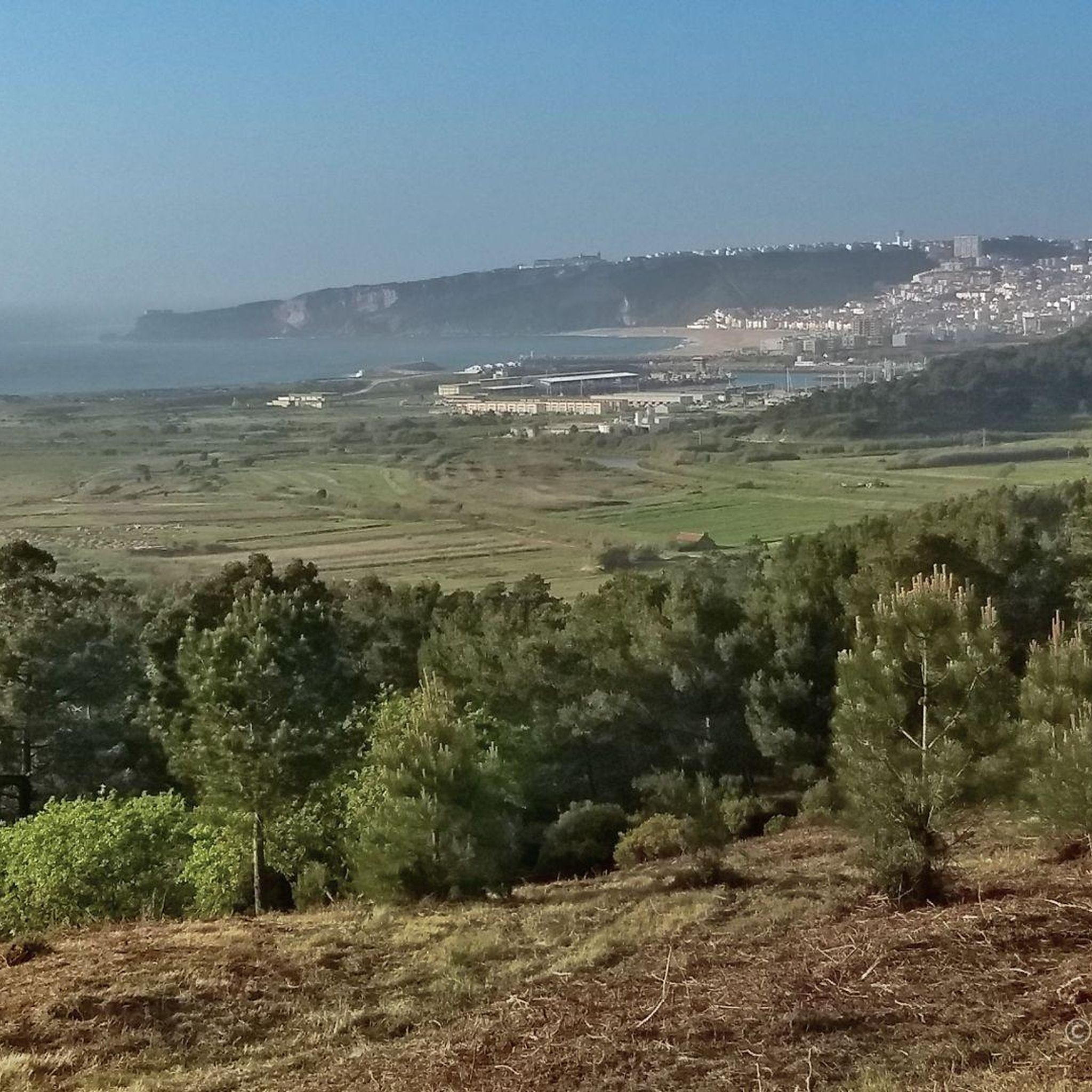
Running Trails around Serras de Aire e Candeeiros Natural Park
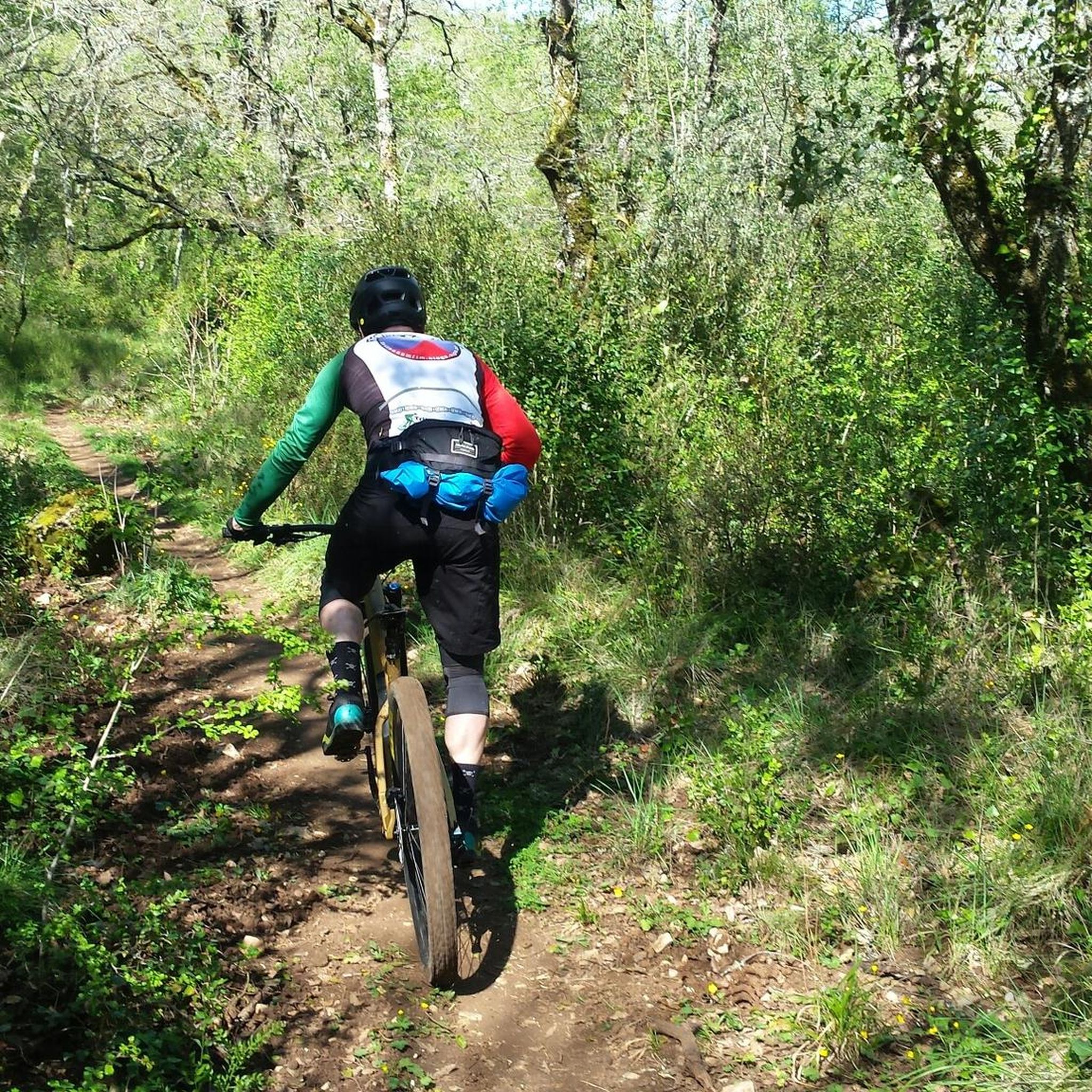
MTB Trails around Serras de Aire e Candeeiros Natural Park
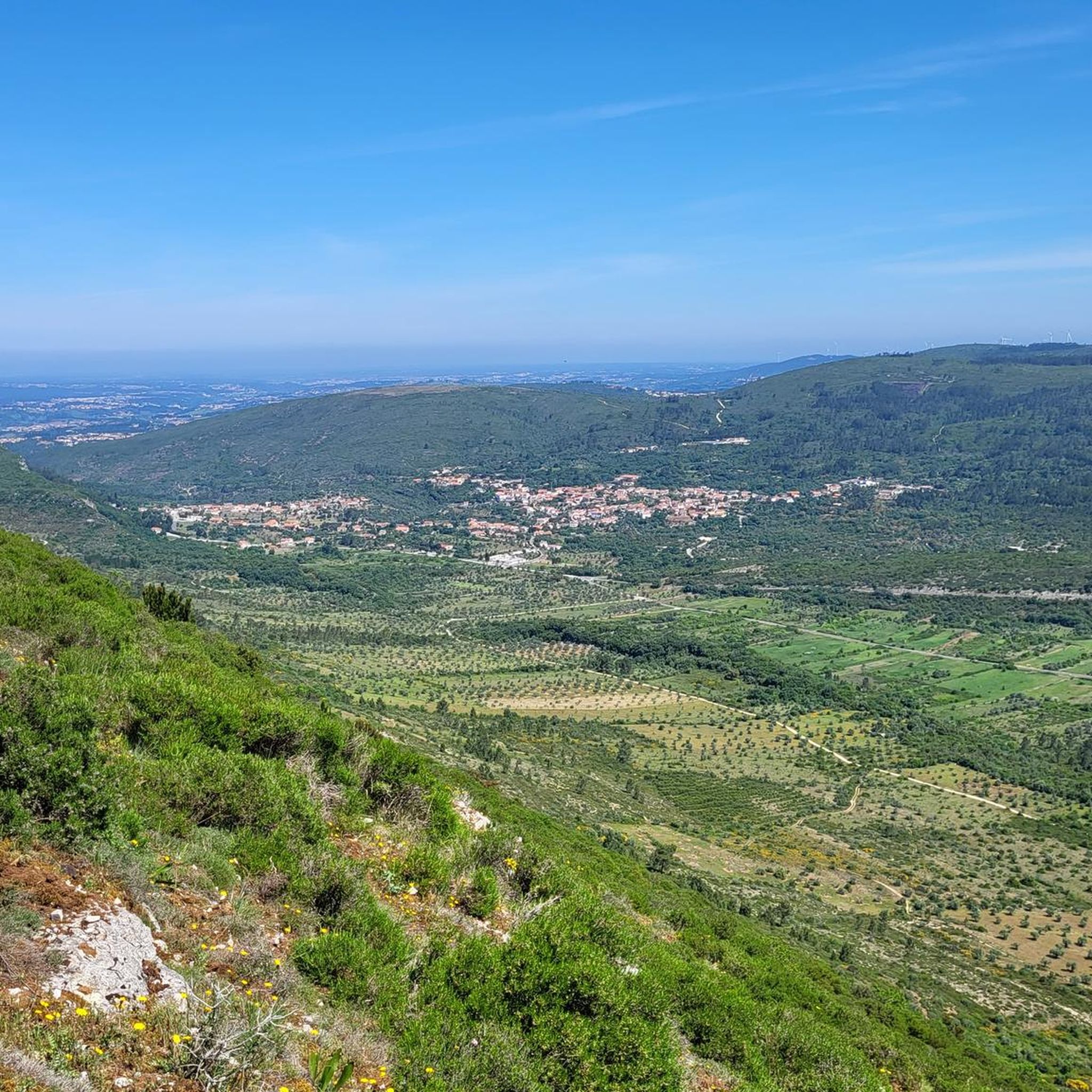
Cycling around Serras de Aire e Candeeiros Natural Park
Road Cycling Routes around Serras de Aire e Candeeiros Natural Park

Gravel biking around Serras de Aire e Candeeiros Natural Park
Tips from the Community

I highly recommend Olhos de Água, a river beach 🏖️ with top trails to enjoy pure nature that can be done on foot or by mountain bike, some of which are well signposted with bars next to the beach and there is a campsite for private individuals, it only has bungalows and a hotel, a true paradise 😜🤙🏽🚴🏽💨🚶🏽🏃🏽🏊🏽
1
0

Salt is extracted from compartments – pits – made of cement or stone, of varying sizes and shallow depths, to which salt water is taken from a well through irrigation channels. Currently, the water is raised by means of a motor and distributed according to a system that is jointly accepted and respected (not always) by all the owners. The sewers, threshing floors and wooden houses for storing salt complete the set of what is called the Salt Mines of Rio Maior. According to technicians, a large and deep rock salt mine, crossed by an underground current that feeds a well, makes the water extracted from it salty, seven times saltier than that of the sea. The salt is obtained from its exposure to the sun and wind and the consequent evaporation of the water, deposited at the bottom of the pits, which is then placed in pyramid-shaped piles to dry until it is collected. The process is rudimentary and similar to that used in the salt mines on the seashore. The only difference is the picturesque valley that surrounds them, the well, the unique style of the sailors (as the men who work in the salt mines are known), the wooden houses and the country air that can be breathed.
3
0
The Fórnea Waterfall is located right in the heart of the Serras de Aire e Candeeiros Natural Park, and is fed by the Fórnea Stream, which in turn flows from the Cova da Velha cave.
2
0

Nice quiet route. No water at the waterfall, unfortunately. Because that would give a different experience, certainly worth it for the beautiful views
0
0
On the southwest hillside of Cabeço Gordo, almost coinciding with the administrative boundaries between Porto de Mos municipalities and Alcobaça, the Memory Arc it was built, probably in the late sixteenth and early seventeenth century and was restored in 1830, by King Miguel, as shown in one of its inscriptions. The bow, perfectly round, has only two inscriptions, one in Latin almost imperceptible, due to stone erosion, registered in 1758 and composed by Friar Bernardo de Brito, in the beginning of the seventeenth century at the behest of Alcobaça Monastery Abbot. According to tradition, that History denies, the monument was built by the monks of the Cistercian Order, for marking the land donated by the Portuguese first King Afonso Henriques. However, its construction only intended to give material evidences of the vow of D. Afonso Henriques, invented by Alcobaça chroniclers.
1
0

This spot offers a magnificent panorama of the coast and a 360 degree view. On the historical aspect, it was built by the Cistercian monks, it measures 4 meters high and 3.62 meters wide. The arch has no decoration, only two inscriptions: the first, the oldest written in Latin, testifies to its creation. The second inscription refers to the reconstruction of the monument, carried out by D. Michael in 1830.
1
0
Porto de Mós Castle is very original, thanks to its large green and pointed turrets, you can see it from afar! It is an architectural work with unique characteristics which stands on a small hill. Conquered from the Moors in 1148 by the first king of Portugal, Dom Afonso Henriques, the castle of Porto de Mós had an important role in the Christian reconquest and a few years later (1385) in the battle of Aljubarrota, a battle which gave definitive independence in Portugal. In the 15th century, the castle was transformed into a residential palace by D. Afonso. After his death in 1459, the palace was abandoned and partially destroyed by the great earthquake of 1755. From 1936 until 1999, the castle underwent several restorations, which allowed it to regain its former glory. It has been classified as a National Monument since 1910.
1
0
Information and information center for mountain bike trails in the region
1
0
Frequently Asked Questions
What are the main natural attractions in Serras de Aire e Candeeiros Natural Park?
The park is renowned for its unique karst landscape. Key natural attractions include extensive cave systems like the Mira de Aire, Santo António, Alvados, and Moeda Caves, all featuring impressive stalactites and stalagmites. You can also visit the Fórnea Waterfall, a natural amphitheater, and the Monumento Natural das Pegadas de Dinossáurios, which boasts the world's largest collection of sauropod dinosaur footprints from the Middle Jurassic period.
Which cave systems can I visit in the park?
Several impressive cave systems are open to visitors, offering guided tours to explore their geological formations. These include the Mira de Aire Caves, Santo António Caves, Alvados Caves, and Moeda Caves. Each provides a unique subterranean experience within the park.
What makes the Dinosaur Footprints Natural Monument unique?
The Monumento Natural das Pegadas de Dinossáurios is home to the world's largest and most significant collection of sauropod dinosaur footprints. These tracks, dating back 175 million years, were discovered in a former quarry, with some individual footprints measuring up to 95 cm in length.
Are there any historical or cultural sites to explore in the area?
Yes, the park and its surroundings offer several significant historical and cultural sites. You can visit the unique Rio Maior Salt Pans, which have been operational for over eight centuries. The Porto de Mós Castle, with its distinctive green turrets, is another notable historical landmark. Additionally, the Memory Arch features ancient Latin inscriptions and offers panoramic views.
What is special about the Rio Maior Salt Pans?
The Rio Maior Salt Pans are unique inland salt pans, classified as a Property of Public Interest. They have been extracting salt using traditional methods for over eight centuries, with their existence referenced since 1177. They are the only fully operational inland salt pans in Europe, fed by a subterranean current seven times saltier than seawater.
What outdoor activities are available in Serras de Aire e Candeeiros Natural Park?
The park is ideal for various outdoor activities. You can explore numerous hiking trails with beautiful views, or engage in mountain biking. The Alcanena MTB Center – Alviela Spring offers five signposted circuits for different skill levels. For more ideas on routes, check out the guides for hiking, MTB, and gravel biking in the region.
Are there hiking trails suitable for different skill levels?
Yes, the park offers a variety of hiking trails. For example, the 'Tour of the Friars (PR 5)' is a moderate 11 km route. Other trails like the 'Fórnea Viewpoint – Fórnea Summit loop' offer moderate challenges. You can find more detailed information and routes in the Hiking around Serras de Aire e Candeeiros Natural Park guide.
Can I go mountain biking in the area?
Absolutely! The park is a great destination for mountain biking. The Alcanena MTB Center – Alviela Spring provides 5 signposted circuits with varying difficulty levels, along with support structures like information panels and repair areas. You can explore numerous MTB trails, including challenging routes like the 'Bezerra Ecotrail' or 'Fórnea Viewpoint' loops. Discover more options in the MTB Trails around Serras de Aire e Candeeiros Natural Park guide.
When is the best time of year to visit Serras de Aire e Candeeiros Natural Park?
The park can be enjoyed year-round, but spring (April-May) and autumn (September-October) offer pleasant temperatures for outdoor activities like hiking and exploring the caves. During these seasons, the weather is generally mild, and the natural landscape is particularly vibrant or showcases beautiful fall colors.
Are there family-friendly attractions in the park?
Many attractions in the park are suitable for families. The cave systems, such as Mira de Aire, offer engaging guided tours. The Dinosaur Footprints Natural Monument is a fascinating educational experience for all ages. Additionally, the Fórnea Waterfall and Porto de Mós Castle are also considered family-friendly highlights.
Can I see unique wildlife in the park?
Despite its arid surface, Serras de Aire e Candeeiros Natural Park is rich in biodiversity. It is home to over 100 bird species, including the Eurasian Eagle Owl and Red-billed Jackdaw. Bats are a symbol of the park, with 18 species finding shelter in the extensive cave systems. The flora also includes about 600 plant species, such as wild orchids.
What do visitors particularly enjoy about the attractions here?
Visitors frequently praise the unique geological formations, especially the impressive caves and the ancient dinosaur footprints. The historical sites like the Rio Maior Salt Pans and Porto de Mós Castle are also highly appreciated for their cultural significance and picturesque settings. The natural beauty and opportunities for outdoor activities like hiking and biking are also popular highlights.
Most popular routes around Serras de Aire e Candeeiros Natural Park
Most popular attractions around Serras de Aire e Candeeiros Natural Park

Get inspired with the komoot mobile app


Explore more
Still not found the Highlight you’re looking for? See guides of the top attractions in other regions:
