Attractions and Places To See around Kirchholz - Top 8
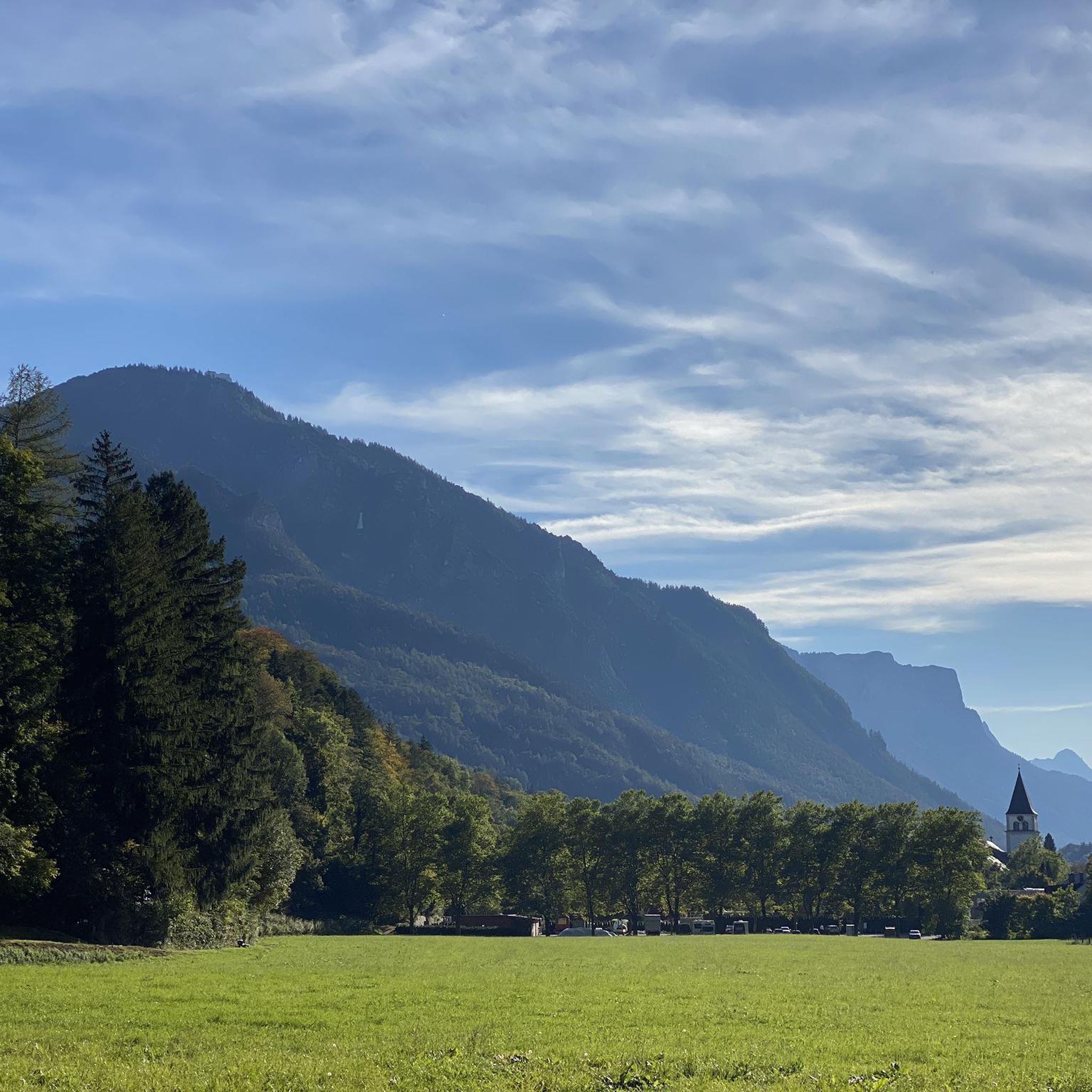
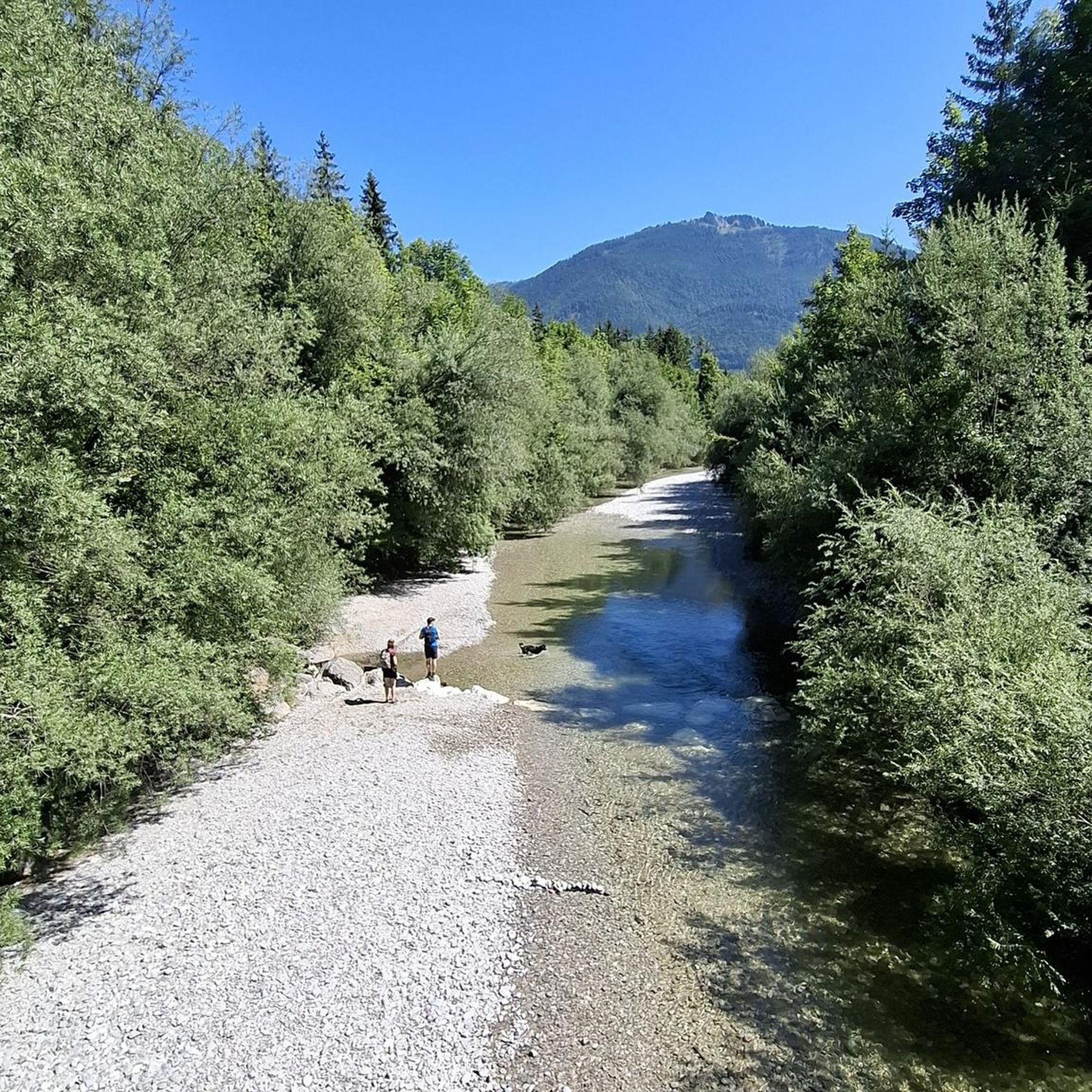
Best attractions and places to see around Kirchholz include natural features and a significant cultural site. Kirchholz, a foothill of the Lattengebirge, offers a blend of serene natural landscapes and historical points of interest. The area is characterized by its hilly, forested terrain, with parts designated as a Natura 2000 area. Visitors can explore tranquil parks and a historical grotto, making it a destination for those interested in nature and local heritage.
Best attractions and places to see around Kirchholz
…Last updated: May 25, 2026
St. Zeno Church and Cemetery (Bad Reichenhall)
Highlight • Religious Site
Translated by Google •
Tip by

Lourdes Grotto at Kirchholz
Highlight • Religious Site
The statue of Mary once stood in a Lourdes grotto in the girls' secondary school in St. Both the school and the grotto were destroyed in the bombing raid …
Translated by Google •
Tip by

Sign up now to discover places like this
Get recommendations on the best single tracks, peaks, & plenty of other exciting outdoor places.
Sign up for free
Pathway Through Karlspark
Highlight (Segment) • Trail
Translated by Google •
Tip by
Kirchholz Forest Trail
Highlight (Segment) • Trail
Translated by Google •
Tip by
Karlspark
Highlight • Forest
Translated by Google •
Tip by
Sign up for free to discover even more attractions around Kirchholz.
Sign up for free
Already have an account?
Start today with a free account
Your next adventure awaits.
Login or Signup

Tips from the Community

The Catholic parish church of Sankt Zeno (also: St. Zeno Church, formerly: Munster St. Zeno) is the largest church in the town of Bad Reichenhall in Bavaria. Today the church is the largest Romanesque basilica in old Bavaria. The parish church is under monument protection and is entered together with the monastery, the cloister and the monastery garden under the number D-1-72-114-136 in the Bavarian list of monuments. The church and monastery gave the St. Zeno community its name, which was incorporated into the town of Bad Reichenhall in 1910. The church stands on today's Salzburger Straße and is surrounded by the St. Zeno cemetery. The monastery of St. Zeno connects directly to the parish church. Source: https://de.wikipedia.org/wiki/Kirche_St._Zeno_(Bad_Reichenhall)
0
0

Anderl Hinterstoißer's grave is in the cemetery. After several successful first ascents, he and his friend Toni Kurz attempted to climb the north face of the Eiger in 1936, both of whom died there. Destiny was very sensational at the time and was filmed in 2008 for the cinema. The film was called "North Face". Hinterstoißer is portrayed here by Florian Lukas
0
0
On the tree-lore trail in Karlspark, which was set up in 1999, 20 boards provide information about various types of trees and shrubs, from normal trees to local peculiarities. Among other things, it is used by the Reichenhall schools to provide information about tree science and nature conservation.
3
0

This beautiful Lourdes grotto is located on the pilgrimage route, just after St. Zeno, just before the ascent.
0
0
Asphalted footpaths lead through the Karlspark under the old trees. Several benches invite you to linger and relax. A spring connected to the pond, the so-called Marienquelle, bubbles up in the middle of the park: healing powers are attributed to the spring.
2
0

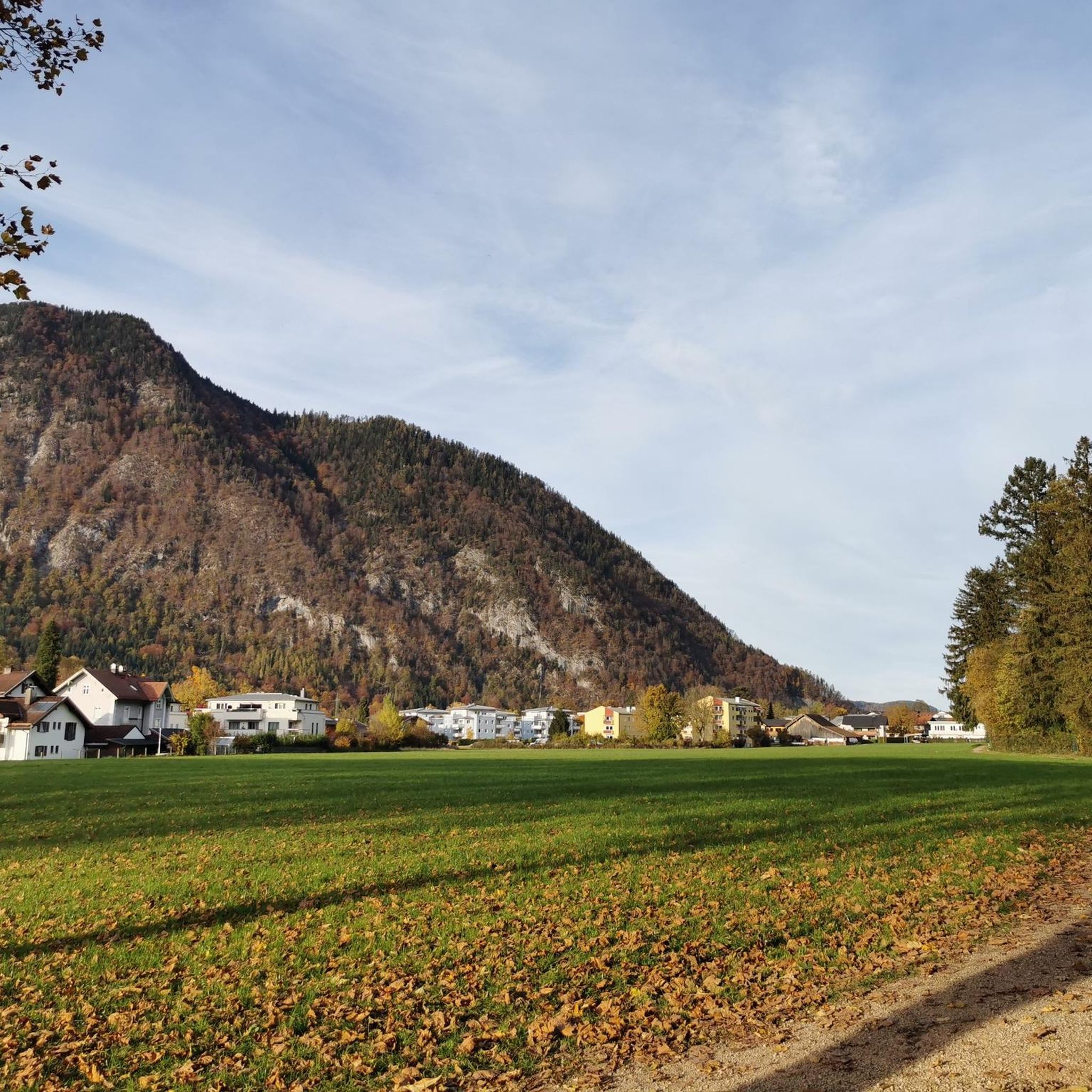
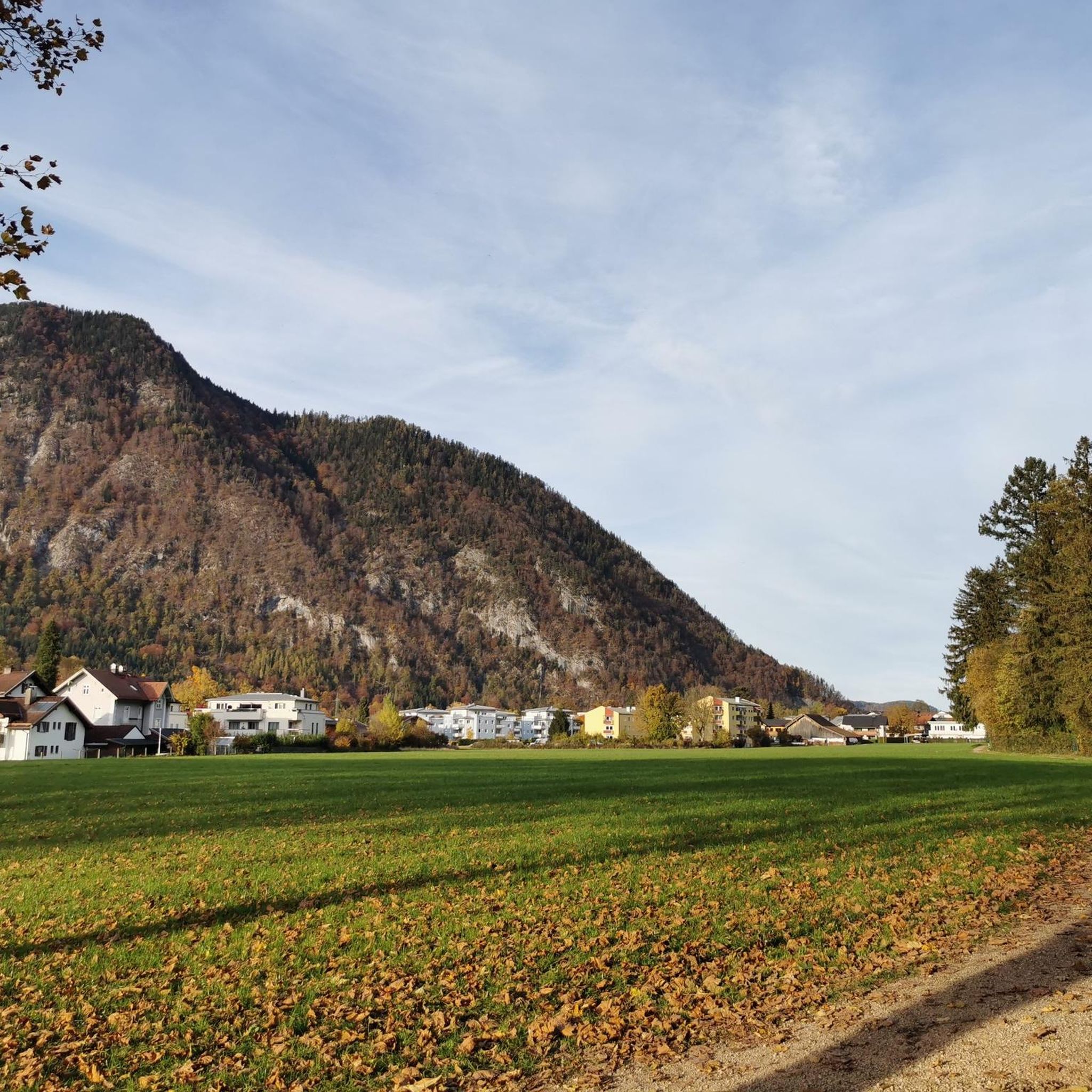
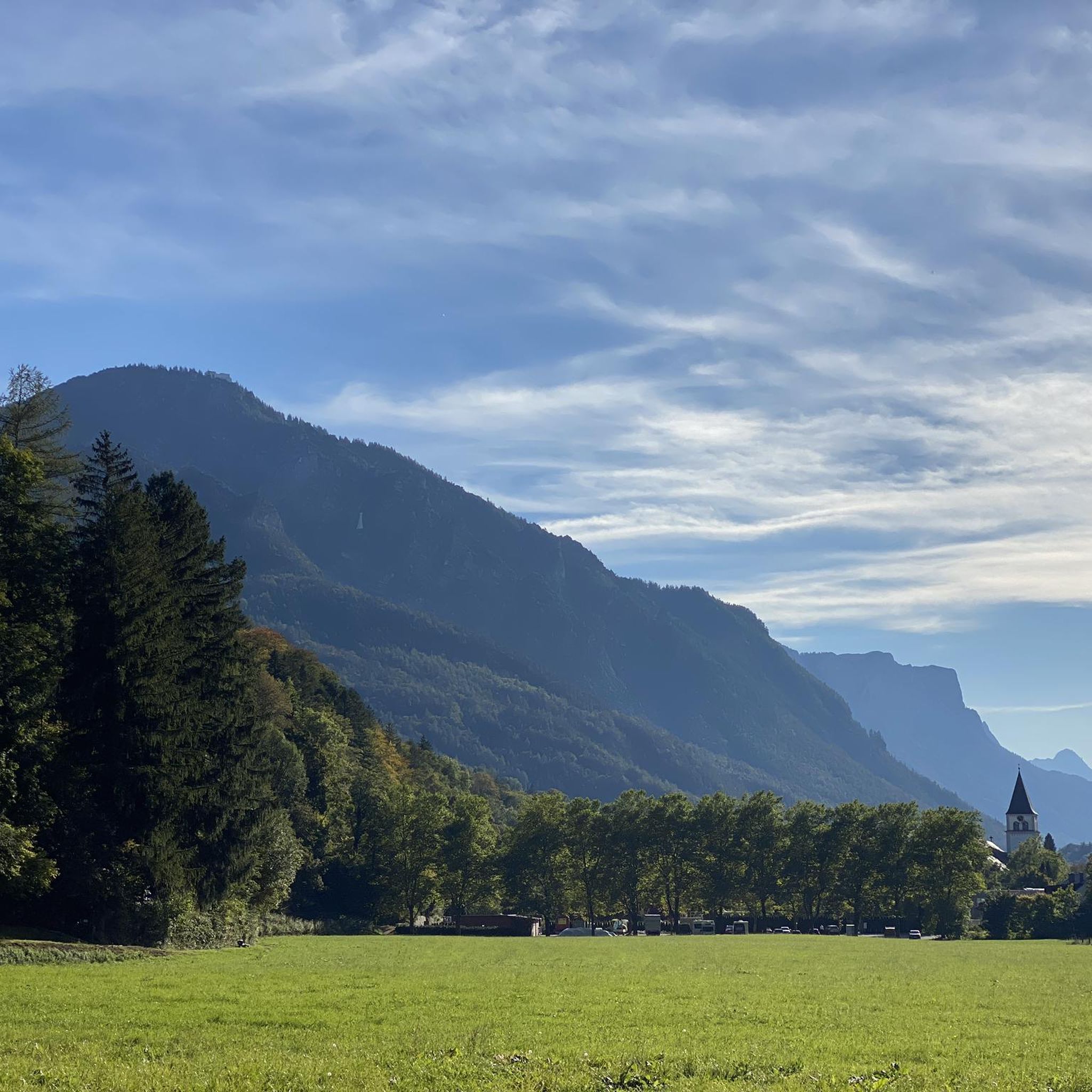
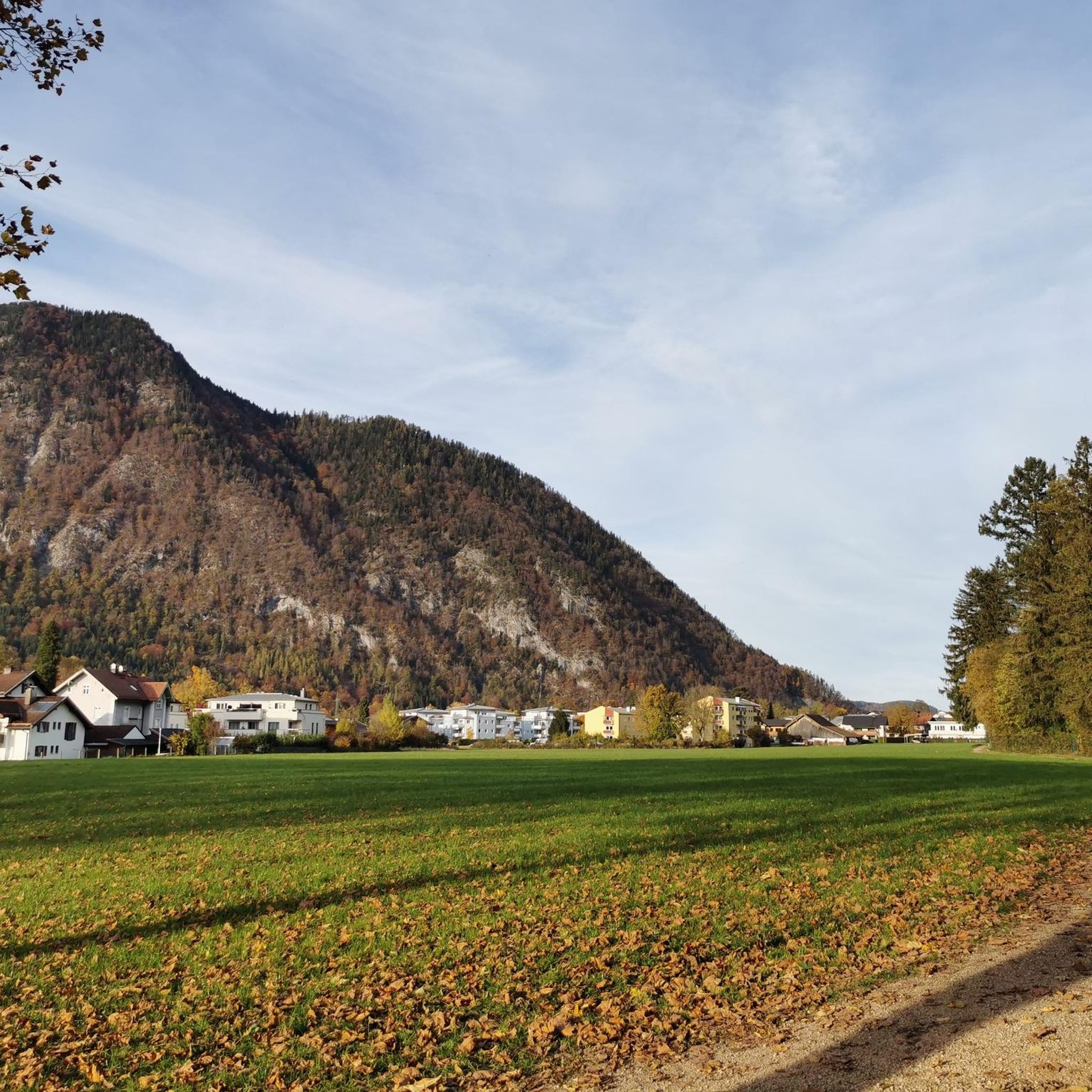
A very nice place at the foot of the Kirchholz.
0
0
This is the Karlspark, it is right in the city center.
6
0
Timeline: The statue of Mary once stood in a Lourdes grotto in the girls' secondary school in St. Both the school and the grotto were destroyed in the bombing raid on April 25th, 1945. The Madonna, however, remained intact and was moved to its current location in 1952. The grotto was built by the residents of 'Froschham' (St. Zeno) and inaugurated on March 24th, 1952. Since then, a rosary has been held there on the 13th of May to October. Description: On the western edge of Kirchholz in the district of St. Zeno, a few stairs lead from Kirchholzweg up to the Lourdes grotto. The niche in the rock, closed with iron bars in the lower area, contains a colorful figure of the Virgin in white, gold-rimmed robes and a blue, tied sash. She wears a rosary on her right arm and her hands are clasped in prayer.
0
0
Frequently Asked Questions
What natural attractions can I explore in Kirchholz?
Kirchholz offers several natural highlights. The Karlspark is the largest park in the city, featuring asphalted walking paths, old trees, and the Marienquelle spring, which is said to have healing powers. It also boasts insect-friendly flower strips and an arboriculture trail. Additionally, the Kirchholz Forest Trail provides insights into the region's geology and its designation as a Natura 2000 area.
Are there any historical or cultural sites in Kirchholz?
Yes, the Lourdes Grotto at Kirchholz is a significant cultural and historical site. Located on a pilgrimage route, it houses a colorful statue of the Virgin Mary. The grotto has a poignant history, as the statue survived a 1945 bombing raid and was moved to its current location in 1952, where residents built the new grotto.
Are there family-friendly attractions in Kirchholz?
Absolutely. The Karlspark is considered family-friendly, offering easy walking paths and an educational arboriculture trail. The Cycle Path to Weißbach is also suitable for families, providing a scenic and accessible route for bike tours between Bad Reichenhall and Weißbach.
What outdoor activities can I do near Kirchholz attractions?
The area around Kirchholz is excellent for various outdoor activities. You can find numerous options for running, hiking, and cycling. For detailed routes, explore the Running Trails around Kirchholz, Easy hikes around Kirchholz, and Mountain Hikes around Kirchholz guides.
Are there any wheelchair accessible trails in Kirchholz?
Yes, the Pathway Through Karlspark features asphalted walking paths, making it accessible for wheelchairs and strollers. It offers a relaxing experience under old trees with benches for resting.
When is the best time to visit Kirchholz attractions?
The Karlspark is particularly beautiful in early spring when over 4,000 daffodils bloom. For the Lourdes Grotto, rosaries are held monthly from May to October. Generally, spring through autumn offers pleasant weather for exploring the natural and cultural sites and enjoying outdoor activities.
What makes the Karlspark a special place to visit?
The Karlspark is special for several reasons: it's the largest park in the city, features a unique arboriculture trail with 20 boards detailing various tree and shrub types, and is home to insect-friendly flower strips and beehives, supporting local biodiversity. The Marienquelle spring also adds to its tranquil charm.
Can I go cycling near Kirchholz?
Yes, Kirchholz is an excellent starting point for bike tours. The Cycle Path to Weißbach connects Bad Reichenhall to Weißbach, offering a scenic route ideal for cycling enthusiasts. You can find more cycling options in the nearby route guides.
What do visitors enjoy most about Kirchholz?
Visitors appreciate the blend of serene natural landscapes and historical significance. The tranquil atmosphere of Karlspark, with its relaxing paths and educational tree-lore trail, is highly valued. The historical and spiritual significance of the Lourdes Grotto also draws many, particularly its peaceful setting on a pilgrimage route.
How long should I plan for a visit to the main attractions?
For a leisurely stroll through Karlspark and to explore its arboriculture trail, plan for 1-2 hours. A visit to the Lourdes Grotto is typically shorter, around 30 minutes, allowing time for reflection. If you plan to combine these with a bike ride on the Cycle Path to Weißbach, allow for a half-day or more depending on your route.
Are there any hidden gems or lesser-known spots around Kirchholz?
While not strictly 'hidden,' the detailed arboriculture trail within Karlspark, with its 20 informative boards on local trees and shrubs, is a feature many might overlook but offers a rich educational experience. The story of the Lourdes Grotto's survival and relocation also adds a deeper layer to its appeal beyond just its visual beauty.
Most popular routes around Kirchholz

Get inspired with the komoot mobile app


Explore more
Still not found the Highlight you’re looking for? See guides of the top attractions in other regions:
