Attractions and Places To See around Forêt de Tronçais - Top 10
Best attractions and places to see around Forêt de Tronçais, a national forest in central France, is known for its ancient oak trees and diverse natural landscape. Originally planted to supply the French Navy, this forest spans over 10,000 hectares. It features numerous ponds and is a significant ecological site, home to various flora and fauna.
Best attractions and places to see around Forêt de Tronçais
- The most popular attractions is Oak of the Resistance, a natural monument that is a majestic oak born around 1640, standing 41 meters high with a circumference of 3.68 meters. It was officially renamed Chêne de la Résistance in 1982 to honor those who fought against fascism.
- Another must-see spot is The Sentinel, a magnificent oak that stands as guardian of the Forest of Tronçais. It is estimated to be more than 500 years old, with a circumference of 6.5 meters and a height of 28 meters.
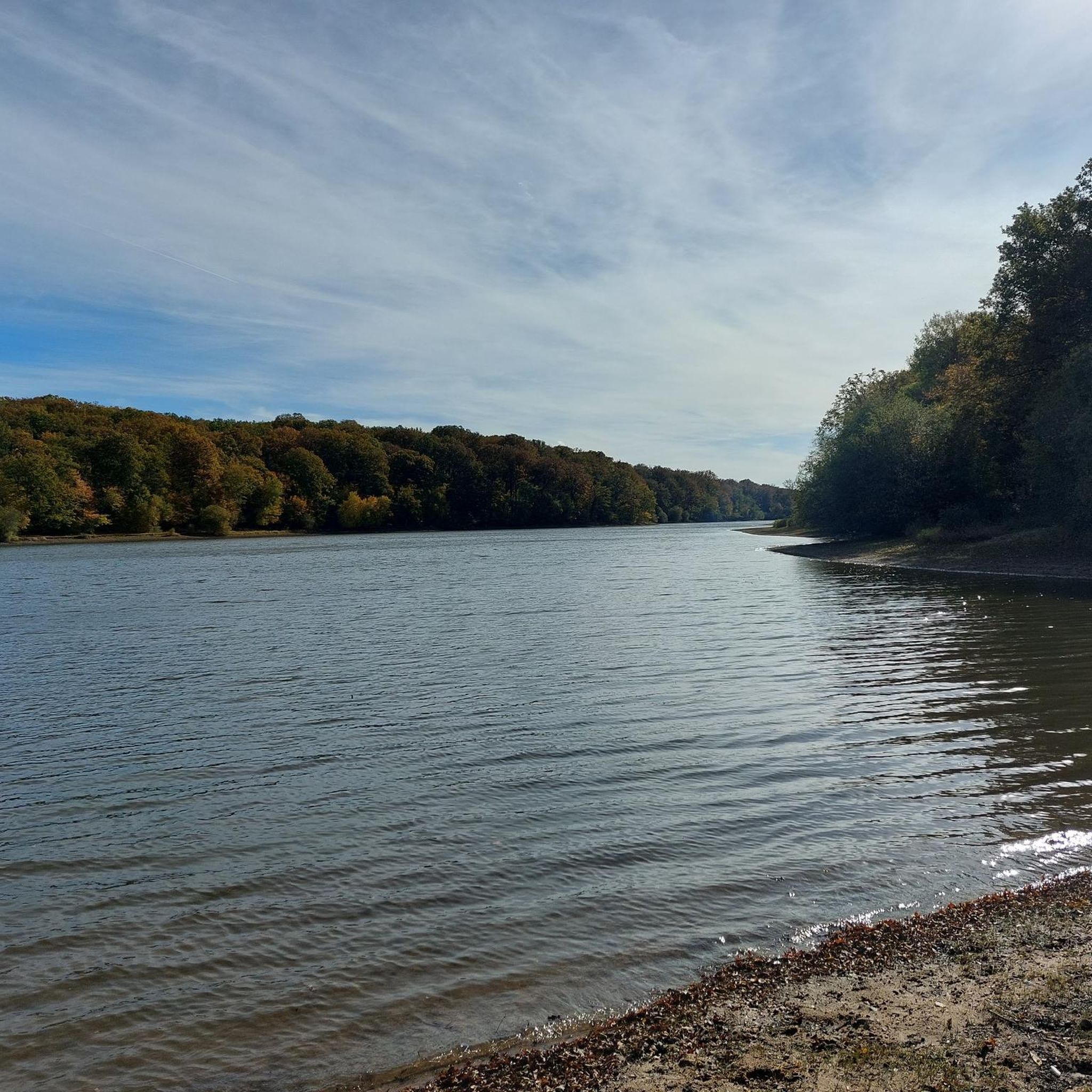
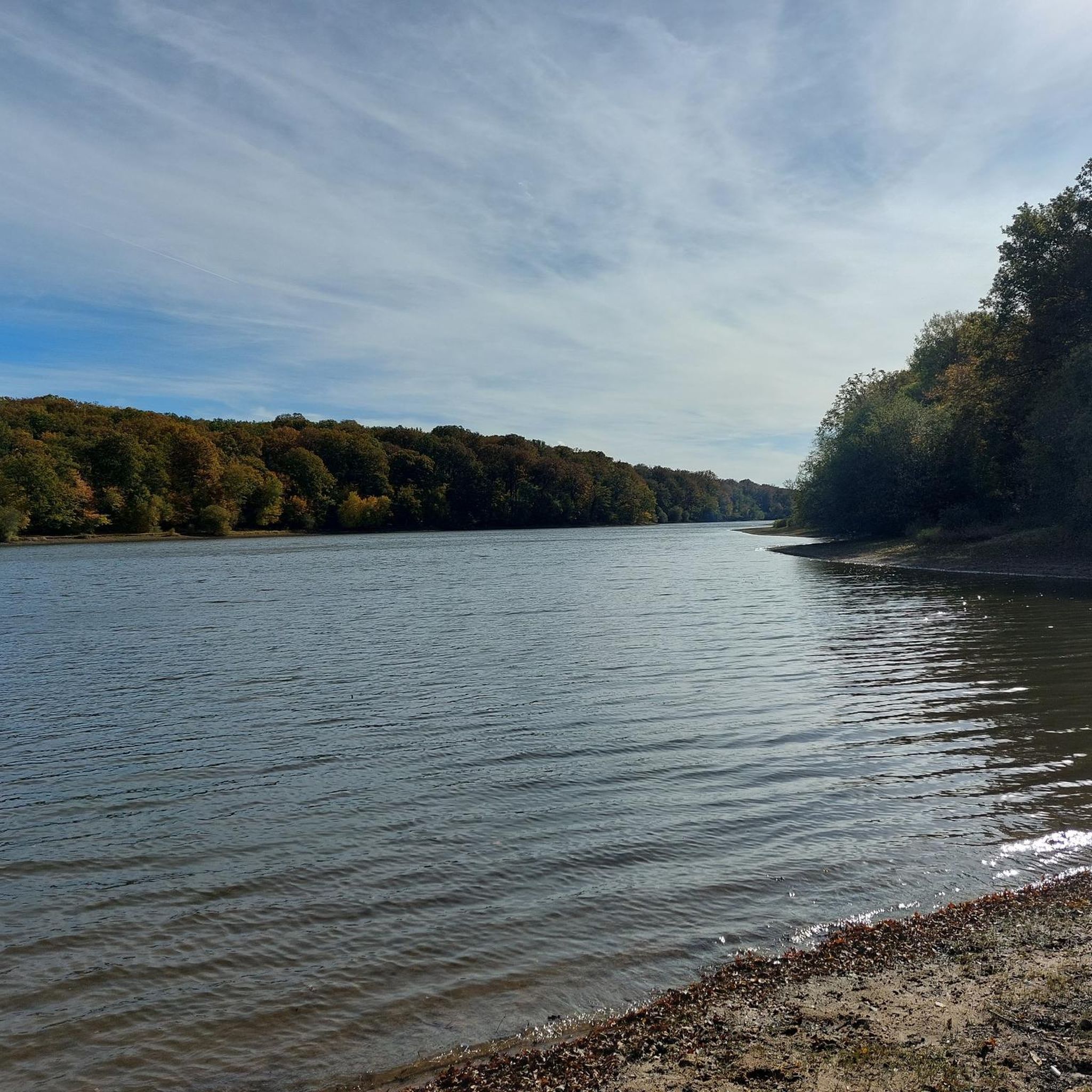
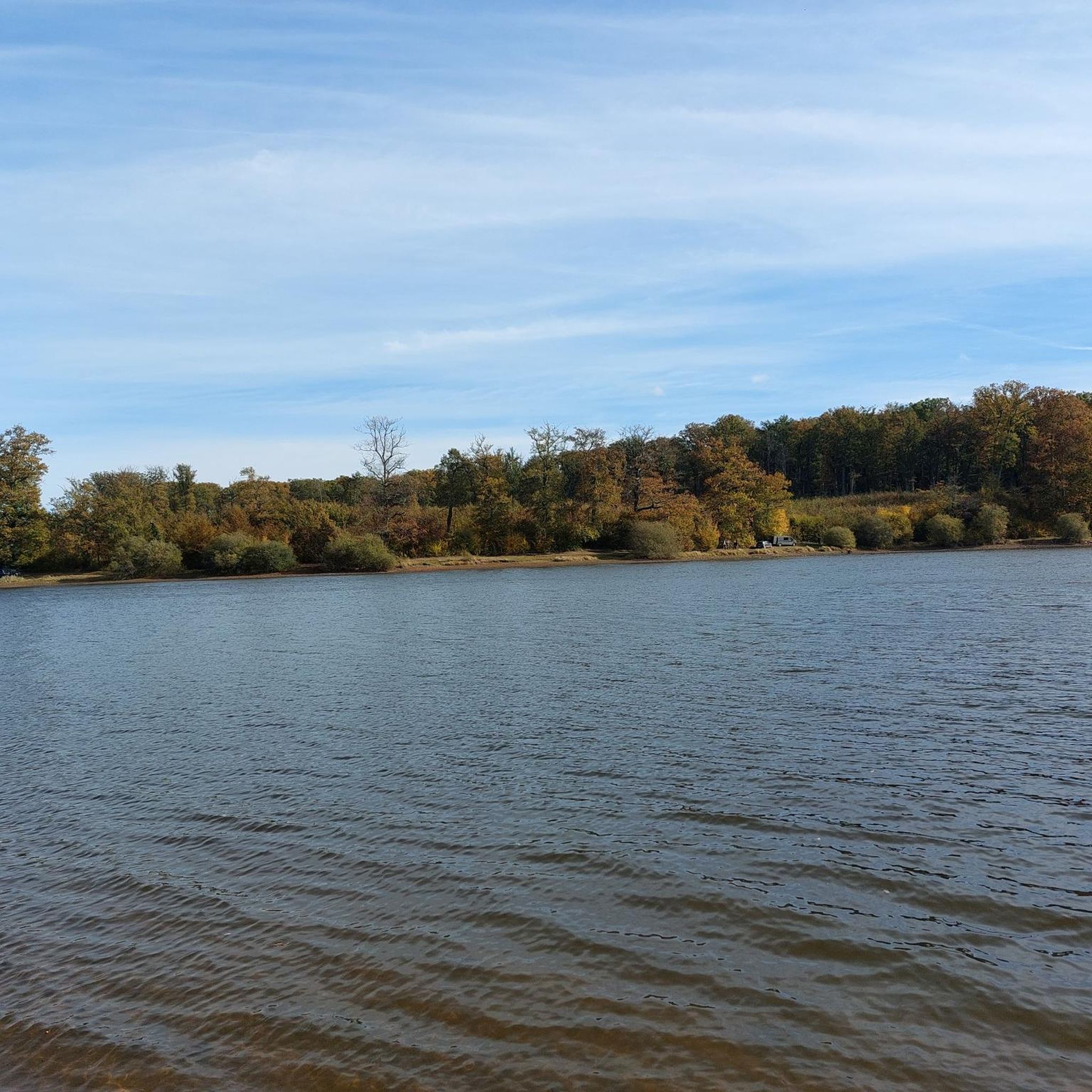
- Visitors also love Rest area, a facility on the edge of the Etang de Tronçais, an 18-hectare pond created in 1789. It offers a peaceful setting to enjoy nature and history.
- Forêt de Tronçais is known for its ancient oaks, historical sites, and numerous ponds. Visitors can explore a variety of attractions, including natural monuments and facilities for relaxation.
- The attractions around Forêt de Tronçais are appreciated by the komoot community, with more than 25 upvotes and 5 photos shared.
Last updated: May 21, 2026
Oak of the Resistance
Highlight • Natural Monument
Translated by Google •
Tip by

The Sentinel
Highlight • Other
Translated by Google •
Tip by
Sign up now to discover places like this
Get recommendations on the best single tracks, peaks, & plenty of other exciting outdoor places.
Sign up for free
Fontaine de Viljot
Highlight • Natural Monument
Translated by Google •
Tip by
Rest area
Highlight • Rest Area
Translated by Google •
Tip by
Monotrace east bank of the Etang de Tronçais🤗
Highlight (Segment) • Other
Translated by Google •
Tip by

Sign up for free to discover even more attractions around Forêt de Tronçais.
Sign up for free
Already have an account?
Start today with a free account
Your next adventure awaits.
Login or Signup

Tips from the Community

Now part of the Collection https://www.komoot.com/de-de/collection/3600632/-naturdenkmaeler-besondere-baeume-und-weitere-schaetze-der-natur
0
0

This rest area on the edge of the Etang de Tronçais, an 18-hectare pond created in 1789 by Nicolas Rambourg for his forges, is the ideal place to take a break from your run and enjoy nature and history. in a peaceful setting.
2
0
This magical and mysterious place in the Tronçais forest is a circular fountain surrounded by legends and stories, some of which date back to Gallo-Roman times. You can admire the inscription "The foresters at Velleda" on the edge of the fountain, in homage to the Germanic druidess who was venerated as the goddess of the forest. You can also try your luck by throwing a coin or a pin into the water, as some traditions say this will allow you to make a wish or get married. And if you're brave enough, you can visit the fountain at midnight on Christmas Eve, where some say you can hear the bells and moans of buried monks who have been punished for their sins.
3
1
This rest area on the edge of the Tronçais pond, an 18-hectare pond created in 1789 by Nicolas Rambourg for his forges, is the ideal place to enjoy nature and history in a peaceful setting.
3
0
La Sentinelle is a magnificent oak that stands as guardian of the Forest of Tronçais, one of the most beautiful forests in France. It is the largest and probably one of the oldest oaks in the forest, with a circumference of 6.5 meters and a height of 28 meters. Its age is estimated at more than 500 years. It marks a border in the forest, when planted it was the border of the royal forest.
3
0
The Resistance Oak of the Tronçais Forest is a majestic oak, born around 1640. It has witnessed many events in the history of France. It was first named after Marshal Pétain, leader of the collaborationist Vichy regime, in 1940. But in 1944, three loggers secretly replaced the plaque with the name of Gabriel Péri, a French patriot executed by the Nazis. In 1982, the tree was officially renamed Chêne de la Résistance, to honor the courage of those who fought against fascism. You can admire this giant 41 meters high and 3.68 meters in circumference, surrounded by a wooden fence, in the heart of the Futaie Colbert, a protected area of ancient forest. It is a remarkable example of nature's resilience and beauty.
4
0

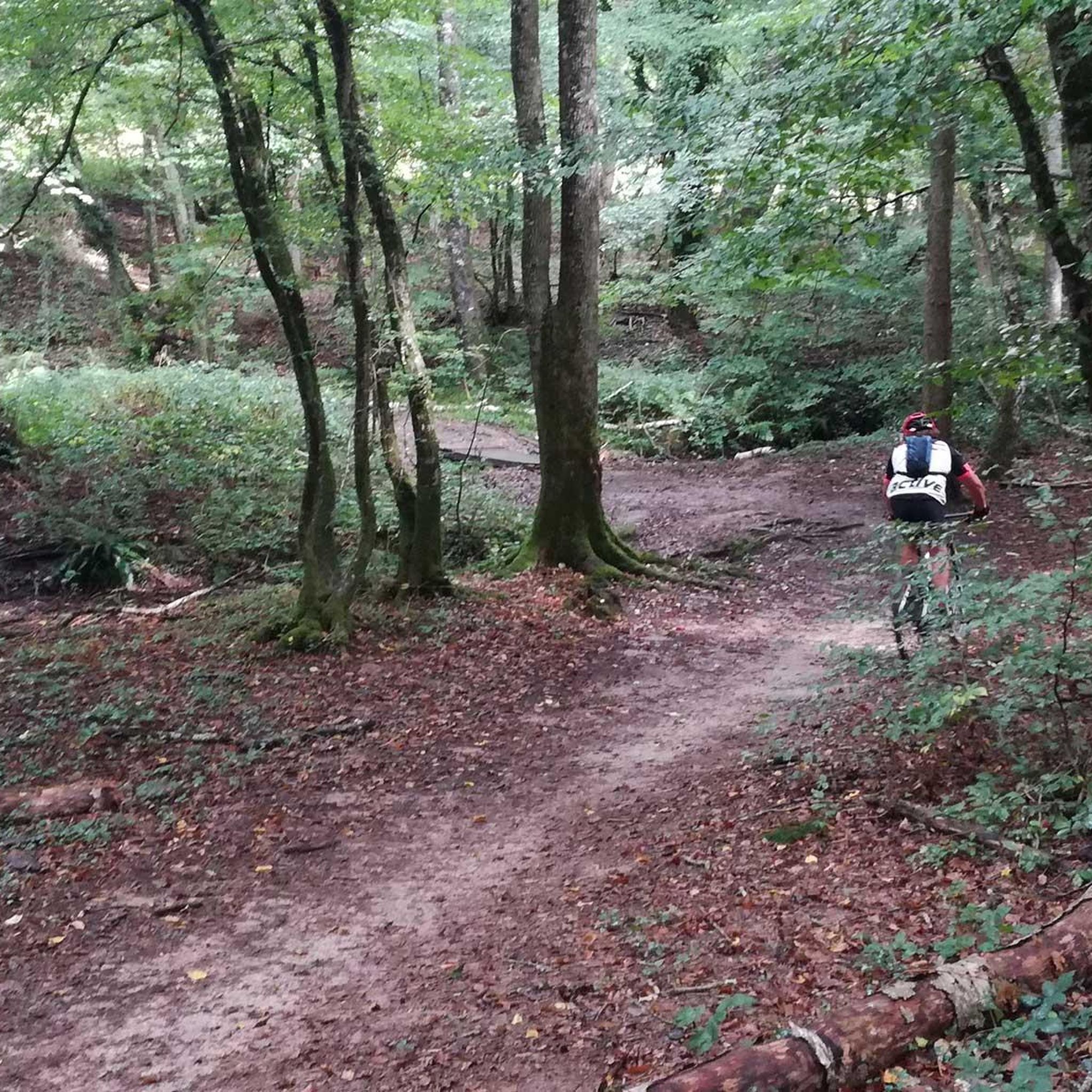
A clean and rolling single track, without technical difficulty. Enjoy the beauty of the place by keeping an eye on the trail and on other users.
1
0

The Viljot fountain is the most famous fountain in Tronçais. It is located near a Gallo Roman site; its name comes from Villa Jovis (Villa of Jupiter). During the development of this source in 1900, the foresters engraved on the coping “The foresters at Velleda”. Velleda, a 1st century German druidess, had been brought back into fashion by 19th century romanticism and was considered the goddess of foresters. A legend tells that a convent and a church rose in these places and were engulfed because of the sacrileges carried out by the monks who lived there.
1
0
Frequently Asked Questions
What are the most remarkable trees to see in Forêt de Tronçais?
Forêt de Tronçais is renowned for its ancient and majestic oak trees. Among the most famous are the Oak of the Resistance, a 41-meter-high oak born around 1640 with significant historical ties, and The Sentinel, a magnificent oak estimated to be over 500 years old. You can also find the Chêne Stebbing, a 400-year-old giant, and explore the Futaie Colbert II, a protected area with many centuries-old specimens.
What natural features can I explore in Forêt de Tronçais?
Beyond its famous oaks, Forêt de Tronçais features approximately 130 hectares of ponds, including Étang de Saint-Bonnet, Étang de Tronçais, and Étang de Pirot, which offer peaceful settings and recreational activities. The forest is also a significant ecological site, home to diverse flora and fauna, including stags, roe deer, wild boars, and various bird species.
Are there any significant ponds or lakes in the forest for recreation?
Yes, the forest is dotted with several beautiful ponds. The Étang de Saint-Bonnet is a popular spot with a leisure center offering supervised bathing, pedaloes, mini-golf, and fishing during summer. The Rest area on the edge of the Étang de Tronçais provides a tranquil setting to enjoy nature and history. Étang de Pirot is another vast pond, perfect for nature lovers seeking peace.
What historical sites or cultural landmarks can I find in Forêt de Tronçais?
The forest holds several points of historical and cultural interest. The Fontaine de Viljot is a magical circular fountain steeped in legends, some dating back to Gallo-Roman times. The Oak of the Resistance itself carries a powerful historical narrative. Additionally, you can find the 12th-century Romanesque Chapelle Saint-Mayeul, offering panoramic views, and remnants of the historic Forges de Tronçais.
Are there family-friendly activities or attractions in Forêt de Tronçais?
Absolutely! The Étang de Saint-Bonnet is particularly family-friendly, offering a leisure center with supervised bathing, water slides, mini-golf, and children's games during the summer. Many of the forest's natural monuments, like the Oak of the Resistance and Fontaine de Viljot, are accessible and engaging for all ages. The Sentier Colbert II also offers an educational trail suitable for families.
What outdoor activities are popular around Forêt de Tronçais?
Forêt de Tronçais is a fantastic destination for various outdoor activities. You can enjoy extensive networks of paths for walking, hiking, mountain biking, and horse-riding. The ponds are ideal for swimming, fishing, and other water sports. In autumn, mushroom-picking is popular, and visitors can experience the renowned bellowing of the stags. For detailed routes, explore the Hiking around Forêt de Tronçais, MTB Trails around Forêt de Tronçais, and Road Cycling Routes around Forêt de Tronçais guides.
Are there good hiking trails in Forêt de Tronçais?
Yes, Forêt de Tronçais offers numerous hiking opportunities. Popular routes include the 'Remarkable Oaks of Tronçais Forest Loop' (7.5 km, moderate) and the 'Fontaine de Viljot and Étang de Pirot — loop in the Tronçais forest' (13.2 km, moderate). These trails allow you to discover the ancient oaks and serene ponds. Find more options in the Hiking around Forêt de Tronçais guide.
Can I go cycling or mountain biking in the forest?
Absolutely! Forêt de Tronçais provides excellent conditions for both road cycling and mountain biking. You can find routes like the 'Tronçais🤗 pond dike – Tronçais Pond loop' for mountain biking (30 km, moderate) or the 'Informative trail – Saint-Bonnet-Tronçais Pond loop' for road cycling (45.9 km, moderate). Explore more routes in the MTB Trails around Forêt de Tronçais and Road Cycling Routes around Forêt de Tronçais guides.
When is the best time to visit Forêt de Tronçais?
The best time to visit depends on your interests. Summer is ideal for enjoying the ponds and their leisure activities. Autumn is particularly magical, offering vibrant foliage and the unique experience of hearing the bellowing of the stags. Spring brings fresh greenery and blooming flora, while the forest has a serene beauty in winter, though some facilities may be closed.
What kind of wildlife can I expect to see in Forêt de Tronçais?
Forêt de Tronçais is a rich habitat for diverse wildlife. You might spot large mammals like stags, roe deer, and wild boars. Birdwatchers can look out for tawny owls, common buzzards, and even booted eagles. The forest is also home to numerous species of bats and insects, making it a significant ecological site for biodiversity.
What do visitors enjoy most about Forêt de Tronçais?
Visitors frequently praise the forest's ancient and majestic oak trees, especially the historically significant Oak of the Resistance and the impressive The Sentinel. The peaceful setting of the ponds, like the Rest area on Étang de Tronçais, is also highly appreciated for relaxation and connecting with nature. The clean, rolling single tracks, such as the Monotrace east bank of the Etang de Tronçais, are popular among cyclists.
Are there any educational trails in the forest?
Yes, the Sentier Colbert II, located within the Futaie Colbert II, offers an educational trail. This trail allows visitors to delve into the history of the old oak forest and learn about its management and ecological significance, providing insights into its unique heritage.
Most popular routes around Forêt de Tronçais

Get inspired with the komoot mobile app


Explore more
Still not found the Highlight you’re looking for? See guides of the top attractions in other regions:
