Attractions and Places To See around Savelsbos - Top 18
Best attractions and places to see around Savelsbos include a captivating nature preserve in South Limburg, Netherlands. This national nature reserve is characterized by lush woodlands and undulating terrain, offering a rich blend of natural features and historical sites. Visitors can explore ancient flint mines, geological formations, and diverse ecosystems. The area provides numerous opportunities for outdoor activities amidst its varied landscape.
Best attractions and places to see around Savelsbos
- The most popular attractions is Beautiful climb with a view…
Last updated: October 9, 2026
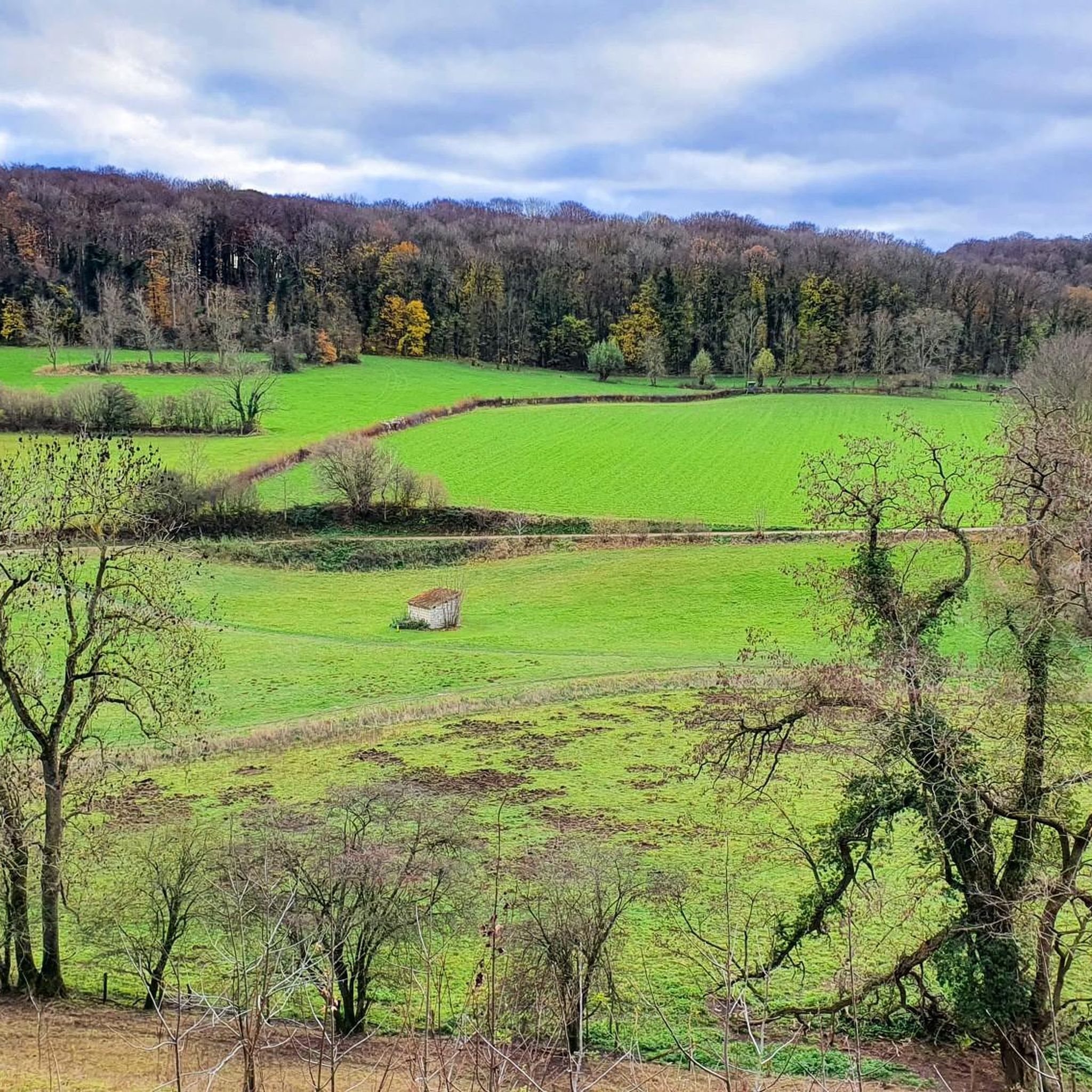
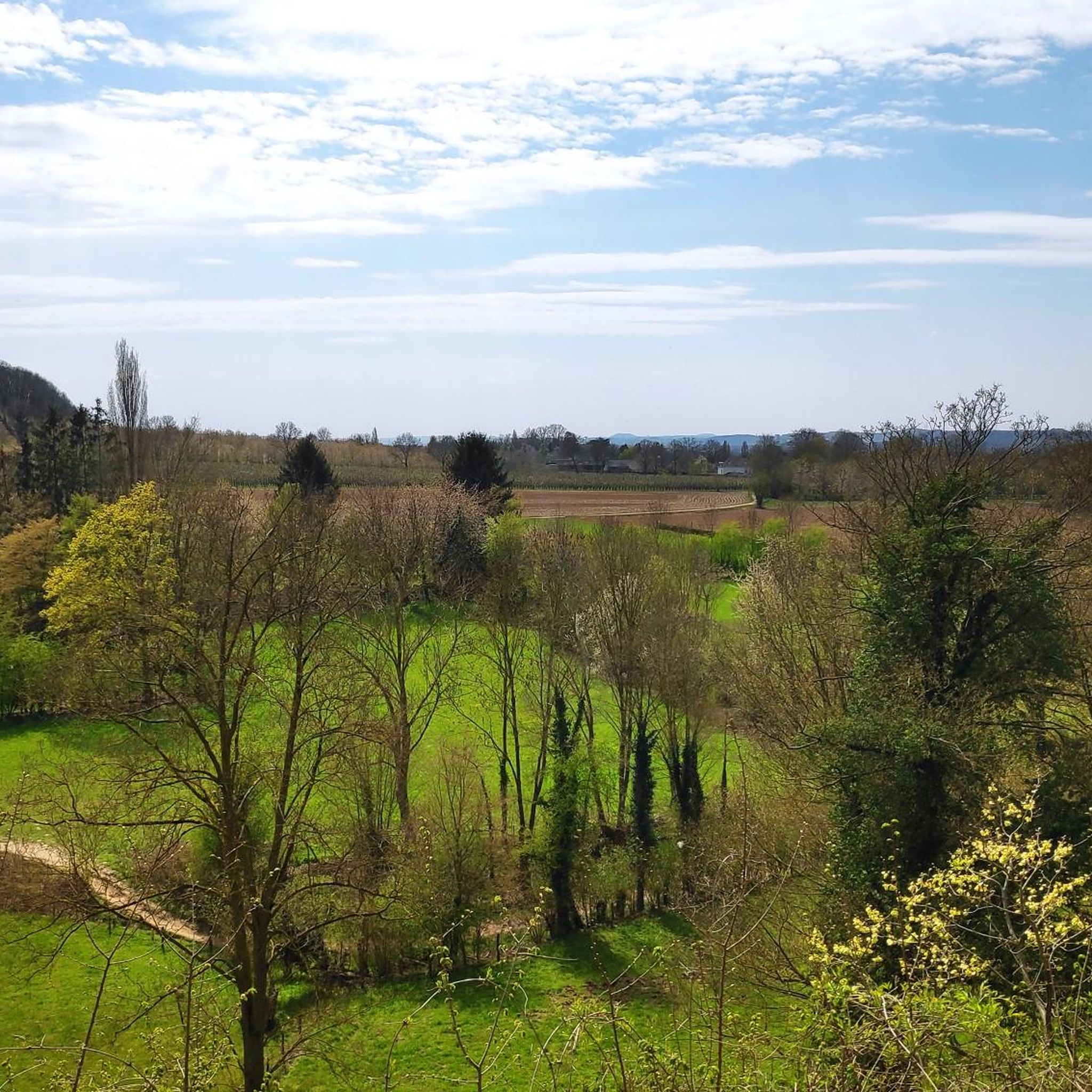
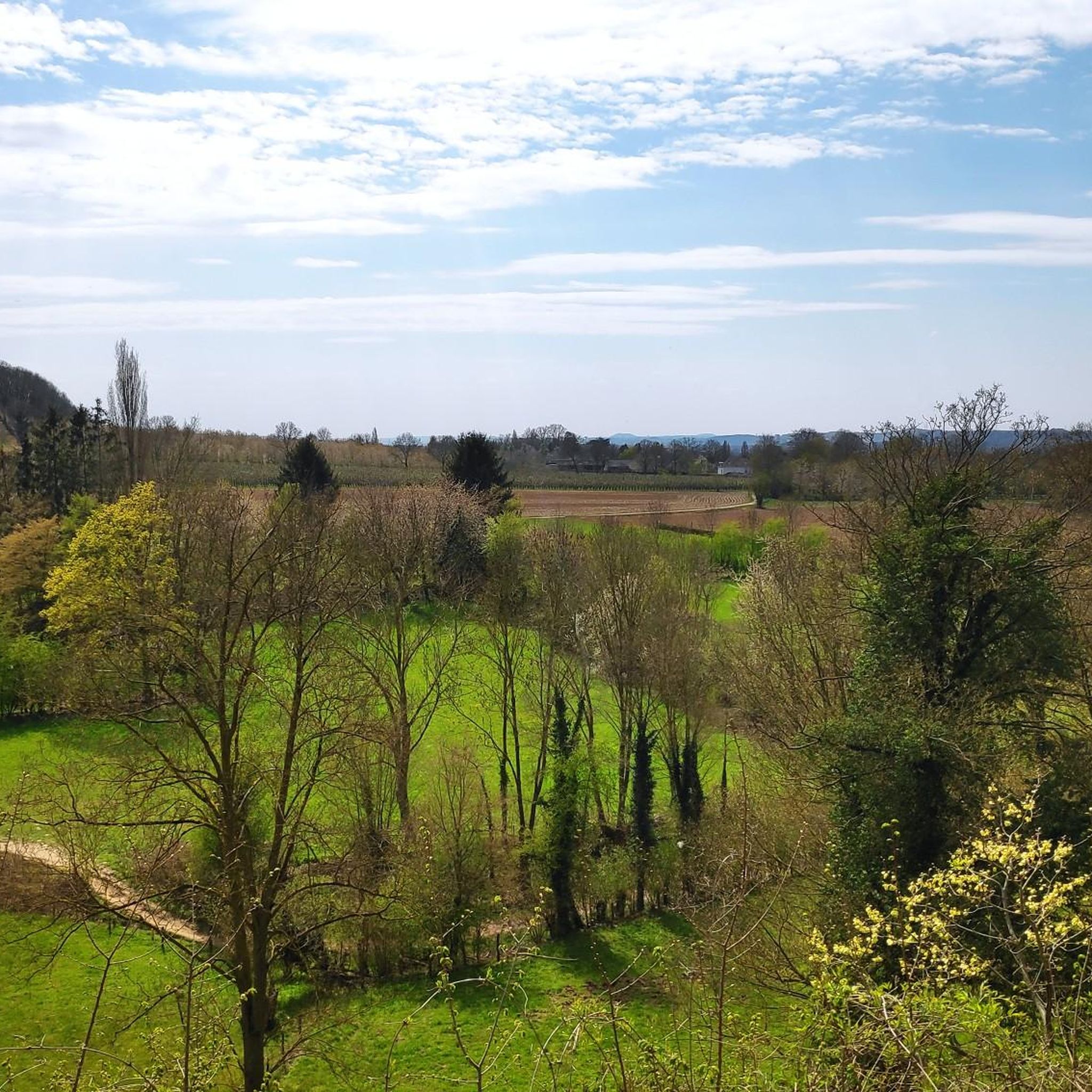
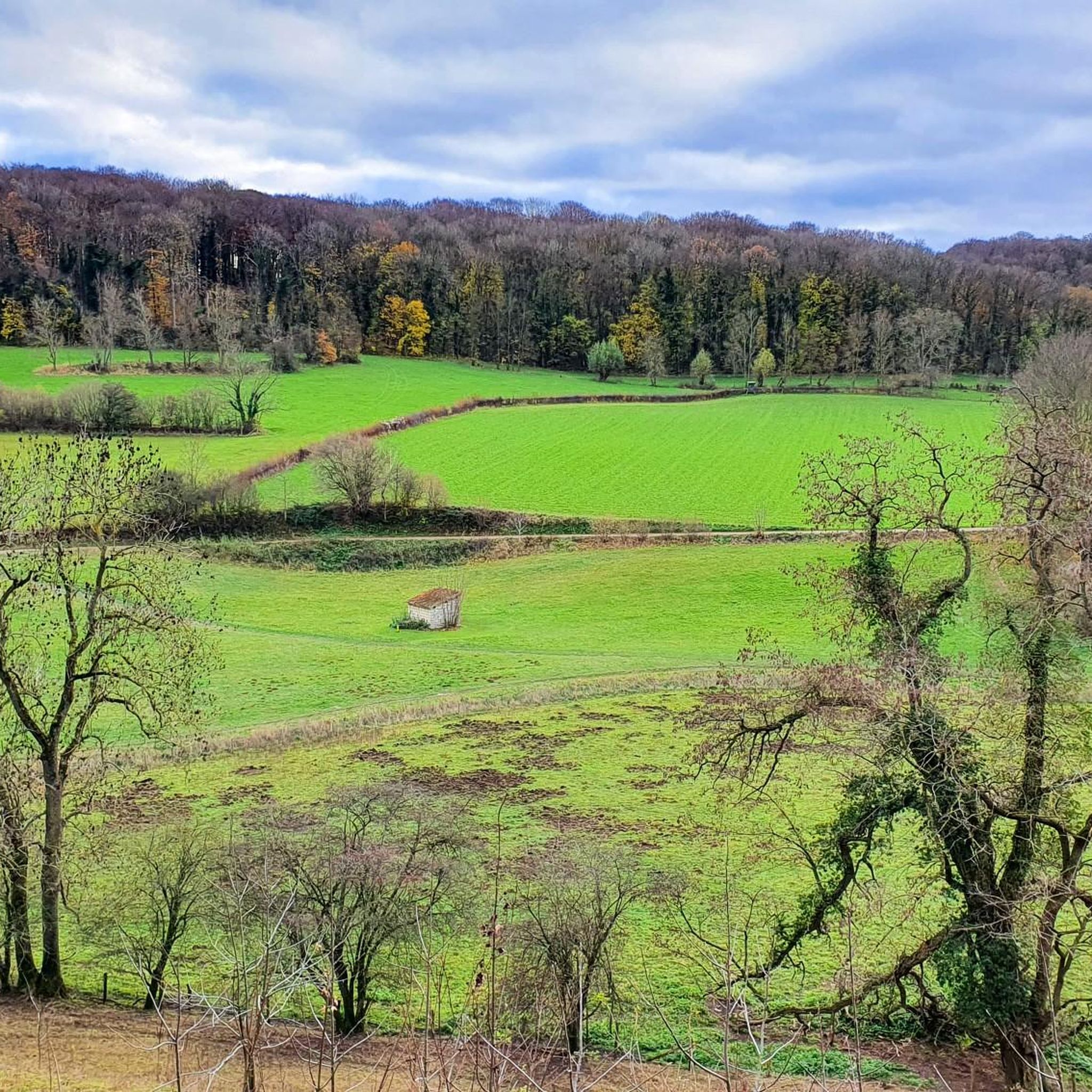
Beautiful climb with a view over the valley of Gronsveld
Highlight • Climb
Translated by Google •
Tip by

House De Beuk (Savelsbos)
Highlight • Monument
Translated by Google •
Tip by

Sign up now to discover places like this
Get recommendations on the best single tracks, peaks, & plenty of other exciting outdoor places.
Groeve de Hel
Highlight • Cave
Translated by Google •
Tip by
Savelsbos: Forest and Prehistoric Flint Mines
Highlight • Forest
Translated by Google •
Tip by
Riesenberg Quarry
Highlight • Cave
Translated by Google •
Tip by
Sign up for free to discover even more attractions around Savelsbos.
Already have an account?
Start today with a free account
Your next adventure awaits.

Tips from the Community

Also here old quarries can be admired, the quarries are fenced off so that no one can enter them for their own safety
1
0
One of the old quarries in the Savelsbos and the surrounding area
1
0
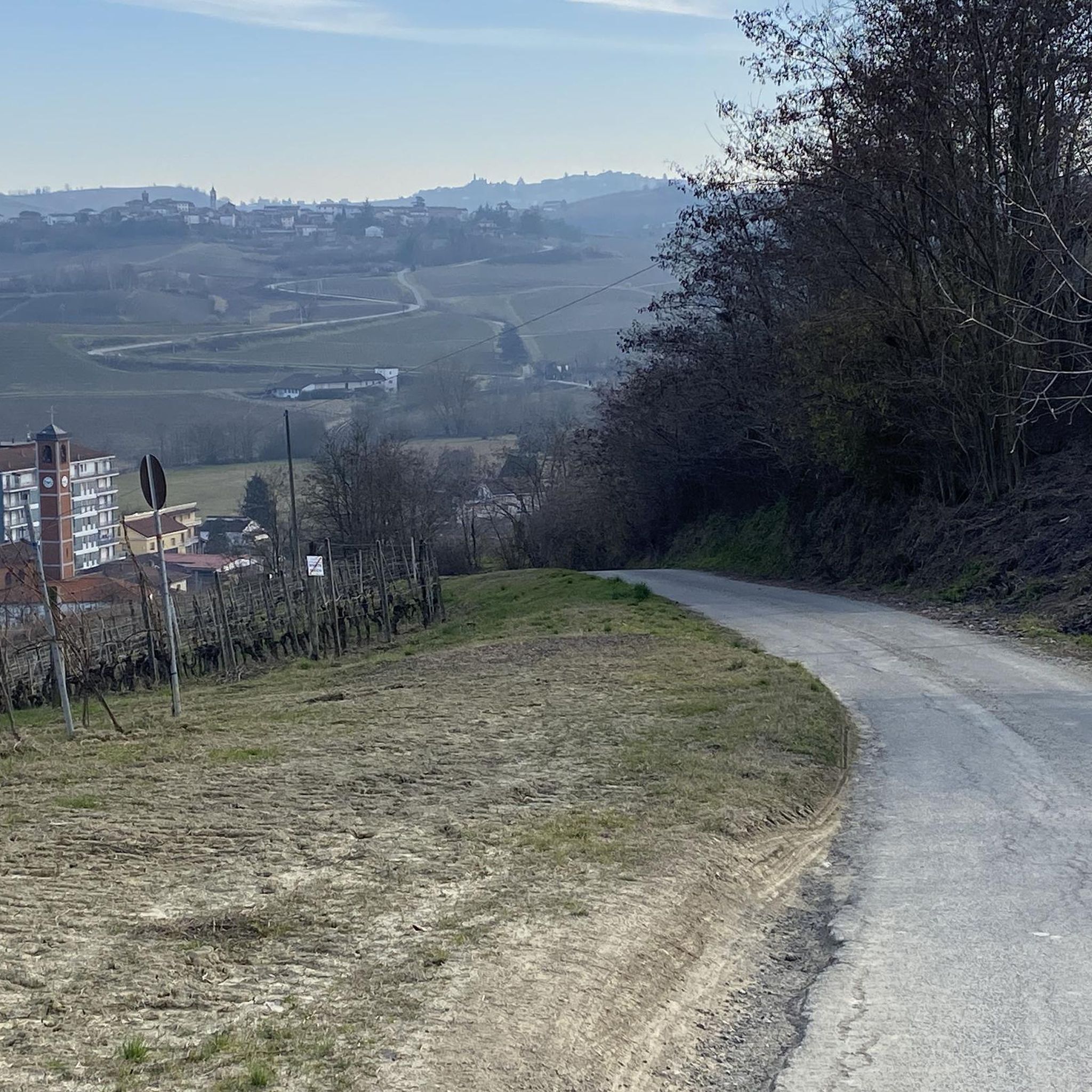
The narrow path starts at the bottom, at the foot of the slope. After a considerable climb over the long, narrow path, you will be rewarded with a beautiful view of the surroundings and the quarries where the path leads.
0
0

Huis De Beuk is a building in the Savelsbos forest, located in the Dutch municipality of Eijsden-Margraten. The white building is situated northeast of the village of Gronsveld, on a spur of the Wijngaardsberg/Riesenberg, on the edge of the Margraten Plateau. From this location, there is a view of the Meuse Valley to the west. South of Huis De Beuk, the Termaardergrub flows into the Meuse Valley.
0
0

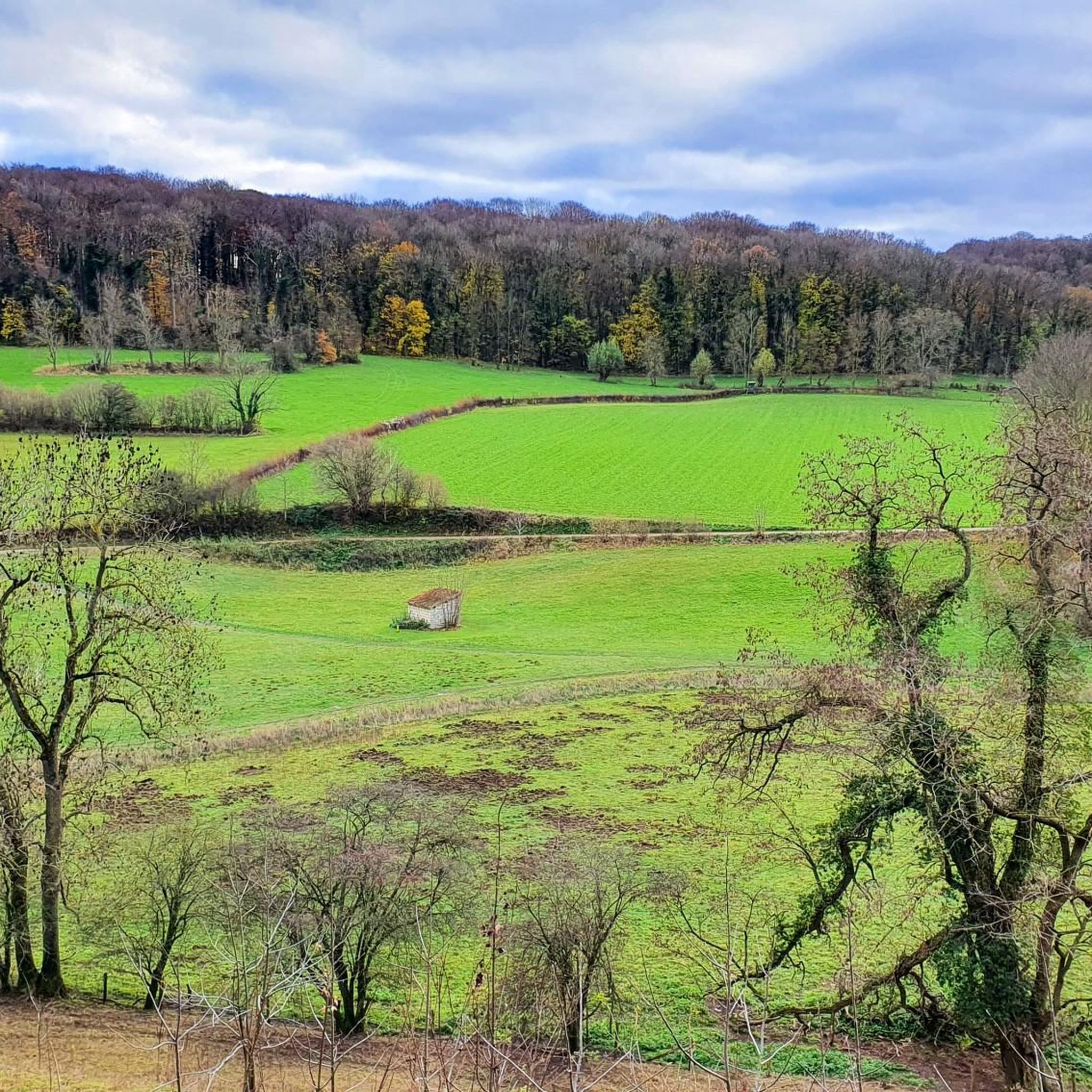
A very beautiful forest. If you use the designated paths, you'll enjoy beautiful views of the Meuse Valley from the edge of the forest. The remains of old quarries provide further variety.
0
0


These limestone quarries are located above the Wijngaardsberg on the path to the former forester's house. They were already quarries in the Middle Ages. However, they had a bad reputation despite the maze of underground passages in which countless blocks of limestone were cut. The rock was poor and difficult to unlock due to a lot of flint. But limestone was popular and so they continued. Among other things, marl from these quarries was used in the construction of the cathedral in Utrecht. More recently, some of the older passages have been used for growing mushrooms. In 1963, this was also stopped and the quarries were closed off with the exception of a few entrances for bats. Source: information board at Huis De Beuk.
6
0
At the top is the old forester's house Huis De Beuk and there you really have a lookout point with a bench to enjoy after this fairly easy climb with beautiful views, the quarry and the house itself.
6
2
Frequently Asked Questions
What natural features can I explore in Savelsbos?
Savelsbos is rich in natural features, including lush woodlands with diverse flora like wild garlic and the northernmost habitat for almond spurge. You'll also find unique 'grubben' or hollow paths formed by rainwater, and significant elevation changes with steep slopes. Don't miss the geological monument at Trichterberggroeve Limestone Quarry, which showcases limestone and marl formations.
Are there historical sites to visit in Savelsbos?
Yes, Savelsbos is home to several historical sites. Most notably, you can explore ancient flint mines, where tools were extracted approximately 7,500 years ago, as highlighted at Savelsbos: Forest and Prehistoric Flint Mines. There are also remnants of old marl pits and quarries, and even Roman-era wine terraces visible on the slopes. You can also see Huis De Beuk, an old forester's house with historical significance.
What kind of hiking trails are available in Savelsbos?
Savelsbos offers a variety of walking and hiking routes suitable for different skill levels, from easy family-friendly trails to more challenging paths. These routes lead through ancient woodlands, hollow paths, and past historical sites, providing diverse scenery and opportunities to explore. For specific routes and their difficulties, you can check out the Mountain Hikes around Savelsbos guide.
Is Savelsbos suitable for families with children?
Yes, Savelsbos is generally suitable for families. Many trails are family-friendly, offering opportunities to explore nature and history together. The diverse wildlife and unique geological features like the flint mines can be particularly engaging for children. The Trichterberggroeve Limestone Quarry is also listed as family-friendly.
What wildlife might I encounter in Savelsbos?
Savelsbos is a haven for diverse wildlife. It's known for housing the largest badger population in the Netherlands, and you might spot their setts. Rare animals like stoats, polecats, hazel dormice, and slowworms also inhabit the preserve. Birdwatchers can look out for over 70 different bird species, including the green woodpecker and the wryneck.
What are the best viewpoints in Savelsbos?
The varied landscape of Savelsbos offers several stunning viewpoints. One popular spot is the Beautiful climb with a view over the valley of Gronsveld, which provides panoramic views of the South Limburg hills and even distant views of Maastricht. At the top, you'll find Huis De Beuk and a bench to enjoy the scenery.
When is the best time of year to visit Savelsbos?
Savelsbos offers unique beauty throughout the year. May is particularly special due to the spectacular and widespread bloom of wild garlic, which fills the air with its distinctive aroma. Autumn also provides a beautiful experience with changing foliage. The microclimate of the hollow paths can offer unique conditions depending on the season.
What outdoor activities, besides hiking, can I do around Savelsbos?
Beyond hiking, the area around Savelsbos is excellent for various outdoor activities. You can enjoy cycling, with routes like the '19th-century Waerachtig Gate – Pater Vinck Tower loop' available in the Cycling around Savelsbos guide. Gravel biking is also popular, with routes such as the 'Grubweg Gravel Path (Wolfskop) – Limburgerstraat Dirt Path loop' detailed in the Gravel biking around Savelsbos guide.
What makes the Savelsbos flint mines significant?
The prehistoric flint mines in Savelsbos are one of its most significant historical features. First discovered in 1881, these mines consist of hundreds of small pits where people extracted flint approximately 7,500 years ago to create tools. They offer a fascinating glimpse into ancient human activity and craftsmanship in the region.
What are 'hollow paths' or 'grubben' in Savelsbos?
The 'grubben' are a distinctive feature of the Savelsbos landscape. These are narrow, steep, and often straight dry valleys formed by rainwater erosion over centuries. Historically, they served as connecting routes between villages. They create a unique microclimate, supporting special plant life, and add to the area's rugged charm.
Are there any cafes or pubs near Savelsbos for refreshments?
While the guide focuses on attractions within and immediately around Savelsbos, the surrounding villages in South Limburg offer various amenities. You can typically find cafes and pubs in nearby towns like Gronsveld or Eijsden-Margraten, which are easily accessible from the nature preserve.
What do visitors particularly enjoy about the attractions around Savelsbos?
Visitors frequently praise the beautiful views, especially from spots like the Beautiful climb with a view over the valley of Gronsveld, where they appreciate the opportunity to rest and enjoy the scenery. The historical significance of sites like the flint mines and the unique geological formations of the quarries are also highly valued. Many enjoy the peaceful forest environment and the chance to encounter diverse flora and fauna.
Most popular routes around Savelsbos
Most popular attractions around Savelsbos

Get inspired with the komoot mobile app


Explore more
Still not found the Highlight you’re looking for? See guides of the top attractions in other regions:
