Attractions and Places To See around Hoher Keller - Top 20
Best attractions and places to see around Hoher Keller, located in northern Hesse, Germany, offer a diverse range of natural and historical points of interest. This region is recognized as a natural forest and a Fauna-Flora-Habitat (FFH) area, forming part of the Kellerwald low mountain range. Visitors can explore its botanical diversity, unique ecosystems like boulder fields and bogs, and significant elevations such as the Wüstegarten. The area provides opportunities to experience the easternmost foothills of the Rhenish Slate Mountains…
Last updated: May 9, 2026
Kellerwald Tower on the Wüstegarten
Highlight • Viewpoint
Translated by Google •
Tip by

Summit Cross on Exhelmer Stein
Highlight • Summit
Translated by Google •
Tip by
Sign up now to discover places like this
Get recommendations on the best single tracks, peaks, & plenty of other exciting outdoor places.
Sign up for free
Mausefalle Rock Formation
Highlight • Natural Monument
Translated by Google •
Tip by

Ruins of Löwenstein Castle
Highlight • Castle
Translated by Google •
Tip by
Ring Wall at Wüstegarten
Highlight • Historical Site
Translated by Google •
Tip by

Sign up for free to discover even more attractions around Hoher Keller.
Sign up for free
Already have an account?
Start today with a free account
Your next adventure awaits.
Login or Signup
Popular around Hoher Keller
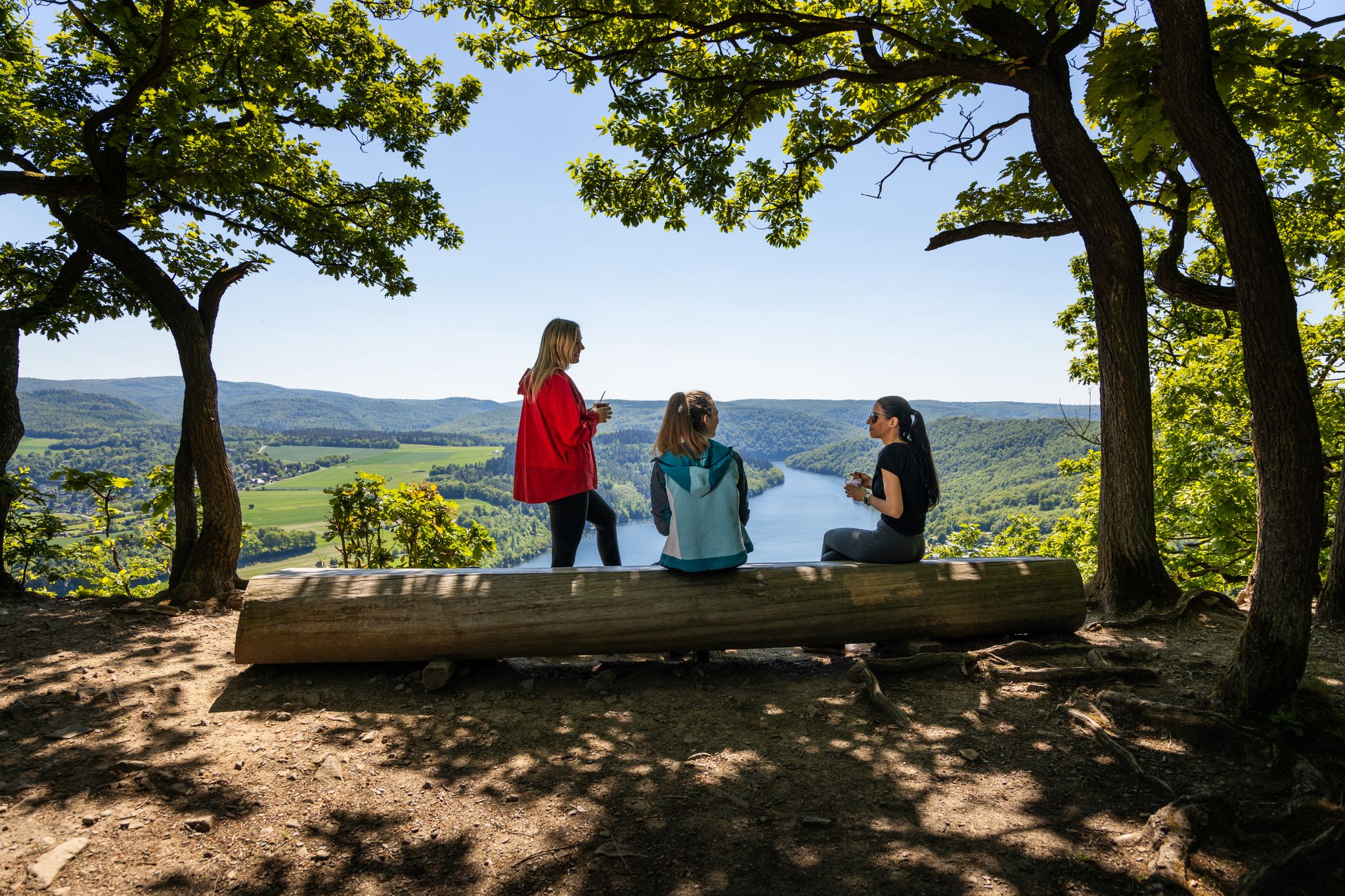
Versteckte Pfade & weite Blicke: Unterwegs auf den Kellerwald-Juwelen
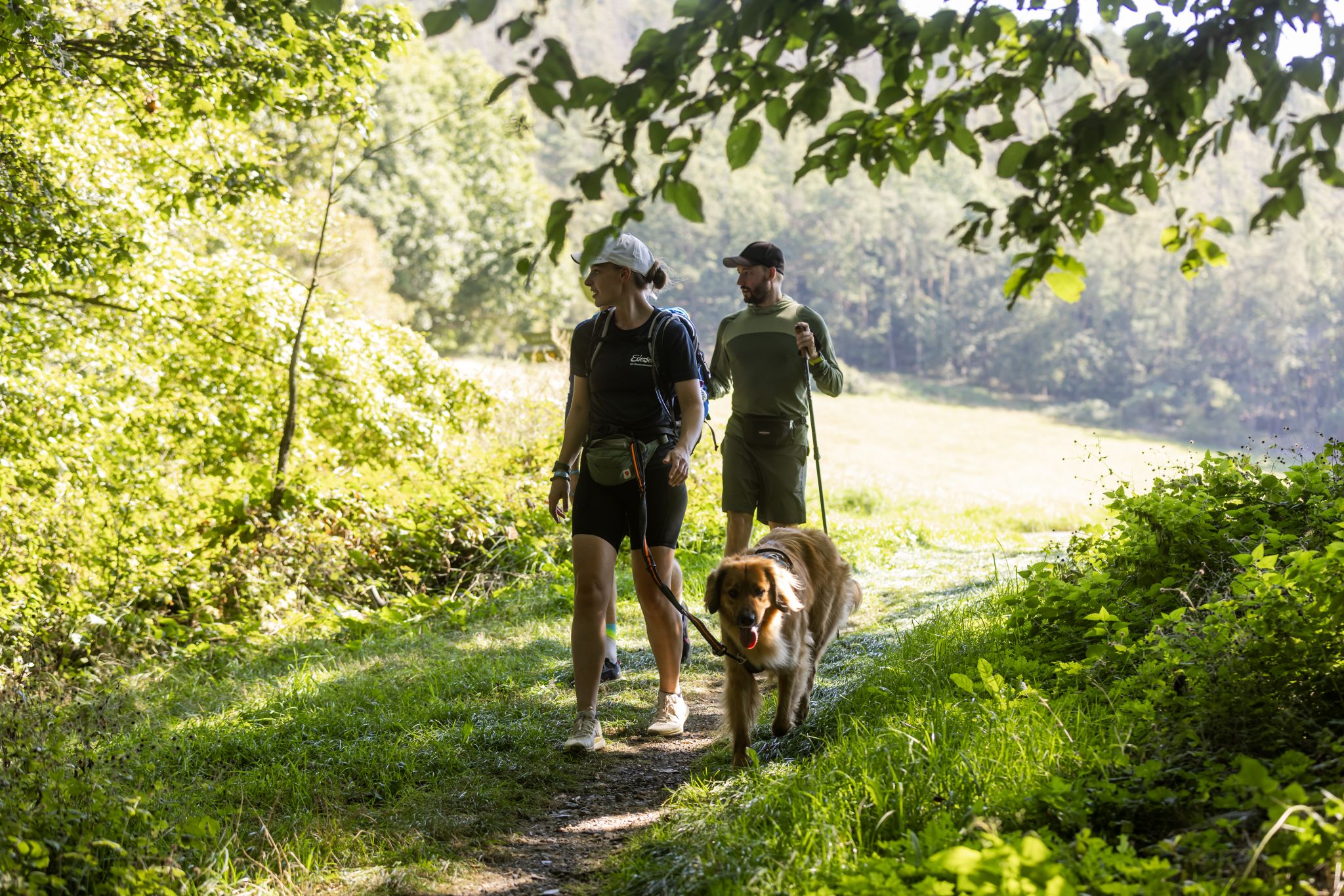
Wildnis, Wasser und Weitblick: Die Highlights am Edersee
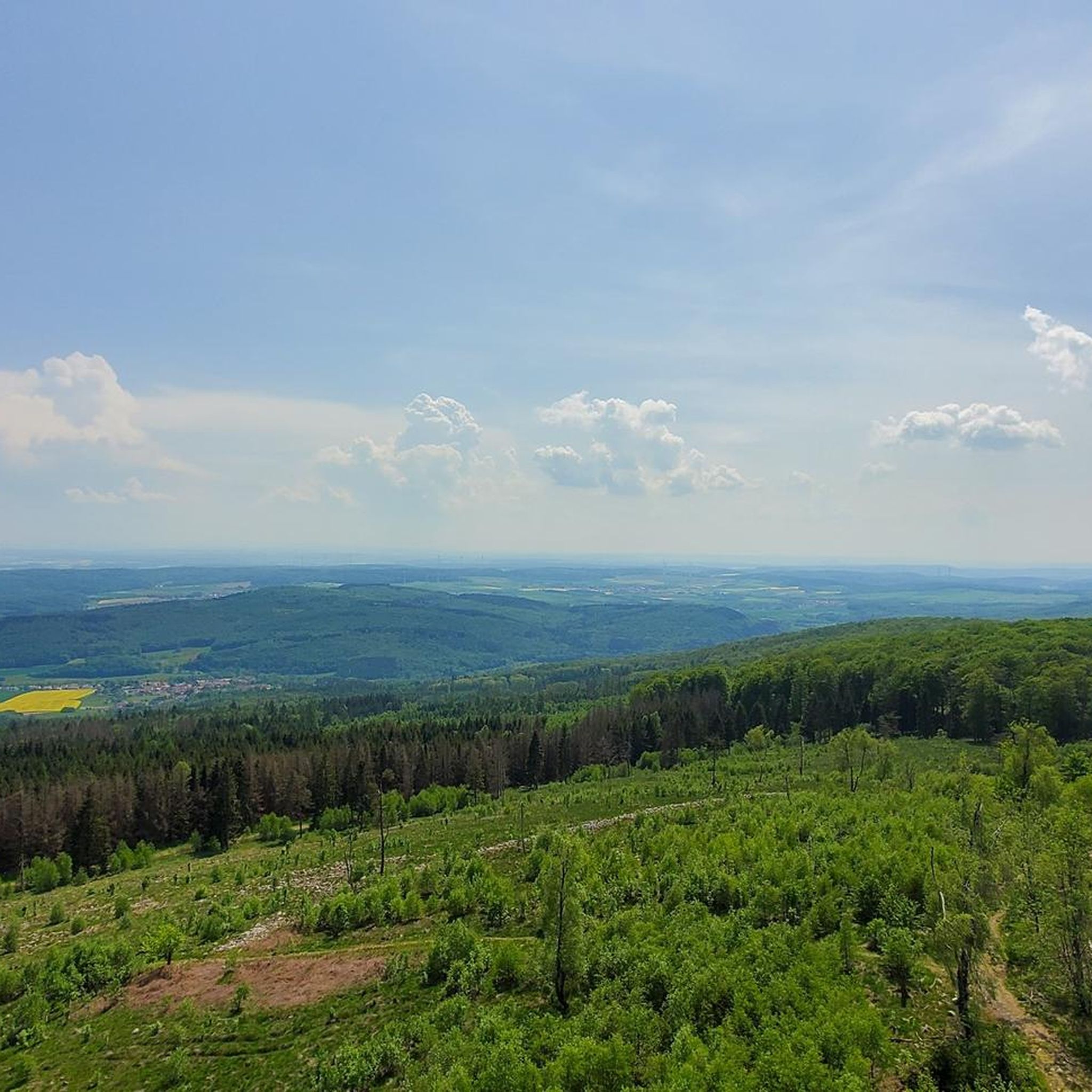
Cycling around Hoher Keller
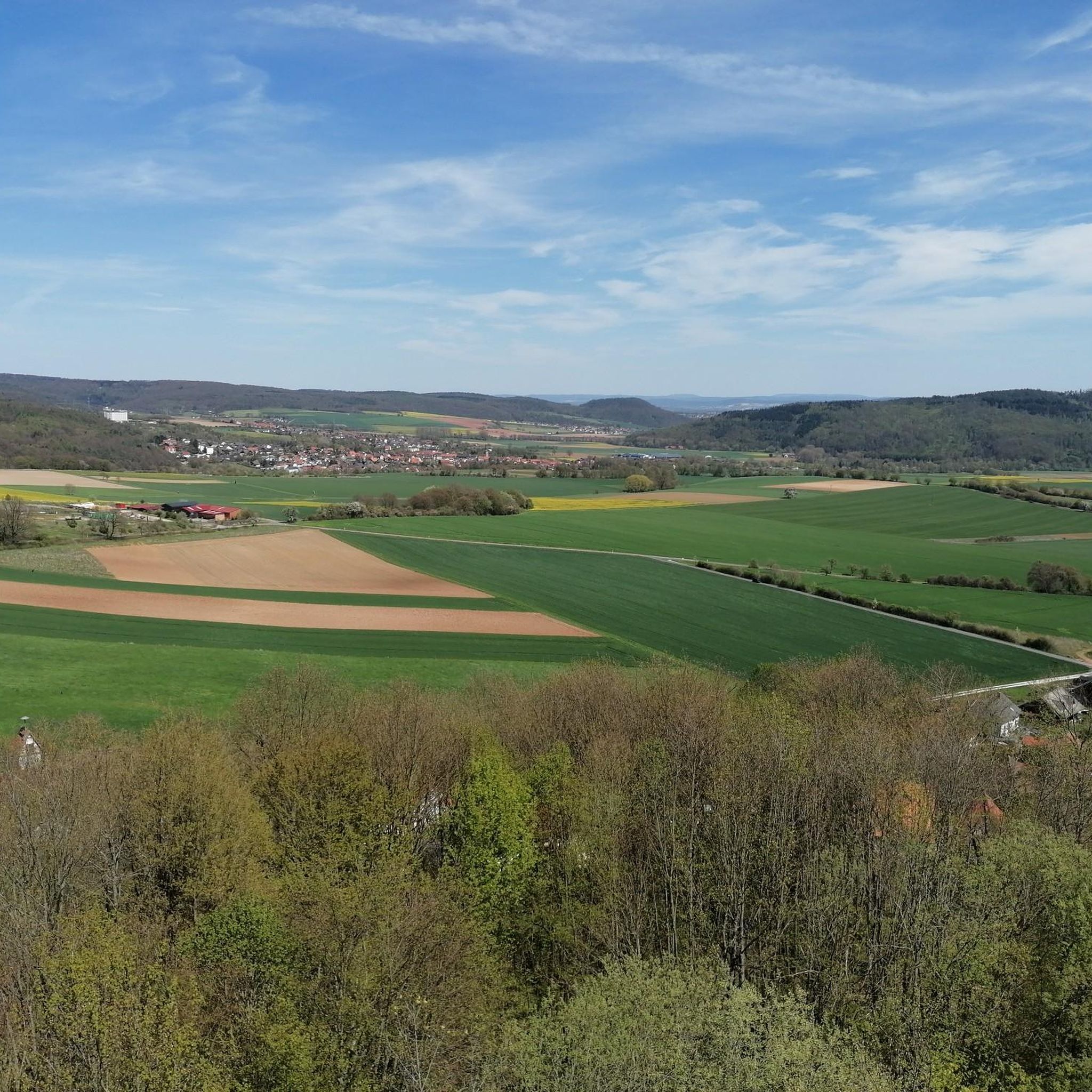
Hiking around Hoher Keller
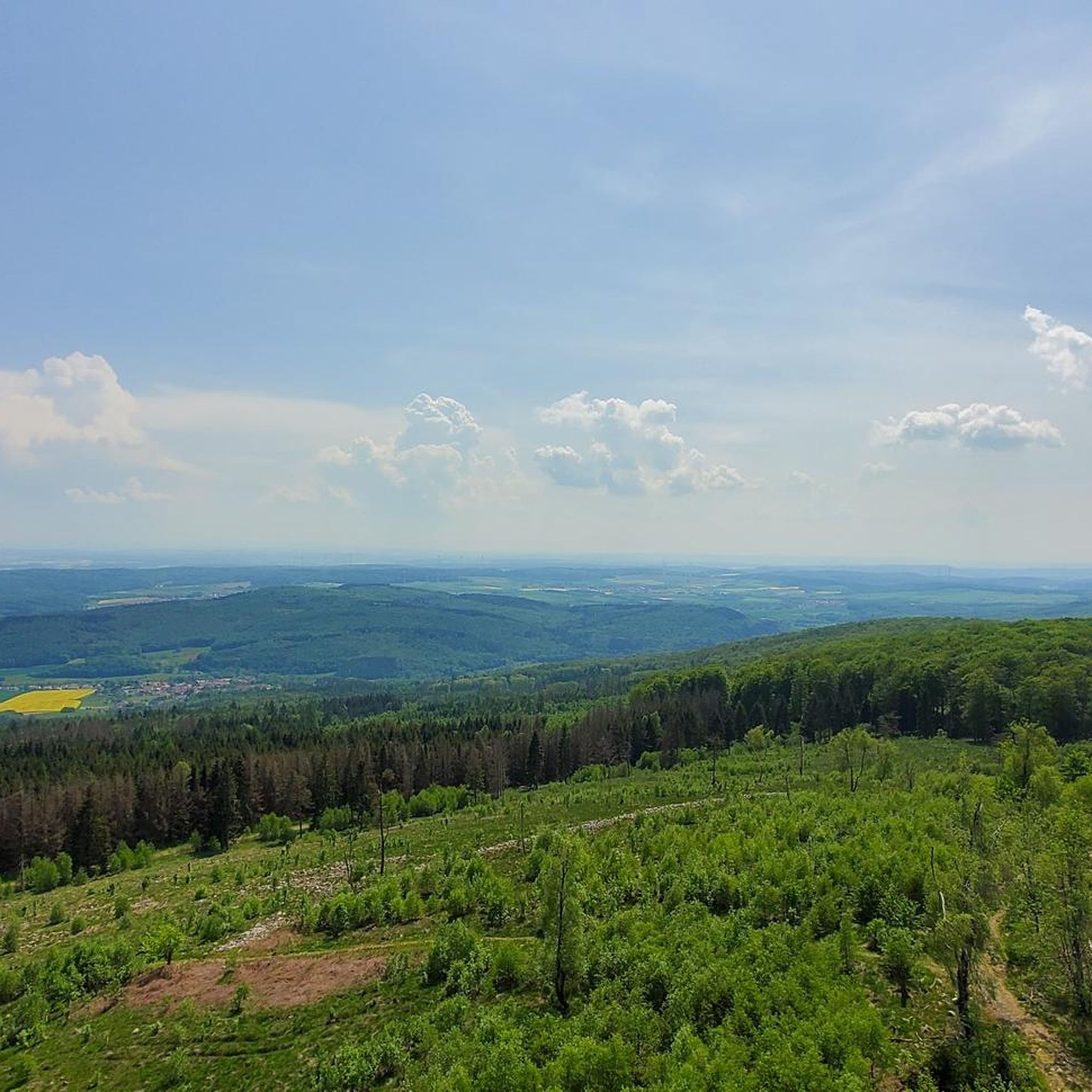
MTB Trails around Hoher Keller
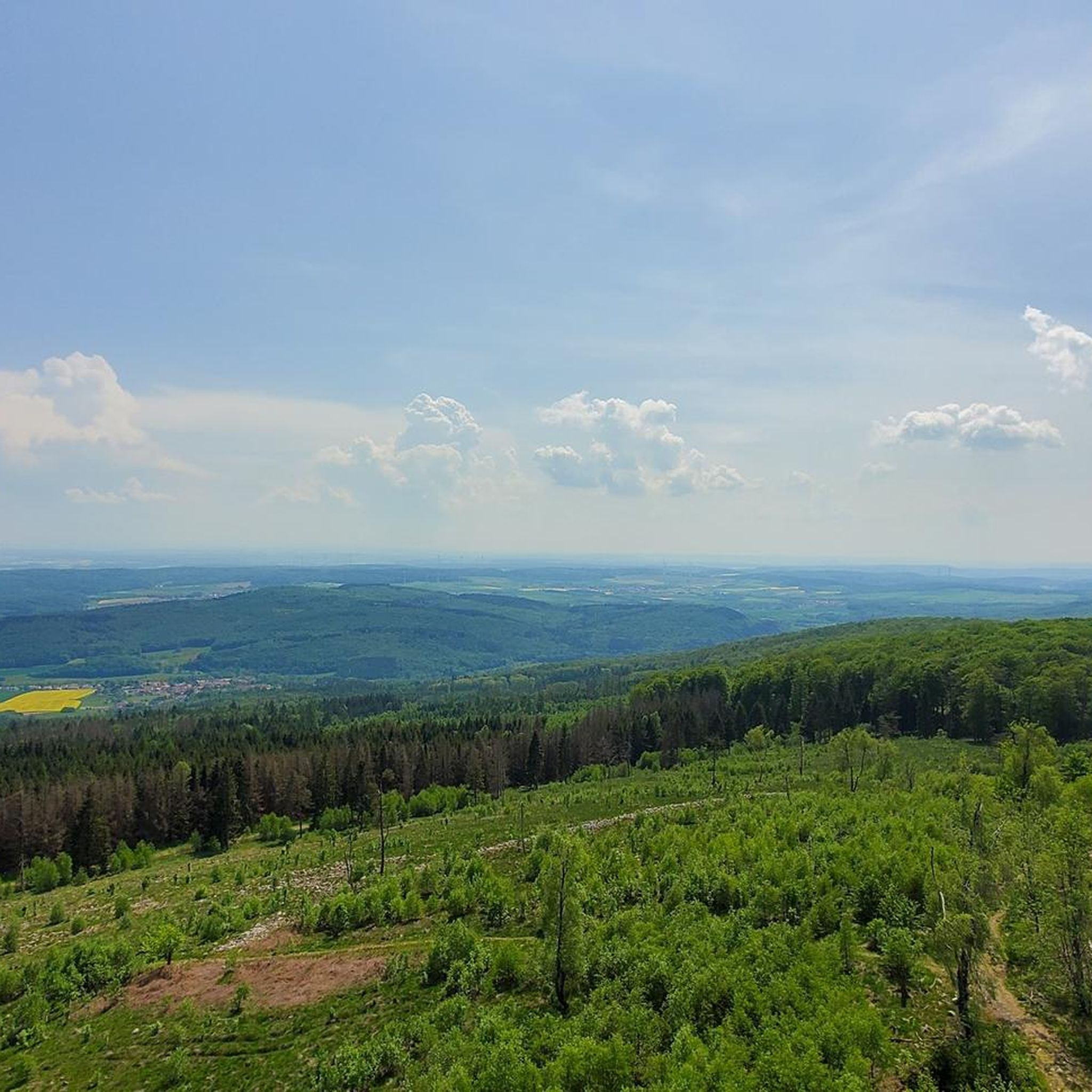
Road Cycling Routes around Hoher Keller
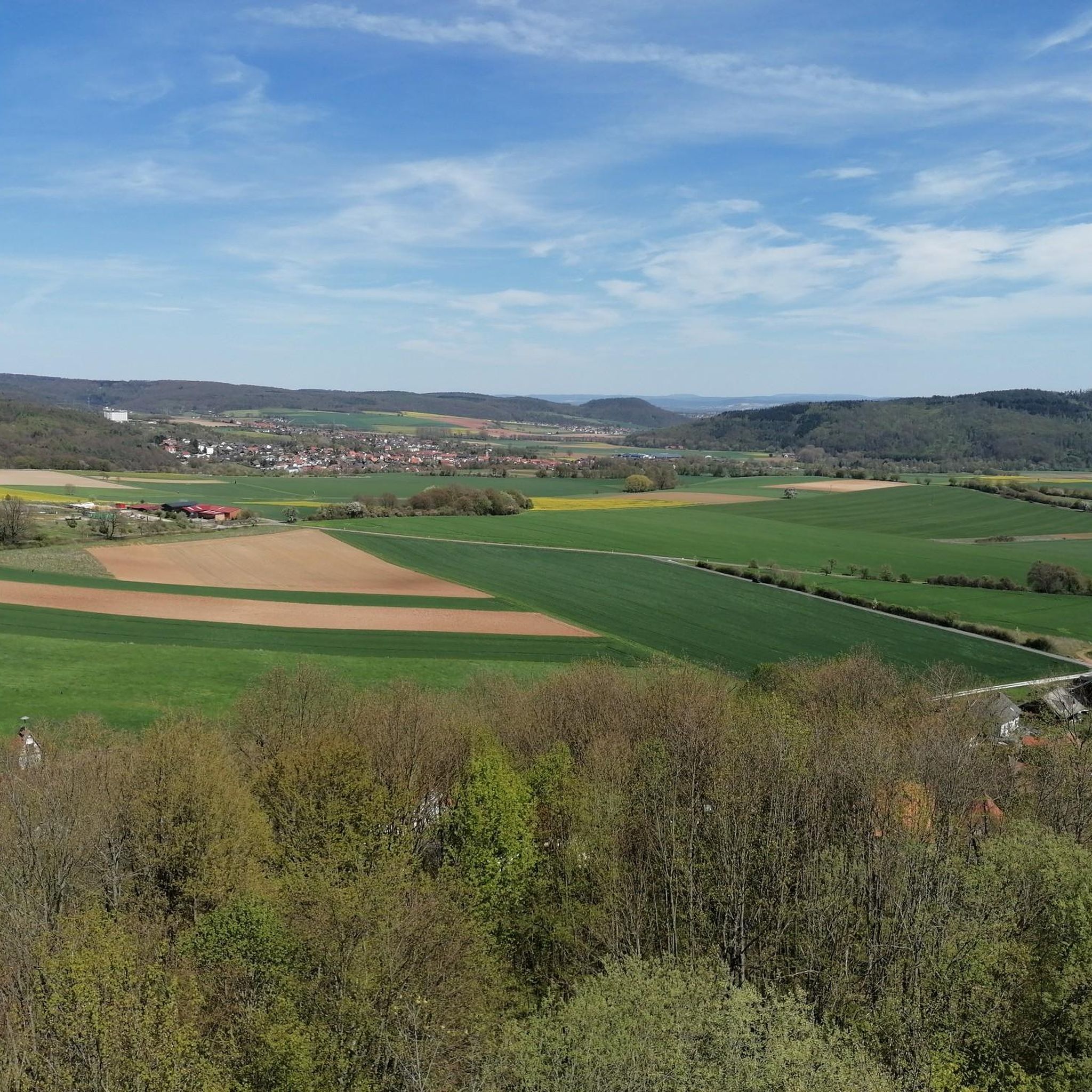
Running Trails around Hoher Keller
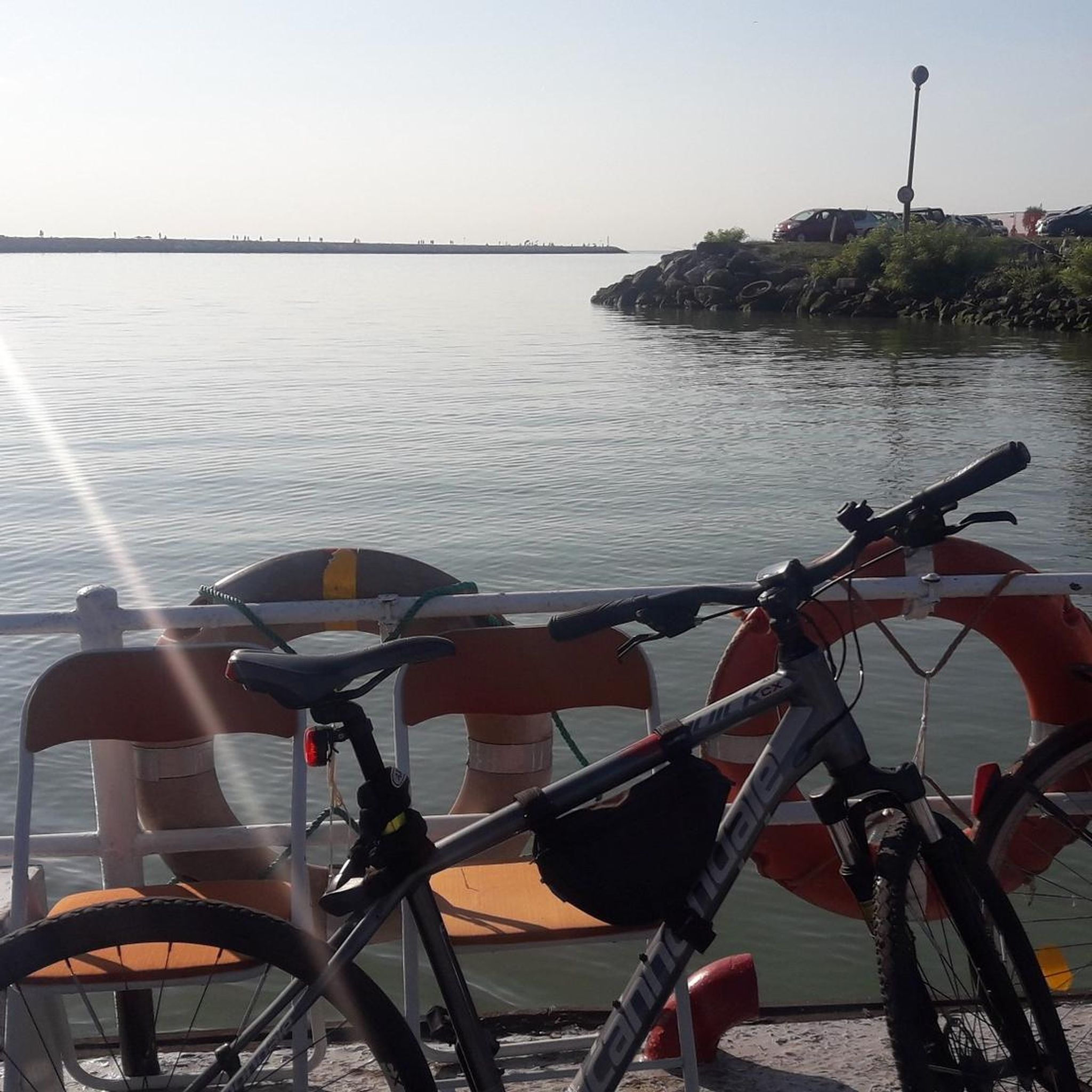
Gravel biking around Hoher Keller

Tips from the Community

Unfortunately, there is not much to see of the ring wall, so this highlight degenerates into a hodgepodge of the Kellerwald.
0
0

On the summit of the Wüstegarten (Desert Garden), the remains of a ring wall are visible. The stone wall is connected to the conflicts between the Conradines and the Liudolfingian Saxon dukes, initially as late Carolingian counts, then as holders of the royal office under Conrad I. It most likely dates from the 9th century AD.[5] A plaque affixed to the Wüstegarten, however, dates it to the Iron Age and indicates its use as a fortified defensive site and cult site. The oval measures 200 m × 140 m. The wall still preserved today is up to 7 m wide in places. It was archaeologically investigated in 1963. It was determined that the stones form an outer and inner face. No wooden structures or superstructures could be identified. No evidence of settlement at the site was found either. A quartzite block with a hemispherical depression, displayed in the entrance area of the Jesberg town hall and found on the summit plateau, is popularly interpreted as a sacrificial bowl, thus suggesting Celtic use of the Wüstegarten (Desert Garden) as a cult site or place of sacrifice. However, there is absolutely no evidence of a non-natural origin for the bowl or any use of the stone. Furthermore, finds that would indicate the presence of a Celtic population are completely absent in Lower Hesse. The Wüstegarten is first documented in 1475 as "der wuste garten" (the desert garden). In the 16th and 17th centuries, the rampart, called Heidelburg, is mentioned in writings and documents under the names Heulburgk, Hulnburgk, Hedelberg, and Heidelburg. Source: https://de.wikipedia.org/wiki/W%C3%BCstegarten
5
0
A geo-highlight! The rock formation on the main ridge of the desert garden, which is inclined at around 50°, looks like a trap. The geotope owes its unusual shape to thick-bedded ridge quartzite. Parts of the slabs have broken off along the bank joints and crevices, so that the slab has been modelled - similar to a taut mousetrap. Source: https://www.geopark-grenzwelten.de/die-mausefalle-auf-dem-w%C3%BCstegarten.html
6
0

Tall people have to watch their heads when going up and down...
5
0

Great rock with a beautiful view, summit cross and hiking book
4
0

Finally a real summit cross on the Kellerwaldsteig! 👍
9
0
An interesting rock formation with a funny name.
6
0
An old Germanic ring wall is clearly visible here.
6
1
Frequently Asked Questions
What natural features can I explore in Hoher Keller?
Hoher Keller is renowned for its natural forest, which is a designated Fauna-Flora-Habitat (FFH) area. You can discover diverse botanical species, unique ecosystems like boulder fields (Blockhalden), small bogs, and spring-fed swamps. The area also features dwarf shrub heaths, particularly on the ridge south of the Wüstegarten, showcasing unique climatic conditions.
Are there any significant viewpoints or observation towers in the area?
Yes, the most prominent is the Kellerwald Tower on the Wüstegarten. This 28-meter high observation tower stands on the Wüstegarten, the highest elevation in the Kellerwald-Edersee region at 675 meters, offering expansive views of the surrounding low mountain ranges. You might also find viewpoints at the Summit Cross on Exhelmer Stein and the Mausefalle Rock Formation.
What kind of unique ecosystems can be found in Hoher Keller?
Hoher Keller is home to several unique ecosystems. These include primitive moor and spring-fed swamp areas, which are highly valuable for nature conservation. Additionally, you can find boulder fields (Blockhalden) and dwarf shrub heaths, which are relics of historical forest usage and reflect the distinct local climate.
Are there historical sites to visit around Hoher Keller?
Yes, the region has historical significance. Near the Wüstegarten, you can find a clearly recognizable Ring Wall at Wüstegarten, dating back to the Bronze Age, indicating early human activity. Further afield, the Ruins of Löwenstein Castle offer a glimpse into the area's medieval past, with its reconstructed keep serving as a lookout tower.
What outdoor activities are available near Hoher Keller?
The area around Hoher Keller is excellent for various outdoor activities. You can enjoy extensive hiking, with options ranging from moderate to difficult. Cycling is also popular, with dedicated routes for gravel biking, mountain biking, and road cycling, catering to different skill levels.
Are there specific hiking trails or long-distance paths in Hoher Keller?
Yes, the 6th stage of the popular Kellerwaldsteig long-distance hiking trail traverses the entire natural forest of Hoher Keller, offering an immersive way to experience its landscapes. There are also numerous local hiking routes, including those that pass by highlights like the Summit Cross on Exhelmer Stein and the Mausefalle Rock Formation.
What are the highest points in the Hoher Keller region?
The highest elevation in the region is the Wüstegarten, standing at 675 meters above sea level, where the Kellerwald Tower is located. Another prominent elevation in the area is the Hunsrück, reaching 636 meters.
What is the best time of year to visit Hoher Keller?
Hoher Keller offers unique experiences throughout the year. Spring brings blooming flora, while autumn showcases vibrant foliage, making both seasons ideal for hiking and enjoying the natural beauty. Winter hiking is also possible, offering a different perspective of the forest landscape, especially around the Kellerwald Tower.
Are there family-friendly attractions or activities in Hoher Keller?
Yes, the Kellerwald Tower on the Wüstegarten is considered family-friendly, offering an exciting climb and rewarding views. At the base of the tower, you'll find picnic spots, perfect for a family break. Exploring the unique rock formations like the Mausefalle Rock Formation can also be an engaging activity for children.
What do visitors enjoy most about Hoher Keller?
Visitors particularly appreciate the expansive views from the Kellerwald Tower on the Wüstegarten and the unique experience of its swaying construction. The natural beauty of the moor path near the Summit Cross on Exhelmer Stein and the curious shape of the Mausefalle Rock Formation are also highly rated. The blend of natural wonders and historical sites like the Ring Wall at Wüstegarten makes for a diverse and engaging visit.
Can I find cafes or restaurants near the attractions in Hoher Keller?
While the immediate vicinity of the natural attractions like the Kellerwald Tower offers picnic spots, specific cafes or restaurants are generally found in nearby towns and villages surrounding the Hoher Keller region. For example, the Ruins of Löwenstein Castle highlight mentions a restaurant at its location.
Is Hoher Keller suitable for dog-friendly walks?
Hoher Keller, being a natural forest and part of a nature park, generally offers many opportunities for dog-friendly walks on its trails and paths. However, it's always advisable to keep dogs on a leash, especially in sensitive natural areas like bogs or near wildlife, and to check local regulations for specific trails.
Most popular routes around Hoher Keller
Most popular attractions around Hoher Keller

Get inspired with the komoot mobile app


Explore more
Still not found the Highlight you’re looking for? See guides of the top attractions in other regions:
