Attractions and Places To See around Rahmer Forest - Top 10
Best attractions and places to see around Rahmer Forest are primarily found within its natural landscape, offering diverse outdoor experiences. This region, known for its extensive forest areas, features natural reserves, a lake, and historical sites. Visitors can explore a variety of natural features and man-made monuments. The area provides opportunities for walking and discovering local history.
Best attractions and places to see around Rahmer Forest
- The most popular attractions is Mastbruchteich in the Mastbruch Nature Reserve – Rahmer Forest…
Last updated: June 23, 2026
Mastbruchteich in the Mastbruch Nature Reserve – Rahmer Forest
Highlight • Lake
Near the crossing on the A45 at Westerfilde lies the Mastbruchteich, a lake surrounded on all sides by forest, on which one can catch …
Translated by Google •
Tip by

Westhusen Castle
Highlight • Castle
Translated by Google •
Tip by

Sign up now to discover places like this
Get recommendations on the best single tracks, peaks, & plenty of other exciting outdoor places.
Sign up for free
Nettebach
Highlight • River
Translated by Google •
Tip by

Rahmer Wald Nature Area
Highlight • Forest
Translated by Google •
Tip by

Paved paths in the Mastbruch Nature Reserve
Highlight • Trail
Showing Translation
Tip by

Sign up for free to discover even more attractions around Rahmer Forest.
Sign up for free
Already have an account?
Start today with a free account
Your next adventure awaits.
Login or Signup
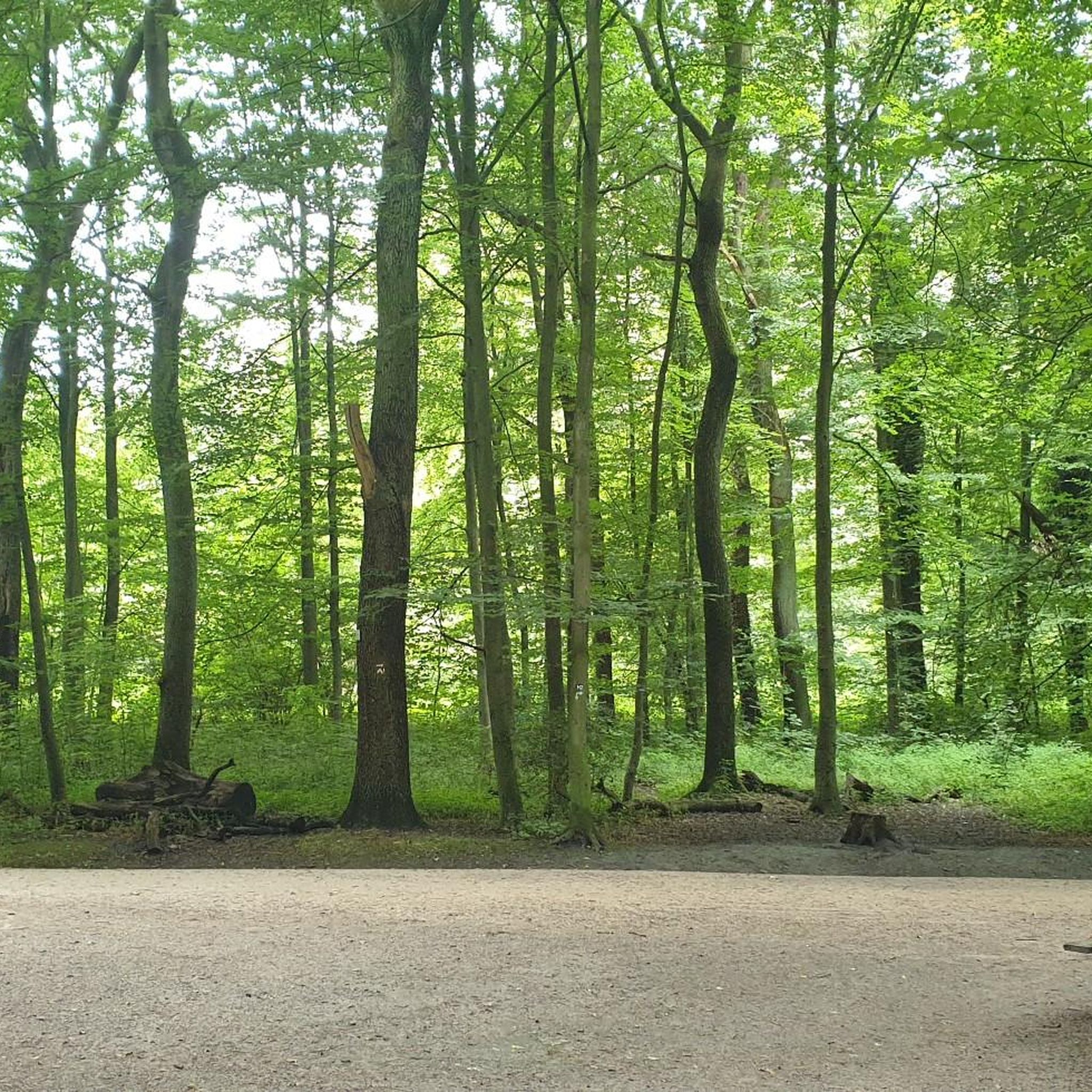
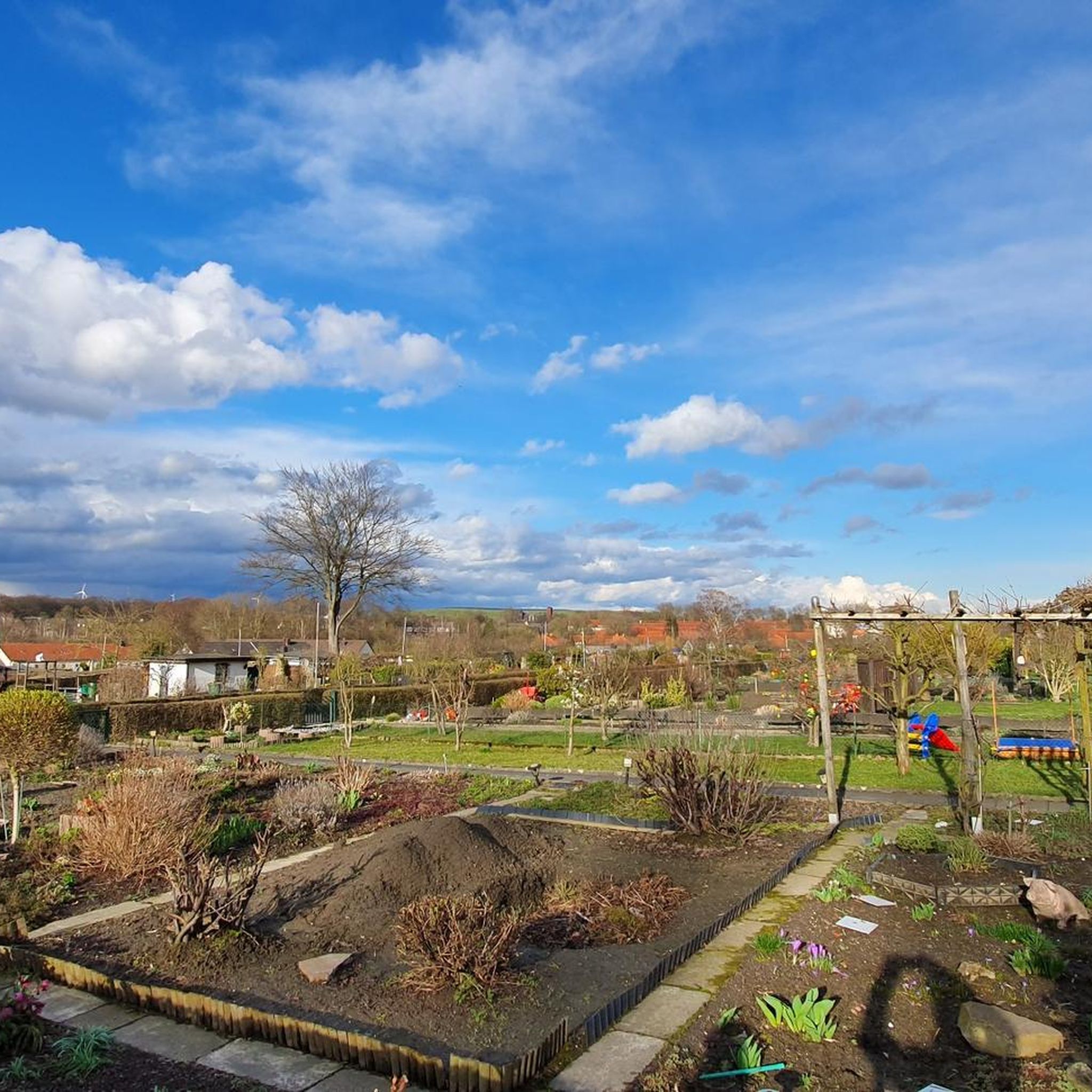
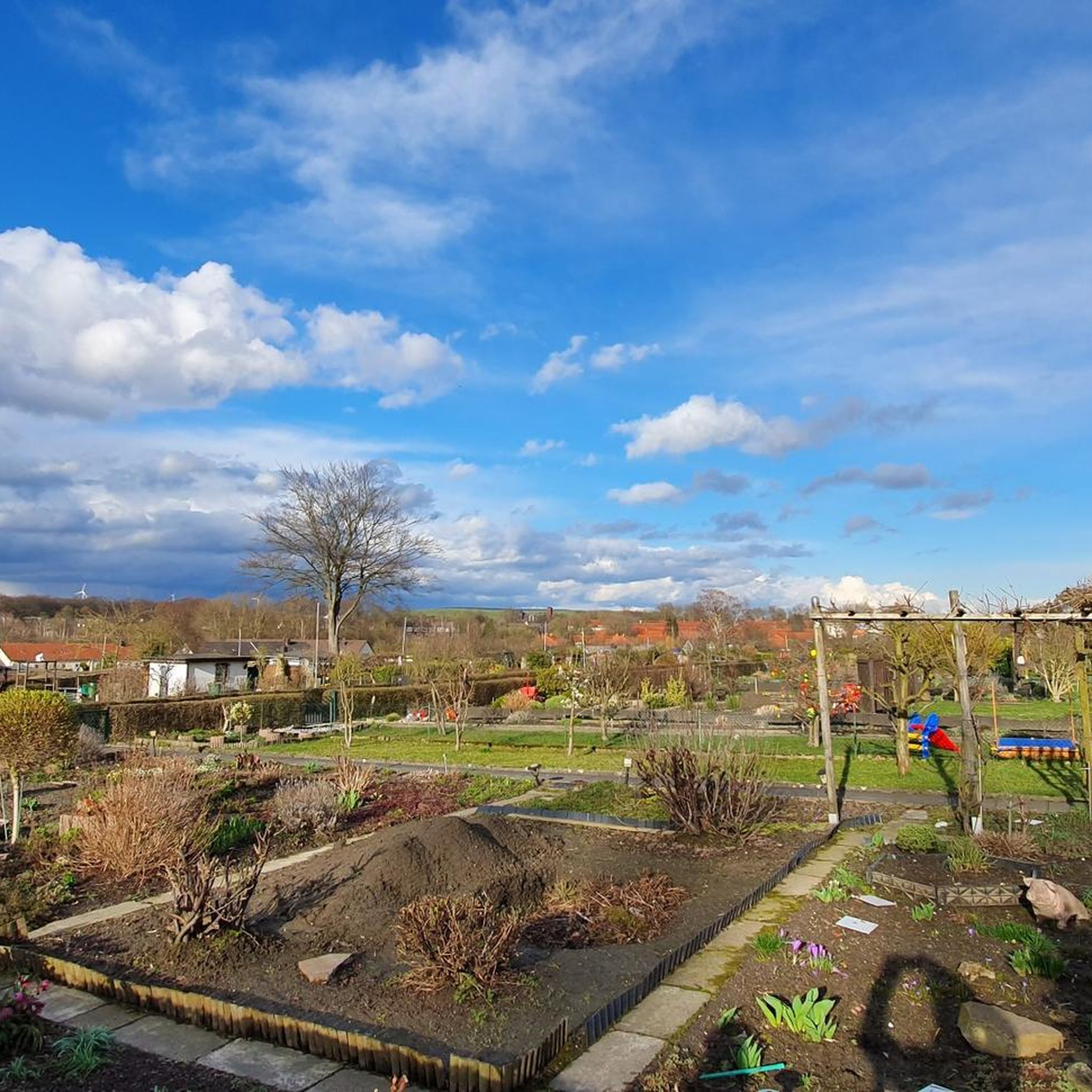
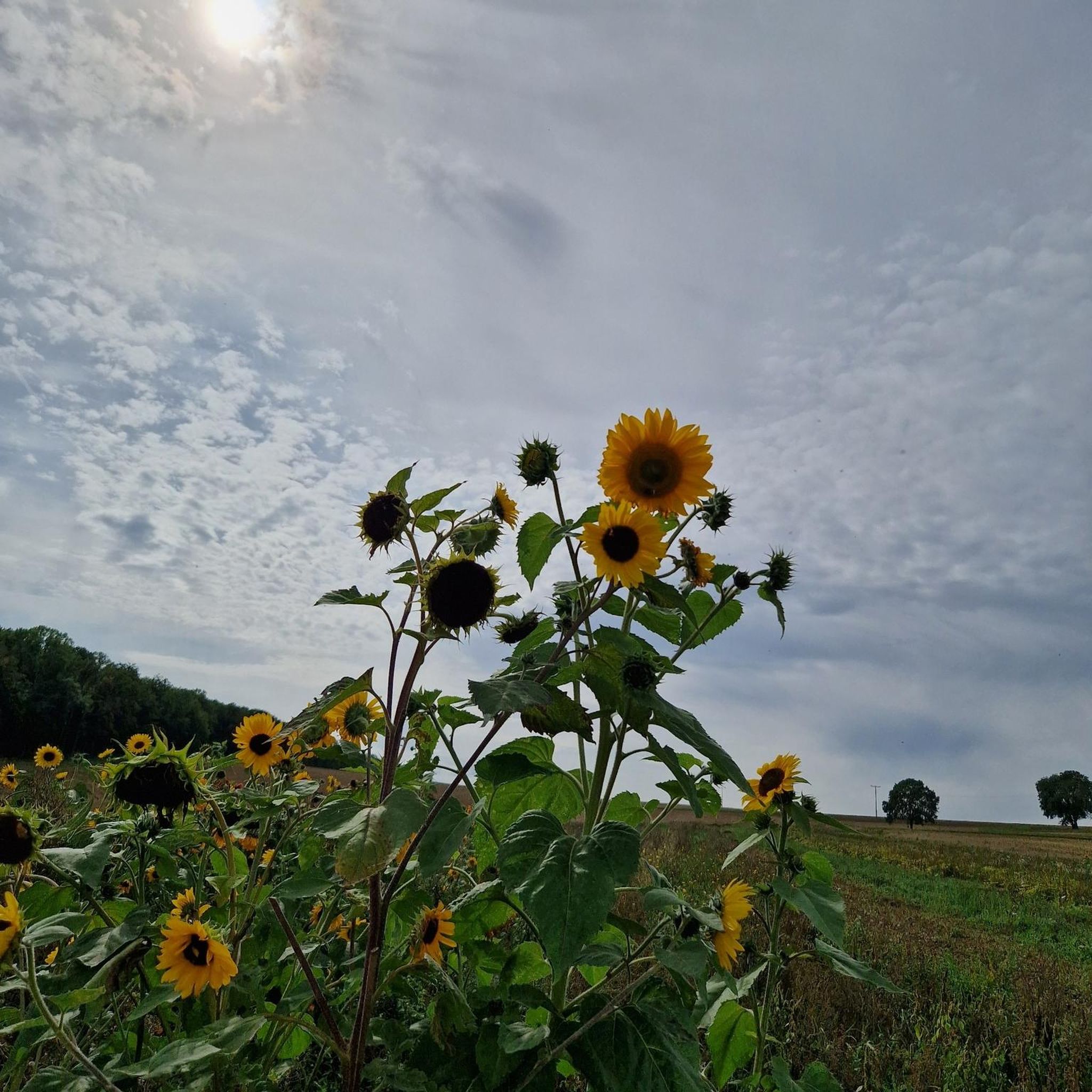
Tips from the Community

This stream, far from nature, also flows through Dortmund-Nette.
1
0
The asphalt wasn't necessary...
2
0

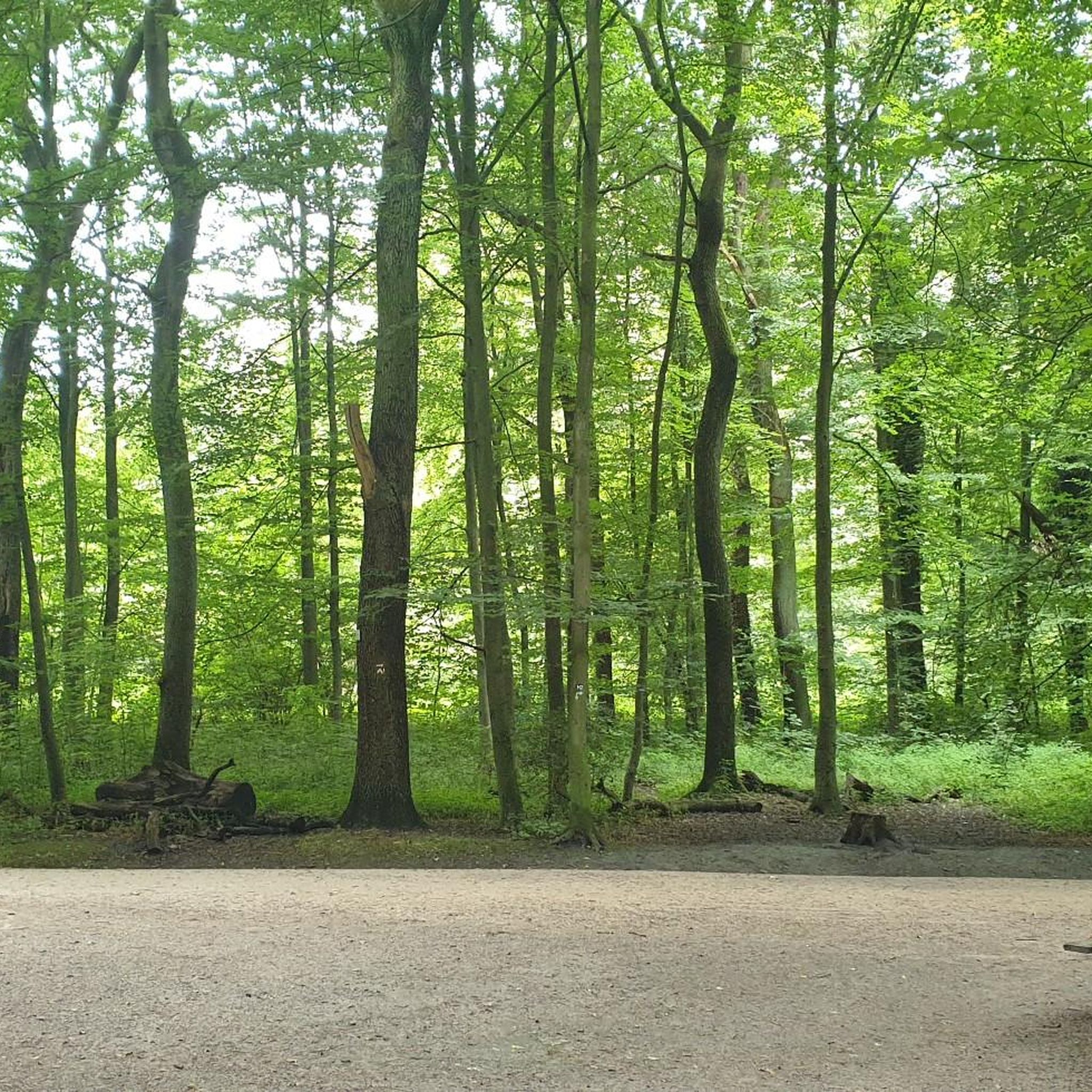
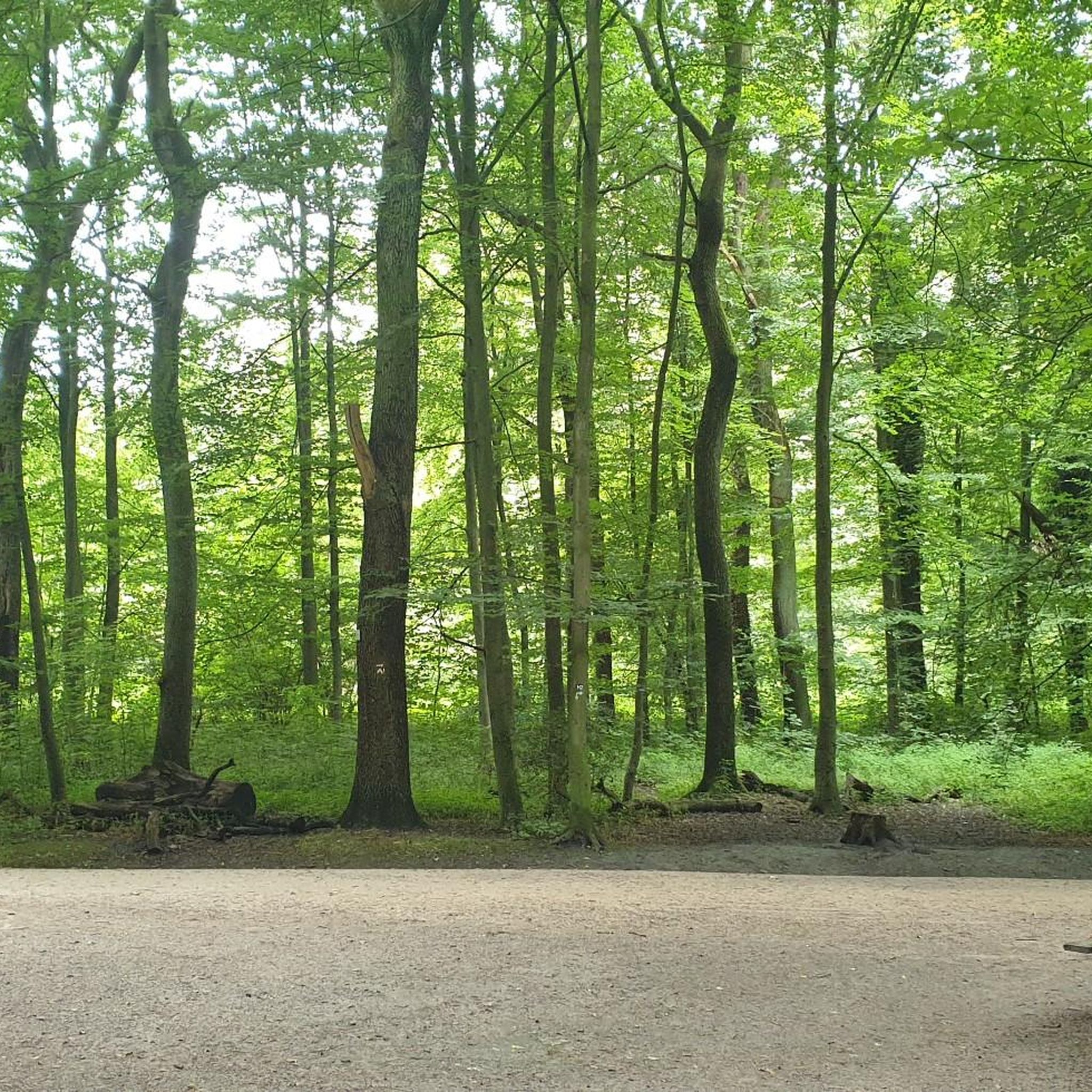
The Mastbruch-Rahmer Wald nature reserve in Dortmund is a relatively new protected area that owes its current form and significance primarily to the subsidence caused by coal mining. Nature conservation for the area was first legally enshrined in a landscape plan in 1986 and further consolidated in 1990. This landscape plan was updated in 2020. The municipality has equipped this nature reserve with easy-to-walk tarmac paths, making it possible to use it with strollers or for walks in the rain without getting into a lot of mud.
1
0

The Masbruchteich is located in a nature reserve - Mastbruch Rahmer Wald.
2
0
Beautiful castle in a very quiet location with a large garden where seniors can find peace and quiet.
4
0

"The Nettebach is a stream in Dortmund that flows into the Emscher. It has thirteen tributaries - Mühlenbach, Spechtgraben, Vöhdesiepen, Wachtenlohsiepen, Rahmer Waldbach, Mosselde, Heckelbecke, Wideybach, Frohlinder Bach-Barbach, Brietenbach, Fildebach, Mühlenkampsiepen and Westhusener Schlossgraben. The Nettebach was channeled by the Emschergenossenschaft in 1914, like the Emscher, to become a sewer and wastewater receiving water. The intercommunal working group for the regional green belt F in the Emscher Landscape Park has been planning the renaturation since 1994 as part of the Emscher system reconstruction project. The funds come from the Ecology Program in the Emscher-Lippe Region (ÖPEL). The redesign of the Nettebach's tributaries has already been carried out." https://de.wikipedia.org/wiki/Nettebach https://www.eglv.de/medien/nettebach-planung-der-renaturierung-laeuft-bereits-auf-hochtouren/
1
0

The Mastbruchteich is not only surrounded by greenery, but also in the middle of the nature reserve of the same name. Kingfishers, common buzzards and water bats, for example, are protected here.
4
0
The Mastbruchteich, or Rahmer Wald, is not only surrounded by greenery in Dortmund, but also in the middle of the nature reserve of the same name. Kingfishers, common buzzards and water bats, for example, are protected here.
3
0
Frequently Asked Questions
What natural features can I explore in Rahmer Forest?
Rahmer Forest is rich in natural features. You can visit the Mastbruchteich in the Mastbruch Nature Reserve, a lake surrounded by forest known for quiet hiking trails and diverse water birds. The Rahmer Wald Nature Area itself offers extensive forest paths and is home to protected species like kingfishers and common buzzards. You can also find the Nettebach, a stream undergoing renaturation efforts.
Are there historical sites to visit in the Rahmer Forest area?
Yes, the most notable historical site is Westhusen Castle. This moated castle, built in the 14th century, has a rich history and has undergone several renovations. While it now serves as a senior citizens' residence, its historical significance makes it a point of interest, though visitor access is limited.
Are there family-friendly attractions or activities in Rahmer Forest?
Absolutely. Many attractions are suitable for families. The Mastbruchteich and the Rahmer Wald Nature Area are great for walks and nature observation. Specifically, the Paved paths in the Mastbruch Nature Reserve are ideal for families with strollers or for easy walks in various weather conditions.
What kind of walking or hiking trails are available in Rahmer Forest?
Rahmer Forest offers a variety of walking and hiking trails. The Rahmer Wald Nature Area has many different paths that can be combined for circular routes, and they are generally easy to walk. For accessible options, the Paved paths in the Mastbruch Nature Reserve are tarmac and suitable for strollers or rainy days. You can find more detailed hiking routes at Hiking around Rahmer Forest.
Are there accessible routes for wheelchairs or strollers in Rahmer Forest?
Yes, the Paved paths in the Mastbruch Nature Reserve are specifically designed with tarmac surfaces, making them accessible for strollers and wheelchairs. These paths allow visitors to enjoy the forest environment without concerns about uneven terrain or mud.
What cycling opportunities are there around Rahmer Forest?
The area around Rahmer Forest provides excellent cycling opportunities. You can explore various routes for both gravel biking and general cycling. For detailed routes and guides, check out Gravel biking around Rahmer Forest and Cycling around Rahmer Forest.
What do visitors particularly enjoy about the Mastbruch Nature Reserve?
Visitors appreciate the tranquility and natural beauty of the Mastbruch Nature Reserve. The Mastbruchteich is a highlight, offering quiet hiking trails and opportunities to observe various water birds. The easy-to-walk Paved paths also make it a favorite for accessible strolls.
Can I combine different paths to create longer walks in Rahmer Forest?
Yes, the Rahmer Wald Nature Area is known for its many different paths that can be easily combined to create new and longer circular routes. This allows for varied exploration and extended walks through the beautiful forest.
What is the significance of the Nettebach stream?
The Nettebach is a stream in Dortmund that flows into the Emscher. Historically channeled, it is now part of a significant renaturation project. This effort aims to restore its natural state, making it an interesting example of ecological restoration in the region.
Are there any specific wildlife to look out for in Rahmer Forest?
Yes, the Rahmer Forest, particularly within the Mastbruch Nature Reserve, is a protected area for various wildlife. Keep an eye out for diverse water birds around the Mastbruchteich. The Rahmer Wald Nature Area is also known to protect species such as kingfishers, common buzzards, and water bats.
What is the origin of the Mastbruchteich lake?
The Mastbruchteich was not naturally formed but was created in the 1940s as a result of subsidence, likely due to coal mining activities in the region. This unique origin adds to the area's interesting history.
Most popular routes around Rahmer Forest

Get inspired with the komoot mobile app


Explore more
Still not found the Highlight you’re looking for? See guides of the top attractions in other regions:
