The best walks and hikes around Oberviechtach
4.7
(249)
840
hikers
117
hikes
Hiking around Oberviechtach offers diverse landscapes within the Upper Palatinate Forest, characterized by green hills, dense woodlands, and river valleys. The region features trails along the Naab River and around the Eixendorfer See reservoir. Hikers can explore a variety of terrain, from tranquil forest paths to routes leading to historic castle ruins.
Best hiking trails around Oberviechtach
- The most popular hiking route is To the castle and through the Wolfsschlucht, a 8.5 miles (13.8 km) trail that takes 3…
Last updated: October 2, 2026
4.0
(21)
51
hikers
13.8km
03:50
260m
260m
Moderate hike. Good fitness required. Easily-accessible paths. Suitable for all skill levels.
4.8
(34)
131
hikers
Easy hike. Great for any fitness level. Easily-accessible paths. Suitable for all skill levels.

4.6
(17)
65
hikers
19.9km
05:43
480m
480m
Hard hike. Very good fitness required. Easily-accessible paths. Suitable for all skill levels.
4.6
(18)
65
hikers
21.0km
05:58
460m
460m
Hard hike. Very good fitness required. Easily-accessible paths. Suitable for all skill levels.
4.8
(9)
30
hikers
Moderate hike. Good fitness required. Easily-accessible paths. Suitable for all skill levels.
Get access to more routes and recommendations from other explorers.
Already have an account?
Our route recommendations are based on thousands of hikes, rides, and runs completed by other people on komoot.
Start today with a free account
Your next adventure awaits.
Popular around Oberviechtach
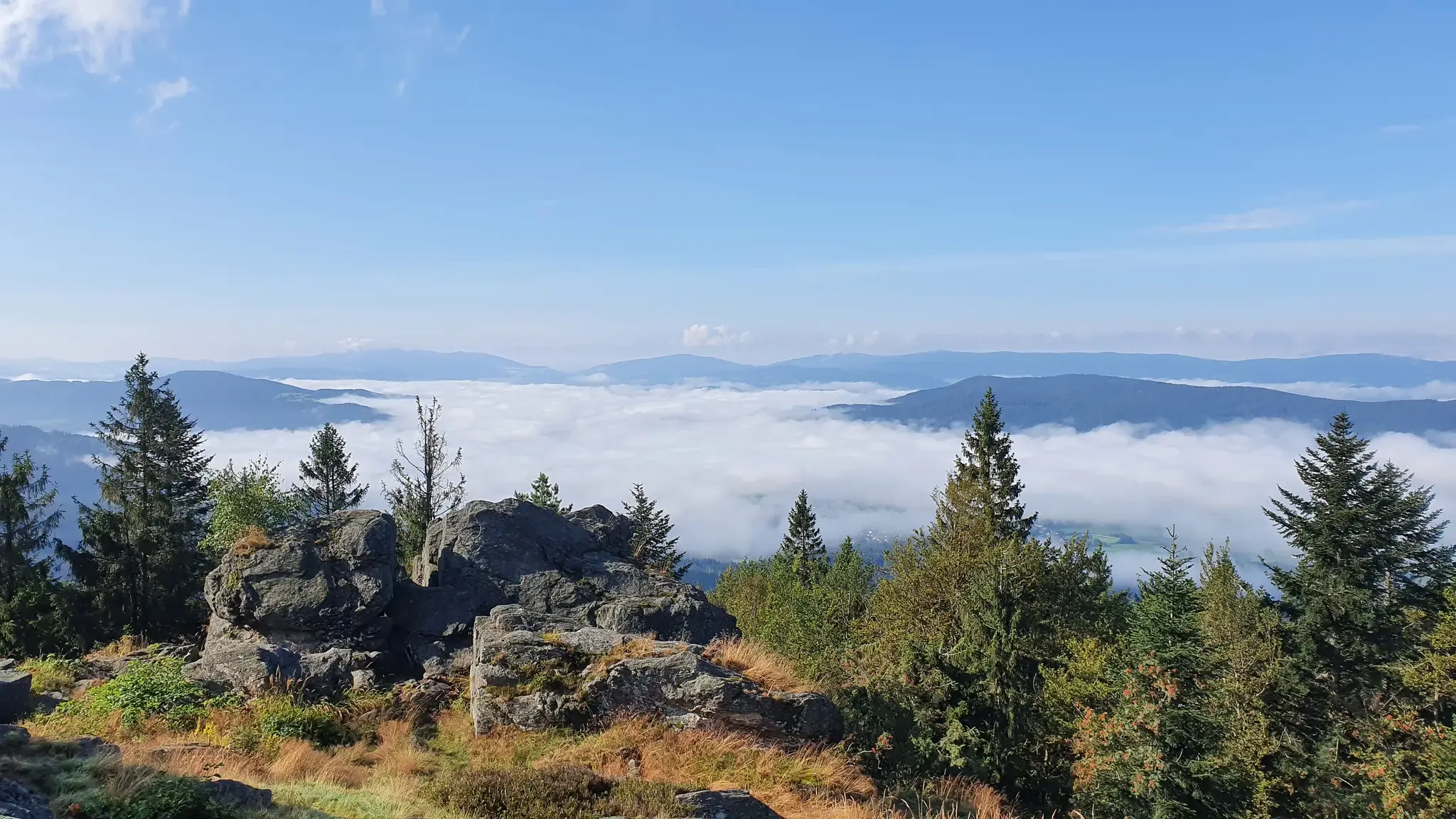
The Goldsteig – 38 stages between Upper Palatinate and Passau
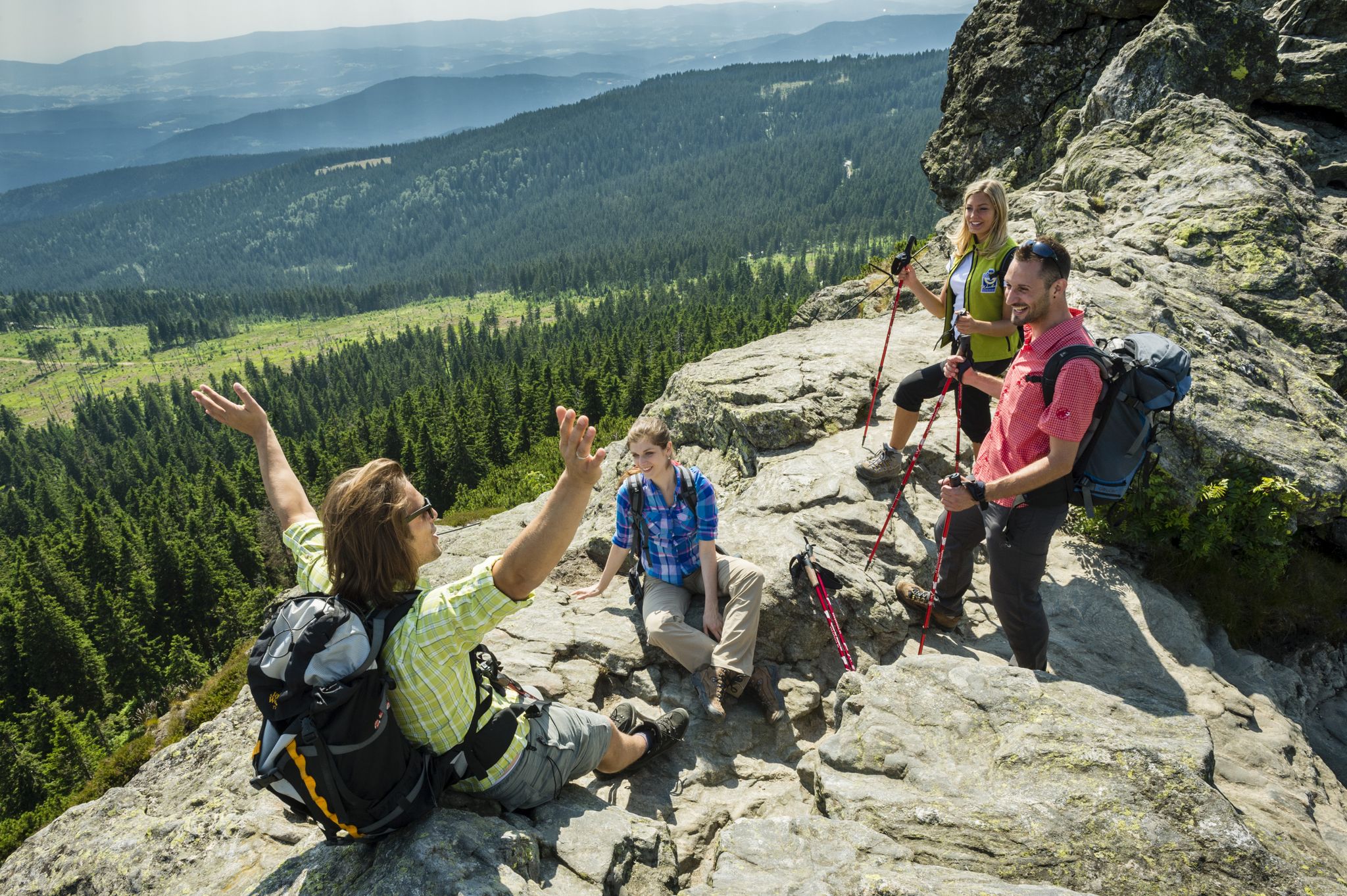
Goldsteig — The best routes for long distance hiking in Eastern Bavaria
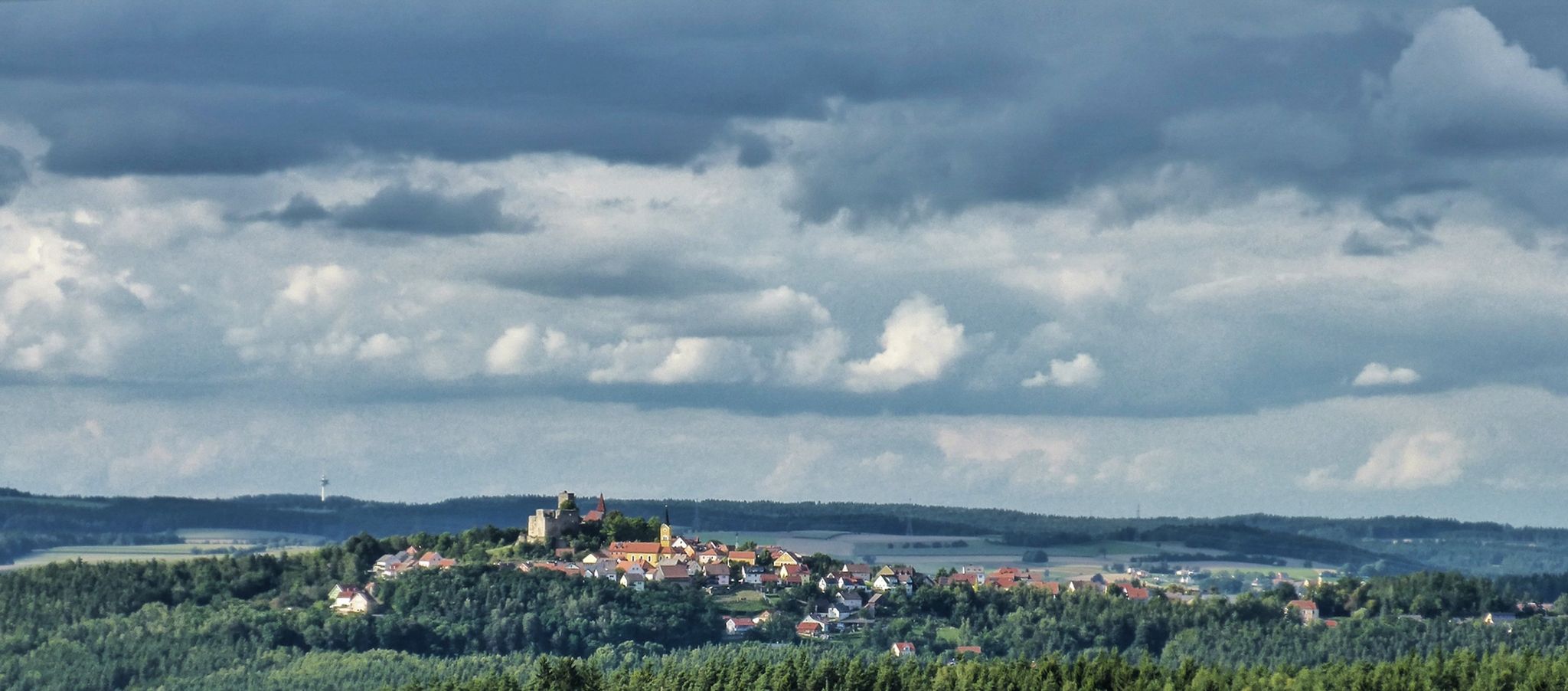
The Upper Palatinate Castle Trail — 9 days in picturesque northern Bavaria
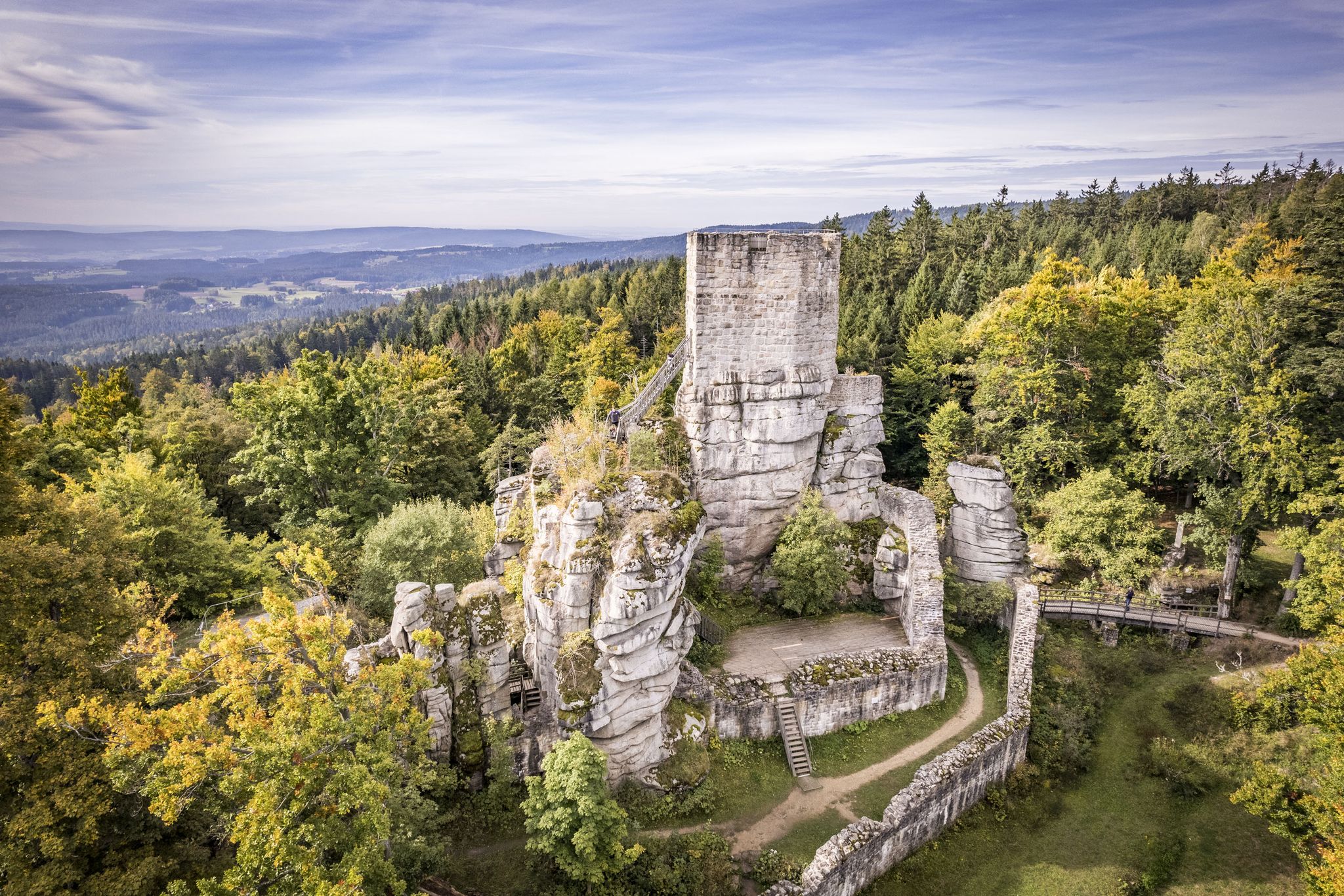
On the 'Kultouren' through the Upper Palatine Forest
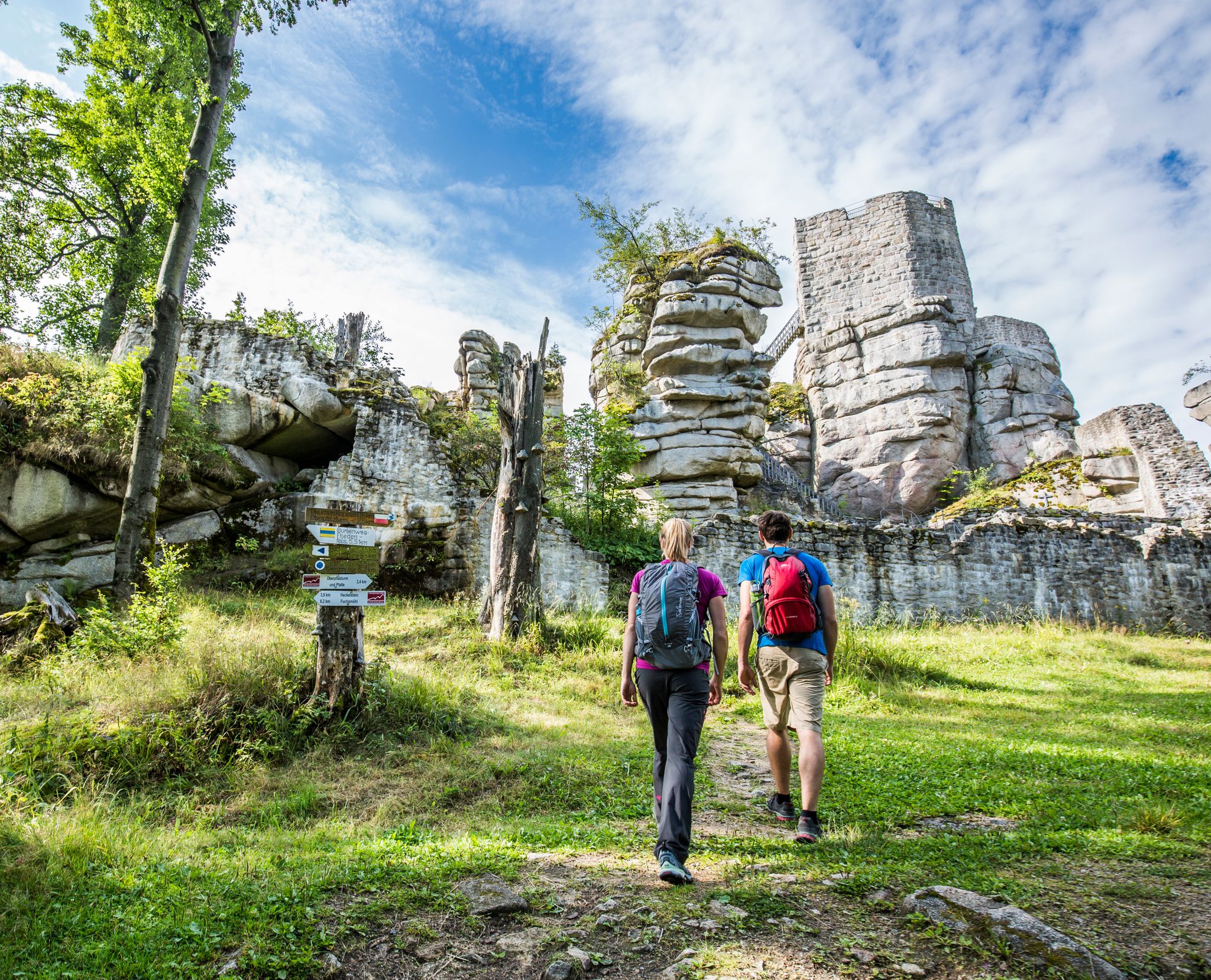
Arrive by bus & train — car-free hiking in the Upper Palatinate Forest
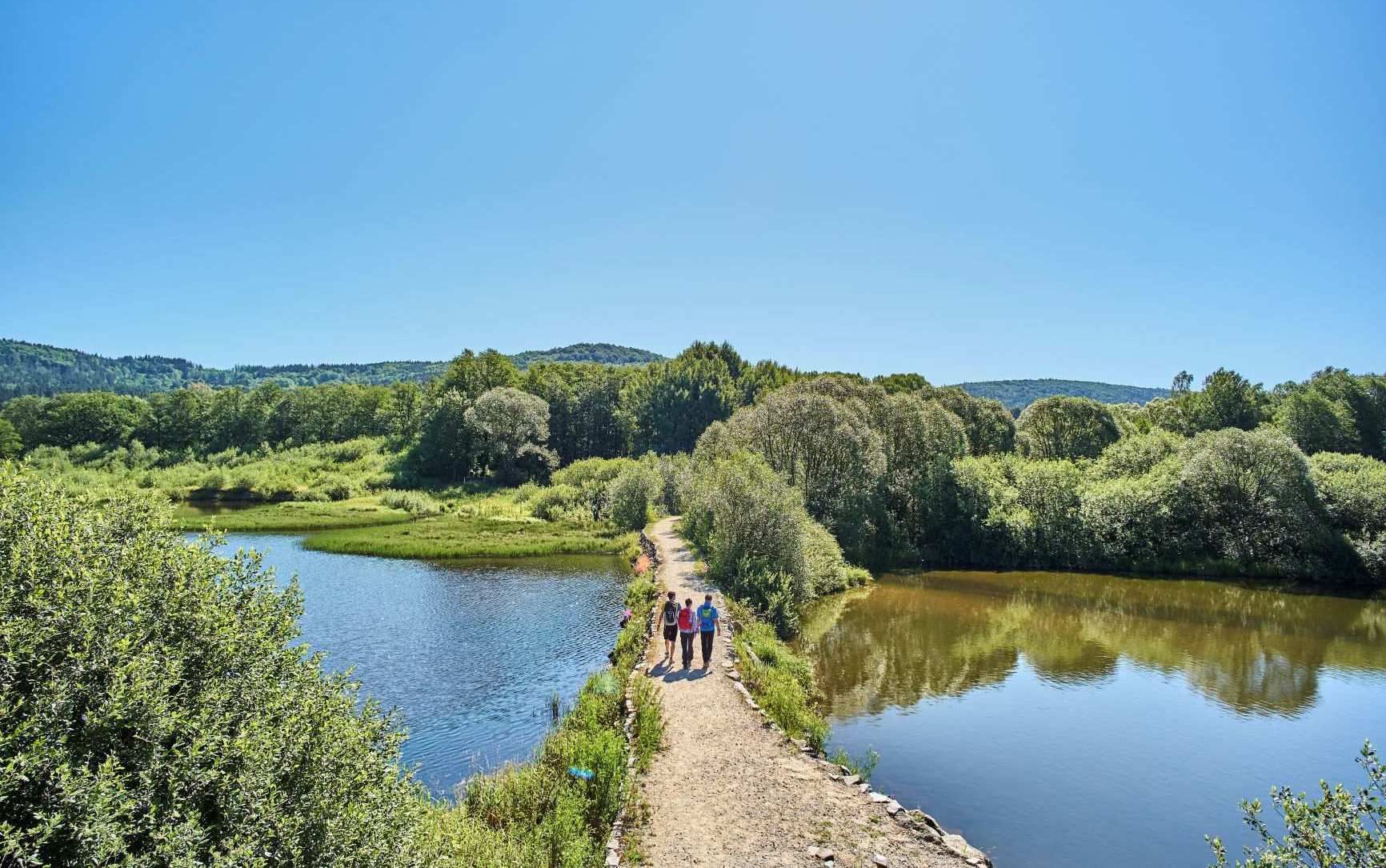
The best of the Goldsteig in Eastern Bavaria – 6 scenic hikes
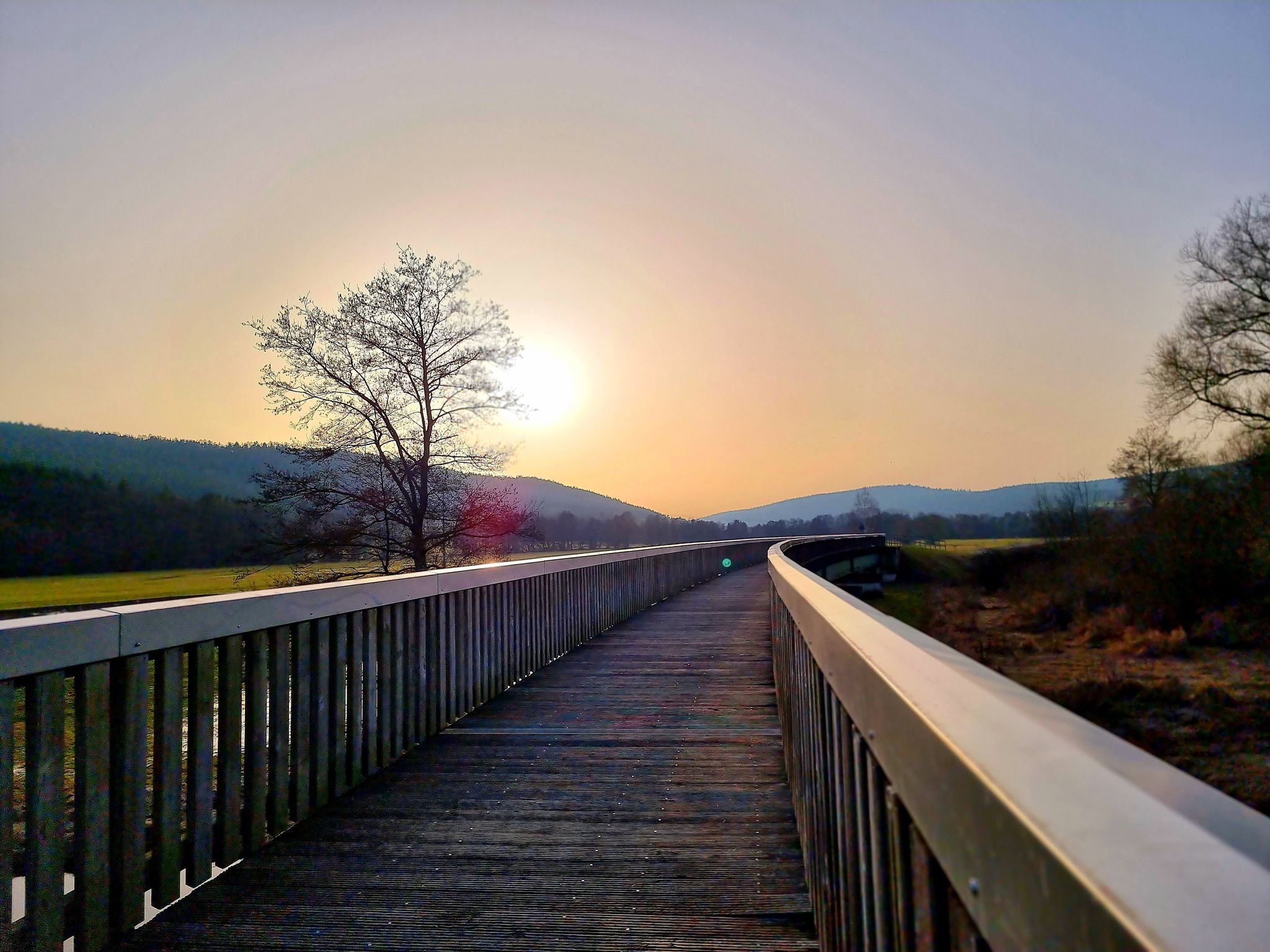
Bavaria-Bohemia long-distance cycling trail – Crossing borders
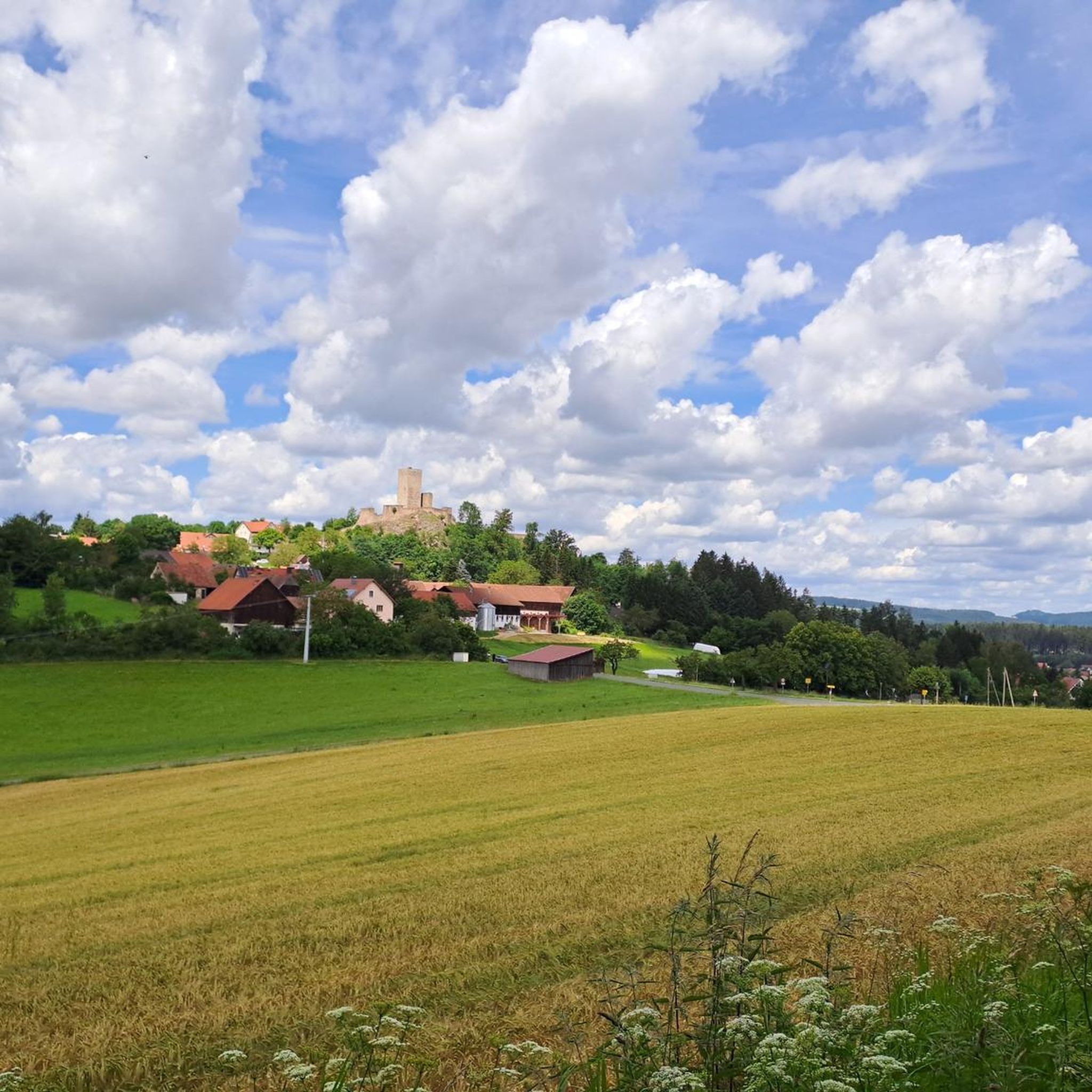
Cycling around Oberviechtach
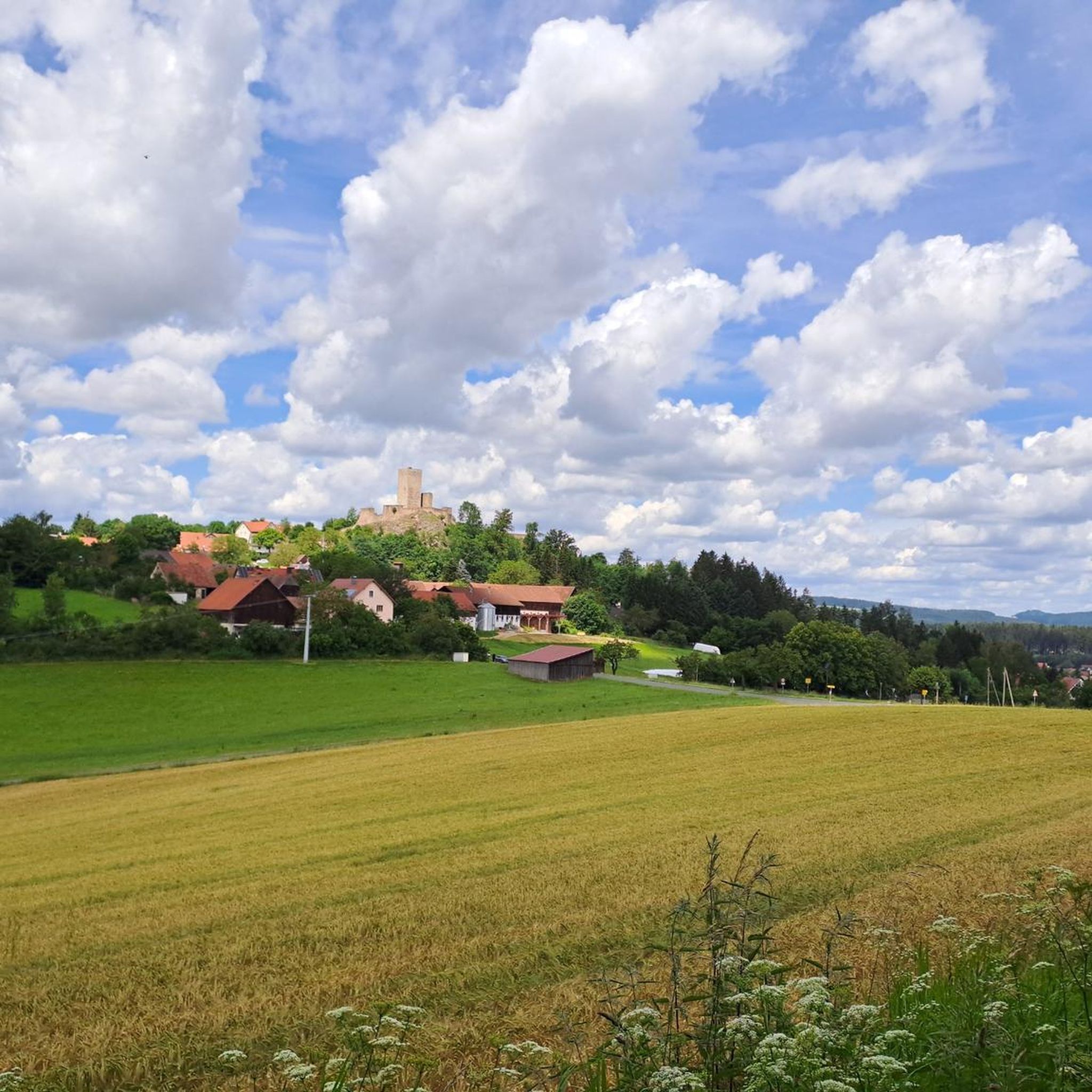
MTB Trails around Oberviechtach
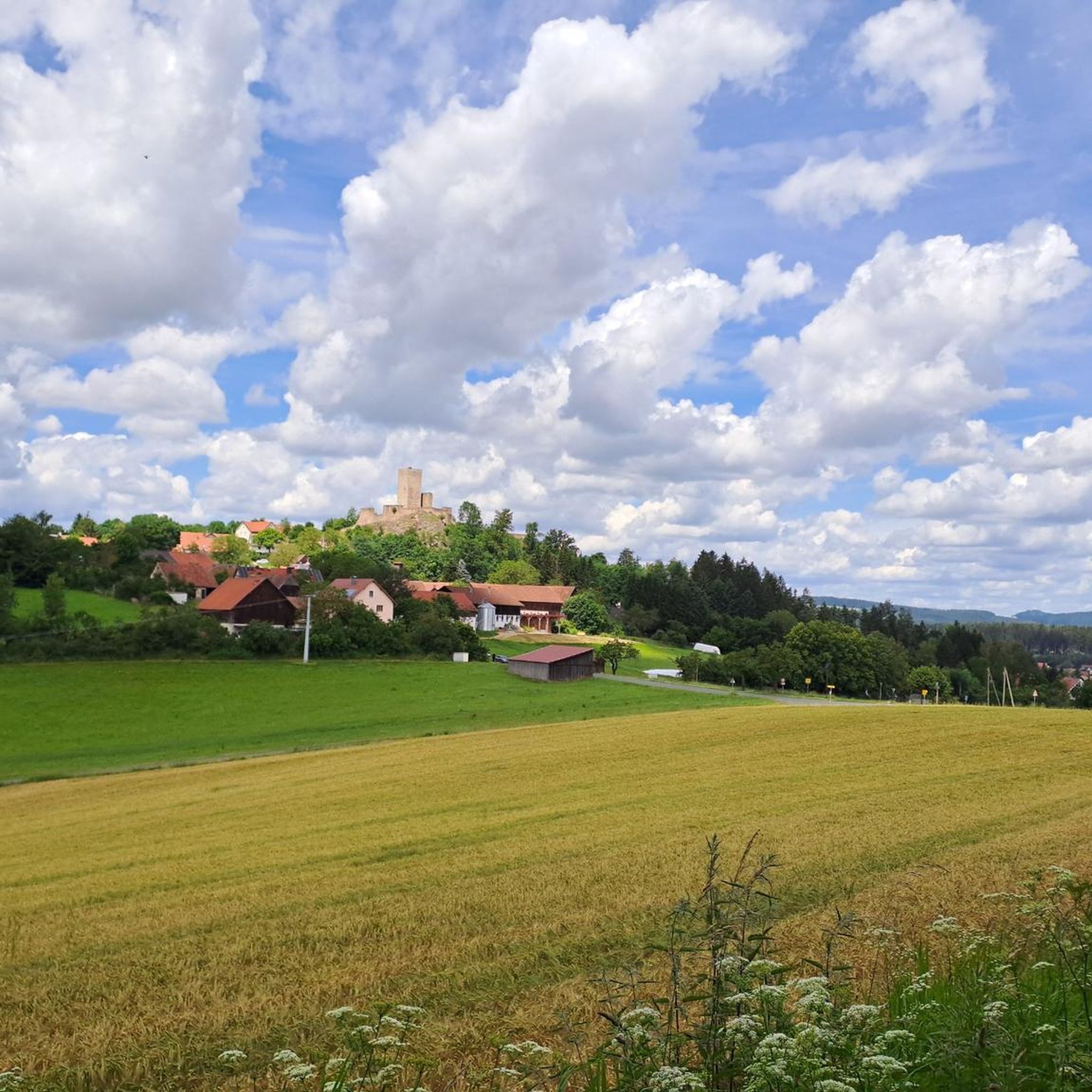
Road Cycling Routes around Oberviechtach
Other adventures around Oberviechtach


Tips from the Community

The summit cross of the Wildstein. The place has something special.
0
0

A very beautiful village fountain.
0
0
Adventurous playground near the castle.
0
0

Old train station of Oberviechtach, where the Bavarian-Bohemian cycle path also passes.
0
0
The Bavarian-Bohemian Cycle Route passes by here.
0
0

Pilgrimage Church of St. James Also known as St. James' Church or popularly known as "da Jakowe", it is located half a kilometer east of the village of Fuchsberg on the Way of St. James from Prague to Nuremberg at the fork in the road to Hebermühle. The church's beginnings go back a long way in history: According to popular belief, there was a masonry monument with a wooden portrait of St. James on the site of the current church. It is historically proven that the church was built in the 18th century. According to sources, the founders were Count Carl Clement von Taufkirchen zu Fuchsberg and his wife Eleonora. The background to the foundation is a vow: the founders asked St. James to protect their son from injury and death in the Turkish wars. A picture on the gallery shows the saint riding alongside the Taufkirchen cavalry officer and protecting him. When this wish was granted, the couple had the Jakobi Church built in 1766. It appears to be a reconstruction of a church that had fallen into disrepair during the Reformation. There are around 80 seats in the interior of the church. The altarpiece shows Saint James with a shell and walking stick. The altar is flanked by two baroque candlesticks and the paintings "Washing of the Feet" and "Last Supper", which are attributed to Anton Merz from Neunburg. Figures of Saint Peter, Saint James the Elder and Saint Paul are to the left of the altar, and a crucifixion group is on the right. The gallery is decorated with paintings depicting Saint James. On the back wall under the gallery there are several votive tablets, two of which show "the image of Fuchsberg Castle from 1796" and the ruins of Wildstein Castle. In the middle under the gallery there is an oil painting of a Madonna of Mary Help of Christians by the Winklarn reverse glass painter Karl Josef Ruf the Elder, so that the depiction of Mary and the altarpiece form a longitudinal axis in the church. The pilgrimage church of St. Jakob was extensively renovated three times between 1962 and 1991, during which the masonry was restored, the pews from the Teunz parish church were installed, the roof was covered with larch shingles and the ridge turret with the bell was moved. Source: Excerpts from www.wikipedia.de / www.pfarrei-teunz.de
3
0
Pilgrimage Church of St. John Nepomuk - Johannisberg Church The pilgrimage to St. John Nepomuk at the Forst began when Pastor Florian Sigismund v. Miller from Oberviechtach built a small field chapel with a picture of John Nepomuk on the busy road from Regensburg to Bohemia in 1704. The chapel must have been very small. The pilgrimage was obviously very popular with the local population and passing traders, who donated generously to the small chapel, so that the desire to build a large pilgrimage church was soon expressed. Construction began in 1732: the farmers brought the necessary wood, stones and other materials. The church was built and fully furnished in just two years. Construction management was in the hands of unknown Electoral master masons from Amberg. Otherwise, the church as a whole is the creation of local craftsmen and artists. Spacious central building with a three-eighth choir, vaulted. The sacristy is attached to the north, with an upper floor as an oratory; they were only built in 1764/65. Nave has a flat roof with a cove. Gable turret. The stately high altar is dedicated to St. John Nepomuk. The altarpiece with the image of the church's patron saint by Matthias Pösl is flanked by two columns each; between the columns are the life-size figures of John the Baptist (left) and John the Evangelist (right). Above the altarpiece is a painting depicting God the Father, surrounded by numerous angel figures. The side altars are less elaborately designed: the left one is dedicated to the Queen of Heaven, the right one to St. Wendelin, the patron saint of cattle. The pulpit is erected on the left side of the nave, decorated with foliage and ribbon work and evangelist shields. Opposite is a high-quality, life-size wooden figure of St. John Nepomuk. The two late Gothic wooden relief figures of St. Barbara and St. Catherine are noteworthy. They appear very slim and delicate and were probably made around 1500. Where they came from and how they got to Johannesberg cannot be determined. An extensive renovation took place from 1972 to 1974. Source: Excerpts from pfarrei-oberviechtach.de/johannisberg/
2
0
Frequently Asked Questions
How many hiking trails are available around Oberviechtach?
There are over 100 hiking routes in the Oberviechtach region, catering to various skill levels. This includes 63 easy routes, 49 moderate trails, and 5 more challenging options for experienced hikers.
When is the best time of year to go hiking in Oberviechtach?
The best seasons for hiking in Oberviechtach are spring and autumn. During these times, the weather is mild, and nature offers vibrant blooms or colorful foliage, making for particularly scenic walks.
What do other hikers say about the trails in Oberviechtach?
The hiking routes in Oberviechtach are highly rated by the komoot community, with an average score of 4.7 stars from over 200 reviews. Hikers often praise the diverse landscapes, tranquil forest paths, and the well-maintained trails leading to historic sites.
Are there easy, family-friendly hiking options in Oberviechtach?
Yes, Oberviechtach offers many family-friendly routes. For example, the area around Fahrenberg near Teunz is particularly suitable for families with children, featuring shorter circular hikes. The Gold Trail Information Point – Gold Panning Site at Frohnbach loop from Unterlangau is an easy 3.5 km path that explores the region's gold mining history and natural features.
Are there challenging hikes for experienced trekkers in the region?
Yes, for those seeking more strenuous adventures, Oberviechtach has several challenging routes. One such option is the Wildstein Castle Ruins – Wildstein Summit loop from Oberviechtach, a 21 km trail with significant elevation changes, often taking over 6 hours to complete.
Can I find long-distance hiking trails in the Oberviechtach area?
Oberviechtach is a gateway to the renowned Goldsteig Long-Distance Hiking Trail. Several segments of this major trail pass through or are accessible from the region, offering extensive routes for multi-day treks or longer day hikes.
Are there historical sites or castle ruins to explore on hikes?
Absolutely. The region is rich in history, with numerous castle ruins. You can hike to the impressive Murach Castle, dating back to the 12th century, via routes like To the castle and through the Wolfsschlucht. Other notable ruins include Wildstein Castle Ruins and Altenschwand Castle.
What natural landmarks can I see while hiking near Oberviechtach?
Hikers can discover diverse natural features, including trails along the scenic Naab River and around the impressive Eixendorfer See reservoir. The unique Kulzer Moos moorland area offers distinct natural beauty, and the Böhmerwald Observation Tower provides magnificent panoramic views of the Upper Palatinate, Bohemian, and Bavarian Forests.
Are there circular hiking routes around Oberviechtach?
Yes, many routes in the area are circular, allowing you to start and end at the same point. The Kulzer Moos features a circular route as part of the Goldsteig S8 trail, and the Fahrenberg near Teunz offers shorter circular hikes ideal for families.
Are the hiking trails in Oberviechtach dog-friendly?
Most hiking trails in the Oberviechtach region, especially those through forests and along rivers, are generally dog-friendly. However, it's always advisable to keep dogs on a leash, especially in nature reserves or near wildlife, and to check local regulations for specific areas.
Can I learn about the region's history while hiking?
Yes, the Gold Teaching Trail (Goldlehrpfad) allows visitors to learn about Oberviechtach's history of gold mining since the 14th century. You can even try gold panning along this trail, which is a unique way to engage with the local heritage.
Are there any hidden gems or unique places to explore on foot?
For a truly unique experience, you can hike to the abandoned village of Bügellohe. Accessible only on foot via a three-kilometer trail directly on the Czech border, it offers a fascinating historical exploration amidst nature.
Most popular routes around Oberviechtach
Most popular attractions around Oberviechtach

Get inspired with the komoot mobile app


Explore more
Browse the best Hikes in other regions.
