Attractions and Places To See around Barmer Wald - Top 20
Best attractions and places to see around Barmer Wald include a variety of natural and historical sites. This recreational forest in Wuppertal, Germany, is situated on the southern hills of the city, bordering the Barmer Anlagen park. It extends south into the protected Murmelbachtal valley, offering diverse landscapes and points of interest. The area combines natural beauty with cultural and historical significance.
Best attractions and places to see around Barmer Wald
- The most popular attractions is Toelleturm Observation Tower, a viewpoint that offers expansive views over Wuppertal from a height of 330 meters. Built in 1887, it stands 26.25 meters tall and is publicly accessible on good weather days, holidays, and Sundays.
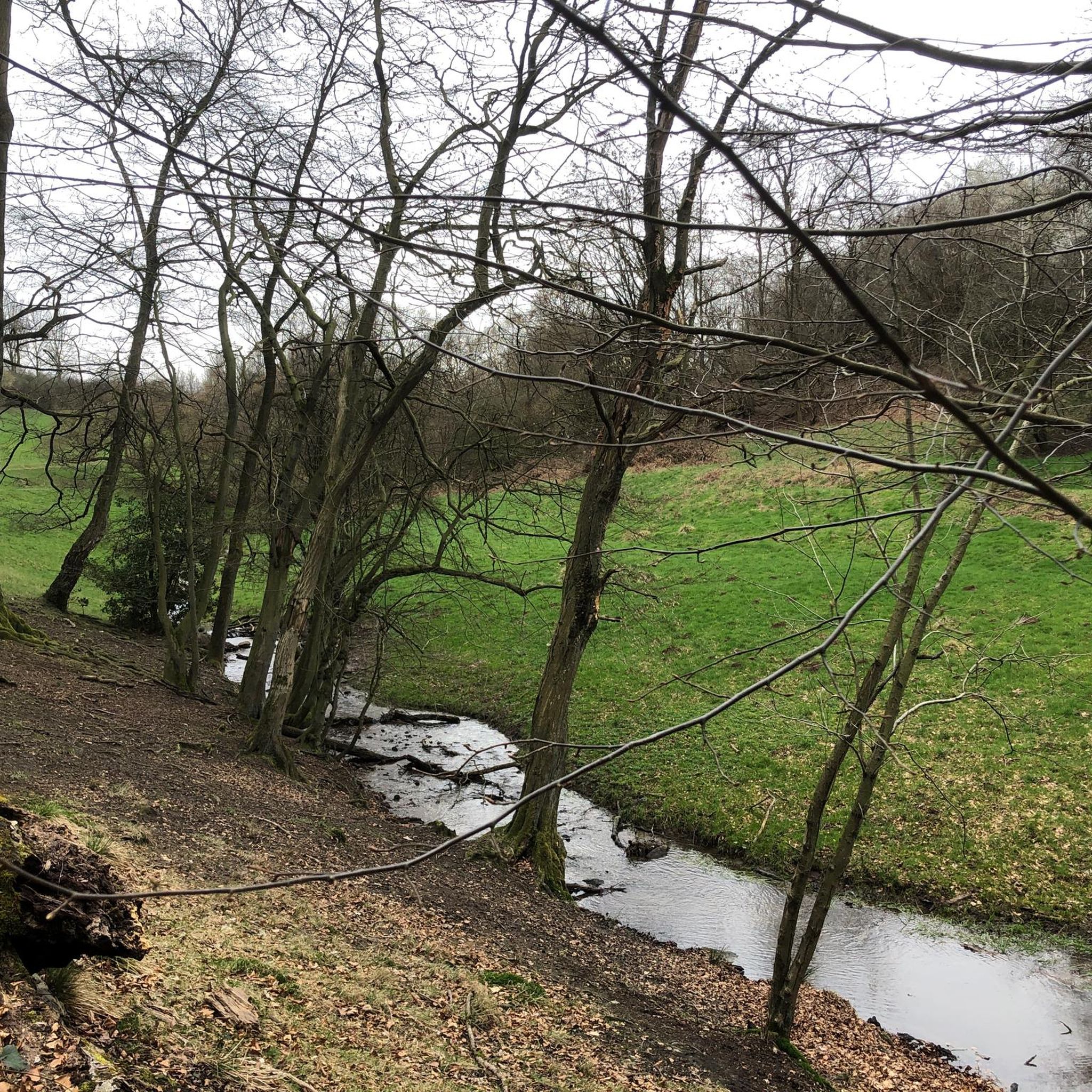
- Another must-see spot is Murmelbach Stream, a river that flows through the protected Murmelbachtal valley. This natural monument features a stream accompanied by several ponds, contributing to the area's ecological value.
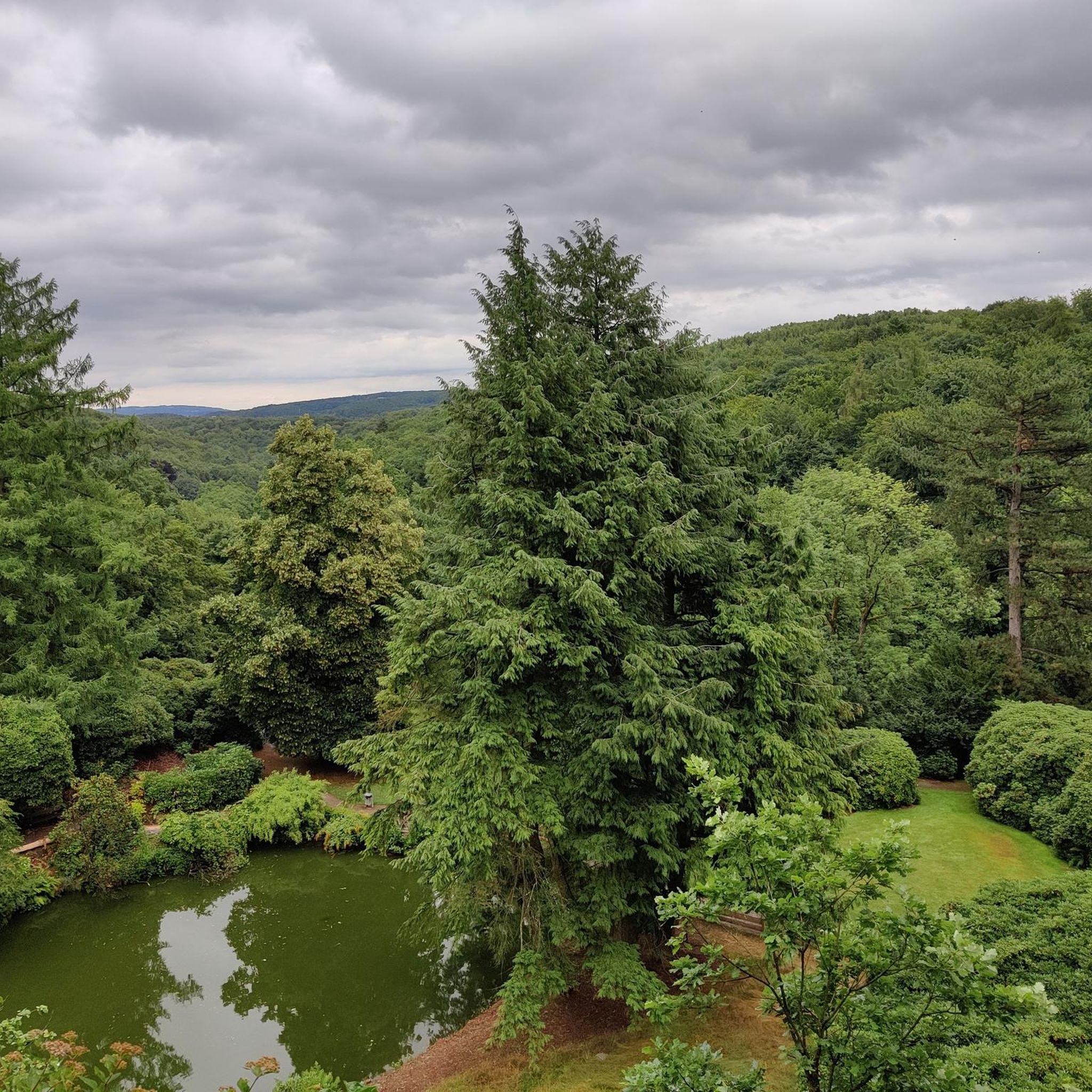
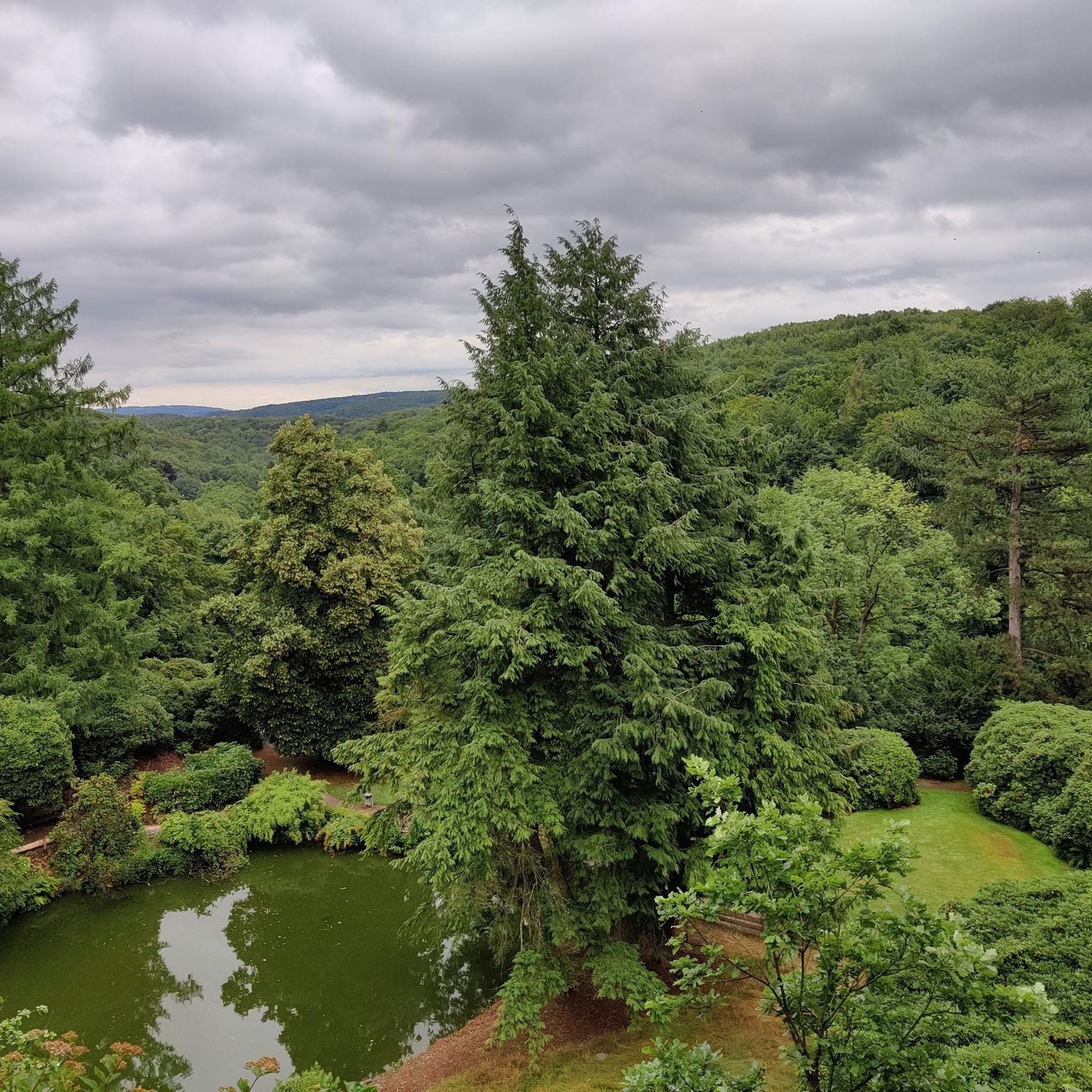
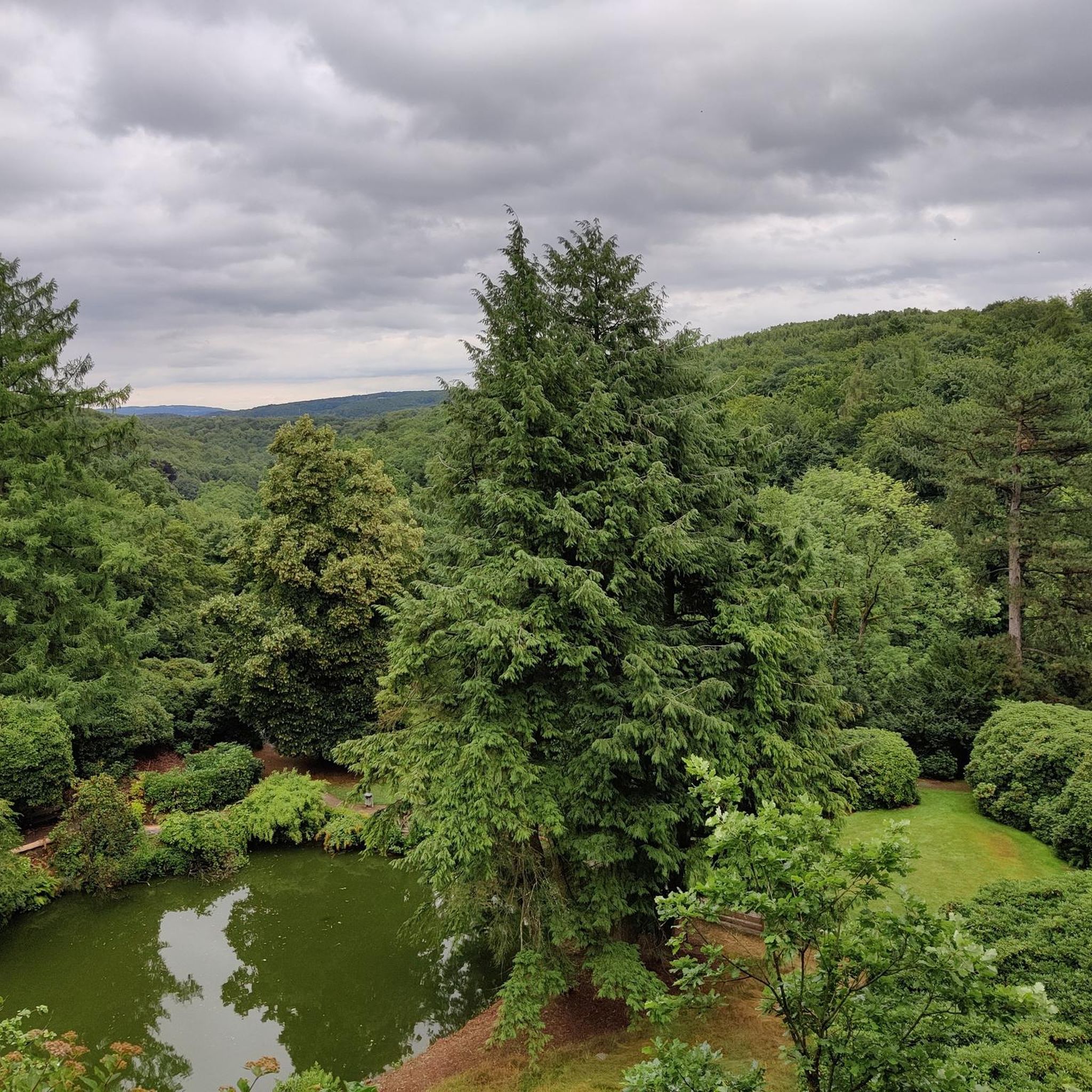
- Visitors also love Vorwerkpark Rhododendron Gardens, a natural monument known for its rhododendron bushes and small lakes. It is particularly worth visiting in April and May when the rhododendrons are in bloom.
- Barmer Wald is known for its natural features, historical sites, and viewpoints. Visitors can explore a variety of attractions, from protected valleys and observation towers to cultural monuments.
- The attractions around Barmer Wald are appreciated by the komoot community. With more than 500 upvotes and over 300 photos shared by users, the area offers diverse experiences.
Last updated: October 10, 2026
Toelleturm Observation Tower
Highlight • Viewpoint
OPENING HOURS
In good weather on Sundays and public holidays
Translated by Google •
Tip by

Vorwerkpark Rhododendron Gardens
Highlight • Natural Monument
Translated by Google •
Tip by

Sign up now to discover places like this
Get recommendations on the best single tracks, peaks, & plenty of other exciting outdoor places.
Murmelbach Stream
Highlight • River
Die Teiche sind als wertvolle Laichplätze des Grasfrosches hervorzuheben. Ein Vorkommen der Geburtshelferkröte ist wahrscheinlich erloschen. Als Entwicklungsziele für das Gebiet sind vor allem der Erhalt und die Wiederherstellung der Mager- und Feuchtgrünlandflächen durch geeignete Nutzung und Pflege einschließlich der naturnahen Hecken, die turnusmäßig zu pflegen sind, die Entwicklung standortgerechter Waldbestände durch Entnahme standortfremder Gehölze sowie auch die Rückdrängung flächiger Neophytenbestände zu nennen. Besonders erhaltenswert sind auch die stehenden Gewässer des Gebietes.
Quelle: nsg.naturschutzinformationen.nrw.de/nsg/de/fachinfo/gebiete/gesamt/W-004
Tip by

Toelleturm Fountain
Highlight • Monument
The fountain by the sculptor Paul Wynand, who was born in Elberfeld, consists of an octagonal water basin, in the middle of which there are bowls stacked on top of each other in three steps. The water cascades down from the top shell into the basin. There are different statements about the origin of the stone, for example Franconian shell limestone, but also dolomite limestone from the Kirberg quarry. At the edge of the pool were four 90-100cm bronze groups depicting putti playing with dolphins. During the Second World War they were removed from a metal collection and could not be found again. A re-creation of the figures was prevented by Wynand's death on March 2, 1956.
Source: denkmal-wuppertal.de/2013/02/brunnen-mit-putten-am-toelleturm.html
Translated by Google •
Tip by
Murmelbach Pond Heckinghausen
Highlight • Lake
Translated by Google •
Tip by

Sign up for free to discover even more attractions around Barmer Wald.
Already have an account?
Start today with a free account
Your next adventure awaits.

Tips from the Community


The children love to climb the fountain, Toelleturm nearby, on Sundays when the weather is nice; Great children's playground next to the ice cream shop, the tastiest ice cream in Wuppertal, as well as the nearby Vorwerkpark
3
0

Nice fountain when open enjoying the view from the Toelle tower
3
0

"The Murmelbach, also Marper Bach, is a stream in the Wuppertal district of Barmen. After 3.6 kilometers it flows into the Wupper at the Heckinghauser toll bridge. In the Middle Ages, the stream was the boundary between the parishes of Schwelm and Lüttringhausen. Politically, he separated the Bornefeld office from the Electorate of Cologne and, from 1324, the March judicial district of Schwelm. After the annexation of all of Barmen by the Bergisch counts as a result of the Bergisch-Märkisch conflict (1397 to after 1400), the stream lost its long-standing border function, since the areas on both sides were combined in the Bergisch Amt of Beyenburg from 1407. The Barmen line of the Bergische Landwehr crossed the Murmelbach west of the pilgrim home." FURTHER INFORMATION: https://de.wikipedia.org/wiki/Murmelbach_(Wupper)
3
1

Very nice water fountain and a great photo opportunity.
2
0

nice fountain, nice park and on weekends when the weather is nice you can climb the tower and buy delicious ice cream
3
1

The Vorwerkpark was founded in 1907 by the Adolf Vorwerk family and has been open to the public since 2001. A 5.8 hectare area with a pond and large meadows with flowers and trees on steep slopes.
6
0
A nice walk along the creek that murmurs.
3
1
Frequently Asked Questions
What natural features can I explore in and around Barmer Wald?
The region offers a variety of natural beauty. You can explore the largely natural and protected Murmelbach Stream, which flows through the Murmelbachtal valley and is accompanied by several ponds, including Murmelbach Pond Heckinghausen. The Vorwerkpark Rhododendron Gardens are also a highlight, especially in April and May when the rhododendrons are in bloom.
Are there any historical landmarks or cultural sites to visit in Barmer Wald?
Yes, Barmer Wald has several historical points of interest. The Toelleturm Observation Tower, built in 1887, offers historical significance along with panoramic views. You can also find the Jahrhundertplatz (Centenary Square) Barmen, where a Centenary Oak was planted in 1908. Additionally, the forest contains numerous memorial stones and remnants of the Barmen Line of the Bergische Landwehr, an archaeological monument.
What are the best viewpoints in the Barmer Wald area?
The most prominent viewpoint is the Toelleturm Observation Tower, which stands 26.25 meters tall and offers expansive views over Wuppertal from a height of 330 meters. It's publicly accessible on good weather days, holidays, and Sundays. The Kaiser-Wilhelm-Höhe on the Deisemannskopf mountain also offers views, though its early 20th-century observation tower no longer stands.
What kind of outdoor activities can I do near Barmer Wald?
Barmer Wald and its surroundings are ideal for various outdoor activities. You can enjoy easy hikes through the dense network of paths, explore the Murmelbachtal, or venture onto more challenging routes. There are also options for gravel biking and mountain biking. For specific routes, you can check out guides like Easy hikes around Barmer Wald, Gravel biking around Barmer Wald, and MTB Trails around Barmer Wald.
Are there family-friendly attractions or walks in Barmer Wald?
Yes, the Barmer Wald area is suitable for families. The Murmelbach Stream and Murmelbach Pond Heckinghausen are considered family-friendly natural monuments, offering pleasant walks along the stream and ponds. The dense network of paths throughout the recreational forest provides many easy walking opportunities for all ages.
What is the best time of year to visit Barmer Wald?
The Barmer Wald is beautiful year-round, but certain times offer unique experiences. The Vorwerkpark Rhododendron Gardens are particularly worth visiting in April and May when the rhododendrons are in full bloom. For general exploration and enjoying the views from the Toelleturm Observation Tower, good weather days, especially Sundays and holidays, are recommended.
Is Barmer Wald accessible by public transport?
Barmer Wald is located within Wuppertal, making it generally accessible. While specific public transport routes to trailheads are not detailed here, Wuppertal has a comprehensive public transport network that can bring you close to the Barmer Anlagen and the forest's edges.
Are there easy hiking trails available in the Barmer Wald area?
Absolutely. Barmer Wald is known for its dense network of paths, many of which are suitable for easy hikes. For example, you can find easy loops like the 'Toelleturm – Toelleturm loop from Heckinghausen' or the 'Murmelbach Stream – Murmelbach Valley loop from Wuppertal'. More options are available in the Easy hikes around Barmer Wald guide.
What do visitors particularly enjoy about the attractions around Barmer Wald?
Visitors appreciate the blend of natural beauty and historical significance. The panoramic views from the Toelleturm Observation Tower are highly praised. The Vorwerkpark Rhododendron Gardens are a favorite, especially during bloom season, and the tranquil Murmelbach Stream valley offers a peaceful escape. The area is well-loved for walking and exploring, with over 500 upvotes and 300 photos shared by the komoot community.
Can I find cafes or restaurants near Barmer Wald?
While specific cafes and restaurants directly within the forest are not highlighted, Barmer Wald is situated in the Heckinghausen district of Wuppertal. As an urban recreational area, you can expect to find various dining options and cafes in the surrounding neighborhoods of Wuppertal, easily accessible from the forest.
What is the significance of the Barmer Anlagen in relation to Barmer Wald?
Barmer Wald forms the southern part of the larger Barmer Anlagen, a significant park complex in Wuppertal. The Barmer Anlagen are known for their historical design and features, such as the Dicke Ibach Treppe, which connects different sections. Together, they create a vast green oasis offering both natural landscapes and structured park environments.
Are there any unique or 'hidden' spots in Barmer Wald?
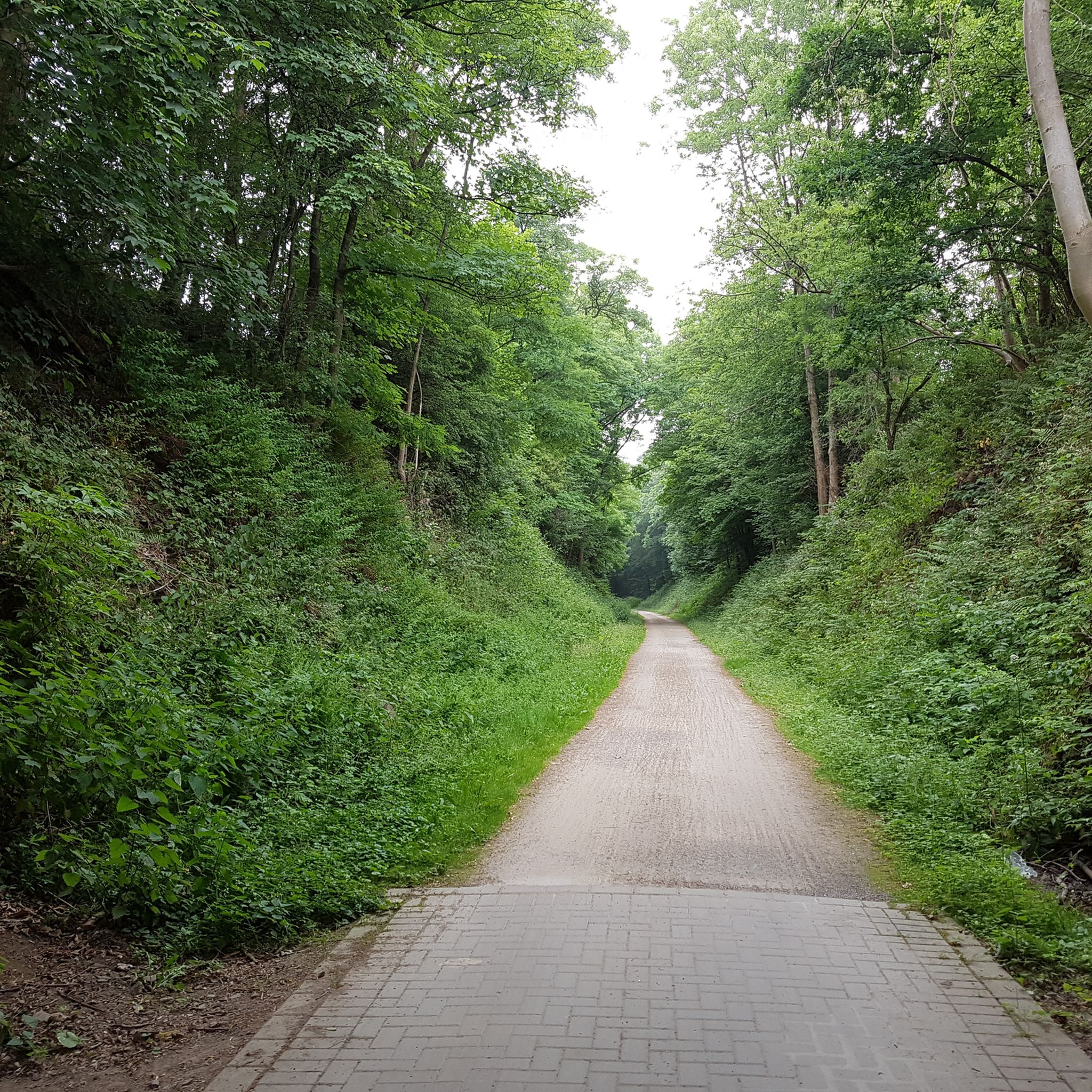
Beyond the main highlights, the Barmer Wald is crisscrossed by a dense network of paths, inviting exploration. The numerous memorial stones scattered at various crossroads throughout the forest offer small, often overlooked historical details. The largely natural Murmelbachtal, with its ponds and the Pilgerheim Murmelbachtal, provides a serene and somewhat secluded experience away from more frequented areas.
Most popular routes around Barmer Wald
Most popular attractions around Barmer Wald

Get inspired with the komoot mobile app


Explore more
Still not found the Highlight you’re looking for? See guides of the top attractions in other regions:
